10 Home Improvements to Skip So You Can Invest Where It Counts
-
01. Pools and Outdoor Kitchens Aren't Always Worth It
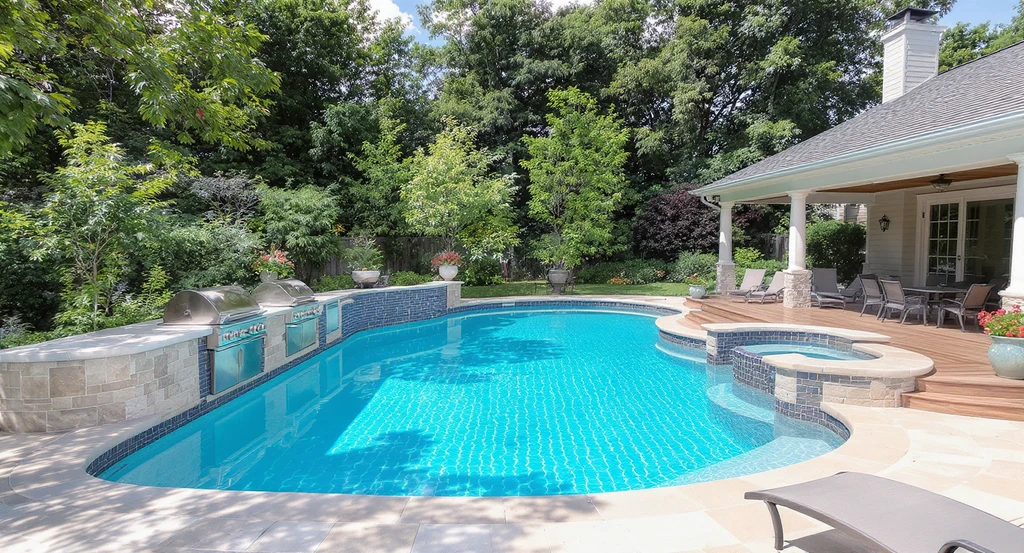
Using ai home renovation visualization tools helps homeowners avoid costly upgrades like luxury pools by showcasing practical outdoor improvements with higher daily value and eco-friendly design alternatives.
Adding a swimming pool, high-end outdoor kitchen, or custom luxury amenity may seem like a way to boost enjoyment and resale value. However, these upgrades rarely pay off unless you’re in a luxury market, many buyers see them as ongoing maintenance or liability risks.
This happens when upgrades are chosen for aesthetics, status, or personal excitement, not for how they’ll be used or valued by the next owner. Before committing, weigh how often you'll use these features, their maintenance, and if they match neighborhood norms. Instead, prioritize daily-use improvements such as better lighting, functional decks, or comfortable seating areas that deliver year-round value for most homeowners. For additional inspiration, learn more about high-impact, low-cost upgrades that typically provide a stronger return.
-
02. Creating Ultra-Personalized or Specialized Rooms
Converting spaces into home theaters, wine cellars, or overly custom offices can limit your market when selling. Most buyers prefer flexible, multipurpose rooms, and reversing specialized changes can add costs.
This often happens from focusing on hobbies and personal taste without considering the broader appeal or ease of future adaptation. A better approach is to use modular furniture, paint, or easy-to-remove shelving to create flexible spaces that suit your needs without anchoring the floorplan or finishes to a single use.
-
03. Costly Landscaping Mistakes
Elaborate gardens, fountains, or outdoor living spaces with intricate stonework can be beautiful, but they are costly to install and maintain. These features often exceed what most homeowners want or are willing to care for.
Usually, this results from seeing dramatic landscaping on TV or social media and overlooking the upkeep required or local climate suitability. As a practical alternative, focus on simple, low-maintenance landscaping, such as native plants and mulch, that boosts curb appeal without the long-term expense. Check out our guide on renovations that boost value for landscape ideas that pay off.
-
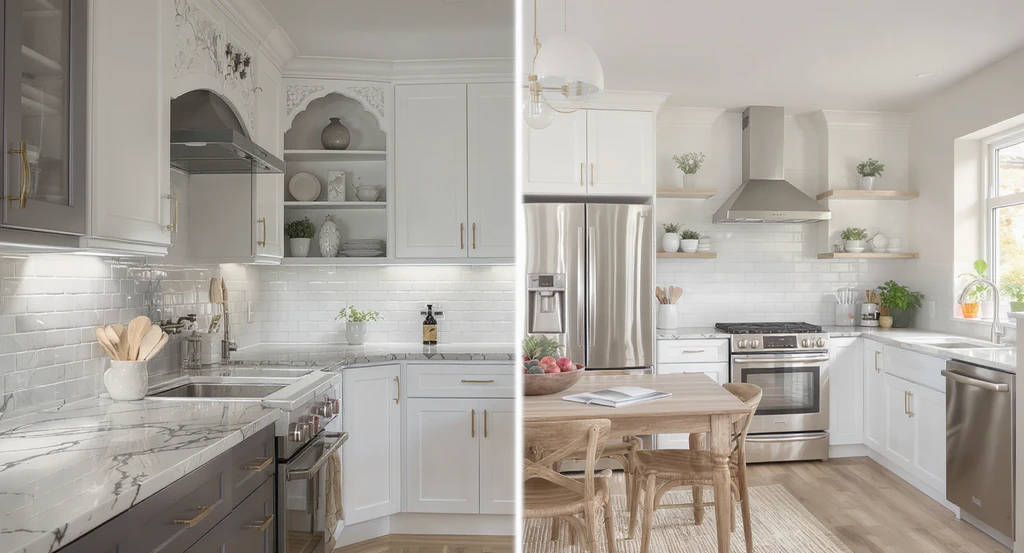
04. Replacing Cabinets and Fixtures That Are Still Functional
It’s common to replace old cabinets, light fixtures, or appliances simply for style’s sake when they’re still structurally sound and functional. This generates unnecessary waste and costs, especially if newer items are only marginally better.
This mistake typically happens when aesthetics overshadow utility, often inspired by pressure to keep up with trends. Instead, repaint cabinets, update hardware, or restore what you have. Reselling or donating what you replace further reduces waste and supports sustainability. For budget-friendly updates, our post on low-cost ideas offers practical inspiration.
-
05. Upgrading What Still Works
Completely re-wiring, re-plumbing, or updating HVAC for aesthetic reasons, when existing systems are safe and functional, rarely returns its full cost when selling. Most buyers expect basic systems to work but won't pay extra for brand-new hidden features.
This happens from fear of outdated systems or as part of overly ambitious renovations. Focus on repairing or upgrading only when functionality, safety, or energy efficiency truly require it. Prioritize maintenance, not replacement, unless there’s a clear benefit.
-
06. Chasing Short-Lived Interior Design Trends
Spending on trendy colors, finishes, or layout ideas may make your home look “current” for now, only to feel dated in a few years when preferences change. Fast trend cycles encourage replacing items that still work well.
Following trends is often driven by social media, marketing, or comparison with friends and neighbors. Instead, rely on timeless materials (neutral wall colors, classic fixtures) for major investments, and reserve trend testing for smaller, easily changed decor. See our discussion of renovation versus redecoration for more ways to balance personal taste with long-term value.
-
07. Adding Built-in Storage or Closets You Don’t Really Need
While storage is always valuable, excessive custom built-ins can consume floor area and add costs that you may never recoup. Building storage before decluttering often means paying to store things you rarely use.
This mistake comes from addressing clutter with cabinetry instead of reducing excess belongings. Declutter first, then assess realistic storage needs and use flexible solutions that can be updated or removed if your situation changes.
-
08. Filling Every Space with New Decor or Furniture
Buying furniture and decor just to keep empty spaces occupied may seem necessary, but it often results in clutter and overspending. Not every wall, shelf, or corner requires a new item.
This is a common response to feeling that “more is better,” fueled by marketing or social pressure. Let certain areas remain empty to create a sense of balance and intentional design, rather than overfilling your home with purchases lacking real function.
-
09. Renovating for Resale Instead of Your Actual Lifestyle
Upgrading a home purely for potential buyers often leads to generic, soulless spaces that may not even boost value as much as expected. You live in your home now, comfort and practicality should come first.
This approach usually stems from seeing the house as solely an investment, not a place for daily life. Focus on improvements that serve your comfort and are broadly appealing, such as efficient lighting, fresh paint, or improved layouts. As detailed in our guide to high-impact home updates, these changes often offer the best returns.
-
10. Remodeling Before Improving Room Layout and Flow
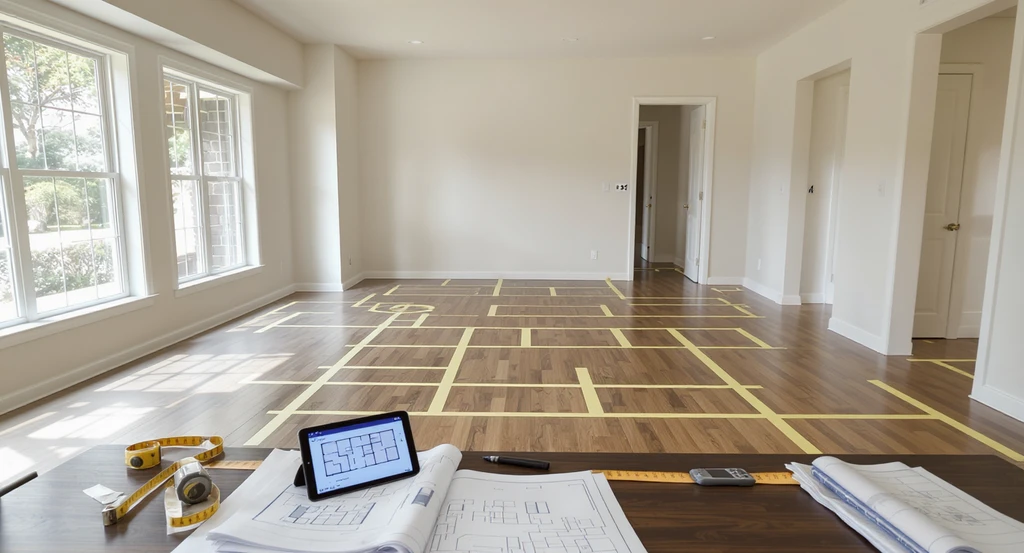
Room layout planning with ai home renovation visualization tools and practical spatial mapping helps avoid renovation waste and ensures the best use of space for eco-friendly home improvements.
Spending money on new finishes, appliances, or decor will do little to fix rooms that are awkwardly arranged. Often, the biggest improvement comes from revisiting the layout, ensuring furniture, doors, and walkways create a functional, comfortable flow.
- Measure every piece you intend to buy or move.
- Account for door swings, window placement, and natural light access.
- Map traffic paths so rooms aren’t blocked or cramped.
Fixing layout problems before spending money on finishes, furniture, or decor can often deliver the biggest improvement at the lowest cost. Address layout before surface changes to avoid costly mistakes and maximize your home’s potential.
Frequently Asked Questions
Frequently Asked Questions
- Which home upgrades tend to waste the most money?
- Over-personalized luxury features, extensive built-ins, and trend-driven changes often cost more than they’re worth, especially when considering future buyers or ongoing upkeep.
- How can I avoid creating unnecessary waste with renovations?
- Refresh and repair before replacing—paint, restore, or repurpose what you have. Donate or sell unwanted items and minimize overhauls unless structure or safety demand it.
- Is it better to renovate for resale or personal comfort?
- Balance both. Choose timeless updates that increase comfort now and stay appealing to a wide range of buyers when it’s time to sell.
- What should I focus on when planning home improvements?
- Prioritize real problems: poor layouts, outdated systems, or clear maintenance needs. Avoid upgrades just for aesthetics or trends unless they also improve function.
- Do small changes really make a difference?
- Absolutely. Even basic projects like painting, decluttering, or updating lighting can transform a space for minimal cost and significantly improve the look and feel of your home.
Choose Upgrades That Really Work
The best home improvements solve real problems, improve everyday experience, and avoid unnecessary waste. Before starting any project, be honest about why you want the change and whether it improves function, comfort, or value for most homeowners. Sustainable, practical decisions often outperform trendy or over-personalized projects, helping both your wallet and the environment. For further ideas on impactful yet sensible home changes, see our list of high-impact, low-cost upgrades you can try today.