11 Smart Ways to Transform an Awkward Bedroom Corridor
TL;DR
A long corridor in a bedroom does not have to be wasted or awkward. Creative design and careful zoning can transform it into a purposeful, inviting feature. Explore layered uses from built-in reading nooks to artful storage, all while protecting natural light and circulation. Expert-backed tips ensure your compact or odd layout works with your lifestyle.
Why Corridors Can Be a Design Challenge—and a Hidden Opportunity

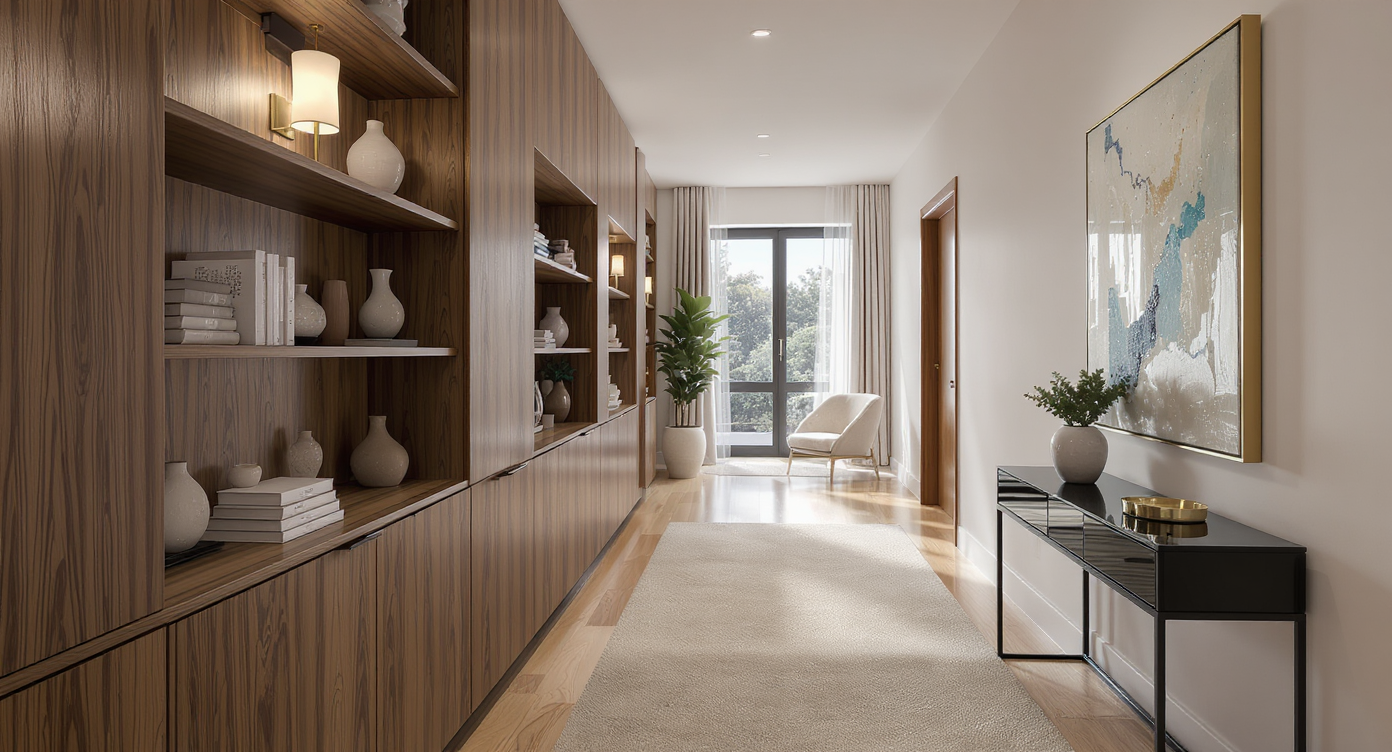
Modern bedroom corridor with pale wood flooring and minimal built-in storage, illustrating a common underused layout problem.
Long, narrow corridor-like areas inside bedrooms are an increasingly common design puzzle. Whether born of odd layouts, boxed-in windows, or multi-purpose needs, these spaces often end up underutilized. Yet with thoughtful planning, even the most compact spaces can turn into coveted corners of relaxation, productivity, or style. If your all bedroom concepts include a strange corridor, don't settle for dead space or awkward furniture arrangements. The right choices can seamlessly blend this zone with the rest of your room, improve furniture and flow, and even add storage or character. Below, explore actionable ideas that help corridors work hard—without crowding out comfort or light.
-
1. Carve Out a Reading Nook
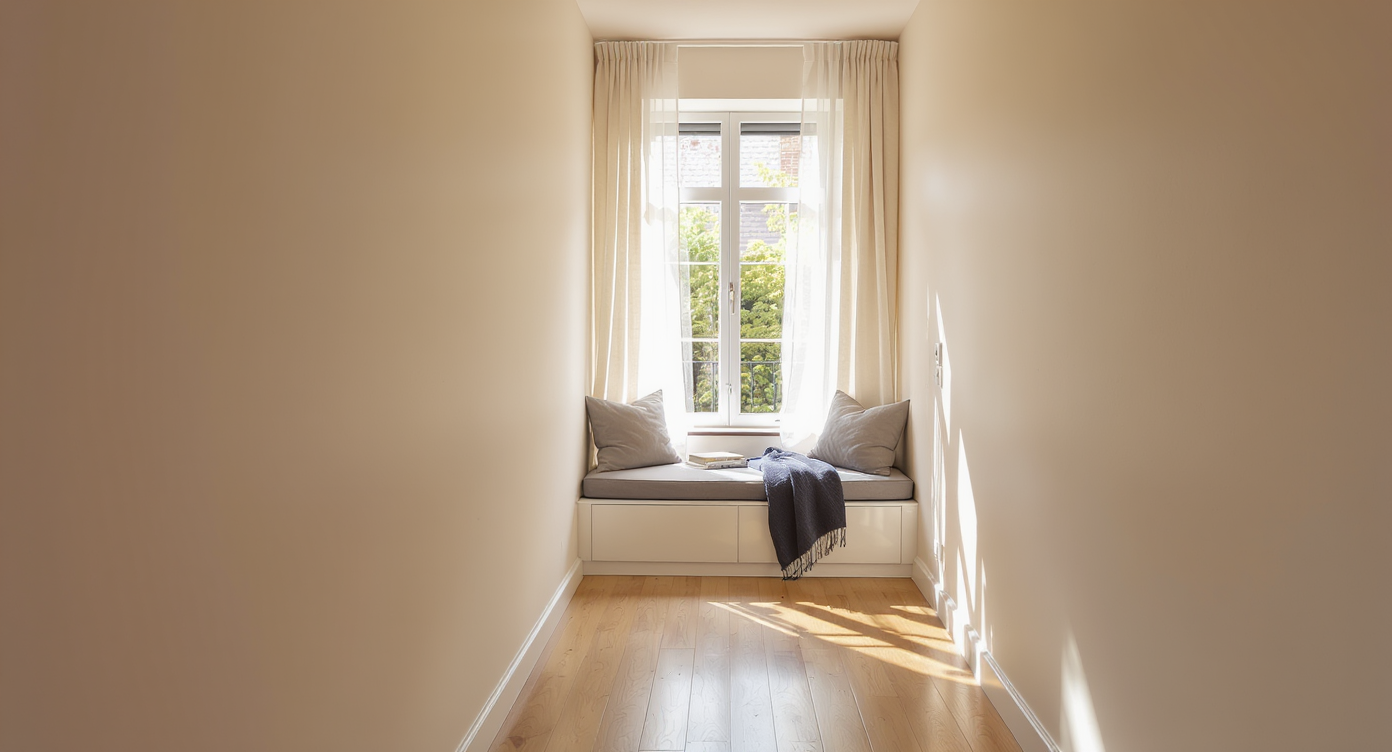
Built-in bench seating below a bright window transforms a bedroom corridor into a cozy, well-lit reading nook without crowding the space.
One of the most cherished uses for a long bedroom corridor is a reading nook. Even in a compact space, a slim bench or low-profile chair beside the window celebrates natural light without crowding. Adding cushions and a throw can transform it into a retreat for reading or daydreaming. Designers frequently recommend floating a built-in bench under the window for maximum openness and visual access. For more on integrating alcoves with seating, see our guide to making the most of an awkward bedroom cutout.
-
2. Install Floating Shelves for Books or Display
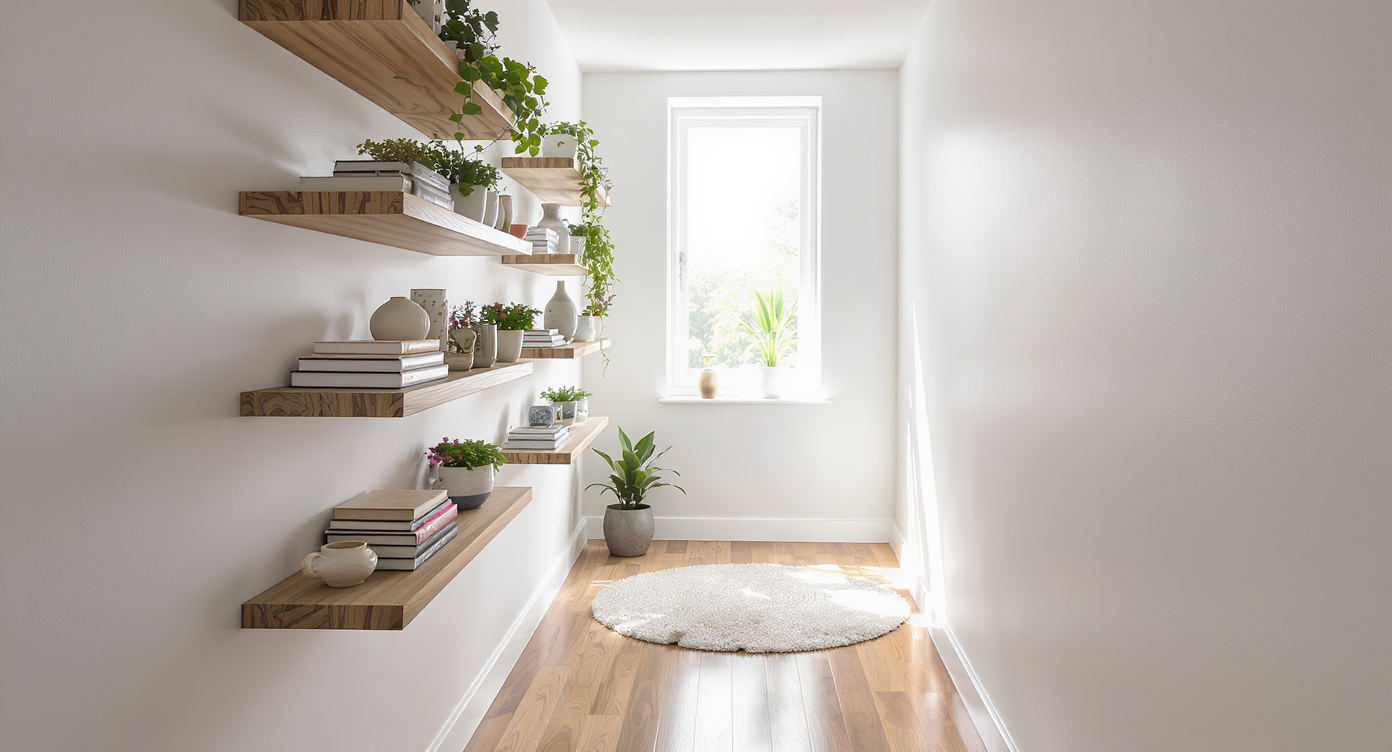
Floating shelves line one wall of a slim bedroom corridor, providing organized vertical storage without obstructing light or space.
Corridors with limited width benefit from vertical storage. Slim, floating shelves along one wall allow for a personal library, curated collections, or even craft supplies. Open-ended shelves (as narrow as 7-9 inches deep) keep the walkway unobstructed while still offering functional display. Being careful not to block windows or crowd upper space preserves airflow and light—key for compact spaces. Wall-integrated shelves can also double as display for plants or memorabilia.
-
3. Craft Station or Work Desk
If the bedroom serves double duty as a craft or guest room, carving out a wall-hugging work zone can elevate the corridor’s function. Choose a streamlined built-in desk or a fold-down option under the window, with supplies organized above. Rolling craft tables offer flexibility as needs change. As explored in our solutions for long, narrow rooms, the goal is to keep circulation clear and furniture proportional to the corridor’s width.
-
4. Embrace a Minimalist Sitting Zone
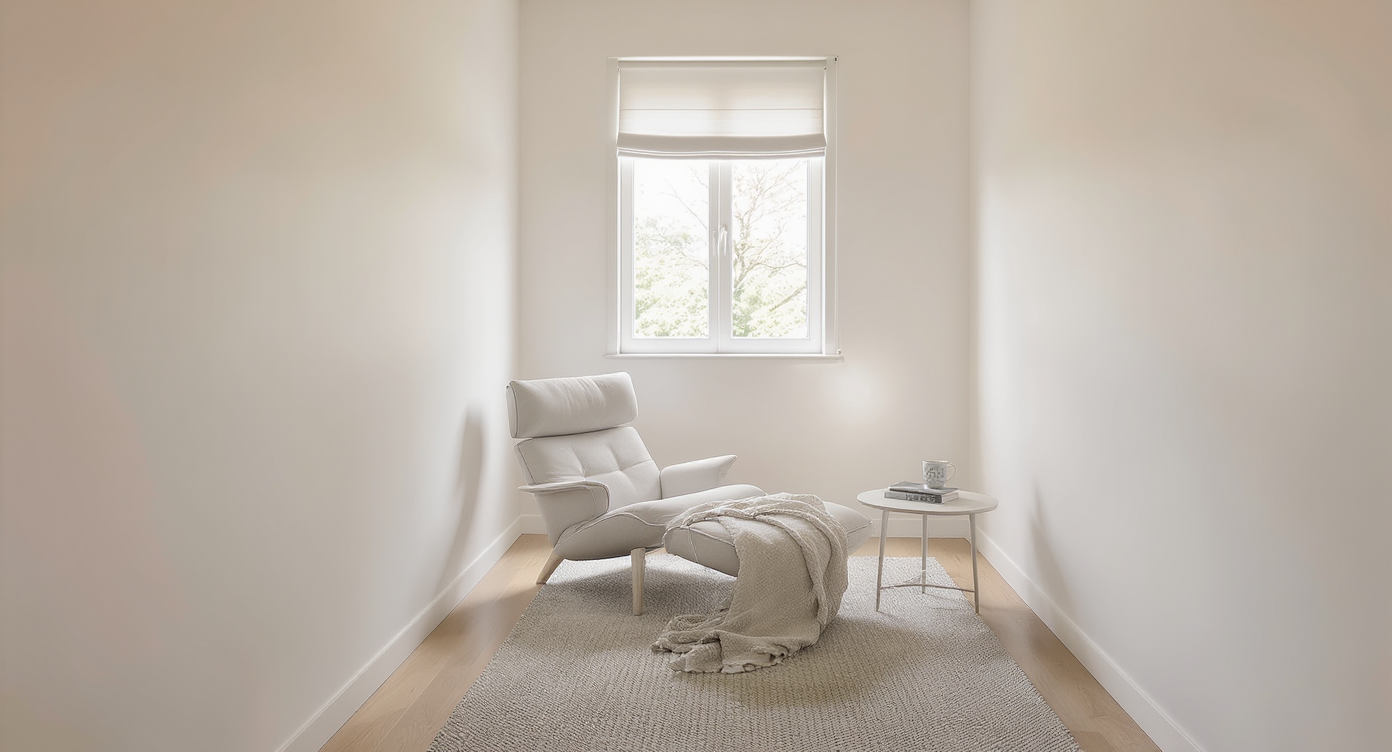
Minimalist sitting zone in a bedroom corridor: legless chair, side table, and layered textile rug create comfort while keeping the space open.
Some corridors may feel best with minimal furniture. A low-profile legless chair, beanbag, or pouf offers comfortable seating while preserving openness. Minimalist design, with layered textiles and a small side table for tea or books, can soften the hard lines of a narrow zone. In cases where claustrophobia is a concern, keeping the area nearly empty with just a blind or roll-up shade on the window can make the room feel more expansive.
-
5. Add Architectural Lighting
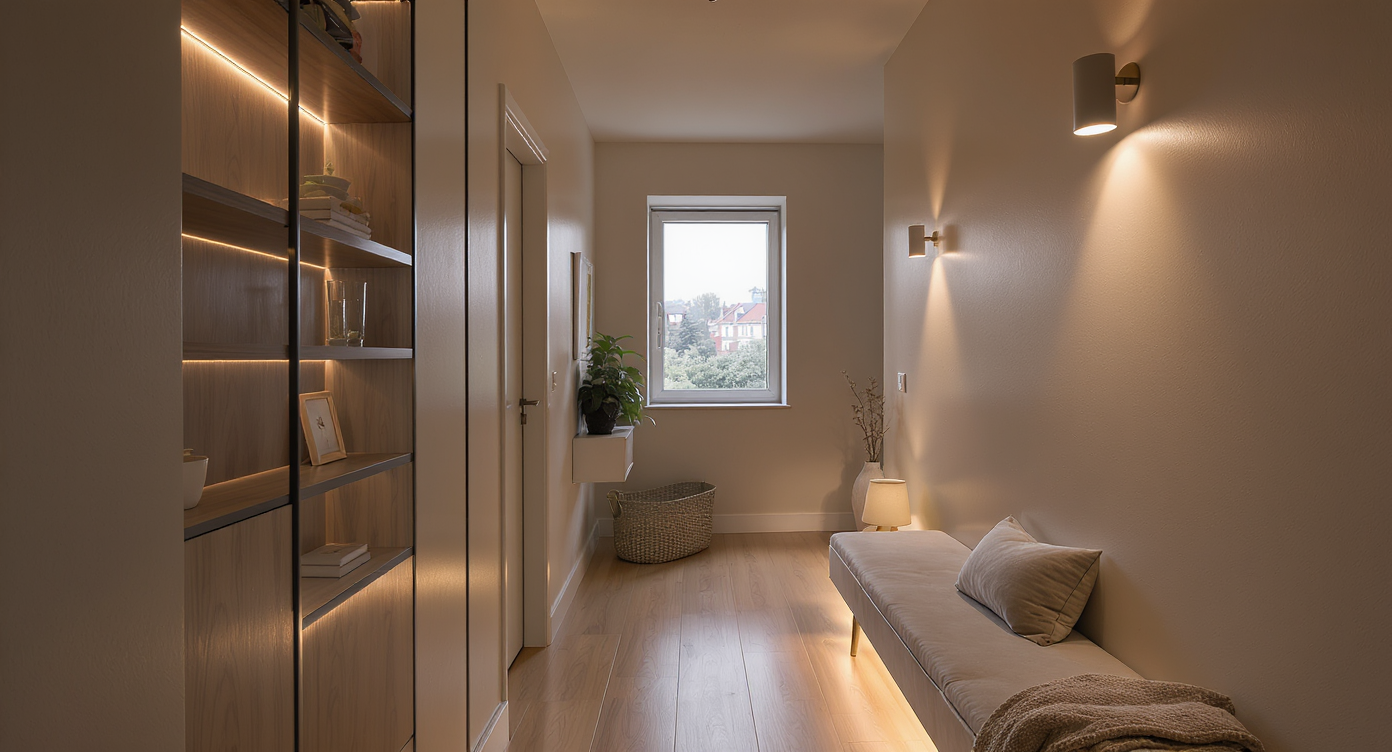
Layered architectural lighting transforms a narrow bedroom corridor with pendant, wall sconce, and accent lights for enhanced atmosphere.
Transform the corridor with layered lighting. A petite pendant light, adjustable wall sconce, or slim table lamp placed strategically enhances functionality and atmosphere. Accent lighting above a bench or shelves creates a sense of destination, drawing people toward the window or the activity zone. Lighting is especially important in corridors with limited access to natural light and can compensate for deeper compact spaces, encouraging more use of the area even at night.
-
6. Library Wall or Mini Gallery
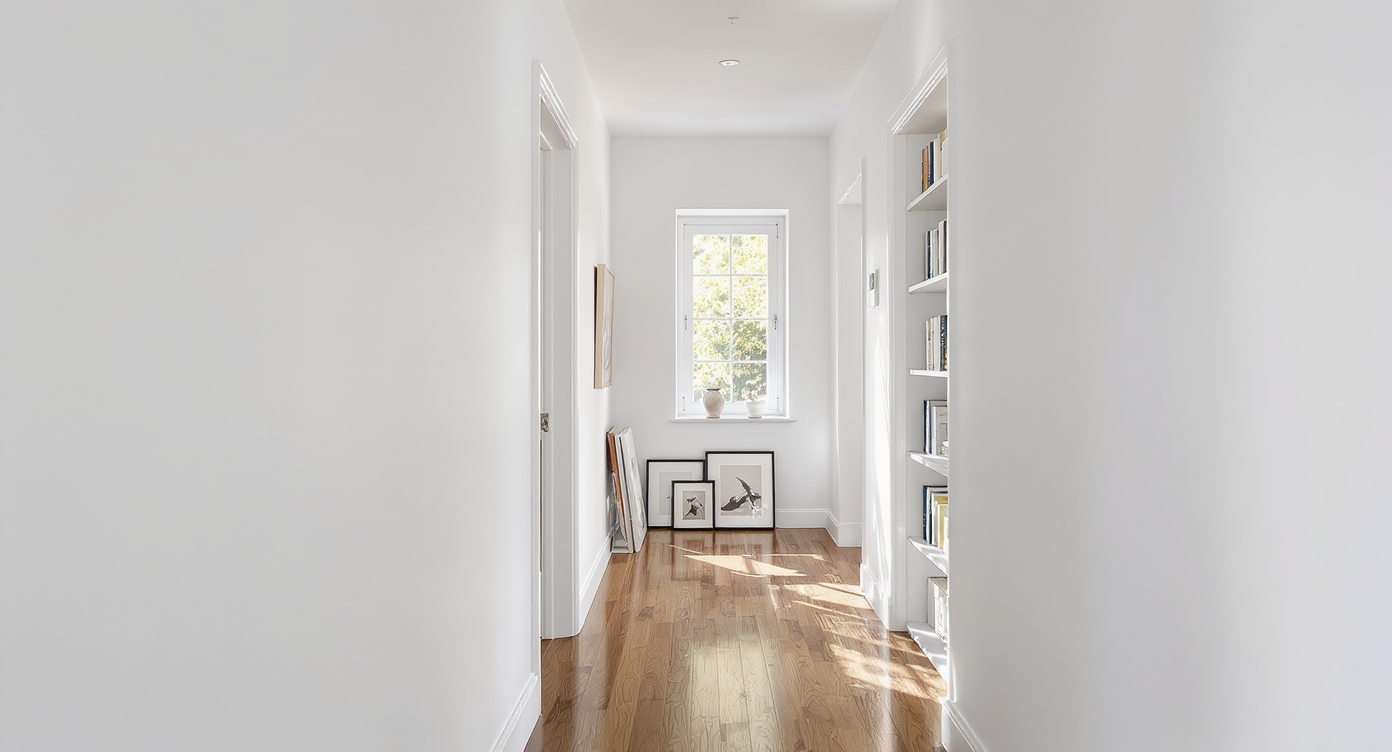
A bedroom corridor is transformed with square art near the entry and space-saving floating bookcases, blending gallery and library style.
Curate the corridor as a personal statement with a collection of art or favorite books. Square or symmetrical art pieces hugging the wall near the entrance give structure and rhythm to an otherwise utilitarian area. Floating bookcases, if wall depth allows, provide both aesthetic and functional value without compromising the view or flow. As described in our library and alcove strategies, even shallow shelves or art can create a sense of purpose in an odd layout.
-
7. Hidden Storage Solutions
Long corridors are prime candidates for built-in or concealed storage. Consider custom-size cabinetry beneath a window seat to stow guest bedding, craft supplies, or seasonal items. Low units with cushions on top perform double duty as seating and storage. Storage benches or a cedar chest maximize utility in limited footprints, all while keeping clutter out of sight. For more insights on adapting storage and furniture to tricky layouts, review our advice on swapping objects in awkward nooks.
-
8. Flexible Guest Sleep Zone
If the corridor must occasionally host guests, opt for adaptable solutions such as a trundle bench, fold-out mattress, or slim daybed. These options offer a welcoming spot to rest while folding away to reclaim the corridor’s footprint. Dual-use furniture, like a bench that extends to a bed or tables that roll aside, keeps the corridor uncluttered between visits. Smart furniture choices support both seating and sleeping without crowding your all bedroom concepts.
-
9. Celebrate the Window View
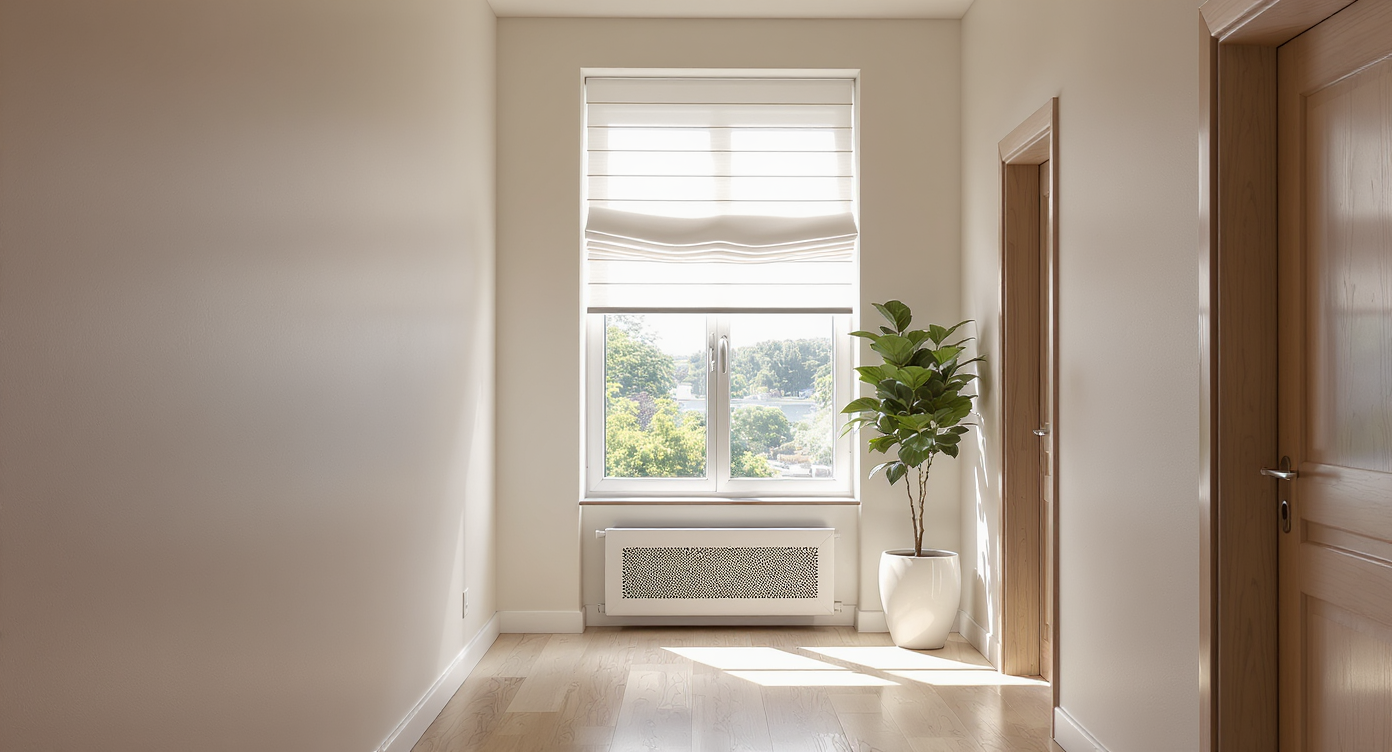
Open corridor with window view accentuated by sleek roman blinds and a single plant, maximizing daylight and unobstructed sightlines.
When a window is at the corridor’s end, prioritize clear access and unblocked sightlines. Avoid placing large furniture in front or immediately below the sill, both to preserve the view and to let daylight flow into adjoining spaces. Roman blinds, tie-backs, and low-profile shades offer privacy and style without bulk. Even a large plant or low standing sculpture can accentuate a window zone without closing off circulation or light.
-
10. Craft-Forward or Hobby Wall
For those who use their bedrooms for creative work, pegboards or magnetic panels lined along the corridor provide a bespoke craft zone. Tools, art supplies, or collections hang within easy reach, turning an underused area into a productive gallery. The corridor can thus function as a walk-in craft closet or a specialized workspace, echoing advice from our tricky nook transformation guide. A modular approach means the setup can evolve as hobbies change.
-
11. Use Digital Tools to Visualize Changes
Before committing to built-ins or bold choices, leverage digital design tools to see how new furniture or storage might look in your specific corridor. Platforms like REimagineHome.ai allow you to upload a photo, test layouts, and visualize décor changes risk-free. This small investment of time can prevent costly mistakes and give confidence when working with compact spaces or odd layouts.
FAQ: Bedroom Corridor Design Strategies
Celebrate the window as a focal point by creating a reading nook, minimalist sitting area, or workspace, and avoid blocking natural light with bulky furniture.
Can shelving work in a narrow corridor?
Yes, floating or shallow shelves can provide display or storage options without intruding on circulation, as long as they do not block the window or pathways.
How do I make a corridor feel less claustrophobic?
Keep furniture low-profile, use light colors, maintain clear access to windows, and let in maximum daylight with simple window treatments.
Are built-in solutions better for odd layouts?
Built-ins such as benches, storage, or shelves are ideal for maximizing awkward spaces, especially when tailored to the area’s dimensions.
Can I test different ideas before renovation?
Digital platforms like REimagineHome.ai make it easy to visualize new layouts or finishes before committing, reducing risk and enhancing planning confidence.
Design with Purpose—Maximize Every Corridor
A long corridor in a bedroom offers more than awkwardness when approached with purpose and creativity. The best solutions respect natural light, maintain flow, and layer in new uses—whether relaxing, working, or hosting. Use digital tools like REimagineHome.ai to preview ideas, and always let the room's light and rhythm guide your furniture choices for a result that enhances both function and enjoyment.