9 Real-Life Lessons From Tackling a Kitchen Remodel With Kids and Chaos
TL;DR
Undertaking a remodel project during a hectic life phase—especially with young children—demands careful planning, creative problem-solving, and honest self-reflection. These lessons go beyond layout and finishes, touching on family dynamics, safety, time management, and personal growth. Whether you're a parent or simply facing competing demands, these insights can help you navigate your own home improvement challenges with realism and resilience.
Remodeling a Kitchen With Kids: What Really Happens?
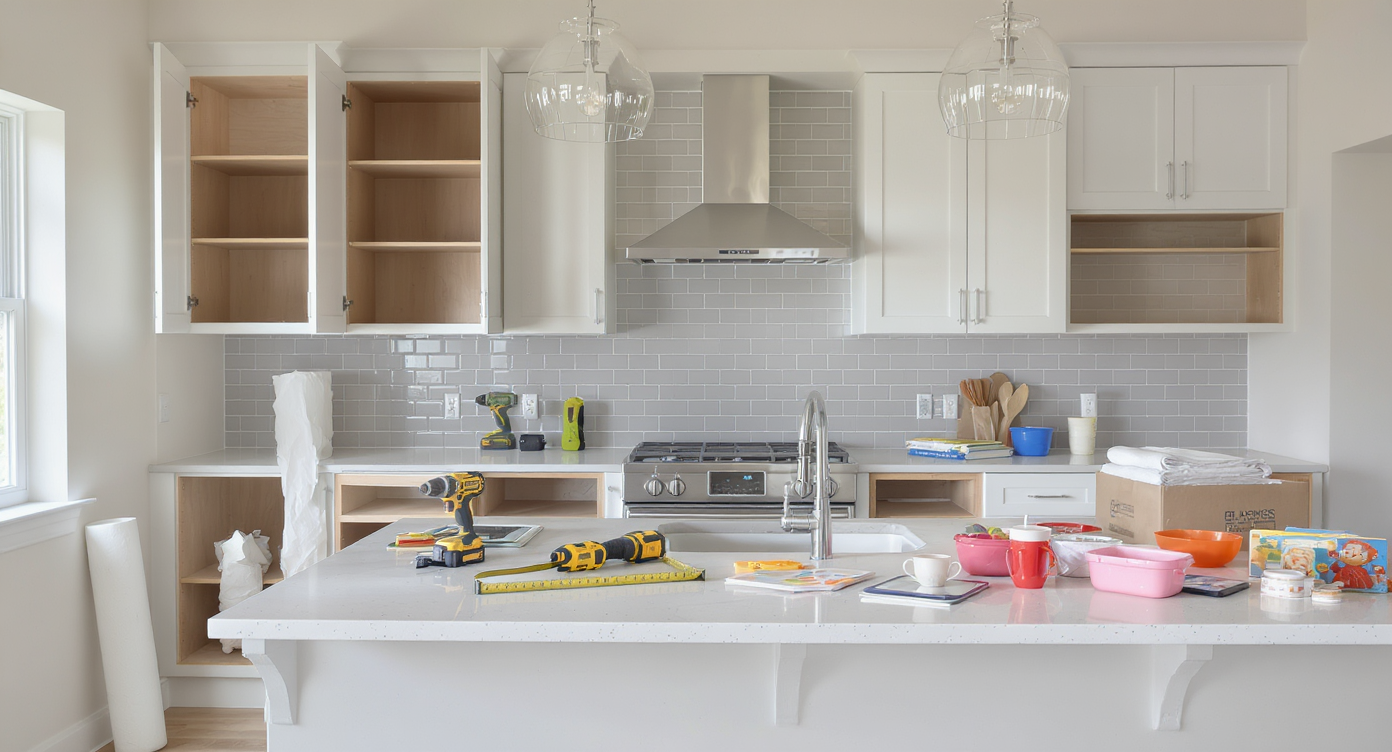
A kitchen remodel in progress shows renovation tools, children’s toys, and work essentials, reflecting the chaos of busy family life.
Attempting a major remodel project when life is already overloaded—with a non-sleeping child, demanding work, and academic deadlines—might sound unthinkable. Yet, for many homeowners, the urge to reimagine their living spaces persists, even under less-than-ideal circumstances. This blog explores what really matters when you renovate a kitchen amid the everyday stresses of parenting. The following lessons distill firsthand experiences and observed patterns from families who dove into DIY versus professional renovations. From design choices to safety planning and self-care, these takeaways are intended for parents, busy professionals, and anyone whose remodel dreams refuse to wait for a calm season. If you’re considering updating your kitchen or children spaces during a busy chapter, these real-world lessons matter.
-
1. Chaos Is Guaranteed, Preparation Is Not Optional
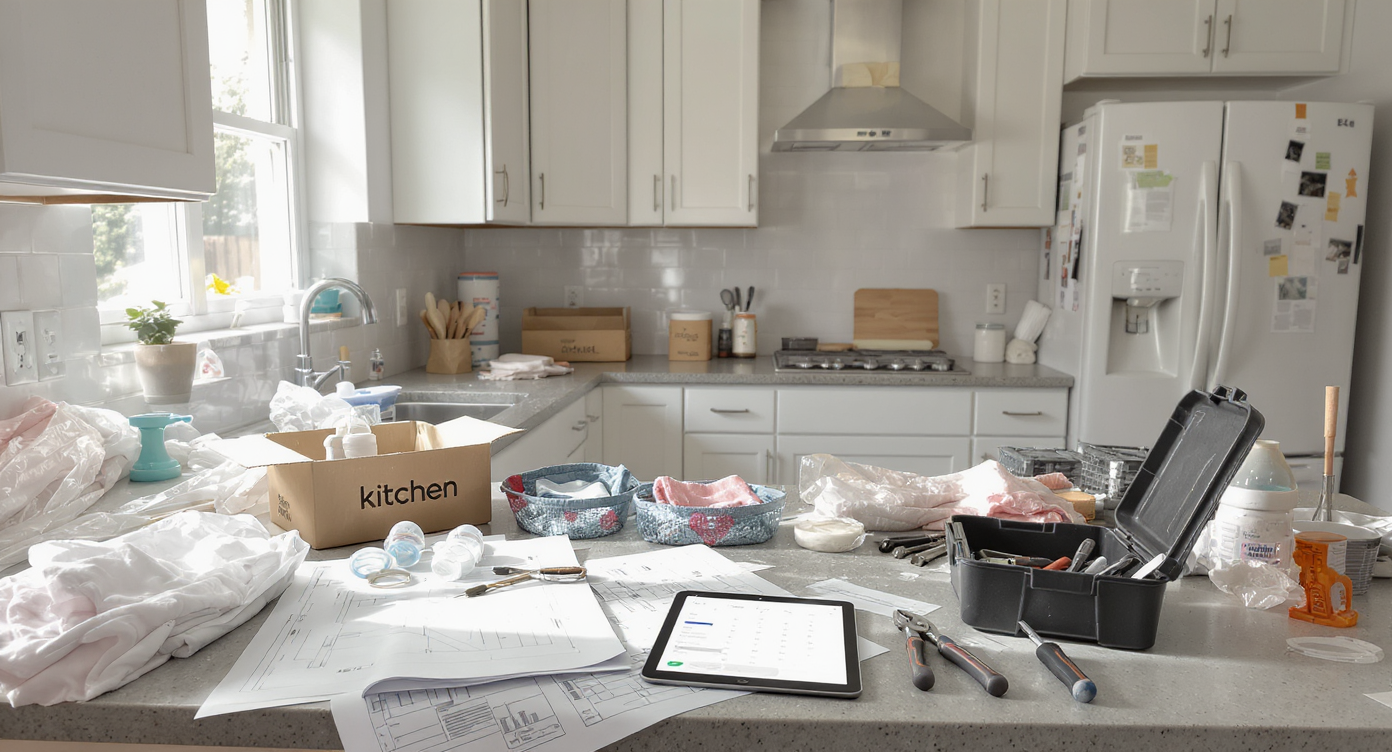
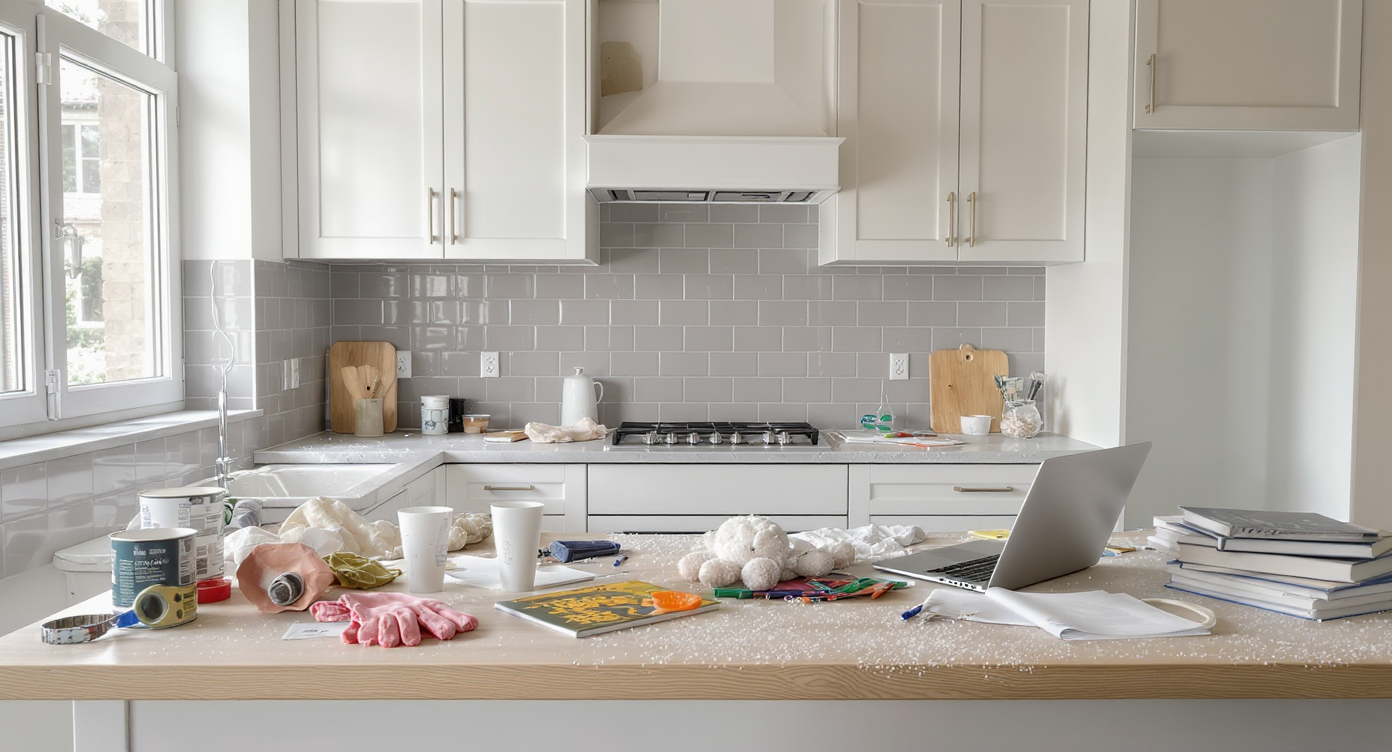
Kitchen counters with project blueprints, schedules, tools, and baby supplies illustrate the importance of preparation in chaotic remodels.
Starting a kitchen remodel with a newborn or small child in the house is not for the faint of heart. Schedules are unpredictable, there are frequent interruptions, and fatigue becomes your constant companion. However, a successful outcome begins with meticulous planning. As highlighted in guidance on timeline management, building in extra time and contingencies is crucial when unexpected parenting and life demands collide. Preparing for delays rather than hoping to avoid them prevents frustration and budget overruns. Learn more about practical timeline planning and setting realistic expectations before you pick up a crowbar.
-
2. Remodeled Spaces Quickly Become Family Zones
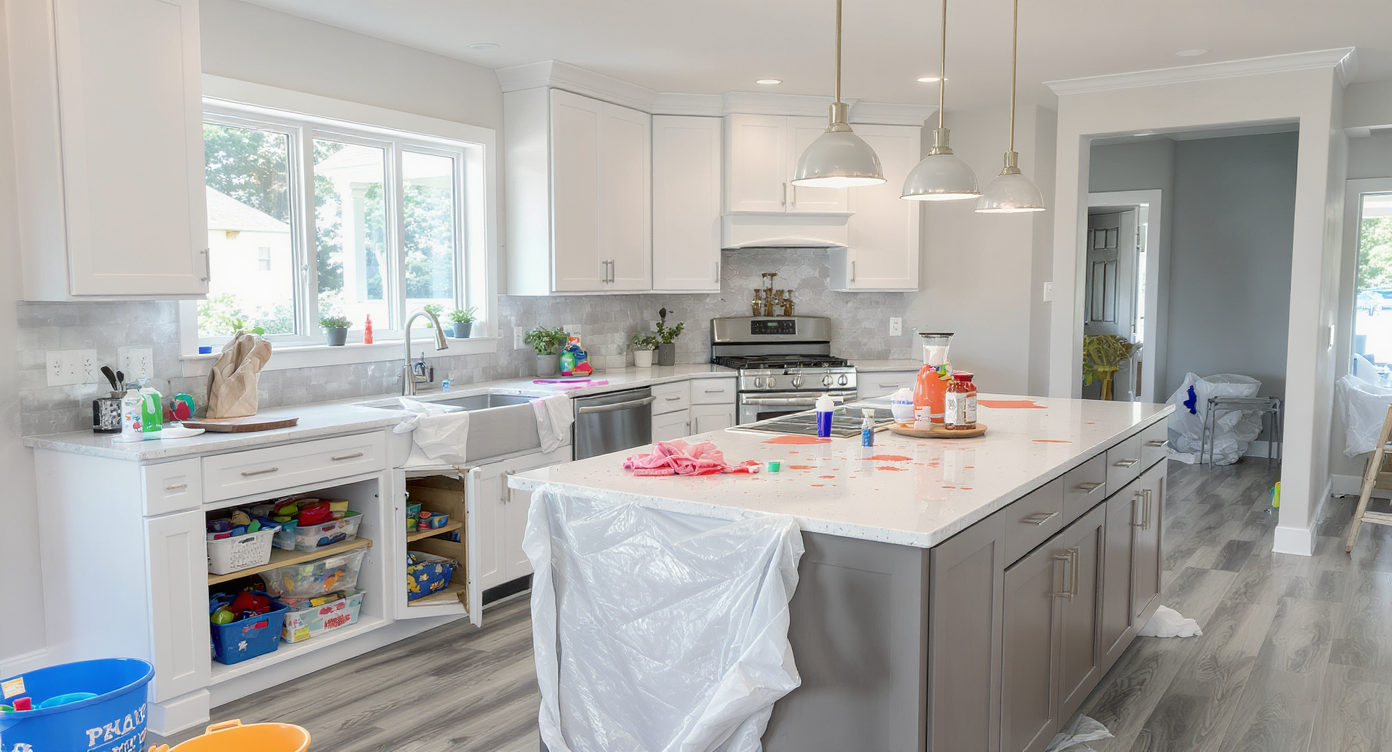
Remodeled kitchen as a lively family zone, featuring toy-filled cabinets, mess-resistant surfaces, and clear, safe areas for kids and daily activities.
Designing with children in mind often restructures your priorities—what starts as a personal kitchen remodel quickly turns into a shared family environment. Lower cabinets become toy repositories, countertops need to withstand messes, and finishes must tolerate both culinary and kid-related spills. This dynamic also affects traffic flow and safety, as family routines adapt around ongoing work. According to designers, investing in easy-to-clean materials and establishing temporary but safe work zones helps everyone coexist during the project.
-
3. Childproofing Is Non-Negotiable, Especially Mid-Renovation
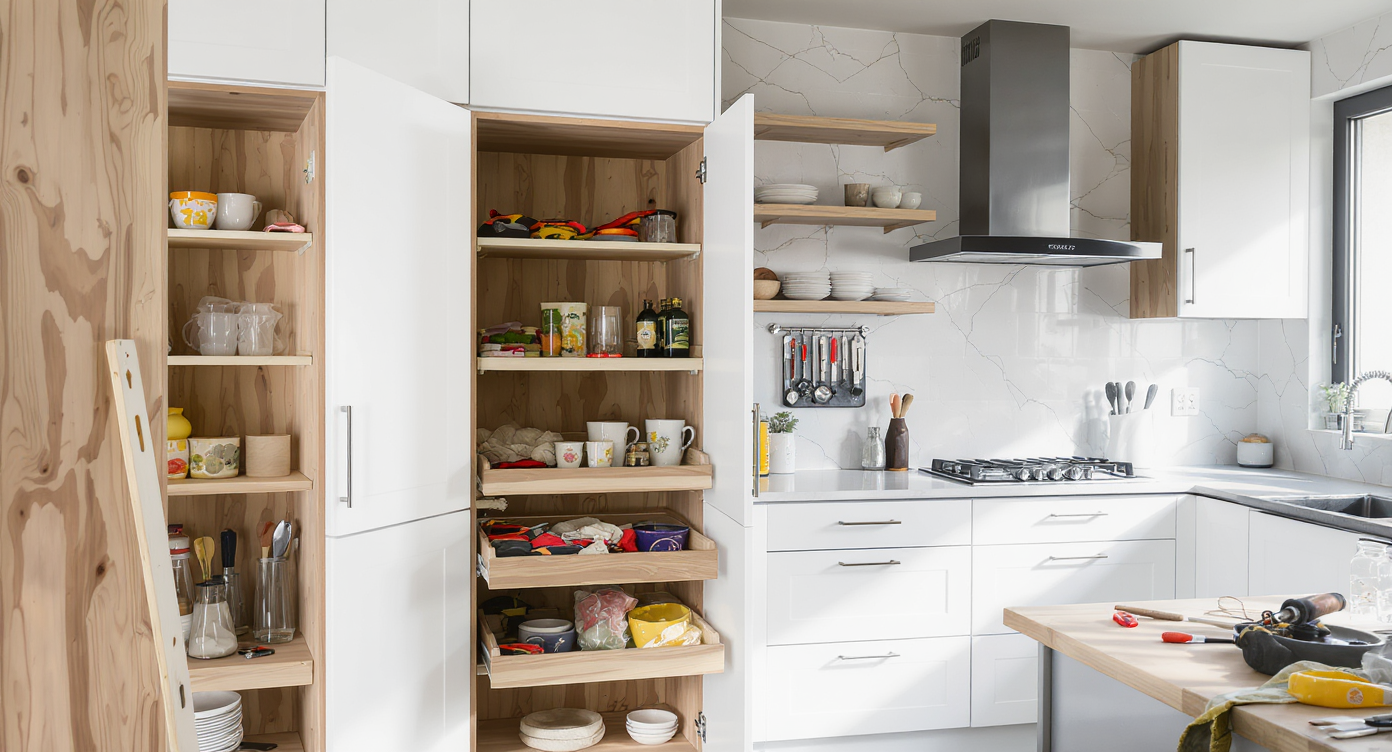
A renovated kitchen scene highlights practical childproofing: locked tools, anchored cabinets, upper pantry storage, and a secured wine rack.
Remodel projects disrupt the usual order of a household, presenting new hazards for young children. Open storage, exposed tools, and altered kitchen layouts can easily attract curious hands. Experienced parents advise locking up sharp tools nightly, anchoring tall cabinets, and thinking twice about pantry and wine storage placement. In practice, features like wine racks built into lower cabinets may seem clever but can invite mishaps if little ones are climbers or bottle enthusiasts. As demonstrated by real-world conversations, toddlers quickly find the one unsecured thing you never considered. Prioritizing safety in design doesn’t mean compromising style, but it does mean anticipating how children engage with the space.
-
4. Multi-Tasking Is a Myth—Expect Real Progress to Be Slow
Balancing childcare, work obligations, and academic pursuits while remodeling can make even small tasks stretch over weeks. Many homeowners underestimate just how much time projects will take, often inspired by rapid television makeovers or online highlights. However, as described by families who took on long-term DIY projects, patience is vital. Progress photos may show dramatic transformations, but behind every polished finish is a multitude of stops, starts, and do-overs. Recognize upfront that extended project timelines are normal and trying to do it all at once only increases stress. Celebrate incremental wins instead of aiming for perfection by a set date.
-
5. DIY vs Pro: Know When to Ask for Help
Embarking on a major DIY remodel can be empowering, but there are clear limits. For cosmetic updates and simple installs, doing it yourself saves money and instills pride, as discussed in our look at the payoffs of DIY for resale. Yet when it comes to structural, electrical, or plumbing work, parents in high-stress phases overwhelmingly recommend consulting a professional. Safety, code compliance, and long-term durability all hinge on skilled craftsmanship. The sense of achievement from self-directed projects is powerful, but so is the wisdom to delegate what exceeds your expertise or available time.
-
6. Storage Hacks Must Adapt With Children
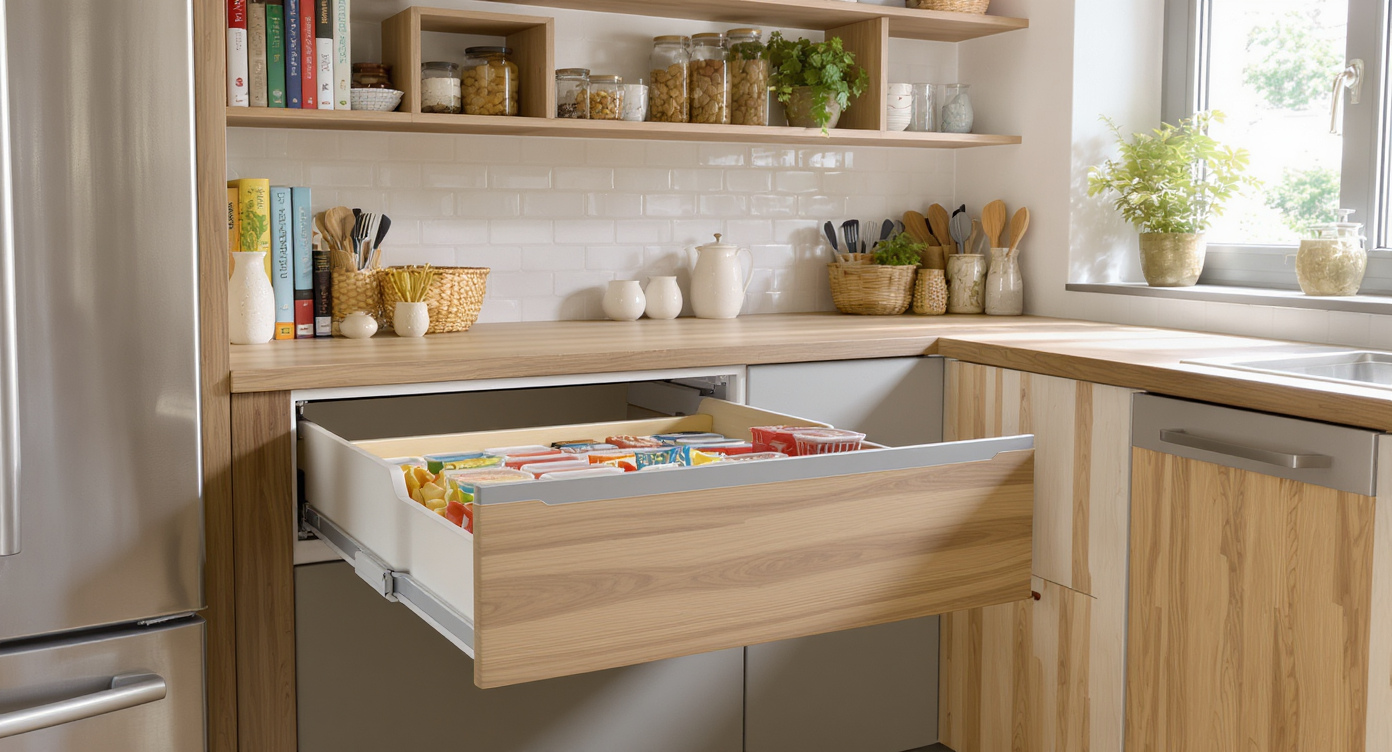
A family kitchen showcases adaptive storage with modular shelves, slide-out trays, and repurposed racks to fit evolving family organization needs.
Smart kitchen design adapts to shifting family needs. What begins as a wine rack may become cookbook storage, catchall shelves, or a mini pantry as your children grow or develop new interests. Creative solutions—such as modular shelves, slide-out trays, or re-hinging cabinet doors—help maximize limited space without sacrificing usability. Real families often modify features as habits change, swapping out child temptations for safe, practical storage. If you are planning organizational features, consider both current toddler-collision risks and future independence, making spaces flexible as needs shift.
-
7. Personal Touches Build Lasting Pride (and Tolerance of Imperfection)
DIY renovations sometimes highlight every small mistake and rough edge—the nail you bent, or the cabinet that is slightly off-level. Yet, homeowners regularly report that putting your own stamp on a remodel, especially while juggling parenting, builds more pride than any professionally finished room. Extended DIY home decor projects confirm that visible imperfections can become sources of stories, learning, and even humor. Embracing the unique journey your space takes—warts and all—offers lasting satisfaction beyond smooth grout lines.
-
8. Energy and Money Are Both Finite—Prioritize Accordingly
Undertaking a kitchen remodel with children and other demands strains both physical endurance and finances. Budget overruns are common, often a result of underestimated supply needs or unexpected repairs. Owners in busy life seasons emphasize the importance of clear budget planning and the willingness to pause for financial recovery. Even more challenging to replenish than money, however, is energy. Knowing when to step back, rest, or call in support sustains the project and prevents burnout. Leverage planning platforms like REimagineHome.ai to visualize options before committing to costly or exhausting decisions.
-
9. Remodels Change Family Routines—Be Ready to Adjust
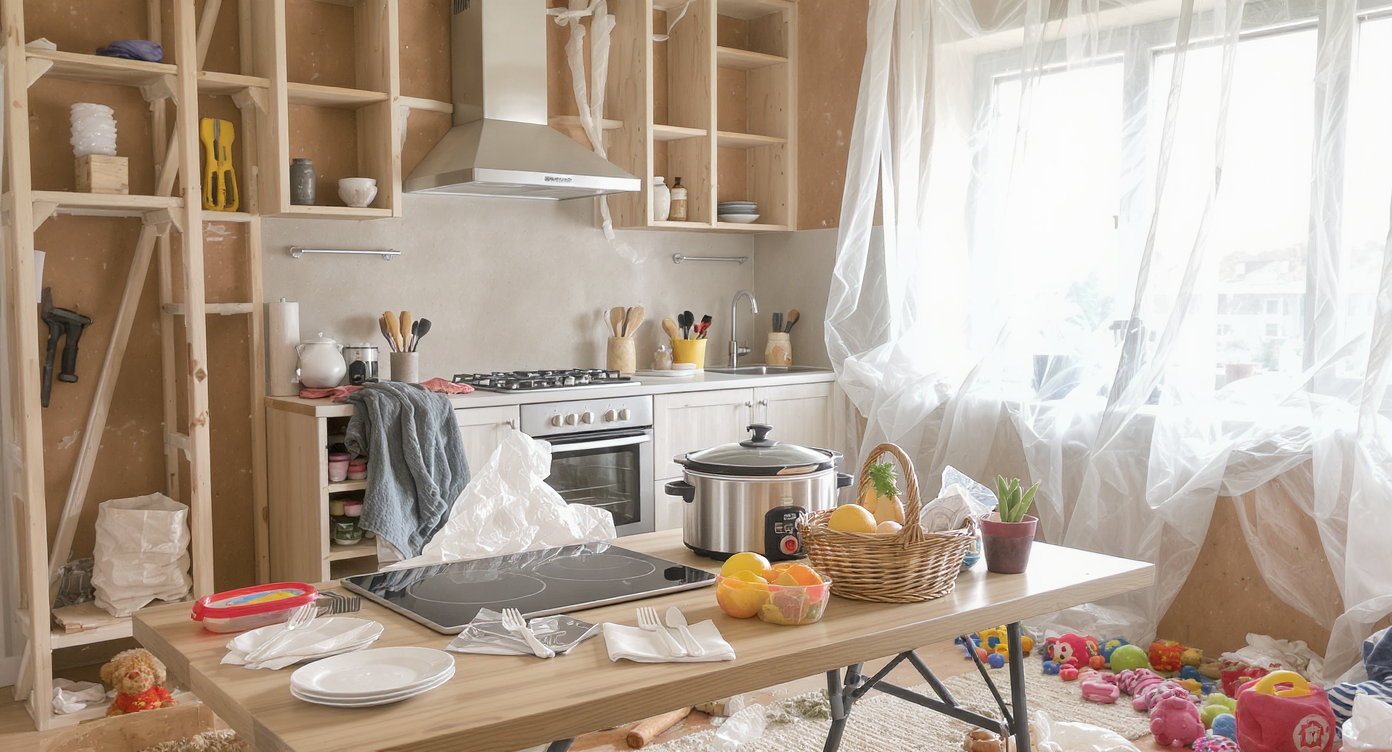
A real-world kitchen remodel scene with a temporary cooking station and playful meal area, illustrating family adaptability during renovation.
Major kitchen renovations often disrupt mealtimes, play, and sleep schedules, especially for children sensitive to change. Cooking in a construction zone or managing temporary eating arrangements tests everyone’s patience and flexibility. Still, many families find that adaptations—rotating meal duties, embracing picnic-style dinners, or setting up makeshift kitchenettes—can become temporary adventures. Open communication and patience help kids adjust, while parents report that the shared challenge fosters resilience and a deeper appreciation for the finished result. For inspiration on transforming kitchens from "nice enough" to uniquely personal spaces, see these kitchen remodel lessons that address both practical and emotional outcomes.
FAQ: Kitchen Remodels With Young Children and Full Lives
Child safety hazards increase during a remodel, from trip hazards to access to tools and chemicals. Prioritize childproofing work areas and consider involving a professional for complex or unsafe tasks.
Can you really save money with DIY versus hiring a pro?
Many cosmetic upgrades, like painting or cabinet hardware swaps, can be economical DIY projects. For work that involves electrical, plumbing, or structural changes, professional help is recommended for safety and code reasons. Explore real estate insights on choosing which DIY renovations are worth it.
How can I manage my renovation timeline alongside parenting?
Build in larger buffers for delays, schedule work in manageable blocks, and do not hesitate to pause projects to avoid burnout. Review renovation timeline planning strategies to set realistic expectations.
What planning tools are available for families remodeling at home?
Platforms like REimagineHome.ai allow you to test layouts, visualize finishes, and troubleshoot organizational challenges before making costly decisions, creating a virtual safety net for busy parents.
What should I do if my project has to stop partway?
Pause, reset your budget and schedule, and prioritize the next high-impact step. Small but steady progress is often more sustainable than rushing ahead.
Key Takeaways for Highly Distracted Remodelers
Remodeling a kitchen while raising children and managing other obligations is not about chasing perfection but about adapting, planning, and knowing your limits. Expect the process to uncover new priorities, from enhanced safety features to finding satisfaction in personal achievement over flawless results. Incorporating flexible storage, preparing for delays, and being honest about the boundaries of DIY versus professional help will ease the journey. Whether you are refining layouts or testing finish options, digital planning tools like REimagineHome.ai can support decision-making under pressure. In the end, these projects offer not just improved homes, but lasting confidence and stories to share.