9 Expert Strategies for Tackling Kitchen, Window, and Siding Remodel Decisions
TL;DR
When renovating kitchens or updating windows and siding, choosing durable materials and following a smart project sequence is crucial. Working out when to DIY versus call in pros, and when to select classic versus trendy finishes, can protect your budget and add long-term value. Address structural or water damage early and balance design with maintenance to keep your remodel on track.
Smart Approaches to Kitchen and Exterior Renovations
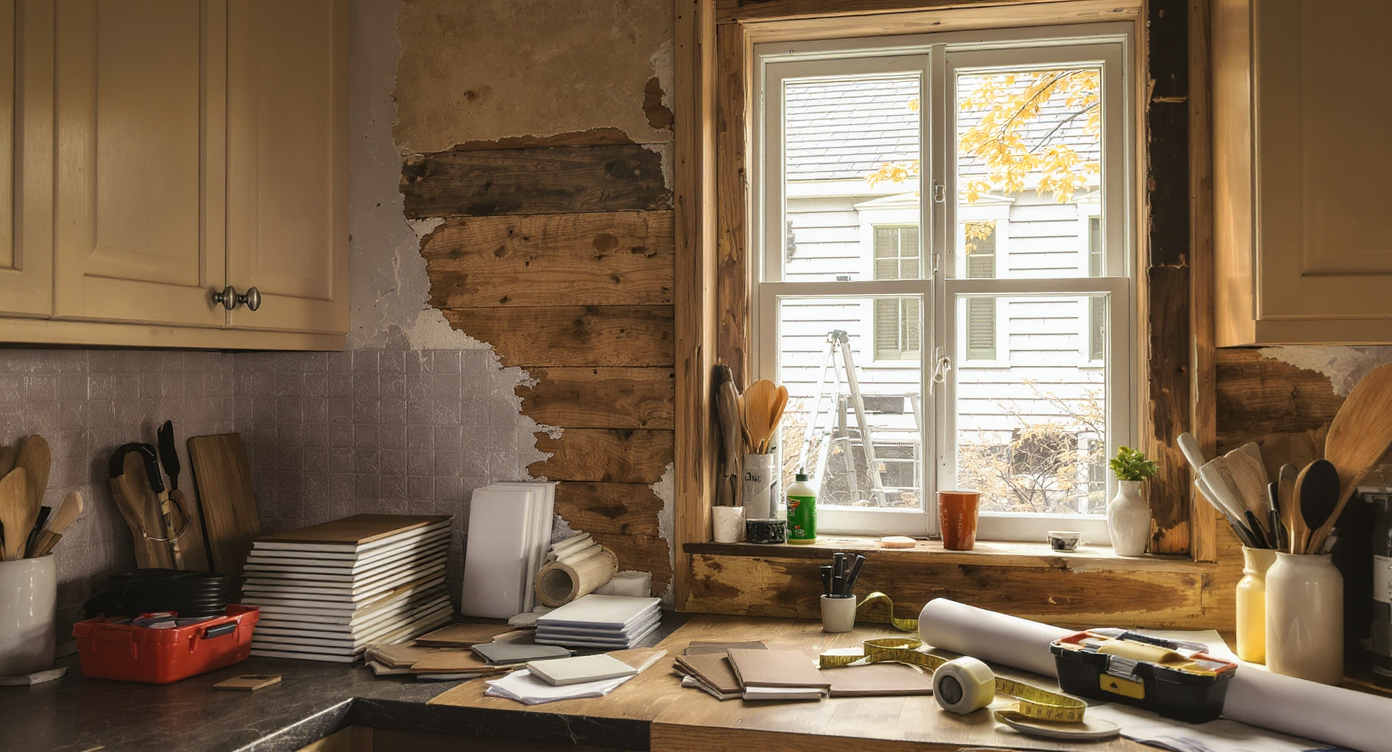
A real old home kitchen in the middle of renovation, showing material samples, design plans, and tools that set the scene for crucial remodel decisions.
Homeowners often face unique challenges when updating older properties, especially with kitchens, windows, and siding. Making the right decisions early—in everything from cost-effective flooring to the best sequence for tackling exterior repairs—can save on headaches and prevent costly mistakes later. For many, understanding the DIY vs pro question as well as how to select materials for durability and value becomes essential, particularly for historic homes or those with quirky floor plans. Whether you are a first-timer or have logged hours on renovation sites, streamlining your project with realistic goals and well-researched material choices is key. Below, experts weigh in on the most pressing questions, including what truly makes a kitchen finish "timeless," how to sort out window and siding order of operations, and whether engineering help is necessary for attic conversions.
-
1. Should Flooring Extend Under Kitchen Cabinets?
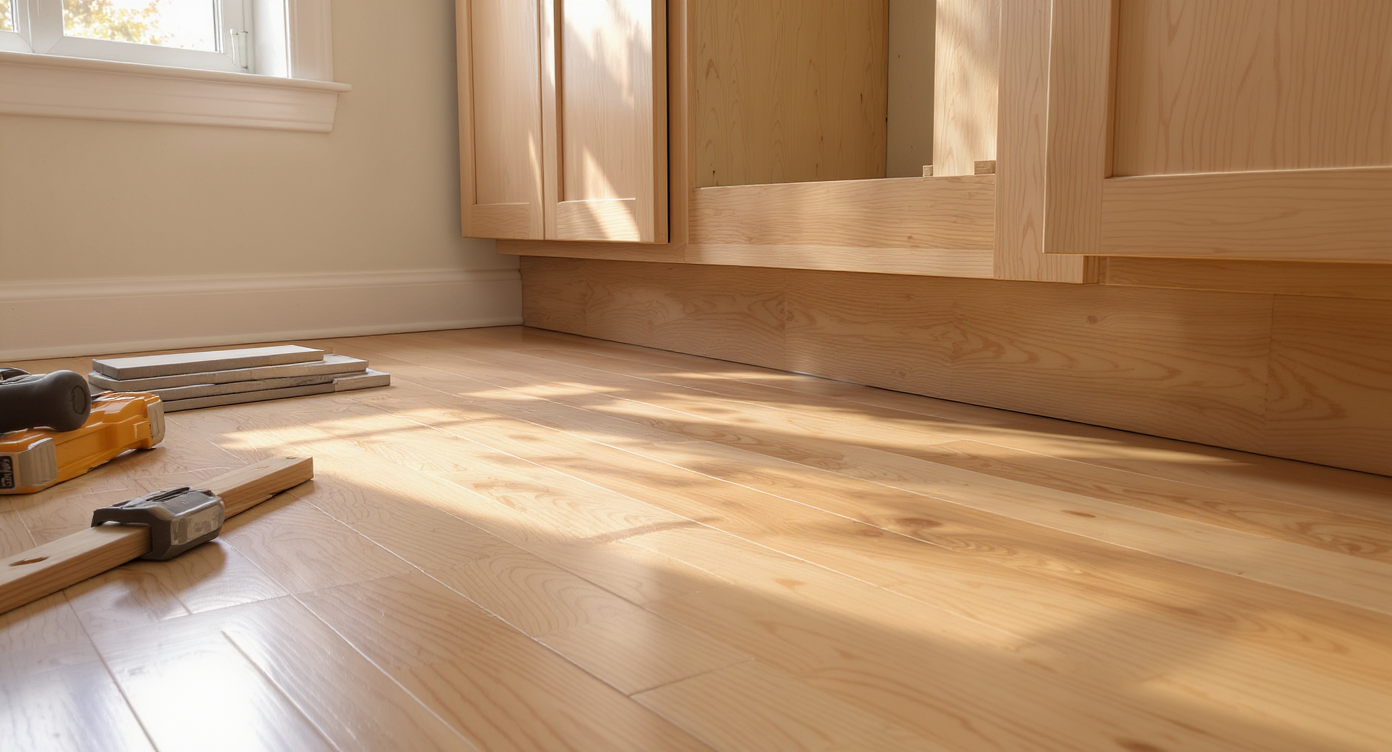
Flooring installed under kitchen cabinets enables seamless transitions and future flexibility, as shown during a real remodel setup.
One of the most hotly debated kitchen remodel questions is whether to run flooring beneath cabinets. In new construction, installation of floors throughout the space before cabinetry is typical and produces seamless transitions without unsightly quarter round. This approach allows for future cabinet changes without reflooring. However, renovators with budget constraints often floor around cabinets to save on materials. For rental properties or homes you plan to sell in the next decade, adding flooring underneath provides flexibility and avoids awkward repairs later, as discussed in our guide on renovations that pay off at resale. Prioritize quality installation to maintain value regardless of method chosen.
-
2. Best Kitchen Cabinet Materials for Longevity and DIY Ease
Choosing cabinet materials is a balance between durability, appearance, and how much hands-on effort you’re willing to invest. Solid wood remains the gold standard for longevity but can be rewarding or challenging for DIYers depending on skill. High-quality plywood boxes with solid wood fronts offer good value, resisting warping and moisture better than particleboard. If you anticipate renting out your property in seven to ten years, avoid low-cost laminates in favor of sturdy finishes. Pre-finished options can streamline installation with fewer finishing steps and are less prone to damage in high-traffic kitchen areas. Evaluate each material’s wear resistance—especially if cabinet replacement during future renovations is likely.
-
3. Is White or Gray Kitchen Cabinetry Truly Timeless?
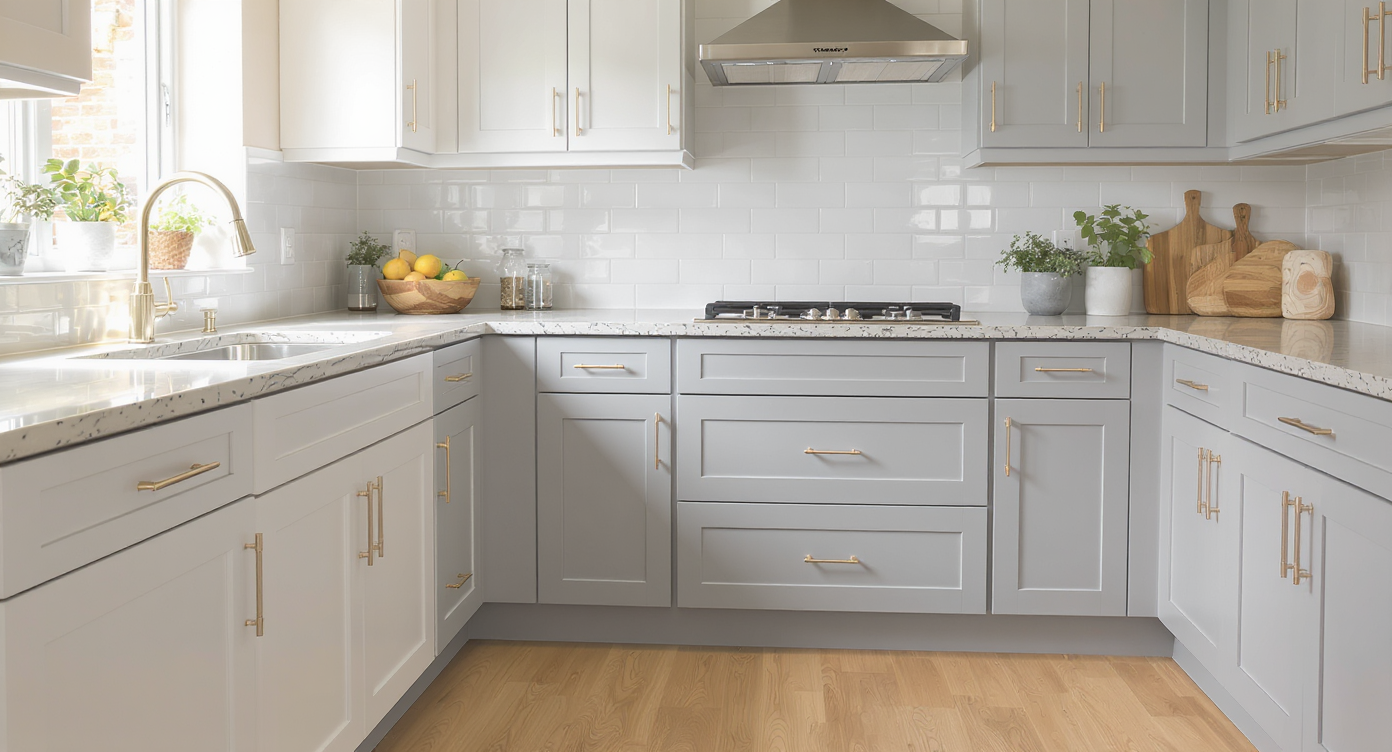
This kitchen juxtaposes white and gray cabinetry with natural counters and classic finishes, illustrating a timeless, adaptable design aesthetic.
Trending colors like white and gray have held popularity for years, and designers often classify them as safe bets for resale and long-term appeal. True timelessness in kitchen design, however, comes from a mix of classic proportion, restrained color palettes, and adaptable finishes. While white cabinetry brightens and enlarges a kitchen visually, gray tones lend understated sophistication, provided the undertone matches surrounding finishes. As explored in our feature on timeless kitchen design, the secret lies in pairing these surfaces with natural counters and quality details so kitchens stay appealing decades after the color’s heyday.
-
4. Durable and DIY-Friendly Backsplash Materials
Backsplashes serve both aesthetic and functional purposes. For DIYers, classic subway tile remains popular due to its simplicity and straightforward installation, while peel-and-stick options have gained traction in budget-minded renovations. Mosaic and stone add sophistication but often require extra tools and time. If you’re concerned about long-term performance, select grout with stain resistance and seal well. Always consider your kitchen’s daily traffic: busy families benefit from ceramics or glass tiles that wipe clean easily. For quickest installation with low commitment, adhesive panels can be replaced as tastes change or before resale.
-
5. Window and Siding Project Order: Sequence Matters
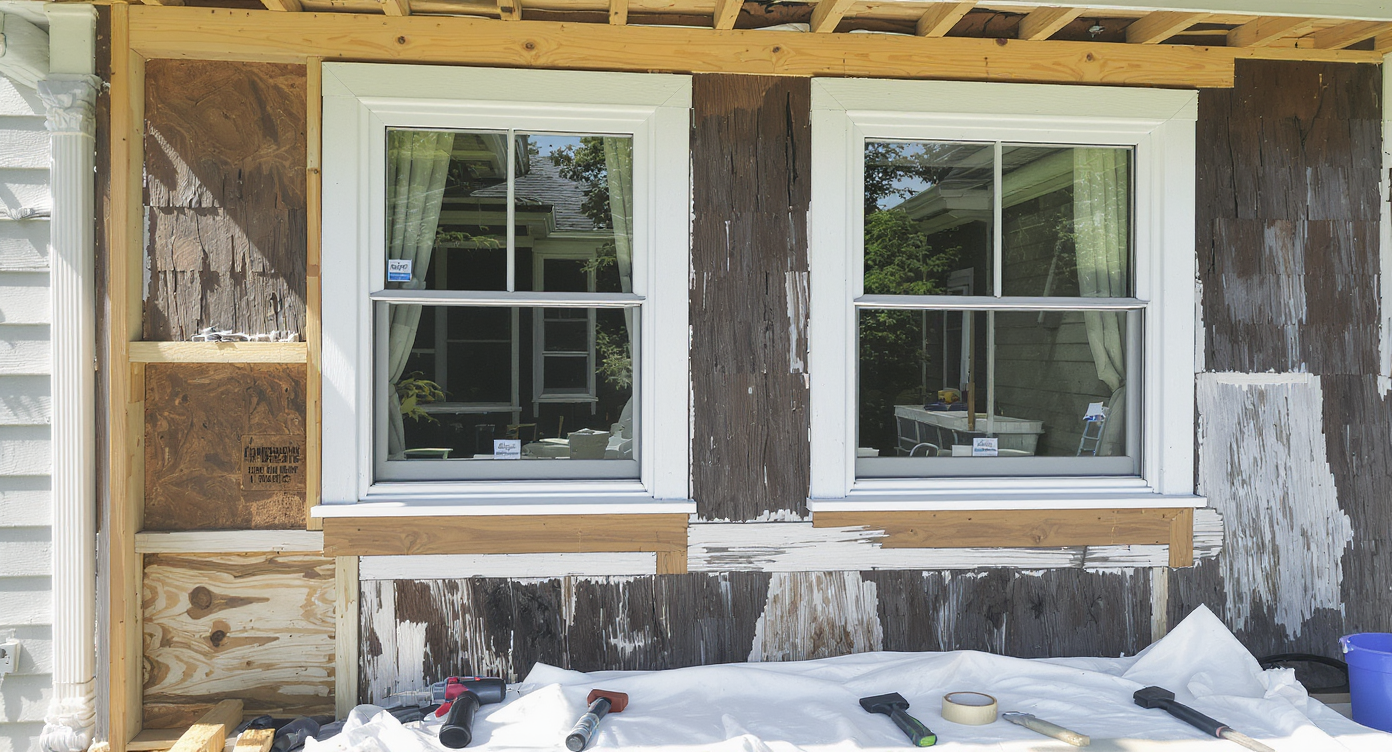
Renovation in progress: new window units with fresh trim and flashing installed before siding replacement on an old home’s exterior.
Deciding whether to address windows or siding first requires careful planning, as both are interconnected. Most professionals advise repairing or replacing windows prior to siding so new trim and flashing integrate seamlessly into the weather barrier. This approach avoids water intrusion issues and results in a cleaner, longer-lasting finish. If replacing damaged window sills or sheathing, inspect for hidden rot or mold—and allocate time for repairs before new siding is installed. The process is more complex for older homes with multiple add-ons or uneven frames, so approach repairs methodically and consider professional help for major damage or code issues.
-
6. Dealing With Rotten Sills and Hidden Water Damage
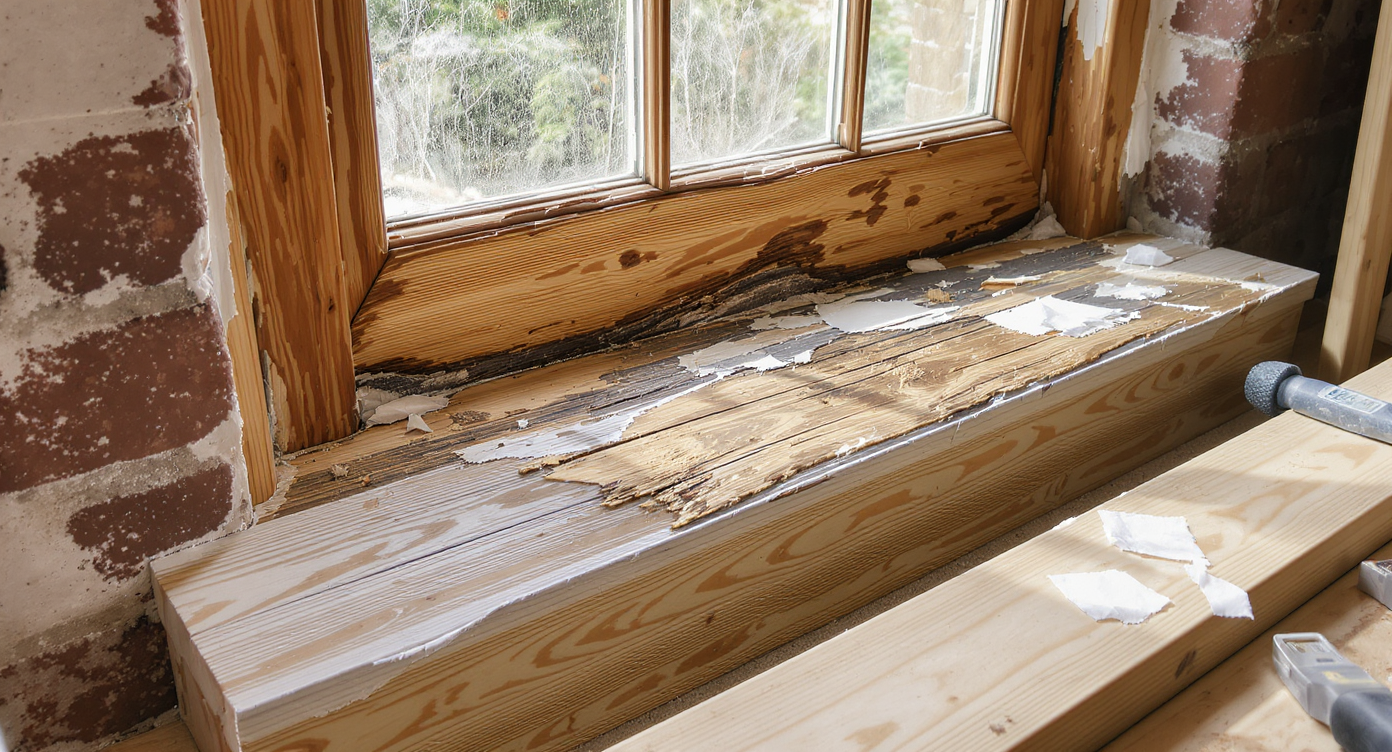
A rotten window sill is exposed and ready for repair with proper materials, highlighting the importance of early intervention for water damage.
Rotten window sills often indicate larger issues, especially in older homes where previous owners patched with paint or other quick fixes. Carefully inspect sills and wall framing for moisture and rot. Prioritize repairing or replacing sills before tackling siding for a long-lasting envelope. Choose exterior-grade lumber with proper drip edges or dado cuts to direct water away from the house. When in doubt about the extent of repairs, open up areas around the worst-affected windows first. This strategy helps reveal the full scope of damage and minimizes unpleasant surprises down the road. Early intervention is crucial for limiting the cost of future issues.
-
7. Selecting Age-Appropriate Siding for Older Homes
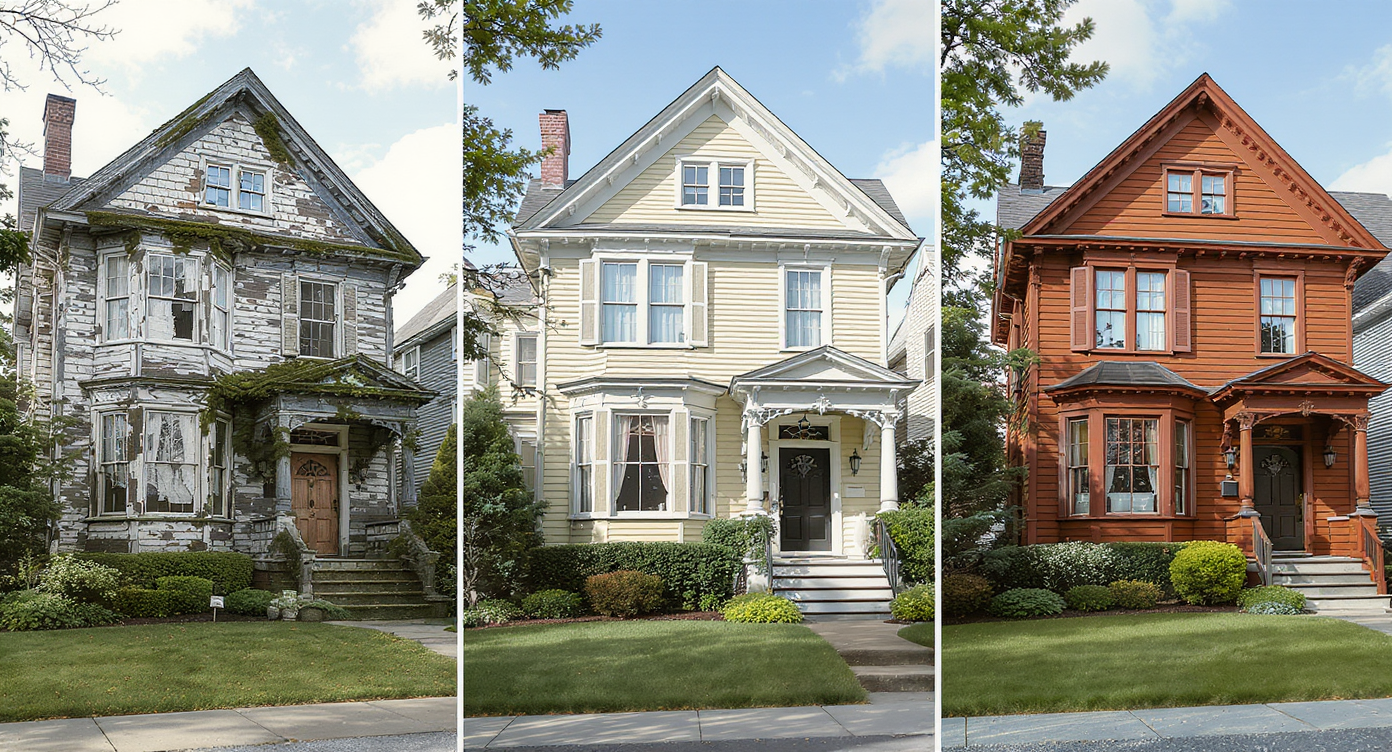
Side-by-side realistic view of original wood, fiber cement, and cedar siding on historic homes, highlighting texture and authentic character.
Respecting a home’s historic character while improving durability is a nuanced task. Many historic homes feature clapboard, shingle, or board-and-batten exteriors. Modern fiber cement options can closely mimic wood’s visual appeal while reducing maintenance, although some purists prefer natural cedar or engineered wood. If you prefer to avoid vinyl, explore advanced composites or wood alternatives that weather authentically and offer improved resistance to insects and rot. For step-by-step guidance on matching siding to your home’s era and climate, consider recommendations from our review of best siding options. Previewing materials with a design tool like REimagineHome.ai can bridge the gap between preserving character and achieving modern performance.
-
8. DIY vs Pro: When to Call an Engineer or Specialist
Some tasks are best left to licensed professionals, particularly structural upgrades such as converting an attic into living space. Load-bearing requirements for attic joists, bathroom additions, and code compliance vary by region and must be evaluated by an engineer or architect. Consult your local city planning office for guidance on regional best practices and inspection schedules. Whenever your renovation uncovers potential asbestos or lead paint, bring in qualified abatement professionals rather than risk exposure. Saving money with DIY approaches is tempting, but for critical concerns—including foundation work and framing—a specialist’s sign-off is often non-negotiable.
-
9. Crafting a Project Roadmap: Budget, Aesthetics, and Contingencies

A realistic kitchen table set up with budget planner, plans, material samples, and a contingency fund jar—capturing the remodel roadmap process.
Every major remodel should start with a clear plan that prioritizes essential repairs and aligns upgrades with your future goals, whether renting or selling. Begin by itemizing needs versus wants and build a line-item budget. Incorporate a contingency fund for unforeseen surprises, especially when working with older structures. For comprehensive project sequencing and financial planning tips, our resource on budgeting for exterior renovations breaks down costs and scope. Design platforms like REimagineHome.ai can help you visualize upgrades and avoid expensive mid-project changes.
Frequently Asked Questions
While this can save money upfront, it can complicate future remodels. Installing flooring first provides a cleaner look and more flexibility down the line.
Which siding is lowest maintenance for an old house?
Modern fiber cement and engineered wood options mimic traditional styles but require less upkeep. Visualize your preferred look with REimagineHome.ai before you decide.
Can I renovate windows and siding separately?
Yes, but timing matters. Replacing windows before siding allows for integrated weatherproofing.
Do I need a professional for attic conversion?
Absolutely. Local codes and structural load calculations require an engineer or architect to ensure safety and compliance.
How can I accurately predict renovation costs?
Start with detailed line-item estimates and add a contingency. Review budgeting strategies for guidance.
Summary: Making Informed Renovation Decisions
Renovating kitchens and exteriors in vintage or quirky homes demands a practical blend of tradition and new technology. Plan project phases around urgency and building protection, prioritize cost and durability when choosing materials, and do not hesitate to consult professionals for structural or hazardous-material concerns. Tools like REimagineHome.ai add confidence to visual choices while robust guides offer clarity on value-driven upgrades.