7 Key Realities When Layering Water-Based Primer Over Oil-Based Primer on Wood
TL;DR
Layering a water-based primer over an oil-based primer on wood is often possible with proper surface prep, but there are crucial considerations for long-term durability and finish. This guide explains what professionals and DIYers need to know before choosing your sequence of primers and paints.
Why Primer Layering Methods Matter for Your Next Remodel
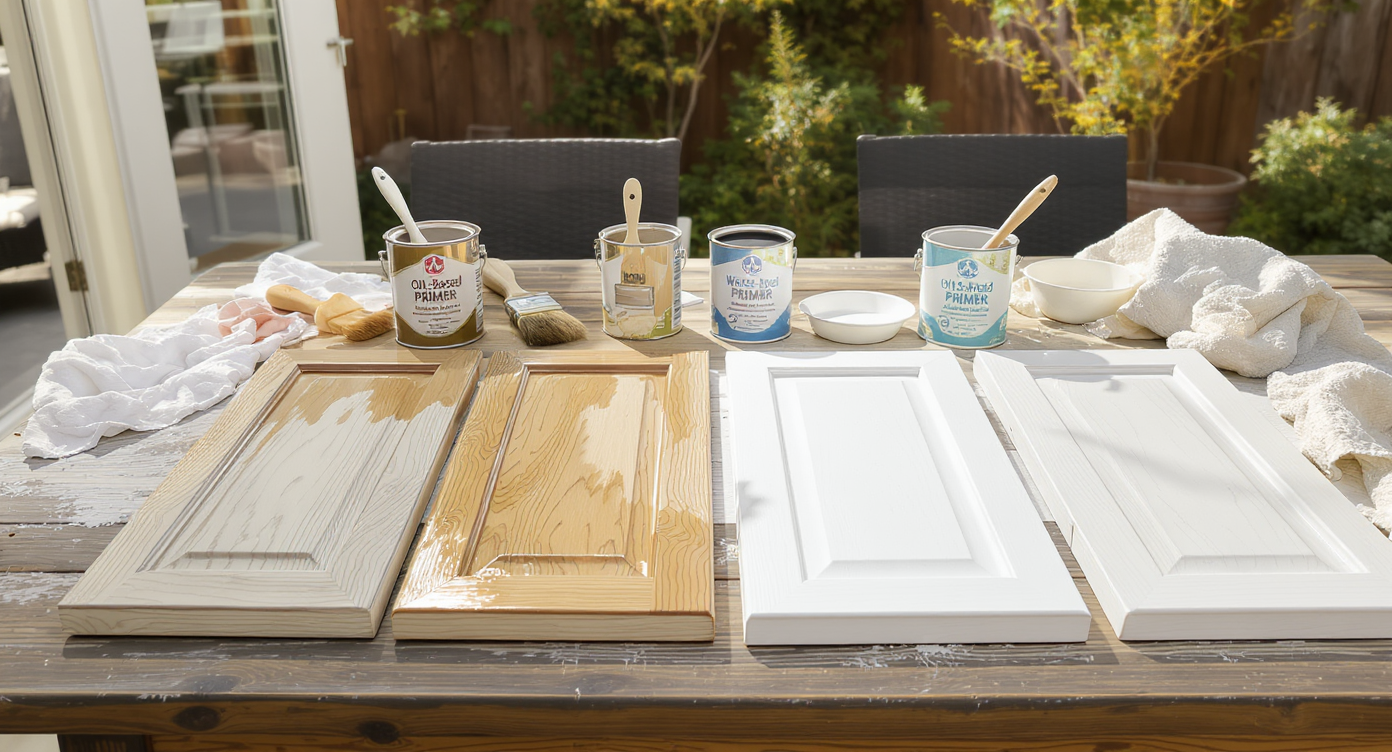
A real-life painting setup: wood furniture and cabinetry prepped with both oil-based and water-based primers, highlighting key compatibility concerns.
For anyone embarking on a remodeling or paint upgrade, understanding the compatibility of paints and primers is essential. Many homeowners and DIY enthusiasts encounter the problem of having already primed a surface with an oil-based product, only to realize their topcoat or design calls for a water-based solution. Questions arise about adhesion, chipping, and the ultimate outcome, especially for surfaces like wood furniture destined for outdoor use. This list tackles the realities of layering water-based primer over an oil-based primer, focusing on wooden furniture and trim. Whether you are repainting a weathered patio table, restoring cabinets, or taking on an ambitious mural, these insights will clarify the dos and don'ts. When done right, your efforts can stand up to time, weather, and daily use, while avoiding costly repainting or repairs.
-
1. Oil-Based Primer Is a Proven Base for Wood
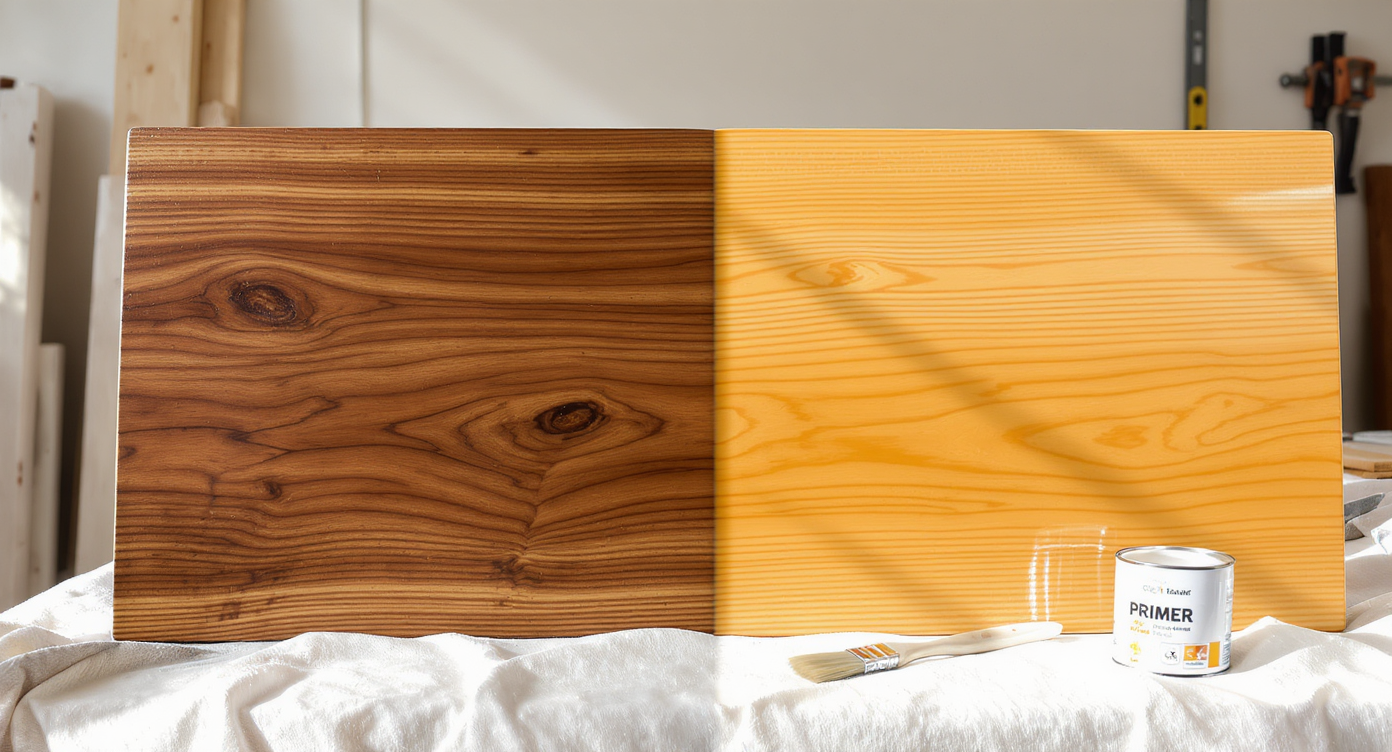
Raw wood meets oil-based primer: the primed half reveals smooth, stain-blocking efficacy and ideal sealing for demanding wood surfaces.
Professionals consistently rely on oil-based primer as a foundational layer for raw or stained wood. Its sealing and stain-blocking capabilities outperform water-based primers in many demanding situations, such as tannin-rich woods or outdoor furniture. Even on surfaces prone to moisture exposure, oil-based primers can prevent bleed-through and promote adhesion. For remodeling and upgrades involving heavily grained or previously finished wood, many experts recommend starting with an oil-based primer for maximum longevity.
-
2. Water-Based Primer Can Go Over Oil-Based Primer—With Conditions
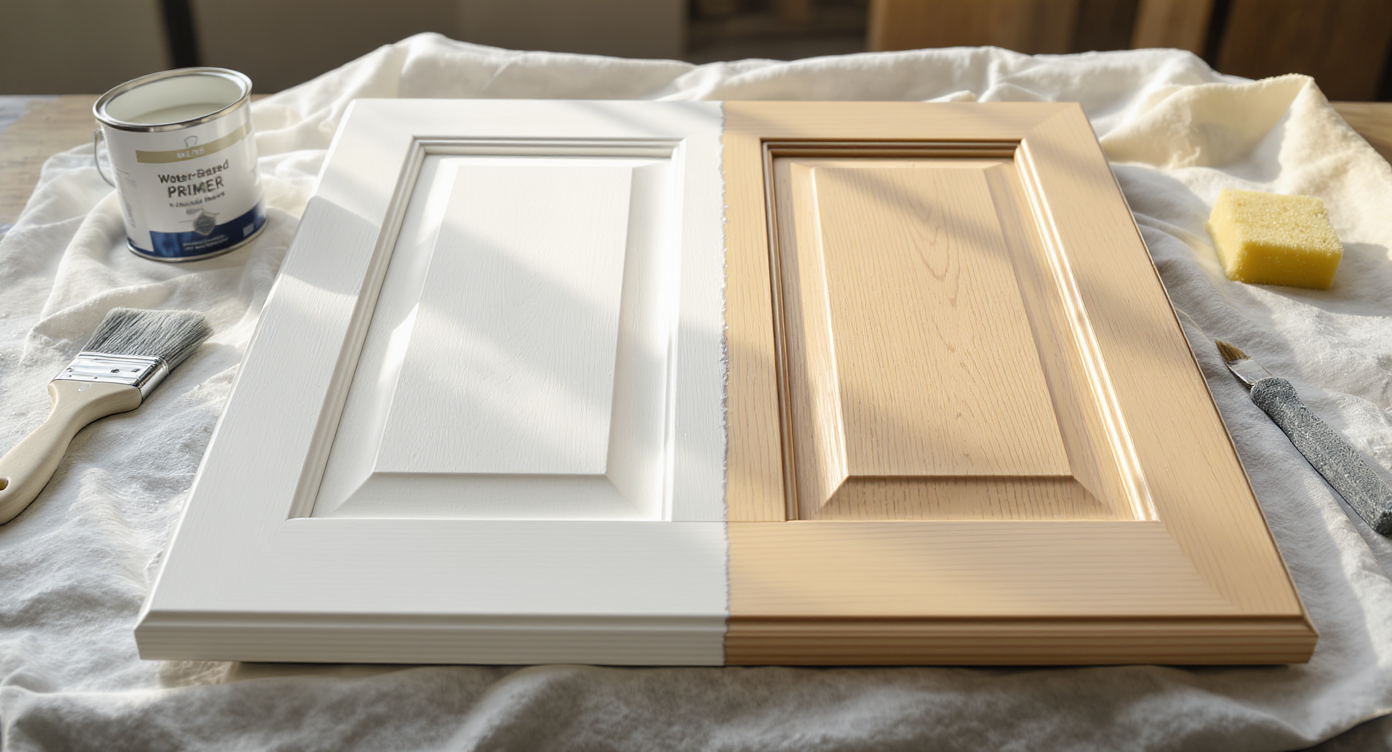
A sanded, oil-primed wooden cabinet door prepared for water-based primer, showing careful surface prep with relevant tools and materials.
After allowing oil-based primer to cure thoroughly, most water-based primers adhere successfully, provided the surface has been lightly sanded and dusted. This is possible because primers, unlike oil-based paints, are designed to bond flexibly with a range of coatings. However, surface preparation is crucial, as residues or gloss left behind may impede proper adhesion. Designers and contractors typically suggest scuff-sanding with a medium to fine grit before applying the next layer, especially on wood that will be handled or exposed to the elements.
-
3. Skipping Prep Risks Chipping and Peeling
Applying a water-based primer directly over an oil-based primer without appropriate sanding or cleaning increases the risk of future flaking, especially in outdoor conditions. Smoke, oils, or old finishes act as a barrier. Professionals recall that hasty prep often results in paint or texture lifting within the first seasonal cycle. According to our guide on DIY prep and finishing options, investing extra time before painting ensures lasting results.
-
4. Know the Difference Between Primer and Paint Compatibility
A common misunderstanding is conflating oil-based primer with oil-based paint. Primers are engineered to accept a broad range of paints and textures, which is not always true for finished oil-based paints. Acrylics or latex paints generally bond to cured oil-based primers when the primer layer is stable and matte. Issues typically arise when water-based products are applied over glossy, non-porous oil paints, not over primers. Keeping this distinction in mind prevents costly errors as you plan your painting sequence.
-
5. Paint Choices Should Reflect Exposure and Usage
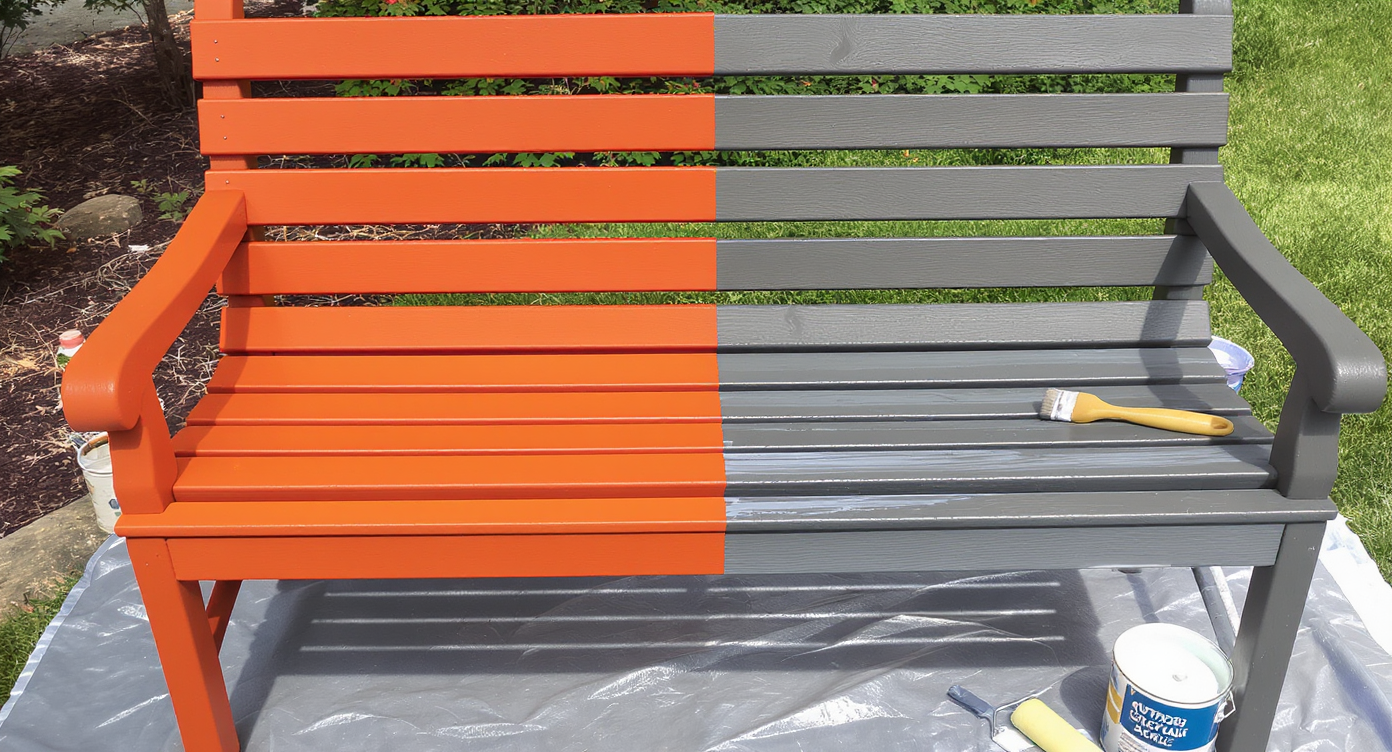
Outdoor wooden bench showcasing durability: left side with high-quality outdoor acrylic, right side with regular acrylic showing wear.
When choosing your acrylic or outdoor paints, consider the wear and tear the surface will face. Creative patterns and color blocking are popular for outdoor wooden furniture, but durability can be compromised if the primer or paint layers are incompatible. For demanding exterior projects, water-based enamel or high-quality acrylics rated for outdoor use are preferable. Drawing inspiration from our approach in updating cabinets with modern paints, visualize your design before you begin for more predictable results.
-
6. Test Adhesion Before Committing to the Whole Surface
For projects involving layered primers—especially when using paints and textures you have not worked with before—conduct a patch test. Paint a small, inconspicuous area with your chosen combination and allow it to cure. Test adhesion by pressing tape onto the dried paint, then pull off to see if any peels away. Many experienced DIYers and pros use this routine to catch potential issues early, before investing additional labor and materials.
-
7. Outdoor Surfaces Demand a Reliable Finishing Sealant
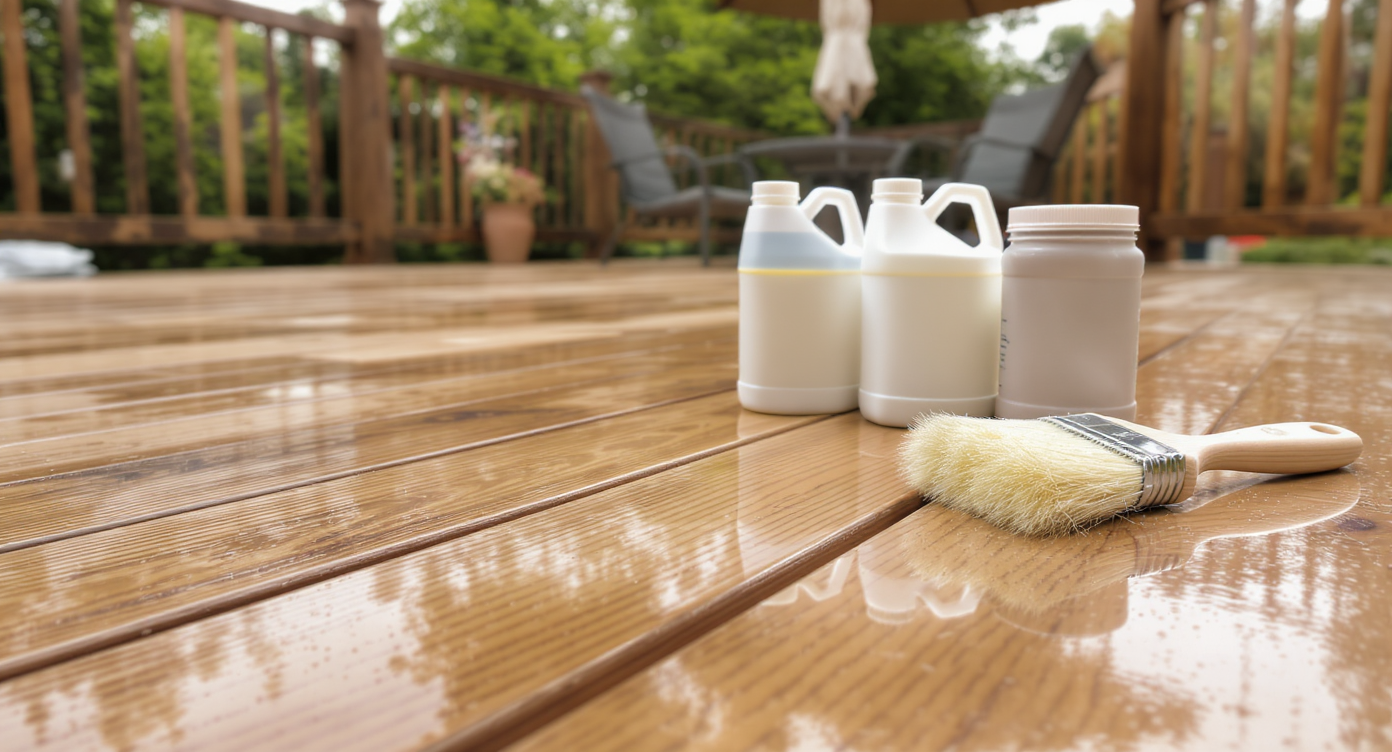
A freshly sealed outdoor wood deck with gloss finish, alongside different clear sealant products and applicators for maximum protection.
No matter the primer or paint combination, applying an appropriate outdoor sealant is essential for longevity. Polyurethane, spar urethane, or dedicated exterior clear coats protect your layered finish from water, UV, and abrasion. The best sealant depends on climate, exposure, and wood species. In practice, always confirm your topcoat's compatibility with your chosen sealant. For visualizing finishes or comparing gloss levels, platforms like REimagineHome.ai are increasingly useful in the planning stages.
FAQ: Primer Compatibility and Outdoor Finishing
Yes, as long as the oil-based primer has cured and the surface is properly sanded. This promotes optimal adhesion and reduces the risk of peeling.
What happens if I skip sanding between primer layers?
Skipping surface preparation makes it more likely that your paint finish will chip or peel, especially on frequently handled or outdoor pieces.
Are water-based primers suitable for outdoor furniture?
Water-based primers can be effective if paired with compatible topcoats and robust outdoor sealants. For projects exposed to rain or full sun, sealing your finish is critical.
How can I test if my layered paints and primers will hold up?
Apply your paint system to a small test area and let it cure completely. Use tape to test adhesion before painting the entire piece. Visualizing color and finish options in tools like REimagineHome.ai can also assist in planning the right layering sequence.
Do I need a specific topcoat for painted outdoor wood?
Choose a sealant rated for exterior use and compatible with your chosen paint. Always confirm with the product label or manufacturer.
Putting It All Together for a Lasting Finish
Layering a water-based primer over an oil-based primer on wood can yield excellent results when you prioritize preparation and select compatible paints and textures. Key factors like sanding, appropriate product selection, and testing will elevate the durability of your work. For more predictable outcomes and creative confidence, visualize your dream look with REimagineHome.ai before you ever open a paint can.