Making Sense of Challenging Living Room Floor Plans
TL;DR
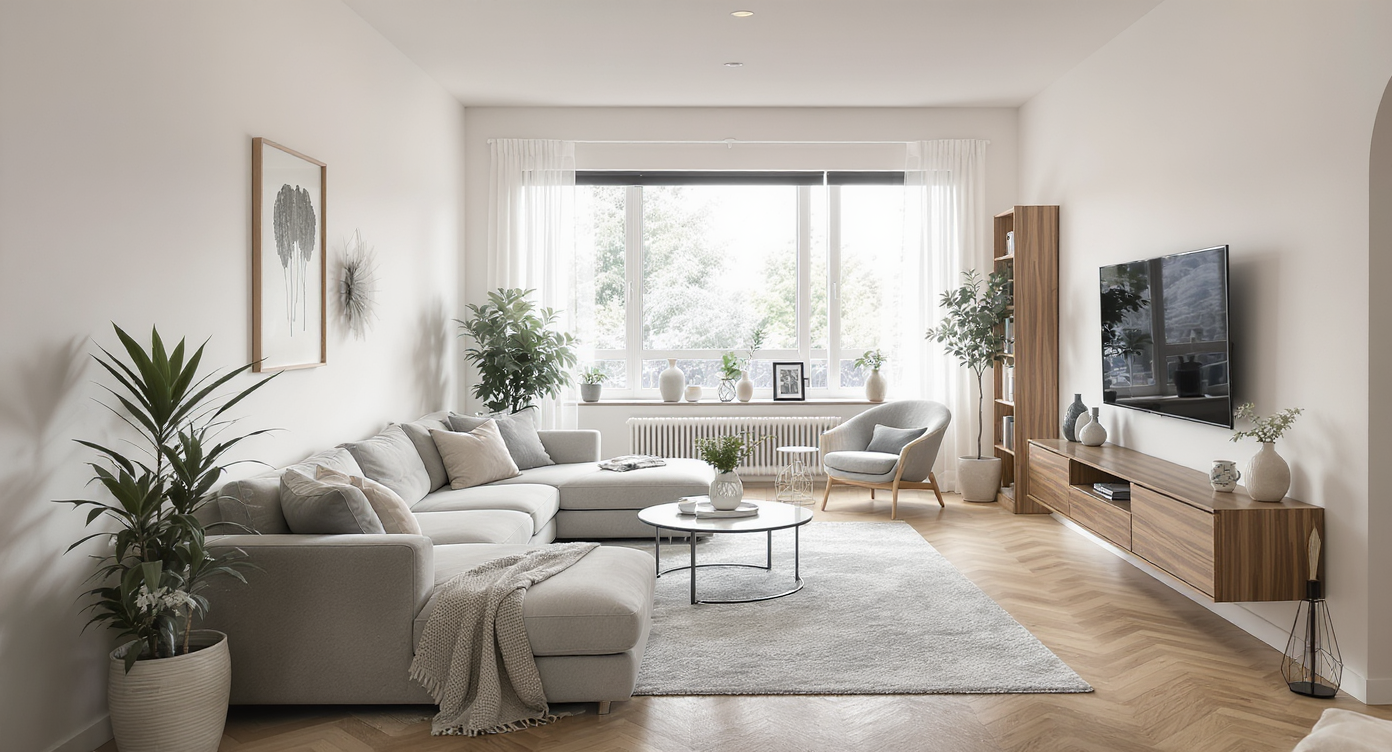
Solving an odd living room layout starts with defining traffic paths, anchoring seating areas, and focusing on functional placement over symmetry. Thoughtful furniture choices, flexible elements, and layered lighting can transform awkward zones into inviting spots for entertainment and relaxation.
Navigating the Challenges of an Awkward Living Room Layout
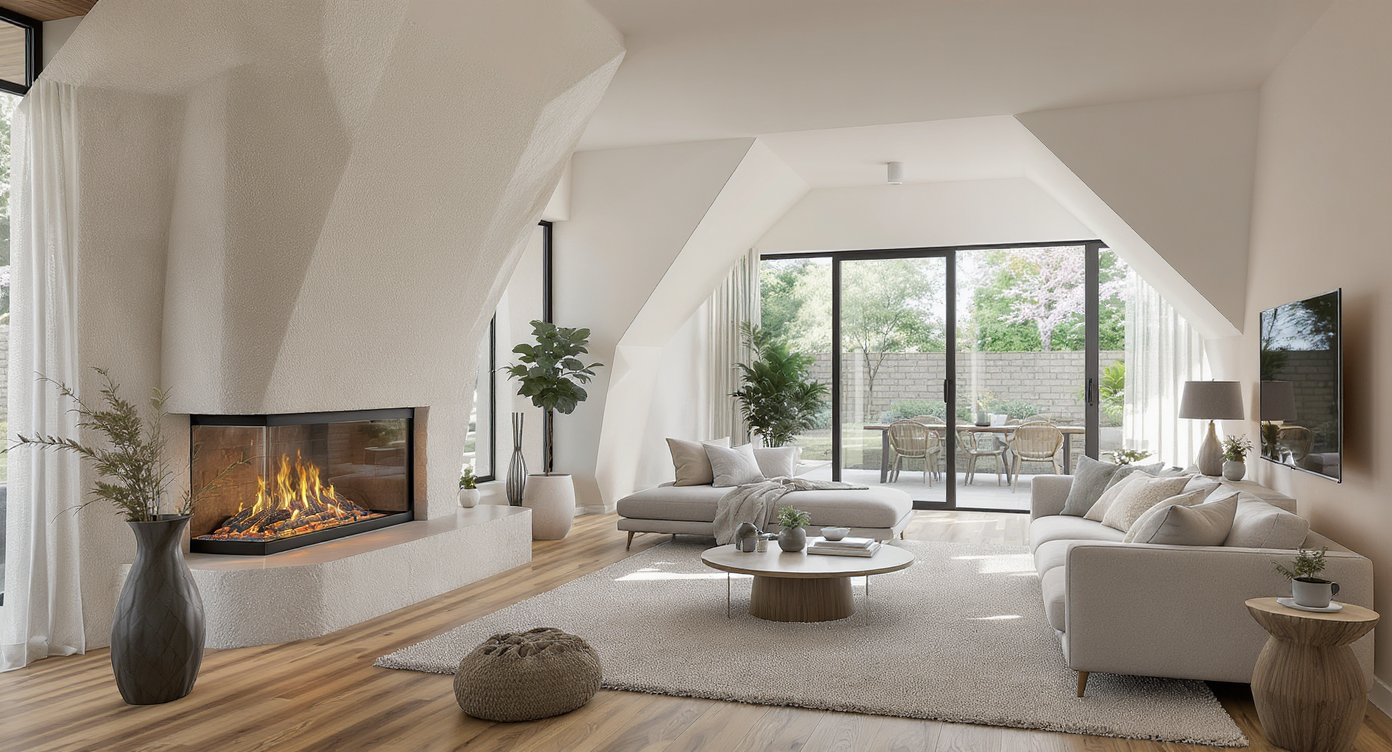
A complex living room layout featuring angled walls, a large fireplace, and open access to the kitchen, illustrating real design challenges.
A uniquely shaped living room, especially one that blends into other core spaces like the kitchen or features prominent architectural elements, can make even experienced homeowners second-guess their decorating plan. Finding the right setup for seating, TV viewing, play areas, and entertaining becomes a puzzle, often with no obvious solution. The stakes feel high in main social spaces, where every decision affects comfort, connection, and daily life. Designers regularly see these dilemmas. Whether it’s an angled wall, an oversized fireplace, or an adored but substantial entertainment unit, each feature has the potential to disrupt the room’s flow—or to enhance it with intentional design. The key is not about forcing symmetry or matching someone else’s formula. It’s about curating a layout that works for your routines, moments of relaxation, and social gatherings, using proven strategies for space and flow.
-
Why Space Planning Is Harder Than It Looks
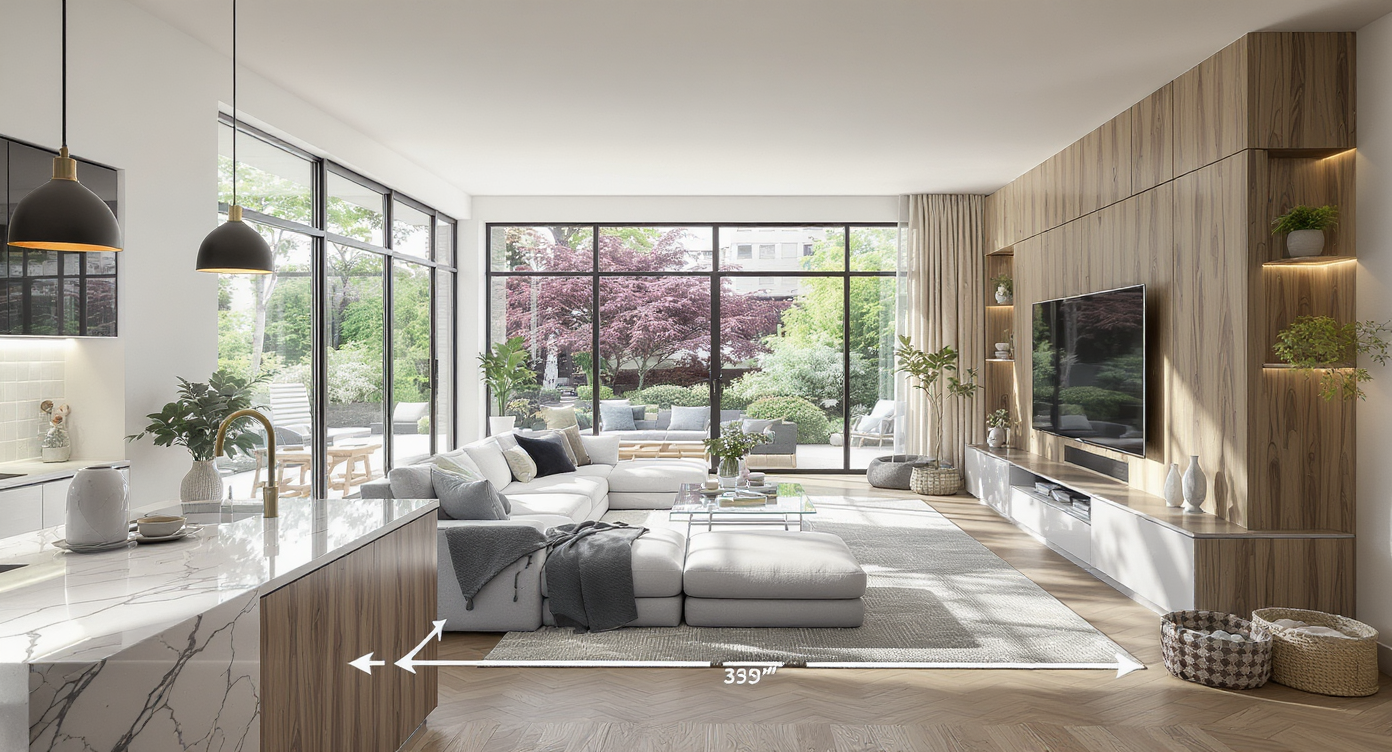
A living room with complex features like angled islands and large windows, skillfully arranged for open flow and clearly defined seating areas.
Many living rooms fall short on comfort and accessibility not because of their size, but due to layout decisions. Unusual architectural features, such as angled islands or banks of windows, often complicate furniture arrangement. Add in a beloved entertainment unit or the need to accommodate both children and pets, and the puzzle grows more intricate. One common challenge is reconciling the desire for open space with the need for defined seating zones. Maintaining generous walkways, around 30 to 36 inches, encourages a natural flow between high-traffic areas, making daily living less stressful and safer for energetic family members and guests. This key principle consistently emerges whether your room is big or small. According to our guide on sofa size versus living room layout, misjudging flow often leaves a main social space feeling either cramped or disconnected, regardless of how beautiful the furniture might be.
Expert Insight
A family faced with an octagonal living room initially pushed their furniture up against every wall, hoping the open center would encourage more togetherness. Instead, they felt isolated whenever hosting guests or relaxing at home. The breakthrough came when they floated their sectional and armchairs inward around a central rug, instantly creating intimacy and welcoming conversation, while still preserving open circulation for children and pets.
-
Finding the Right Anchor Points
Anchoring seating around a focal point—such as a fireplace or entertainment unit—helps shape the atmosphere and function of a living room. Yet, with multiple priorities like TV-viewing, open play areas, and flexible gathering spots, choosing that anchor is rarely straightforward. Designers often recommend choosing the element likely to see the most use. For many families, this means prioritizing the TV and making peace with an imperfect symmetry in the room’s layout. Experimenting with the placement of the main sofa, and considering whether to designate the entertainment center or fireplace as the main focal point, can make all the difference. As often noted, positioning the TV directly above the fireplace may seem tempting, but poor sightlines and ergonomic strains outweigh any visual convenience. Instead, utilizing a nearby wall or even a stylish corner solution recognizes how modern families actually spend time together. This flexibility is echoed in practical room planning advice, which highlights the benefits of dividing the room into zones. Think of seating in conversation groupings, a reading chair in a cozy corner, or dedicated open space for play. The result is a room responsive to daily life rather than rigidly formal.
-
Furniture Choices, Versatility, and the Power of Swivel
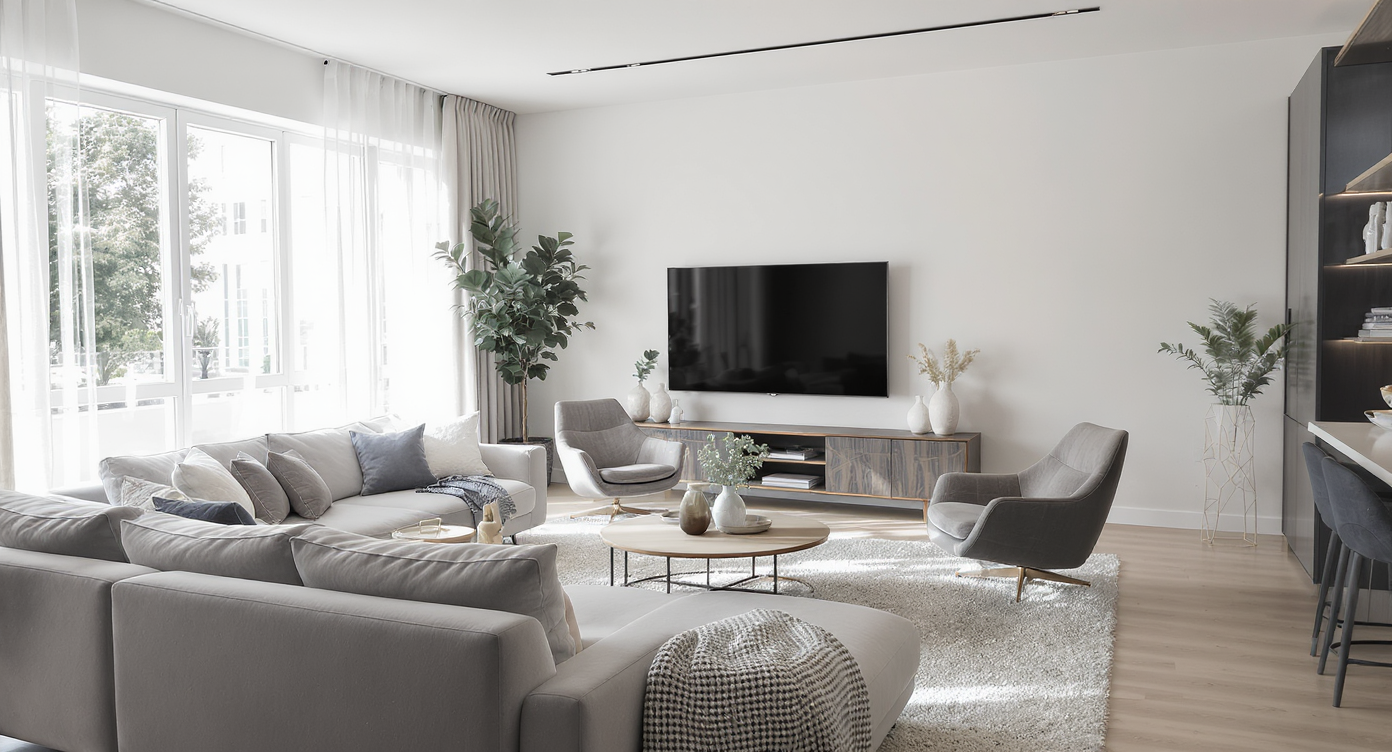
A living room arranged for flexible flow: sectional, swivels, side tables, and a distinctive Papa Bear chair create adaptable, inviting zones.
L-shaped sectionals and generously sized sofas promise comfort for families and gatherings, but they risk overwhelming or fragmenting flow when not balanced with the rest of the room. Bringing in occasional chairs, such as compact club chairs or versatile swivels, grants crucial flexibility. Swivel chairs provide extra seating and easily pivot between the television and conversation zones, adapting the room for movie nights or hosting guests. A mix of low tables, drinks tables, and lightweight side chairs ensures everyone has a place to put a drink or join the conversation. The inclusion of a well-placed armchair or signature piece—sometimes called the "Papa Bear chair" by enthusiasts—establishes a distinct reading or relaxation corner without sacrificing floor space for play. Stylish floor lamps, especially those with task lighting, deliver both illumination and intimacy, rounding out the zone. When adding furnishings, size matters more than quantity. As explored in the furniture arrangement and sofa size guide, adjusting sofa length, chair scale, and table dimensions in accordance with your room’s footprint guards against overcrowding and excess distance between conversation clusters.
-
The Role of Lighting, Rugs, and Color Cohesion
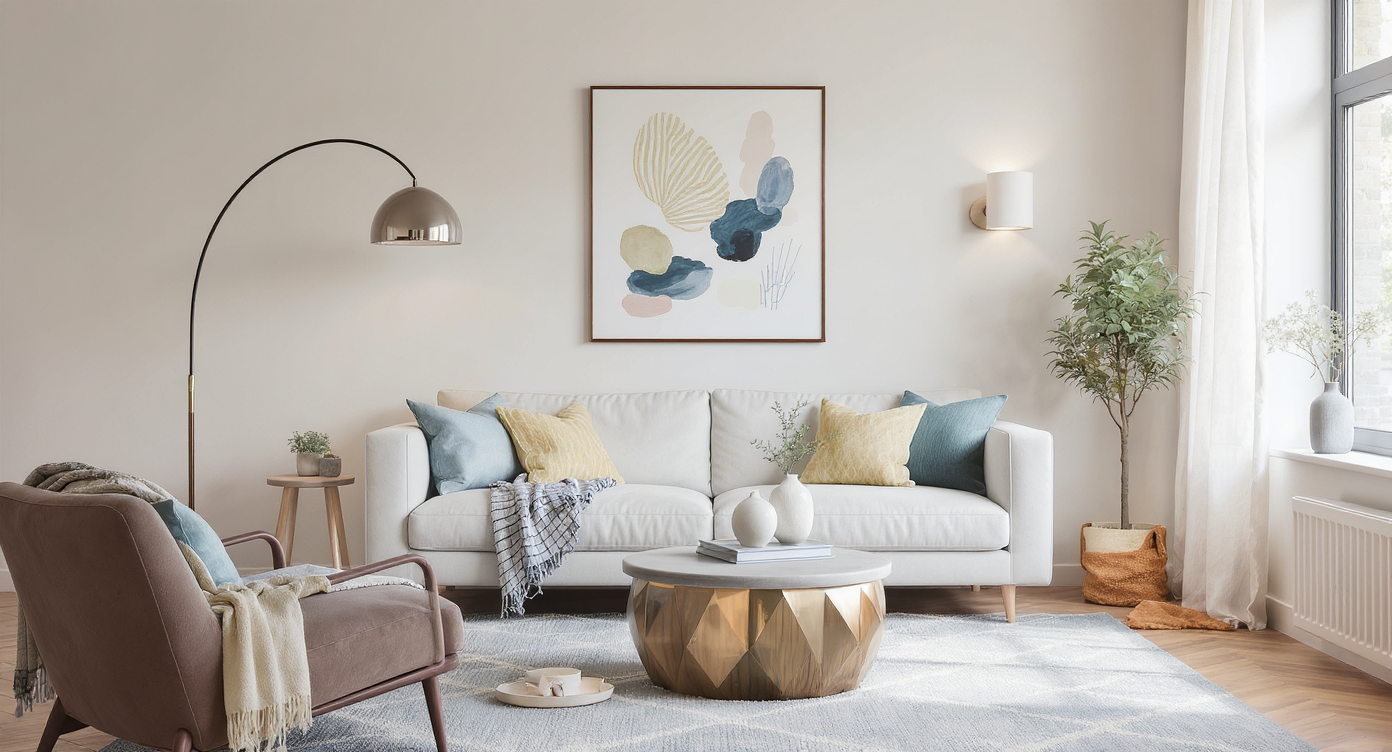
Layered lighting, a correctly-sized rug, and a unified color palette work together to create a comfortable, cohesive living room layout.
A cohesive living room is made not only through placement, but through layered lighting, unified color stories, and mindful rug sizing. Task and accent lights, positioned behind sofas or near reading chairs, bring warmth and depth to the room. Floor lamps with arcing designs span zones elegantly, while table lamps add comfort to end tables and sideboards. Rugs help visually anchor zones within an open floor plan. Choosing the right rug size underpins the entire furniture plan, preventing the suite from feeling like it’s floating. Our guide to living room cohesion explains that repeating key hues within pillows, throws, and accessories defines a color story, minimizing visual clutter in complex rooms. For additional tricky situations—like handling awkward corners or creating visual harmony under various lighting scenarios—even AI-powered tools can help preview what works, letting you experiment before making big changes. These resources, such as corner fixes for main living areas, help homeowners transform theory into reality.
-
Anecdote: When the Perfect Plan Came from a Single Conversation
A couple moving into a new home struggled with their odd, angular living room. Their L-shaped sectional always looked too distant from the TV, yet moving it closer split the room awkwardly and blocked access to the kitchen. After hours of shifting options, a suggestion from a friend made all the difference: place two compact swivel chairs angled to the sectional, with a low table between them, forming both a TV-viewing pod and an inviting conversation nook. Not only did this break up the visual weight of the large sofa, it made the open floor space feel intentional—a rare thing in unusual room shapes.
-
Common Mistakes to Avoid
Placing all major furniture pieces against the walls is a frequent trap, often leaving the center feeling vacant and social interaction distant. Ignoring walkway clearances, especially around entries and high-traffic paths, can make even large rooms feel uncomfortable. Another pitfall is neglecting lighting beyond overhead fixtures, which creates harshness and a lack of warmth after dark. Equally, some homeowners select rugs, sofas, or tables based solely on aesthetics, only to struggle with proportions clashing with actual room dimensions. Testing layouts physically or virtually before committing can avert these issues, supporting both daily function and occasional large gatherings.
-
Tips and Expert Insights
Interior designers often build a room’s furniture plan by first identifying essential activities—entertaining, relaxing, play—and then zone by zone, proofing for practical clearance and comfort. They suggest limiting oversized pieces unless the room’s scale truly supports them, and using lightweight chairs, poufs, or benches to handle overflow seating during larger gatherings. Using floor lamps and side tables thoughtfully can help integrate awkward corners, transforming what might have been dead space into a mini library, reading area, or plant display. Maintaining walkways and adapting lighting to create evening ambience are expert moves that deliver both beauty and utility.
-
How to Use These Insights in Your Next Designs
When approaching a new or underperforming living room, begin by mapping walkways between doors, windows, and major furniture. Identify two or three anchor points for primary activities (entertainment, conversation, reading) and coordinate your furniture selections around those, varying the types and directions of seating for flexibility. Experiment with swivel or light armchairs that can adapt as needed, and resist filling every corner purely for symmetry. Use rugs, lighting, and color repetition to define groups within the room, making each zone feel intentional and cohesive.
-
Visualization Section
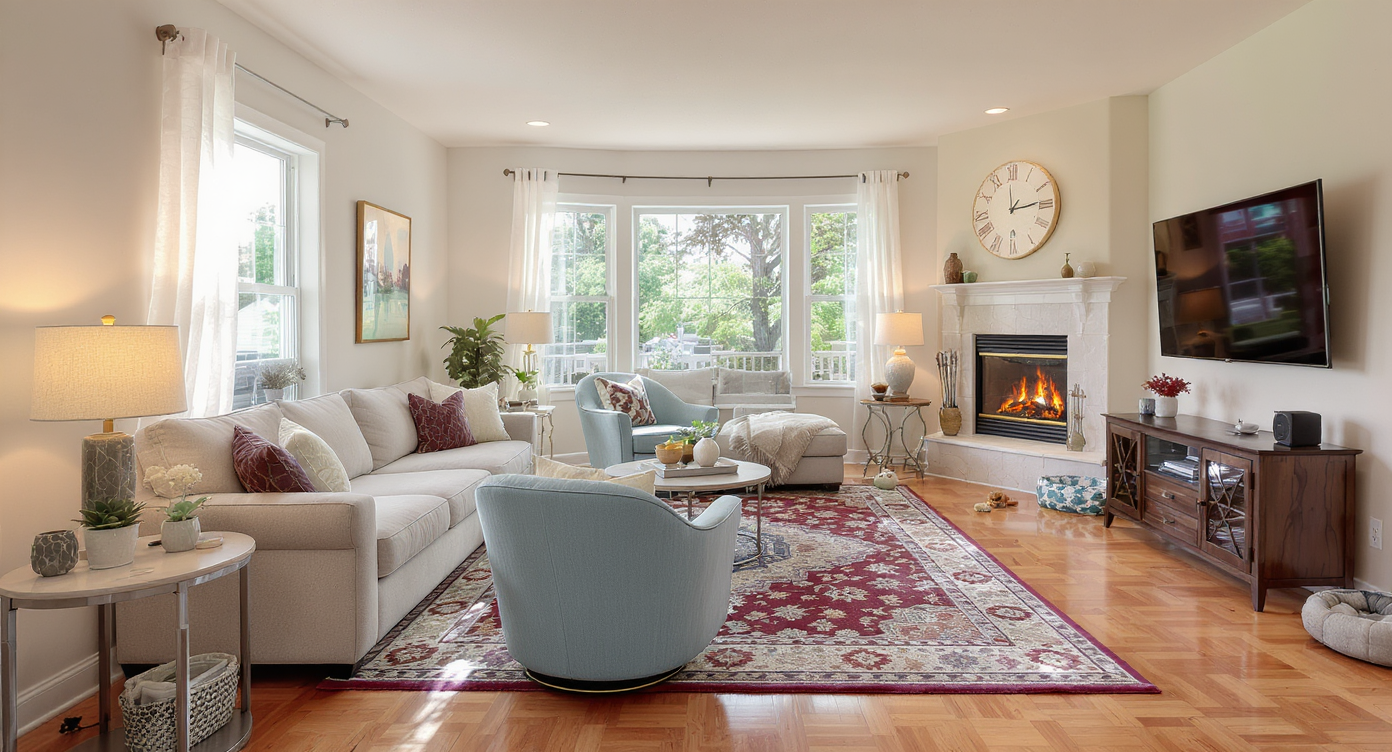
A family-friendly living room features a cozy sectional, open walkways, pet-friendly touches, and layered lighting for warmth and versatility.
Picture a family room filled with sunlight, anchored by an L-shaped sectional along the longest wall and a set of pale blue swivel chairs floating nearby. The entertainment unit graces a prominent spot, with a large TV angled for viewing. Kids and pets move easily through clear walkways, while a patterned rug and layered lighting anchor the conversation area. In the evening, soft lamps in corners and a glowing fireplace lend a cozy, intimate feeling, and the open space is quickly transformed for a game or a gathering of friends.
Visualization Scenario
Imagine entering a living room where natural light pours over a deep sectional, two contemporary swivel chairs face both the fireplace and TV, and a plush area rug grounds the seating group. The entertainment unit displays curated objects and technology in harmony, walkways remain open for easy movement, and a well-placed floor lamp casts a gentle circle of light, transforming the space from energetic play zone by day to a cozy retreat by night.
FAQ: Main Social Space Layouts and Solutions
Designers typically recommend a minimum of 30 inches for standard walkways, with up to 36 inches for thoroughfares used by multiple people, kids, or pets.
How do I avoid the "furniture against the wall" trap?
Float sofas or chairs within the space and define each zone with a rug to make conversation areas feel inviting and connected.
What are some flexible seating options for gatherings?
Swivel chairs, poufs, small benches, and ottomans are all lightweight and easy to move for extra guests or play areas.
How should I pick the right rug size for my living room?
Select a rug that anchors all main seating pieces, with at least the front legs of sofas and chairs on the rug, to create cohesion and prevent floating furniture.
Where can I preview layout changes visually before moving heavy items?
Tools like ReimagineHome.ai allow you to experiment with layouts using your actual room photo for greater confidence in your design decisions.
Final Thoughts: Flexibility and Flow in Main Living Spaces
A challenging living room layout rarely requires a total renovation. By prioritizing clear pathways, flexible seating, and thoughtful touches—like layering lighting and choosing the right rug size—any odd room can support relaxation, play, and togetherness. Experiment with your floor plan through sketches or digital tools, remain open to shifting anchors or mixing seating types, and lean on resources like ReimagineHome.ai to visualize solutions before making big changes. The ultimate goal is a main social space shaped for your unique routines, gatherings, and comforts.