Deciding Between a Major Home Builder and an Independent Contractor
TL;DR
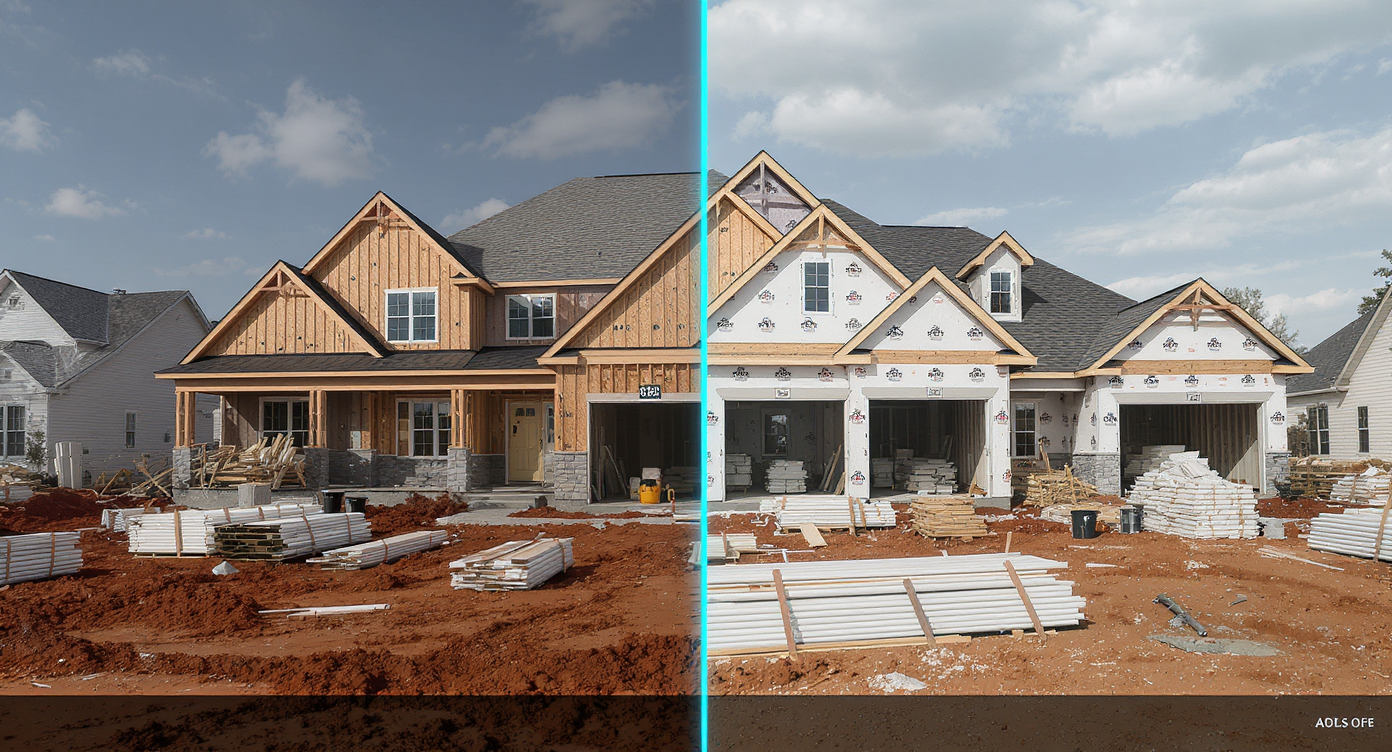
Choosing between a well-established builder and an independent contractor for a new build means balancing cost, trust, quality, and peace of mind. Large companies offer experience and warranties, but often come at a premium and can feel impersonal. Independent contractors may bring more attention and flexibility, but require careful vetting and contract protections. Your final choice should reflect your priorities for the project’s budget, oversight, and long-term satisfaction.
Navigating the New Build Dilemma
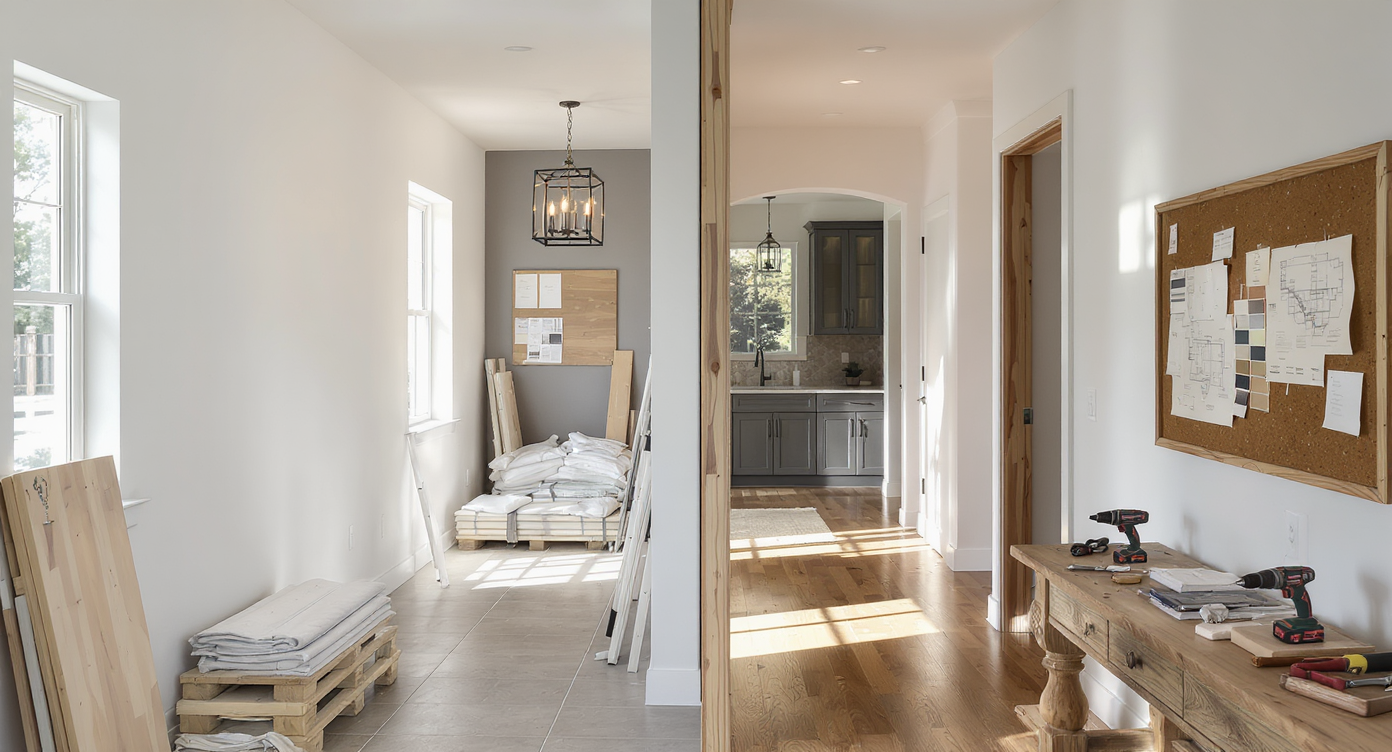
A new home entryway in progress: one side reflects streamlined builder efficiency, while the other displays custom contractor touches.
Building a new home is both an exciting milestone and a substantial financial commitment. One of the most pivotal decisions is choosing who will translate your vision from blueprint to reality. Many homeowners face a crossroads between the polish and process of a major construction company and the custom touch of an independent contractor, sometimes even a trusted friend. The decision echoes far beyond the finishing nails: it touches cost, craftsmanship, relationships, warranties, and, ultimately, how your house will feel for years to come. As expectations around home features, layouts, and energy efficiency evolve, the allure of new builds continues to grow. Yet a project’s success hinges on who oversees it day to day. By understanding what each option offers—and where the tradeoffs lie—you’ll be better equipped to make a decision that fits your needs, your budget, and your peace of mind.
-
Understanding the Builder Options
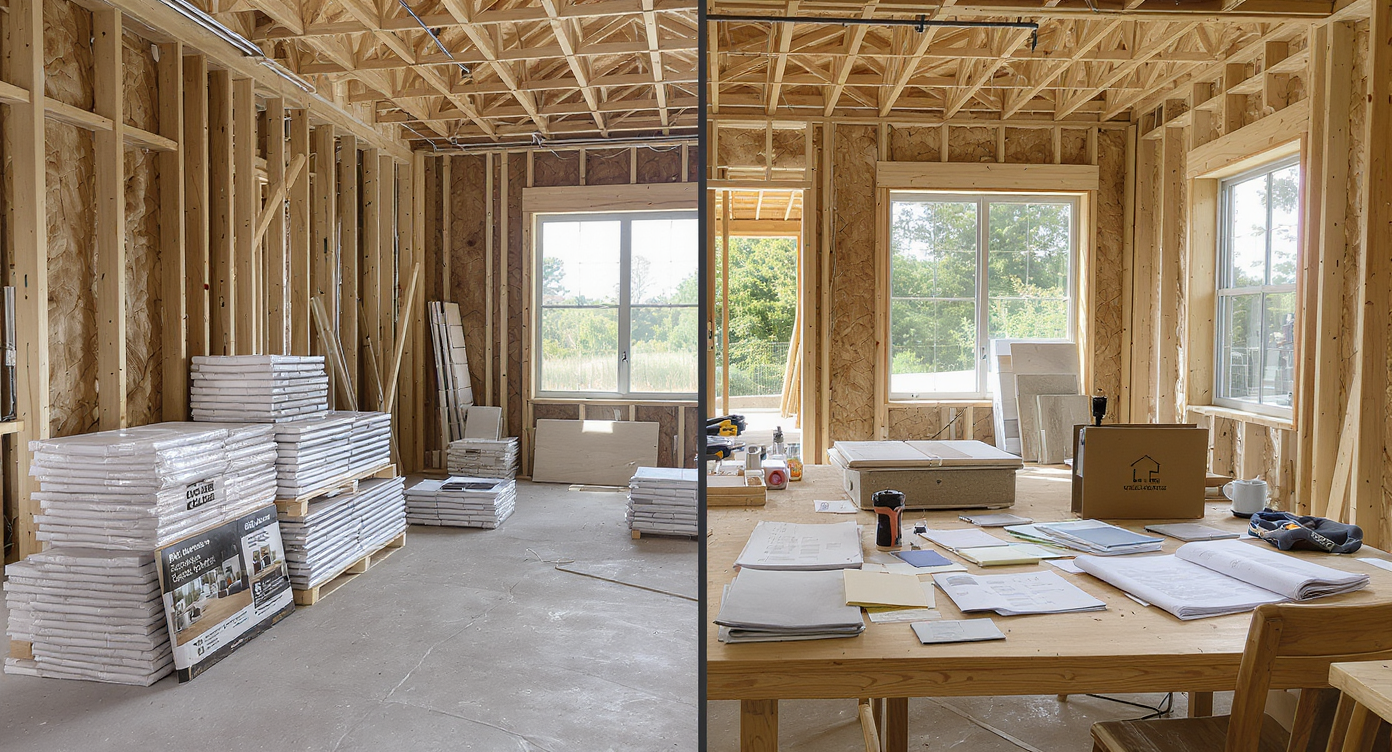
Contrasting builder approaches: a major builder’s organized process versus an independent contractor’s personalized setup within the same home construction.
Traditional home builders, especially those with decades in the business, offer structure and streamlined processes built from experience. Their scale can mean proven supply chains, posted timelines, and access to standardized materials. For buyers, this can translate into predictable costs, established warranties, and a sense of security that someone will be there to correct issues well after move-in day. Large builders often offer design packages and handle everything from permits to inspections. On the other hand, selecting an independent contractor—particularly someone you know—creates a more personalized dynamic. Homeowners may have greater influence on material selection, customization, and day-to-day communication. Many independent contractors are eager to establish a strong reputation, resulting in extra care and flexibility. According to our coverage of old vs new construction home options, one tradeoff is that independent builders may need more scrutiny around insurance, permits, and the specific terms of quality guarantees.
Expert Insight
A couple in Cleveland recently faced this very decision as they prepared to build on a lot near family. After reviewing proposals from two large builders, they realized that neither felt truly custom. Intrigued by a long-time friend’s offer—complete with deep discounts and promises of hands-on involvement—they weighed potential savings against the risk of mixing business with friendship. Ultimately, they chose the independent contractor, establishing strict milestones and written guarantees. Despite bumps, their home now reflects personal touches large companies rarely deliver.
-
Cost, Customization, and the Value of Attention
Budget concerns are front and center for most new build projects. Large builders can sometimes leverage bulk pricing, but their contracts often leave little wiggle room for changes without added fees. It's not uncommon for buyers to encounter extra charges for upgrades, mid-project alterations, or unforeseen adjustments. These incremental costs can add up quickly, so clarity up front is essential. Independent contractors may provide more competitive pricing, especially for less standardized homes or those seeking unique finishes. You might find opportunities to put in some sweat equity—like choosing to handle small projects yourself, such as backsplashes or accent lighting—to save money. Homeowners working with a friend or local builder tend to receive a higher degree of personal attention, and may find the process more transparent. However, an independent contractor with fewer resources might experience unforeseen delays, particularly if juggling more than one job at a time. When making your decision, weigh the importance of cost savings against the potential for process bumps and learning curves.
-
Durability, Warranties, and Long-Term Peace of Mind
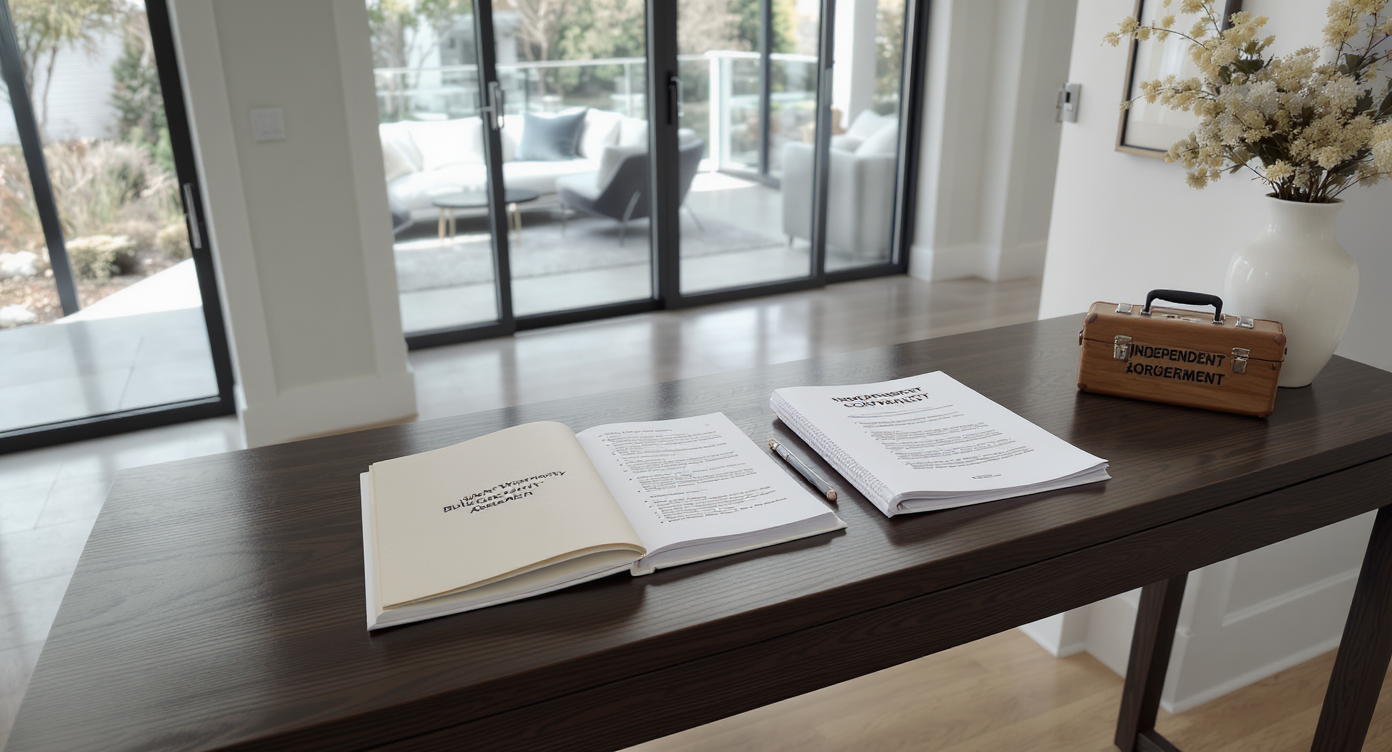
Detailed comparison of builder warranties and independent contractor agreements, shown through real contracts in a newly finished home.
A commonly cited advantage of major builders is structured warranties that offer varying lengths of coverage for workmanship, systems, and structure. These can provide reassurance, especially when unexpected defects surface within the first years of occupancy. Yet, as many homeowners have experienced, warranty service can be inconsistent and sometimes requires persistence—or even outside help—to resolve. According to insights from evaluating new build construction vs renovations, no construction project, large or small, is immune from hiccups. For independent contractors, warranty terms are typically bespoke. Some may mirror larger builders’ offerings, while others provide limited guarantees based on personal accountability. The key difference is that the longevity and solvency of the contractor matter—they may not have decades of institutional backing. If you choose this route, ensure all commitments are formalized in a contract and seek advice on how to establish remedies for workmanship issues. Your comfort with a business relationship—rather than just personal trust—is crucial.
-
Relationships, Risks, and Project Oversight
When your builder is a friend, the dynamic shifts—sometimes for better, sometimes for worse. Collaboration can foster trust, yet disagreements may become personal if problems arise. Clear, written contracts help separate expectations from assumptions, and establish a firm structure no matter how well you get along. Oversight matters regardless of who you select. Homeowners who check in frequently, ask questions, and review key milestones typically spot small errors before they escalate. For families managing life changes—like welcoming a baby during construction—having a builder you trust can alleviate anxiety when daily site visits are impossible. On the other hand, hiring a major company can create a buffer, making those tough conversations about delays or defects feel less personal and more procedural. No matter your selection, legal documentation, insurance validation, and open communication remain fundamental. These precautions protect both your investment and your relationships.
-
Cost vs. Durability: Looking Beyond the Sticker Price
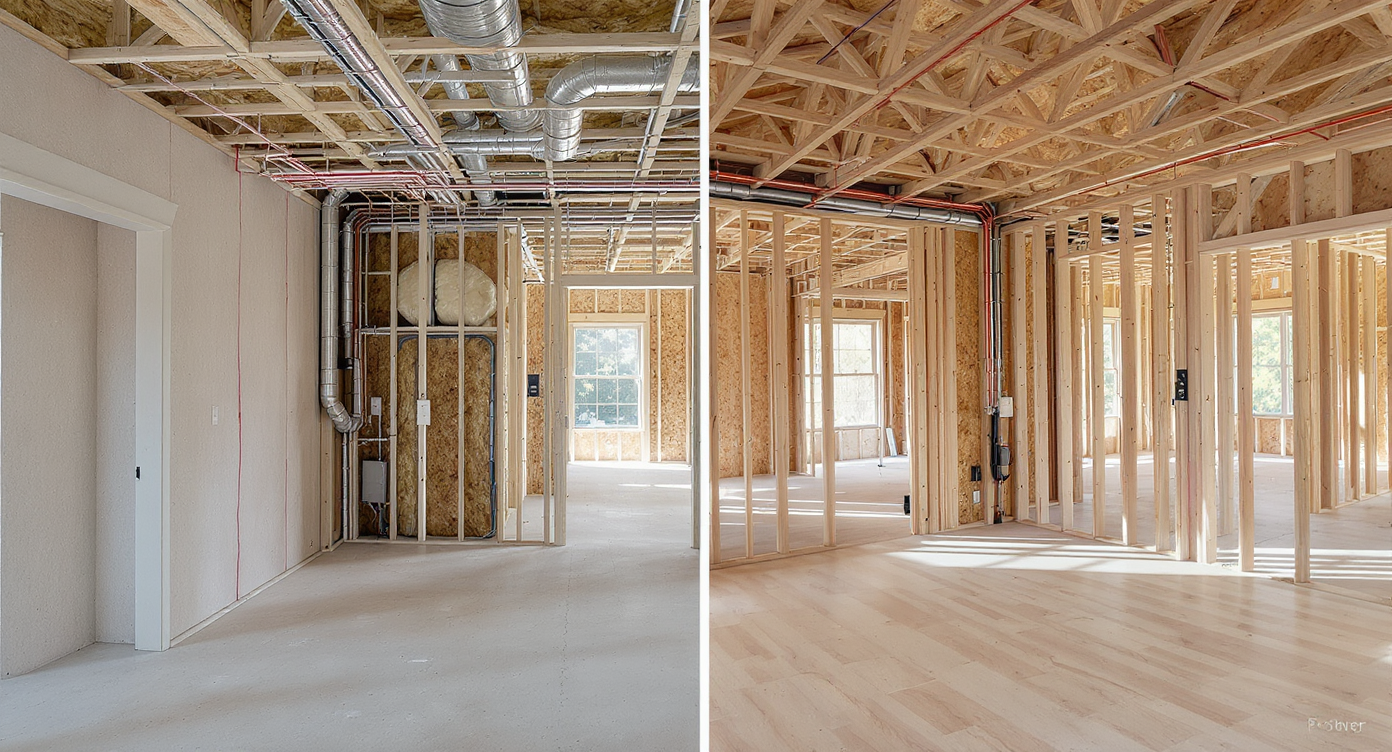
A side-by-side view of unfinished new home interiors, highlighting contrasts in insulation, materials, and construction quality between builder types.
Cost and durability sit at the center of every builder comparison. While a competitive quote from a friend or local contractor may be attractive, it is vital to consider the lifespan of materials, quality of workmanship, and the project’s resale value. Modern builds by national companies are usually designed for energy efficiency and compliance with the latest codes, but that doesn’t automatically guarantee long-term quality. Some major builders opt for cost-saving shortcuts, affecting insulation, HVAC performance, or electrical planning. Custom or semi-custom homes by independent contractors can rival or exceed these standards—especially if you’re hands-on in selecting finishes and systems. For remodels and renovations, as explored with our affordable renovation strategies, careful planning and targeted upgrades are essential for maximizing investment. Apply this lesson to new builds: scrutinize each line item for lasting value, not just upfront price.
Visualization Scenario
Imagine standing in the sunlight-filled entryway of your new home, where every fixture and finish was chosen with care. With a builder who updates you daily via text and asks for feedback on every detail, you feel ownership over decisions big and small. Or, perhaps you enter a model home finished by a major builder—everything is pristine, timelines were tight, and you know that if the roof develops an issue in year three, a warranty team is just a call away. Both scenarios are real, but each leads to a different kind of pride and peace of mind.
Frequently Asked Questions
Major companies offer clear processes and warranties, but homeowners sometimes report that warranty follow-up and customization can be lacking. Documentation is more robust, but personal experience may vary.
What legal steps should I take with an independent contractor?
Always verify licensing, insurance, permitting, and insist on a contract reviewed by a knowledgeable attorney. Specify all warranty terms, dispute resolution procedures, and benchmarks for inspection and payments.
Are independent contractors usually more affordable?
Often they offer lower initial pricing and a flexible approach to changes. However, unforeseen delays can offset some savings. Do your due diligence on their experience with large projects.
How do I ensure the build meets current standards?
Request details about materials, energy efficiency targets, and inspection schedules. Whether you choose a major company or independent, maintain regular check-ins and review milestone quality.
What tools can help visualize my custom project?
Modern digital platforms like ReimagineHome.ai allow you to explore floorplans and interior layouts before work begins.
Building with Confidence: Making Your Choice
The right builder for your new home is the one who aligns most closely with your priorities, communication style, and comfort with risk. Large companies offer structured processes and warranties, but are not immune to issues or impersonal service. Independent contractors or friends in the industry can deliver flexibility and dedication, but demand diligent oversight and contractual rigor. By clarifying your expectations, setting clear boundaries, and designing a project plan that is both realistic and detailed, you can minimize surprises and set the stage for a successful build.
For tailored inspiration and planning tools to visualize your perfect space, visit ReimagineHome.ai.