Rethinking the Master Closet-Bathroom Connection: Practical Design Choices for Modern Homes
TL;DR
Combined master closets and bathrooms have become common, but their layout can affect privacy, humidity, and resale value. Homeowners can improve functionality and comfort with targeted adjustments like installing doors or evaluating ventilation. Smart tweaks help preserve clothing, enhance routines, and modernize spaces for both living and resale.
Introduction
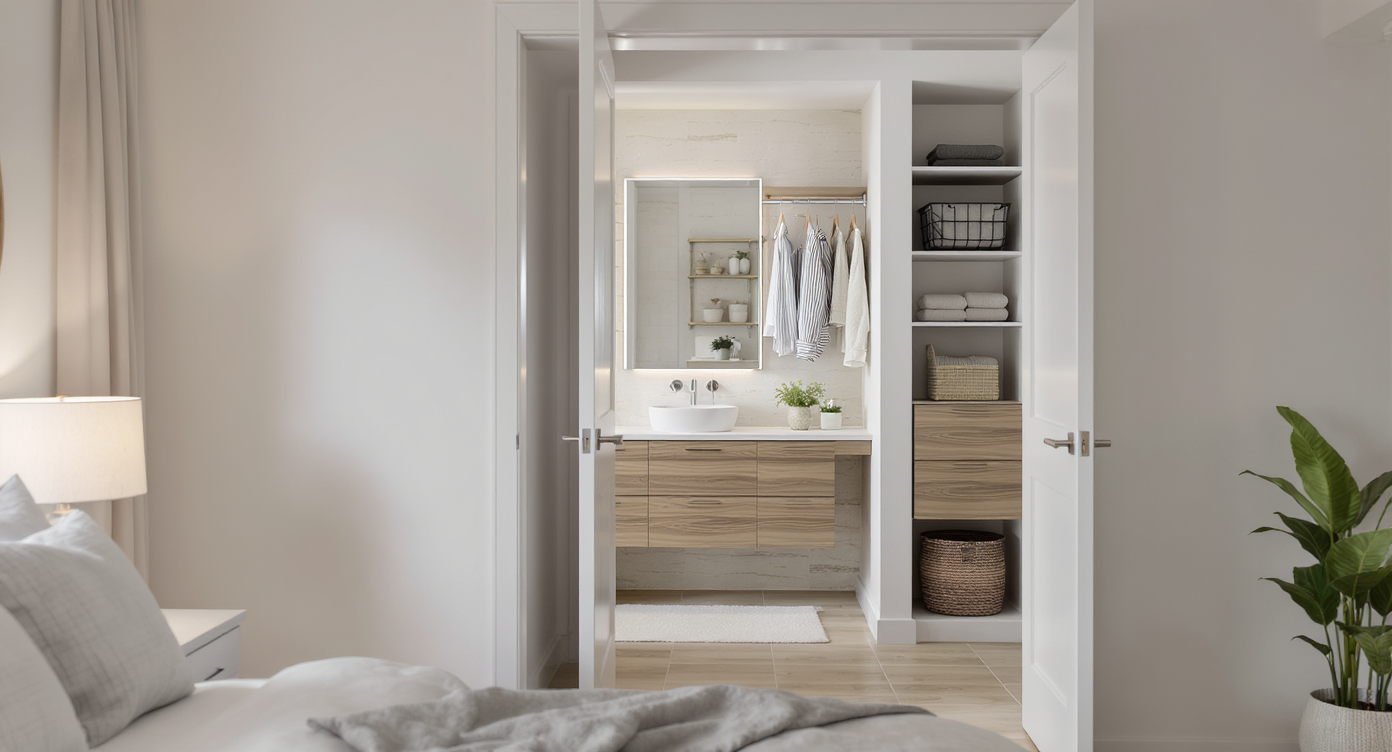
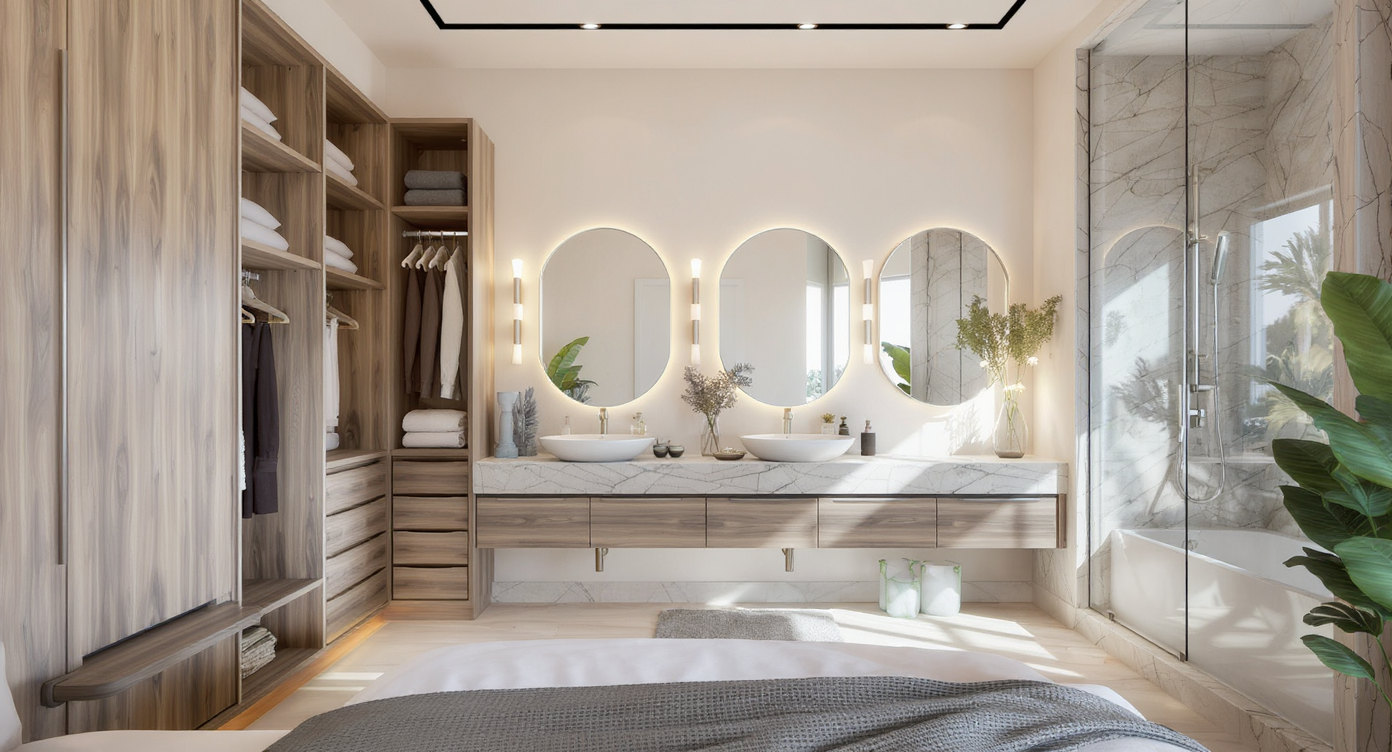
Modern primary bedroom suite with a bathroom directly connecting to a walk-in closet, showcasing open flow and practical design choices.
The way a primary bedroom, bathroom, and closet connect can subtly shape a home’s livability and value. Increasingly, builders and renovators are embracing open flows, tucking walk-in closets directly off bathrooms for convenience and space efficiency. Yet, this design choice rarely goes unnoticed by buyers and homeowners. Concerns over privacy, practicality, and long-term upkeep echo through showings and online forums alike. What seems like a cutting-edge layout often reveals hidden frustrations. Whether you’re drawn to the ease of a bathroom-closet connection or you’re hesitant about sharing air, light, and noise between spaces, understanding the implications of this trend is essential. As design preferences evolve and new research highlights fresh insights, the layout of your primary suite deserves thoughtful consideration.
-
Why So Many Homes Connect Closets and Bathrooms
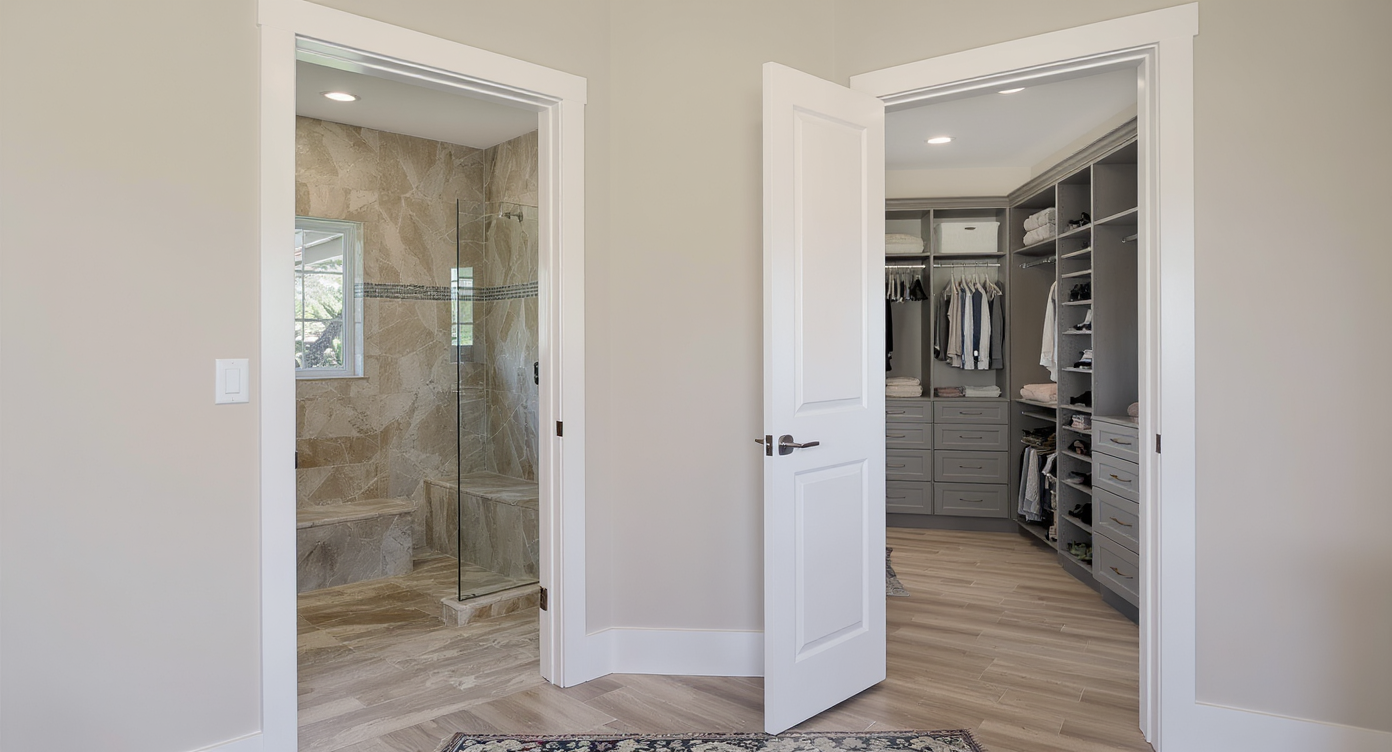
Contemporary home layout with an open connection from a luxurious bathroom directly into a spacious, organized walk-in closet.
The wish for bigger walk-in closets and spa-like bathrooms has shaped home designs for the last two decades. Attaching the closet to the bath maximizes square footage and makes the most of plumbing walls, freeing up other parts of the bedroom for windows or seating. For many, being able to slip directly from shower to closet feels ultra-functional, especially during busy mornings. Builders also favor this configuration because it streamlines mechanicals and minimizes costly hallways. Yet, convenience only tells part of the story. In certain regions — especially in newer suburban homes — this direct connection has become so standard that finding separate closet entries is rare. Some architects even contend that blending these spaces answers the call for an “owner’s retreat,” allowing primary suite occupants to enjoy a private, uninterrupted area away from the rest of the home.
Expert Insight
Not long ago, a couple toured a bright, renovated home on the edge of a leafy neighborhood. They fell in love with the light through the master suite, only to pause when they realized the walk-in closet was accessed solely through the open-concept bathroom. At first, they didn’t mind. But after living with the space, they noticed their favorite wool coats lost their shape faster, and morning routines turned into a coordinated dance of patience. A simple solution came in the form of a sturdy pocket door, transforming privacy and giving their closet new life without changing the flow they enjoyed most.
-
Common Frustrations: Humidity, Privacy, and Storage Concerns
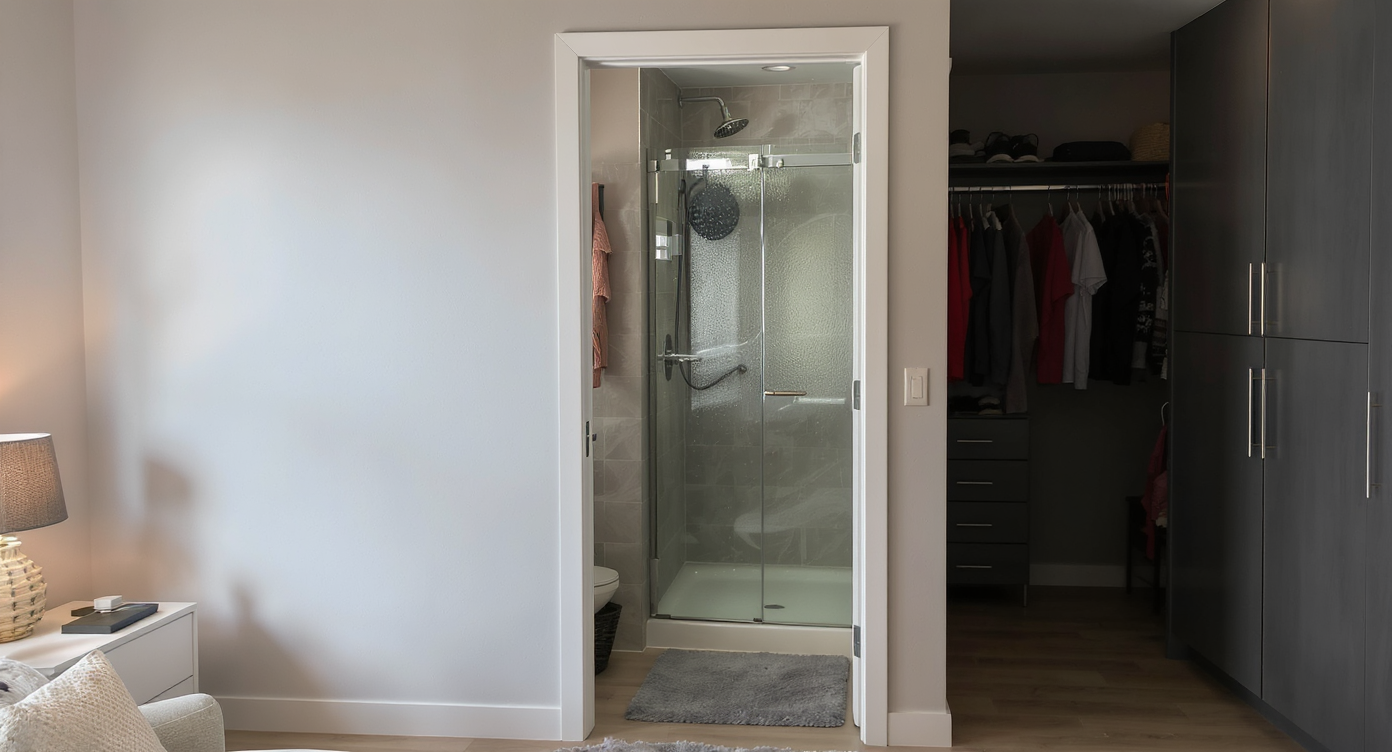
A walk-in closet shares a humid boundary with an adjacent bathroom, risking dampness for sensitive clothing and luxury accessories.
What seems logical on paper can create real inconveniences in daily life. The chief complaint among homeowners is humidity. Steam from the shower or bath can seep into closet space, dampening clothing, shoes, and leather goods, even with modern exhaust fans in place. While everyday attire may remain unaffected, specialty items — think designer bags, furs, or suede — need a drier, more stable environment. Designers often advise relocating sensitive pieces if your closet shares air with a bathroom. Privacy is another sticking point. When multiple people share a suite, morning routines often collide. One person may want to use the closet while another seeks bathroom privacy, leading to awkward navigation or disrupted schedules. Home shoppers cite this friction as a surprising dealbreaker, especially if the only route to the closet requires traversing the bathroom, a layout some consider less than ideal for long-term comfort.
-
Solutions That Blend Comfort and Function
Thoughtful modifications can resolve many of these frustrations. Installing dedicated doors — whether conventional swing doors, pocket doors, or increasingly popular barn sliders — establishes clear separation and improves both air and sound control. Homebuyers are increasingly negotiating for these upgrades, sometimes asking sellers for concessions to add doors or frame off open walls, a move that can be achieved with minimal disruption to the space. Enhanced ventilation is equally important. Even with a closable door, ensure your bathroom has a high-capacity, regularly-serviced exhaust fan. This simple fixture guards against lingering humidity that can damage clothing and encourage mildew. In spaces where adding a door is not practical, keeping weather-appropriate clothing in the bath-adjacent closet and storing delicate items elsewhere can minimize risk. Such adjustments cost far less than major remodels but substantially boost daily function and resale confidence. These kinds of improvements are often highlighted by real estate agents when evaluating which DIY renovations are likely to pay off.
-
Impact on Resale Value and Buyer Appeal
The design of the primary suite remains near the top of many buyers’ wish lists, but opinions on bathroom-closet combos vary sharply. For some, the notion of passing through the bath to access the closet is a mild annoyance. For others, it’s a dealbreaker, especially if the layout feels cramped, humid, or lacks visual privacy. Real estate agents frequently report that even small updates — such as adding a door or carefully staging the space — can help sway buyers who are worried about day-to-day logistics. These improvements not only address comfort but also set your listing apart in a competitive market. On the other hand, failing to resolve basic privacy and humidity concerns can subtly chip away at perceived value. Sellers should also be mindful of avoiding design mistakes that decrease home value, especially when simple fixes are possible.
-
Anecdote
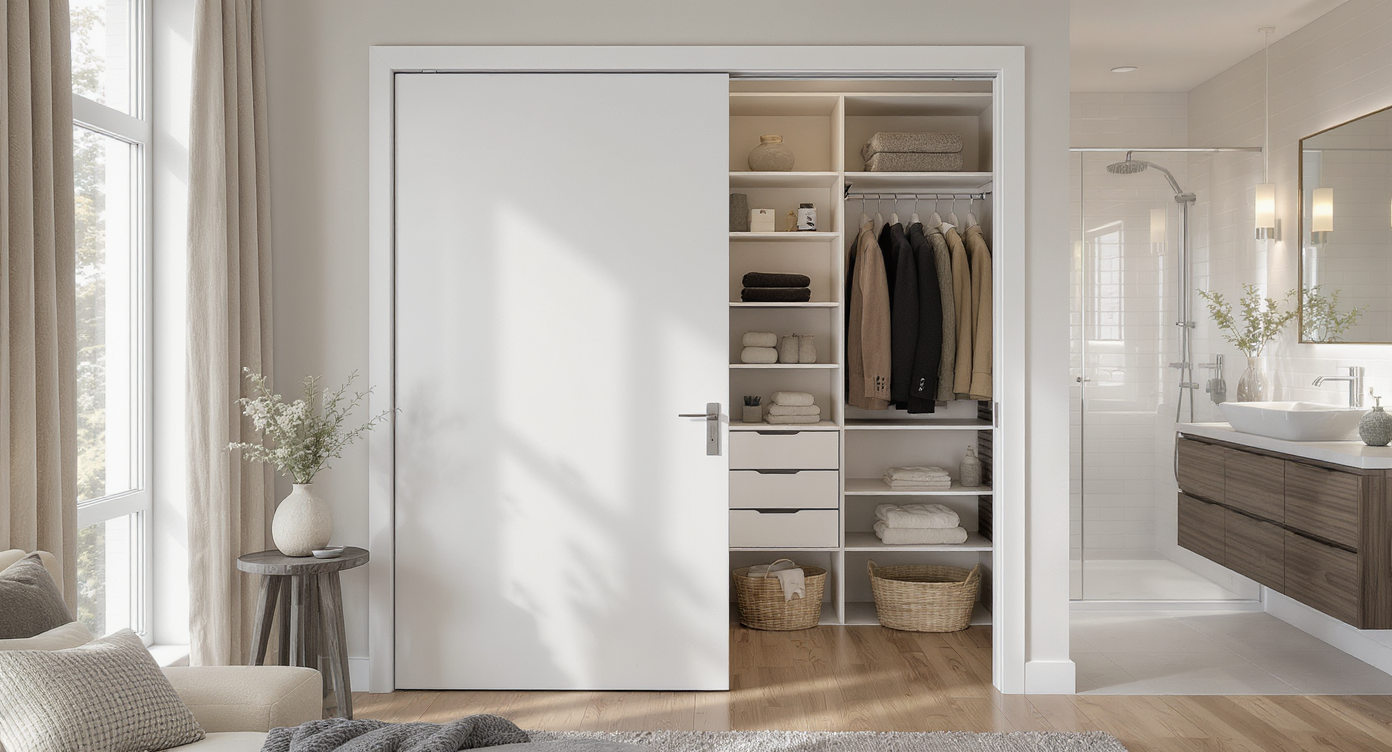
A bright, modern master closet now accessible through a bathroom with the addition of a sturdy pocket door, preserving privacy and garment care.
Not long ago, a couple toured a bright, renovated home on the edge of a leafy neighborhood. They fell in love with the light through the master suite, only to pause when they realized the walk-in closet was accessed solely through the open-concept bathroom. At first, they didn’t mind. But after living with the space, they noticed their favorite wool coats lost their shape faster, and morning routines turned into a coordinated dance of patience. A simple solution came in the form of a sturdy pocket door, transforming privacy and giving their closet new life without changing the flow they enjoyed most.
-
Common Mistakes to Avoid
Overlooking humidity management is one of the most persistent mistakes in bathroom-adjacent closet layouts. Even with a reliable fan, clothing can absorb moisture from steamy showers, especially during colder months. Ignoring this risk may lead to mold growth or musty odors over time. Another misstep involves skipping privacy doors. Relying on open passageways or decorative barn doors without true separation can leave occupants feeling exposed, particularly when schedules or habits clash. Finally, staging the suite with too many personalized items or clutter can distract buyers, obscuring the feel of a spacious, serene retreat — a problem easily addressed with smart bathroom staging ideas.
-
Tips or Expert Insights
Interior designers frequently suggest separating humid zones from storage whenever possible. For homes where architecture can’t be altered, using dehumidifiers or vented closet doors can provide a buffer. When selecting finishes, favor moisture-resistant shelving and minimize fabric bins, which harbor dampness. For privacy concerns, designers recommend doors that blend with the suite’s character — from understated pocket doors to custom sliders. Coordinating hardware and paint can make these additions feel original. And as tastes shift, rethink fussy trends in favor of classic elements that show lasting value, as seen in recent recommendations on which trends to avoid and creative alternatives.
-
How to Use This in Your Next Designs
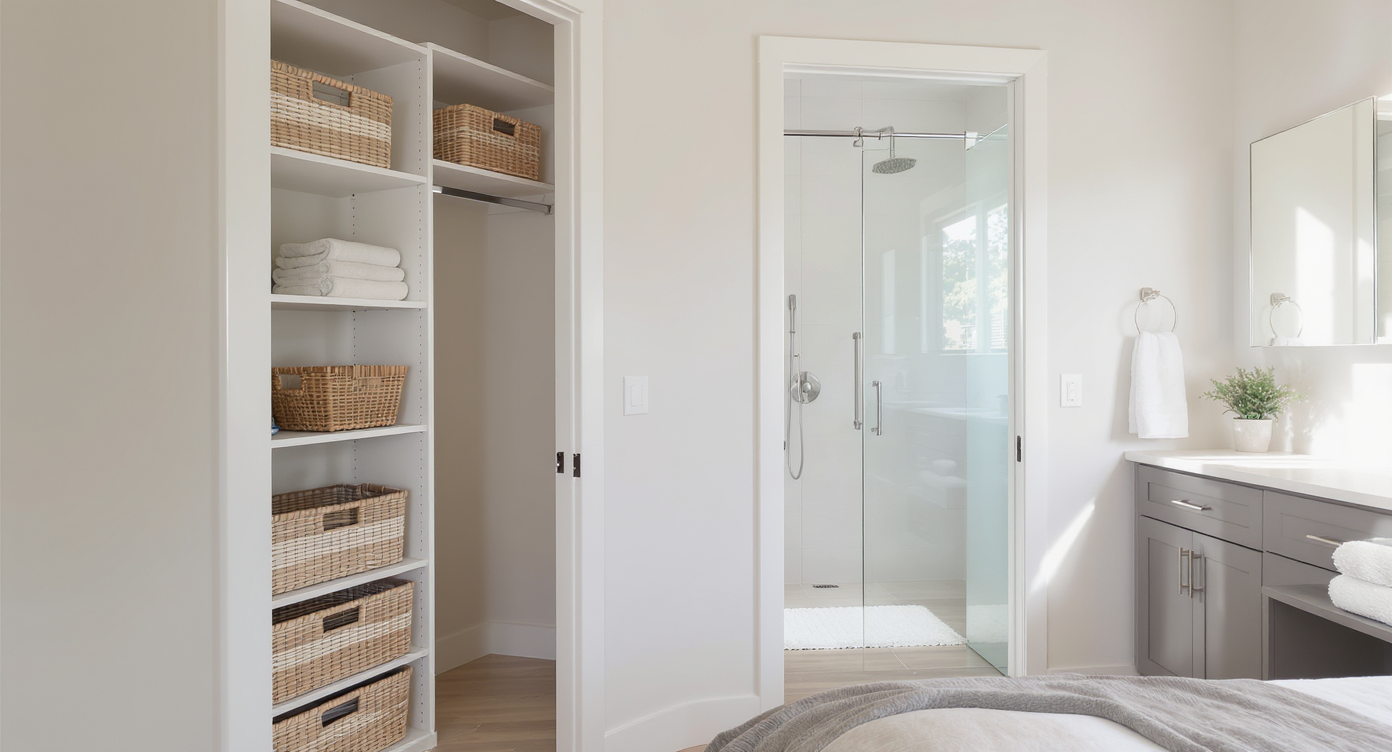
A modern suite layout illustrates a closet-bathroom connection, flexible pre-framed openings, and storage upgrades for functional comfort.
Whether building new or refreshing an older space, consider how your routines interact with the flow of your suite. If mornings are hectic, prioritize layouts that allow simultaneous use without crowding or loss of privacy. For resale, bear in mind that future buyers may have different needs, so plan for flexibility — such as pre-framed openings for easy door installation. When updating, focus on material choices and small layout fixes that amplify comfort. For homeowners prepping to list, a renewed suite, staged with humidity-friendly storage and defined privacy, often reads as modern, cared for, and ready for a new owner’s life to unfold.
-
Visualization Scenario
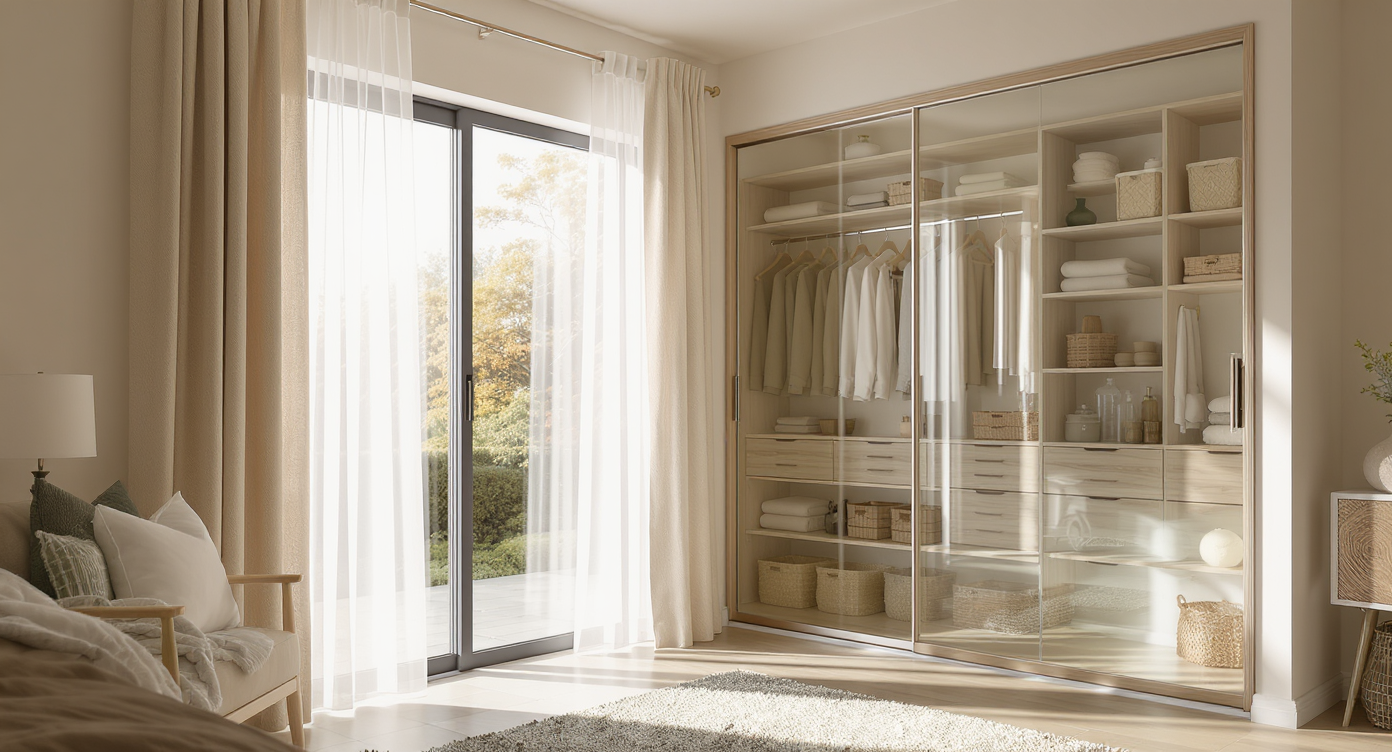
Organized walk-in closet and bathroom, divided by a sliding door, with afternoon sunlight and effective ventilation for crisp, fresh clothing.
Picture a master suite flooded with afternoon sunshine, where the bathroom and closet once felt like an open expanse. Closing a quietly gliding door suddenly grants a cocooned dressing space while steam from a relaxing shower whisks away through a ceiling vent, leaving suits and linens crisp. Early risers find their clothes accessible without disturbing a partner, and small organizational upgrades turn a previously overlooked space into a daily delight.
Visualization Scenario
Picture a master suite flooded with afternoon sunshine, where the bathroom and closet once felt like an open expanse. Closing a quietly gliding door suddenly grants a cocooned dressing space while steam from a relaxing shower whisks away through a ceiling vent, leaving suits and linens crisp. Early risers find their clothes accessible without disturbing a partner, and small organizational upgrades turn a previously overlooked space into a daily delight.
FAQ: Master Closets Attached to Bathrooms
Closets sharing air with an active bathroom can experience higher moisture, especially if ventilation is insufficient. Storing sensitive fabrics elsewhere and maintaining strong exhaust fans reduces risk.
Does adding a privacy door between closet and bathroom increase resale value?
Buyers value privacy and flexibility, so even simple doors or partitions can broaden a home's appeal.
What design elements help a closet-bath combo feel more functional?
Robust exhaust fans, humidity-resistant finishes, and staged organization improve both comfort and aesthetics. Layering lighting and including dehumidifiers also help.
Should I remodel my suite if I dislike this layout?
Remodeling can be costly. Often, adding doors or optimizing storage resolves most complaints at a fraction of the expense. Visualizing options on ReimagineHome.ai can help clarify your decisions.
Are there staging strategies that downplay awkward suite layouts?
Show off defined zones and ample storage, keep surfaces tidy, and use neutral tones to expand the feeling of space and flexibility.
Balancing Form, Function, and Future Value
Connecting closets to bathrooms isn’t inherently flawed — it simply requires intentional design choices to truly succeed. By resolving humidity, privacy, and access issues with thoughtful tweaks, homeowners can create suites that serve today’s needs and tomorrow’s market. When planning updates, weigh the daily impact alongside resale value, remembering that small, strategic interventions often pay the biggest dividends. For those seeking inspiration or visual previews of possible layouts and finishes, ReimagineHome.ai offers smart design tools and ideas tailored for modern living.