7 Transformative Moves to Modernize a Mismatched 2000s Kitchen
TL;DR
A kitchen from the 2000s with quality finishes can be dramatically refreshed by focusing on seven key strategies: updating the backsplash, rethinking countertops, refreshing lighting, considering cabinet tweaks, improving layout, selecting the right rugs and accents, and simplifying decor for a unified look. These steps prioritize visual harmony and midcentury-inspired style without a full renovation.
How to Bring Harmony to a Disjointed 2000s-Era Kitchen
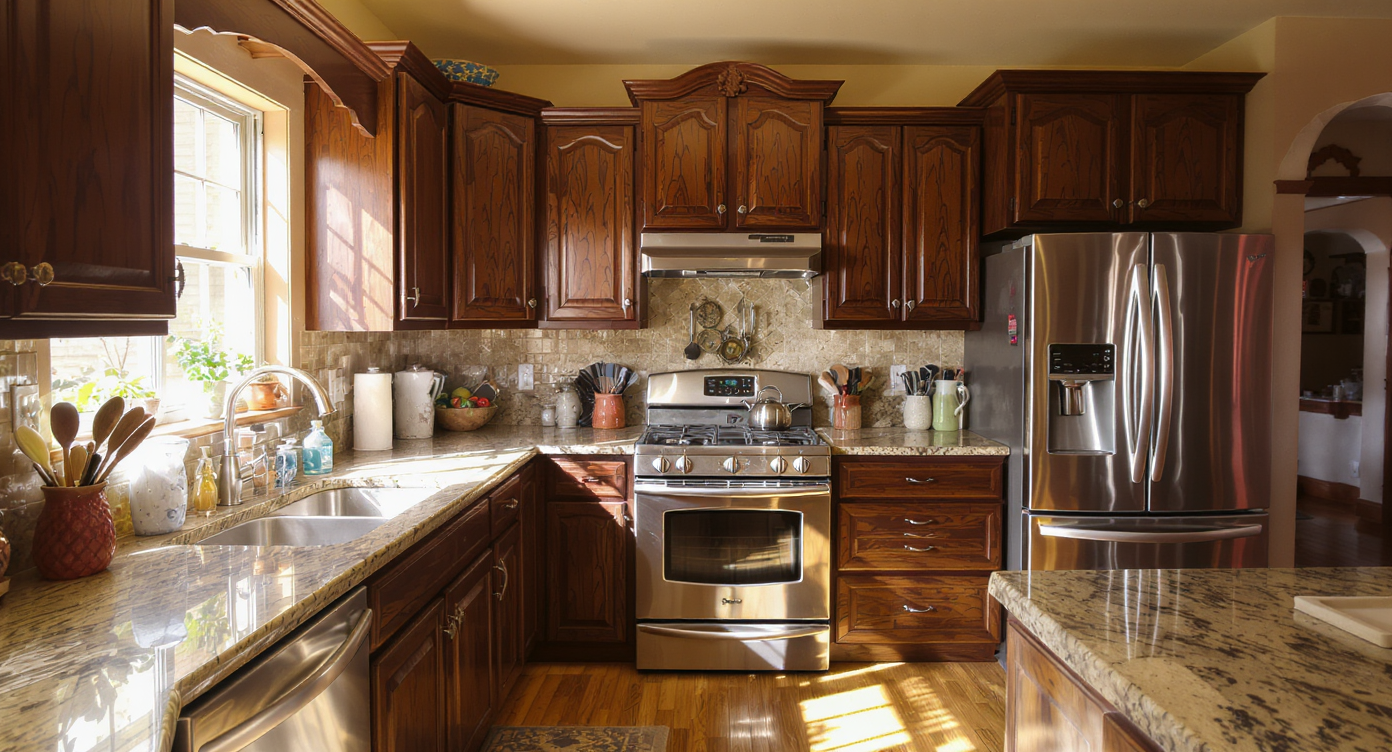
A high-quality 2000s kitchen with visually mismatched cabinets, countertops, and flooring, setting the scene for cohesive updates.
Kitchens renovated in the 2000s often feature quality materials that were chosen independently, leading to rooms that feel mismatched despite their value. Homeowners frequently find themselves with spaces where every individual component looks appealing, yet together they create visual dissonance. For those who want to embrace a cohesive, airy look—especially one with midcentury roots—this challenge requires a careful balance between budget, function, and style. The good news is that you do not need a full overhaul to achieve dramatic improvement. Thoughtful surface changes, lighting updates, and select accent swaps can create cohesion and lighten up the visual weight of floors, cabinets, and countertops. The following seven action steps are designed for anyone working with existing cabinets and floors, with advice guided by designers and practical solutions from real homeowners.
-
1. Replace the Backsplash for Instant Visual Clarity
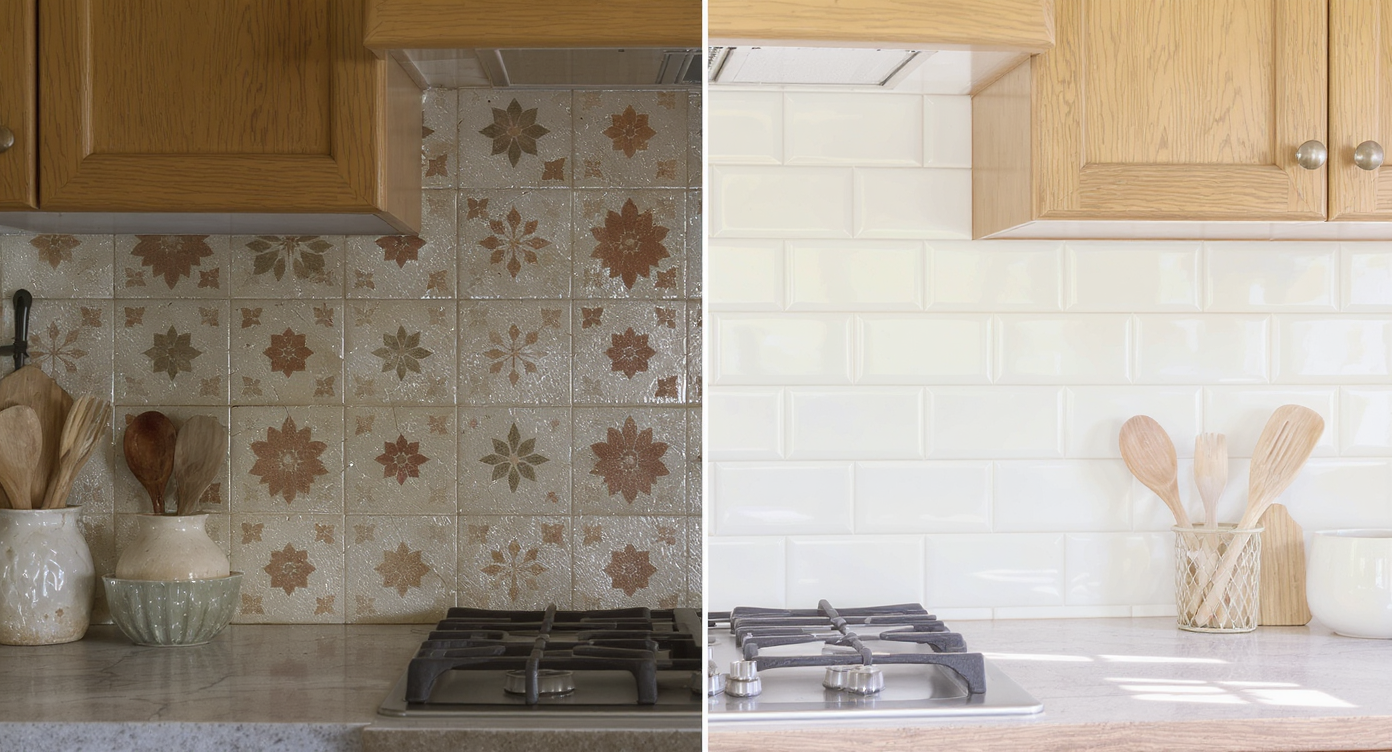
A real-world kitchen scene illustrating the impact of replacing a busy backsplash with simple matte subway tiles for instant visual clarity.
One of the fastest and most impactful updates for a kitchen with clashing surfaces is to swap out a dated or busy backsplash. In kitchens with multiple competing elements, a backsplash with a simple, light, and matte finish—such as creamy or white subway tiles—can instantly calm visual chaos and link cabinets with the floor. Neutral tones with subtle veining or gentle flecks, ideally matching hues found in your existing flooring and cabinetry, help tie the space together without introducing new contrasts. According to advice in our guide to how to update a dark kitchen, minimizing pattern is key for rooms that already feel busy. If budget is limited, options like paintable tile primers or peel-and-stick backsplashes can offer temporary relief, allowing for experimentation before committing to tile.
-
2. Brighten the Space with Layered, Modern Lighting
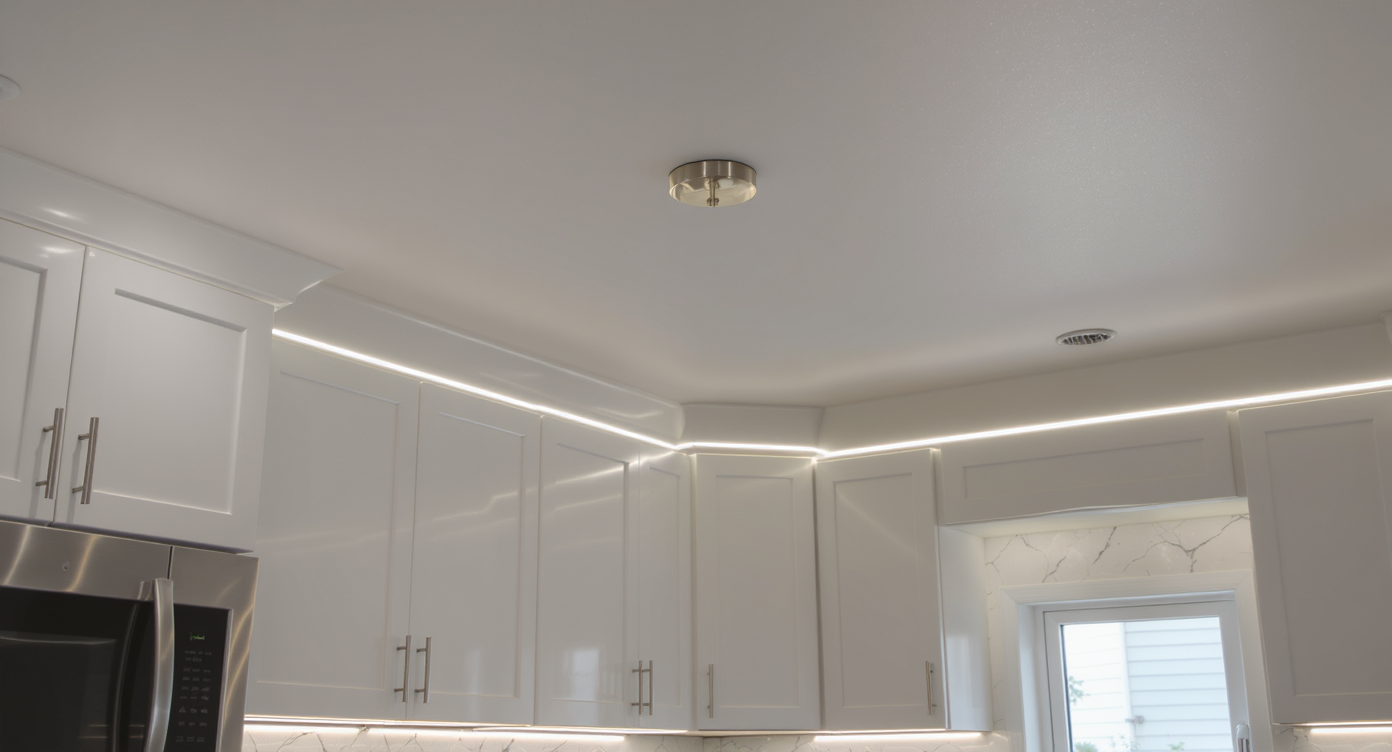
Layered modern lighting—ceiling semi-flush and recessed fixtures, plus under-cabinet LEDs—brightens countertops for a fresh, up-to-date kitchen feel.
Kitchen lighting from the 2000s often fails to illuminate work surfaces effectively, especially under cabinets and in corners. Upgrading ceiling fixtures to semi-flush mounts or adding discreet canless recessed lights increases overall brightness without major rewiring. Under-cabinet LED strips or puck lights reduce countertop shadows and make food prep areas more inviting. Designers frequently note that a well-lit kitchen feels cleaner and more up-to-date, even without changing any other finishes. This incremental change pays off most in spaces where natural light can be limited by cabinetry or window placement. In practice, creating multiple lighting levels gives the kitchen a modern lift with minimal disruption. For more detailed strategies, see the discussion of lighting improvements in our kitchen update blog.
-
3. Lighten Up Countertops with Modern Materials
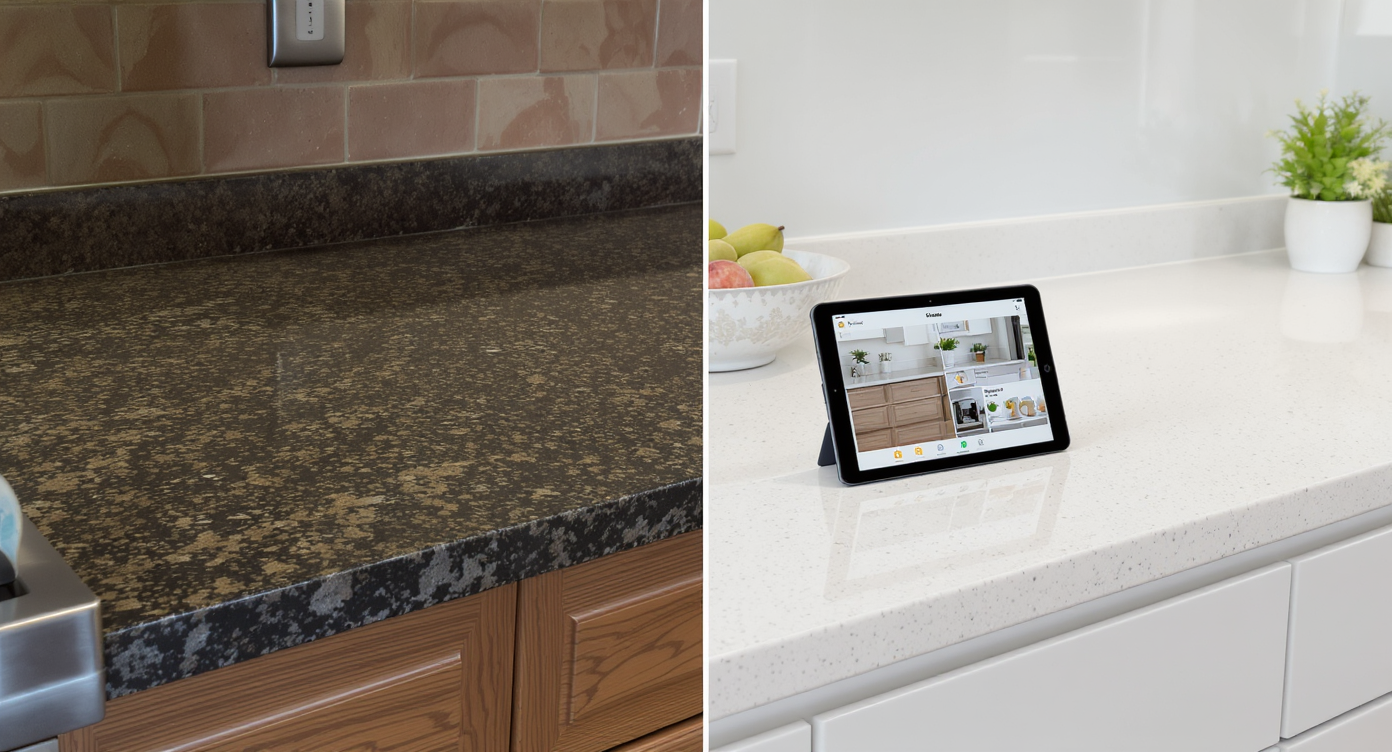
Side-by-side comparison of dark granite and lighter cream quartz countertops in a real kitchen, highlighting the transformative effect of updated surfaces.
Darker granite countertops from previous decades can feel heavy paired with wood cabinets and warm-tone tile floors. Opting for a lighter replacement—such as cream or soft white quartz—instantly lifts the space. Countertops with subtle pattern, minimal veining, or even terrazzo-inspired recycled glass are favored for blending rather than competing with other materials. If countertop replacement is not in the cards, try surface restyling options to visualize changes before investing. Digital tools can help preview how lighter countertops would interact with existing cabinetry and backsplashes; see more on this approach in our post about surface restyling for real kitchens.
-
4. Rethink Cabinets: Clean, Restore, or Subtly Refresh
Many 2000s kitchens feature solid wood cabinetry that is high quality but may clash with more modern tastes. Painting might seem tempting, yet most designers advise starting with a deep clean and hardware update. In good condition, wood cabinetry can be unified with new pulls—black, oil-rubbed bronze, or minimalist shapes complement a midcentury-inspired palette. If some doors are truly worn, selective refinishing or painting can work—but two-tone looks often backfire in these types of kitchens, as noted by design professionals. Before making big decisions, tools like REimagineHome.ai enable you to preview color and finish options on your real cabinetry. Experimenting visually prevents "paint regret" and helps coordinate with other planned changes, as outlined in our guide to refreshing cabinets without full renovation.
-
5. Edit Clutter and Plan Layout Around Key Zones
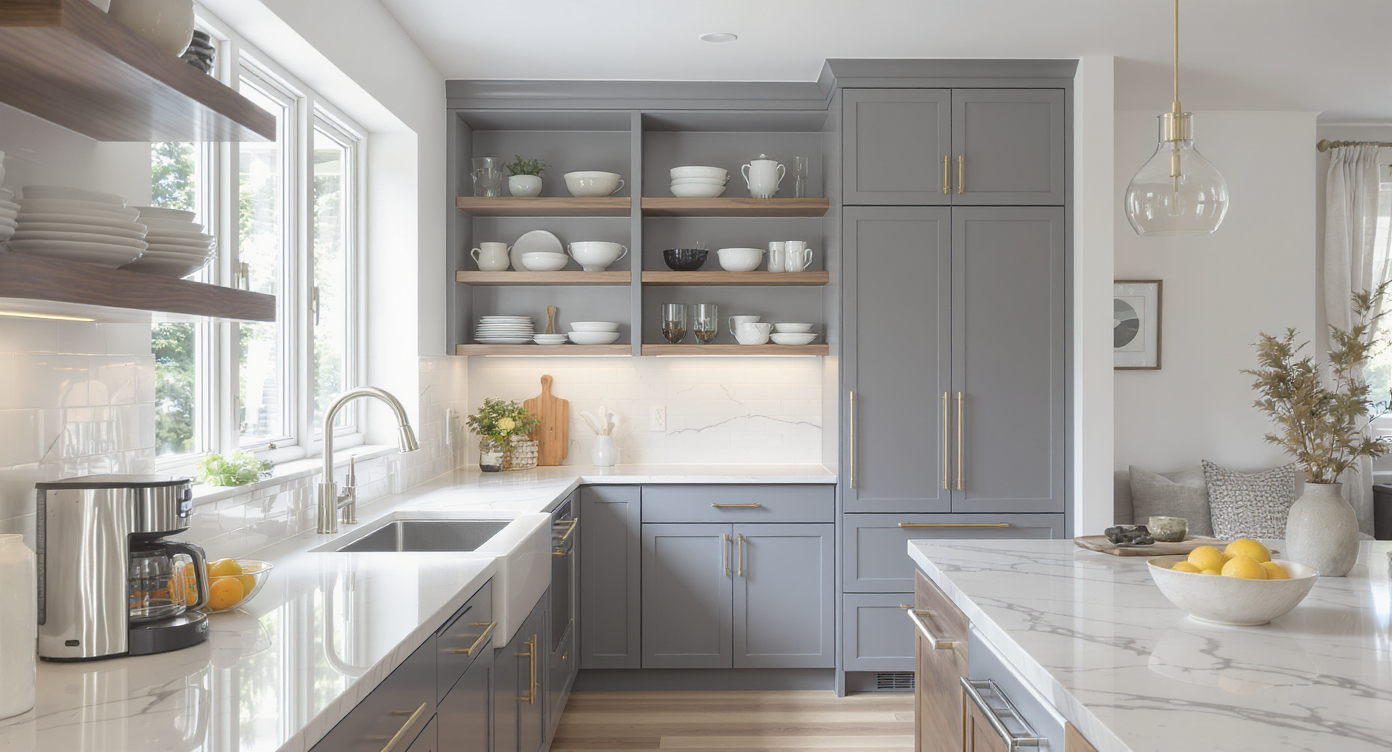
Decluttered kitchen layout with a slim tall pantry and cohesive open shelving, emphasizing intentional zones and open sightlines.
Outdated layouts and overloaded surfaces can exaggerate a kitchen’s mismatched feel. Start by rehoming or minimizing countertop appliances, editing open storage, and removing ill-fitting add-ons like rolling cabinets or mismatched islands. Consider removing small, low-quality standalone pieces that do not match your cabinetry and instead invest in a slim, tall pantry if additional storage is needed. This both clears sightlines and makes space for more harmonious elements, such as a built-in corner banquette or discreet open shelving near windows. Planning your work zones and maximizing usable surface area makes the kitchen feel more intentional and less pieced together.
-
6. Use Rugs and Textile Accents to Bridge Tones
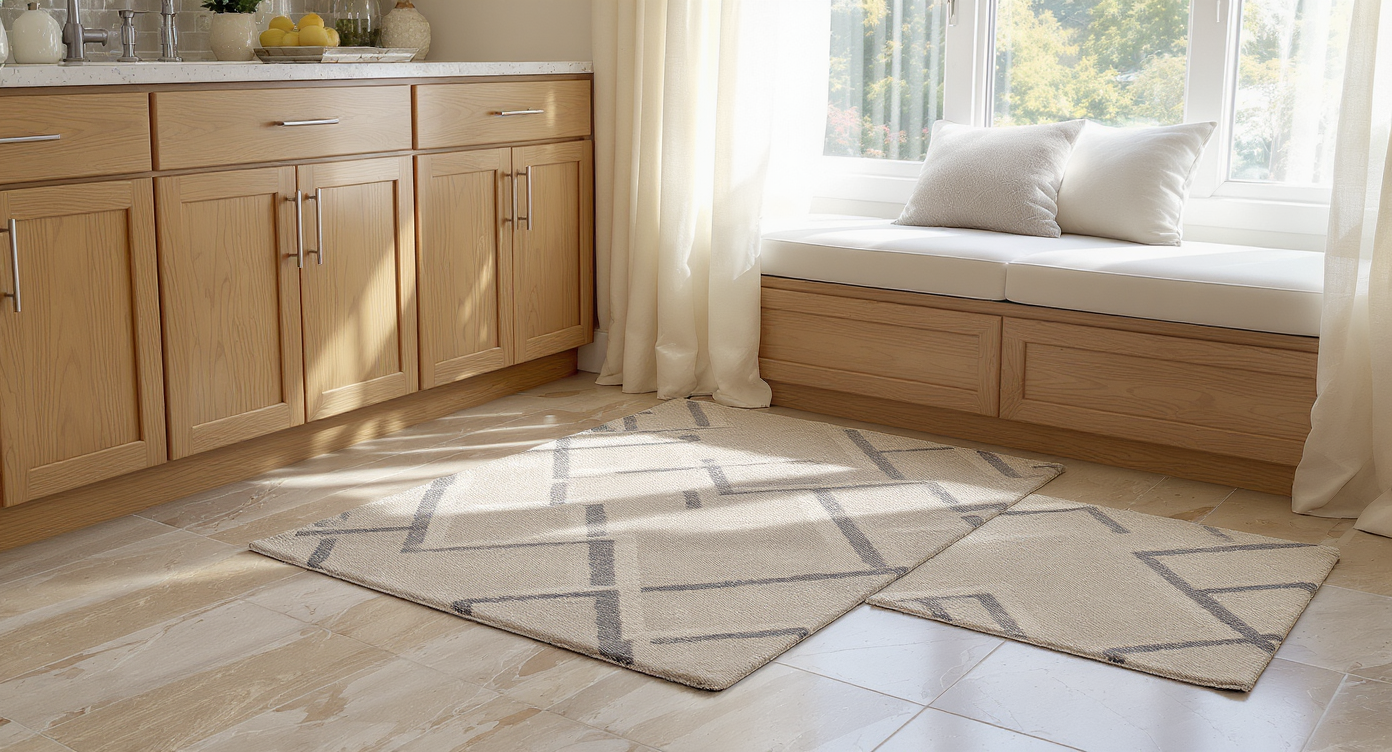
A black and cream geometric rug and neutral seat cushions bridge tones between travertine flooring and wood cabinetry in this refreshed kitchen.
Transitional elements like rugs, cushions, and window treatments are powerful tools for visually bridging cabinets, floors, and counters. In a kitchen with a warm travertine floor and wood cabinetry, a flatweave rug in black, cream, or muted geometric designs can tone down orange and yellow undertones. Neutral or midcentury-inspired textiles echo the broader home decor and make the space feel grounded. Bench pillows or seat cushions in lighter hues similarly break up large blocks of wood or tile and offer informal, cost-effective character.
-
7. Streamline Hardware and Fixtures for a Cohesive Finish
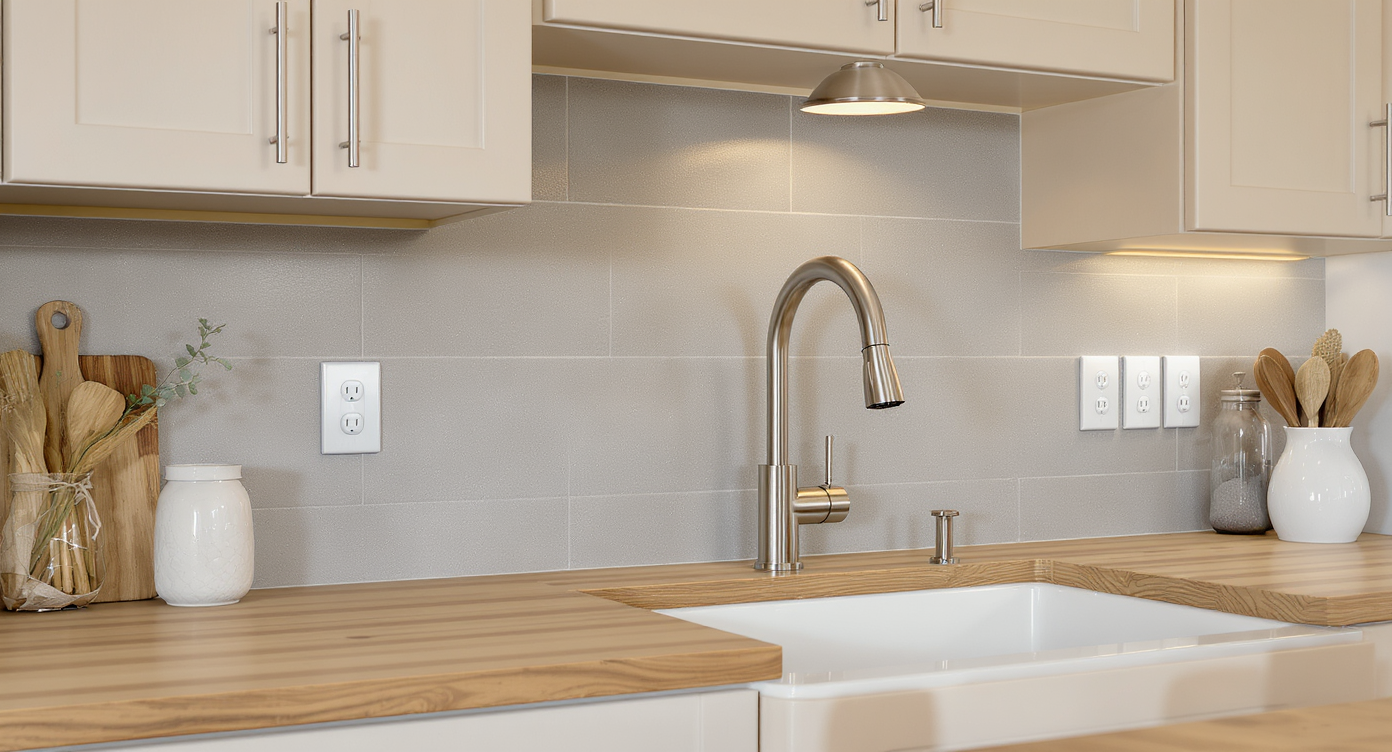
Cohesive cabinet hardware, upgraded faucet, and crisp wall plates create visual unity and diminish distractions in a modernized kitchen.
Even minor upgrades to hardware, outlets, and plumbing fixtures can make a kitchen look tailored and consistent. Swapping out almond-colored wall plates for crisp white, choosing matching cabinet knobs or pulls, and coordinating the finish of your faucet with light fixtures all contribute to visual unity. When paired with the above changes, these refinements reduce distractions and tie disparate materials together. According to advice found in our post on color tests for oak and slate, these small decisions prevent a "piecemeal" look. Focus on finishes that reference your flooring or counters for a more integrated result.
FAQ: Common Questions on Kitchen Restyling Without Full Renovation
Swapping the backsplash for a lighter, more neutral tile is often the fastest way to calm a noisy or mismatched kitchen. This single change helps create a sense of visual order and ties together other fixed elements.
Can I update cabinets without painting them?
Absolutely. Many designers recommend starting with a deep clean, followed by new hardware to give cabinets a fresh look. Tools like REimagineHome.ai can help you preview small tweaks before making permanent changes.
Is it important to coordinate countertop and backsplash selections?
Yes. Whenever possible, select one dominant surface first—often the countertop—then coordinate the backsplash to harmonize both color and texture. More on countertop-to-backsplash coordination can be found in our advice on surface restyling.
What lighting scheme is best for midcentury-influenced kitchens?
A layered approach works well. Combine updated ceiling fixtures with under-cabinet lighting and, where possible, add wall sconces or pendants near eating areas. Multiple sources ensure the kitchen feels open and welcoming, as explored in our lighting and paint guide.
How do I avoid "piecemeal" results when only doing a few updates?
Focus on a small set of related surface changes rather than many competing upgrades. Use digital visualization tools like REimagineHome.ai to test combinations and make sure new finishes truly tie into existing ones.
Unified Kitchens Start with Thoughtful Surface and Lighting Updates
A 2000s kitchen can feel fresh, bright, and harmonious with targeted improvements to surfaces, lighting, and a simplified layout. Backsplash and countertop swaps, decluttered storage, and updated lighting work together to minimize visual dissonance, while hardware and textile choices add finishing touches linked to your home’s broader style. Tools such as REimagineHome.ai allow homeowners to visualize options before making changes, eliminating uncertainty and regret about materials or colors.