Making Sense of Odd Layouts and Circulation in Remodel Projects
TL;DR
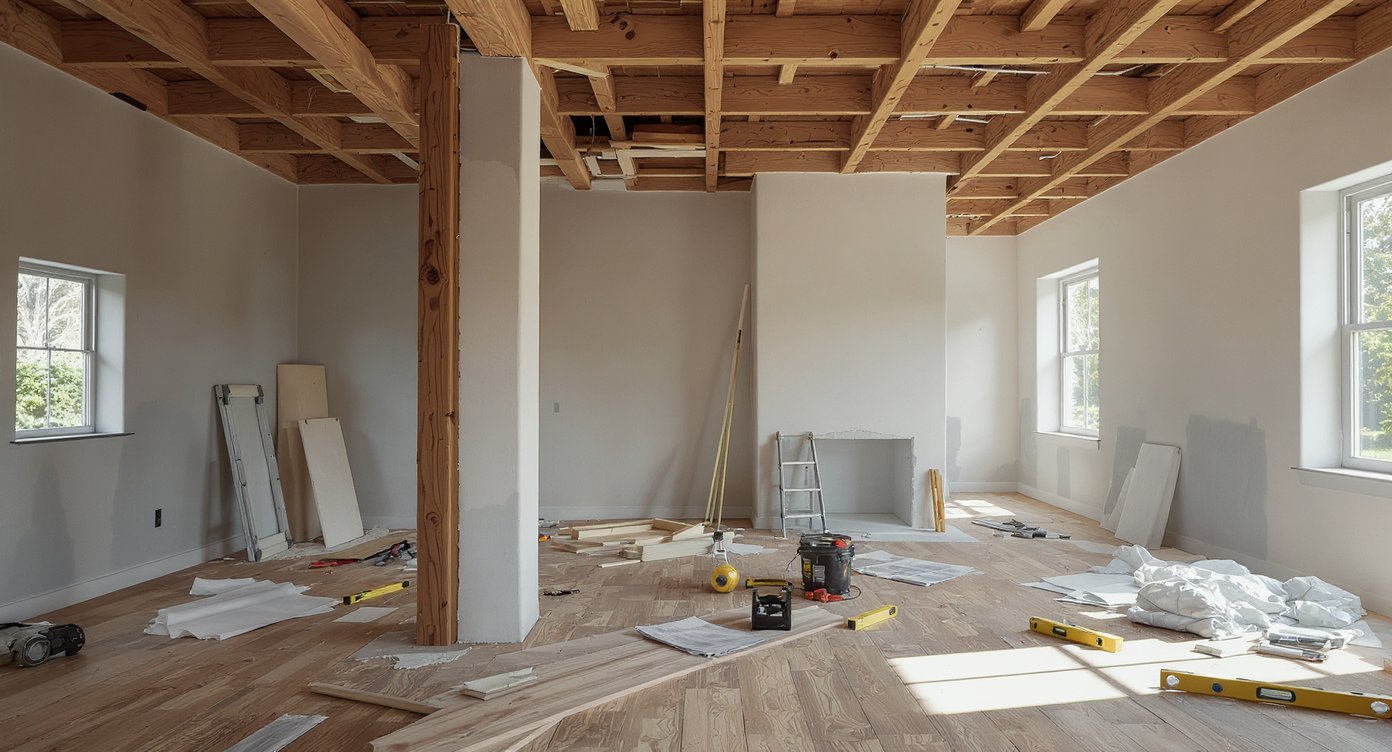
Remodel projects often inherit odd layouts and unpredictable circulation from previous designs. Addressing these obstacles demands creative thinking, structural understanding, and clear planning to transform awkward spaces into functional and cohesive environments.
Introduction
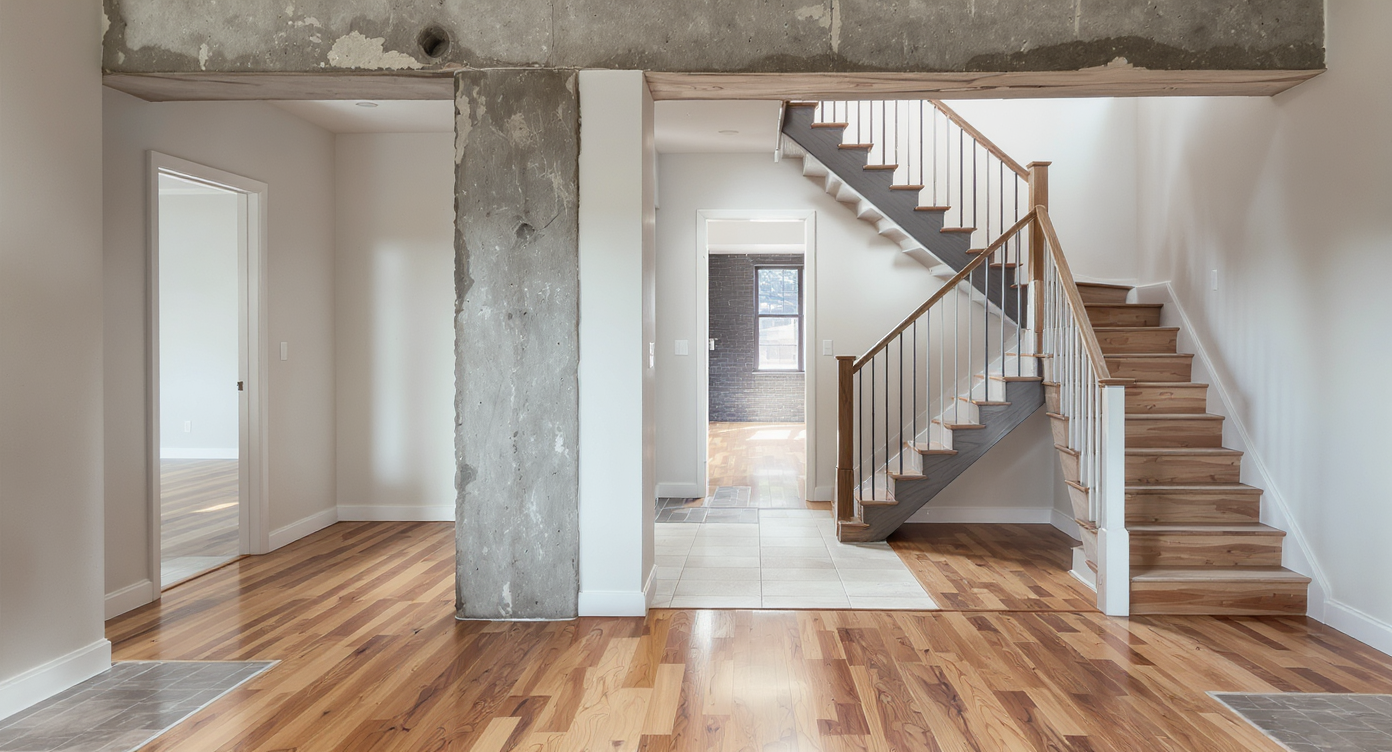
Remodel projects often present odd layouts, such as misplaced columns and awkward walkways, complicating flow and spatial comfort.
Architectural oddities are a reality in many remodel projects, whether in community centers, residential spaces, or commercial environments. Existing columns in unusual placements, misaligned supports between floors, and mismatched circulation paths can quickly turn floor plan updates into exercises in resourcefulness. For designers, tackling an odd layout is not about seeking perfection but about extracting function and beauty from what’s already in place. As countless renovation stories reveal, how a space circulates—how people move through it and experience each room—matters as much as materials or color. The path from the entry to a staircase, the logic of where corridors land, and how structural supports frame these elements shape comfort and long-term use. Achieving the right flow starts by understanding both the constraints and opportunities of existing conditions.
-
Why Circulation Planning Matters in Remodel Projects
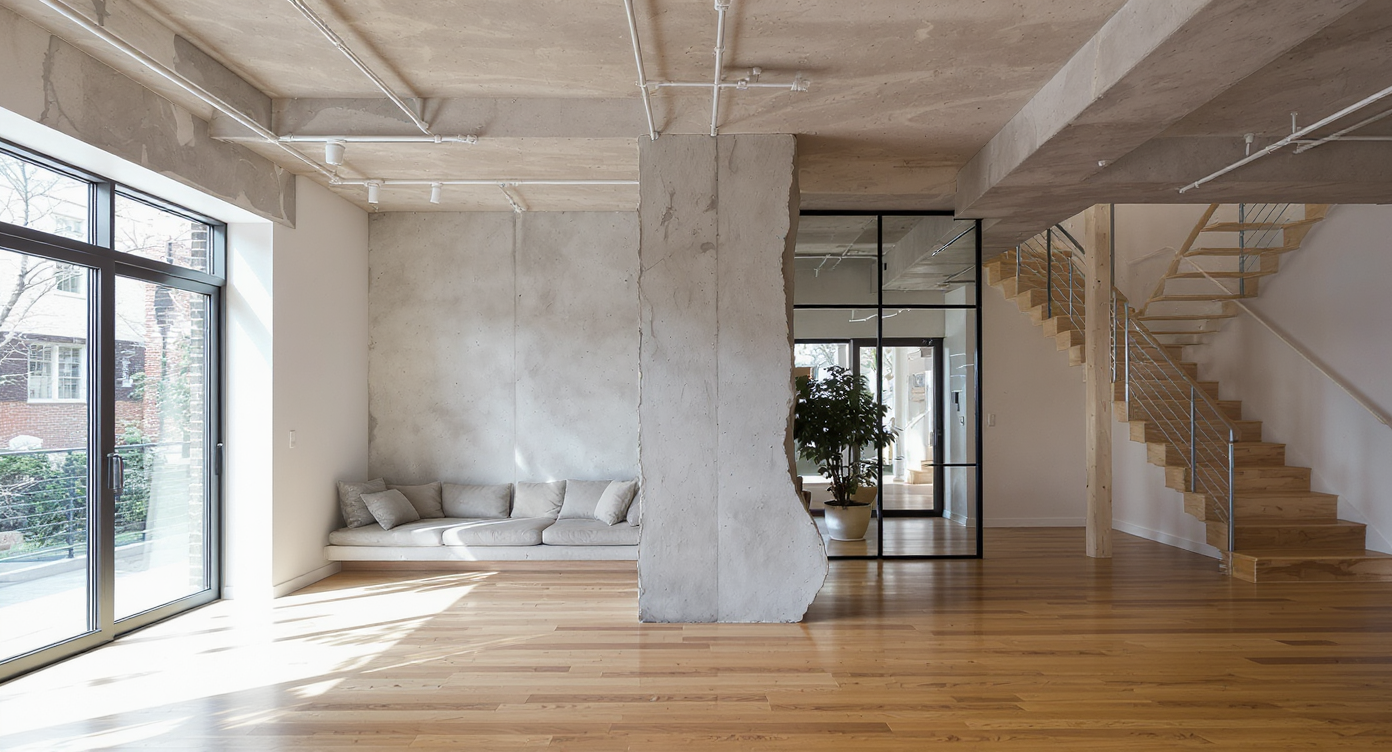
In this remodeled home, a structural column and glass partition work together to guide circulation, turning obstacles into architectural features.
The success of any remodel depends on more than aesthetics. Circulation planning determines how welcoming, intuitive, and safe a space feels. In older or poorly built structures—where columns, beams, or walls exist with little pattern—the designer’s challenge is to orchestrate movement in a way that seems effortless to future occupants. Circulation is the backbone of a well-functioning layout. Designers often begin with the big moves: entrances, exits, stair placements, and the primary paths of travel. Oddly situated supports or stairs, however, can disrupt these flows. Instead of looking at these as obstacles, experienced designers use them as cues to invent new ways of moving through a space. Sometimes, a quirky column becomes a feature, anchoring a seating nook or marking a transition between communal and quiet zones. Other times, inventive solutions—like glass partitions or custom cabinetry—offer workarounds when structural changes are limited by budget or engineering constraints.
Expert Insight
Years ago, a design student was assigned to reimagine a mismatched community center. The inherited building seemed like a haphazard puzzle—columns stood in surprising places, staircases landed awkwardly, and every floor presented a different reality. The project was a challenge in patience and adaptation. By partnering with an engineer and rethinking how each zone could benefit from structural quirks, the final scheme welcomed visitors with unexpected nooks, dynamic flow, and memorable character—achieved within a tight budget and timeline.
-
Adapting Floor Plans to Structural Realities
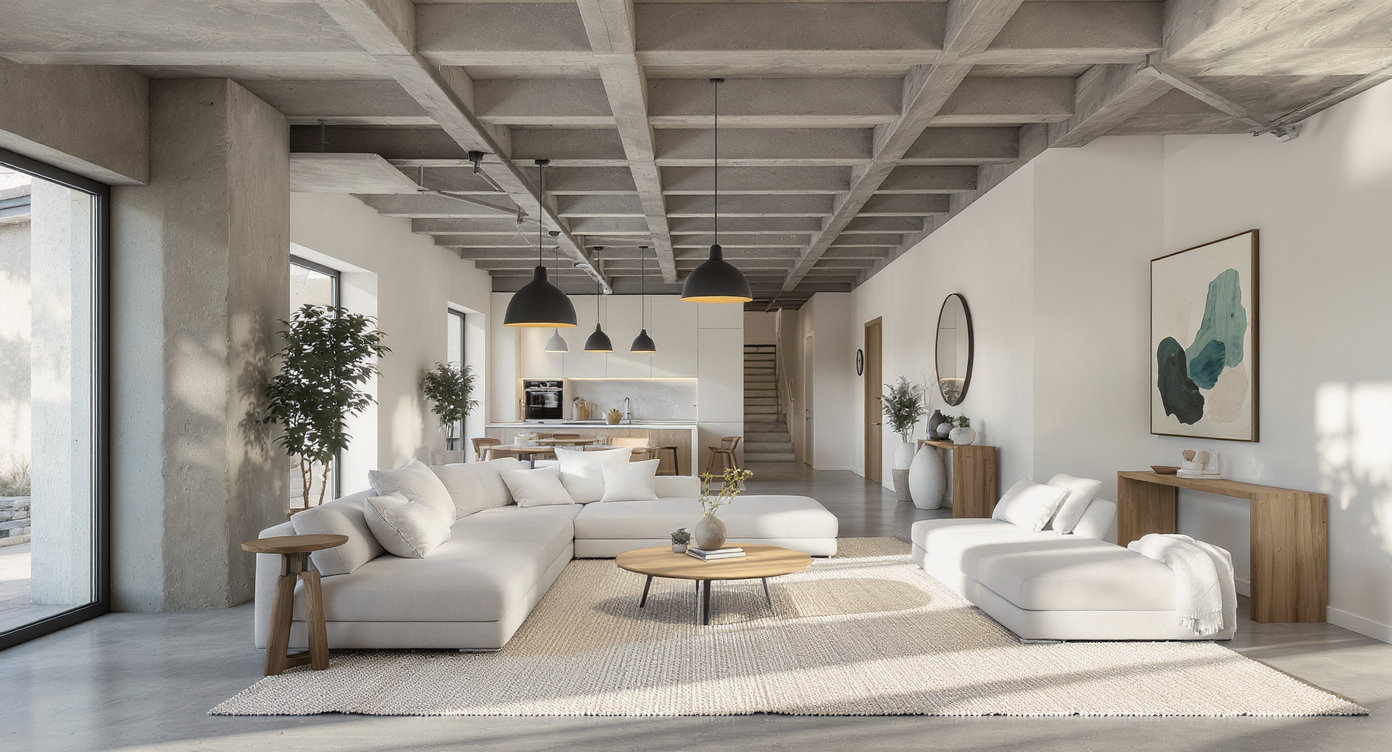
Adaptive interior layout integrates an off-center support column, mid-room ceiling beam, and narrow corridor using furniture and lighting for cohesive flow.
No matter how innovative the vision, remodel plans meet reality when structural elements don’t align with conventional expectations. It’s not unusual to discover columns that don’t line up floor-to-floor, beams intruding mid-room, or inexplicably narrow corridors. These issues come up in schools, civic projects, and homes alike. The key is not to erase these quirks but to plan around them. Teams working on tight budgets or inherited buildings may lack complete structural plans or detailed elevations, forcing more adaptive design thinking. Referencing projects that faced similar oddities, designers can review case studies where rerouting pathways, shifting stair locations, or grouping awkward columns created a sense of rhythm or pattern—even if not perfectly regular. Layering in thoughtful furniture placements and smart lighting further reinforces pathway logic, as recommended in interior design mistakes that decrease home value.
-
Navigating Stair Placement and Support Constraints
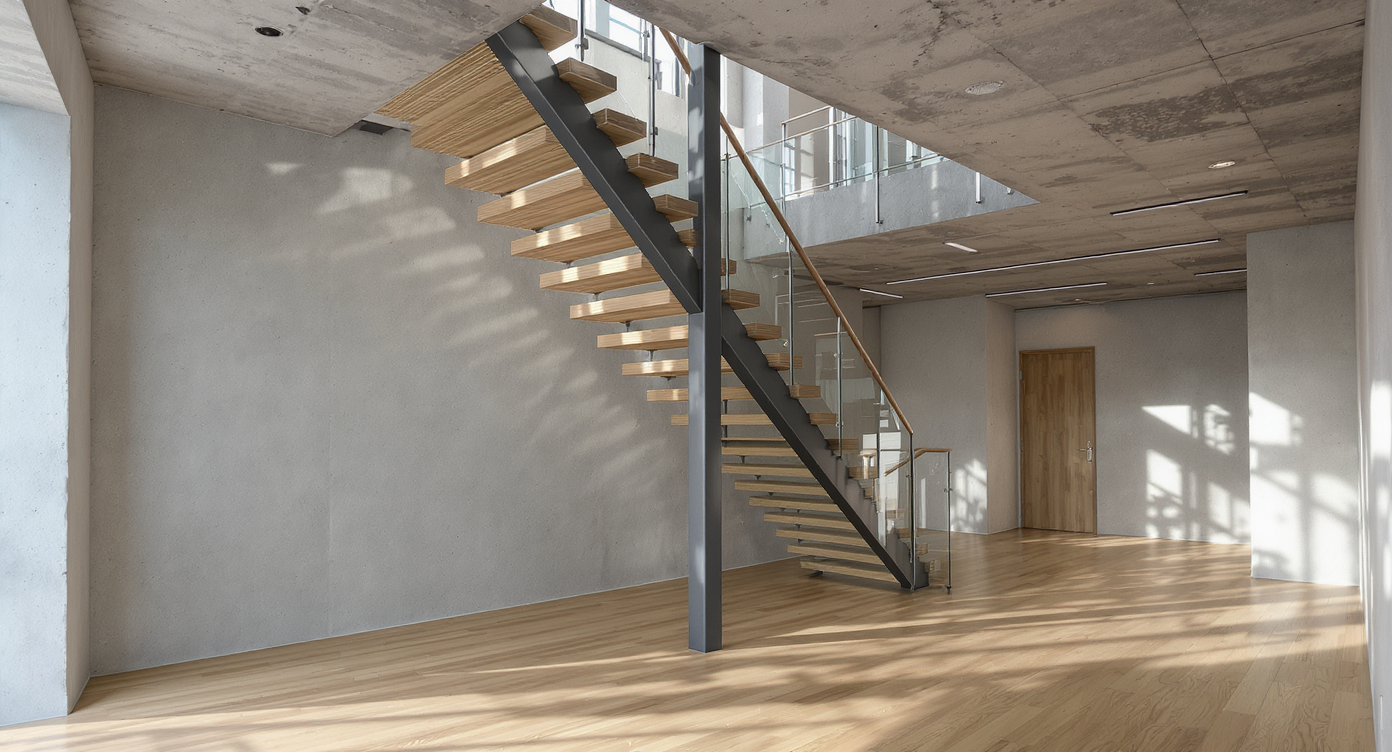
Structural supports and creative enclosure solutions enable open, safe circulation in challenging stair placement remodels.
Stairs often become the focal point of circulation puzzles in remodels. Designers may wish for open, floating staircases or elegant spirals, yet structural requirements introduce practical limits. While images of minimalist, unsupported stairs circulate widely, reality demands load-bearing supports or careful engineering. When columns seem randomly scattered, it takes collaboration with architects and engineers to determine if supports can be minimized—sometimes, thin verticals or a different span direction allow for more open visual lines. However, safety and building codes cannot be ignored in pursuit of aesthetics. Designers must weigh what’s possible structurally with the overall flow and budget, often turning to creative enclosures, see-through guardrails, or intentionally exposed structures as an aesthetic choice. Budget, time, and documentation gaps—like missing structural or electrical plans—mean solutions often require improvisation. Sometimes, incorporating affordable changes like re-routing traffic paths or refreshing corridors delivers huge impact, as detailed in affordable renovation tips.
Visualization Scenario
Imagine standing in a spacious entry, scanning your eyes across a lobby dotted with columns, some aligned beautifully and others striking out on their own. A reading corner curves gently around one such support, softened with warm lighting and bookshelves built to fit. Glass railings open up the main stair, making an essential structure feel light. Farther along, a collaborative zone emerges where an awkward pillar is transformed into a vertical garden, bringing life to what could have been an annoyance. The movement between these spaces, choreographed by floor finishes and gentle shifts in ceiling height, leads seamlessly to each function of the building.
Frequently Asked Questions
Both strategies work. Columns can be integrated into custom millwork or made a focal point with color or lighting. Designers sometimes cluster seating, bookshelves, or art around these elements, turning interruptions into features.
Is it possible to alter stair placements without major reconstruction?
In most cases, minor changes are possible, but meaningful relocation or transformation of stairs requires close collaboration with a structural engineer. Some creativity in surrounding design or barrier choice usually proves effective.
How do you maintain an open feel with restricted circulation paths?
Mirrors, glass partitions, and careful furniture arrangement expand sightlines and lighten cramped spaces. Layered lighting and neutral color palettes also boost the sense of openness.
What’s the first step if old plans or structural drawings are missing?
Start by mapping visible supports, doors, and windows. Consulting a structural professional helps fill gaps, ensuring that any remodeling work is both safe and practical.
Where can I find more guidance for circulation planning or floor plan challenges?
Find further approaches and inspiration at ReimagineHome.ai.
Conclusion
Remodeling spaces burdened by odd layouts or unpredictable circulation is far from rare. Experienced designers know to expect the unexpected, allowing existing quirks to drive creativity rather than frustration. With flexible planning, an open mind about structural compromises, and a clear vision for how people should experience a space, even the most challenging building can become welcoming and coherent. When in doubt, tapping into specialist advice and learning from successful adaptive projects ensures that structural realities enhance rather than hinder the outcome. For a deeper dive into creative planning strategies, explore the resources at ReimagineHome.ai.