7 Persistent Myths About Cross-Pollination Between Watermelons, Cucumbers, and Other Garden Favorites
TL;DR
Many gardeners believe planting watermelons next to cucumbers leads to odd hybrid fruits, but genetics and pollination do not work that way. The fruit you eat is determined by its own plant’s genetics, not its pollinators, though next-generation seeds can express surprises. Misunderstandings, observation errors, and centuries of myth-making all play a part in keeping these beliefs alive.
Untangling Garden Lore from Botany
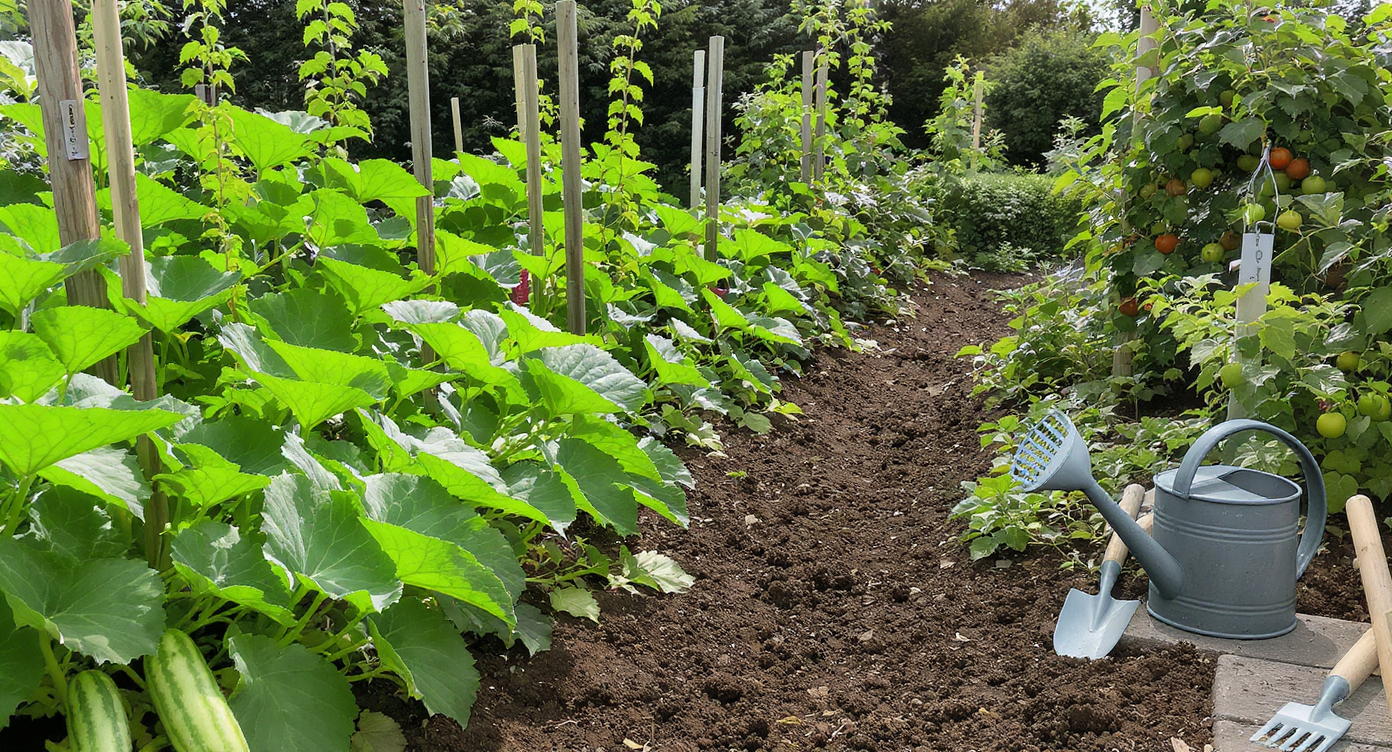
A realistic garden setup with side-by-side watermelon and cucumber rows, highlighting how they’re grown together despite common myths.
Gardeners often inherit a patchwork of beliefs about what can and cannot grow together. Among the stickiest is the notion that certain plants—like watermelons and cucumbers—should not be neighbors, or their fruits will somehow merge into bizarre hybrids. This myth persists despite clear scientific explanations to the contrary. Understanding why such beliefs endure means balancing horticultural science with the messiness of real-world gardening, where surprises, mistaken observations, and tradition cross-pollinate as much as any bee. This list dives into the most common sources of confusion and myth-making around cross-pollination, especially between commonly paired but genetically distinct garden plants. It does not just check the science, but explains why these belief-based planning habits matter in vegetable gardening, including how they can affect what you plant, save, or even discard.
-
1. Mistaking Cross-Pollination Effects for Immediate Hybrid Fruit
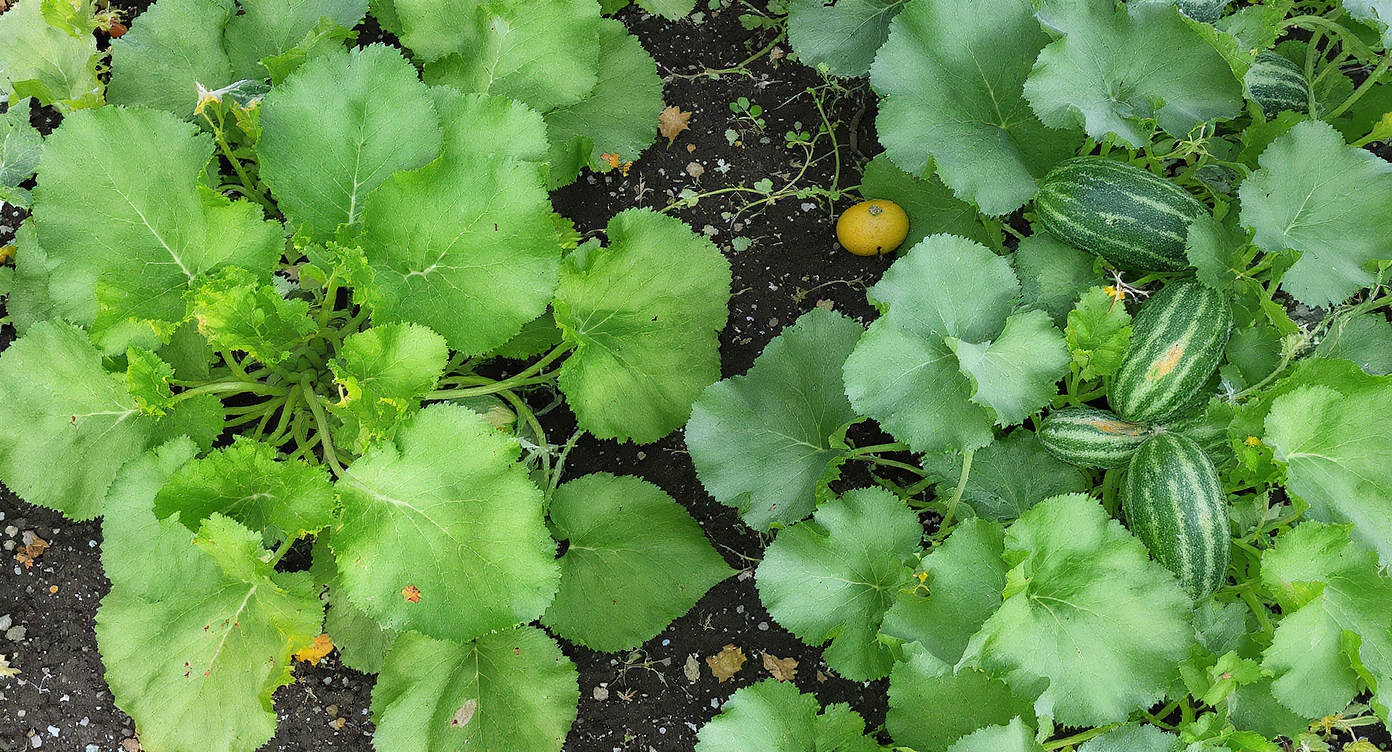
Freshly cut watermelon and cucumber from neighboring plants, clearly showing their distinct, unchanged interiors and separated seeds.
The central misconception is that if two different plant varieties are grown side-by-side, their fruit will immediately reflect a mix—a watermelon with a cucumber’s inside or taste, for example. In reality, the visible fruit you harvest is only a product of the mother plant’s genetics. Cross-pollination only affects the seeds inside, which could produce hybrid offspring if planted the next season. Belief-based planning often leads gardeners to rearrange beds unnecessarily, when the practical risk is really only for those who save and sow seeds from crossable varieties. This theme, frequently encountered in discussions about summer and winter squash, rarely applies to distantly related crops like cucumbers and watermelons.
-
2. Species Barriers and the Limits of Hybridization
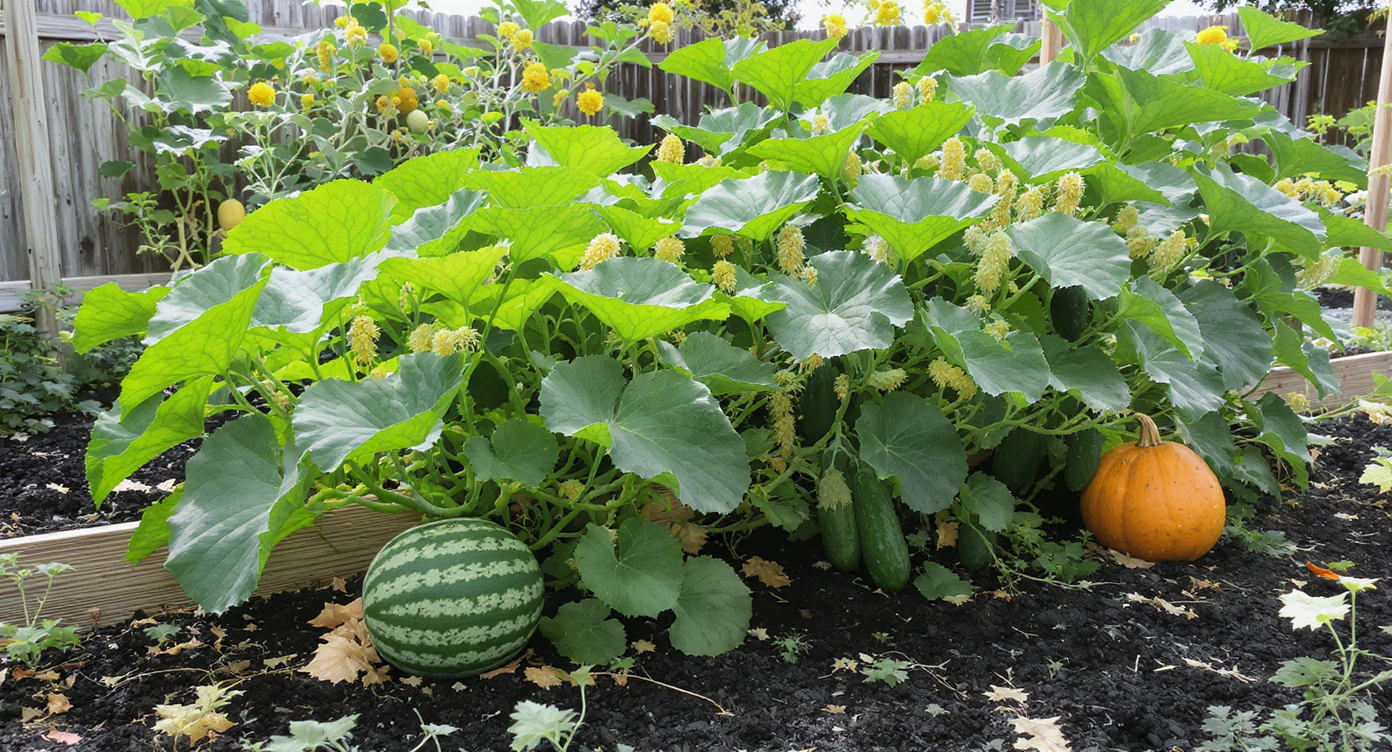
Watermelon and cucumber plants in a backyard garden, separated by dividers, highlighting species barriers and the reality of hybridization.
Watermelons and cucumbers, popular in vegetable gardens, actually belong to different genera. Watermelon is a Citrullus, while cucumber is a Cucumis. This taxonomic separation means successful cross-pollination simply cannot happen between them. However, some squash and pumpkin varieties (within the same genus) can cross readily, causing the so-called Franken-fruit described in some harvests. Documented cases of such ‘mix-ups’ often turn out to be due to actual genetic compatibility or issues like seed swapping, rather than spontaneous hybrid fruits from unrelated neighbors. According to our guide on starting a high-ROI survival garden, understanding these genetic relationships can help new growers avoid unnecessary worries.
-
3. Why Unripe Fruits Fuel the Myth
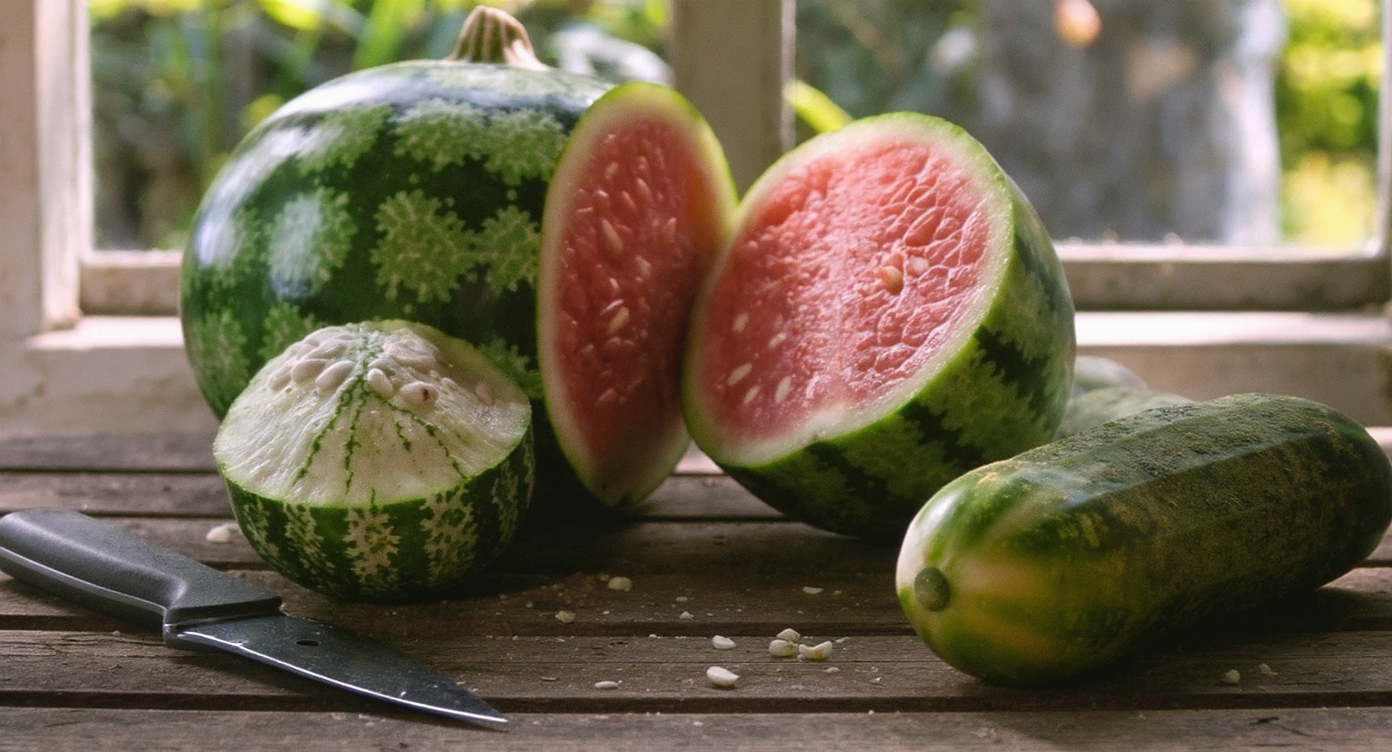
An unripe watermelon and a cucumber cut open on a garden workbench highlight their surprisingly similar interiors and textures.
Unripe watermelons can look and even smell remarkably like cucumbers. With pale seeds, firm green interiors, and sometimes a cucumber-like aroma, it is easy for an inexperienced gardener to assume a cross has occurred. This mistake is especially common in hot climates or among those still learning how to judge ripeness. Belief-based planning, in this context, aims to avoid confusion but ends up creating new misunderstandings. Pairing a little patience with consistent ripeness checks rather than panic is usually the solution. Lessons learned from picking high-energy crops point to the importance of timing for the best harvest, as seen in our round-up of vegetable gardening tips.
-
4. Cross-Pollination's True Impact: Seeds, Not Fruit
Many myths come from a misunderstanding of genetics and plant reproduction. Cross-pollination only matters for those who plan to save seeds and grow them in future seasons. The apparent hybrid fruit—sweet corn crossing with field corn, or pumpkin and zucchini oddities—emerges when next-generation plants sprout from cross-pollinated seeds. Those shopping for fresh produce or planting from new seed do not need to worry. Still, heritage techniques for seed-saving often called for separation of closely related varieties, a routine that made sense in past backyard economies.
-
5. The Role of Poor-Quality or Contaminated Seed
A surprising proportion of odd fruit or mismatched harvests actually comes from contaminated or mislabeled seed lots. When seeds are sourced from less reputable suppliers, there is an increased risk that what was advertised as one variety is genetically something else entirely. This can cause strange, unexpected produce that then fuels the belief that neighboring plants are to blame. For gardeners taking a myth checking approach, inspecting seed provenance and investing in quality sources can put many worries to rest. This is a foundational point in successful backyard planning, as detailed in many introductory guides to survival gardening.
-
6. Misidentification and Visual Confusion
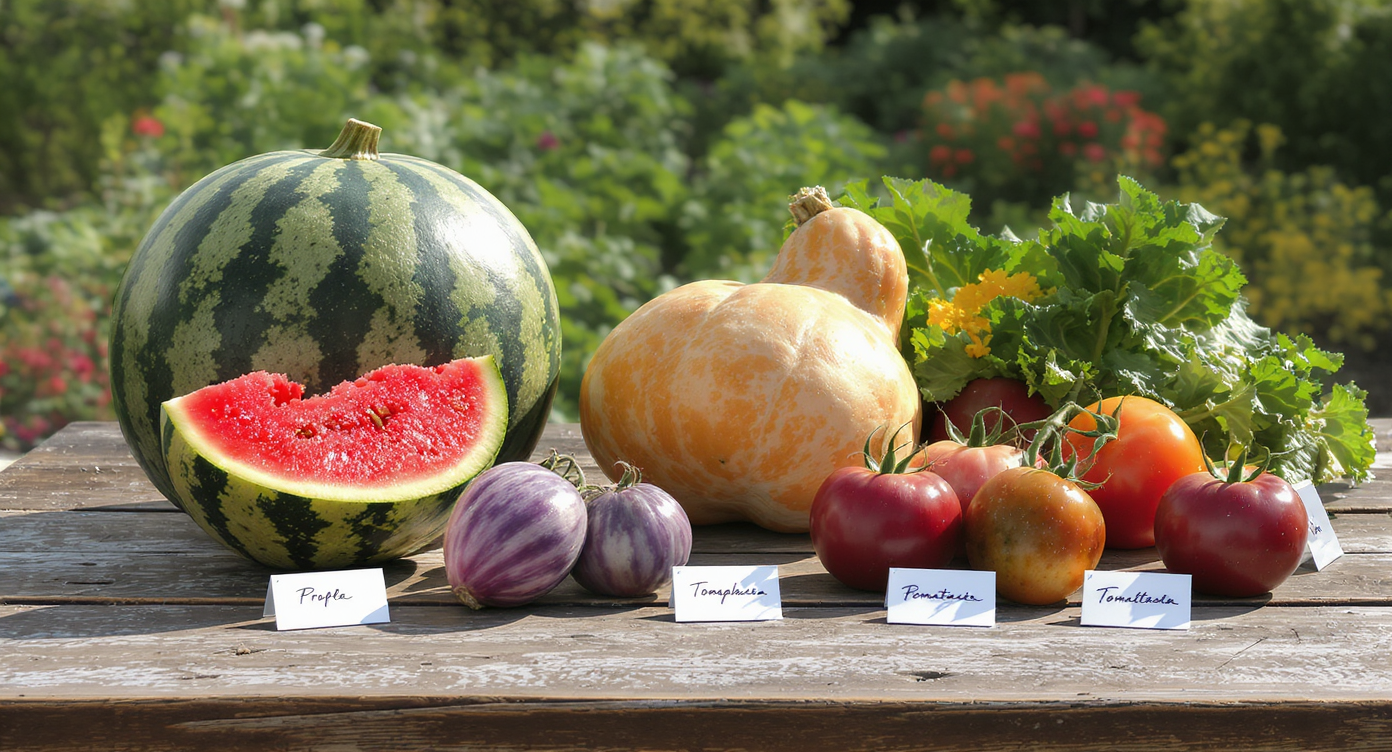
Unusual produce shapes and colors, often mistaken for pollination issues, are shown here with cultivar tags highlighting natural varietal differences.
A watermelon that cracks early, a gourd that swells in a new shape, or tomatoes that turn an unexpected color—all these are events easily misattributed to pollination mishaps. In practice, most oddities are due to ripening issues, weather stress, or simple varietal differences. Inexperienced eyes, or even experienced gardeners in unfamiliar climates, can easily mistake one fruit's development for a pollination anomaly. Visual learning and hands-on experience are essential to debunking these myths. Using resources like REimagineHome.ai for visual garden planning can help gardeners compare genuine images and clarify doubts before making big changes.
-
7. Tradition and the Persistence of Superstitions
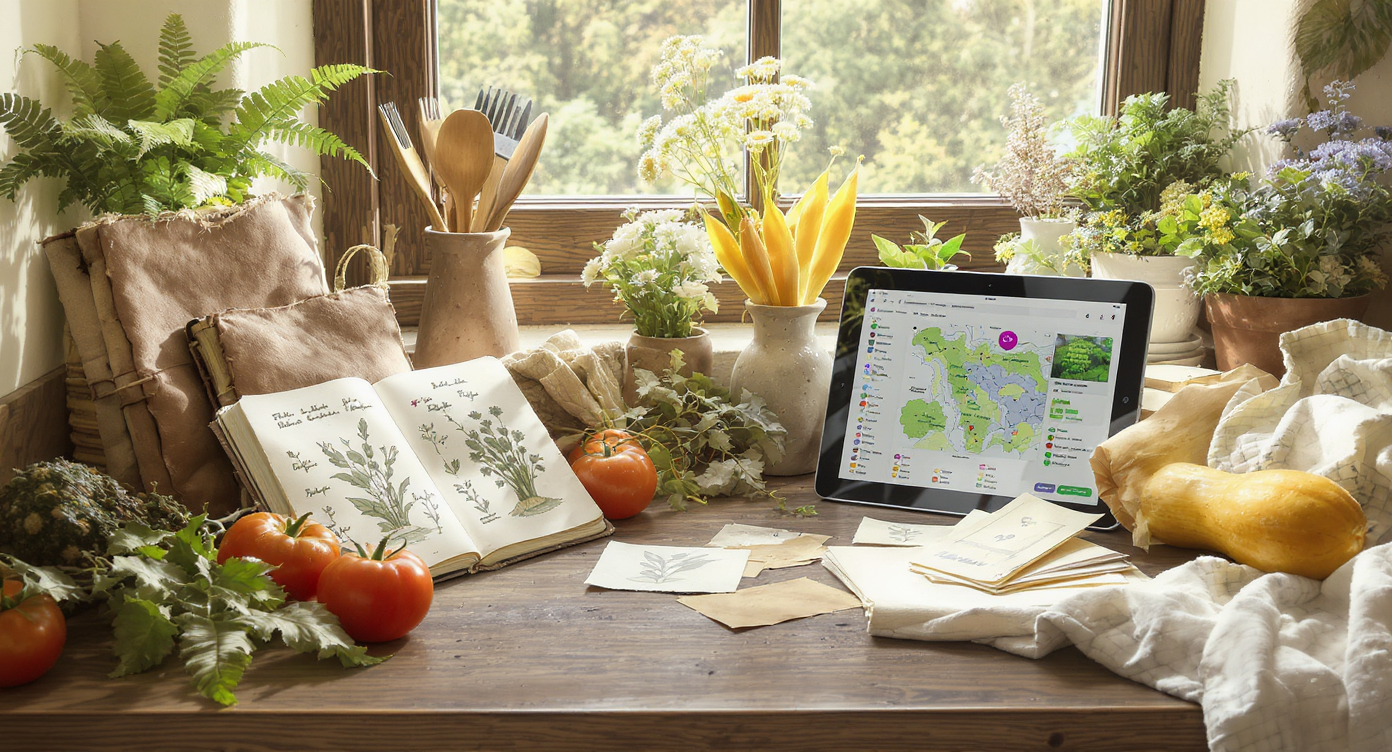
Old gardening notebooks, heirloom vegetables, and handwritten seed packets beside modern tools and digital resources, merging tradition and science.
Generational wisdom carries weight in home gardening, but it sometimes preserves half-truths. Before accessible genetics, farmers and gardeners relied on what they observed and shared—the yellowing of a tomato, the odd taste in a squash. These tradition-rooted beliefs were often correct in noticing something unusual, even if the mechanism was misunderstood. Today, many of the planning habits inherited from these stories still linger. By combining myth checking with modern plant science, contemporary gardeners can keep what works from tradition while leaving the myths behind.
Frequently Asked Questions on Cross-Pollination Myths and Planting Plans
No, the fruit harvested reflects the genetics of the mother plant. Cross-pollination only alters the genetics of the seeds inside, which matters if you grow plants from those seeds next year.
Why do my garden fruits sometimes look or taste strange?
Odd-looking or tasting fruit often results from unripe harvesting, weather extremes, or quality of the seed used. Cross-pollination rarely explains it unless you cultivate from saved seeds.
Should I separate all cucurbits in my garden?
Only closely related plants—like different squashes or melons—require separation if you intend to save seeds. Cucumbers and watermelons do not cross due to genetic incompatibility.
Can planning tools help avoid planting mistakes?
Digital resources like REimagineHome.ai provide visual comparisons, layout previews, and evidence-based advice to clarify potential issues before you plant.
Where can I learn more about starting an effective vegetable garden?
Useful guides, such as our beginner survival garden tips and vegetable gardening tips for strong harvests, offer practical advice for both new and experienced growers.
Separating Fact from Folklore in the Modern Garden
Garden plant pairings and placement strategies often come from a blend of science, instinct, and tradition. While belief-based planning shapes how many approach their first vegetable patch, most myths—especially around immediate hybrid fruits from unrelated species—do not stand up to scrutiny. By learning about genetic relationships, seed selection, and clear ripening signals, today’s gardeners can confidently design productive beds without unnecessary restrictions. Platforms like REimagineHome.ai bring evidence-based planning to a new generation of garden enthusiasts, empowering myth checking and smarter layouts.