Making Peace with Squirrels: Practical Outdoor Design for Pet-, Critter-, and Garden-Friendly Spaces
TL;DR
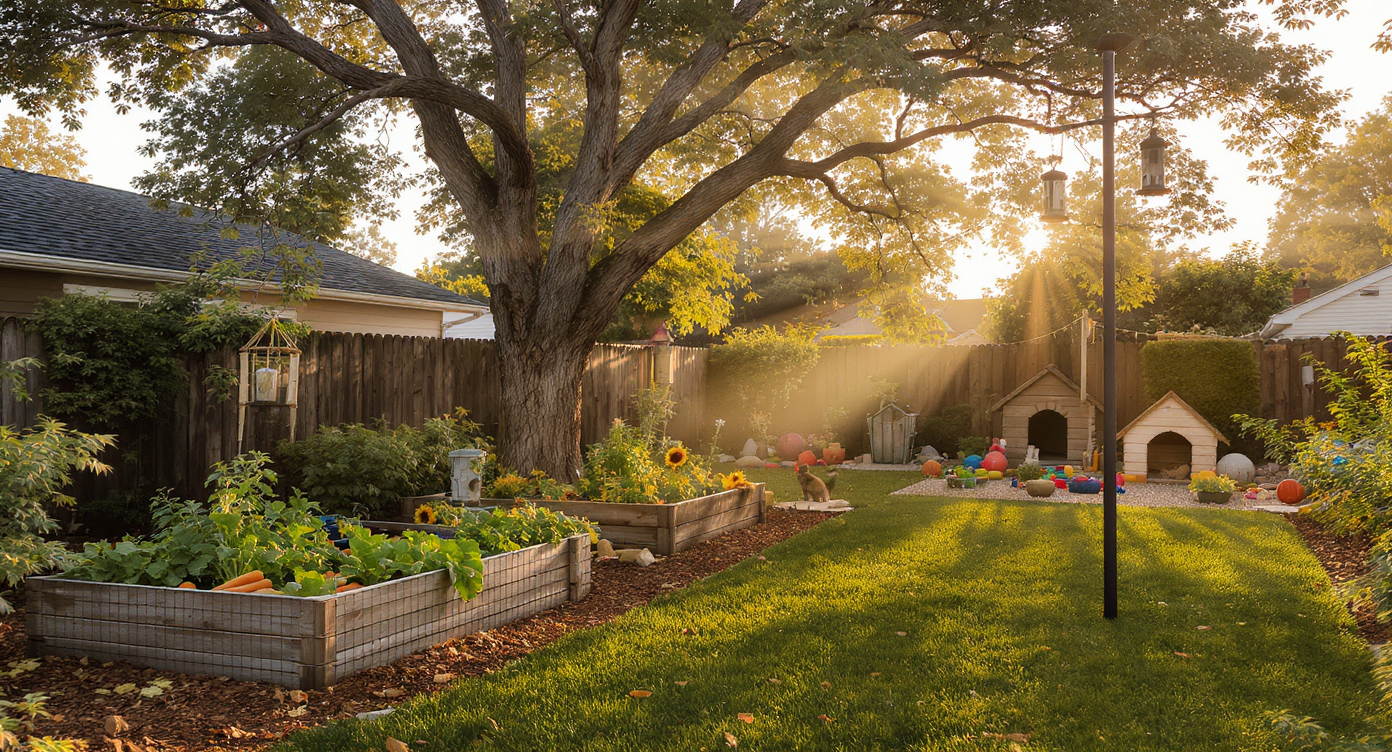
Squirrels can be persistent, but gardens can flourish without constant conflict. Combining thoughtful landscape design, wildlife-friendly ideas, and safeguards such as mesh barriers and smart planting, outdoor spaces can thrive alongside their wild guests. Simple adjustments, patience, and creative thinking make coexistence the most rewarding approach.
The Squirrel Dilemma: Coexistence in the Modern Garden
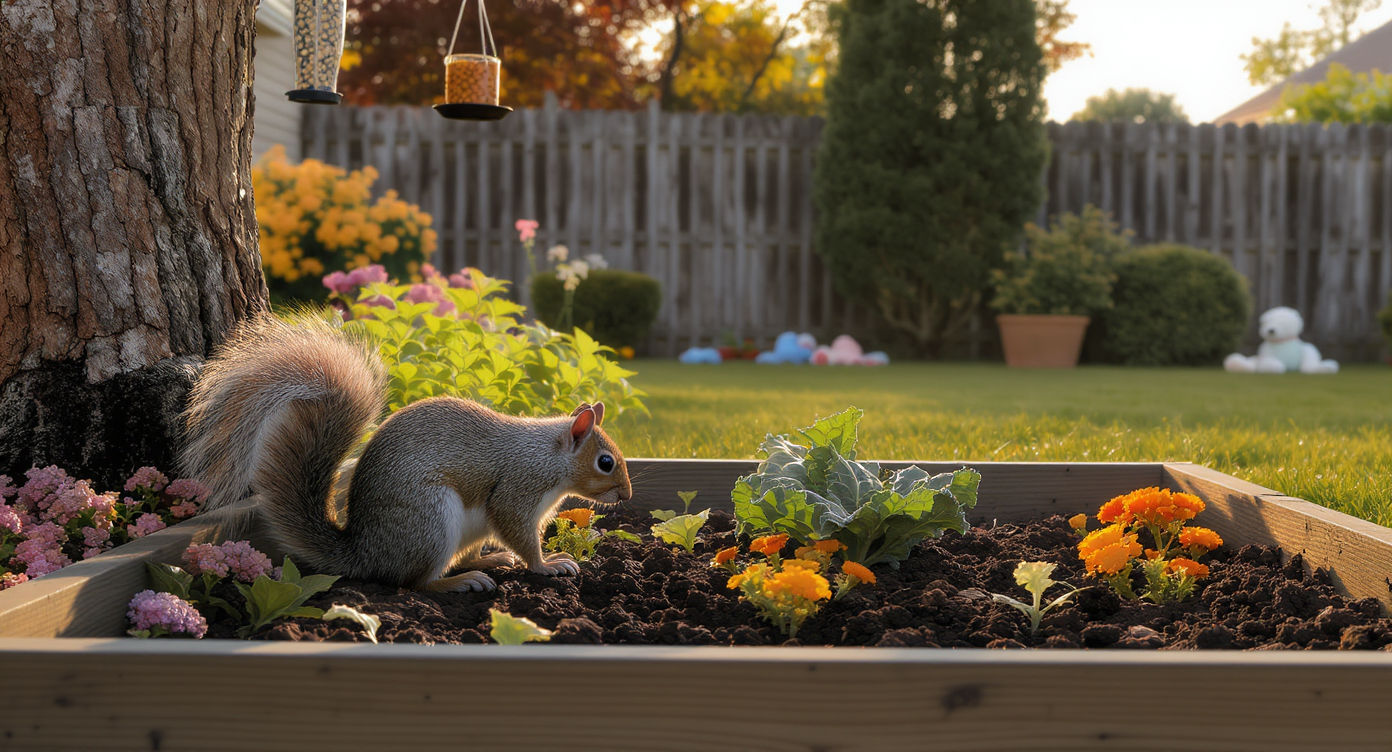
A tranquil backyard garden at dawn: raised vegetable beds, a curious squirrel exploring, and subtle pet-friendly touches, no people present.
Every home gardener eventually makes the acquaintance of a squirrel. Their nimble paws and boundless curiosity test our patience and the resilience of our vegetable beds. While the urge to defend tender sprouts is strong, lasting solutions in pet friendly home design—and garden design more broadly—seldom come from escalation. Instead, outdoor extensions that consider both flora and fauna foster resilience, beauty, and a quieter mind.
The answer lies in understanding behavior, adjusting our methods, and embracing the reality that a truly lively garden will always draw a crowd. By blending strategies from seasoned gardeners and applying a little design ingenuity, both people and the animals who share our neighborhoods can thrive.
-
Why Squirrels Target Gardens—and What You Can Do
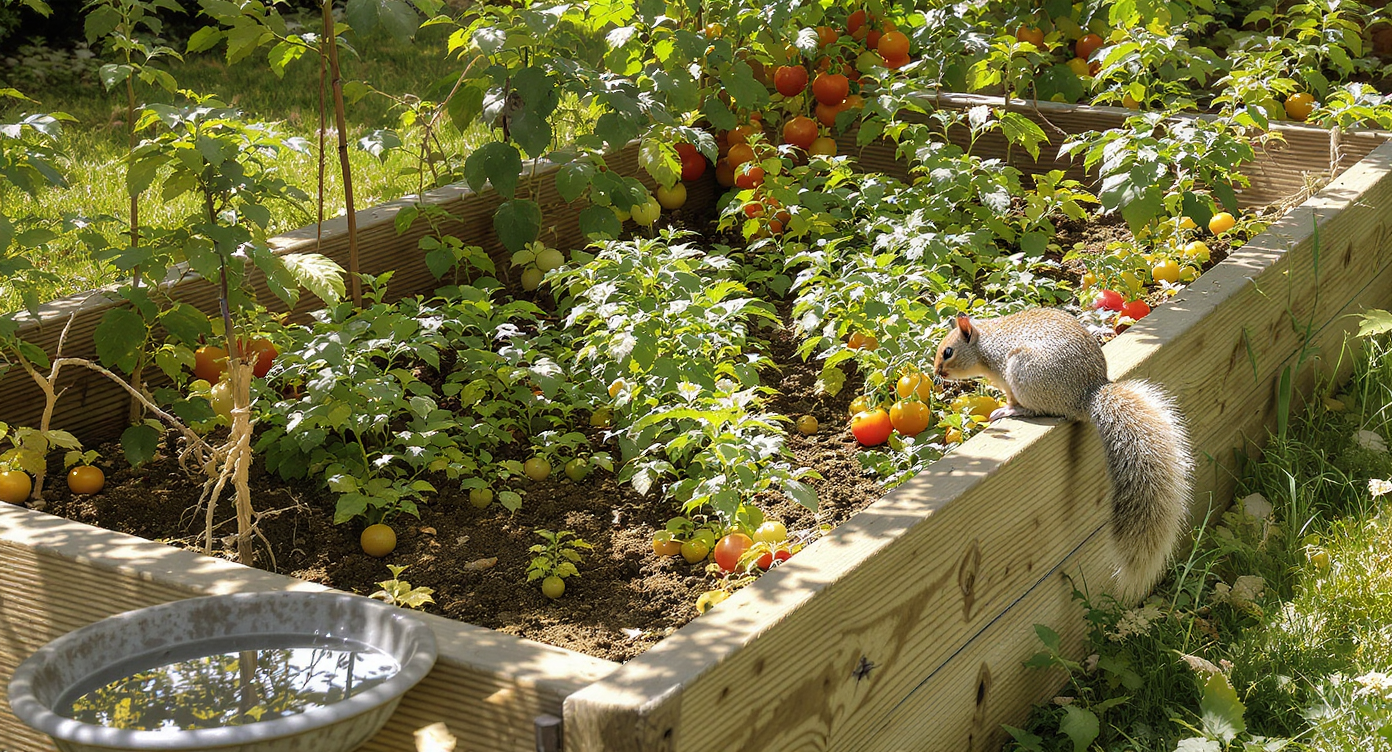
A squirrel investigates a raised garden bed with tender shoots and tomatoes, near water dishes meant to divert its interest safely.
A healthy garden often signals bounty to humans and squirrels alike. Squirrels focus on tender new shoots, juicy fruits, and recently sown seeds. Dry spells may drive them to sample tomatoes or cucurbit sprouts for moisture rather than hunger, as anecdotal experience and observation suggest. This behavior is a gentle reminder that gardens are not isolated—or static—ecosystems.
Direct confrontation seldom changes much. Instead, gardeners benefit from observing patterns. When are squirrels most active? Which crops fall prey most often? Some find that squirrel interest peaks during drought, while others note the attraction to newly loosened soil in raised beds or containers. Introducing bird baths or shallow dishes of water sometimes diverts their attention from prized fruit.
Expert Insight
One spring morning, a local gardener watched as her carefully tended peas sprouted—only to have them nipped by a cheeky squirrel. Frustrated, she wrapped the bed in fine mesh and relocated her bird bath to the far corner of the yard. Within weeks, the balance shifted. Though she still lost a few sprouts, her garden, the neighborhood squirrels, and her dogs seemed more at ease. She found herself appreciating their antics, even as she tucked new seeds in for another round.
-
Barrier Methods and Landscape Design: Building for Harmony
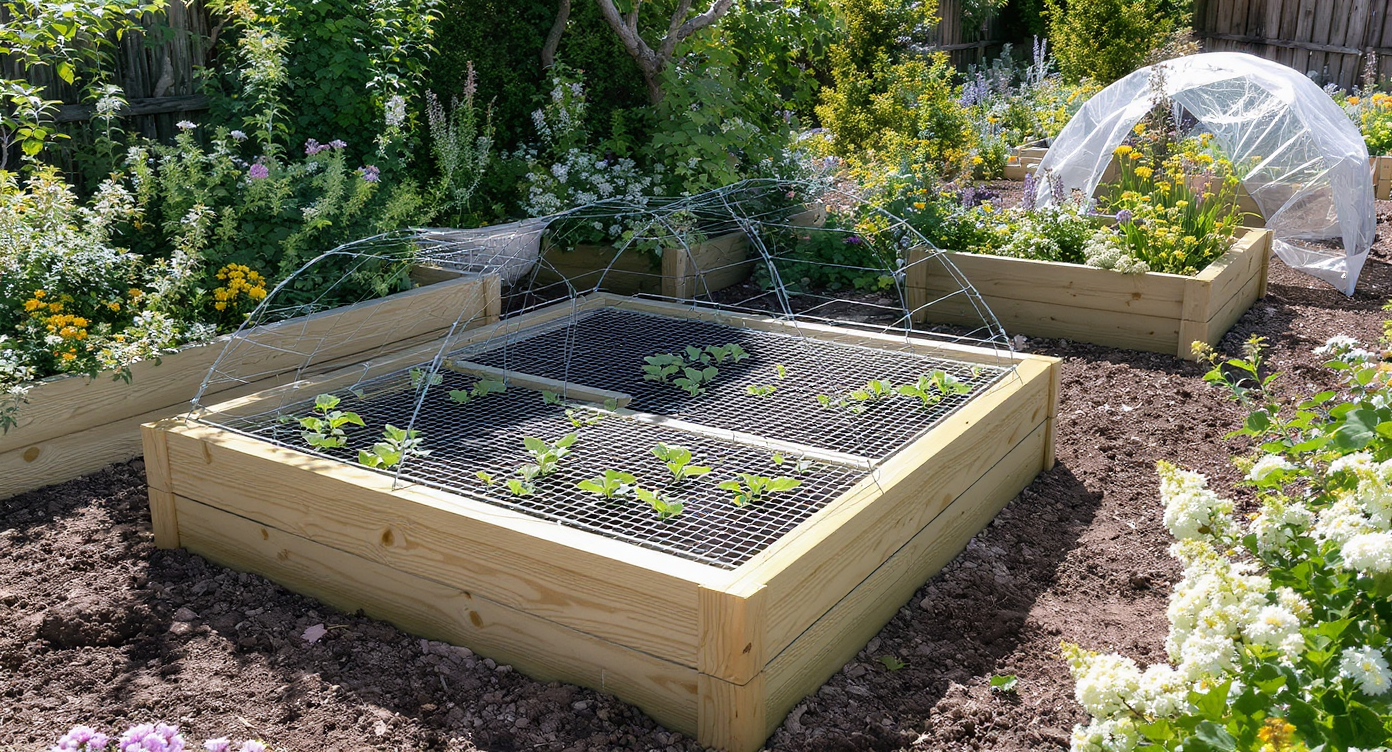
Raised beds with mesh lids and hoop tunnels shield seedlings, while layered plantings create a resilient, wildlife-friendly backyard garden.
Protection is often most reliably achieved with physical barriers. Fine wire mesh, chicken wire, or well-placed bird netting can shield vulnerable plants without compromising their growth. Well-framed raised beds with lids, hoop tunnels, or floating row covers create safe zones for emerging seedlings. Placing screens over new plantings not only deters squirrels but can also block pests and keep inquisitive pets at bay, directly supporting pet friendly home design efforts.
Beyond barriers, garden design ai tools increasingly help homeowners visualize and adjust layouts for wildlife resilience. The thoughtful use of native plants and layered planting not only supports local fauna, but can also redirect squirrel energy to less fragile corners of the landscape. According to wildlife-friendly landscape design practices, accepting minor losses as part of a living system can help us find creative balance.
-
Shifting Mindsets: Embracing Biodiversity and Garden Enjoyment
Perhaps the most profound adjustment comes not from mesh or netting, but from perspective. Experienced gardeners recognize that absolute control is impossible—and unnecessary. Feeding wildlife intentionally, such as by offering peanuts well away from edible beds, sometimes reduces foraging pressure on treasured crops, though it can attract more animals and should be managed carefully.
Plants known as ‘decoy’ crops can be used near fences or property margins. A generously planted squash or sunflower, positioned away from the main garden, may entice squirrels to snack elsewhere. As many have learned, proactive choices—like growing resilient varieties or choosing tougher starter plants—can boost yields with less worry. Rotating garden beds and mixing ornamentals with edibles, as explored in practical vegetable gardening strategies, not only protects crops but also supports pollinators and beneficial insects.
-
Common Mistakes to Avoid
One frequent blunder is overreliance on quick deterrents such as pepper powders, commercial repellents, or predator scents. While these can work temporarily, many squirrels adapt quickly or find ways around them. Regular reapplication is necessary and results vary. Some gardeners also underestimate the effectiveness and legal implications of relocation, which in many areas, is not permitted. Leaving food out can lead to unintended consequences, including more frequent visits.
Another misstep is neglecting the underlying attractant, such as dry conditions prompting wildlife to seek water-rich foliage. Focusing only on "getting rid" of squirrels rather than designing resilient, flexible outdoor spaces can lead to frustration instead of results.
-
Tips and Expert Insights: Creating Gardens that Endure
Landscape designers often suggest combining low-maintenance groundcover, robust boundaries, and layered planting—a strategy highlighted in the real rules of low-maintenance landscaping—to minimize gaps for squirrels to exploit. Mesh installed with the edges buried several inches deep prevents digging and protects both bulbs and young roots. Small gardens may benefit from incorporating hardscape elements or diversified native borders, further limiting points of invasion and supporting overall sustainability.
Planting for resilience means accepting a limited amount of loss as part of the broader success of the garden. By learning from past seasons, adjusting protectors, and embracing compromise, the entire outdoor environment becomes more satisfying and less stressful to maintain. Many find this mindset shift is the key to enjoying a flourishing, wildlife-rich space.
-
How to Use These Principles in Your Next Outdoor Design
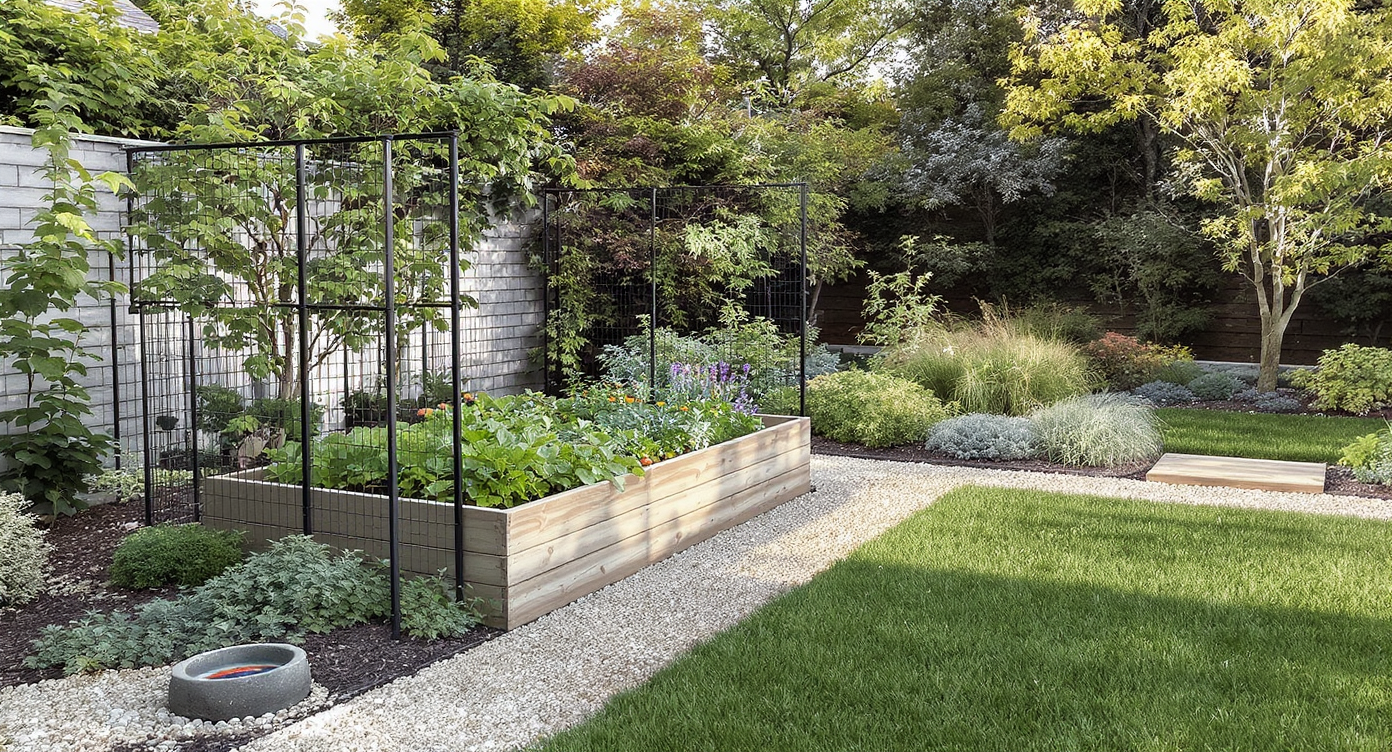
A realistic garden layout with protected vegetable beds, mapped wildlife areas, and thoughtful water and pet zones demonstrates the principles in practice.
Start by mapping areas of high wildlife activity and areas you want to keep most protected. Incorporate physical barriers for your most valuable vegetables or ornamentals, and dedicate less valuable or easily replaced plantings to the landscape margins. Be thoughtful about water placement and keep animal feeding at a distance, if at all.
Future-focused gardens align style and function. Leveraging low-maintenance landscaping ideas ensures less time spent in conflict with wildlife and more in enjoyment. AI-driven garden design tools can help homeowners preview the impact of changes before investing days of work and materials. Pet owners, too, should anticipate how boundaries and natural pathways will help keep both pets and wild guests in their intended domains.
Visualization Scenario
Picture an early summer day: A cluster of raised beds brim with tomatoes, lettuce, and herbs, wrapped in gleaming wire mesh that catches the morning sun. Near a native border of coneflowers and bee balm, a shallow bird bath sparkles. A curious squirrel pauses at the edge, lapping water, then scampers off toward a patch of sunflowers intentionally planted along the fence—leaving the lettuces untouched behind their protective barrier. In this outdoor oasis, people, pets, and wildlife each find a place to call their own.
FAQ: Navigating Squirrels and Wildlife in Home Gardens
- What is the most effective way to keep squirrels from eating garden plants?
- The most reliable long-term solution involves using physical barriers like mesh cages, bird netting, or covered raised beds. While deterrents like pepper can discourage some squirrels, barriers offer consistent, non-harmful protection.
- Is it legal to trap and relocate squirrels?
- In many areas, relocating wildlife is prohibited or requires a permit. Always check local regulations to ensure humane and legal wildlife interaction. Non-lethal deterrence and exclusion are typically recommended.
- Can providing alternative food or water sources help deter garden damage?
- Offering water, especially during drought, may reduce plant damage since squirrels sometimes eat produce for hydration. Feeding squirrels away from the garden can redirect activity but may also attract more animals, so weigh the pros and cons for your site.
- How do I make my yard both pet- and wildlife-friendly?
- Designing with layered planting, durable fencing, and dedicated spaces for pets encourages peaceful coexistence. Select native, resilient plants and allow a mix of "wild" and cultivated areas. For more on visualizing balanced landscapes, try resources such as ReimagineHome.ai.
A Garden Where Everyone Can Belong
Gardens are living tapestries—inviting to pollinators, critters, and, yes, squirrels. By combining protective measures with a tolerant approach and smart design, outdoor spaces become truly pet and wildlife friendly. The most successful gardeners let their design adapt and evolve alongside the rhythms of the animals who visit. For inspiration, planning tools, or to visualize these principles in your next project, ReimagineHome.ai offers countless ways to experiment before you dig. Sometimes, the best stories arise not just from what we grow, but how we share it.