9 Practical Fixes for a Small Living Room That Feels Off

TL;DR
Struggling with a small living room that feels uninviting or cluttered is a common design challenge. Simple layout tweaks, proportion adjustments, and layering of textures can have a significant impact. This list, built on real-world observations, offers nine concrete steps for making your compact living room more comfortable, cozy, and stylish.
Why Small Living Rooms Feel Stuck and How to Refresh Them
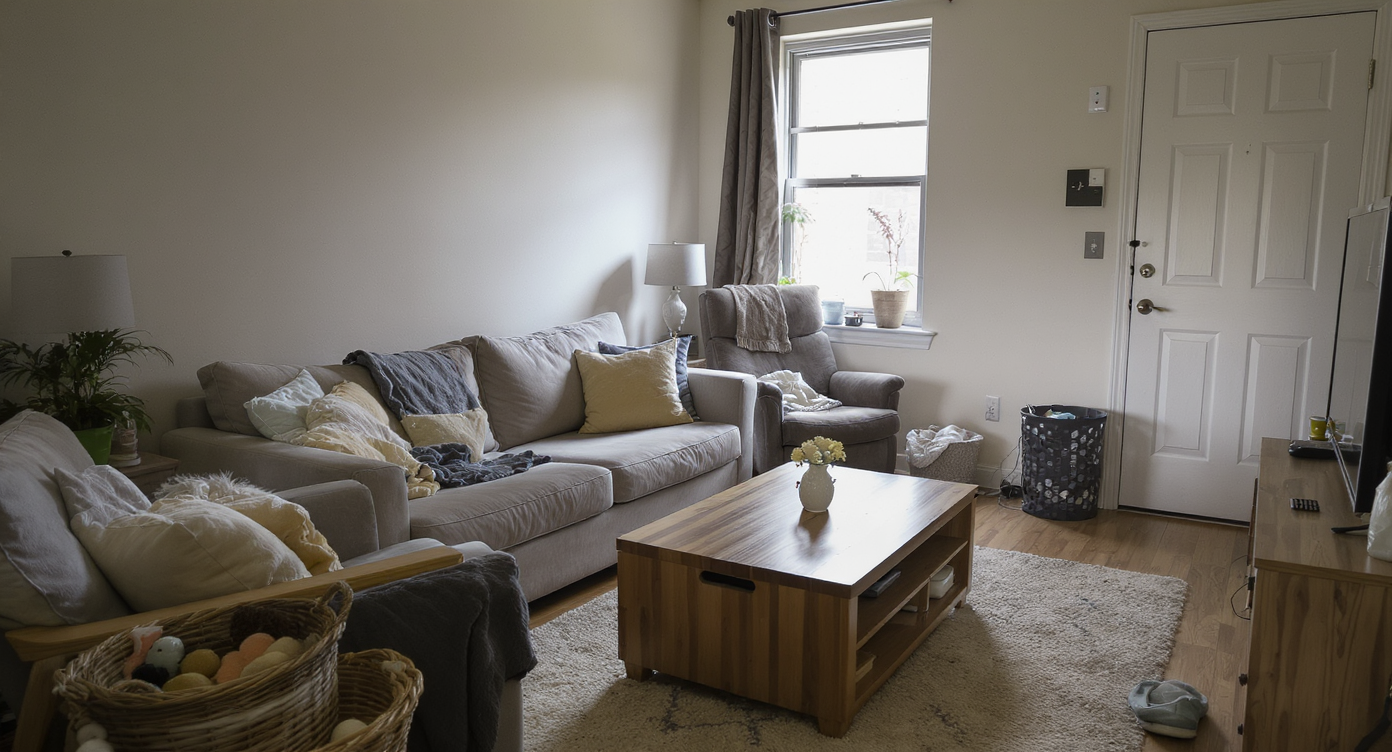
A realistic depiction of a small, cluttered living room highlighting typical layout and comfort issues faced in everyday compact spaces.
Many people find themselves dissatisfied with the feel of their compact living room but struggle to pinpoint exactly what is wrong. Cramped layouts, awkward furniture arrangements, and a lack of warmth are common complaints in small spaces, especially for busy households with pets and children. Yet even minor changes can dramatically alter comfort, flow, and visual appeal. This list is crafted to address the underlying reasons your living room may feel off, focusing on actionable improvements that any homeowner or renter can achieve. The solutions combine layout wisdom, stylistic balance, and practical details, all grounded in the constraints and opportunities of real small spaces. These are lessons culled from design professionals, tested strategies, and the way people actually live day to day. Whether your living room is 175 square feet or something even cozier, you can make it work—and feel great.
-
1. Edit and Space Out Seating Arrangements
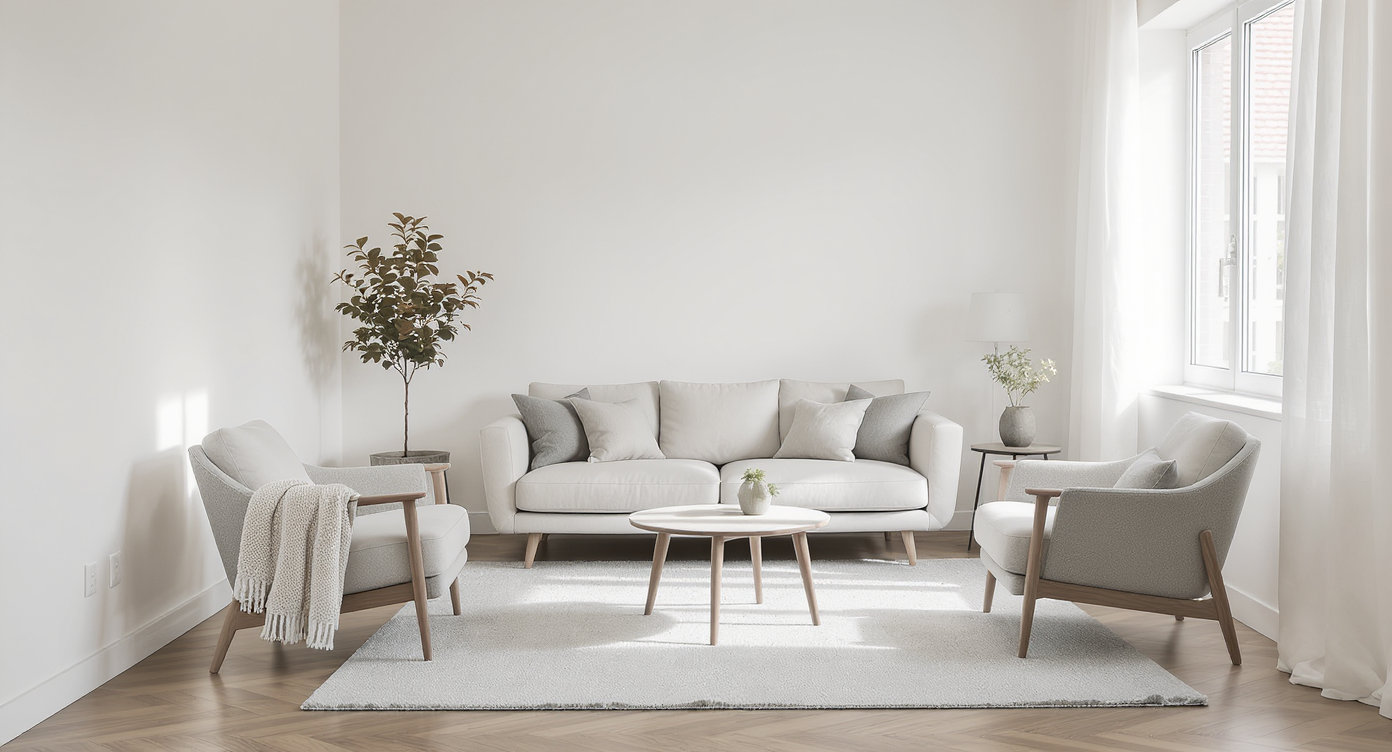
A well-edited small living room arrangement, with seating intentionally spaced out for an open and inviting feel.
A common issue in small living rooms is overcrowding or cramming all your seats into one zone. Pressing two armchairs together or lining up all main furniture against the walls can look forced and uncomfortable, leading to odd traffic patterns and dead space. Instead, start by removing any unnecessary chair or seating unit—even one extra chair makes a difference in flow. Once edited, place the remaining seats with intentional gaps, angling them slightly towards each other with a small table in between or toward the center of the room for conversation balance. Allowing each piece to breathe, even by just 6 to 12 inches, immediately makes the room feel more open and inviting. Functional access points are important, so ensure no key doors or walkways are blocked. For visualizing options without physically moving heavy furniture, using a space planning tool like REimagineHome.ai can save effort and reduce guesswork.
-
2. Lower and Widen Your TV Console
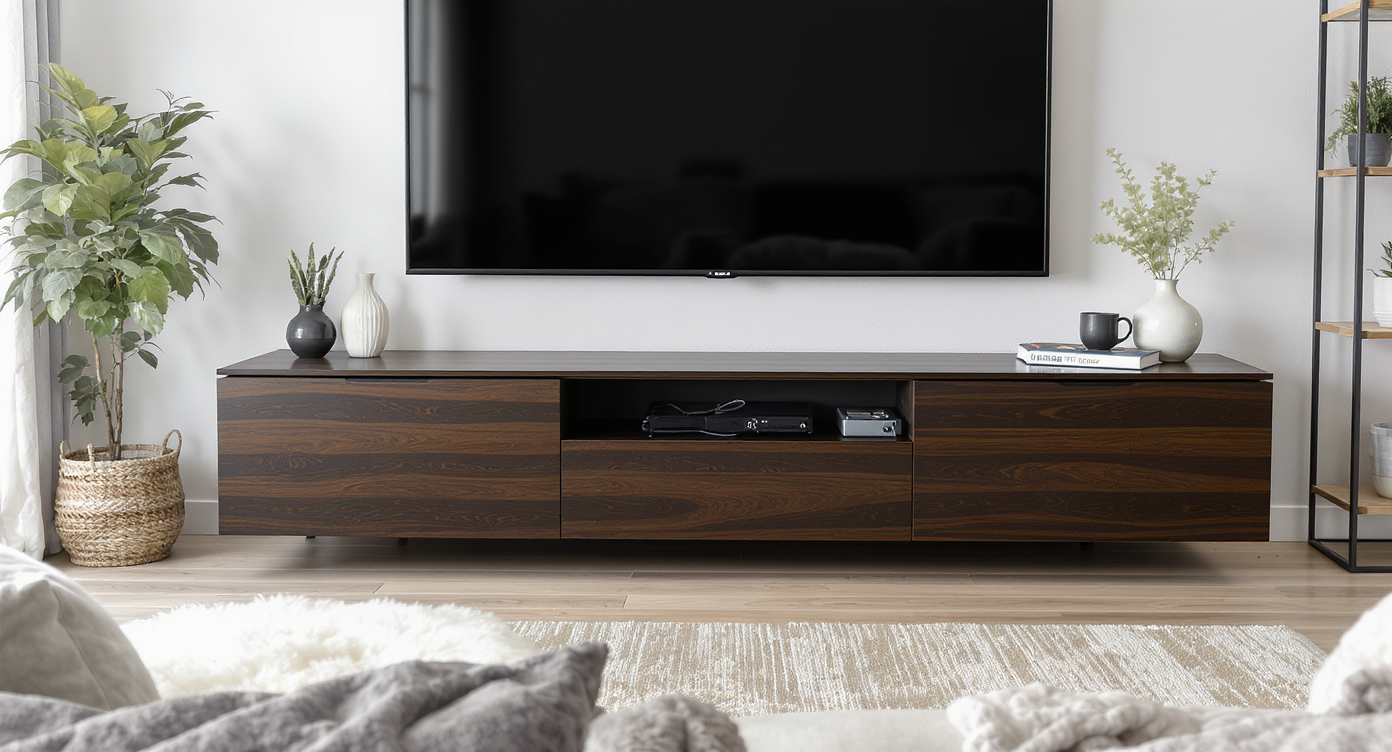
A low, wide media console with closed storage anchors the TV area in a small living room, providing balance and reducing visual clutter.
In small rooms, media units should anchor the space rather than disappear or float. A console that is too high or too short beneath the television makes the wall feel unfinished and disrupts visual balance. Choose a low media console about 6 to 12 inches wider than your TV on either side, keeping it as close to eye level as possible when seated. Opt for consoles with closed storage to reduce visual clutter from devices, cables, or children's toys. In practice, interior designers suggest darker or more substantial media units for rooms with heavier features, like a dark fireplace, to prevent the TV wall from resembling a waiting room and to create a sense of groundedness.
-
3. Pull Seating Away from Walls
Pushing sofas and chairs tight against walls in hopes of maximizing floorspace often backfires in small rooms. Instead, try pulling your sofa forward by 6 to 12 inches, so the back legs are slightly off the wall and the front legs sit fully on the rug. This not only makes your seating more functional for conversation and TV viewing, but it also breaks up long sightlines, creating a more intimate and deliberate setting. If possible, place a narrow table or shelf behind the sofa for drinks and decor. This trick is especially effective in rooms where every inch counts yet a lived-in feel is desired.
-
4. Scale and Layer Area Rugs for Warmth
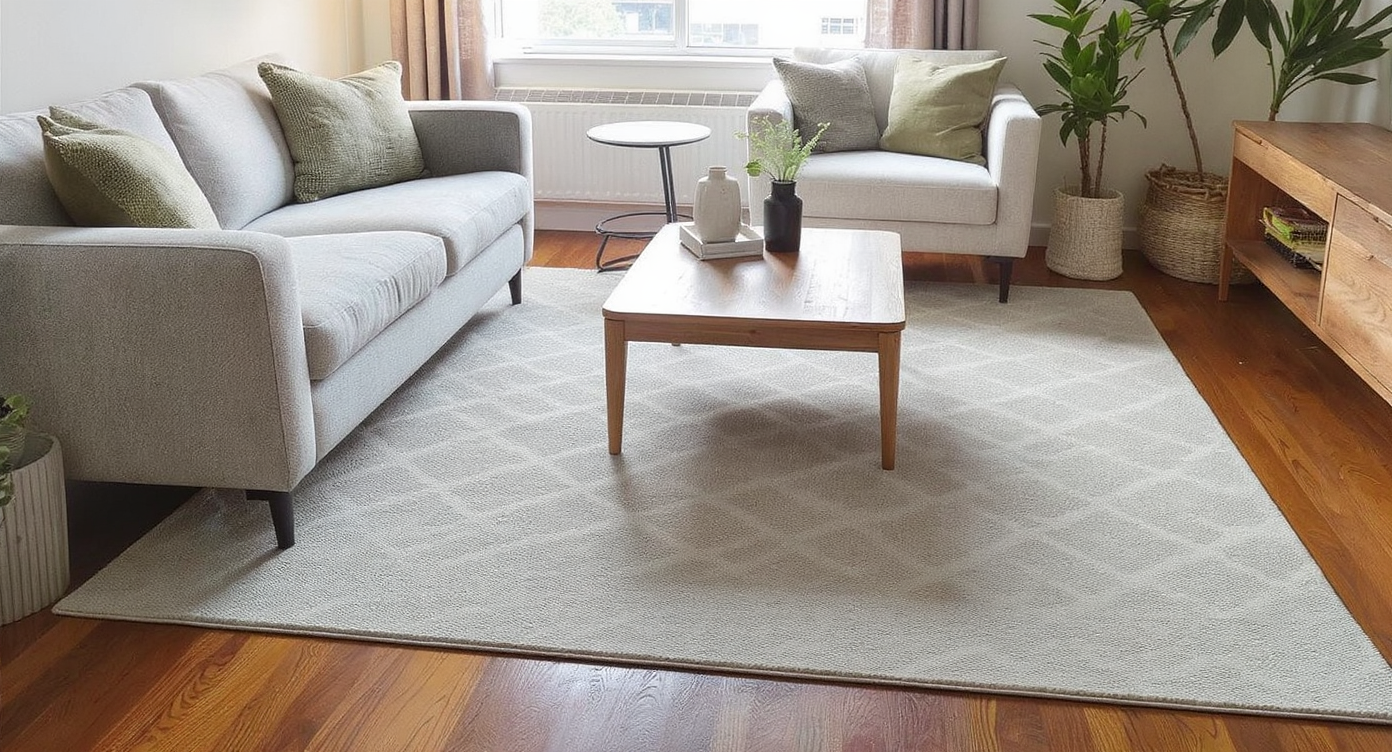
Layering a large neutral sisal rug with a soft patterned accent rug under all main furniture adds warmth, unity, and practical style.
A rug that is too small can leave a living room feeling disconnected, with furniture looking like it floats on bare flooring. Choose a rug large enough that all major furniture pieces have at least their front legs on it, ideally extending under the seating arrangement by a few more inches on either side. For added warmth and personality, designers often suggest layering rugs—place a sturdy, neutral base such as sisal or jute and top it with a softer, patterned accent rug. This brings in texture and a sense of coziness without closing in the space. In pet and kid-friendly homes, low-pile or washable rugs are pragmatic while still delivering on style.
-
5. Add Small, Flexible Side Tables
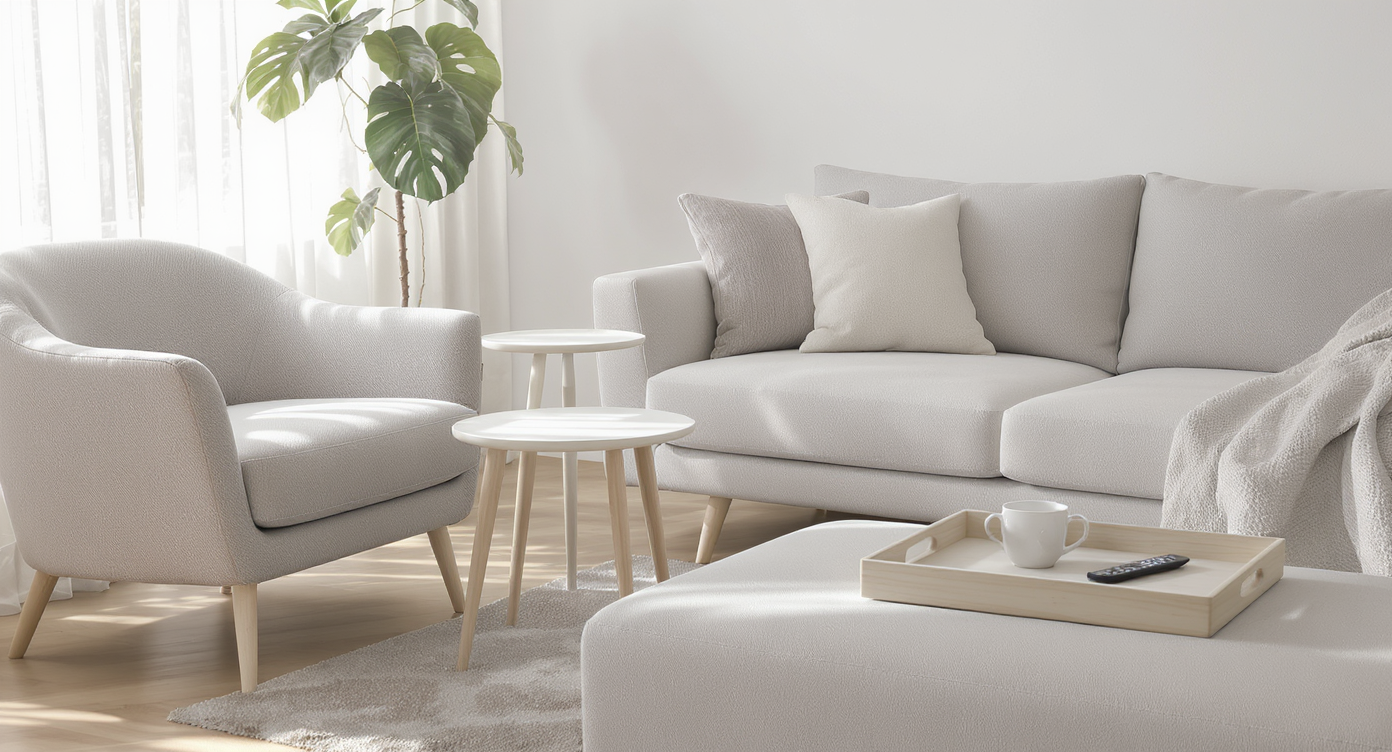
A small living room with slim, flexible side tables and a tray-topped ottoman keeps surfaces accessible without crowding the space.
One universal complaint in compact living spaces is the lack of surfaces for drinks or daily necessities. Instead of oversized end tables, seek out slender drink tables, nesting tables, or C-tables. These pieces are typically less than a foot wide and can be moved as needed between chairs or beside the sofa. Their compact footprint keeps walkways open while offering crucial functionality. Designers frequently recommend keeping these tables clear of clutter so they remain ready for real-life use. If square footage is limited, even a quality tray on an ottoman can do double-duty as a landing spot for cups and remotes.
-
6. Embrace Cohesive Color and Material Balance
Small rooms quickly show imbalance in color or material, especially with major features like dark fireplaces or leather sofas. To avoid harsh contrast or coldness, spread key tones around the space. For example, if you have a black fireplace, echo that darkness in throw pillows, vases, or hardware on the media unit. Contrast heavier, dark furnishings with warm rugs, plush blankets, and layered soft furnishings in earth tones or muted hues. Introducing patterns—a Persian-style rug, textured upholstery, or patterned art—also breaks up uniform expanses and adds personality. If the room feels too cold or stark, a simple shift toward richer, cozier colors can soften the whole effect.
-
7. Use Lighting for Warmth and Dimension
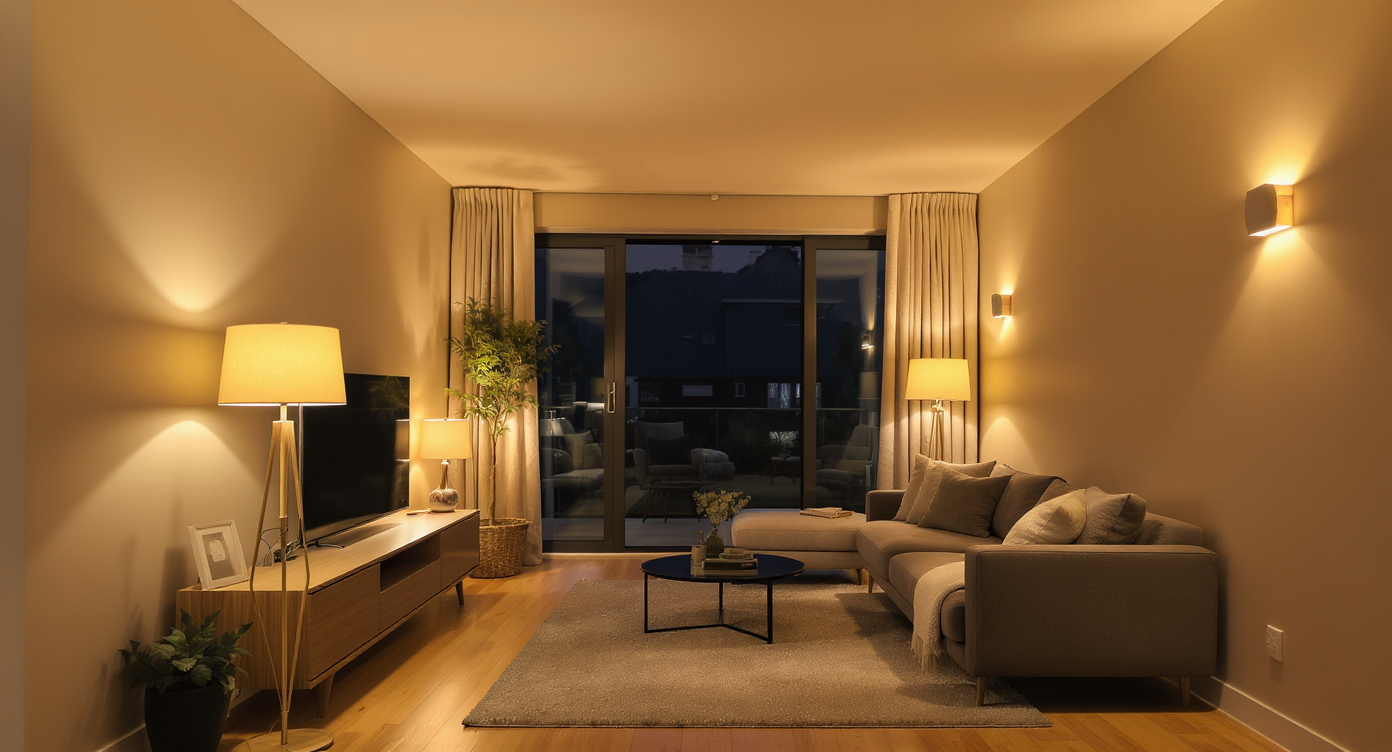
Layered sources of warm lighting—overhead, floor lamp, table lamp, and wall sconce—illuminate a small living room for added warmth and dimension.
Overhead lighting often casts harsh, unflattering shadows in small living rooms. To create a welcoming atmosphere, supplement ceiling fixtures with at least two additional light sources. Floor lamps with fabric shades, small table lamps on a media console, and sconces can all contribute to an even, inviting glow. If you are tight on surface space, wall-mounted lighting or plug-in options free up table real estate while providing focused illumination. A warmer light temperature (around 2700K to 3000K) is preferred for living areas, especially in the evening.
-
8. Bring in Art, Mirrors, and Greenery Strategically
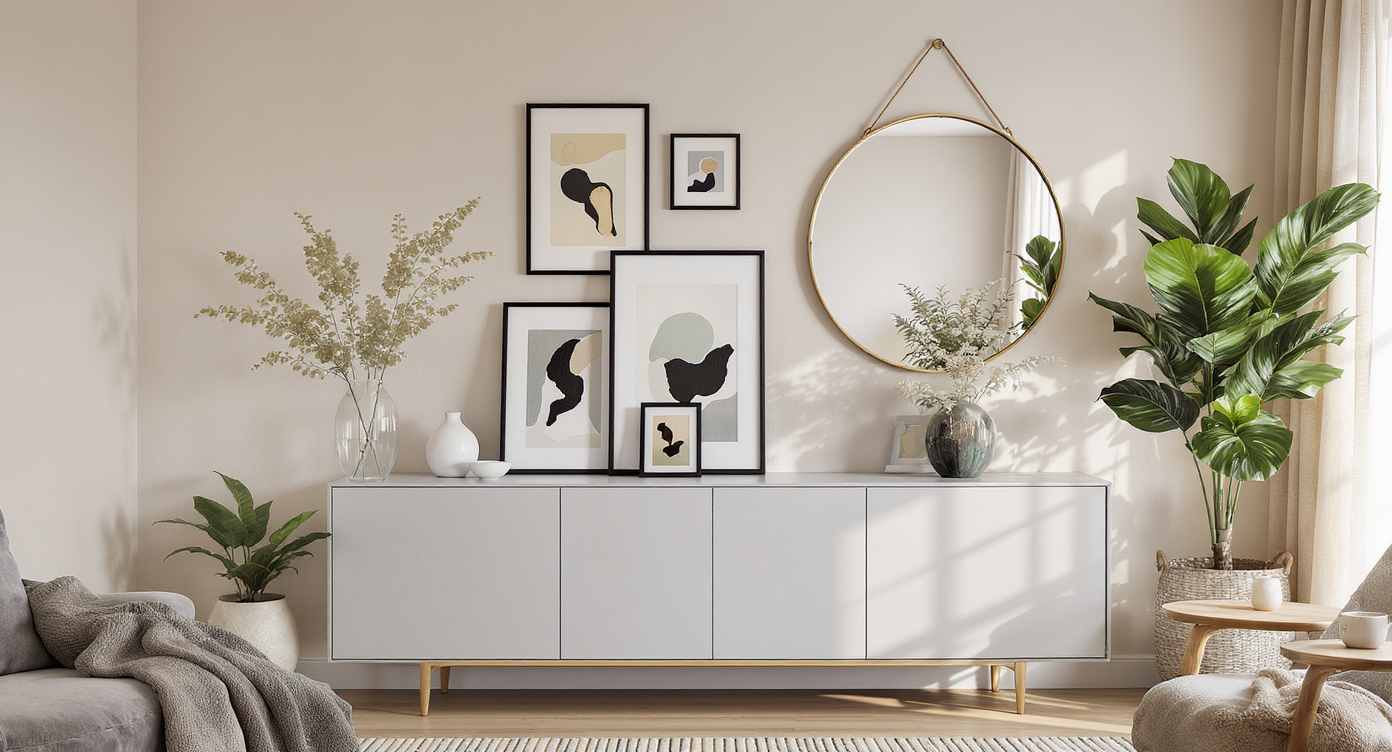
Art, a mirror, and a plant are strategically placed to enhance a small living room—art at eye level, a mirror reflecting comfort, and greenery near light.
Bare walls can make a living room appear flat, while poorly placed mirrors or oversized decor can seem out of sync. Select art that ties your color palette together and hang it at eye level, preferably near focal points like the TV or fireplace. If you have a mirror reflecting something unappealing, consider relocating it or swapping it for framed art. Greenery adds vital life and color but should be sized to the corner and ideally placed near natural light. Moving plants closer to windows or tucking them beside other statement pieces ensures they feel integrated, not like afterthoughts.
-
9. Rethink Traffic Flow and Entry Points
The flow between entryways, seating, and pathways is often overlooked in small living rooms. Strive to define a single main entrance to the seating area and avoid dividing the room into multiple cramped walkways. Use furniture placement to anchor the living space, allowing one clear, comfortable route. If you cannot change the architecture, use visual cues like a larger area rug or grouped furnishings to delineate conversation zones. When unsure about the impact of a new layout, preview changes using a tool that lets you digitally arrange your furniture before moving anything heavy, similar to REimagineHome.ai.
Common Questions About Small Living Room Design
Start by identifying which pieces are rarely used or physically block movement in the room. Prioritize keeping seats that serve daily needs, and consider storage or multipurpose items over duplicates.
Is it okay to use dark furniture in a small space?
Yes, as long as you distribute the color thoughtfully and balance heavy pieces with lighter soft furnishings or warm textures. The key is creating a cohesive palette rather than avoiding dark hues entirely.
What kind of rug works best for families with pets and kids?
Opt for low-pile, washable rugs in forgiving patterns or colors that disguise stains or pet hair. Rug pads help keep them anchored, reducing trip hazards.
How do I test new layouts before moving heavy pieces?
Room planning software such as REimagineHome.ai lets you try out different arrangements virtually and can save time and effort, especially in small spaces.
Where should I place my television for optimal viewing?
Ideally, the TV should be at eye level when seated and centered on a longer, low console. Avoid mounting it too high or using an undersized unit underneath.
Key Takeaways for a Small Living Room Refresh
The difference between an awkward, cramped living room and one that feels inviting is often a matter of details: thoughtful furniture editing, better flow, and the layering of color and texture. Small, flexible additions like petite side tables or layered rugs—along with carefully chosen lighting and art—go a remarkably long way toward comfort and style. For those hesitant to rearrange on impulse, technologies like REimagineHome.ai now make it possible to preview layouts virtually, reducing trial and error. A consistent approach to scale, balance, and warmth will help any small living room feel like home.