What Is the Standard Kitchen Counter Height?

TL;DR
The standard kitchen counter height is 36 inches, tailored for the average adult's comfort and compatibility with appliances. Yet, personalizing this height can improve usability, reduce discomfort, and enhance daily tasks, especially for those on either side of the height spectrum. By understanding ergonomic principles, you can design a kitchen that supports your needs efficiently.
Discover the Ideal Kitchen Counter Height
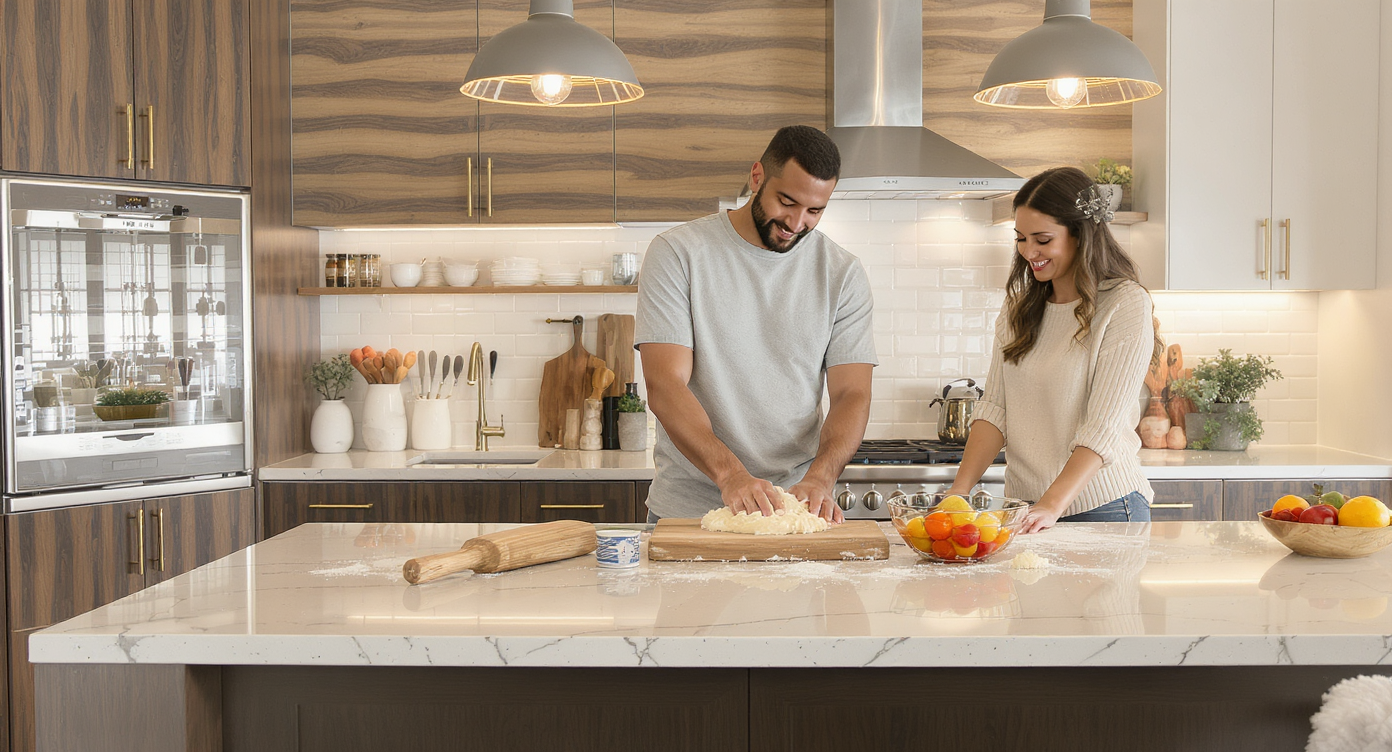
Choosing the right counter height can enhance comfort and efficiency in the kitchen.
Many people don't realize how crucial counter height is until they're chopping vegetables with a strained back or kneading dough with sore shoulders. As one of the most used spaces in a home, the kitchen's functionality hinges heavily on measurements that match its primary users. The standard kitchen counter height, typically 36 inches, works for most—but what if you're taller or shorter? It's worth the exploration. Deciding on the right height is about more than just sticking to industry norms; it's about tailoring your kitchen to ensure maximum comfort and efficiency. This piece unpacks why counter height matters and how to find the perfect fit for your needs.
-
Why 36 Inches Has Become the Standard
The 36-inch kitchen counter height is rooted in ergonomic research and industry standardization. This height aims to offer the best balance between accessibility and functionality, providing a comfortable working level for most adults. It aligns with the average American adult's height and typical tasks like chopping vegetables, washing dishes, and more.
Expert Insight
A couple redesigned their kitchen with adjustable height counters, allowing each family member to work comfortably at their height preference. This flexibility not only improved usability but also transformed the kitchen into a more inclusive space for everyone.
-
Beyond the Standard: Customizing Counter Height
While 36 inches fits the majority, personalization might be key for optimal comfort. For those under 5’4”, counters between 32–34 inches might be more suitable, reducing arm strain during food preparation. Conversely, those over 6 feet might find 38–42 inches more appropriate. To determine your ideal height, stand straight with elbows bent at 90 degrees as if holding a knife; the perfect counter should be about 3–4 inches below your elbows. This method, akin to choosing the right desk height, ensures a kitchen that actively supports your physical wellbeing.
-
Common Mistakes in Kitchen Counter Height
A frequent oversight when installing kitchen countertops is neglecting the height diversity within a household. Here are some common errors:
- One-height-fits-all thinking: Assuming the standard height is ideal for everyone leads to discomfort, particularly in households with a wide range of heights.
- Ignoring ergonomic basics: Neglecting the 90-degree elbow rule can result in long-term discomfort and inefficiency.
- Failure to consider appliance integration: Ensure that custom counter heights don't interfere with appliance placement and usage.
-
Pro Tips for Adjusting Counter Heights
Experts often advise clients to mix and match countertop heights for custom kitchens, aligning them with specific tasks. For instance, a dedicated baking area with a 30–32 inch surface makes rolling dough easier. Also, in our insightful discussion on kitchen organization, integrating multi-level counters enhances both visual appeal and functional efficiency, especially in smaller spaces. Consider split-level counters to facilitate different heights for diverse tasks.
-
Anecdotes from Real Kitchens
I've encountered numerous families who made strategic choices about counter heights that transformed their kitchen experience. A family of tall chefs opted for 39-inch-tall counters in their home, drastically reducing back pain during meal prep. On the opposite side, a petite baker designed her island at 32 inches and now enjoys baking without fatigue. Another anecdote involves a family with a wheelchair user, who found that lowering one section of their kitchen to 31 inches made all areas accessible, enhancing both comfort and inclusivity.
Visualization Scenario
Imagine stepping into your newly customized kitchen—counters at varied heights that cater to every task. The baking area is meticulously crafted at your ideal height for easy dough rolling, while the central island remains versatile, adjusting with a simple mechanism to suit standing guests or seated children.
FAQs on Kitchen Counter Heights
How do I determine the right kitchen counter height?
The ideal counter height is 2–4 inches below your bent elbow height when standing straight. This ergonomic approach minimizes strain during kitchen tasks.
Can I mix different counter heights in one kitchen?
Yes, multiple heights can enhance functionality and comfort, especially for various tasks like baking and cooking.
What is the standard kitchen counter height?
The standard height is 36 inches, which suits the average adult and ensures compatibility with standard appliances.
Designing with You in Mind
Choosing the right kitchen counter height isn't simply about fitting a standard mold; it's about creating a space that caters to your unique needs. Whether you require adjustments for height, prefer multi-level solutions, or need specific areas tailored to specialized tasks, embracing flexibility in design can transform your culinary space into one that's both comfortable and accommodating. Remember, the heart of your home should work for you in every sense. If you're considering a remodel or starting from scratch, don't hesitate to explore visual tools, such as ReimagineHome, to visualize custom solutions tailored to your lifestyle.