Japandi Living Room Ideas for Serene, Minimalist Spaces
TL;DR
Japandi living rooms use a blend of Japanese and Scandinavian aesthetics, minimalism, natural light, earthy tones, and tactile materials to create serene, warm spaces. Adopting Japandi means curating what you bring in, balancing comfort and clarity, and visualizing every key choice before you buy.
Why Japandi Living Rooms Work—And How To Get It Right
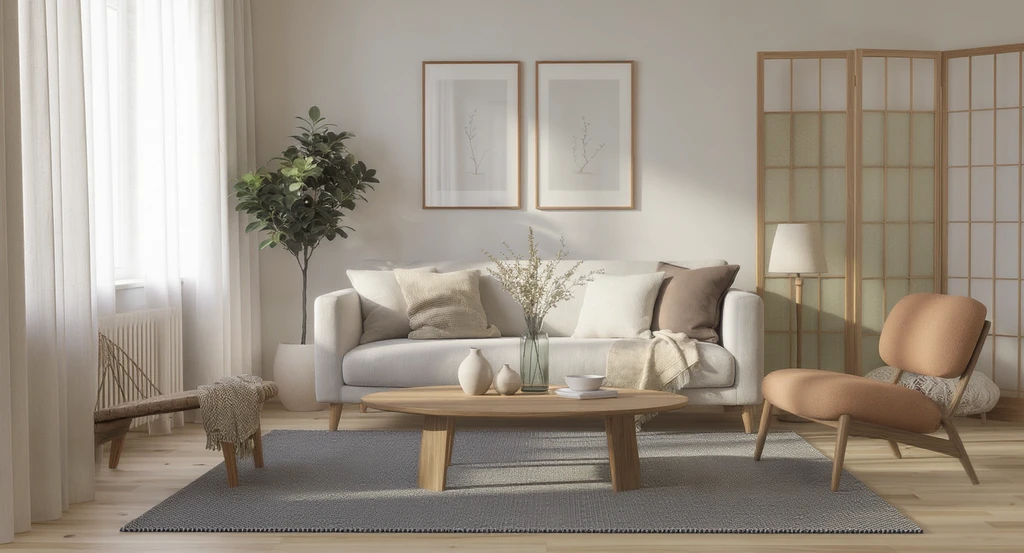
Discover ai-powered Japandi interior design ideas for serene, minimalist living rooms. Explore the best ai tools for Japandi style rooms and learn how to visualize tranquil spaces with ai home design for modern, intentional living.
Japandi design continues to capture attention for its peaceful blend of Japanese minimalism and Scandinavian warmth. The style is rooted in serene simplicity, not sparseness, but a thoughtful curation of form, function, and comfort. Neutral palettes, layered textures, and functional layouts underpin the look, setting a natural stage for quiet routines or lively gatherings. Yet what truly sets Japandi apart is its insistence on intentionality. Every piece earns its place. The payoff: a living room that feels lighter, more welcoming, and unmistakably calm. Before diving in, let’s break down the core ideas behind this sought-after interior approach, and how visualization tools can help you see, then decide your best next move.
-
What Defines Japandi Living Room Style?
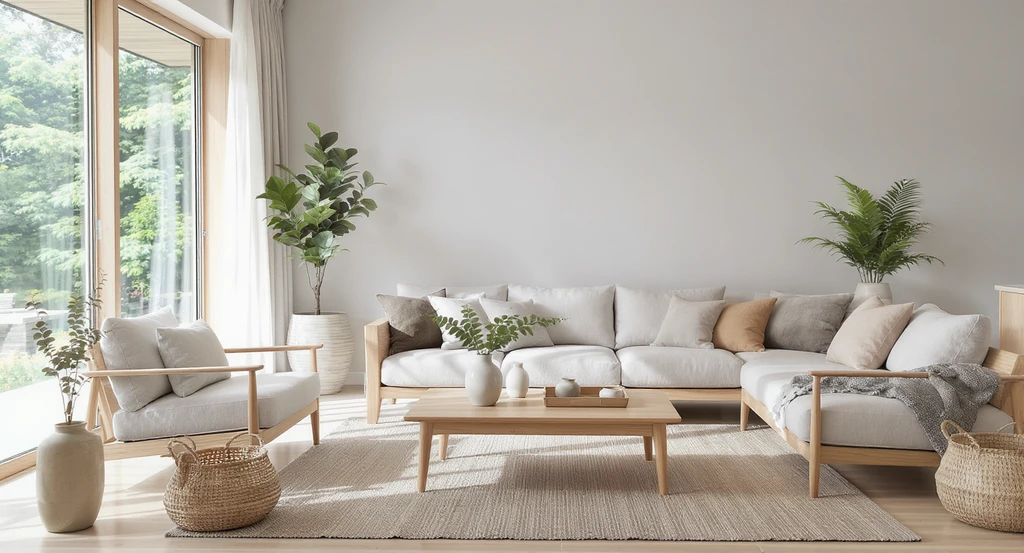
Explore how ai-powered Japandi interior design ideas and the best ai tools for Japandi style rooms make visualizing tranquil, minimalist living spaces intuitive and inspiring.
Japandi design fuses two distinct philosophies into one cohesive approach: minimal yet warm. At its core, expect neutral color schemes, uncluttered layouts, and a celebration of natural materials like wood, linen, and stone. Japanese principles contribute clean lines, a sense of negative space, and wabi-sabi acceptance of imperfection, while Scandinavian hygge favors cozy textures and human scale. According to our guide on Japandi bedroom design trends, calm is achieved through soft finishes, gentle lighting, and a focus on daily comfort. Test these ideas visually: try layering neutral upholstery, organic shapes, and handmade accents in a digital mockup before shopping. This way, you’ll see the overall harmony and make more confident commitments.
Expert Insight
While designing a Japandi-inspired living room, one client hesitated on a dark accent chair, unsure if it would disrupt the calm. After visualizing it in context, she saw the richness it brought with balance, not chaos. That single preview replaced weeks of indecision with immediate certainty.
-
Embrace Neutral Tones and Natural Light
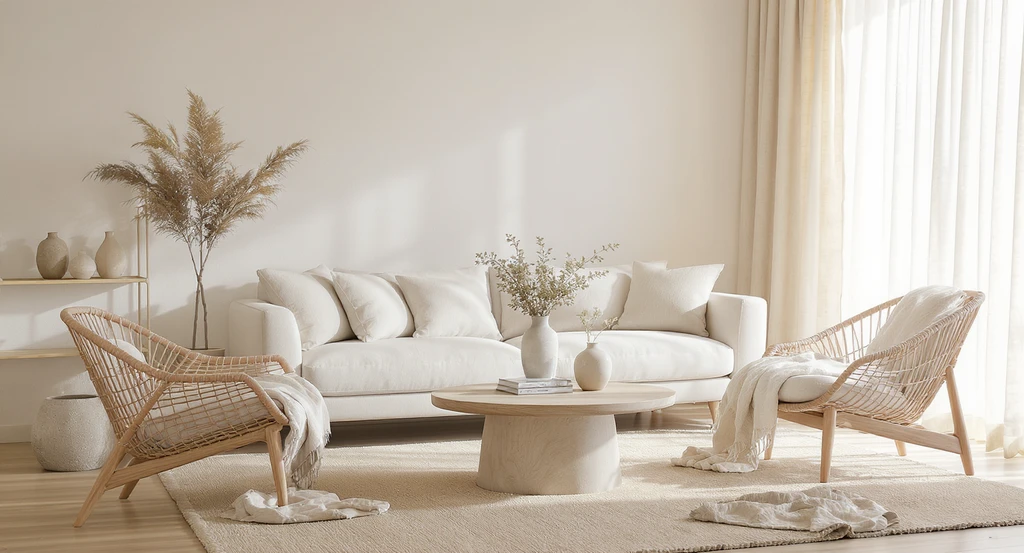
Preview Japandi living rooms with ai-powered interior design tools: experiment with neutral palettes, sheer curtains, and paper lanterns to create minimalist, serene spaces using the best ai tools for Japandi style rooms.
Japandi interiors prioritize calm through earthy, muted palettes, think white, beige, taupe, greys, and sage green. Light is a major design tool; maximize it with sheer curtains, simple blinds, or even paper lanterns for a soft glow. By previewing color schemes and window treatments in your space first, it’s easier to avoid choices that feel stark or cold once implemented. As we explored in our overview of 2025 interior design trends, layered, mood-driven palettes work best when tested thoughtfully.
-
Choose Minimal Yet Inviting Furniture
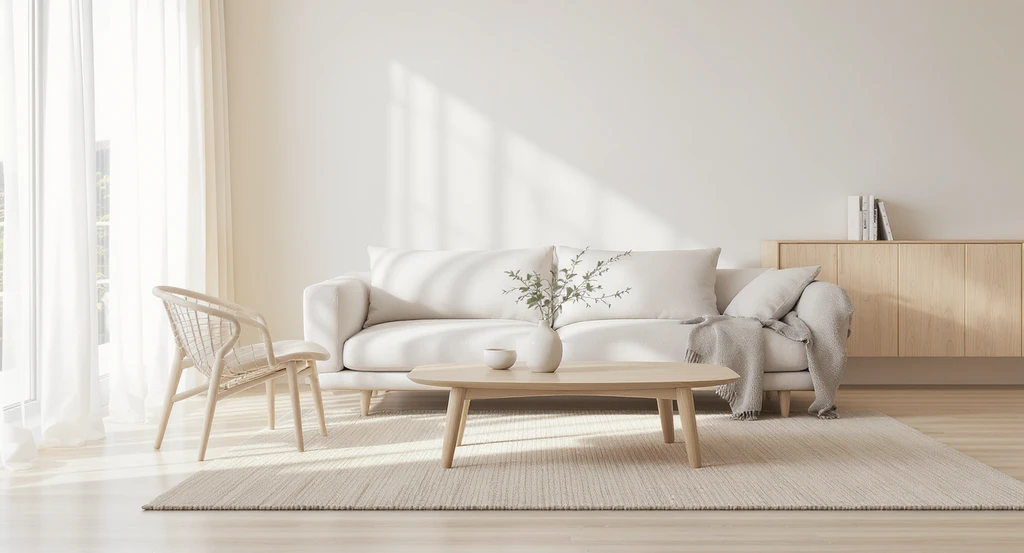
Discover ai-powered Japandi interior design ideas by visualizing minimalist low-profile sofas and curved wooden accent chairs with best ai tools for Japandi style rooms, ensuring both serenity and functional space in your living room.
Every piece in a Japandi living room should perform, either visually, functionally, or both. Opt for low-profile sofas, simple wooden tables, and accent chairs with gentle curves. Leave plenty of breathing room around each piece. Quality always outranks quantity. Using AI-powered visualization makes a difference in getting proportion right. Seeing furniture in context protects against impulse buys that quickly disrupt a room’s calm or functionality.
-
Layer in Texture and Sustainable Materials
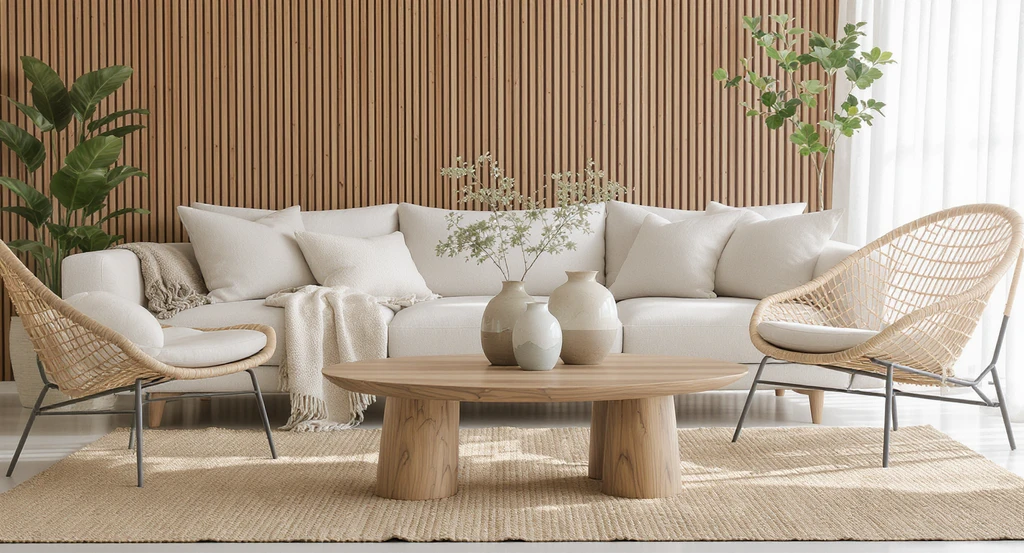
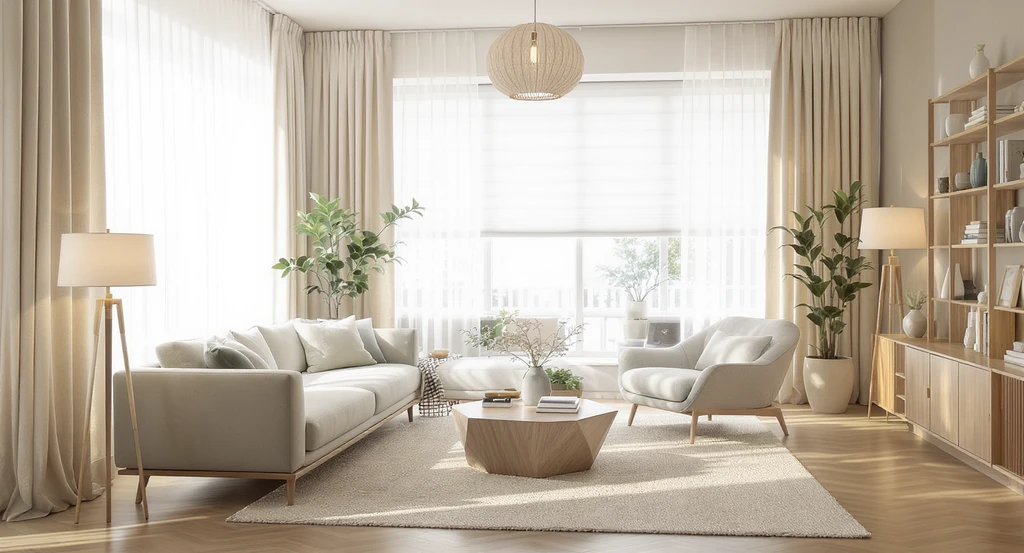
Discover ai-powered Japandi interior design ideas: see how best ai tools for Japandi style rooms layer wood, linen, rattan, jute, and ceramics for minimalist yet inviting living spaces.
The heart of Japandi comfort is tactility. Layer wood, rattan, linen, cotton, and wool to bring depth without clutter. Rugs grounded in natural fibers, hand-thrown ceramics, and slatted wall panels instantly give warmth and refinement. Preview different textures together using visual design tools. The goal is a space that looks simple, but feels interesting and alive. Learn more about tactile layering from our article, how to warm up minimalist rooms.
-
Bring Nature In—Physically and Visually
Indoor plants, natural woods, and clear views outdoors blur lines between inside and out. Small greenery, foraged branches, or a single sculptural stone can bridge the gap. Position seating to face windows and consider how outdoor scenery becomes part of your room’s palette. Visualization helps you plan these moments rather than leaving them to chance. See how greenery will affect balance and flow before investing.
-
Exercise Restraint—Let the Space Breathe
Clarity is essential in Japandi. Avoid crowding your living room with too many pieces or unnecessary decoration. Emphasize negative space so each item gets attention, and every pathway is unblocked. This makes even smaller rooms feel larger and more open. A digital test drive allows you to experiment with fewer but more thoughtful pieces, removing visual noise for a restful result.
-
Add Subtle Contrast and Personal Meaning
Though neutral, Japandi isn’t monotonous. Use contrast by combining light and dark wood, or adding a muted pop of color, a favorite rust, moss green, or navy accent. Choose a single piece of minimalist abstract art or a handwoven bowl for intentional personality. Seeing these combinations at scale builds trust in subtle choices, helping the room reflect your tastes without overwhelming the design. Our piece on interior trends for warm modern homes highlights how contrast adds soul.
-
Optimize Lighting for Warmth and Mood
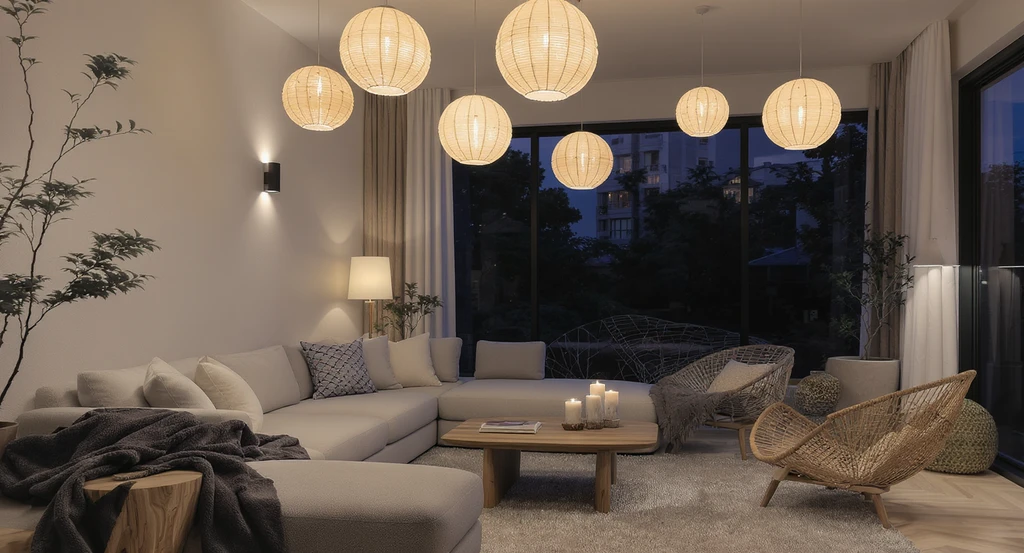
Layered warm lighting—rice paper lanterns, sconces, uplights, and candles—in a Japandi living room, shown with ai-powered japandi interior design ideas and the best ai tools for japandi style rooms for visualizing serene, minimalist spaces.
Shift from harsh overheads to layered illumination: a mix of rice paper lanterns, sconces, uplights, and candles. The target is 2700–3000K for bulb temperature, soft, welcoming, and never clinical. Dimmable solutions stretch day into evening with the same mood. Test placements digitally to prevent awkward glare or shadowy corners—this step is easily overlooked but crucial for atmosphere.
-
Visualize First: The Difference AI Makes to Japandi Living Rooms
Traditional moodboarding can’t always predict if your chosen textures, woods, or layouts will truly work together. AI-powered visualization changes that. By uploading a photo and overlaying new styles or furnishings, you can preview how scale, light, and flow affect the room as a whole. This approach minimizes regret, especially with costlier or more sustainable materials. As described in our hub on 2025 interior trends, visual testing ensures every choice feels intentional, not risky.
Visualization Scenario
Imagine uploading a photo of your bright-but-bare living room. With a few clicks, you overlay layered linen drapes, a warm oak coffee table, and a plush low-profile sofa. The result: a virtual room that looks as calming as it feels in person. Decision hesitation melts away.
Frequently Asked Questions About Japandi Living Rooms
What are essential Japandi living room characteristics?
Japandi living rooms are defined by minimal clutter, natural materials, neutral tones, and balanced layouts. Key features include layered texture, quality over quantity, subtle contrast, and a seamless connection to nature.
Which colors work best in Japandi interiors?
Earthy neutrals—whites, beiges, greys, and sage green—form the main palette. Accents in black, charcoal, rust, or muted blue add gentle contrast without disrupting calm.
How can AI help design a Japandi living room?
AI-powered visualization, like with REimagineHome AI, lets you see layout, texture, and color together before purchasing. This enhances decision confidence and reduces risk of costly mistakes.
How do I keep my Japandi room from feeling cold or sparse?
Layer tactile materials, use warm lighting, and integrate subtle personal touches. Test arrangements in context digitally to spot where more warmth or variety is needed, as discussed in our sterile minimalism solutions guide.
What’s the difference between Japandi and Scandinavian style?
Japandi blends the minimalist, organic, and imperfect aspects of Japanese design with the cozy, human-centered focus of Scandinavian spaces. It’s less rustic and more curated than classic Scandinavian interiors.
Does Japandi work in small living rooms?
Yes. The emphasis on clear lines, negative space, and matched scale helps smaller living rooms feel larger and calmer. Visual previews let you tailor each piece for your exact space.
Can I add color to a Japandi living room?
Subtle, muted accent colors work well in Japandi—think terracotta, olive, or navy as textural pops rather than large saturated elements. Use color sparingly for best results.
How do I balance open space and comfort?
Focus on multi-functional furnishings and tactile accessories. Prioritize clear sightlines while ensuring everyone has a comfortable spot to relax. Digital mockups can help you see if the room remains inviting.
Japandi Living Rooms—A Final Word on Tranquil Confidence
Japandi living rooms offer more than a look—they deliver an experience. Whether you start with materials, layout, or mood, visualizing choices in your own space bridges the gap between inspiration and action. The safest way to avoid common regrets is to test and refine each decision visually, then move forward with confidence and clarity. See more strategies to bring modern serenity home in our Japandi bedroom guide or browse our Interior Design Hub for additional insights.