7 Decision Rules for Restoring Old Windows and Doors (Repair vs. Replace Guide)

-
1. Apply the REimagineHome ‘Charm-Thermal Equilibrium’ Principle
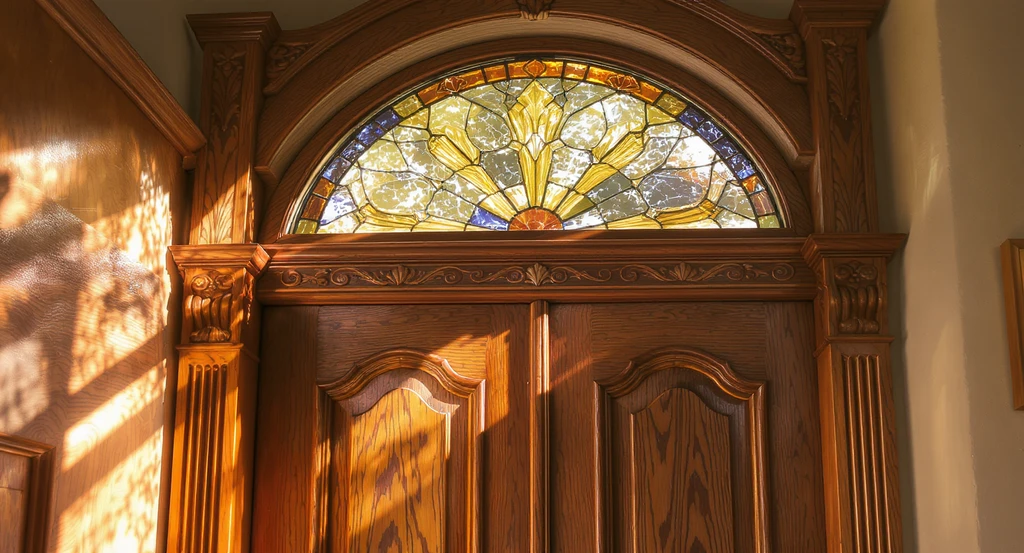
Balancing charm with energy efficiency: this restored front door shows how to avoid regret when restoring old windows, preserving intricate stained glass and woodwork while subtly insulating a historical home without unwanted modernization.
Preserving the unique details of 115-year-old front doors and stained glass windows requires balancing aesthetics with comfort a concept we term 'Charm-Thermal Equilibrium.' The goal is to retain original character while enhancing insulation. Over-insulating may erase visual depth, while under-insulating risks year-round discomfort and higher expenses. The equilibrium is found by evaluating each element: preserve visible features (leaded glass, intricate woodwork) while subtly upgrading what isn’t seen (secondary glazing, improved seals). The psychological benefit is confidence in your choices; the spatial benefit is enjoyment of daylight and heritage features without dreading energy bills.
-
2. Assess the Pros and Cons of Retaining Original Stained Glass
Retaining original stained glass contributes unmatched visual intrigue and period authenticity, but it can be a significant energy liability if left unaltered. The pros: craftsmanship, color play, and resale appeal for buyers seeking uniqueness. The cons: fragile panes, poor thermal barriers, and maintenance challenges. A strategic choice for many homeowners is encapsulating stained glass between double-glazed units, maintaining presence while improving insulation. Critical insight: according to our guide on balancing renovation efforts and future value, original features add tangible charm that the market increasingly rewards.
-
3. Avoid Regret With the ‘Window Integrity Evaluation’ Framework
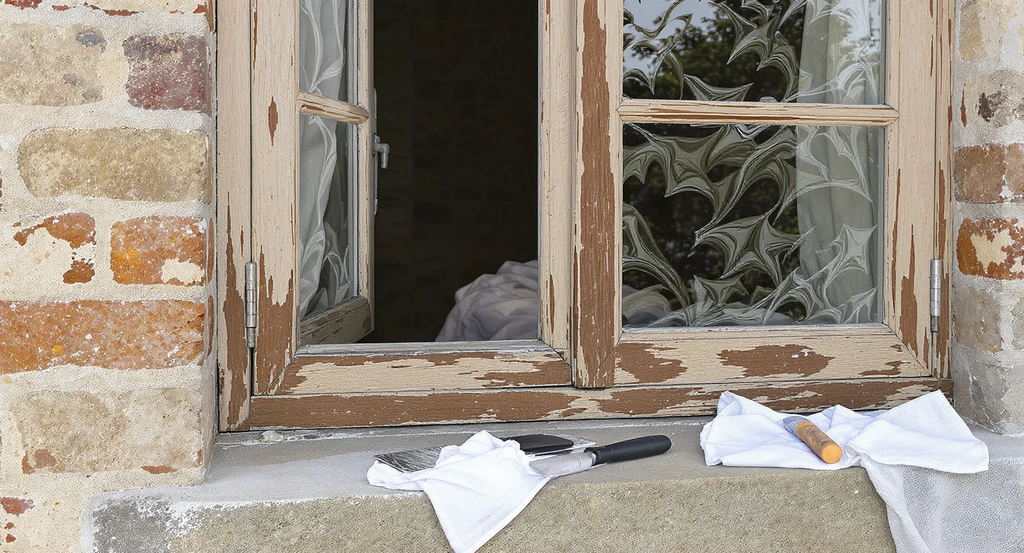
Applying the window integrity evaluation framework helps avoid regret when restoring old windows by revealing preservation needs and insulating options to balance charm with energy efficiency in renovations.
Adopt a systematic framework Window Integrity Evaluation for every restoration: assess frame condition, glass stability, and energy loss points before making decisions. Prioritize repairs that retain as much original material as feasible. Restoration choices made on impulse or by appearance alone can lead to irreversible damage or costly retrofits. Spatial reasoning is vital: look for hidden rot where sills meet masonry, and recognize that older joinery expands and contracts differently than new inserts. This reduces the risk of regret functional, financial, and emotional down the line.
-
4. Choose Paint Colors for Vintage Doors Using ‘Context Color Mapping’
The 'Context Color Mapping' rule guides how to choose paint colors for vintage doors: sample potential hues in both daylight and dusk, observing how they interact with floor tones and surrounding plaster. Historically accurate colors tend to feel grounded, but personal memory and exterior views also shape perception. For best results, relate your palette to interior transitions (entry hall, adjacent woodwork), ensuring the door feels integrated rather than isolated. This process gives psychological ownership and visual cohesion, which increases satisfaction post-renovation. We explored related approaches to sensitive updates in our guide to updating period homes without losing soul.
-
5. Insulate Without Modernization Regret Using Layered Interventions
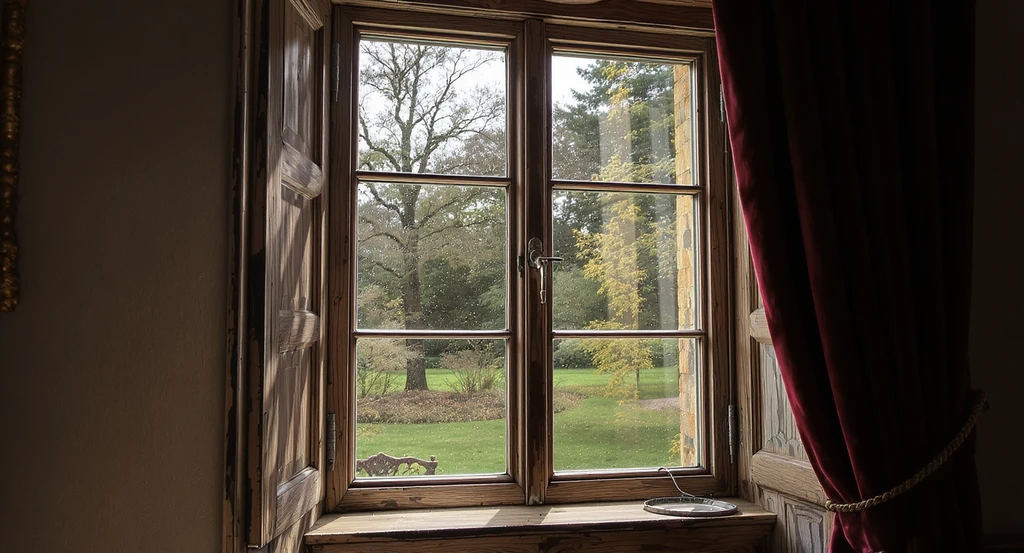
Layering secondary glazing, draft excluders, and thermal curtains helps avoid regret when restoring old windows by insulating historical homes without modernization regret and balancing charm with energy efficiency.
Insulating historical homes without modernization regret requires a layered strategy start with invisible solutions (secondary glazing, draft excluders, thermal curtains) before contemplating any changes to the window structure. Each layer preserves the tactile and visual texture of old glass and wood without forcing contemporary aesthetics. Mechanistically, layering moderates thermal loss at each junction sash, lintel, threshold. This reduces draft, preserves heritage, and avoids the psychological discomfort of seeing beloved details erased for efficiency.
-
6. Evaluate DIY vs. Pro Restoration With the ‘Scope-Stress Matrix’
Use the Scope-Stress Matrix to decide when DIY is feasible: minor surface repairs (filling, painting, sanding) often suit hands-on homeowners, but complex glazing or structural frame repairs should be left to conservation professionals. This framework weighs the visible impact, time investment, skill requirements, and risk of value depreciation. Risking amateur repairs on irreproducible features—like leaded panes can backfire in both comfort and future market appeal. Further, as outlined in our evaluation of when DIY renovations are truly worth it for resale, targeted, high-quality updates consistently deliver the most return.
-
7. Visualize Before Committing EReduce Regret with REimagineHome
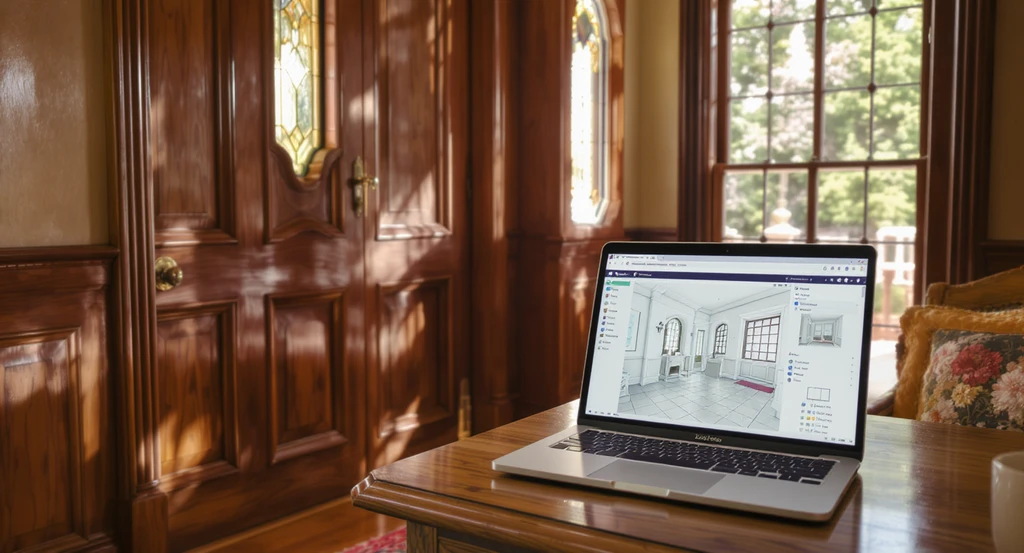
Visualize updates before committing—preview paint colors, window films, and layouts to avoid regret when restoring old windows and doors, and balance comfort with character in historic homes.
Visualizing paint colors, window film options, and entry layouts before starting reduces the risk of functional or visual regret. REimagineHome enables scenario testing, letting homeowners preview updates without physically altering precious materials. This approach not only protects irreplaceable details but allows families to confidently evaluate charm versus comfort decisions ensuring satisfaction both now and in years to come.
Visualization Scenario
Picture yourself standing in the foyer of your 115-year-old home, sunlight filtering through jewel-toned glass as your hand glides over the original wood door. With each step, you notice the character in every detail the gentle creak of floorboards, the intricate lines of the window casements proof that thoughtful updates can preserve both comfort and history without compromise.
Frequently Asked Questions About Restoring Historic Windows and Doors
Apply secondary glazing and use draft-proofing on frames. Encapsulating stained glass within new glazing can boost efficiency without losing visual impact.
What are warning signs a historic window needs major restoration?
Look for soft wood, sticking sashes, condensation between panes, and cracking leadwork. Careful inspection applies the Window Integrity Evaluation before investing in repairs.
Are original doors and windows a selling point?
Yes—according to our coverage of resale value and DIY upgrades, well-preserved period details draw buyers looking for unique homes with retained character.
How do I choose a period-appropriate paint color?
Start with colors typical of your home’s build era, and use the Context Color Mapping rule: view colors in fluctuating natural light and against original floors and trim.
When should a professional restorer be hired?
Pro repair is recommended for structural instability, glass replacement, or when authenticity is at risk. DIY is best limited to minor refinishing, not rebuilding.
Key Takeaways
Restoring original windows and doors in a historic home is a series of layered decisions each choice balancing period charm with contemporary comfort. Avoid regret by evaluating energy, aesthetics, and craftsmanship through structured frameworks and scenario visualizations. Protect what makes your home unique, but never at the expense of daily livability or peace of mind.