7 Factors to Consider Before Adding a Rug to Your Newly Renovated Living Space
TL;DR
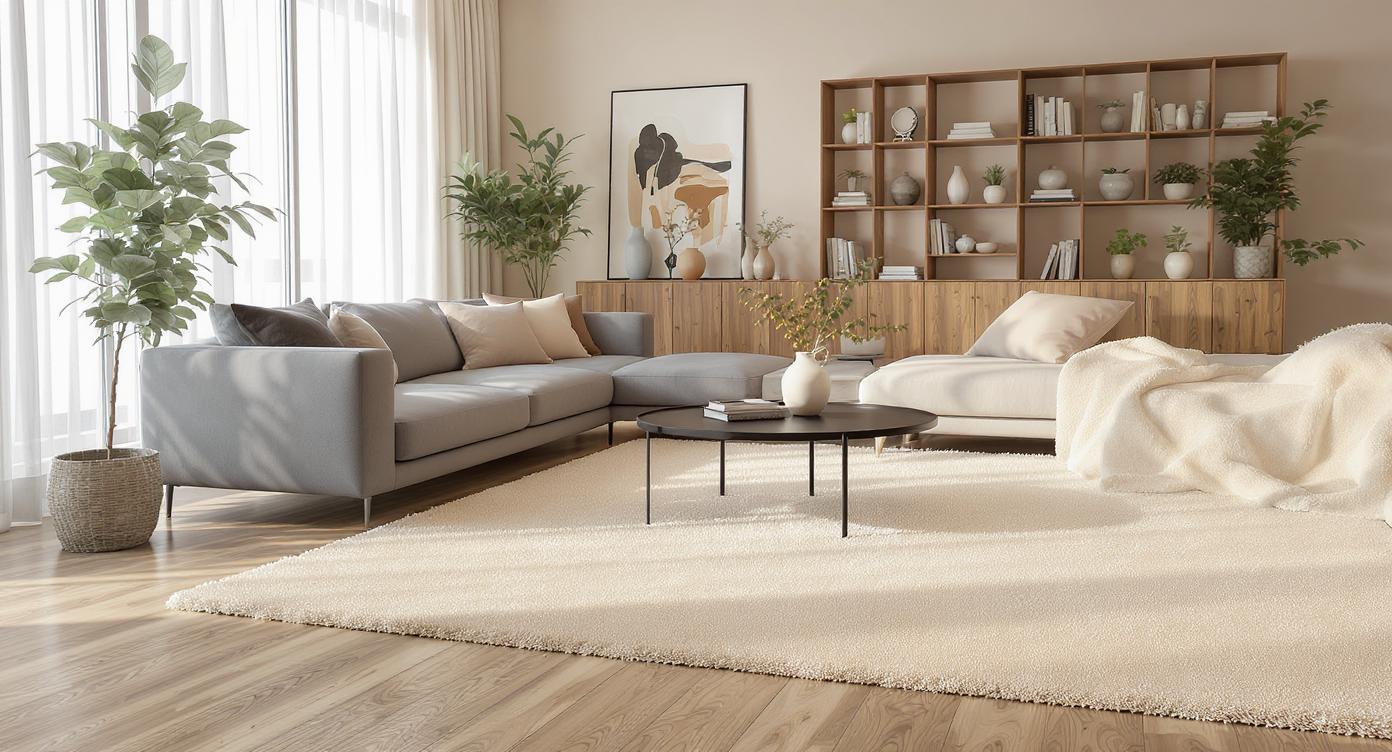
When finishing a renovated living space, a rug can add warmth, reduce noise, and anchor the main social space, but skipping it keeps the look streamlined and cool. The final choice depends on personal preference, climate, and how the room is used. Evaluate your needs, style, and how you want your home to feel before making a decision.
Is a Rug the Missing Piece or the Wrong Move?
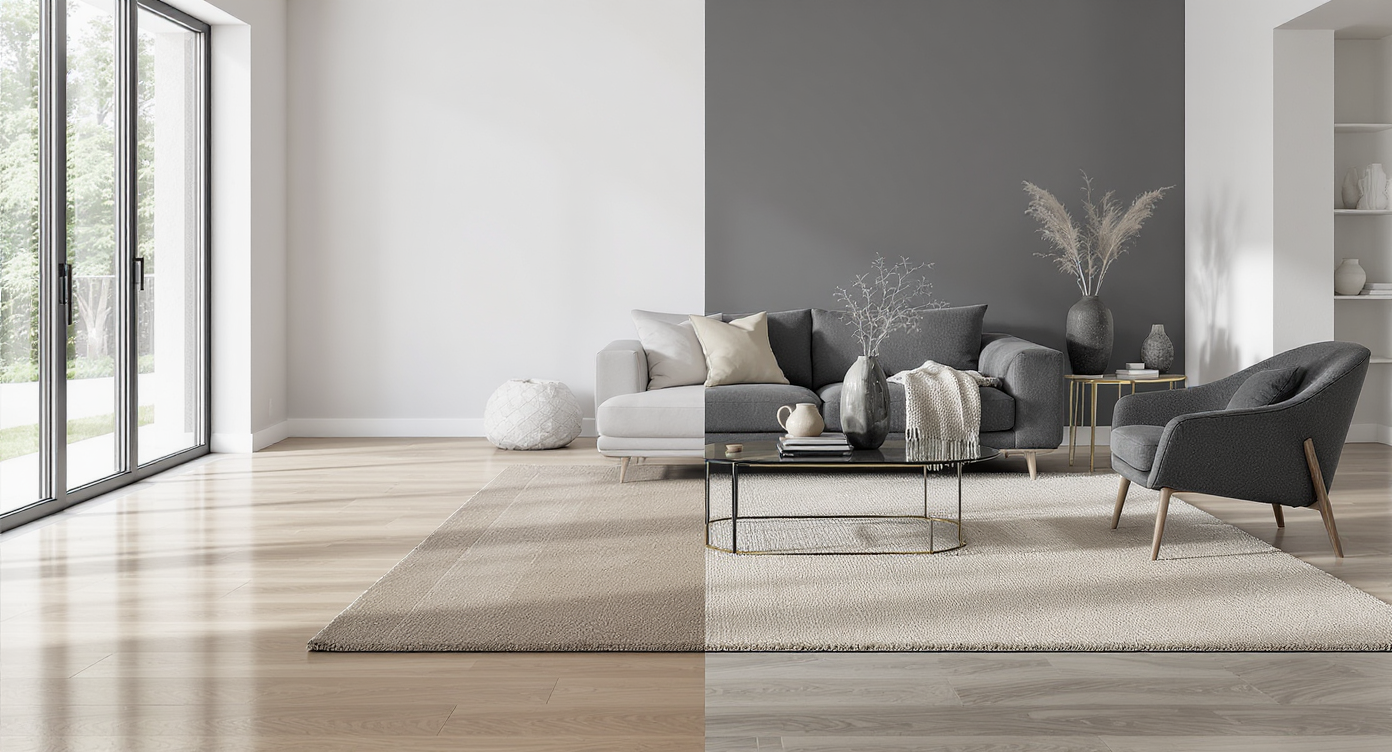
A freshly renovated living room highlights the visual impact of choosing between bare floors and an area rug to achieve the right atmosphere.
After completing a living room renovation, the question of whether to add a rug lingers for many. Some homeowners crave the soft underfoot comfort and cohesiveness a rug offers, while others prefer the minimalist statement of bare floors. This decision shapes both the feel and function of the main social space in your home. Style preferences, regional climate, and acoustics all influence the choice. With living rooms trending toward both intentional accessorizing and open, fuss-free layouts, there is no universal answer. Instead, it is worth considering a set of critical factors that guide whether a rug adds value—or if your living area sings without one.
-
1. How Rugs Anchor the Main Social Space
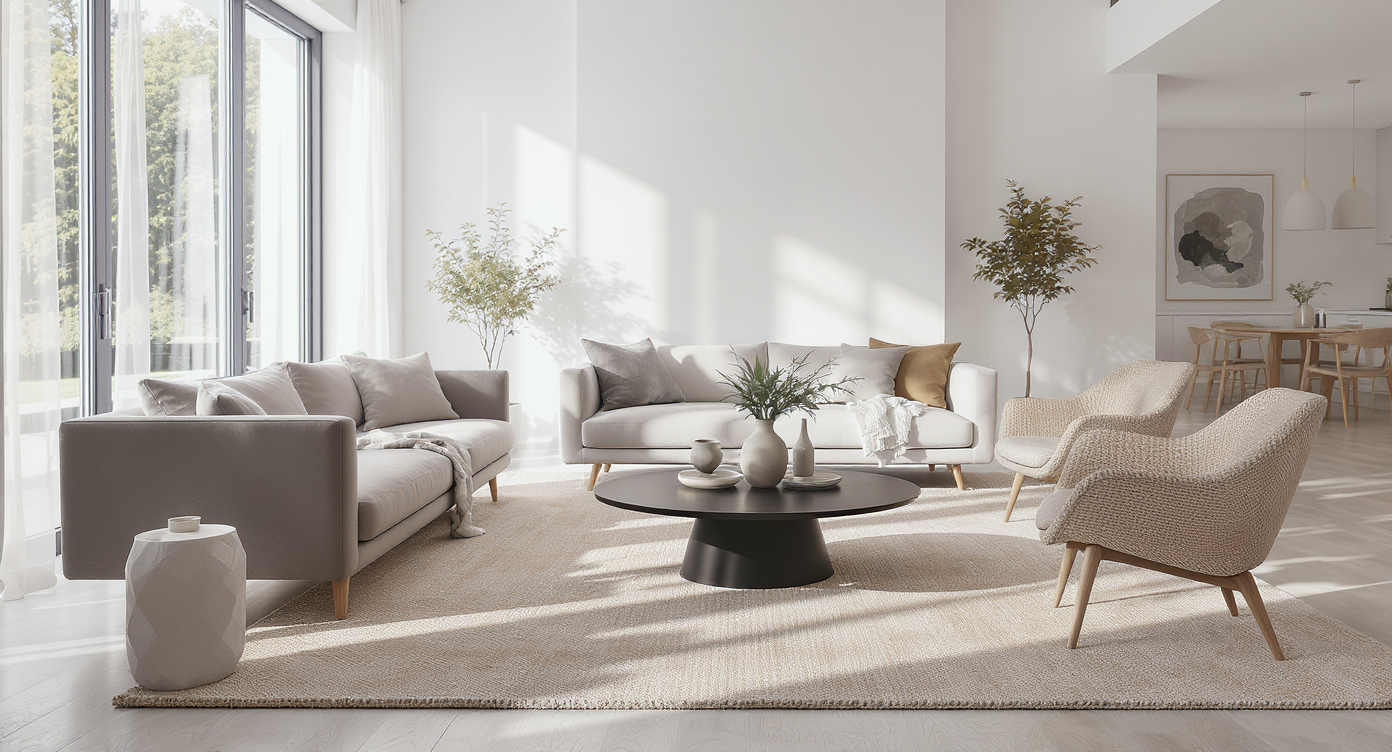
A large area rug grounds the main seating zone, connecting the sofa, chairs, and coffee table for a cohesive, intentionally defined living space.
Rugs have a well-documented ability to visually ground a seating area, creating an instant sense of zone definition. Especially in open-plan or large living spaces, an area rug brings furniture together, making disparate pieces read as a unified, intentional arrangement. When the sofa and coffee table float within a room, even a subtly colored rug provides a binding element under your main social space. Designers often recommend matching the rug’s size to the layout, ensuring all key furnishings touch or rest atop the rug for a pulled-together effect. For more on rug size and its impact, refer to guidance in our take on how to make a living room feel cozy and pulled together.
-
2. Soft Furnishings That Boost Comfort and Warmth
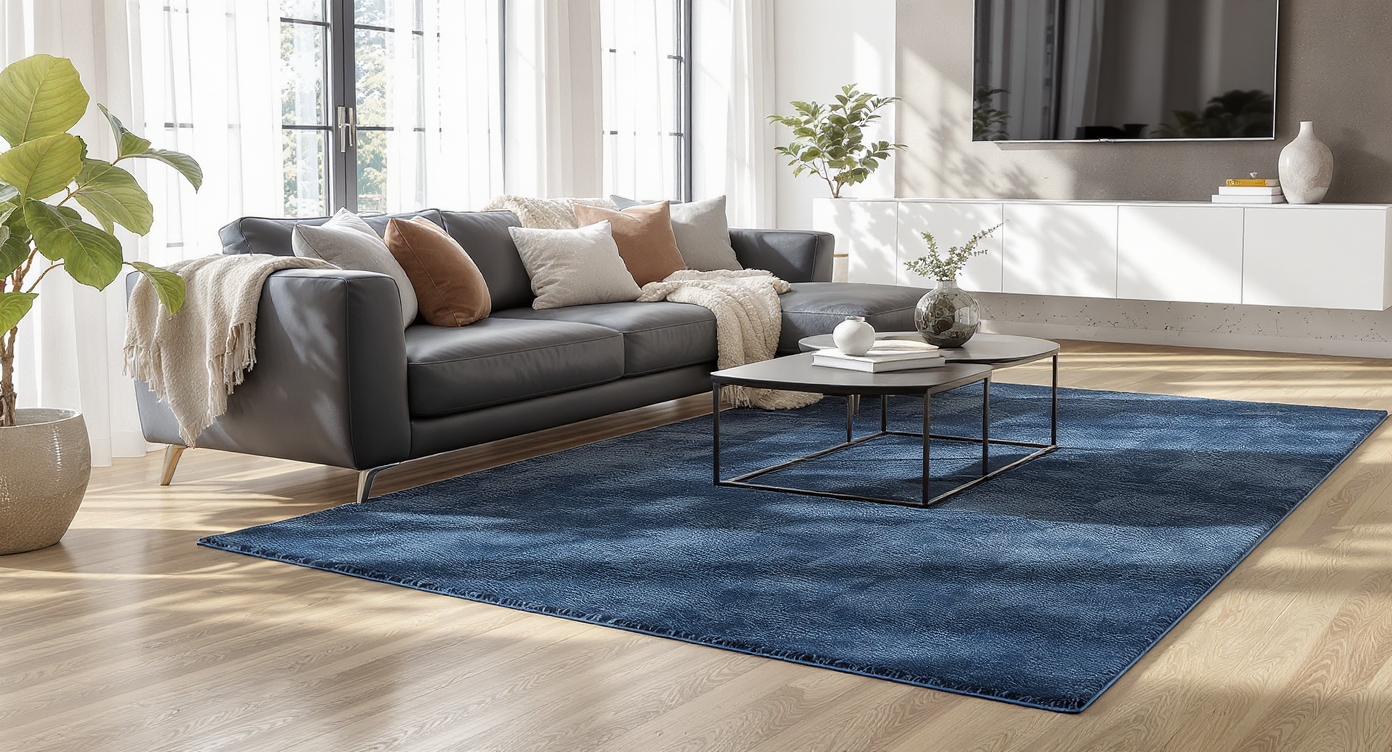
A cozy living room with soft pillows, throw, and a plush rug adds warmth and comfort, contrasting with uncovered hard floors nearby.
Incorporating a rug is one of the simplest ways to introduce supple texture and underfoot softness, especially appreciated in homes with tile, concrete, or wood floors. Soft furnishings—pillows, throws, and a textural rug—are known for making spaces feel more inviting and layered. In cooler climates, a plush rug can make the room feel warmer both physically and visually, perfect for lounging or casual barefoot moments. Conversely, in warmer regions where heat retention is a concern, such as desert or tropical climates, skipping a carpet may actually enhance comfort and help keep the space feeling airy, as one homeowner observed when weighing the impact in a hot environment.
-
3. Noise, Acoustics, and Everyday Function
Sound absorption is another critical function of a well-placed rug. Homes with hard surfaces throughout—floors, walls, and ceilings—often notice increased echo and sharper acoustics, particularly in minimalist living rooms. A rug helps dull ambient noise, absorbing footsteps and conversations, and is frequently recommended for media rooms or spaces where sound quality is a concern. Where echo or footfall noise is bothersome, a dense rug makes a measurable difference. On the other hand, if the room already feels acoustically balanced, or if a lively buzz is welcomed, bare floors can suffice. Practical fixes for noise are often highlighted when exploring elements that make a living room feel finished, such as those mentioned in our breakdown on finishing touches for living rooms.
-
4. Clean Lines, Minimalism, and Visual Clarity
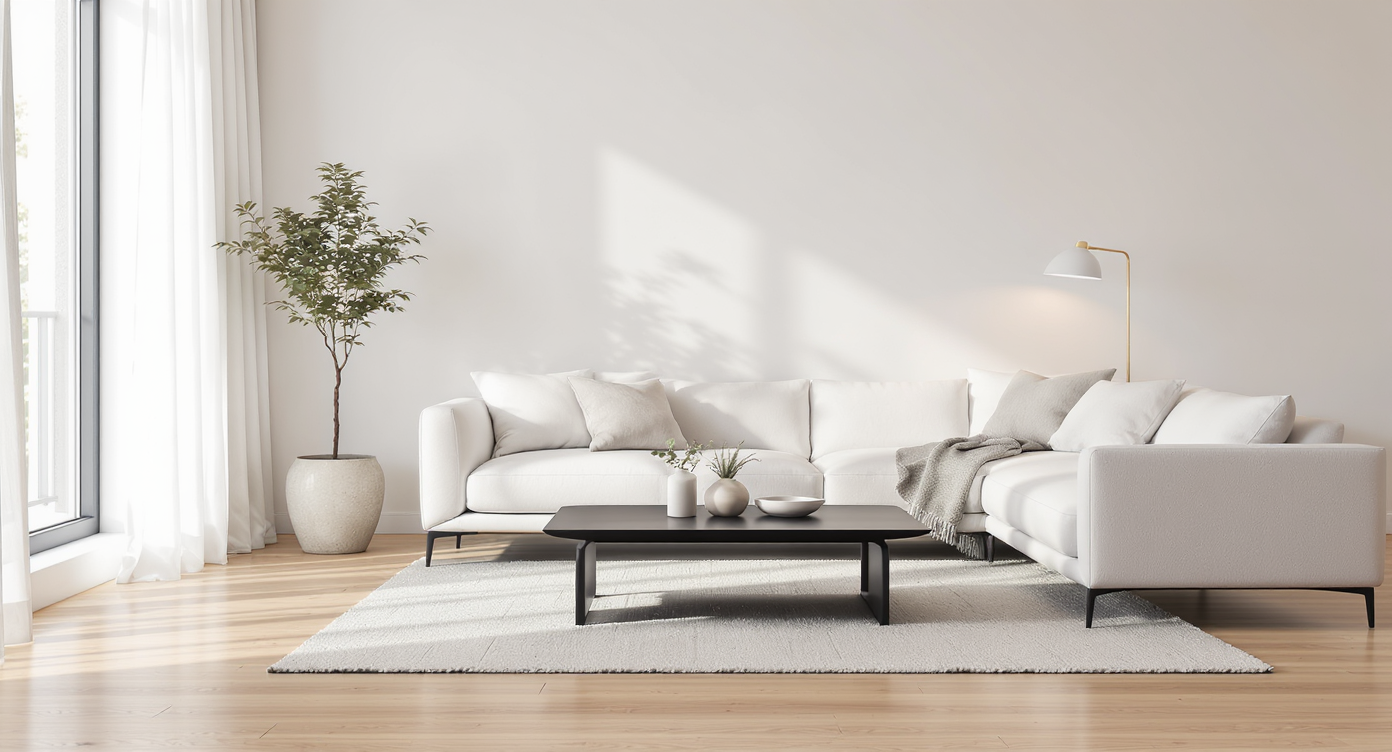
A minimalist living room with a bare hardwood floor, clean-lined furnishings, and soft natural light, exemplifying visual clarity and calm.
For design enthusiasts enamored with clean lines and understated aesthetics, a bare living room floor can reinforce the calm, streamlined look coveted in many contemporary homes. Skipping the rug emphasizes simplicity and keeps visual distractions to a minimum, which aligns well with minimalist sensibilities. This approach may also make upkeep easier, particularly in climates or households where dust and allergens are a concern. As demonstrated in our exploration of how minimalism can feel inviting, soft color palettes and deliberate focal points may be all that is needed to establish warmth without additional layers.
-
5. Statement Pieces Versus Flexibility
Choosing a rug is often about making a statement or providing flexibility for future changes. A large, boldly patterned rug becomes a key visual element, setting the tone for the whole room. If you are still searching for the right piece, patience is essential, as a rushed purchase may feel out of sync with your vision. Holding out allows time to find a rug that complements not only your layout styling but also the mood and personality you want to express. Some homeowners report leaving their main social space bare until they encounter a rug that truly sparks excitement, affirming that waiting for the perfect fit is often the most satisfying strategy.
-
6. Rugs and Layout Styling: Practical Design Moves
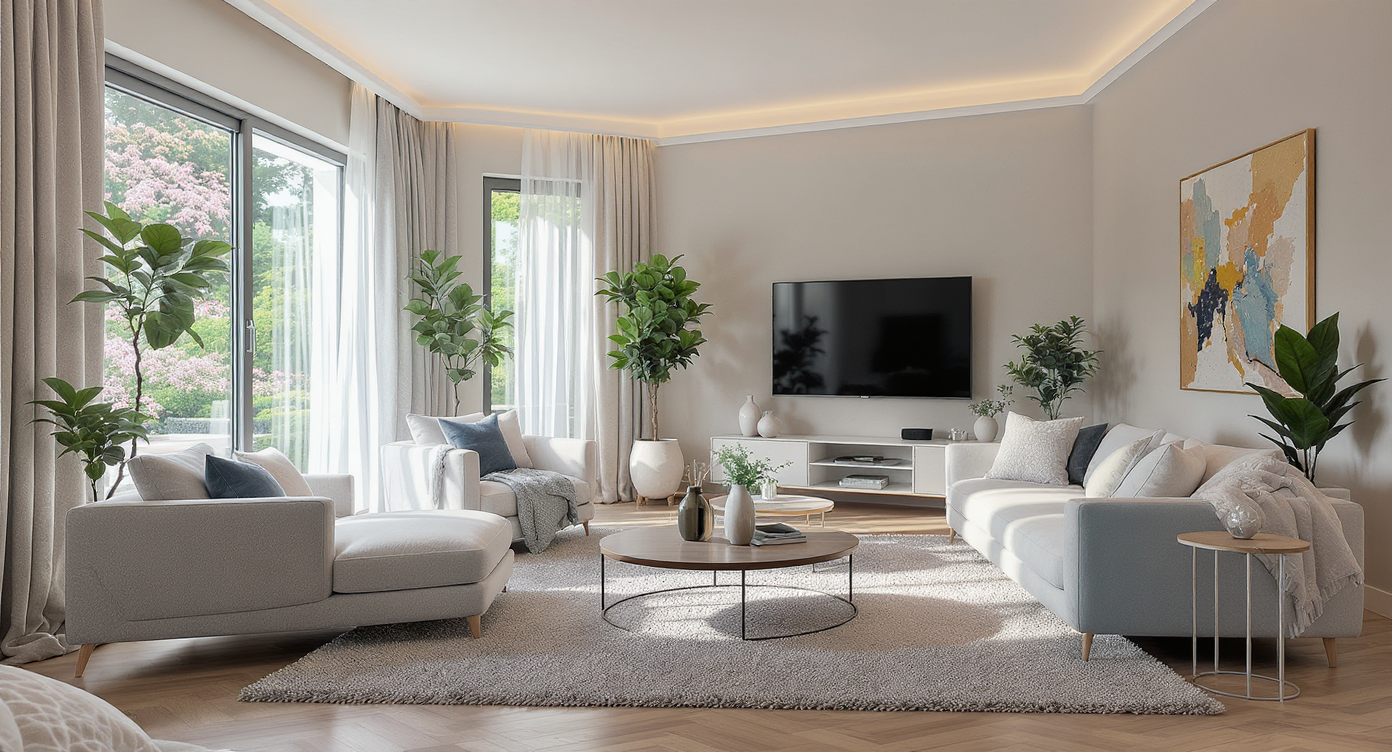
A modern living room demonstrates rug placement—beneath front legs of sofas and chairs—to define the seating area while preserving walkways.
Beyond their decorative appeal, rugs aid in layout styling and circulation within a room. They can subtly direct foot traffic and highlight the intended flow between furnishings. Placing a rug beneath the front legs of sofas and chairs helps define conversation areas while making clear pathways. When using REimagineHome.ai for space planning or to test various configurations, many designers overlay rug options virtually before finalizing a layout. This can be invaluable for visualizing scale and assessing whether a rug enhances or crowds a room. For those seeking an update, digital tools offer a way to experiment without commitment.
-
7. Alternatives to Rugs: Lighting, Texture, and Accessories
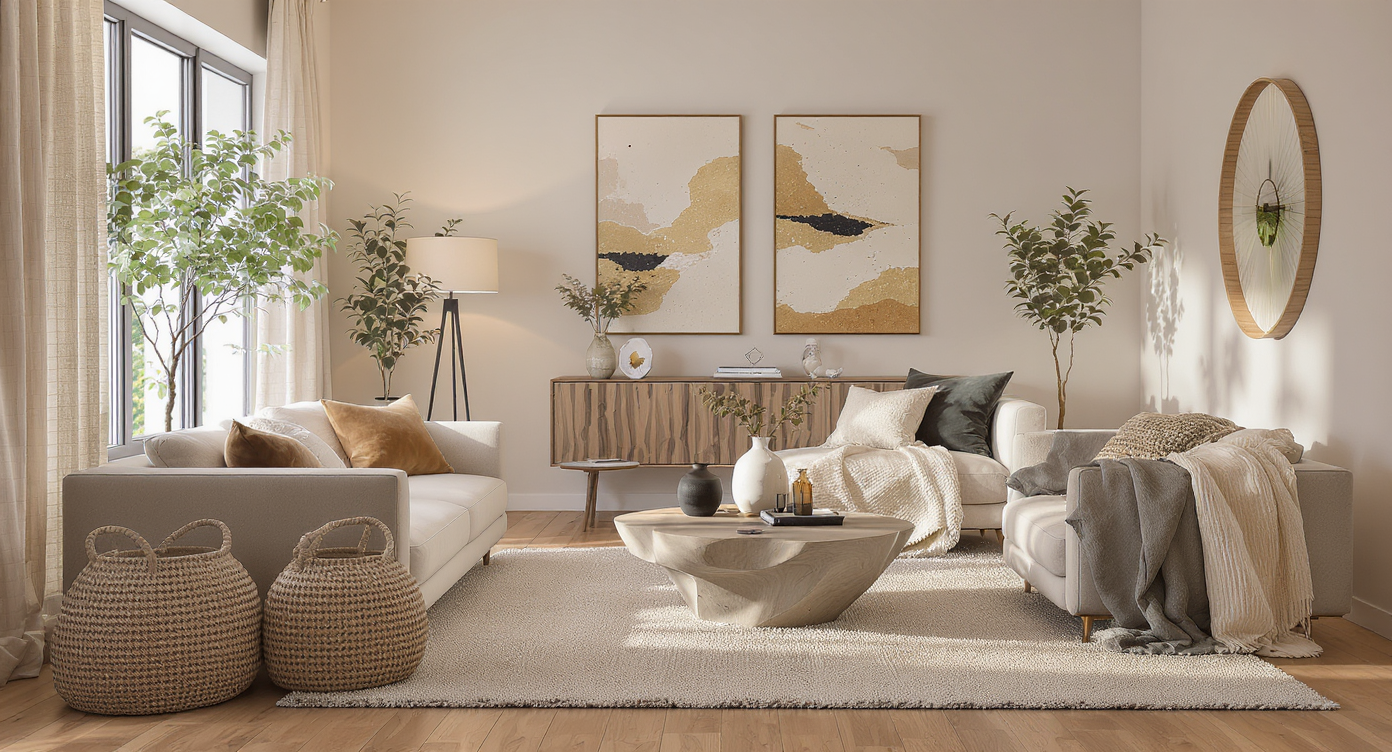
Living room finished without a rug—layered lighting, textured accessories, baskets, wall art, and floor cushions create warmth and depth.
If you opt against a rug, consider other ways to finish your space and add visual interest. Layered ambient and task lighting can soften the atmosphere or sharpen focus as needed. Incorporating textured elements—such as woven baskets, curtains, or tactile wall art—brings depth and warmth, supporting a cozy feel even in the absence of a rug. Floor cushions or sculptural coffee tables also draw the eye and provide comfort. For creative ideas on living room finishing touches, explore strategies featured in the conversation around rug decisions for 2025.
Frequently Asked Questions About Rugs in Living Rooms
Not necessarily. A rug can help anchor the main social space, but a thoughtfully styled room with harmonized furnishings, layout styling, and soft furnishings can feel finished without one.
Is a rug always necessary for acoustic balance?
No. While a rug can help absorb noise, sound can also be managed with layered fabrics, curtains, or furniture placement.
How do I choose the right size for my living room rug?
Ideally, select a rug that allows all major furniture pieces to rest on or partially on it, creating a defined zone.
What alternatives bring warmth to a living room if I skip the rug?
Accent lighting, textured pillows, throws, and layered accessories can introduce warmth and depth without needing a rug.
Can I preview different rug options before buying?
Yes. Platforms such as REimagineHome.ai enable you to mock up potential layouts and visualize rug choices digitally, helping you make more confident decisions.
Your Living Room, Your Rules—With or Without a Rug
Whether you add a rug or choose to keep your living room floor bare, the decision should support both your sense of comfort and your vision for the home. Evaluate practical needs like climate, acoustics, and cleaning as well as your style aspirations. Use tools such as REimagineHome.ai to visualize options and test ideas before settling on a final design. Ultimately, an intentional, cohesive approach is what makes any space feel truly finished—rug or not.