Which Layout Works When Your Office Doubles as a Guest Room?
TL;DR
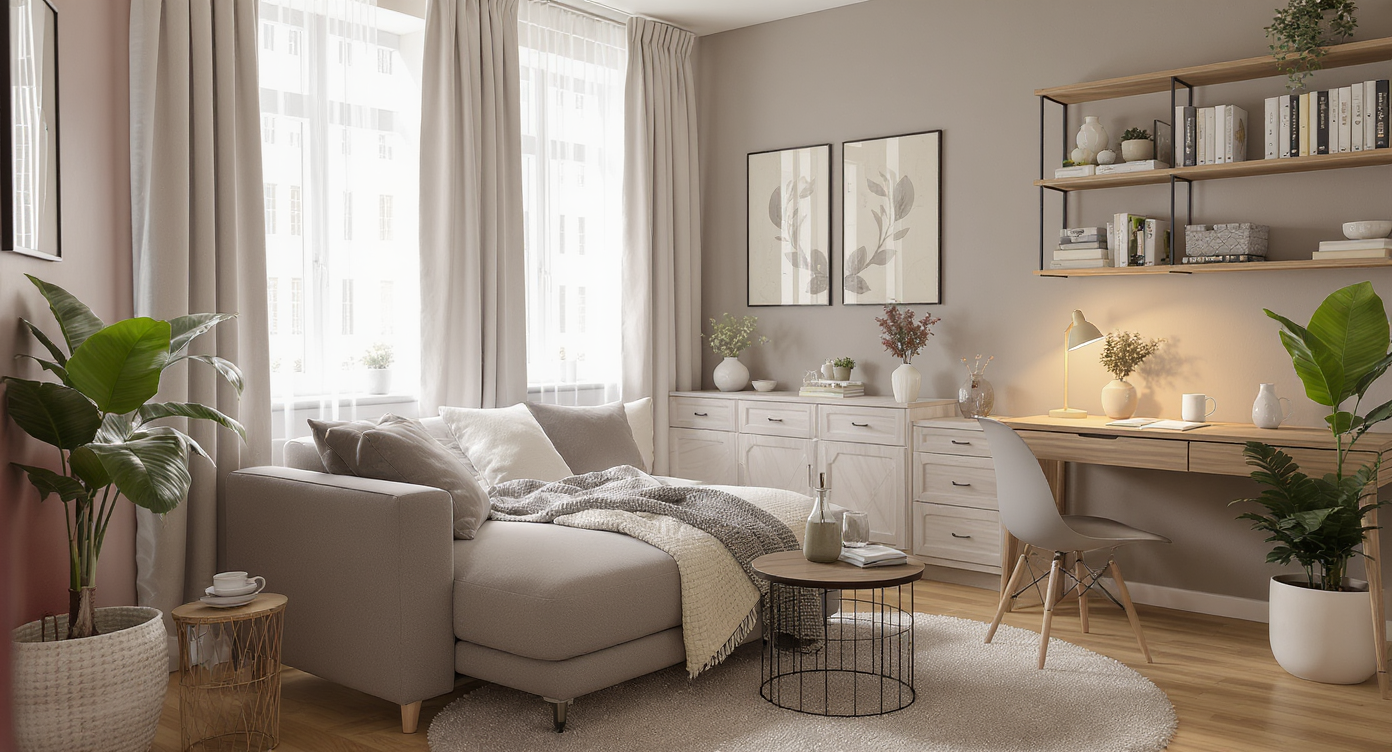
A dual-purpose office and guest room is possible in even the smallest of spaces. Prioritizing furniture flexibility, clever storage design, and maintaining thoughtful flow can ensure the room feels inviting for guests and functional for work. Select compact beds, consider alternative storage, and plan layouts to maximize both everyday use and overnight comfort.
Designing for Dual Purpose: The Small Office Meets Guest Room Challenge
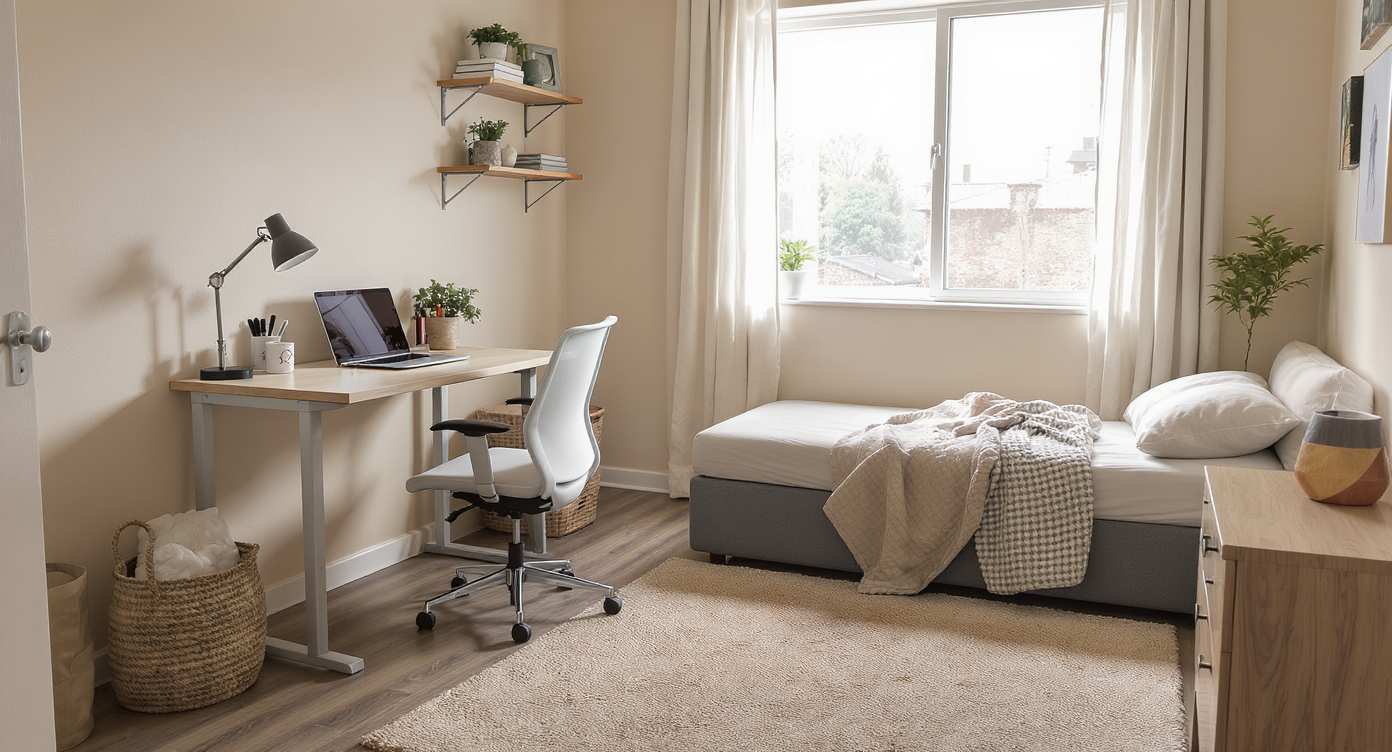
A compact 90-square-foot room cleverly blends an efficient home office setup with a ready guest bed, balancing productivity and comfort.
The appeal of a dedicated home office or a comfortable guest room is universal, but in homes where every square foot counts, these ambitions often must share a single, modestly sized room. Converting a compact space—sometimes as little as 9 by 10 feet—into a haven for both productivity and hospitality can feel like trying to solve a puzzle with no straight edges. Yet, designers and homeowners alike continue to unlock creative solutions that blend efficiency, comfort, and style. The process of making an office and guest room coexist smoothly comes with unique challenges. From the need for flexible furniture to rethinking storage, the key lies in prioritizing furniture & flow while respecting the room's daily demands. The right approach can recharge your workspace on weekdays and refresh your guests come the weekend.
-
Compact Spaces Call for Furniture That Transforms
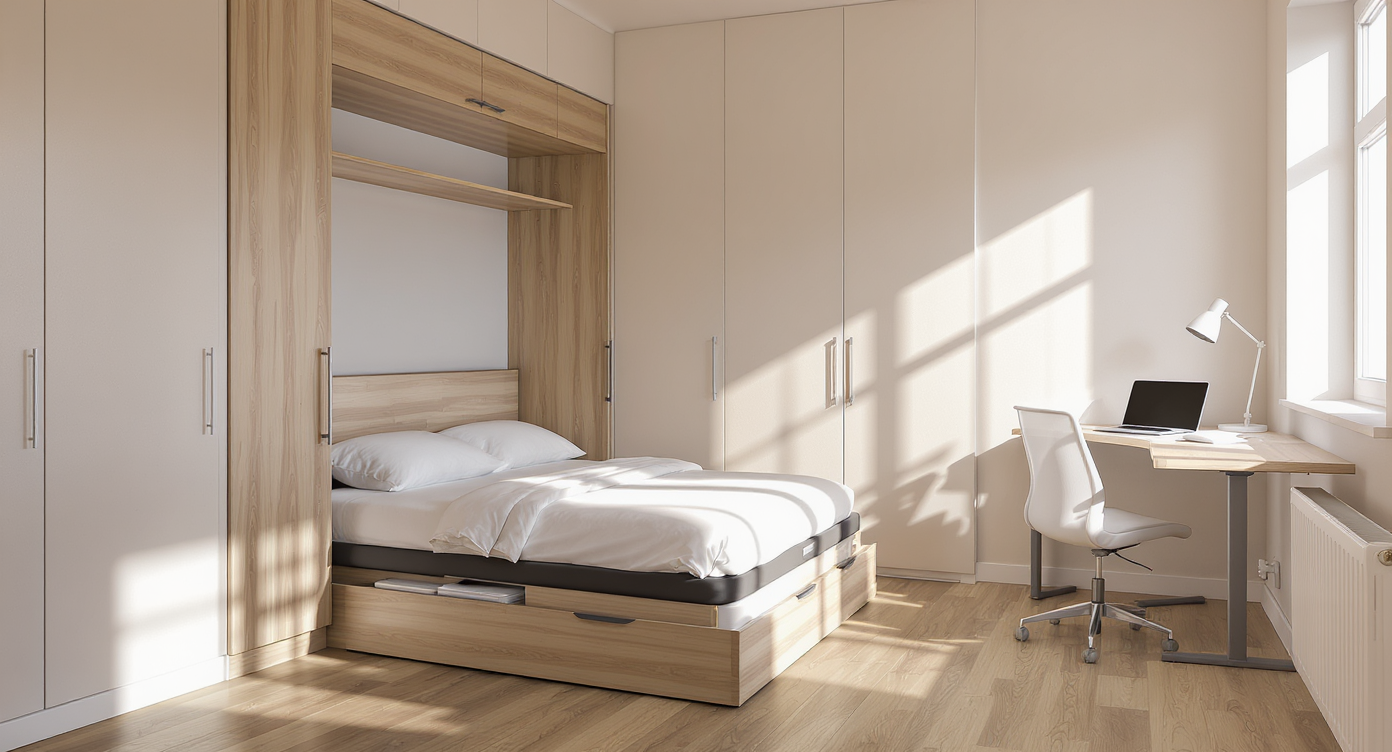
A 90-square-foot room with a Murphy bed stowed away, built-in storage, and a desk by the window, illustrating space-saving, multifunctional furniture.
The balancing act between everyday work and occasional overnight stays demands furniture that knows when to step back. Daybeds, Murphy beds, and sleeper sofas each offer pathways to reclaiming floor space when not in use. Selecting between them often comes down to a few critical factors: the depth of the usable wall, proximity to doors and closets, and how frequently guests will stay overnight. For instance, a full-sized bed may fit only on one wall but could render storage or passageways unusable if not precisely placed. Many homeowners hesitate between a Murphy bed's comfort and a sofa bed's flexibility, wrestling with concerns about mattress quality or the logistics of opening mechanisms. Both options, however, can work if you select models with streamlined footprints and integrated storage—a transformative trick in rooms barely spanning ten feet across. When choosing, weigh how often you use the space for each function. Those who work from home daily may lean toward a setup where a slim desk and chair claim the room's brightest corner, while guest accommodation takes a supporting role. For those prioritizing hospitality, a pull-out bed that doesn't obstruct doors or closets provides welcoming comfort without sacrificing accessibility.
Expert Insight
When Sarah moved into a century-old New England home, she found herself facing the classic small room conundrum: a space needed to serve as her main workspace during the week and host out-of-town guests a few times a year. She debated a Murphy bed—known for their comfort—but struggled with blocking the closet and how it might dominate the space. After weeks of sketching layout options and measuring clearances, Sarah landed on a slim, memory foam sleeper sofa and a floating desk by the window. Now, she enjoys natural light while working and can reset the room for company in less than fifteen minutes, proof that the right layout unlocks both function and welcome.
-
Prioritizing Flow, Light, and Storage in Tiny Multi-Use Rooms

A small multi-use room efficiently combines a work desk near the window, elevated storage above the bed, and clear walkways for functionality.
Every inch matters in rooms under 100 square feet, and maintaining clear paths can impact how both guests and residents experience the space. Designers often advise keeping at least a 24 to 30 inch walkway around and between the major pieces. This prevents the claustrophobic feeling sometimes caused by bulky furniture—an especially common pitfall in compact offices-cum-guest rooms. Windows become crucial allies. Desks placed near natural light not only enhance productivity but also create a more inviting ambiance for guests. Positioning the work zone by the window frees up depth along deeper walls for a bed or couch that can double as a reading nook. Storage design must evolve, too. Traditional closets, particularly the kind that swing inward, can be liabilities if blocked by furniture. In such scenarios, slim wardrobes or tall narrow dressers step in as functional alternatives. Vertical storage, from floating shelves to shallow bridge cabinets above beds, releases valuable floor space and keeps the room breathable. According to our small bedroom storage guide, rethinking the typical nightstand in favor of narrow dressers or wall-mounted organizers gives tight rooms a new lease on organization.
-
Making Guest Comfort and Work Focus Equally Possible
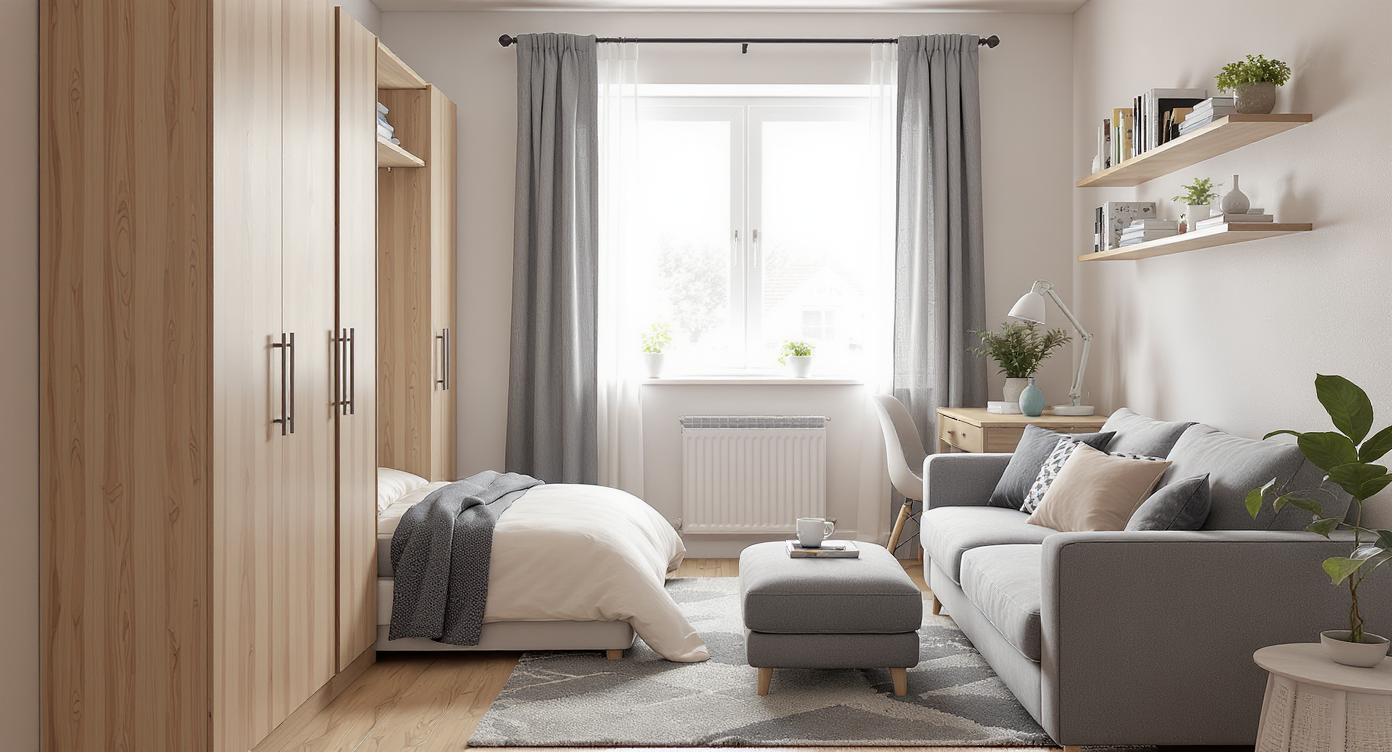
A compact guest room and office balances comfort and utility with a Murphy bed, floating desk, accent wardrobe, and clutter-free layout.
The dual nature of these compact spaces brings an ever-present negotiation between comfort and utility. For occasional guests, comfort is non-negotiable. Too often, sleeper sofas and futons get a bad reputation for thin mattresses, but recent models with memory foam or hybrid constructions can rival traditional beds. Meanwhile, Murphy beds with integrated shelving front or decorative features can de-emphasize their size and help the room transition fluidly between modes. For the work-at-home resident, the need for a clutter-free desk area may outweigh even the best guest experience. Floating desks, wall-mounted monitors, and adjustable lighting save surface area and encourage focus. As demonstrated in our feature on small-space home offices, corner desk placements and floating storage free up the rest of the room for additional seating and sleeping accommodations. Tradeoffs are inevitable, yet thoughtful furniture arrangement and a willingness to address everyday habits honestly—such as rarely using a closet for hang-up guest clothing—help anchor decision making. Swapping closet doors for bifolds, or replacing seldom-used closets with accent wardrobes, means each visit feels thoughtful, not cramped. And if guest stays are infrequent, a more office-forward layout can make daily life far easier.
Visualization Scenario
Picture entering a 9 by 10 foot room painted in restful neutrals. A streamlined desk sits beneath a large window, harnessing sunlight for productive hours. Against the far wall, a modern daybed with concealed drawers converts swiftly into a cozy sleep surface—no need to haul extra linens from another room. Tall shelves display books and plants above, leaving the floor free. The closet has been replaced with a slim wardrobe that doesn’t disrupt movement, and the space feels spacious enough for both focused work and a guest’s luggage. In less than a minute, the work zone vanishes and the space transforms into an inviting retreat.
Office-Guest Room Layout FAQ
The right choice balances comfort and a compact footprint. Daybeds, sleeper sofas, and wall beds (Murphy beds) all suit these spaces, but selection should be tailored to how often you host guests and how much daily floor space you need cleared.
How can I maximize storage without crowding the room?
Look upward. Utilize space above the bed or desk for shelves or cabinets and switch out bulky nightstands for slim dressers. Learn more about optimizing storage in our small bedroom layout guide.
Can an office be truly comfortable as a guest room?
Yes, with careful planning. Choose ergonomic chairs and adjustable lighting for the office portion and consider a quality sleeper sofa or wall bed with upgraded mattresses for your guests.
How should furniture be arranged to keep the room functional?
Clear 24–30 inch pathways, keep the desk near natural light, and avoid blocking doors or closets with large pieces. See our furniture arrangement guide for small spaces.
Where can I visualize possible furniture layouts before committing?
Try online room planners or upload your room photo to ReimagineHome.ai to experiment with different bed-and-desk setups before you buy.
A Room That Works for Work, and for Guests
Designing a compact office and guest room is equal measures honest assessment and inventive problem-solving. It demands that every decision about furniture, storage, and layout serves more than one purpose, from day-to-day productivity to welcoming overnight guests. The most successful rooms achieve a visual lightness, functional storage, and natural navigation. Explore tools like ReimagineHome.ai to visualize unique furniture arrangements for your own dual-purpose projects—achieving a space that supports both how you work and how you welcome others.