7 Practical Steps to Make a Three-Bedroom House Feel Like Home When Living Alone
TL;DR
Moving into a large, empty house on your own can feel daunting, especially if you're puzzled by design choices and worried about costly mistakes. This list covers key practical strategies to help anyone translate a blank slate into a welcoming, affordable, and distinctly personal home without needing to hire a designer. Expect clear steps, confidence boosters, and tips for making each room work for you.
Why Your Blank Canvas is an Opportunity
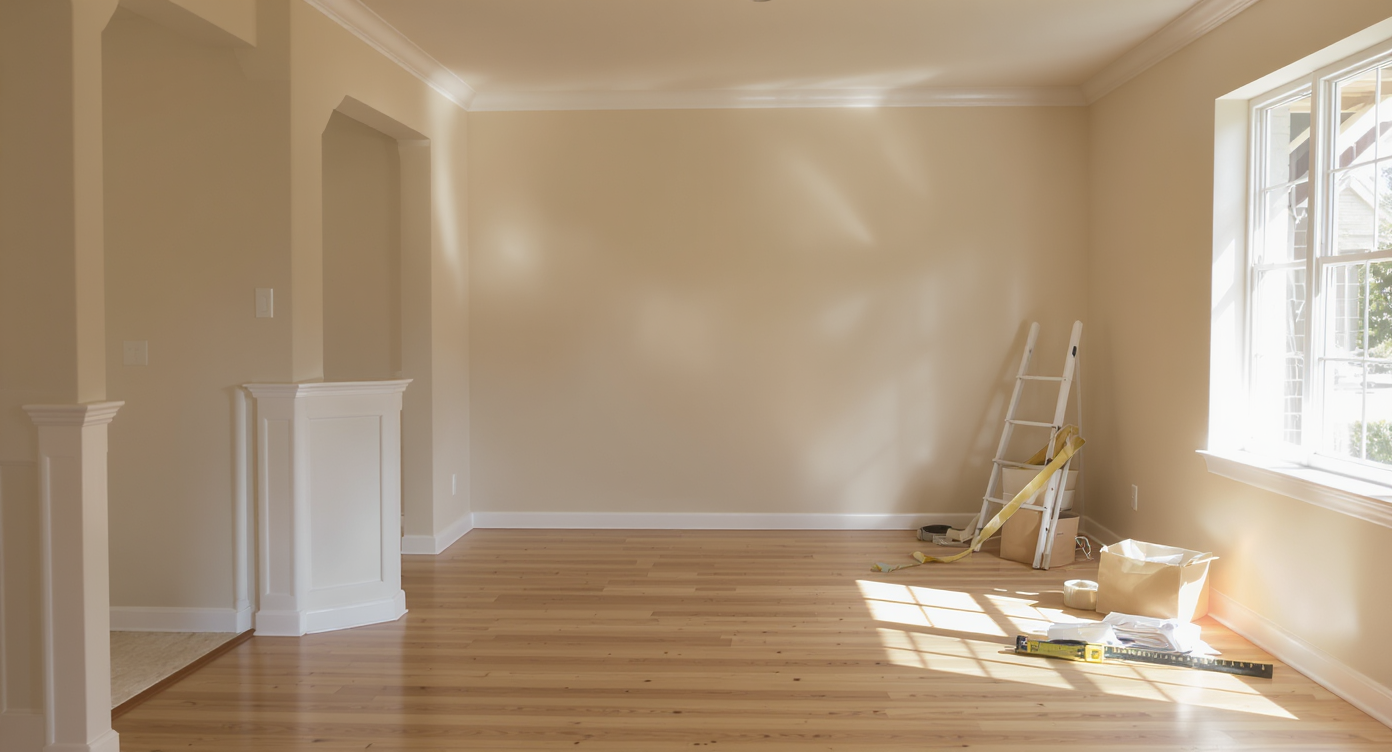
A blank, beige-painted three-bedroom house with basic tools and unopened boxes, perfectly capturing the first overwhelming moment of moving in alone.
Taking possession of a bigger home than you expected—especially when it is painted a safe but uninspiring color—can feel overwhelming for a solo dweller. The open space and empty rooms present more choices, but this can easily lead to beginner confusion, hesitation around paint choices, and concerns about affordable design. This guide is designed for anyone facing that same feeling of 'now what?' when stepping into a bare house alone. It's about moving forward with intention, avoiding costly errors, and building a home that authentically reflects who you are—without the expectation that you must become an instant interior design expert. Each step breaks the process into doable actions, supported by advice that experts and homeowners reliably use for best results.
-
1. Assess Function Room by Room
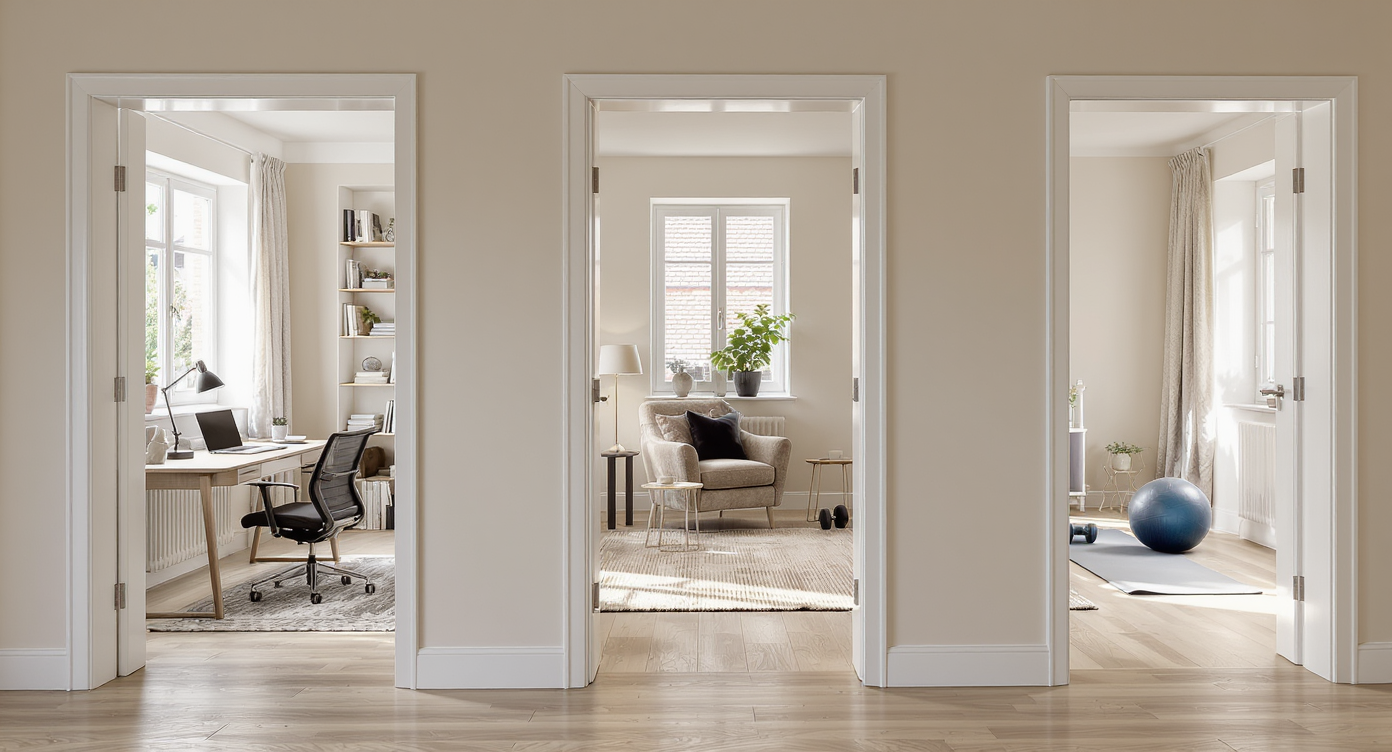
Three adjacent rooms in a house, each with a distinct function: office workspace, comfortable reading retreat, and minimalist home gym.
Before buying decor or painting walls, clarify what you need from each space. Living alone gives you flexibility—turn that spare bedroom into an office, game lounge, or creative studio, depending on your hobbies. Too many homeowners default to a generic setup, but professionals recommend making spaces align with how you live. Think through your routines: do you want a reading retreat, a home gym, or a dedicated workspace? Assign a clear purpose for each room, which instantly reduces overwhelm and focuses your shopping and decorating decisions.
-
2. Start with What You Own and Layer Gradually
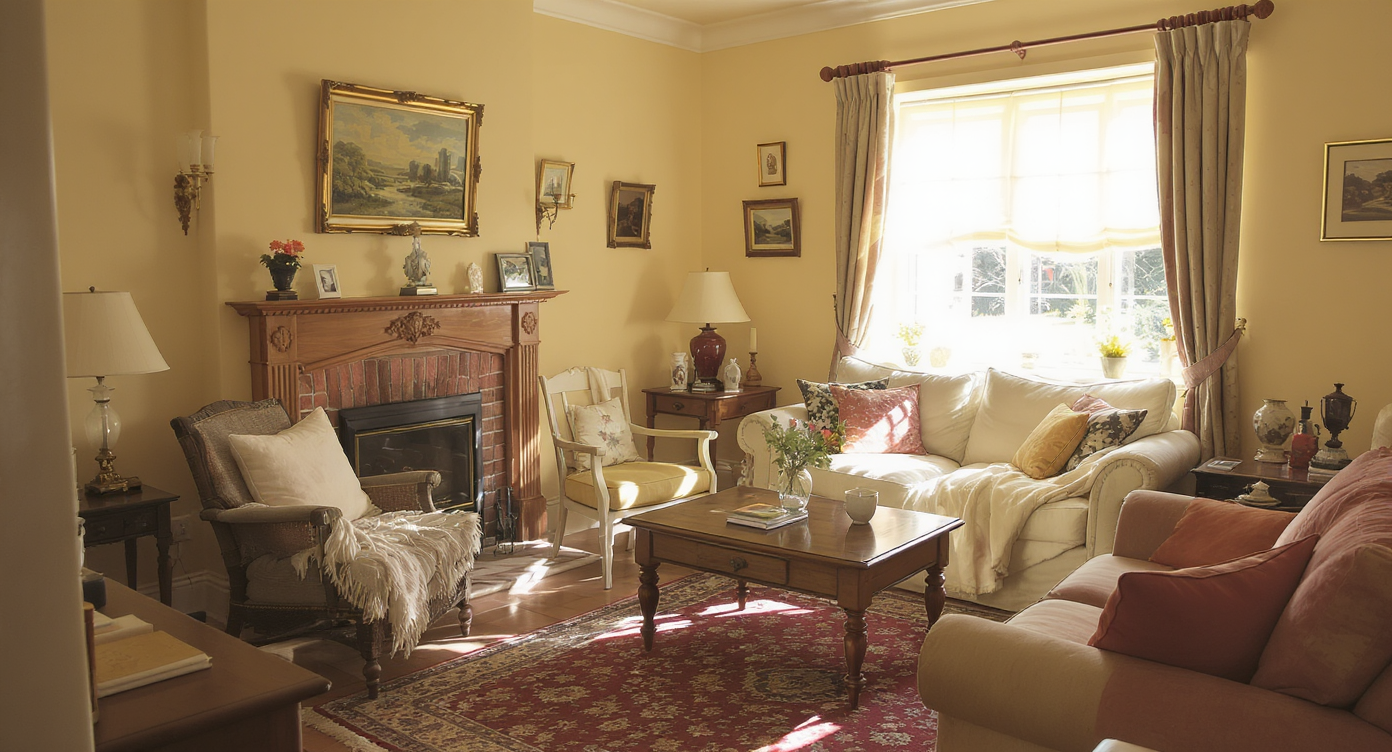
Mix of used and new furniture with thrifted accessories in a living room, showing the process of layering and evolving the space gradually.
It's common to feel that existing furniture is not ideal, but most designers agree you should start with what you have. Place the core pieces you already own, see how they work in the larger space, and identify the gaps. This minimizes regret and unnecessary purchases. As your needs evolve and your budget allows, you can upgrade one item at a time. Thrift stores, estate sales, and local marketplaces offer affordable design alternatives, making incremental improvements accessible.
-
3. Let Wall Color Decisions Simmer—Sample First
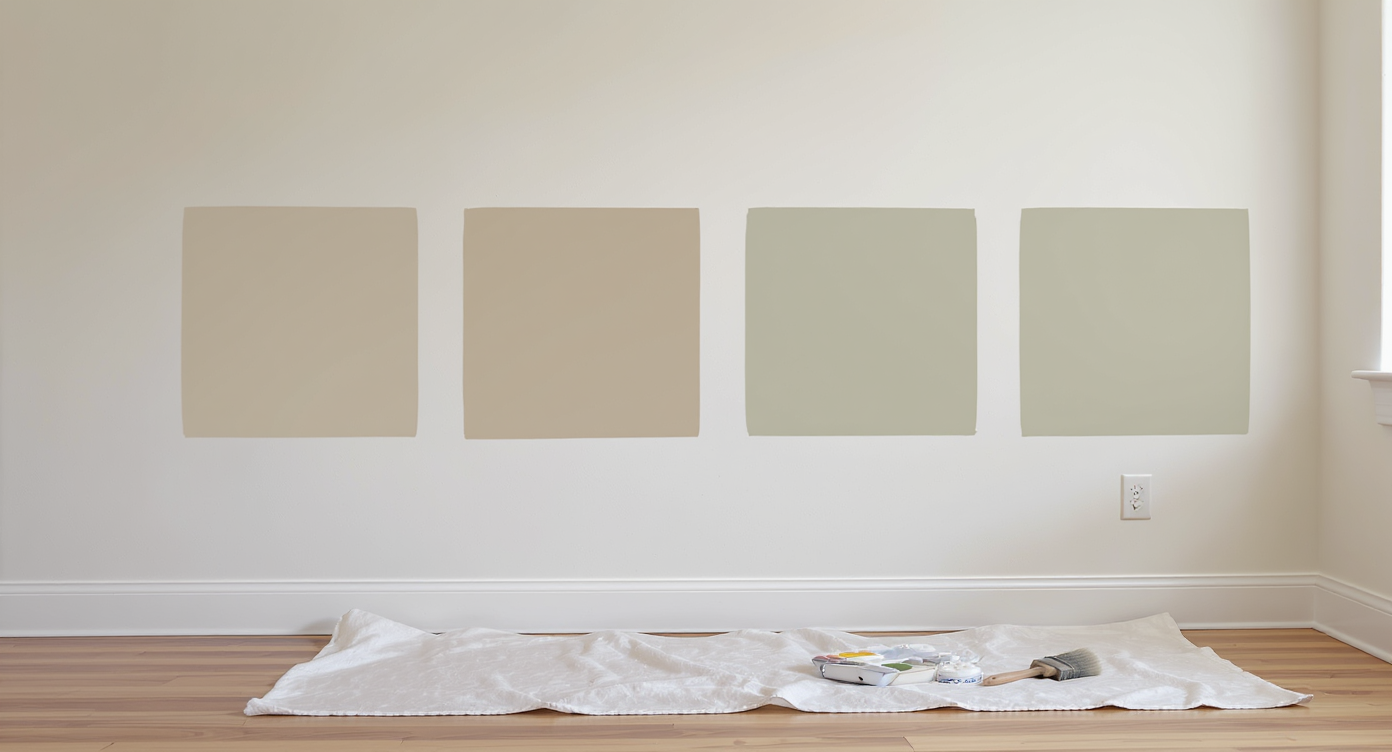
Paint color samples in four shades are tested directly on a living room wall, thoughtfully arranged to observe their true appearance in natural light.
Many homeowners feel pressured to pick the 'perfect' color immediately, but paint is both forgiving and affordable. Instead of rushing, collect swatches or sample pots in 3 to 5 shades and apply sizable patches to your walls. Watch how each reacts to natural and artificial light before making a commitment. For structured advice on confident paint choices (including how paint interacts with existing flooring or cream walls), reference our breakdown in the 5-step paint color system. Being methodical helps prevent buyer’s remorse and costly do-overs, especially for those new to interior design ideas without hiring a designer.
-
4. Break the House Into Manageable Zones
Attempting to decorate an entire house at once leads to paralysis. Instead, segment the project by zones: tackle one room or area at a time. This approach is especially helpful for those easily overwhelmed by too many decisions or options. Start with the room you’ll use most—often the living room or bedroom—and finish it to a usable degree before moving to the next. Not only does this method build visible progress, it keeps motivation high. According to our guide for first-time homeowners, working step-by-step yields a personalized, balanced living space.
-
5. Add Life with Plants and Textiles
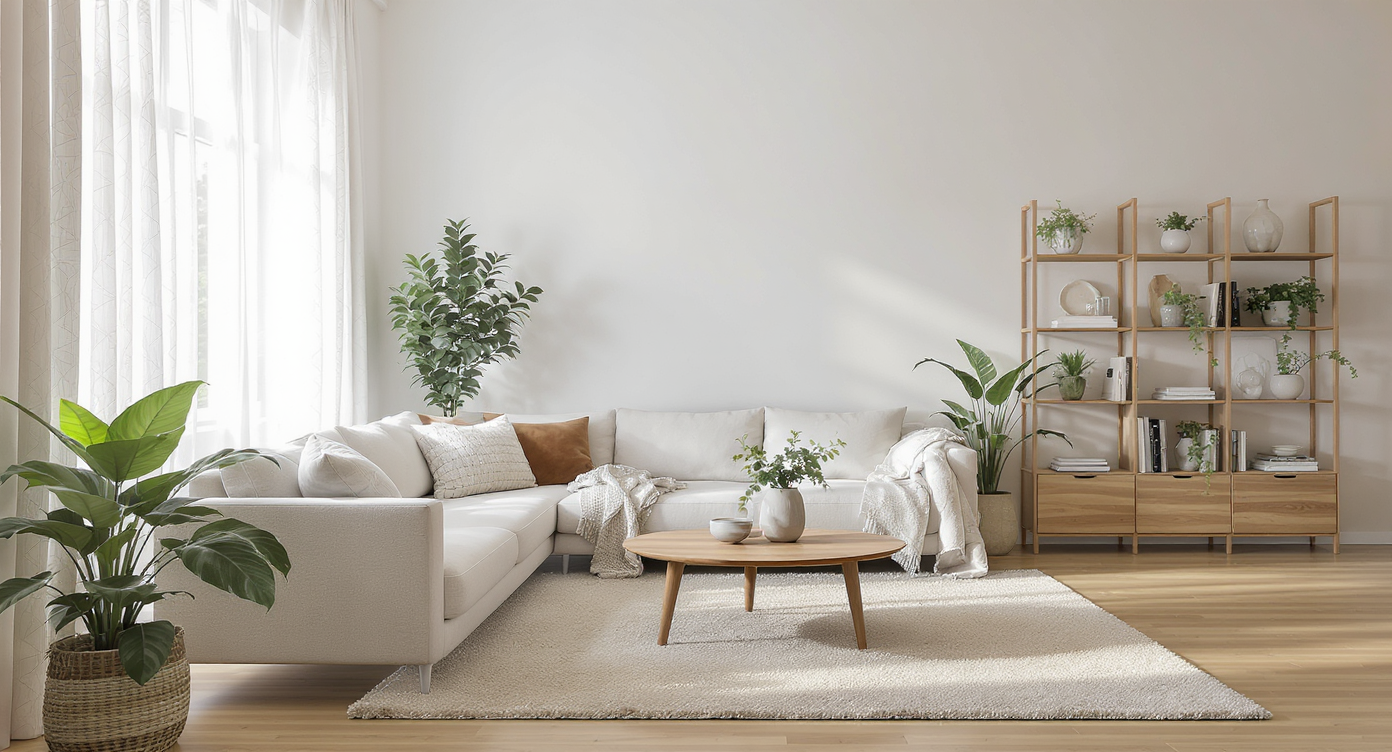
A neutral living room transformed by layered textiles and lush plants, demonstrating how affordable elements can create a warm, lived-in feel.
Once foundational furniture is in place, bring in affordable design upgrades like plants, curtains, and rugs. Greenery instantly makes rooms feel lived-in and helps with air quality. Meanwhile, adding curtains, throws, and area rugs brings softness and color contrast to neutral-painted walls, making spaces less sterile. Designers often notice that even a basic room with a neutral palette is transformed by the right combination of textiles and organic elements, helping reduce the look of emptiness without major renovation.
-
6. Personalize with Art, Lighting, and DIY Details
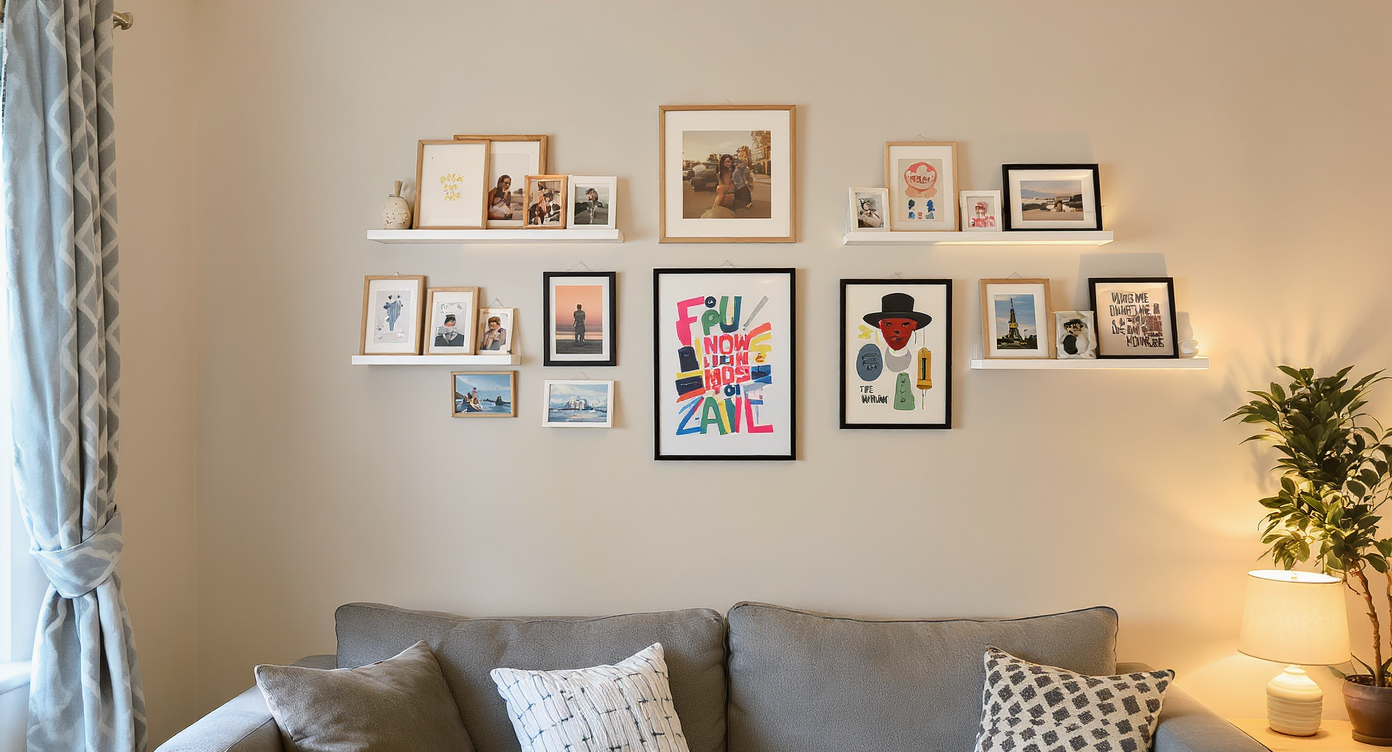
A living room corner showcases art on shelves, personal photos, unique lamps, and creative DIY accents for a personalized touch.
Bare walls and plain lighting can make any home feel impersonal. Begin by curating a few pieces of affordable art, personal photos, or favorite posters. If you are hesitant about permanent holes, try picture shelves or removable hooks. Swap out generic light fixtures for lamps with interesting shades or upgrade a few bulbs to warmer tones. DIY home decor is especially effective here—designer-approved home decor ideas include simple paint updates and custom projects that boost comfort and individuality even in rental-friendly ways.
-
7. Seek Out Visual Planning Tools for Confidence
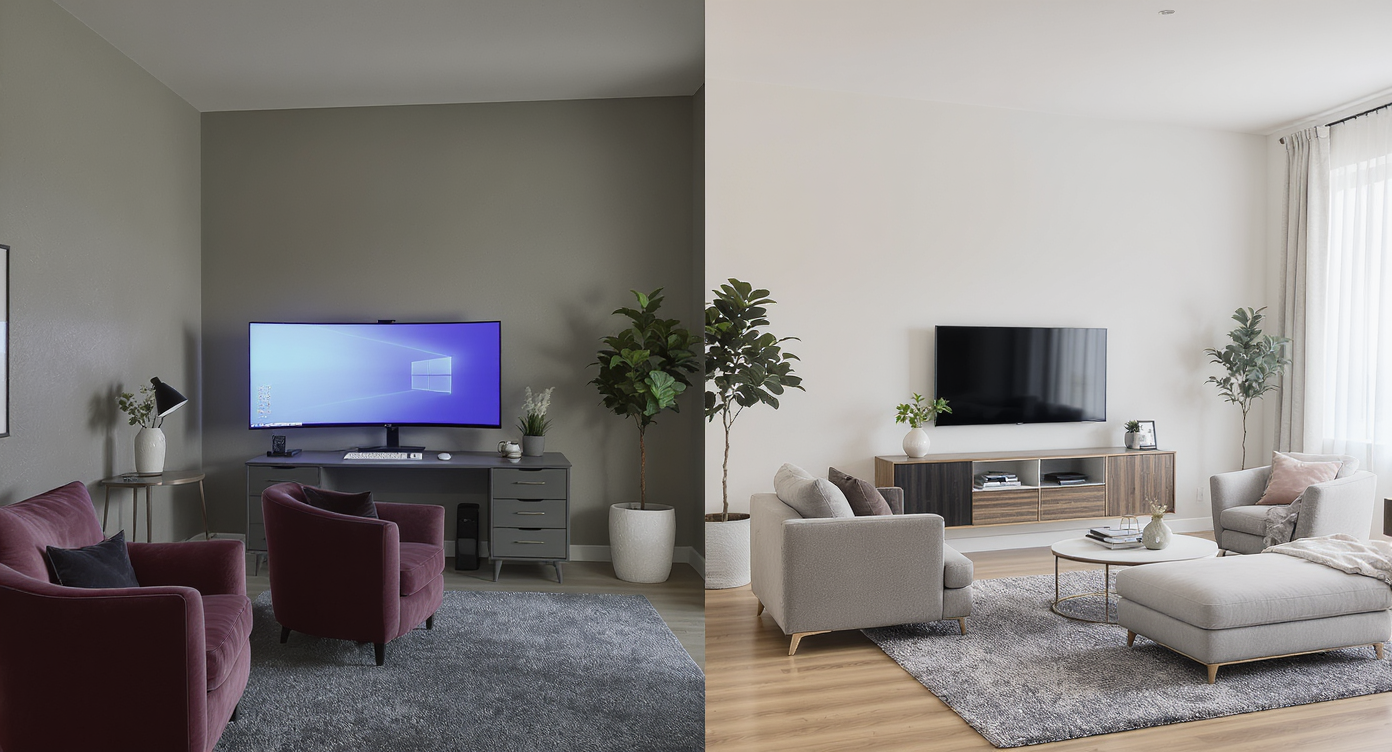
A home office setup with visual planning software, paint swatches, and measurement tools for testing and refining interior design ideas.
If you are hesitant to trust your own taste or visualize end results, digital mockup platforms can give peace of mind. These tools allow you to test layouts, colors, or arrangements before making changes. One especially flexible tool is REimagineHome.ai, which homeowners can use to simulate different design choices, compare paint colors, and experiment with layouts safely before spending money or lifting a paintbrush. For those with a 'measure twice, cut once' mindset, such resources are invaluable for testing and refining ideas in advance.
Common Questions on Decorating a Solo Home
Consider your daily routine and hobbies. Start by listing your needs—work, relaxation, exercise, entertainment. Assign each room based on how you realistically spend your time rather than defaulting to traditional labels.
Is it expensive or risky to experiment with wall colors?
No. Paint is one of the most affordable design elements to change. Sample a few options using large swatches in each room, as described in our paint color guide. If you dislike the result, repainting is straightforward.
How do I keep my design affordable and cohesive?
Build gradually. Use what you have, supplement with second-hand finds, and add textiles for quick cohesion. Check examples of affordable decorator tricks to stretch your budget while ensuring style consistency.
What if I need help visualizing changes before committing?
Digital planning resources like REimagineHome.ai let you experiment with different design options and gain confidence in your choices without physical risk.
Should I decorate the whole house right away?
Work room by room to avoid overwhelm. Tackle the spaces most used first, and allow the design to evolve in line with your daily life and needs.
Bringing It All Together: Your Pace, Your Personality
Redesigning a sizable, empty home alone can be more empowering than intimidating when approached as an incremental process rather than a single leap. Focus on function and comfort first, allow wall colors and furnishings to develop over time, and use plants, textiles, and art to infuse personality. Take one area at a time and remember that each step offers the freedom to adapt as your preferences evolve. With the help of visual planning tools like REimagineHome.ai and concrete advice from experienced designers, anyone can overcome beginner confusion and design a unique, welcoming space at their own speed.