Why Some Townhomes Linger: Understanding Buyer Preferences and Listing Strategies
TL;DR
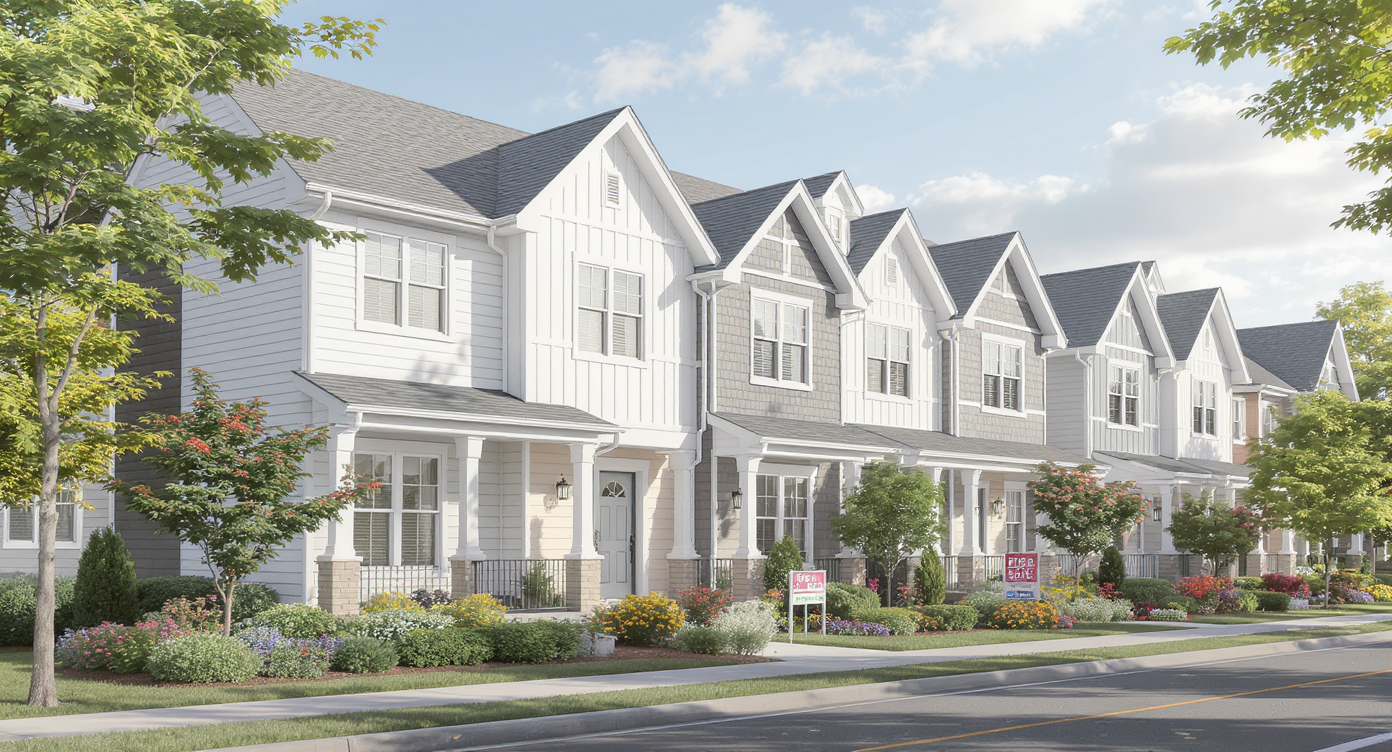
Townhomes, especially interior units in suburban settings, may sell more slowly than single-family houses, even amid low inventory. Factors like HOA fees, number of bathrooms, listing visuals, and buyer expectations play key roles. Fine-tuning price, honest presentation, and realistic virtual staging are critical strategies to attract buyers for compact homes.
When a Townhome Sits in an Otherwise Hot Market
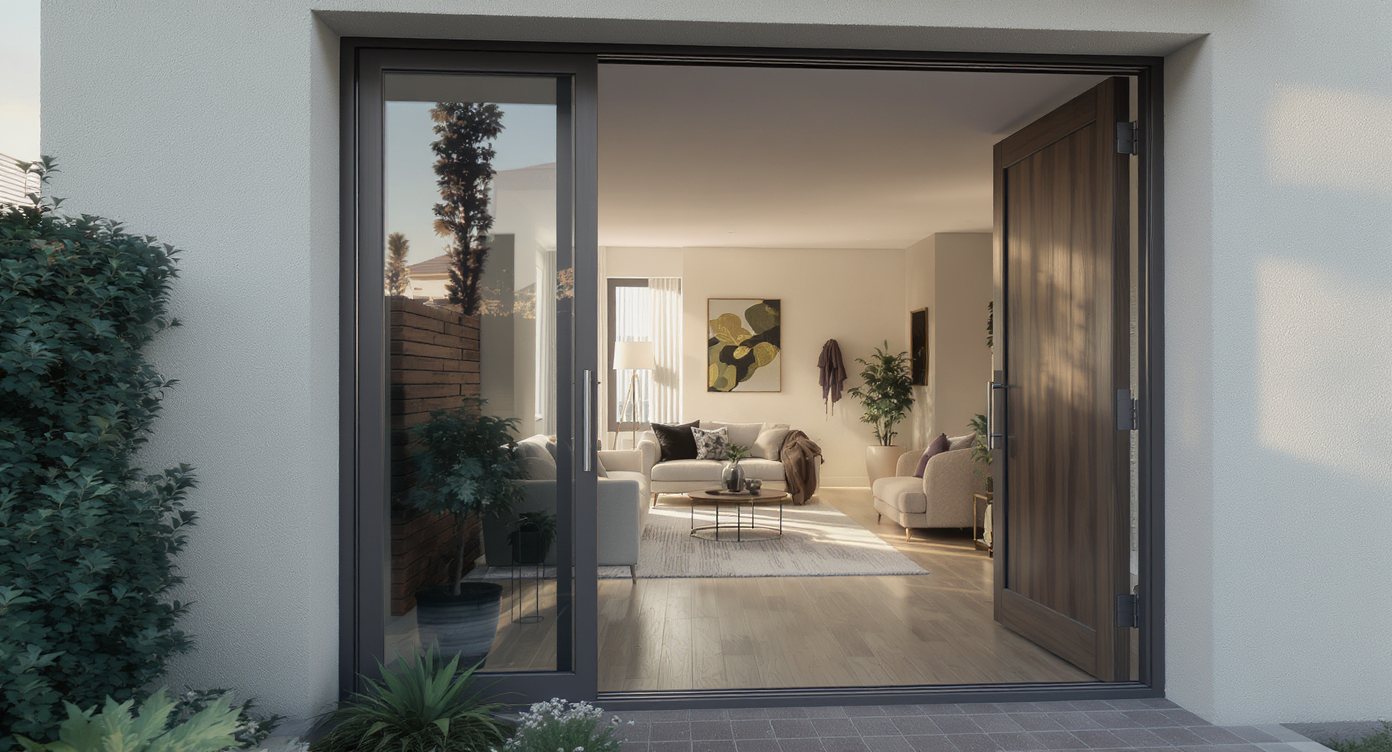
A modern, carefully staged townhome living space prepared for showings, with daylight and marketing materials but no buyer activity visible.
In a brisk real estate market, it is natural to wonder why certain listings lag while others draw multiple offers overnight. Sellers of compact homes—especially interior townhomes—often find themselves asking what makes their property stickier than neighboring single-family homes. Despite diligent upgrades, neutral palettes, and competitive pricing, some townhomes quietly accumulate days on market, prompting confusion and second-guessing. Disappointment can set in quickly, particularly when open houses are quiet or showings stall. This frustration is not unique—countless homeowners have faced the puzzle of "Everything is selling except my townhome." Yet, understanding what drives the difference in buyer response between townhomes and detached houses is essential for both sellers and agents. Subtle nuances in layout, fees, marketing tactics, and even presentation style can all affect the pace and price a compact property commands.
-
Unpacking the Compact Home Disadvantage
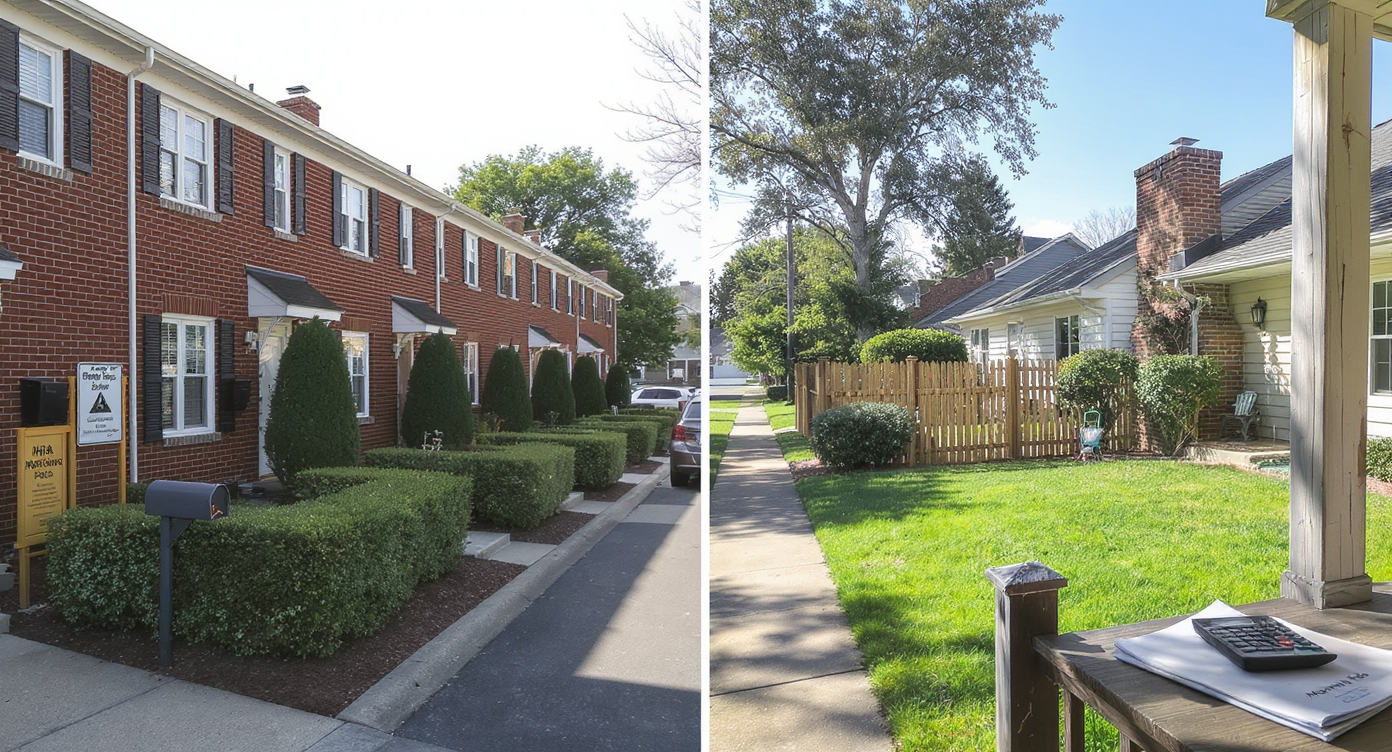
A suburban street contrasts compact townhomes with HOA features beside a detached single-family house, illustrating buyer priorities.
Compact homes such as townhouses cater to a narrower segment of buyers compared to single-family houses. Many families seek standalone properties for privacy, yard space, and flexibility in customization. In suburban neighborhoods, especially, townhomes are more likely to serve as entry points or transitional dwellings rather than forever homes. This means the buyer pool prioritizes value, low-maintenance living, or location over long-term investment. Alongside this, homeowners associations (HOAs) can be a double-edged sword. While they maintain curb appeal and cover essentials like snow removal or landscaping, monthly dues often deter budget-conscious buyers. For someone comparing a $300,000 single-family home with no HOA to a $274,000 townhome with a $290 monthly fee, the perceived financial gap narrows quickly. Many buyers calculate not just purchase price, but their total cost of living—factoring in HOA assessments, potential special fees, and limits on personalization or future rentals. These elements help explain why some compact homes, despite appearing move-in ready and well-priced, may not prompt the same rush as their detached neighbors.
Expert Insight
When Sara listed her suburban townhome, she expected a quick turnaround—updated appliances, clean spaces, and a prime location seemed like sure bets. After two weeks with little interest, she wondered if her listing was "cursed." But an honest price adjustment and subtle staging—the addition of lush towels, a cheerful plant, and some brighter lighting—helped visitors picture themselves in the space. The offers soon followed, proving that sometimes a little patience and a few strategic tweaks make the difference.
-
The Impact of Amenities and Layout Choices
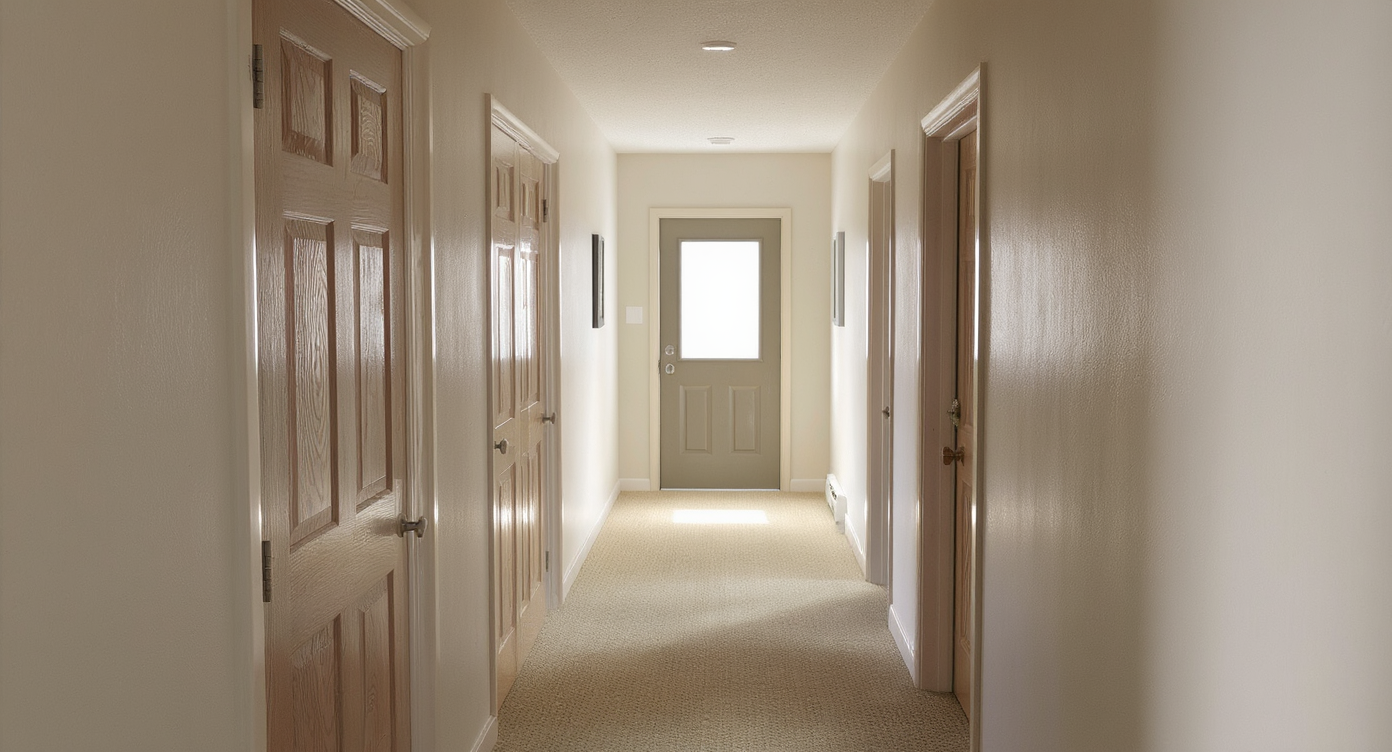
A realistic townhome interior highlights the impact of layout and amenities: three bedrooms share one bathroom, with minimal storage and natural light.
Buyers scrutinize details such as bathroom count, storage, and light more than ever. Three bedrooms with only one full bathroom can be a sticking point—it is common today for even couples or small families to expect two full baths, especially in a home targeting young families or downsizers. An interior townhome, lacking in extra windows or yard, can also feel less open or private. This shifts attention to smaller details: ceiling height, closet space, or even proximity to common amenities. If the direct competition includes end units or homes with more bathrooms, these advantages turn into powerful differentiators. As many agents note, only true apples-to-apples comps—those matching both size and amenities—can guide fair pricing. Overlooking these distinctions often leads to listings that seem well-positioned on paper, but do not resonate with real buyers searching for functional daily living, not just specs.
-
The Influence of Listing Visuals and Virtual Staging
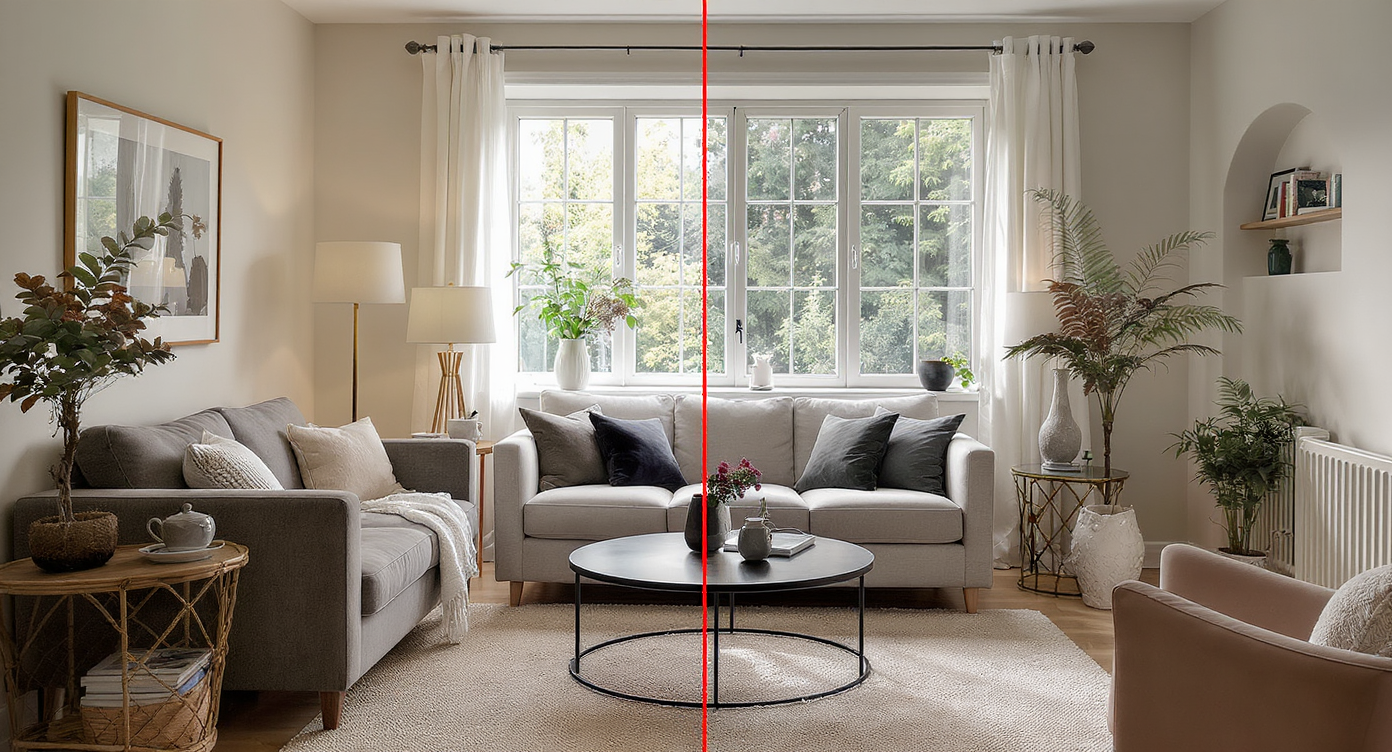
Authentic vs. digitally staged listing visuals: left shows a real compact living room, right highlights virtual edits and enhancements.
First impressions for compact homes begin online. Listing photos that stand out can make or break buyer engagement—according to AI-edited listing visuals and virtual staging best practices, transparency is paramount. Overly stylized digital furnishings or altered features create disconnects; a home that looks magazine-perfect online yet sparse or oddly arranged in person leaves visitors feeling misled. Virtual staging, when disclosed and paired with originals, can help clarify a space’s potential. However, using digital features to correct non-staging deficiencies—like altering wall color or erasing permanent fixtures—undermines trust. Many buyers are now attuned to these techniques and often skip listings they perceive as artificial. It is vital for listing visuals to match the actual showing experience, especially in compact homes where spatial scale and light are harder to judge online. As explored in the limits of virtual staging, edits should inform, not disguise.
-
Pricing Matters—But So Does Presentation
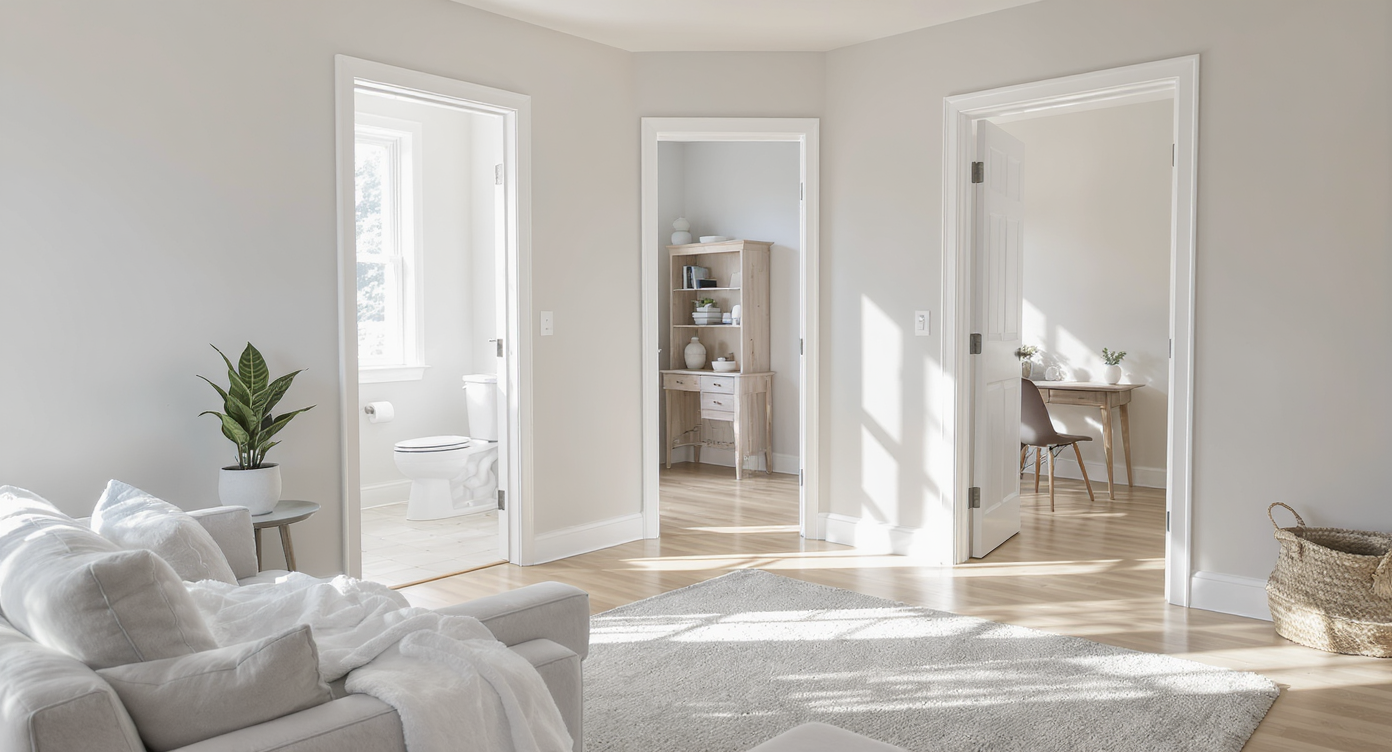
Simple, budget-conscious staging—neutral decor, cozy accents, and flexible room use—creates an inviting, market-ready townhouse interior.
Price remains a fundamental driver of buyer interest, but presentation holds its own silent sway. If the only listing activity comes after price reductions, or neighboring comps with more features sell faster, the market is providing feedback. Still, a "no frills" home does not have to feel bland. Honest staging, natural light, and a few inviting touches—a cozy rug, fresh towels, or a cheerful houseplant—can soften hard edges and spark imagination. For those balancing budget and impact, strategic DIY staging and professional photos go further than either alone. According to budget-friendly staging tips, focusing on decluttering, neutral finishes, and room purpose yields higher buyer engagement than investing in costly renovations that do not add proportional value. Sellers who highlight flexibility—such as showing bedrooms staged as a home office or exercise room—expand appeal without major spend.
-
Navigating Timing and Buyer Psychology
Time of year, local market rhythm, and even weather can affect compact home traffic. In many northern climates, winter brings slower sales for all but the most in-demand properties. Buyers with school-age children are less likely to move mid-year, diminishing the draw of even “coveted” school districts in off-peak months. Savvy agents often recommend patience and recalibrating expectations: in hot markets, single-family homes can sell in days, but attached homes may require weeks or months, particularly if they lack standout features. Instead of panicking after two weeks, consult your agent regarding average days on market for properties with similar amenities and location. Sometimes a small tweak in pricing or the addition of a fresh lead photo can reinvigorate buyer interest and keep the listing top-of-mind.
Visualization Scenario
Picture a compact three-bedroom townhouse, freshly cleaned with sun streaming in through a living room window. A soft rug anchors the sitting area, while the dining nook is set with simple, inviting place settings. Rather than filling the room with computer-rendered furniture, a single vase of real flowers sits on the counter, lending both color and authenticity. Online, side-by-side listing photos show the actual unfurnished rooms and a subtle virtual overlay, clearly labeled, making it easy for buyers to imagine their own belongings in the space.
Townhome Selling Strategies: FAQ
Townhomes attract a different, often smaller, buyer pool. Issues like shared walls, HOA fees, limited yard space, and layout limitations (such as having only one full bathroom) can lower demand compared to standalone houses.
Does virtual staging help or hurt compact home sales?
Virtual staging helps only when it is clearly disclosed and stays true to the actual space. Overdone or misleading virtual staging can turn buyers off, as detailed in guidance on winning buyer trust.
How much should I adjust the price if my townhome is not selling?
Adjustments should be based on comparable townhomes, not single-family homes, with careful attention to features like number of bathrooms, end unit status, and HOA costs. Dropping price in small increments may not yield new interest; consider market breakpoints.
Should I invest in real staging, or is it enough to use virtual alternatives?
A mix is often best. If real staging is not feasible, minimal improvements—adding soft goods, plants, or art—combined with honest virtual images present the most welcoming, trustworthy option for buyers.
Where can I find additional guidance for marketing my compact home?
Explore resources and tools at ReimagineHome.ai for up-to-date advice tailored to 2026’s nuanced market.
Key Takeaways for Compact Home Sellers
Understanding why a townhouse lingers while detached homes move quickly involves honest self-assessment and market awareness. Buyer expectations around layout, amenities, and fees are higher than ever in 2026. Transparent, accurate listing visuals and realistic virtual staging set the tone for trust, while mindful pricing aligns with how buyers compare options. For sellers, investing effort in the buyer experience—both virtually and in person—makes a difference. Seek out honest feedback from open house guests, monitor competing listings, and draw on resources like ReimagineHome.ai for smart, market-attuned strategies. In the end, smart preparation and adaptability help even "no frills" townhomes find the right match, without rushing to deep discounts or second-guessing every showing.