7 Practical Ideas for TV Placement and Main Social Space Flow in Open-Concept Living Rooms
TL;DR
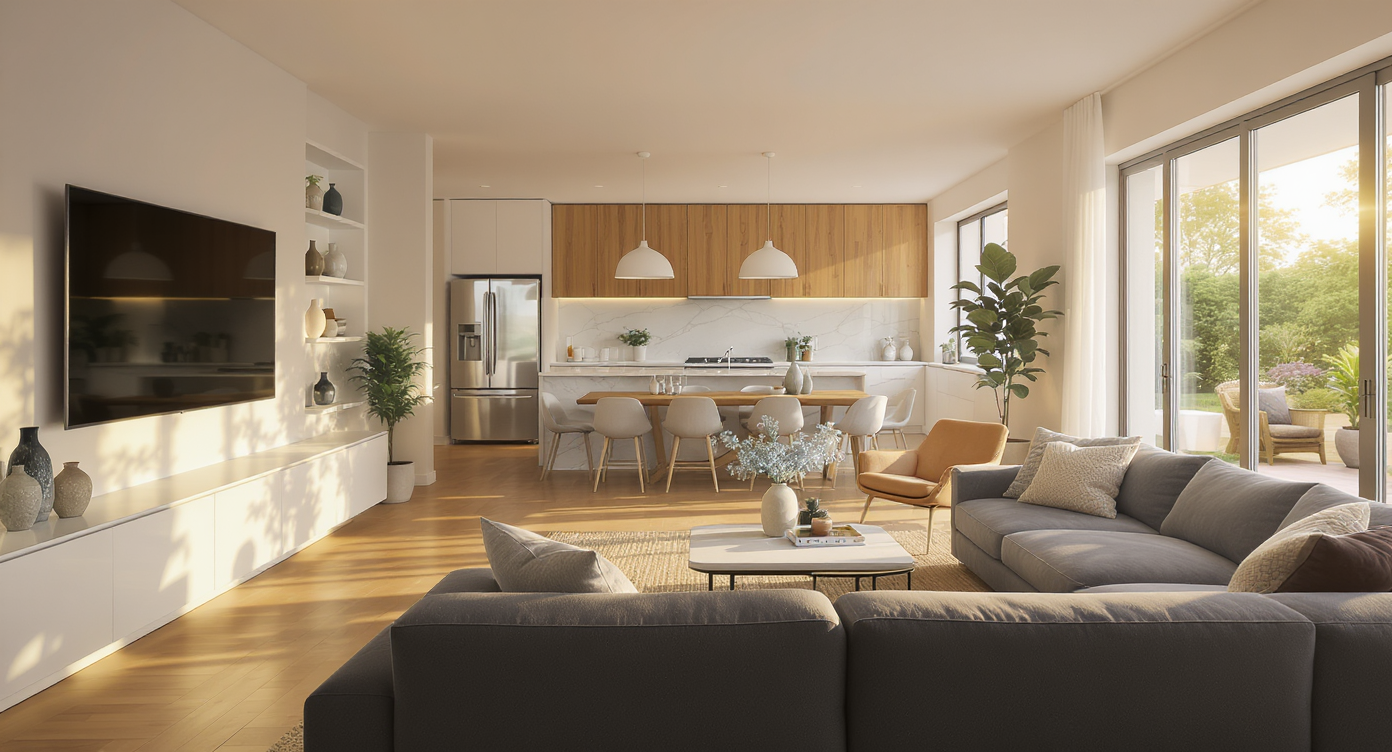
Optimizing your TV placement and overall main social space flow is essential in open-concept living rooms. Whether your style leans modern, minimalist, or boho, these tips support adaptable layouts, improved views, and a design that works for both daily living and entertaining.
Why TV Placement Sets the Tone for Modern Living Spaces
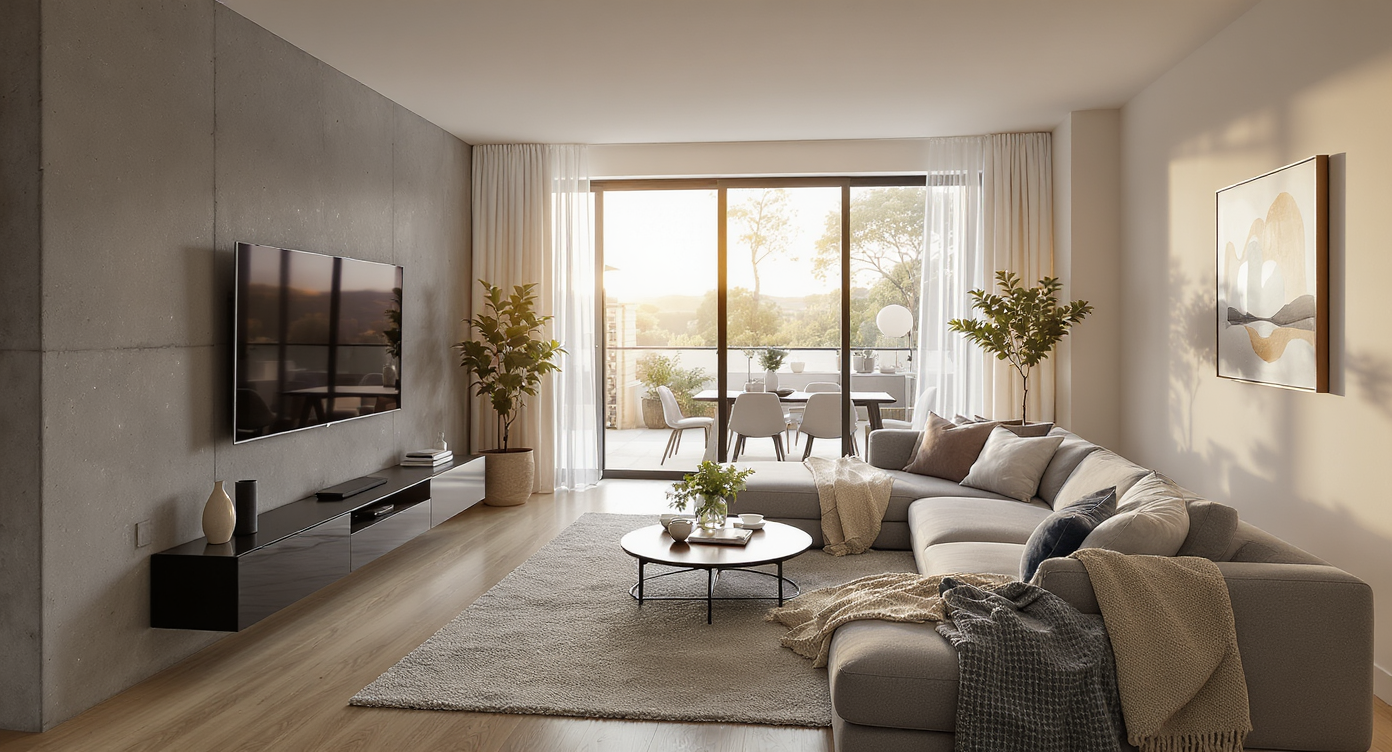
A photorealistic open-concept living space with a TV on a dividing wall, showcasing how placement shapes flow and conversation areas.
TV placement in a main social space is more than logistics. It influences how people interact, where gatherings happen, and the atmosphere you experience at home. For apartments and homes with open layouts, every decision—from where to center the rug to what views are preserved—impacts comfort and design fluency. Designers note that a well-planned arrangement encourages effortless conversation and connection while maximizing natural light or outdoor views. If you crave a modern, minimal, or even boho feel, start with the basics of furniture and flow to avoid awkward layouts and make the most of your space, no matter the architectural hurdles. Every redesign is an opportunity to align your daily rhythms and aesthetic goals.
-
1. Treat the TV as a Focal Point—But Not the Only One
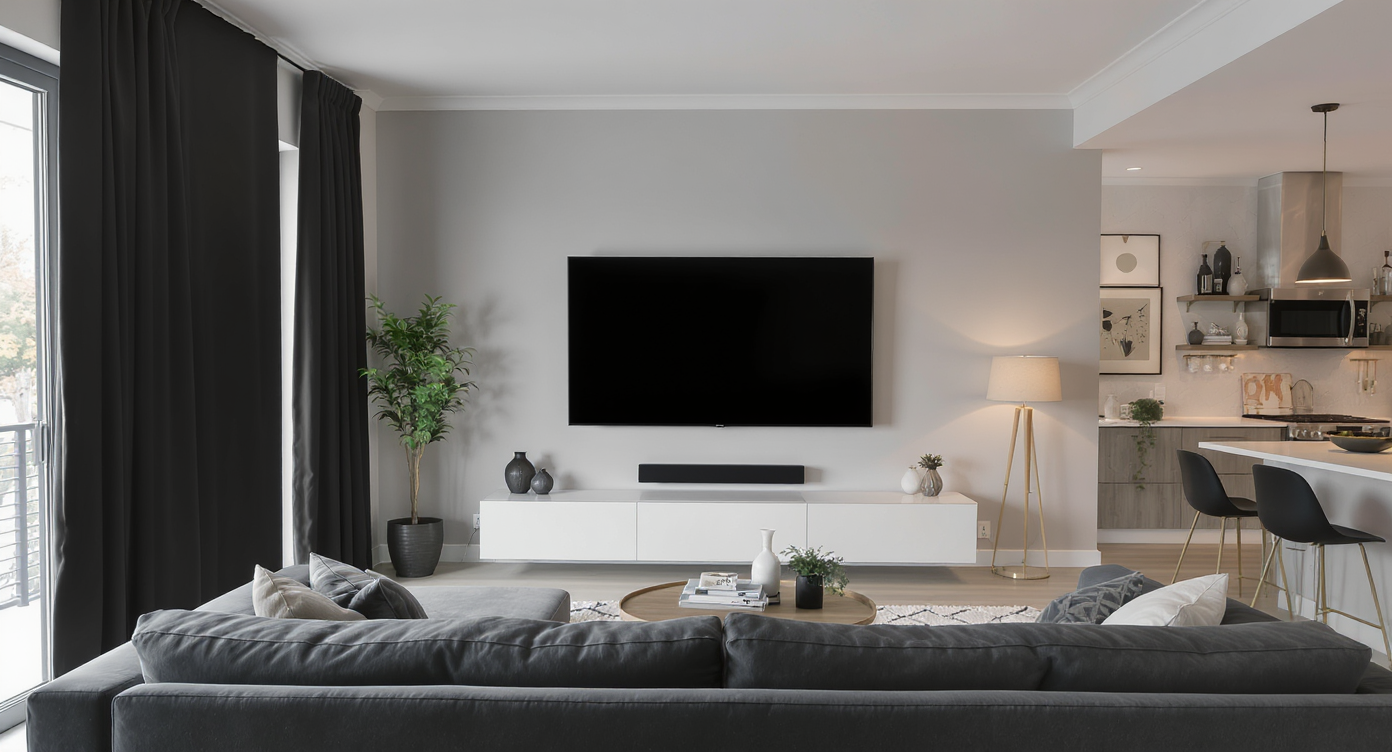
Balanced living room layout with TV on a solid wall, blackout curtain for glare control, and a secondary focal point for visual depth.
Treating the TV as your main focal point is practical for solo relaxation or casual news-watching. Yet designers often caution against letting it dominate the space visually. Position the TV on a solid wall that feels natural for viewing, ideally avoiding direct glare from windows. If the only available spot is on a wall shared with a window, use blackout curtains or an anti-glare mount. Spacing sightlines so the room feels balanced means grouping major pieces—sofa, rug, media cabinet—around the TV, but with enough distance that it does not crowd entrances or block primary circulation paths. Modern layouts can mix comfort with intentional sightlines by reserving at least one secondary focal point (like a view, art, or well-styled bookshelf) to give the room depth.
-
2. Collaborate With—Not Against—Architectural Features
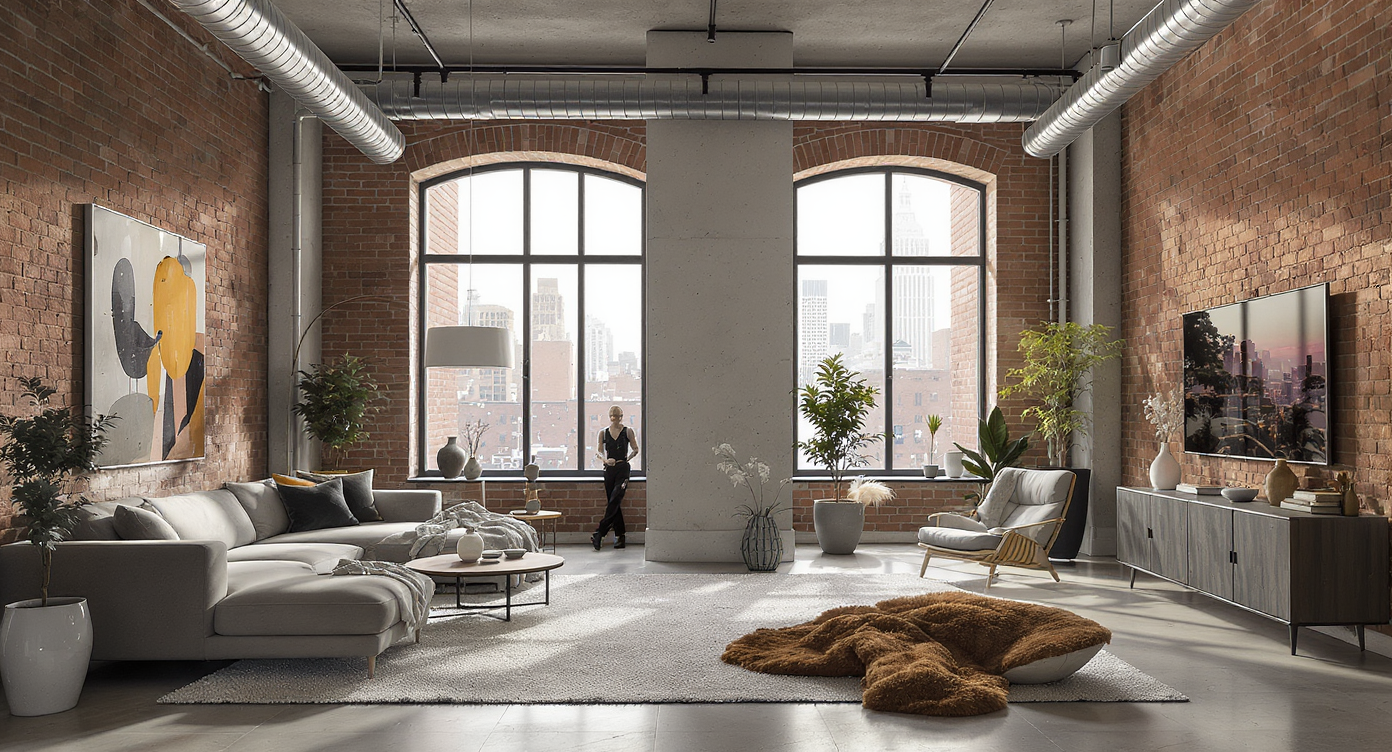
Open-concept loft showcasing a thoughtful furniture layout that works with structural columns and windows, preventing cluttered corners.
Structural columns, odd niches, and wide windows are common in urban apartments and converted lofts. Rather than fighting these features, use them as guiding lines for arrangement. For example, if a column stands between the living area and a window, float your seating to face a permissible wall, leaving clearances around the architectural obstacle. According to insights from our guide on sofa size vs. layout, even when obstacles can't be moved, furniture arrangement should respect the envelope of the room—including built-in quirks. A well-chosen layout will highlight your best angles while preventing dead corners from becoming storage zones.
-
3. Plan for Flow Around Furniture & Entrances
Main social spaces double as walkways in most open-concept homes, so traffic needs must factor into the design. Experts recommend maintaining at least 30 inches—ideally 36 inches—of clearance behind seating and between major pieces so movement feels unforced. This is especially crucial near terraces, balconies, or open sightlines to kitchens and dining areas. As surfaced in our furniture arrangement and room flow guide, marking invisible boundaries with a rug or sectional can subtly define where social space ends and circulation begins. Those boundaries help keep spaces both welcoming and uncluttered.
-
4. Reserve Window Views Without Sacrificing Function
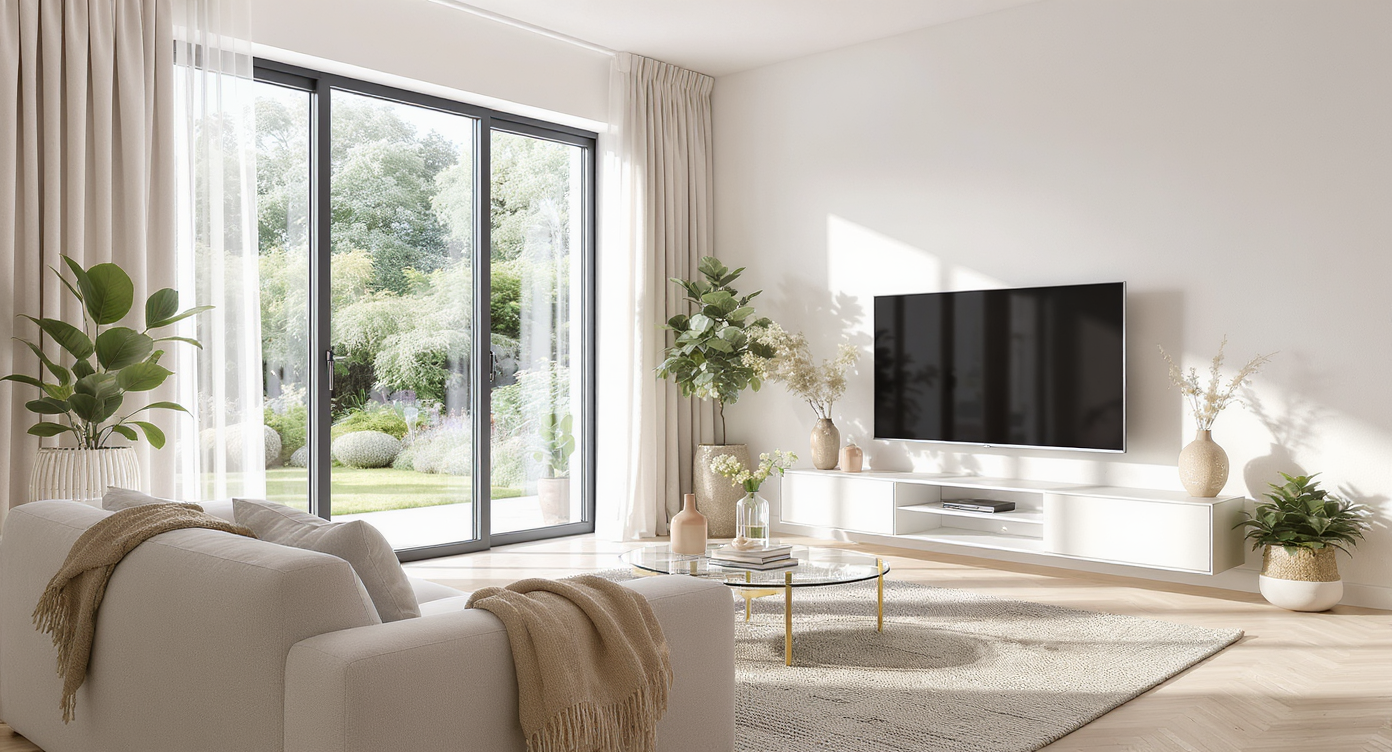
Floating the sofa and using a mobile TV stand preserves window views and allows natural light to fill an open-concept living space.
Maximizing natural light and views is a signature luxury move, regardless of decorative style. When considering the placement of a 75-inch TV or similar large piece, avoid blocking the clearest sightlines to outdoor scenery or light sources. Float the sofa away from expansive windows and angle the TV in a spot where glare is minimized. In situations with pillars or limited walls, consider mobile TV stands or mounts designed for unconventional installations. Transparent or minimalist furniture in a boho or modern setting can further protect those views without adding visual heaviness.
-
5. Test Layout Changes Digitally Before Committing
Making substantial layout changes can be daunting if you aren’t sure how everything will coexist. Modern AI design tools, such as REimagineHome.ai, allow you to visualize potential layouts and test different orientations for your main furnishings before moving anything. You can see how a large entertainment unit or piano will look, measure clearances, and check the impact on window exposure—all digitally. This practice minimizes regret and helps you move forward with confidence, especially when working with large or valuable pieces.
-
6. Anchor Your Social Zone With Right-Sized Pieces
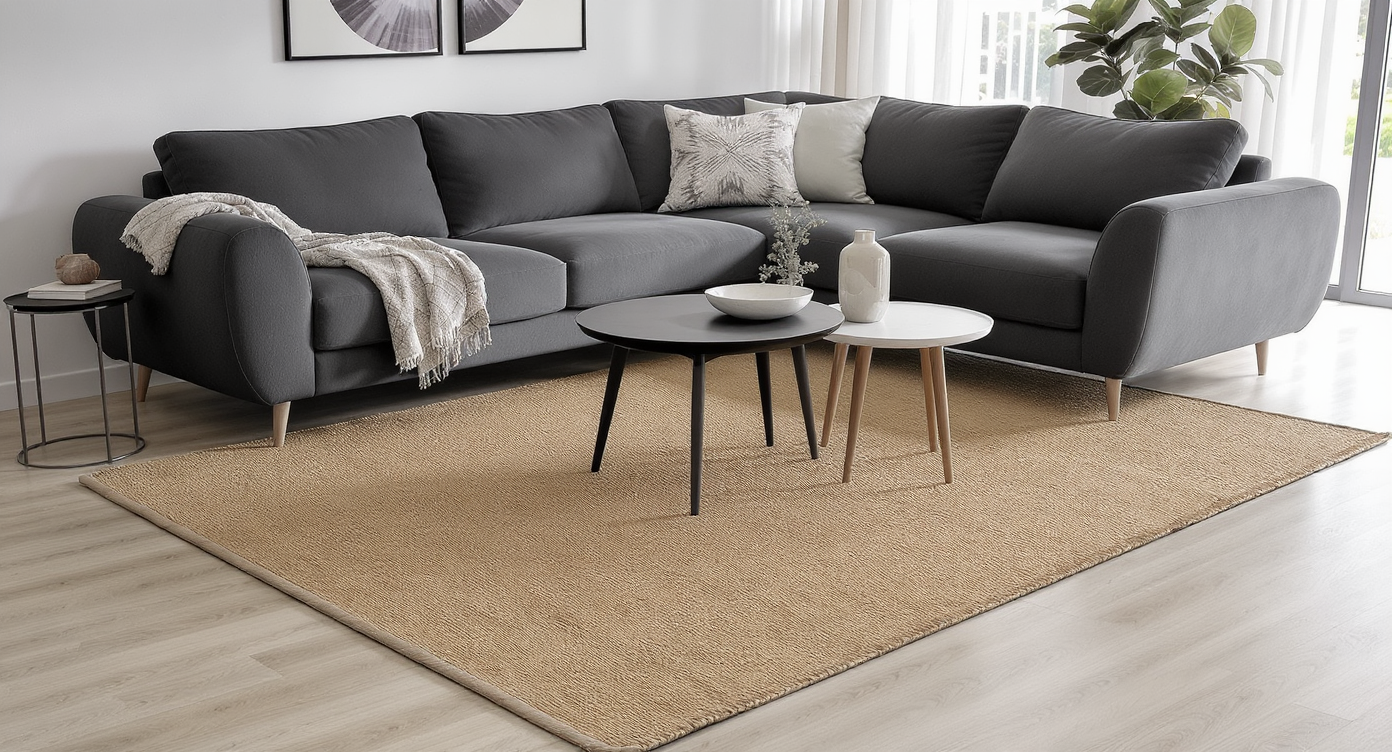
A well-proportioned rug anchors a modern seating area, with all front sofa legs resting on it, demonstrating cohesive and intentional layout decisions.
A rug that is too small or a couch picked without considering scale can undermine both comfort and sophistication. According to our breakdown of how to match sofa and rug dimensions, an ideal rug should frame the seating area so that front sofa legs rest firmly on it, giving the space a natural anchor. In minimalist or modern homes, choosing a couch that fits the scale of the room—not just available floor space—protects against visual clutter. Those aiming for boho flair can layer rugs and add playful tables, as long as the primary seating zone feels cohesive and intentional.
-
7. Layer Decor for Comfort and Cohesion
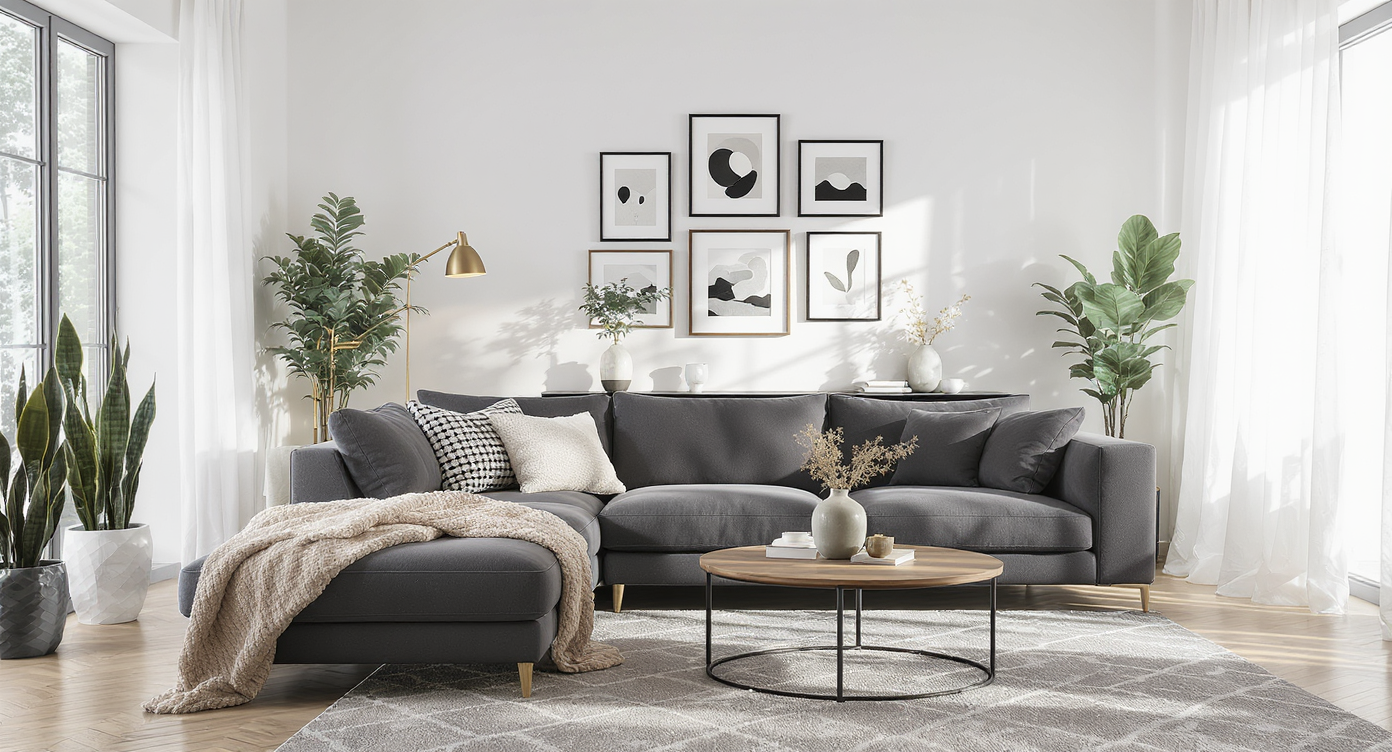
Thoughtful layers—lighting, art, plants, and soft textiles—bring comfort and cohesion to an open-concept living room decor scheme.
Layout alone does not create a welcoming main social space. Thoughtful layers—lighting, art, plants, and tactile accents—make the area come alive, regardless of your core style. The difference between a room that feels "almost right" and one that feels truly inviting often comes down to lighting zones and repeating a core color palette. Our advice on fixes for cozy, cohesive living rooms underlines editing down the clutter, integrating flexible accent lighting, and bringing in greenery or soft textiles to finish the space. Modern, minimalist, or boho themes are more approachable when every piece serves a purpose and contributes to flow.
Frequently Asked Questions
Columns can serve as visual dividers—not obstacles—by adjusting your furniture so the TV faces a solid wall, or by mounting it with specialized column-friendly brackets. Plan around the circulation path and test digital arrangements first for balance.
How much space do I need behind my sofa for good flow?
Between 30 and 36 inches of clearance is recommended for pathways. This makes it easy to walk behind or around furniture, even in narrow open-concept spaces.
How can I keep my room looking modern and not cluttered with a big TV?
Opt for minimalist media units, keep other decor simple, and focus on anchoring points like the right sofa and rug scale. See our advice in the minimalist living room guide.
Is it worth using a tool like REimagineHome.ai for layout experiments?
Yes, it enables you to preview multiple furniture arrangements virtually, which helps avoid costly mistakes and ensures your layout works for both daily use and guests.
What decorative accents should I focus on to make the space feel lived-in?
Layer textures using pillows and rugs, add adaptable lighting, bring in several plants, and repeat accent colors for cohesion, as detailed in our living room fix guide.
Final Thoughts on Adapting Your Main Living Space
Intentional planning is everything in an open-concept main social space. Prioritizing furniture and flow, respecting architectural features, and experimenting with layout changes ensures your living room remains both functional and beautiful. Platforms like REimagineHome.ai help visualize solutions tailored to your personal style, making the process less daunting and more creative.