Updating an Old Home With Great Bones: A Structured Guide to Confident Renovation
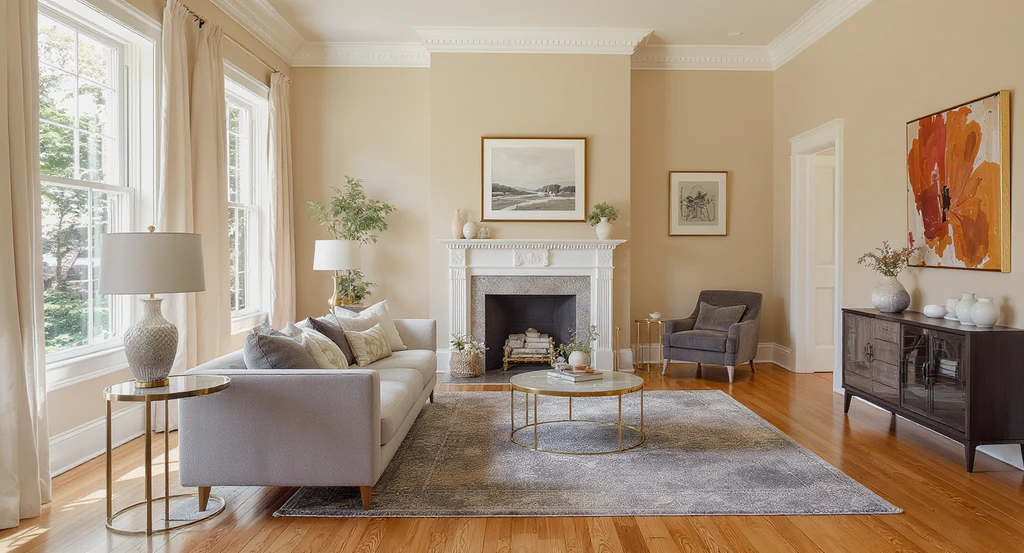
-
Why Old Homes With ‘Great Bones’ Feel Different
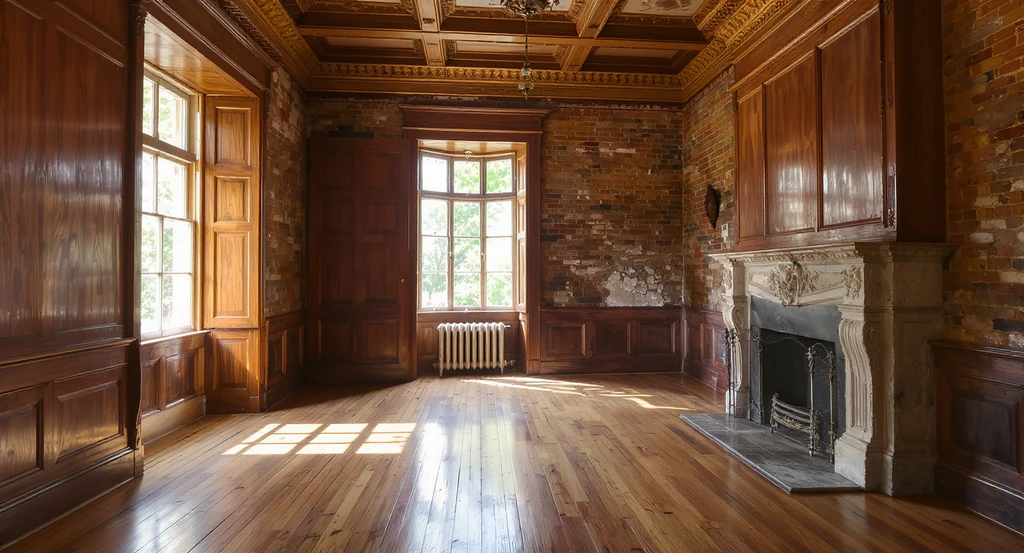
Period architectural elements like original wood floors, brickwork, and weighty trim set the foundation for how to decorate an empty living room, showing what to put in a blank space to make large rooms feel cozy and inviting.
Old homes called “great bones” earn that title for their strong structure and enduring craft: solid wood floors, weighty doors, thick trim, high ceilings, and original stone or brickwork. These elements hold memory and visual weight that new builds rarely replicate. Updates must acknowledge this underlying structure any change will interact with, amplify, or mute these core features. Before diving into design choices, recognize that the feel of the space the warmth, acoustics, light quality, and even the scent emerges from these bones.
-
The Bones & Soul : A REimagineHome AI Model
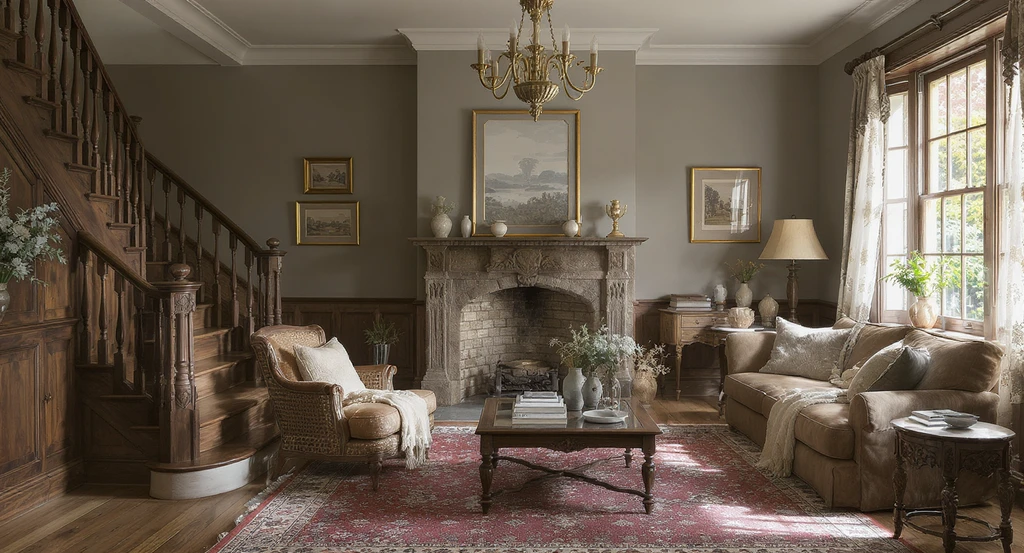
Discover how to decorate an empty living room and fill awkward wall spaces by honoring classic hardwood floors, windows, and a fireplace, while updating wall color, lighting, and furnishings—key ideas for making empty rooms feel cozy.
To support practical, regret-free decisions, use the REimagineHome AI:
- Bones: Structure, craftsmanship, and authentic materials—the unchangeable or costly-to-change elements. Examples: hardwood floors, staircases, windows, fireplace surrounds.
- Soul: The home’s personality and story, shaped by patina, quirky layouts, and layered finishes.
- Surface: Easily adapted or reversible updates wall color, lighting, soft furnishings, hardware changes.
-
Mechanisms and Trade-Offs: What Actually Changes When You Update
Each update alters both perception and experience:
- Painting Original Woodwork? Visually expands or freshens, but sacrifices depth and can permanently erase history. Once done, it's rarely reversed consider carefully, as illustrated by the emotional community reactions to gray-painted wood.
- Replacing Floors? Changes warmth, sound, and value. Laying faux-wood over oak can erase patina, alter acoustics, and impact the tactile experience underfoot.
- Modernizing Trim or Mantels? Can make a room feel fresh and minimal but may diminish a sense of story and craftsmanship (see our exploration of blending old and new).
-
Practical Application-Updating Without Regret
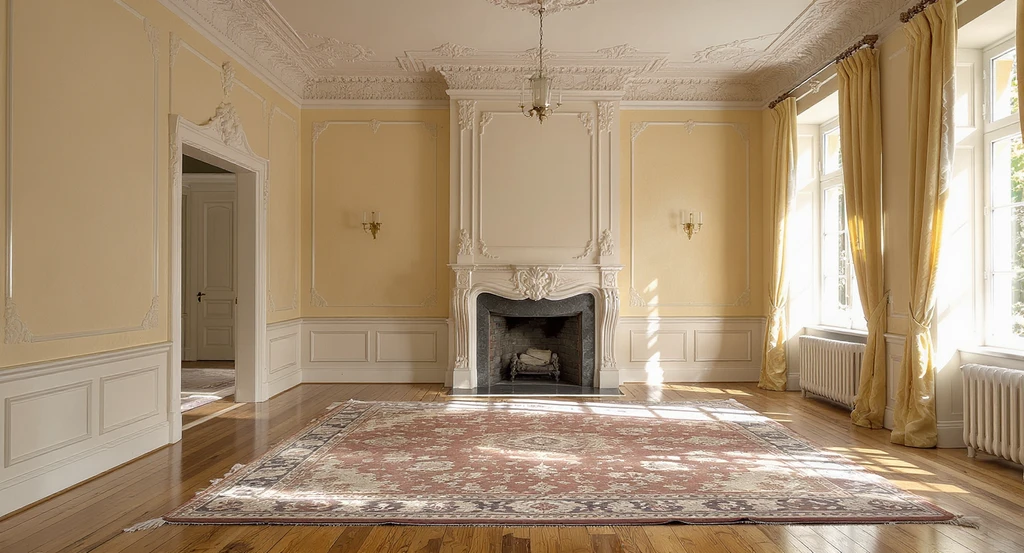
This spacious living room demonstrates how to decorate an empty living room and fill awkward empty wall spaces using layered furnishings, art displays, and digital previews—an effective real-world approach to making a large open room feel cozy and updated without regrets.
Use the Bones & Soul Framework to guide each decision:
- Inventory the Bones: Carefully document what’s original, what’s irreplaceable, and what simply needs care not replacement.
- Visualize Surface Changes First: Test wall colors, lighting shifts, or window treatments in a digital preview before committing. A simple color swap or art rearrangement may give the modern edge you crave while preserving the rest (see our advice on planning smart, affordable updates).
- Layer, Don’t Strip: Where possible, introduce new layers—rugs, light fixtures, removable wallpapers—before permanent alterations. Assess the effect.
- Honor the Soul: Integrate heirloom or vintage elements, balancing modern needs with respect for what gives the home its root identity (learn about blending vintage with new).
- Preview, then Decide: Use visualization tools such as REimagineHome AI to preview proposed changes and feel the space’s mood before committing.
-
Visualization Impact: Reducing Regret, Building Confidence
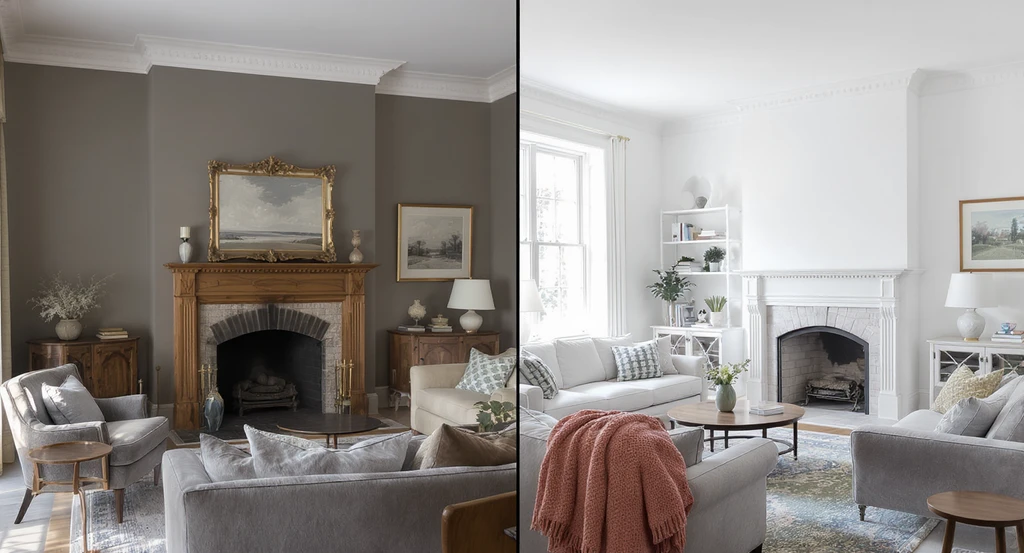
Digital previews reveal how different wall colors and fireplace changes impact ideas for furnishing a large open living room, reduce regret, and inspire effective ways to decorate blank, empty spaces.
Regret in home renovation often emerges from changes that looked good in isolation, but feel wrong when experienced day-to-day. Visualization before decisions bridges this gap. With digital previews, you can see before you commit how gray walls flatten or amplify natural woodwork, how removing a fireplace surround changes a room’s presence, or how new furniture scale interacts with existing light and ceiling height. Using REimagineHome AI reduces uncertainty, reveals potential clashes, and reduces costly or irreversible mistakes.
-
Common Pitfalls: Lessons From Community Debate
Vibrant community discussions reveal a few repeating regret patterns:
- Erasing Too Much Character: Painting over original woodwork or unique trims (often to chase trends) strips irreplaceable warmth.
- Color Drenching Gone Wrong: Overuse of gray or white can sterilize a space, making it feel impersonal or cold. Readers repeatedly cite loss of mood and joy after such decisions.
- Modern Minimal at All Costs: Removing period details, rich moldings, or historic mantels in the hope of maximizing resale often reduces uniqueness and desirability (more on modernization without erasing character).
-
From Inspiration to Informed Action
Old homes are often a blank slate for personal expression, but the best updates balance comfort with authenticity. The loud response to painting woodwork or layering gray on historic details is not simply about dislike it signals the value placed on material richness and inherited personality. Leaning on structured frameworks and visualization empowers you to filter passing trends from the opportunities that genuinely improve both the look and the lived experience.
Frequently Asked Questions
- How do I decide what to keep or change in an old home?
- Use the Bones & Soul Framework: respect structural bones and distinctive features, modernize with surface-level updates, and preview ideas digitally to prevent regret.
- Is it ever okay to paint over original woodwork?
- Painting original wood can visually freshen a space but erases history and depth. Only proceed when the wood is damaged, irreparable, or truly unsalvageable, and preview digitally first.
- How can I modernize without losing the home’s character?
- Modernize through lighting, furnishings, and color—keeping unique architectural features. Explore more strategies in our guide to updating without losing character.
- What are examples of "reversible" home updates?
- Paint, wallpaper, light fixtures, hardware, and furniture placement are all reversible. Permanent changes, like painting wood or removing built-ins, are difficult and often regretted.