Making Sense of Kitchen Color Choices: Visualizing Cabinets, Walls, and Backsplashes in Compact Spaces
TL;DR
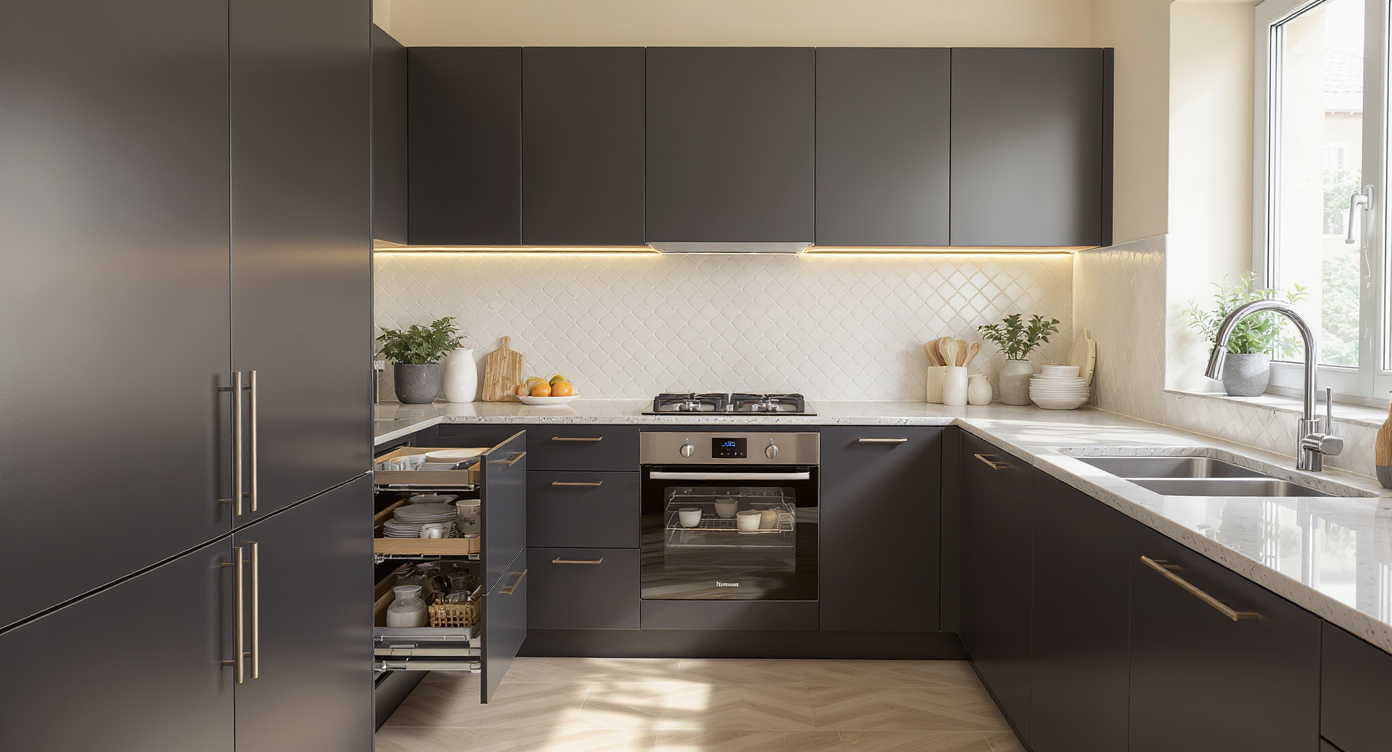
Pairing dark kitchen cabinets with lighter wall colors and thoughtful backsplashes can brighten compact spaces. Layering in simple hardware, varying island finishes, and accenting through decor—not permanent features—helps ensure cohesion without overwhelm. AI-powered kitchen layout and color visualization tools can provide confidence by enabling homeowners to preview changes before making lasting updates.
Why Visualizing Your Kitchen Matters
A compact kitchen seen in daylight with dark cabinets, color and tile samples, and a design tablet, reflecting real-world color choices.
Kitchen design challenges are especially common when homeowners inherit elements like dark cabinetry or complex countertops. Making future-facing design decisions becomes tricky, particularly in smaller kitchens where every color and finish shapes the sense of space. Many people feel overwhelmed by choices such as whether blue, green, or white should dominate, or if a mosaic tile will add interest or simply compete with existing finishes. The crux of the issue is visualization—what will all these ideas actually look like together in your real home? As designers often note, the ability to preview choices can reduce costly mistakes and turn anxious guesswork into confident selections. Today, advanced technology, including kitchen layout design AI and color palette design AI, allows even design novices to experiment with layouts, paint options, or hardware swaps—empowering anyone to achieve the kitchen of their dreams. Understanding how to harmonize color, enhance light, and spotlight what actually matters ensures a kitchen that feels cohesive and personalized.
-
The Power of Light Versus Dark
In a small kitchen, dark cabinets paired with light walls and a pale backsplash create contrast, openness, and visual balance.
Pairing dark cabinets with other elements demands balancing contrast. In compact kitchens, light wall colors tend to expand the room visually, offsetting the density of darker features. Pale creams, beiges, or classic whites on the walls brighten shadows cast by cabinetry and visually lift ceilings, a tactic recommended by many professional designers for smaller layouts. Choosing a backsplash that recedes—like white or cream subway tile—avoids visual clutter next to busy or dark surfaces. As explored in lighting and paint strategies for dark kitchens, layering in brighter surfaces while simplifying pattern can maximize utility and brighten a room without the need for major construction. Designers frequently advise against extending dark finishes, particularly on additional elements such as islands; selecting a white or pale blue island can break up monotony and create a balanced, tailored look.
Expert Insight
A young couple, unsure if their new kitchen could ever feel light and cheerful, agonized over wall color and island finishes for weeks. Only after using a kitchen design AI tool did they clearly see how their dark cabinets would pop beside creamy white walls and a gently blue island, inspiring enough confidence to move ahead without regrets.
-
Reconsidering the Feature Backsplash
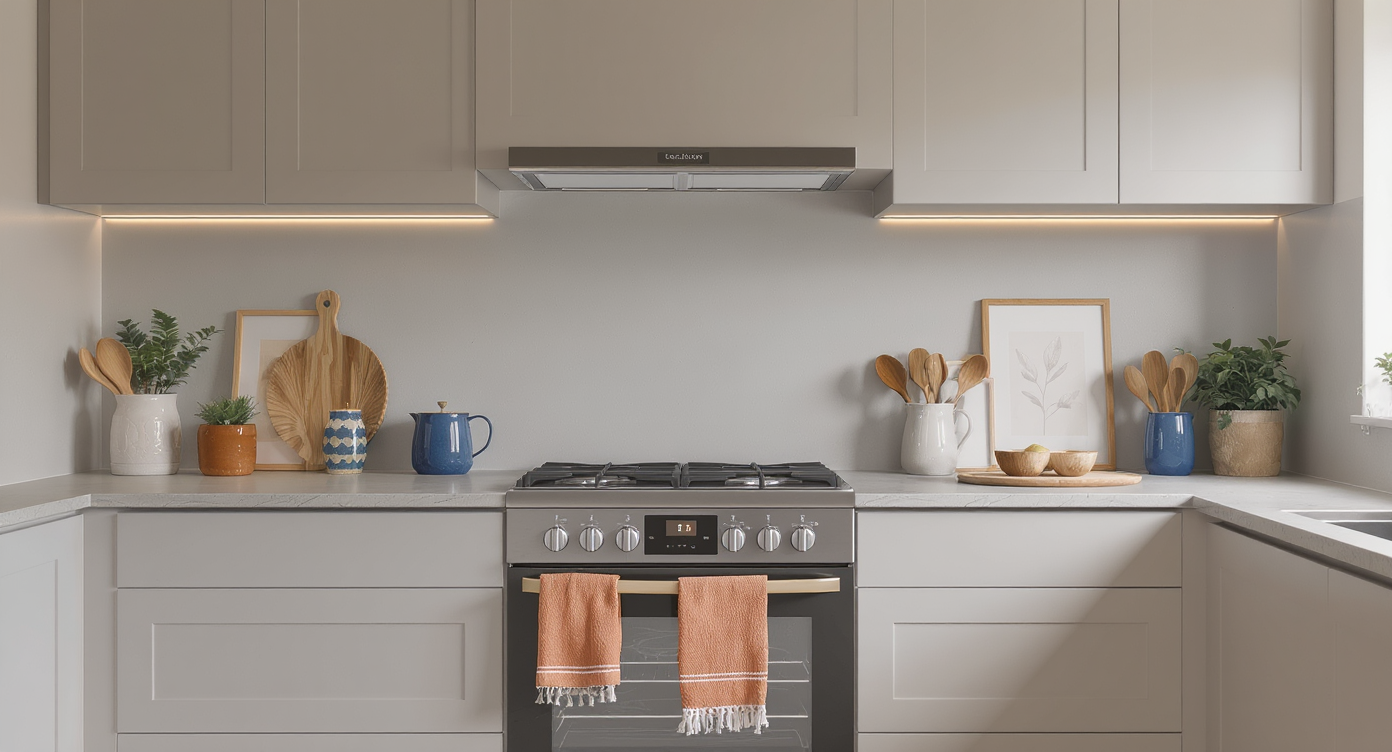
Subtle color accents through textiles and decor replace bold feature tiles, with a matte backsplash for easy maintenance in a compact kitchen.
The urge to introduce color or pattern through a mosaic tile behind the range is understandable, especially when seeking a personal touch. However, the reality of day-to-day life—frequent cooking, cleaning challenges, and the permanence of tile—means that trends often favor quieter, more resilient surfaces. Matte or highly patterned tiles behind cooktops can be difficult to keep looking new, as revealed by homeowner feedback from recent kitchen remodels. Instead, subtle touches of color such as accessories, a vintage runner, art, or textiles are more flexible. Incorporating small doses of orange or blue through linens, utensil holders, or window treatments lets the kitchen evolve alongside personal taste, without the commitment of tilework. To preview these combinations, digital surface restyling tools now allow homeowners to swap colors or tile virtually, revealing how much (or how little) a feature backsplash really impacts the overall visual mix.
-
Hardware and Small Changes That Transform
Sometimes, the most powerful upgrades in a kitchen are the simplest. Many designers argue that high-quality cabinet hardware—whether in brushed brass, matte black, or polished nickel—adds immediate style and personalization, especially with brand-new dark cabinets that shouldn’t be painted. Matching hardware to other metallics in the space, such as faucets or appliance handles, reinforces a sense of intentional design. Choosing lighter wall colors and reflective surfaces, paired with intentional details like a statement faucet, helps create cohesion and a modern finish. Layered lighting, such as under-cabinet LEDs or warmer bulb temperatures, can shift the feel from stark to cozy. Brass hardware and terracotta accents especially work well for those seeking warmth without overpowering their kitchen.
-
Color Palette Decisions: Commitments and Compromises
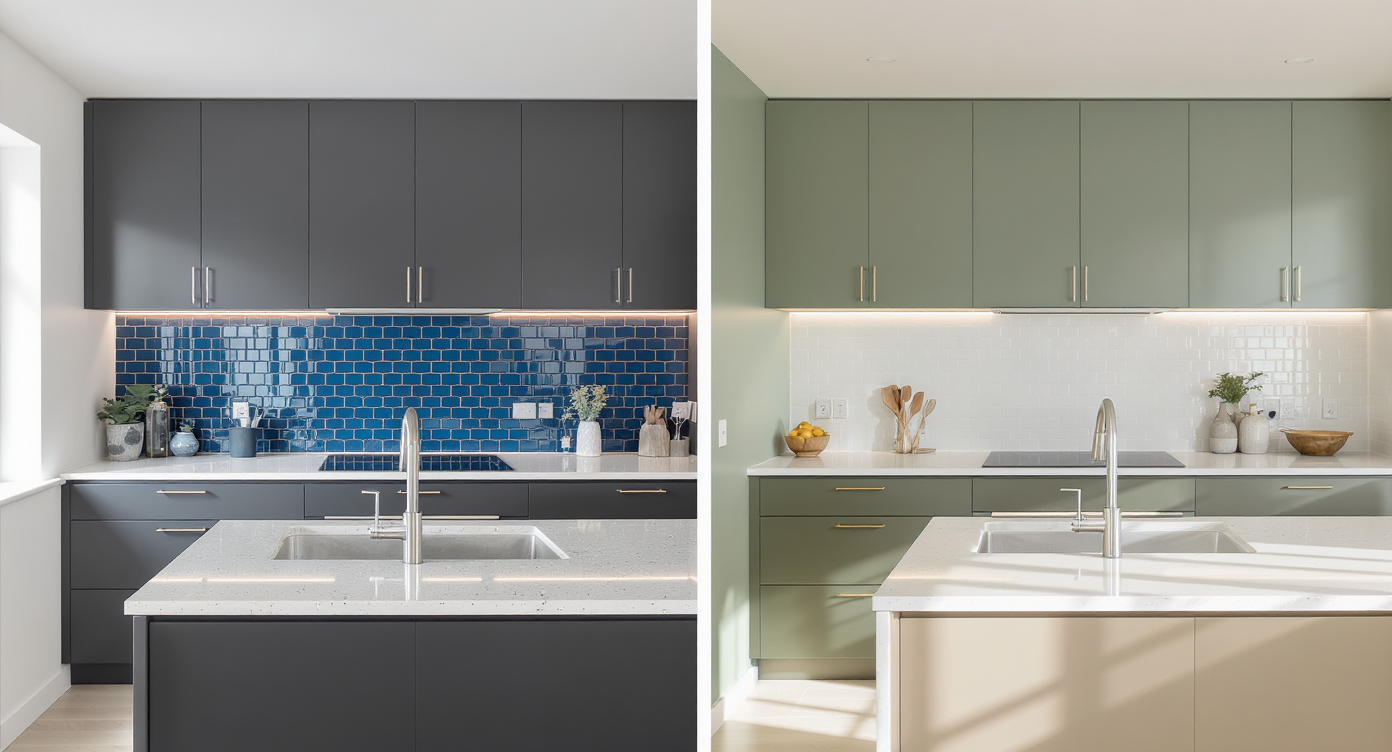
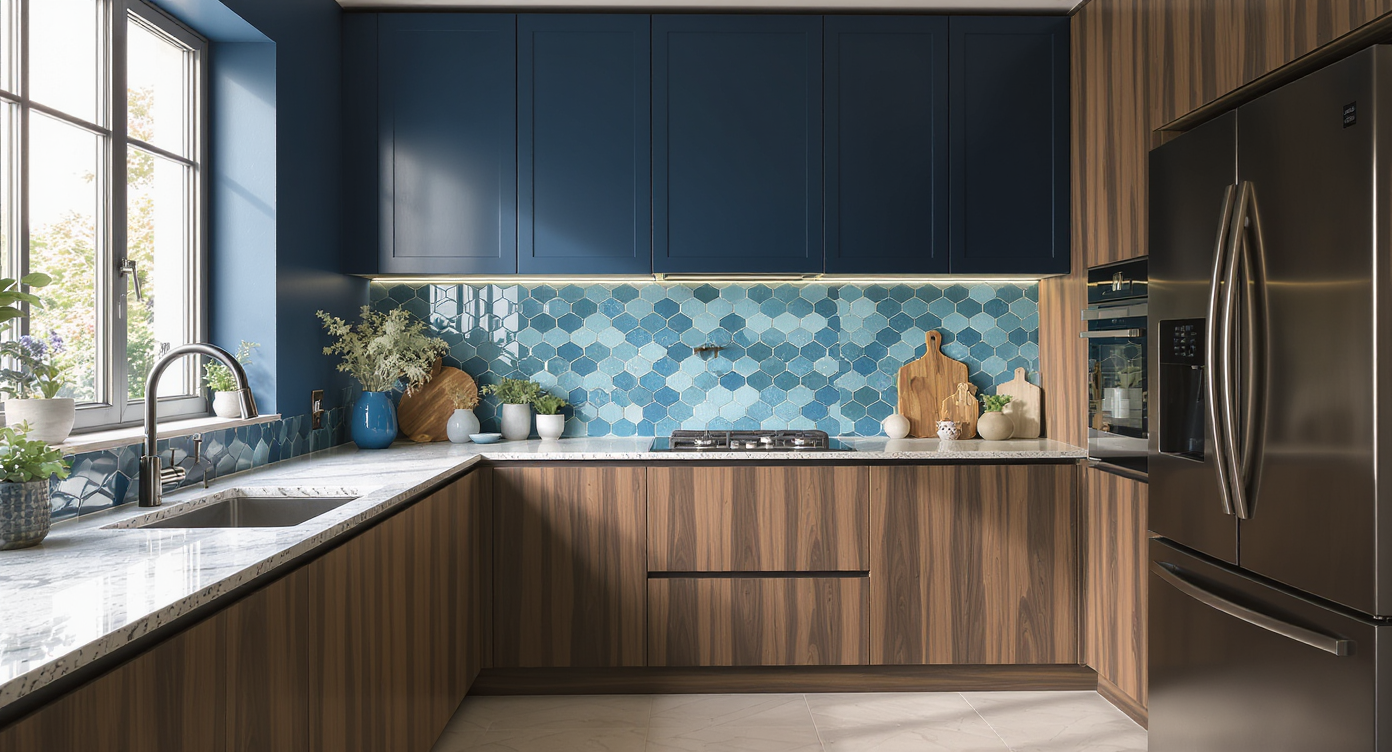
A literal side-by-side comparison of compact kitchens shows how different wall and backsplash colors paired with dark cabinetry can transform the overall mood and scale.
Dilemmas frequently arise over committing to a blue or green wall versus a blue backsplash with white walls, particularly with dark cabinets already installed. When permanent finishes are in play, designers often urge clients to err on the side of restraint: let the cabinetry anchor the scheme while letting walls and major surfaces breathe. For those drawn to color, try muted or smoky tones—dusty blue, sage green, or even a soft ochre—on walls or islands, as these tend to stay timeless and forgiving when paired with both dark and light finishes. Color palette design AI can preview these nuanced differences in real photos, enabling homeowners to compare side-by-side options without guesswork. Platforms discussed in kitchen renovation planning tools demonstrate how even minor shifts in finish dramatically alter scale, warmth, and mood in compact kitchens.
-
Anecdote: Seeing Before Deciding
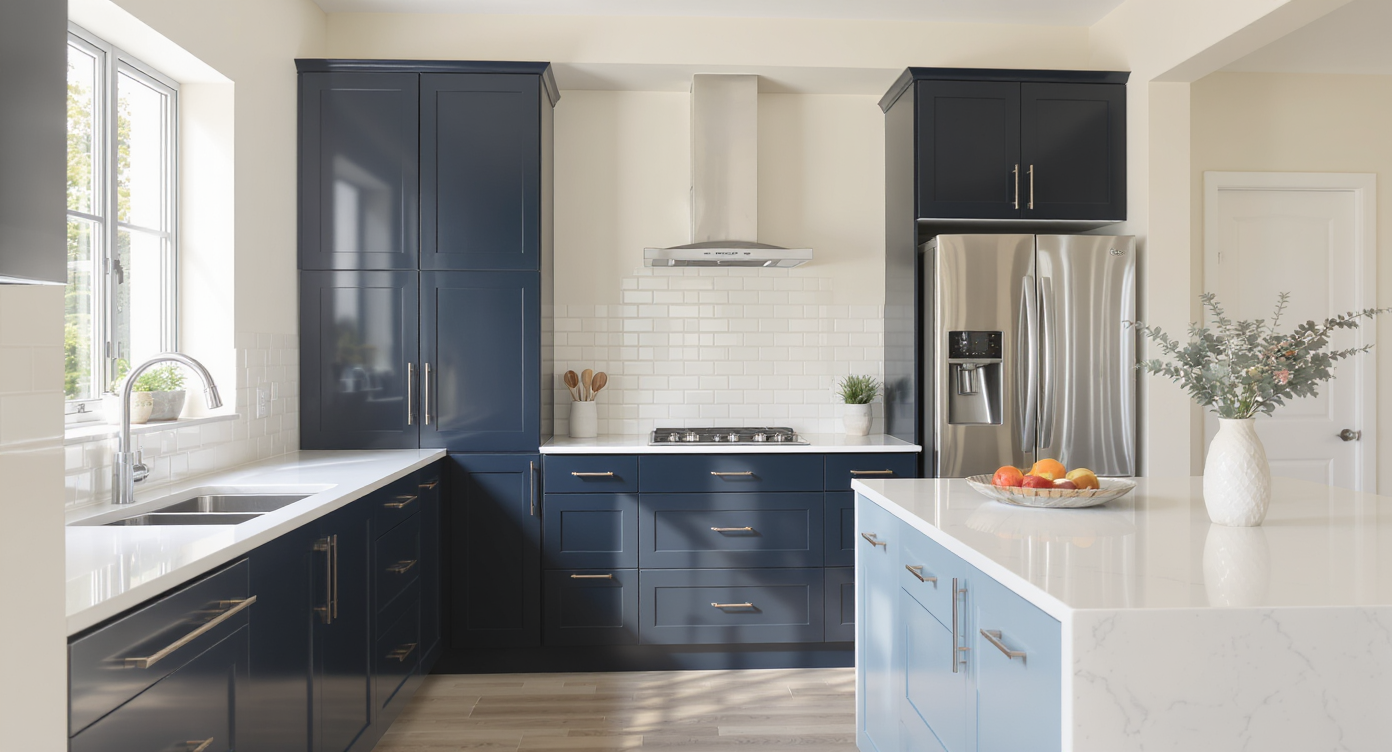
A young couple, eager to update the kitchen in their first home, found themselves paralyzed by indecision between a moody blue-green wall and a classic white backdrop. Using a digital design tool, they experimented with variations and quickly saw how their dark lower cabinets paired unexpectedly well with an off-white subway tile and pale blue island, but not with the original busy patterned backsplash. With these previews, they selected a subtle cream for the walls, brought in color through a rug and window shade, and kept the upgrades minimal and practical.
-
Common Mistakes to Avoid
One widespread error is introducing too many competing materials—dark cabinets, patterned countertops, bold wall colors, and colorful feature tile can overwhelm compact kitchens, especially under limited natural light. Homeowners sometimes launch into paint or tile choices before layering in lighting or hardware upgrades, missing opportunities for easier, reversible improvements. Relying on small low-resolution samples and trying to imagine the whole through isolated chips is another pitfall. Instead, capitalize on digital visualization to test combinations, and avoid making permanent choices until you see each finish in context.
-
Tips and Expert Insights
Designers suggest starting with hardware and lighting, then gradually introducing new colors via paint or textiles. If you crave a feature moment, consider it in forms that are easily switched out, such as a table lamp, framed print, or floor runner. For wall and island colors, pick shades that reflect available light but that are muted enough to harmonize with the cabinetry, like a gentle sage or a washed teal. Ensure countertops, backsplashes, and major appliances stay relatively neutral in compact kitchens to maintain longevity and resale flexibility. Homeowners updating dark kitchens have found that focusing on layered lighting and neutral backdrops, as discussed in our brightening strategies, yields dependable results.
-
How to Use This Approach in Your Next Kitchen Designs
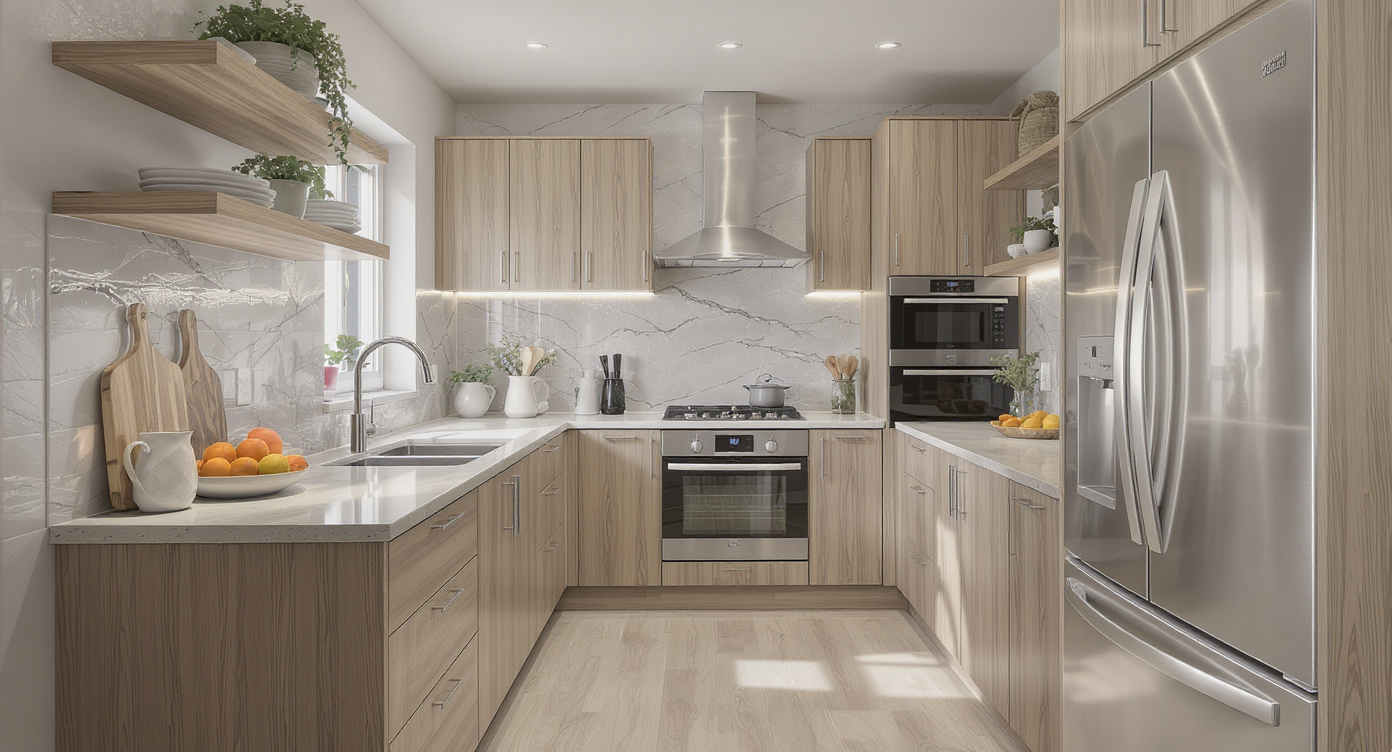
A real-world kitchen design setup: dark cabinets, a bright island, and samples for wall colors and backsplashes, ready for comparison.
Begin with a clear photo of your space and use kitchen layout design AI or palette preview tools to test wall, cabinet, and backsplash combinations. For best results, try placing a light, neutral island in a smaller kitchen with dark cabinets, or load in several wall color options to see what feels airy and open versus those that absorb too much light. Move accent colors to flexible areas—rugs, curtains, and tableware—rather than fixed tile patterns. These strategies ensure any layout or color experiment is reversible, adaptable, and uniquely personal to you.
-
Visualization: A Day in Your Updated Kitchen
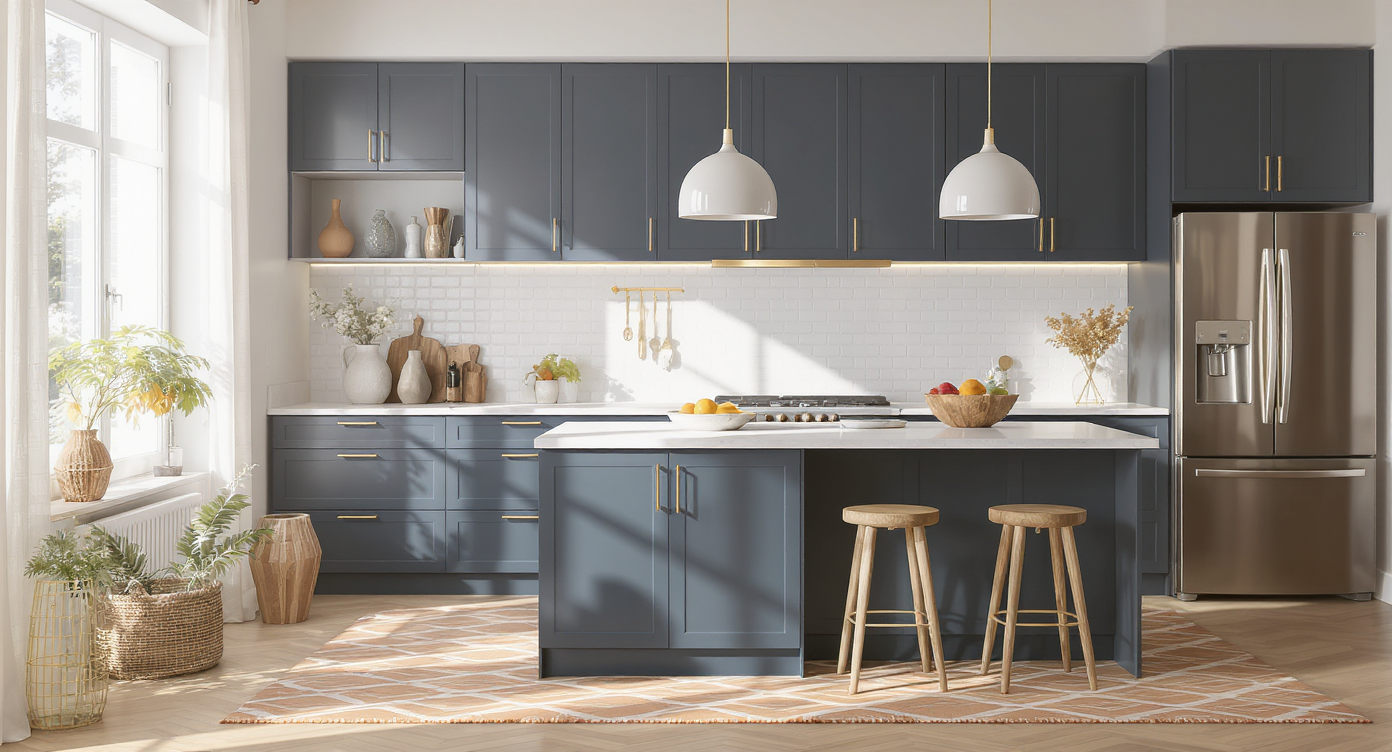
Morning sunlight fills a compact kitchen with dark cabinets, brass pulls, a blue island, white backsplash, and fresh pops of color.
Imagine stepping into your kitchen on a weekend morning. Sunlight glances off pale walls, bouncing onto your dark cabinets and illuminating brushed brass pulls and a crisp white backsplash. A deep blue island anchors the center, while burnt orange accessories and a geometric runner add gentle pops of color. The entire space feels both fresh and grounded, with every chosen color working together in harmony, the result of previewing and fine-tuning your design before a single brushstroke or tile is set in stone.
Visualization Scenario
Picture a kitchen where each design decision has been previewed: white subway tile extends from counter to ceiling, soft cream walls open the space, and every hardware piece is chosen for its subtle glow. In the evening, warm under-cabinet lighting and terracotta-hued accents give the kitchen a cozy, inviting glow, a testament to the power of digital planning.
Kitchen Visualization and Remodeling FAQ
Digital visualization tools let you upload a photo and experiment with colors for cabinets, walls, and islands. These platforms help you compare combinations in real time, easing design anxiety.
Are dark cabinets a mistake in small kitchens?
Dark cabinets can work in smaller spaces when balanced with lighter walls, countertops, and backsplashes. Opt for high-reflectance paints and minimal competing patterns for the most open effect.
What is the best way to add accent color if I worry about resale?
Keep permanent finishes neutral and introduce bold hues through easy-to-replace items like rugs, towels, art, or window treatments. This way, updates remain flexible as your taste evolves.
Can I preview hardware changes virtually?
Many design tools now let you see handles and pulls in place before purchase. Swapping hardware is a low-commitment way to modernize without painting or replacing cabinets.
What if I want step-by-step help?
You can access end-to-end kitchen visualization and design planning by visiting ReimagineHome.ai for tailored support.
Bringing Your Ideal Kitchen to Life
Kitchen design is rarely about dramatic sweeps of color or trend-driven statements, but about building comfort and cohesion over time. Using kitchen layout and palette visualization technologies, homeowners can step beyond guesswork to preview, refine, and adjust their design plans for compact kitchens. Small changes—a new wall color, a thoughtfully chosen backsplash, dramatic hardware—can make all the difference in creating a flexible, fully personalized space. For those seeking guidance and the ability to envision changes before making them, ReimagineHome.ai offers a range of visualization tools to turn possibilities into plans.