
TL;DR
There’s no single villain in today’s housing market — just overlapping forces. A national supply deficit, concentrated investor activity, and local barriers to building drive high rent prices and bidding wars. Still, smart listing strategies, realistic budgeting, and targeted reforms can loosen the gridlock.
Housing market reality check
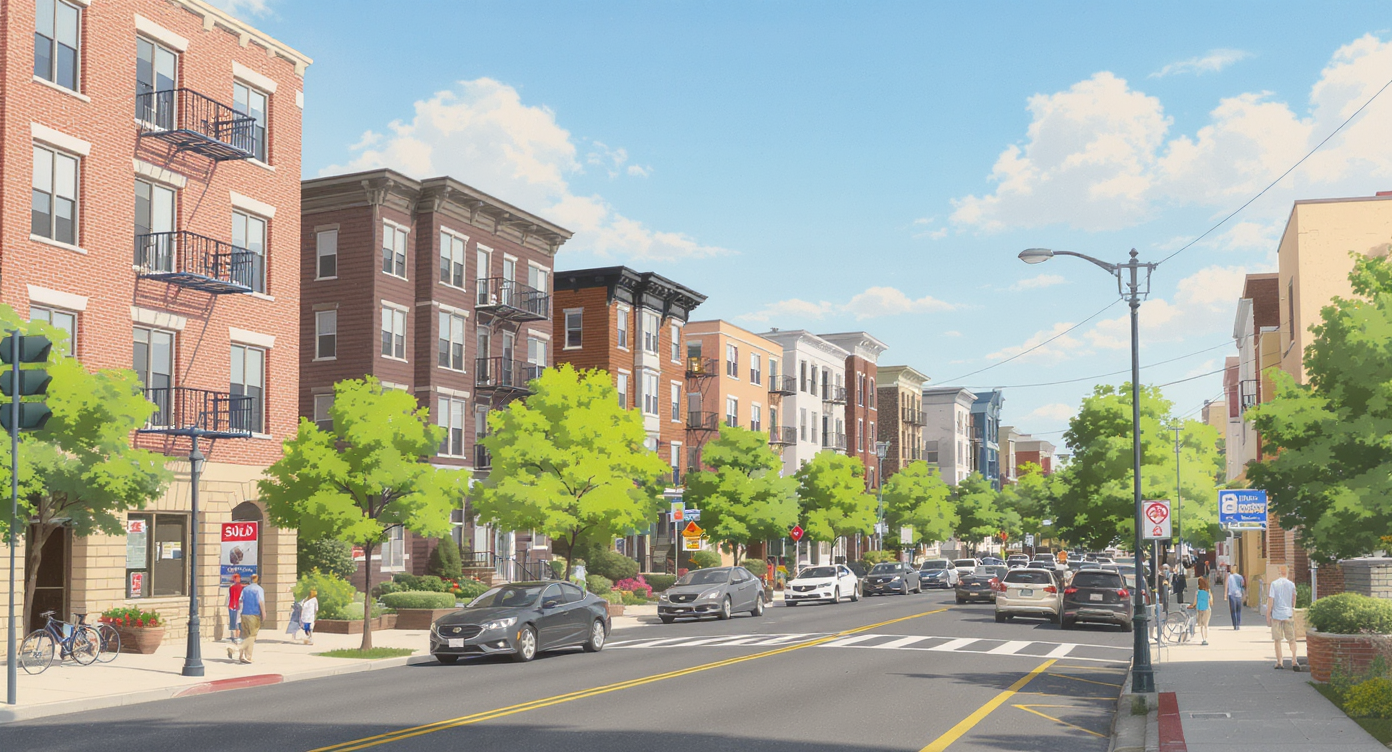
Urban neighborhood scene illustrating the housing shortage impacting renters and buyers nationwide.
Housing costs are squeezing Americans as a 3–4 million home shortage collides with investor demand, zoning limits, and rising expenses. The housing market is emotional because it touches every budget line and dinner-table decision. Analysts now estimate the U.S. is short roughly 3 to 4 million homes; at the same time, rents and mortgage payments rose sharply in recent years, leaving about half of renters spending 30% or more of their income on housing. Here’s the thing: there’s no single culprit, but there are clear causes — and real ways to navigate them.
National data insight: A supply problem with investor steroids

National data insight highlighting how investor demand intensifies the housing supply problem.
Homes are scarce, and scarcity magnifies everything from rent prices to bidding wars in home buying. Market researchers say the U.S. has underbuilt for more than a decade, leaving a deficit of about 3–4 million homes — a gap that pushes up both prices and rent. Real estate investing isn’t the origin of the shortage, but it pours fuel on it: major brokerage analyses show investor purchases reached roughly one in five sales at recent peaks in some metros, intensifying competition for entry-level homes. A quotable truth: when supply is thin, even modest investor demand can move prices. Builders and lenders add that higher materials costs, labor shortages, and long approval timelines have kept construction from catching up; in many cities, permitting and entitlement can run 12–24 months. Data visualization note: A two-line chart plotting annual home starts vs. household formation would show the widening gap after 2010. Alt text: Line chart showing U.S. housing starts lagging household formation, 2010–2024. Caption: Supply lag drove a structural shortage, magnifying rent and price growth.
Anecdote
A young D.C.-area couple earning just under six figures paid roughly $25,000 in annual rent for a 900-square-foot apartment with frequent outages and inconsistent hot water — but stayed because comparable units had jumped even higher. In Florida, a first-time buyer toured a mid-century bungalow with flawless listing photos, only to find thick paint over cracked plaster and boxed-in pipes — a classic “landlord special.” Their agent negotiated a $7,500 credit after inspection and brought in a contractor to scope true repair costs; the sale closed when the numbers finally made sense.
Regional pattern: Where rent prices and investor activity hit hardest

Regional rent surge and investor activity concentrate in fast-growing Sun Belt urban neighborhoods.
Rent prices surged fastest where supply constraints met job growth, especially in the Sun Belt and parts of the West. Markets like Atlanta, Tampa, Phoenix, and Las Vegas saw investor shares crest above 20% of purchases in some quarters, according to brokerage analyses, while fast population growth tightened vacancies and lifted rents. In coastal metros with restrictive zoning, limited land, and high permitting friction, buyers faced fewer listings and higher price-to-income ratios. A quotable truth: the Sun Belt became an affordability magnet until rapid in-migration overwhelmed available homes. Consider three segments where pressure feels different:
- Entry-level buyers: Compete directly with cash offers and build-to-rent operators; experts report the median home now often requires 35–40% of household income in high-cost metros.
- Mid-market sellers: Benefit from scarcity but still lose buyers over inspection surprises or financing costs; agents say realistic pricing reduces days on market by weeks.
- Long-distance renters: Face double-digit rent increases after relocations; analysts note turnover leases frequently price 8–15% above in-place rents in tight neighborhoods.
Behavior and market psychology: Why buyers, sellers, and governments clash

Buyer, seller, and agent dynamics reveal the emotional tensions of today's tight housing market.
Home buying and selling are colliding with human psychology in an era of scarcity. Veteran agents observe a loop: buyers fear overpaying, sellers protect equity, and local officials resist density to preserve neighborhood character and tax stability. One memorable line agents repeat: homeowners often vote for affordability in theory and for appreciation in practice. Governments, for their part, rely on property tax bases and worry about fiscal shocks from falling values even as renters ask for relief; market analysts suggest this creates a bias toward stability over volume. Renters, meanwhile, live the 30% rule as a ceiling they routinely cross — Harvard-style housing research has found roughly half of renters are cost-burdened. A quotable truth: in a thin market, mistrust raises transaction costs as much as interest rates do. The friction shows up in small ways too — from sellers postponing repairs to buyers assuming every fix hides a larger failure to lenders enforcing tighter appraisals.
Secondary trend: Inspections, insurance, and the maintenance trust gap
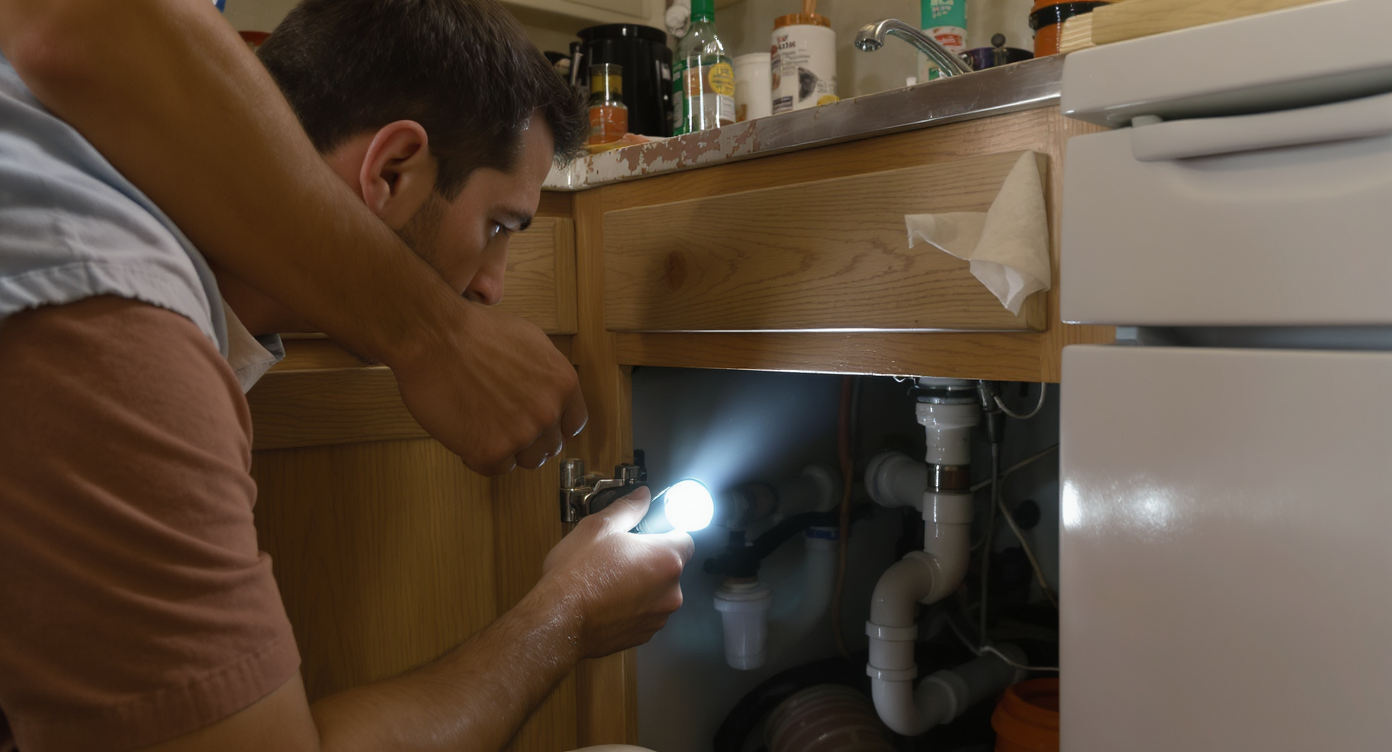
Inspections and maintenance spotlighted as critical hurdles in securing home deals amid market pressures.
Deals most often wobble at the messy middle: inspections, insurance, and maintenance. Agents report that 60–70% of renegotiations happen after inspection when modest repairs snowball into perceived deal-breakers. In insurance-stressed regions — think coastal Florida or parts of the Gulf — homeowners’ insurance premiums have jumped by double digits, adding hundreds per month to carrying costs and complicating lender ratios. A quotable truth: rising insurance turns yesterday’s affordable payment into today’s denial. Maintenance is the trust gap: buyers complain about “landlord specials” — cosmetic fixes that paint over problems — while sellers say they won’t invest without certainty of closing. Contractors add that a well-scoped $5,000–$10,000 pre-list punch list can prevent $20,000–$30,000 in price cuts later. Service pros and stagers consistently note that move-in-ready homes sell 30–50% faster, and agents frequently estimate good staging can add 1–5% to sale price. Alt text: Before-and-after living room showing neutral paint, repaired trim, and virtual staging. Caption: Transparent repairs plus staging reduce renegotiation risk and days on market.
Visualization Scenario
Picture a compact condo near transit that’s clean but dated. Using an AI design tool, the seller tests two palettes — warm neutrals and high-contrast modern — and virtually stages a dining nook as a WFH space. Alt text: Open-plan condo virtually staged with neutral sofa, slim desk, and soft task lighting. Caption: Visual options help buyers see how a small room flexes for remote work or dining.
Quick answers to big housing questions
How can I buy a home in a high-cost housing market without overpaying?
For home buying in a high-cost housing market, get fully underwritten pre-approval, focus on homes on market 14+ days, and negotiate credits for repairs; analysts say time-on-market creates 1–3% savings opportunities.
Do real estate investors raise home prices, and how do they affect rent prices?
Real estate investing can lift prices when supply is tight; analysts note investor share peaked near 20% of sales in some metros, which adds competition and pressures rent prices upward.
What’s the best way to market a listing in a tough housing market with fewer buyers?
For real estate marketing, combine pre-list repairs, professional photos, and virtual staging; agents report staged listings sell 30–50% faster and can net 1–5% more.
How much of my income should rent be, and how do I lower rent costs?
Use the 30% rent rule as a cap; to reduce rent prices, target shoulder neighborhoods, ask about mid-lease improvements for concessions, and seek longer terms for small discounts.
Will zoning reform really help the housing market and affordability?
Opening single-family zones to ADUs and duplexes increases housing supply over time; market studies suggest even modest density can temper rent prices by adding units where demand is strongest.
Market outlook: Practical optimism in a tight housing market
Despite the drag, there’s practical optimism if we focus on what we can control in the housing market. Cities unlocking gentle density — ADUs, duplexes on single lots, and streamlined approvals — are already adding missing-middle supply without changing block character overnight. Buyers who budget with today’s insurance and HOA dues, not last year’s, avoid heartache; sellers who pre-inspect and present clearly move faster in any rate environment. A quotable truth: deals don’t fail from bad houses as often as they fail from bad expectations. If you’re listing soon, smart presentation and design clarity help nervous buyers visualize living there. Tools like ReimagineHome let agents and homeowners test finishes, try layouts, and virtually stage rooms so the property markets stronger on day one — less guesswork, more confidence.