Evaluating Wide Handrails: Function, Style, and Practical Tradeoffs
TL;DR
A wide, flat handrail can become both an eye-catching design feature and a practical surface, but it carries potential pitfalls from building code conflicts to habit-forming clutter and safety concerns. By understanding the nuanced tradeoffs, you can make railings that elevate both form and function in your home.
Redefining the Role of the Handrail
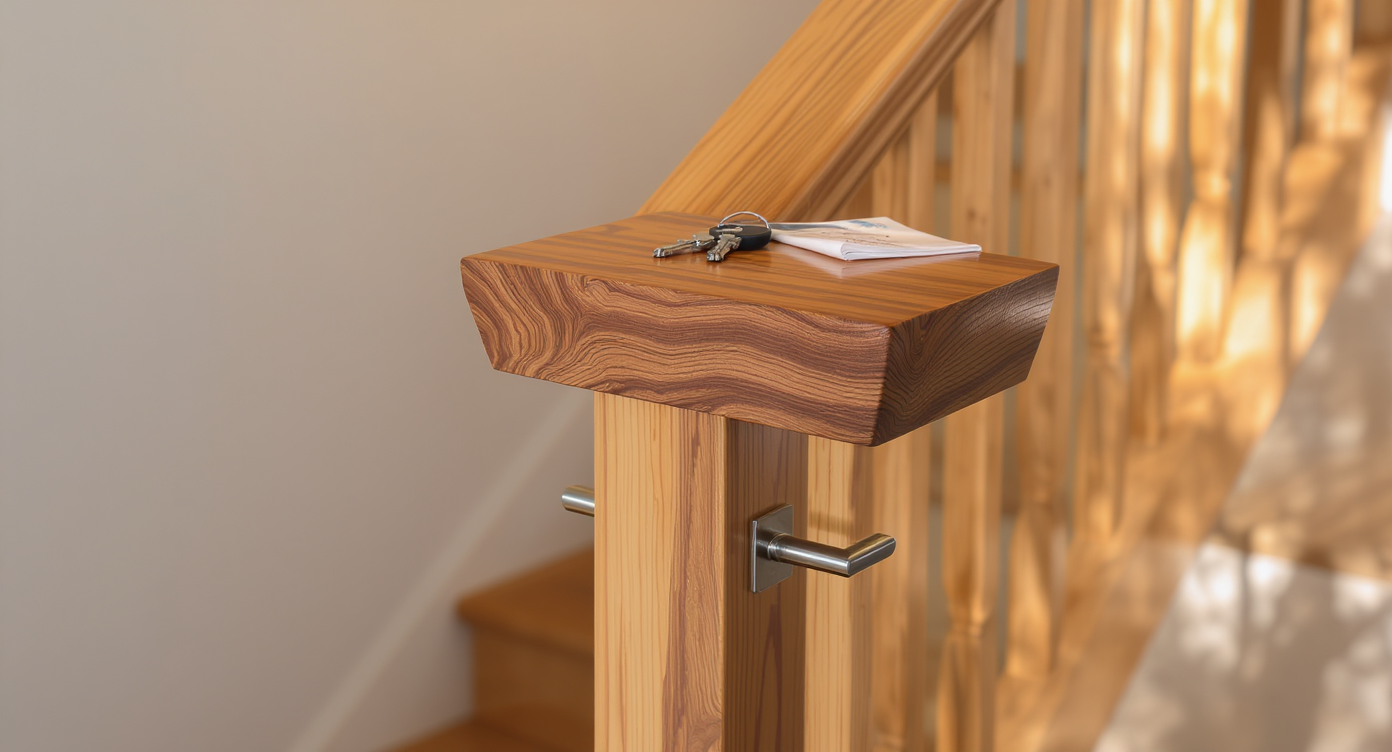
A modern staircase with a broad cedar handrail illustrates the tension between visual impact, everyday use, and practical tradeoffs.
Few features in a home prompt as many opinions as a staircase, especially when the handrail is more than just a grip. The choice between a slender, code-standard rail and a wide, architectural slab invites conversations about style, daily life, and safety. As more homeowners experiment with bold dimensions and richer materials, the question arises: does a broad rail enhance the space or open the door to unintended hazards? This debate is common not just among DIYers but also among seasoned designers, reflecting a deeper tension between visual impact and practical use. In the hands of a dedicated builder, a stretch of pristine western red cedar transformed into a flat-topped handrail might seem like an act of luxury. It’s a move that invites admiration, but just as often, it sparks a flurry of real-life concerns—ranging from casual clutter to worries about code compliance and safety. The modern handrail is now a canvas for both creativity and controversy.
-
The Allure—and Reality—of Extra-Wide Rails
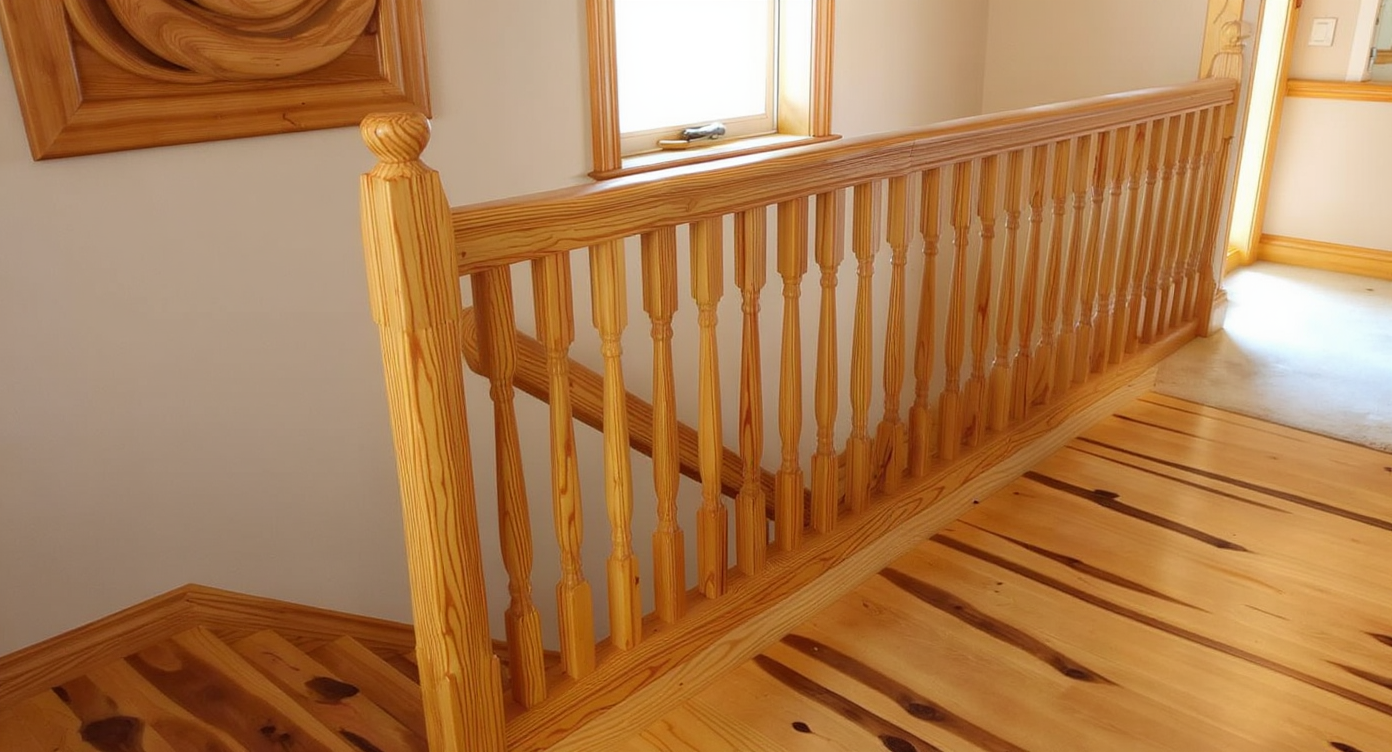
A sun-drenched, extra-wide wood handrail displays décor and everyday clutter, highlighting the dual allure and practicality of substantial rails.
A generously sized handrail, especially one made from a single, beautiful material, immediately becomes a conversation starter. Homeowners appreciate the tactile pleasure and design presence of something substantial underhand. Many DIY and design community members point to wide rails as opportunities for seasonal décor—draped garlands at winter holidays or vases and art objects for visual punctuation. For pet lovers, a wide rail doubles as a sunlit perch in a hallway or landing. Yet real life quickly reveals the flip side. As one veteran homeowner admits, any flat surface in a busy house is a magnet for forgotten cups, to-do piles, and stray toys. In homes with young children, these display rails often morph into makeshift toy racetracks or gathering zones for art projects in progress. While the added width appeals to the eye and the hand, its tendency to gather the detritus of daily life is inevitable. This duality lies at the heart of the wide handrail’s enduring appeal and ongoing debate. Homeowners praised the clean lines and warm wood grain of substantial rails, reminiscent of those featured in recent basement stair railing ideas, but just as many raised their voices about accidental clutter and safety, revealing how personal lifestyle shapes design preference.
Expert Insight
A friend once moved into a home with a dramatic, extra-wide staircase rail made of reclaimed barn wood. At first, every visitor complimented its rustic charm, but before long, it became the unofficial catch-all for keys, mail, and even gym bags. The clincher came at a birthday party when a guest balanced a plate of cake on the rail—only for it to tumble onto the stairs below. That week, the family added a set of decorative planters to break up the surface and retrain their storage habits.
-
From Statement Piece to Safety Puzzle
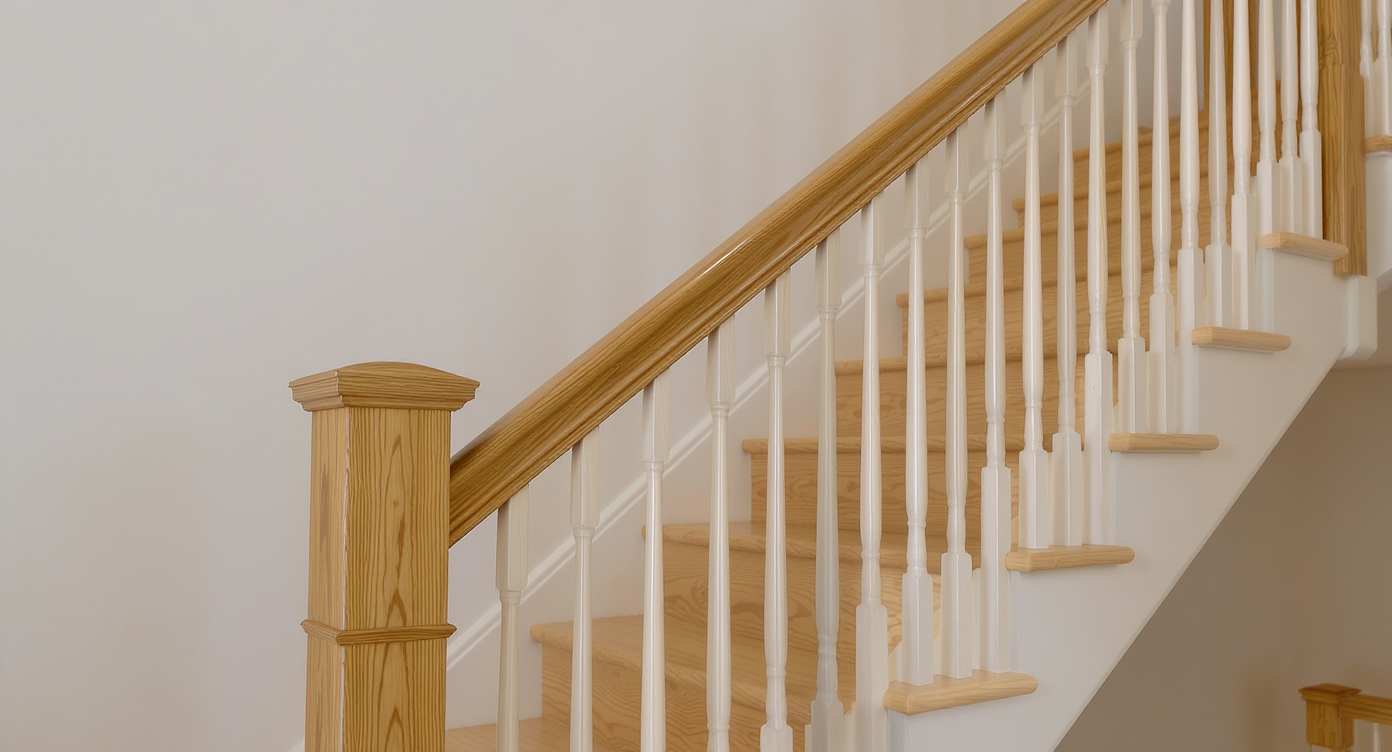
A wide, flat stair rail doubles as a shelf for objects, while a separate rounded handrail below ensures safety and code compliance.
Safety stands shoulder-to-shoulder with style when evaluating handrail choices. Building code—whether enforced or simply wise practice—usually requires that stair handrails be grippable and fall within specific size and height parameters. Wide, flat rails don’t always fit that description. Instead, they often function as the top rail of a guard system, requiring a complementary handrail for actual code compliance. For homes with small children, elderly residents, or frequent guests, a broad, inviting rail that doubles as a shelf can feel riskier than it seems. The temptation to set a mug or phone down is strong; the chance they topple and tumble down the stairs is higher still. As debates in design communities show, these safety questions extend beyond theoretical discussion. A rail that looks effortless in a photo can quickly become a staging ground for accidents in a home that runs at full speed. For longevity and peace of mind, designers often suggest softening sharp corners, using grippable round handrails alongside any architectural slab, and ensuring post and baluster placement meets the same high standard as the rail itself. Making an aesthetic decision always means considering not just how the thing looks, but what routines it might change.
-
Daily Function Meets Design Intent
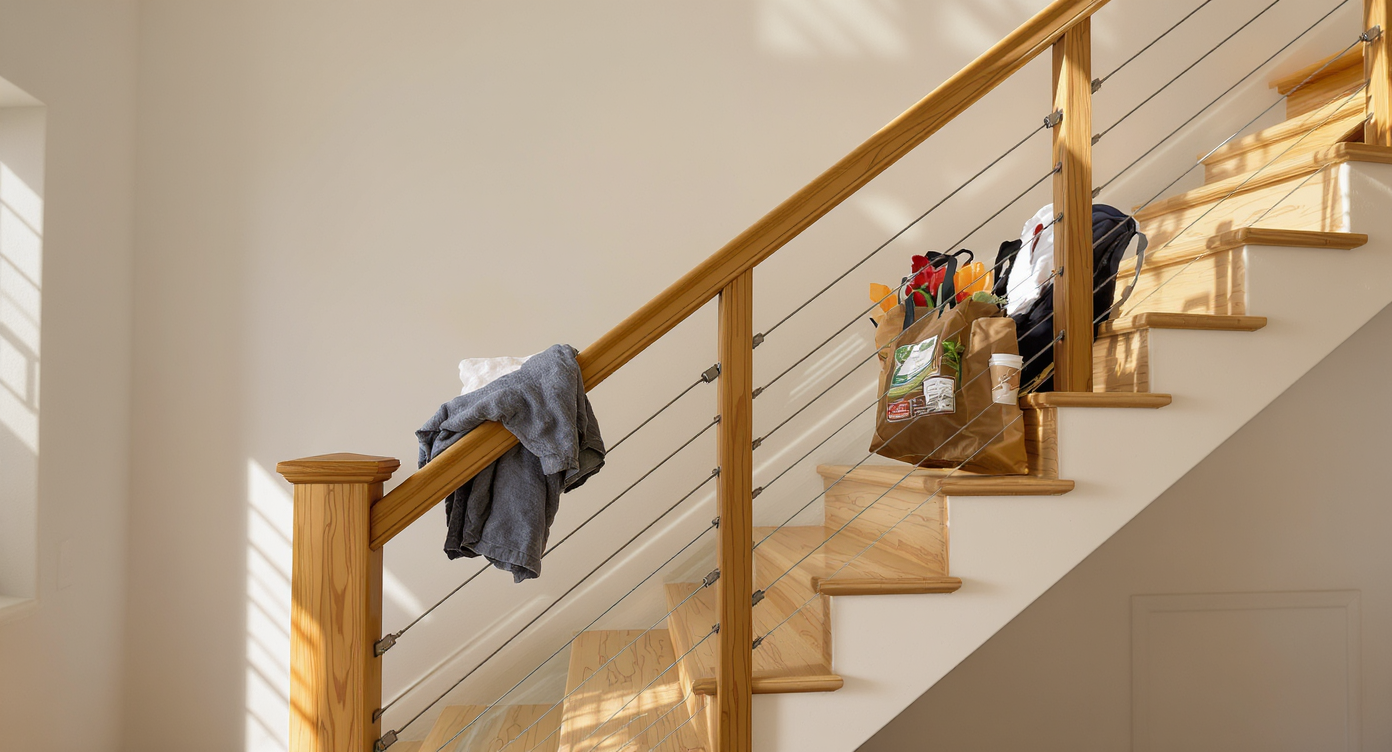
Wide cedar handrails serve as both statement pieces and practical surfaces, supporting everyday routines and modular infill options.
Consider how railings serve both function and daily habits. A homeowner who opts for a 14-foot run of premium cedar may love the visual prominence over a humble 2x4. Yet some will wisely point out, if your home routine already features sprinting pets or children with wobbly arms, a narrow, code-standard rail may quietly outperform a design worth showing off on social media. People often use these flat rails to temporarily stash laundry, backpacks, or groceries that need to move up or down. This can be deeply practical or a source of irritation, depending on organization and personal tolerance for clutter. There is also an unanticipated quirk: when a railing is "just right" for balancing a coffee cup, it inevitably becomes a launching pad for spills. A clever solution comes from the world of modular and removable rail infill, such as using framed spindles or glass panels that can be swapped as family needs shift. If you’re considering metal or cable options, it's crucial to understand the importance of support spacing and tension. As explored with DIY-friendly railing styles, code compliance and day-to-day usability should steer every creative suggestion.
-
Design Scenario: When a Rail Becomes a Room Feature
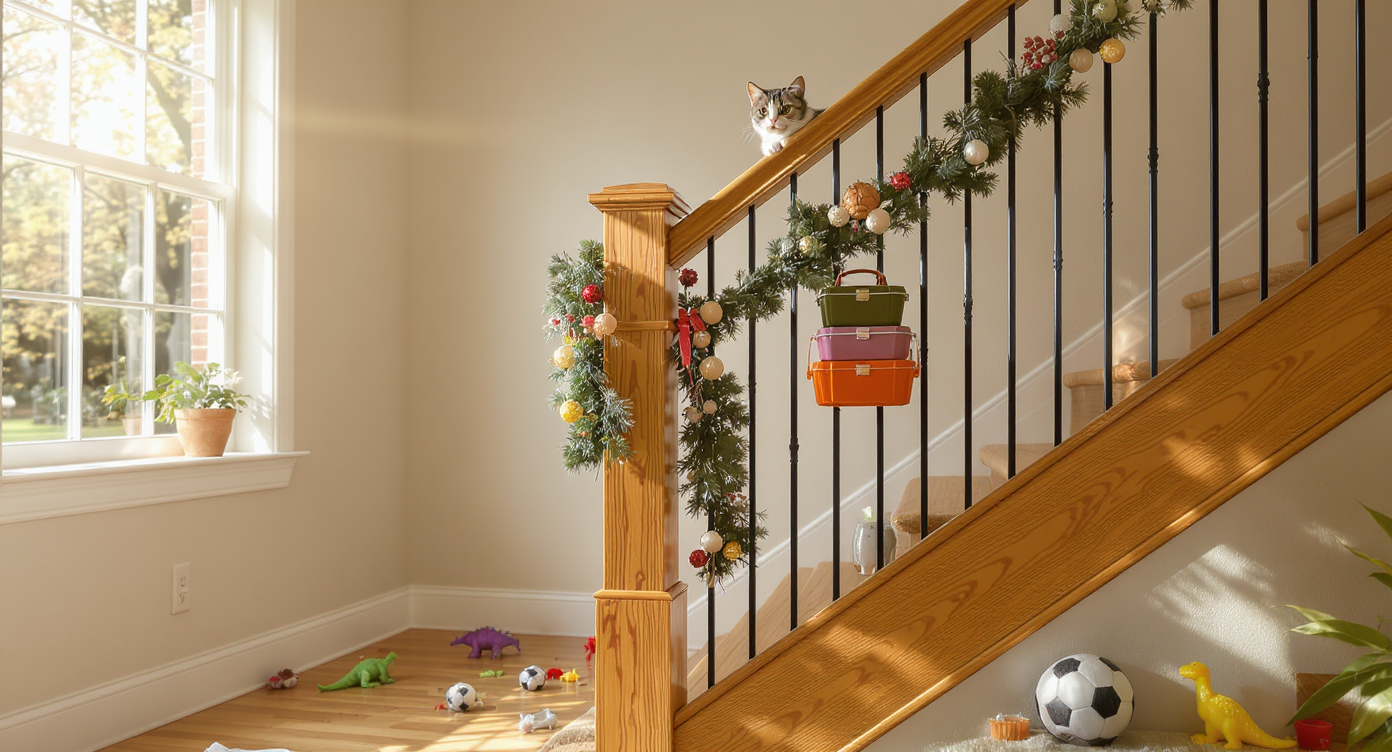
A wide cedar handrail becomes the entryway’s bold feature—doubling as a perch, shelf, and design centerpiece amid daily living.
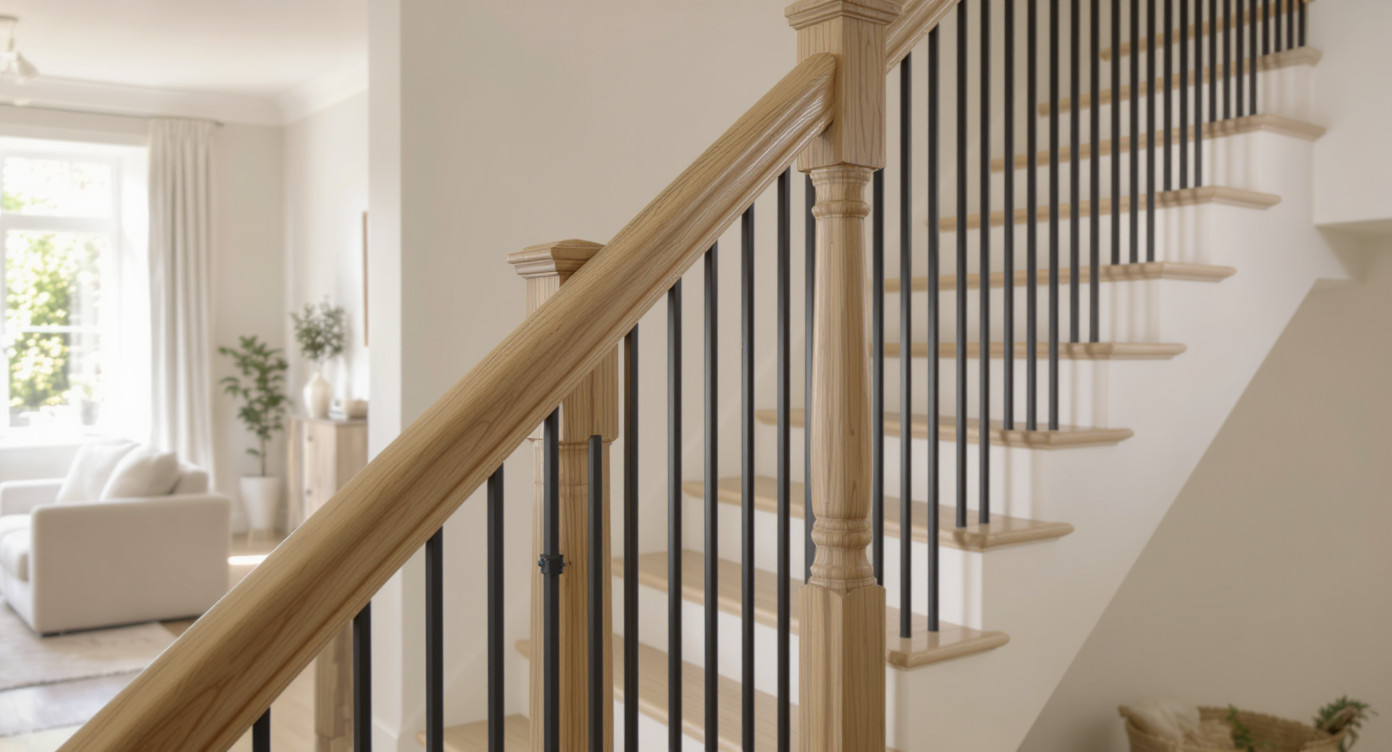
Imagine a family moving into a newly finished home, the centerpiece of the entryway a striking cedar rail—wide enough for holiday garlands and elegant enough to catch the light in the afternoon. After the initial honeymoon period, the realities of daily use set in. The rail becomes not just a decorative element, but a landing pad for lunch boxes, a perch for restless cats, and, after a party, a reminder that people really will set their drinks anywhere. For another household, the same rail is installed alongside a tight set of black iron balusters, adding a modern edge. The home’s aesthetic is elevated, but the parents soon realize that soccer balls and plastic dinosaurs travel down the staircase faster than they’d hoped. In both cases, the design intention meets the unpredictable rhythm of real life, and adaptability proves as crucial as any material selection. Visualizing this friction—between drama and duty—reflects a larger truth: the best railings balance both ambitions. Choosing a flexible system, such as modular infill panels or contrasting textures, makes it easier to pivot when new needs arise. Digital design previews, like those described in AI staircase makeover ideas, make this balancing act part of the planning process and reduce future regrets.
Visualization Scenario
Picture standing at the top of a bright stairwell anchored by a bold, flat rail of finely finished cedar. Sunlight pours in, highlighting neatly arranged ceramic vases in one season, a line of fir boughs in another. Occasionally, the rail’s generous width tempts family members to leave items there for convenience, creating fleeting moments of disarray. With the right infill and a well-placed round handrail, however, the composition becomes both inviting and secure—a space where style and function meet without compromise.
FAQ: Wide Handrail and Staircase Choices
It depends on the household’s routines and residents. In busy homes with children or pets, wide horizontal surfaces can lead to increased clutter or accidents. Rounded corners and a supplementary handrail improve safety.
Does a flat handrail meet building code?
Usually not as a standalone handrail. Most jurisdictions require stair handrails to be easily graspable and within certain size ranges. A wide rail may qualify as a guardrail, but a true handgrip is typically also needed. Review your local code or consult a professional.
How can I keep wide rails from becoming clutter zones?
Establish clear routines for tidying and consider decorative elements that discourage daily clutter, such as permanent greenery or display objects. Some families set ground rules for items allowed on railings.
Can I test different railing designs before installation?
Yes. Visualization apps such as ReimagineHome.ai let you upload a photo and review finishes, infills, and details before building.
What’s the best infill to pair with a wide cedar rail?
Options like black iron balusters, cable rail, or even glass panels each have strengths and tradeoffs. Visual impact, safety, and maintenance should all be weighed. Modular systems provide flexibility for future changes.
The Art and Reality of the Oversized Rail
Blending function and form is the enduring challenge of home design. A wide cedar rail can feel like a signature finish, elevating the feel of an entire stairway. Just as often, its presence can introduce complications—practical and regulatory—that deserve careful advance thought. The habits of daily life, the needs of varied family members, and the requirements of local codes all play central roles in shaping the right answer for your home. No matter your aesthetic aim, considering both present routines and future changes will lead to safer, more enjoyable living spaces. When in doubt, digital visualization platforms such as ReimagineHome.ai allow you to see rail choices in your exact environment before making a commitment.