8 Home Remodeling Trends Driving Smarter Renovations in 2026
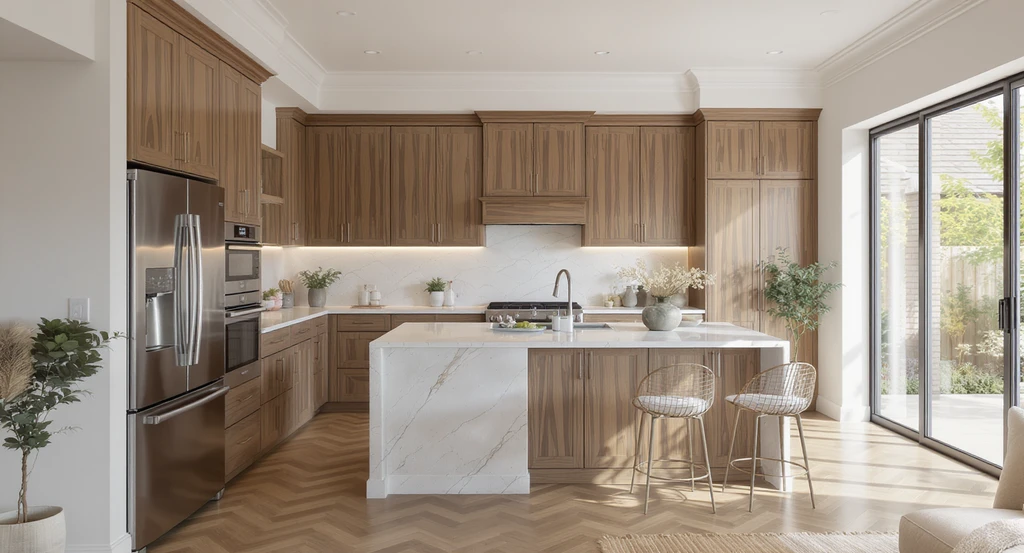
What’s Shaping Home Remodeling in 2026?
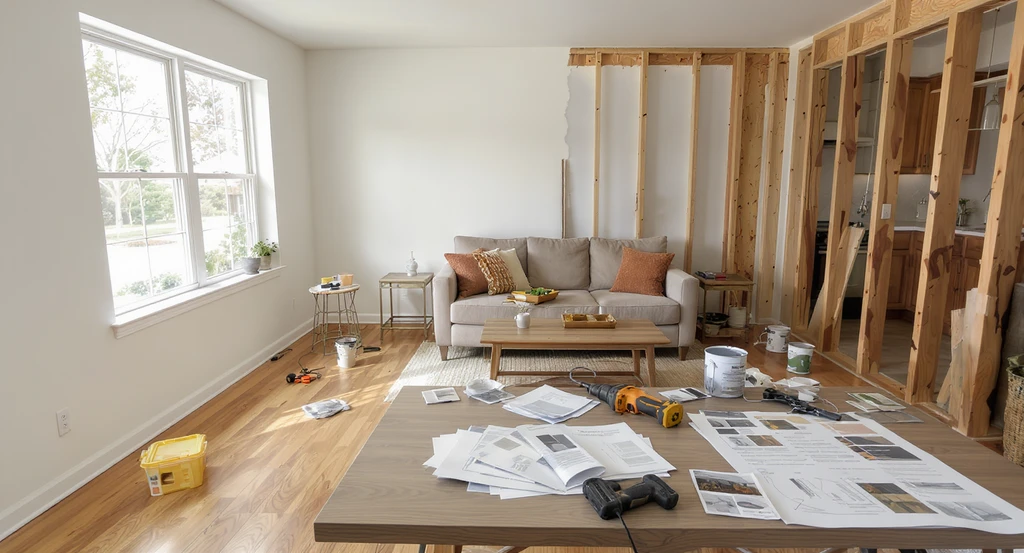
This editorial image highlights how to avoid renovation regret in 2026 by showing common remodeling mistakes homeowners make. Compare modern vs classic designs for resale value, budgeting, and planning to support smarter renovations.
In 2026, U.S. homeowners continue to renovate at significant levels—but with more caution, fresh priorities, and evolving financing habits. This year’s remodeling landscape is defined by stable activity, shifting budgets, and a focus on adapting spaces for long-term comfort rather than quick resale. Homeowners are increasingly careful with spending, planning for versatility, and embracing a mix of professional help and strategic DIY. Ignoring these trends can mean lost value, budget overruns, or a mismatch with future needs. Following the right signals ensures smart, resilient updates that suit your life and the market.
Quick Takeaways
- Renovation activity holds strong, but homeowners expect to spend less overall.
- Gen Z renovators are making their mark with bold, purpose-driven choices.
- Credit card use is up, altering how projects are financed.
- Budgets are frequently exceeded—risk grows without careful planning.
- Professional expertise remains in high demand for complex projects.
-
01. Renovation Activity Stays Strong, With High-End Projects Rising

Upgrading with high-end finishes in 2026 can help homeowners avoid renovation regret and common remodeling mistakes by supporting modern vs classic design choices for lasting resale value.
Renovation activity is steady in 2026, driven by a blend of necessity and opportunity. While more than half of U.S. homeowners engaged in renovations in 2025, a similar—though slightly smaller—share plans to do so this year. The notable shift? Spending at the high end is edging up, even as average project numbers plateau.
Renovation activity is the percentage of homeowners choosing to update, repair, or customize their homes each year. It reflects both economic stability and pent-up demand. Spatially, this means more homes are being reworked rather than built new. The psychology: homeowners want comfort, investment value, and function—often because moving isn’t practical or desirable. Ignore this trend, and you risk missing out on added value and adaptability. Explore how design trends are influencing these choices in 2026. Decision note: If your focus is building new, the market’s moving toward updating existing homes instead.
-
02. Fewer Renovate, But Those Who Do Spend Smarter
A modest decline in renovation intent is matched by a sharper drop in planned spend for 2026—the median falling to $15,000 from $20,000 last year. Fewer homeowners are decorating, repairing, or launching major upgrades, but careful project selection drives smarter investments and fewer regrets.
Planned spend is the budget homeowners expect and commit to for a given renovation. Spatially, this translates to prioritizing must-do updates over cosmetic changes. The psychological effect: careful planners feel more in control and less stressed. Skip thorough budgeting, and scope bloat or hesitation become more likely. As detailed in our 2026 cost and budget guide, leveraging visualization tools can help align your dreams with your budget. Decision note: Lower budgets mean you must prioritize highest-impact changes first.
-
03. Time and Financial Readiness: The Main Triggers
Being able to spend—and finally having the time—remain the biggest reasons people renovate. Customizing a recent purchase, adapting rooms to lifestyle changes, or tackling long-postponed repairs all take a back seat to personal readiness.
Renovation readiness is the overlap between available funds and available time. In floor plans, it means tackling disruptive or complex work when it’s least inconvenient. Psychologically, readiness curbs regret—a project started too soon can suffer from rushed decisions or financial stress. If you ignore timing, ongoing disruption or budget shortfalls are likely. For detailed strategies on matching readiness to project scope, see our practical affordability guide. Decision note: If timing isn’t right, wait—or phase your projects rather than forcing all at once.
-
04. Gen Z and Younger Buyers Start to Influence Design
While Baby Boomers still drive most renovations, Gen Z’s share is rising. These young homeowners bring a stronger emphasis on recent home purchases, lifestyle adaptation, and speedy repairs—often tied to their unique digital-first design sensibility.
Generational trend is the demographic shift in who renovates and how. Gen Z’s approach means small but impactful changes, fast decisions, and often bold, trend-setting styles. Spatially, this may reveal itself in mixed-use spaces or creative color choices. Psychologically, it reflects valuing flexibility and self-expression over tradition. Missing this wave can make your home feel outmoded to future buyers. Learn more about how generational influence is shaping 2026 design. Decision note: Resale-minded? Watch generational preferences—they set tomorrow’s norms.
-
05. Credit Card Use Climbs in Project Financing
Credit cards are now part of the mainstream mix for funding renovations: more than a third of homeowners tap them alongside savings, up 5% from the prior year. Use is even higher in costlier projects, supplemented by home equity loans and sale proceeds.
Renovation financing is the method(s) homeowners use to pay for improvement projects. In practice, this shapes the size, timing, and scope of work. Psychologically, credit cards can reduce the friction of starting—yet raise long-term regret if interest piles up. Failing to plan financing often leads to incomplete projects or financial stress after the fact. Our financing playbook details smarter, regret-free strategies. Decision note: If you must borrow, use credit sparingly and consider phased upgrades.
-
06. Budget Overruns: Expect the Unexpected

Avoid common remodeling mistakes homeowners make in 2026 by using visualization tools to preview modern vs classic designs and locking in both renovation choices and budgets to prevent regret and costly overruns.
Over one in three homeowners exceed their renovation budget. The most common culprits? Unexpected price jumps for materials or labor, scope creep, and changes mid-project. Many never set a hard budget to begin with—opening the door to overspending.
Budget overrun is when actual costs surpass planned limits. In floor plan terms, it might mean settling for less-than-ideal finishes or cutting back on upgrades. Psychologically, this leads to dissatisfaction or delay. The fix: set a realistic budget, hold a contingency reserve, and use tools to visualize choices before you commit. As noted in our 2026 cost guide, visualization technology lets you forecast spend and prevent surprises. Decision note: Always lock in your main selections—and budget—before demolition starts.
-
07. Big-Ticket Projects Still Command a Strong Share
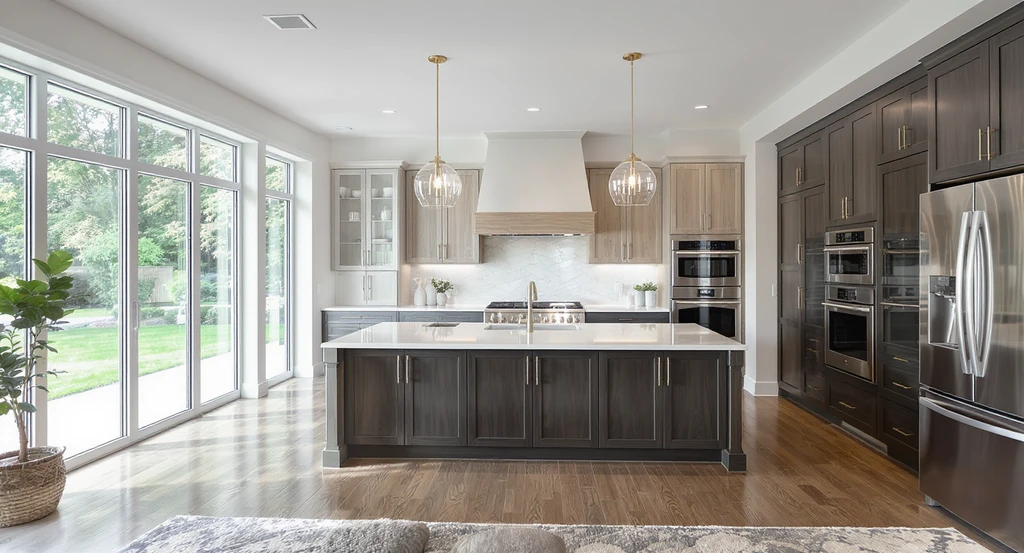
Big-ticket projects like full kitchen remodels and additions minimize common remodeling mistakes homeowners make—balancing ambition, funding, and how to avoid renovation regret in 2026 while boosting quality of life and resale value.
Nearly a third of homeowners now take on renovations exceeding $50,000. Despite a softening in overall plans, high-end activity remains robust, showing the enduring appeal of substantial upgrades and whole-home overhauls.
Big-ticket renovations are large-scale projects with a heavy spatial impact—think major kitchen remodels or additions. The psychological factor: these are milestone investments, often linked to forever-home aspirations. Overlooking this trend could mean missing out on the opportunity to upgrade your quality of life and property value in tandem. As we explored in our funding guide, balancing ambition with affordability is key. Decision note: Set project priorities: go big only if you have funding, otherwise focus on impactful, smaller upgrades.
-
08. Most Homeowners Still Rely on Professionals
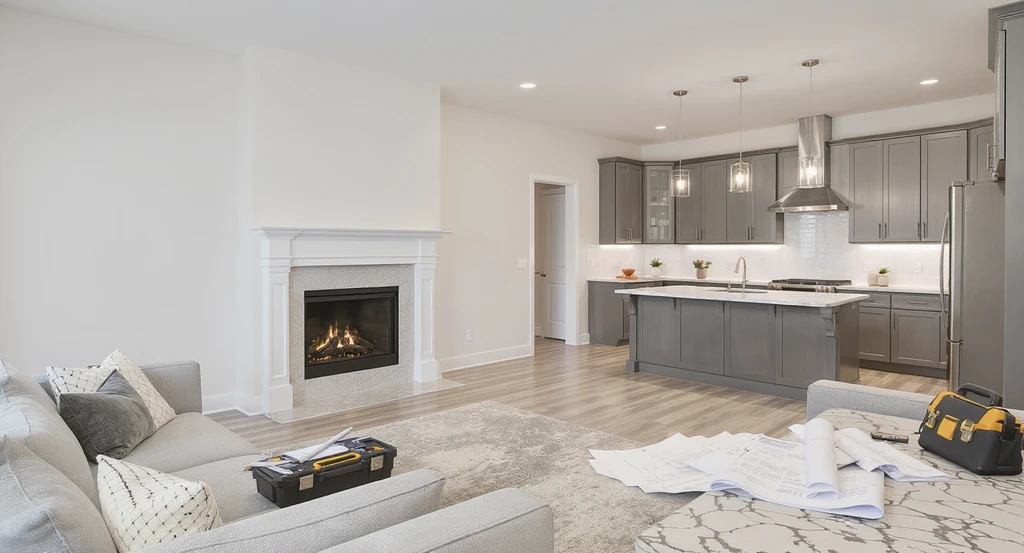
How to avoid renovation regret in 2026: Hiring professionals ensures code compliance, superior layouts, and fewer common remodeling mistakes, creating lasting resale value in both modern and classic home designs.
Nine out of ten renovators hire at least one pro—whether an electrician, contractor, or designer. Professional input ensures code compliance, project management, and better long-term results—especially for complex or costly work.
Professional engagement in renovation is the process of choosing experts over DIY for part or all of a project. Spatially, it means more precise layouts, better finishes, and stronger resale appeal. Psychologically, pro support reduces stress and project risk. Skip expert help, and you open the door to mistakes and costly fixes. For more on how digital tools can bridge visualization and professional expertise, explore the latest in AI-driven design support. Decision note: DIY when low-risk, hire experts when safety or value is at stake.
Visualization Scenario
Imagine using a digital visualization platform to preview three different kitchen finishes and layouts before approving any construction. See how colors, materials, and furniture scaling work together—avoid costly mistakes and feel confident as you move forward.
2026 Remodeling Trends FAQ
Start with clear goals, set a firm budget, and use visualization tools to preview your changes. Learn more in our guide to affordable, regret-free renovations.
Underestimating costs, skipping professional advice, and failing to set priorities are top errors. For more, see our budgeting tips blog.
Yes—if aligned with personal comfort and long-term use. The share of $50K+ projects remains high, but careful planning is essential.
Balance savings, credit, and equity options. Phasing projects and matching funding to scope helps control costs, as outlined in our financing strategies feature.
Earthy palettes, sustainable materials, and vintage details all boost appeal. Get insights in our 2026 trends review.
Lock in product selections early, keep a contingency fund, and revisit the scope regularly. Use visualization to avoid surprises, as discussed in our cost-control guide.
Final Thoughts: Planning for 2026 and Beyond
Remodeling in 2026 rewards those who adapt—whether in setting smart budgets, embracing new financing trends, or thoughtfully mixing DIY and expert help. Miss these trends, and you risk higher costs or regret. Stay grounded with trusted frameworks, and leverage visualization to preview changes before you commit—as highlighted throughout our 2026 guides. Smart planning delivers confidence, value, and joy in your refreshed home.