Home Renovation Costs and Smart Budget Ideas for 2026
TL;DR
Home renovation costs in 2026 vary widely by room, city, and ambition. Smart planning and current trends can make your redesign stylish and affordable, especially with a focus on budget-friendly, durable materials. Technology like AI design and visualization tools empowers homeowners to experiment before any commitment.
Planning Your 2026 Home Renovation: What to Expect and How to Budget
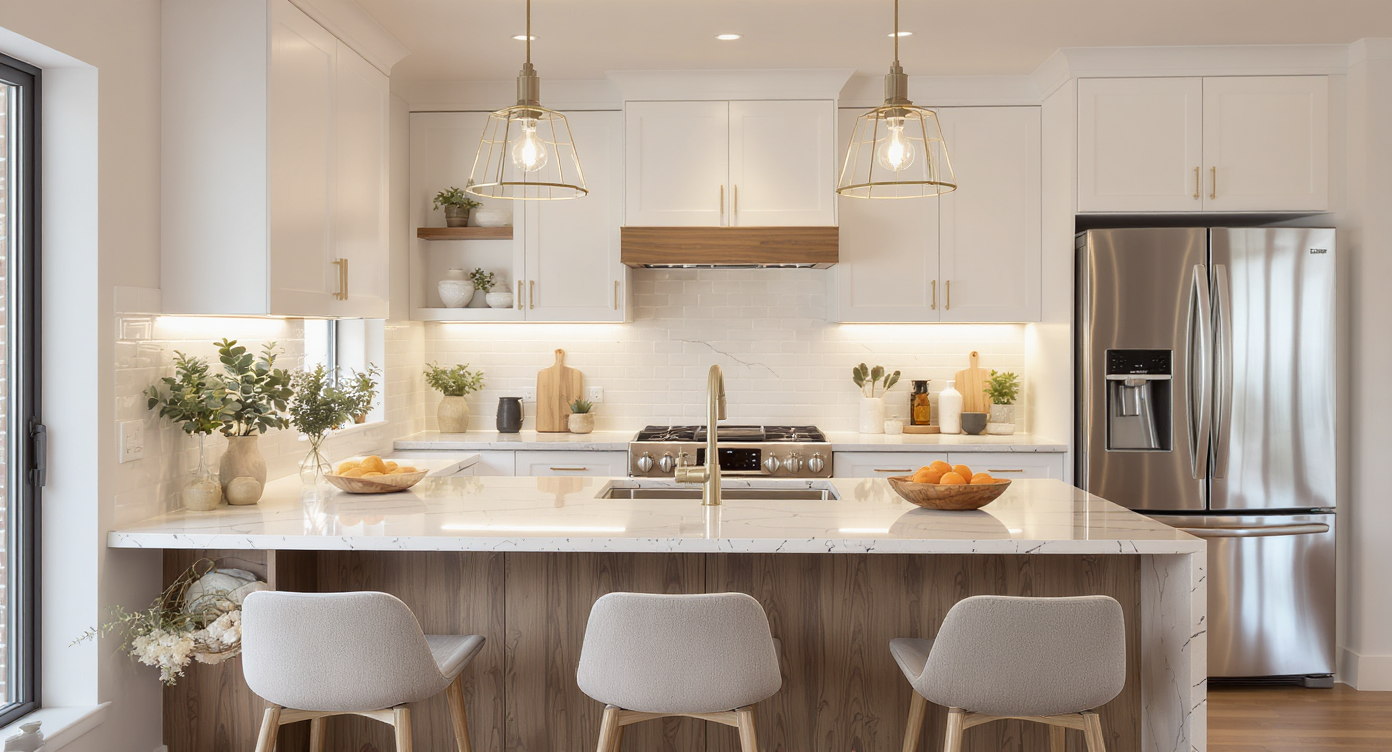
A well-planned kitchen in 2026 balances style, efficiency, and a welcoming atmosphere for family gatherings.
Renovating a home in 2026 is both an opportunity and a challenge. Costs for updates range significantly depending on scope, finishes, and location. Most notably, today's homeowners are achieving stylish, future-ready spaces even on modest budgets by leveraging smarter materials, multi-purpose designs, and digital planning. With careful considerations, a 2026 renovation can infuse your home with comfort, character, and real long-term value.
From small urban apartments to spacious houses, understanding potential costs—and how to keep them under control—has never been more essential. Whether it's a comprehensive transformation or a targeted facelift, clear priorities and realistic budgeting are the foundations of a renovation that delights rather than overwhelms.
-
Big-Picture Renovation Costs for 2026
Home renovation budgets in 2026 reflect wide-ranging choices, especially across urban and tiered cities. For basic cosmetic refreshes, like painting or light electrical updates, expect to pay ₹600–₹900 per square foot. A mid-range remodel, often incorporating modular kitchens, new flooring, and bathroom upgrades, typically falls within ₹1,200–₹1,800 per square foot. High-end transformations with imported finishes, advanced automation, or custom millwork can cross ₹3,000 per square foot and stretch to ₹4,500 or higher.
Specific rooms add distinct budget pressure. Kitchens command between ₹1.5 lakh and ₹5 lakh, depending on cabinetry and countertop materials, while bathrooms usually require ₹80,000 to ₹2 lakh for quality sanitaryware and essential waterproofing. Living rooms and bedrooms—especially when layered with ambient lighting and storage—generally range from ₹50,000 to ₹1.5 lakh per space.
Local labor and material availability drive significant cost differences. Mumbai and Delhi residents typically pay 15–20% more than those in tier-2 cities, but may also have wider access to advanced design solutions. Conversely, Tier-2 and Tier-3 towns offer notable labor savings, which can be redirected into higher-quality finishes or extra upgrades.
Expert Insight
After a decade in their starter apartment, the Shah family wanted to transform their daily backdrop without losing their savings. By painting walls in misty blues, switching to modular kitchen units, and upcycling their existing wardrobes, they created a space that felt entirely new. Using digital design mockups and keeping 20% of their budget in reserve for hidden repairs, they completed the upgrade ahead of schedule—and with change to spare.
-
Where the Money Goes: Room-by-Room and Hidden Expenses
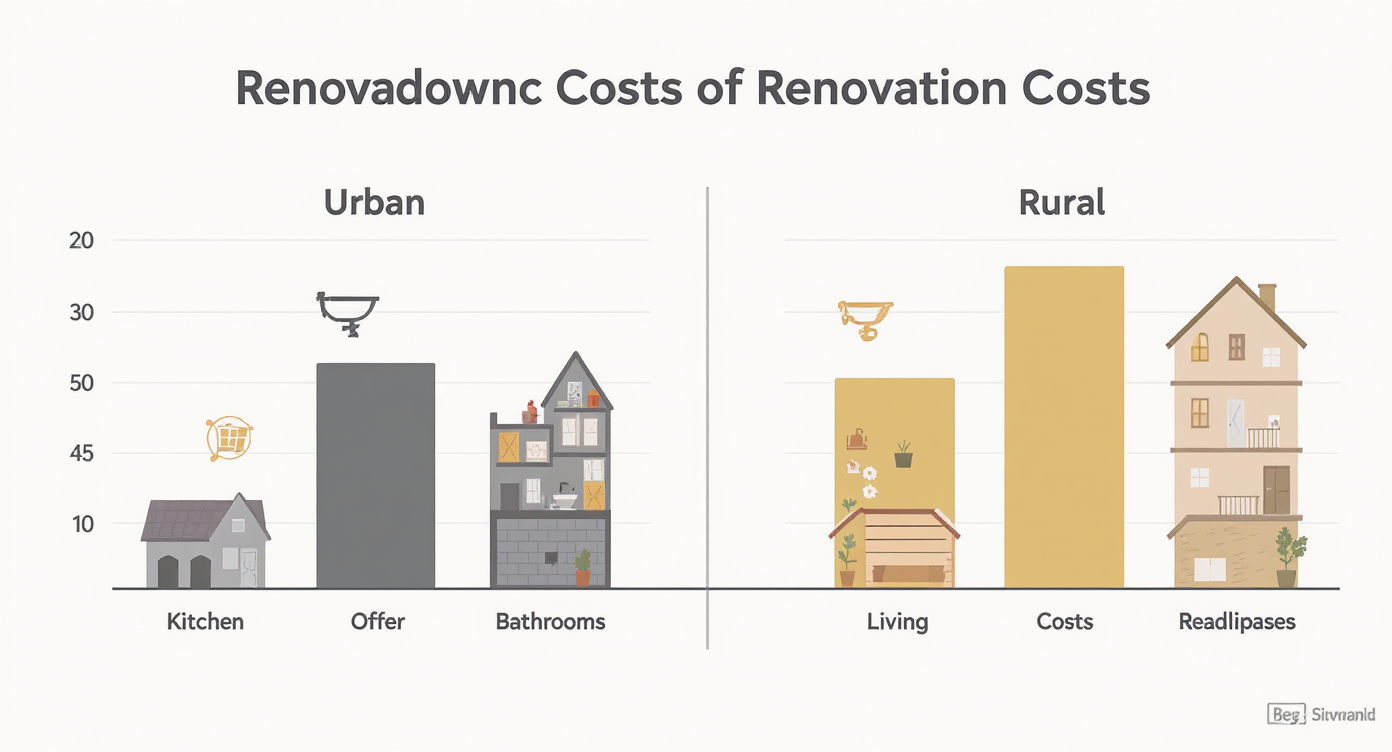
Understanding where your renovation budget goes: A glance at the big-picture costs for 2026.
Every renovation is a blend of visible improvements and invisible investments. Kitchens, as the heart of most homes, often absorb the largest share—not only due to surfaces and appliances, but the hidden cost of quality hardware that endures daily use. Bathrooms, while smaller, demand robust waterproofing and reliable plumbing above all else, as a shortcut here often leads to expensive repairs later.
Cosmetic updates in living spaces—such as paint, wall trims, layered lighting, soft furnishings, and modular wardrobes—can refresh your home's look sustainably and cost-effectively. Choosing materials like laminates over hardwood or PVC for paneling is a favorite strategy among designers aiming for a premium effect without exceeding budget.
It's easy to underestimate hidden expenses. Buffer 15% of your renovation budget for contingencies like demolition, debris removal, GST (which adds up to 18% on many materials and services), post-renovation cleaning, and professional design fees. These hidden costs routinely catch homeowners off guard, delaying timelines or triggering difficult choices on finishes.
In practice, a homeowner in Noida recently updated their compact 2BHK by investing in easy-to-install PVC wall panels, layered LED lighting, and smart modular storage. They kept the kitchen semi-modular to reduce civil work, applying cost savings to high-touch hardware and statement tile backsplashes. Efficient planning resulted in a visually upgraded home for under ₹6 lakh.
-
Planning, Prioritization, and Financing Options
The most successful 2026 renovation journeys begin with a clear hierarchy of needs. Experienced renovators distinguish between must-haves—like structural repairs or waterproofing—and nice-to-haves, such as decorative wall treatments or designer lighting. Creating a room-by-room checklist and soliciting at least three competitive quotes ensures a realistic, well-informed budget.
Timing can also influence costs. Scheduling major work outside monsoon or festival seasons in India helps avoid disruptive delays and inflated labor rates. In the U.S. and other global markets, seasonal demand for contractors around spring and autumn may also lead to higher quotes and busy schedules.
To fund renovations responsibly, homeowners often rely on targeted home renovation loans or top-up loans if they already hold a mortgage, with some Indian banks offering collateral-free options and interest rates as low as 8.5–11%. Tax benefits under Section 24 of India's Income Tax Act may offset the cost of eligible improvements to self-occupied properties.
When considering resale potential, balancing DIY tasks with professional work is a recurring theme in market advice. As DIY renovations for resale reveal, cosmetic upgrades offer the best ROI, while foundational and structural work should be left to specialists to protect long-term value.
-
Trends, Styles, and Cost-Saving Strategies for 2026
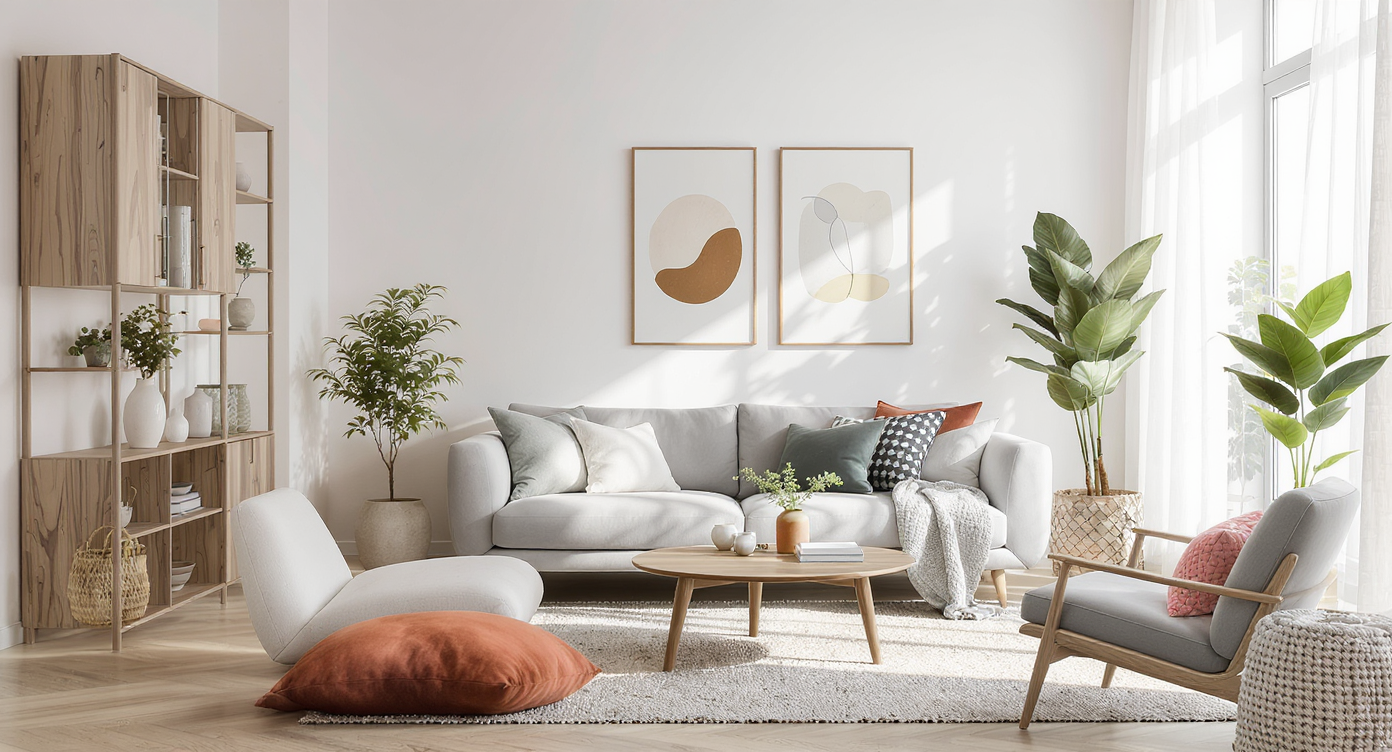
2026 design trends: Merging sustainability with style in home renovations enhances both aesthetics and well-being.
Renovation style in 2026 sits at the intersection of wellness, sustainability, and space-maximizing creativity. Popular updates include matte or suede-textured laminates, engineered quartz, open shelving, and cost-effective vitrified tiles—delivering the elegant look of stone or hardwood without the maintenance demands. Soft, earthy colors like sage, latte, and clay bring instant calm and visual cohesion to small and large homes alike.
Designers often recommend modular furniture, wall-mounted storage, and convertible pieces (like sofa-cum-beds or extendable dining tables) for Indian apartments and compact North American homes. Lighting is recognized as a low-cost, high-impact update; cove lights, LED strips, and layered pendants reenergize any room for a fraction of the price of chandeliers or custom fixtures.
When steering clear of over-customization, homeowners can focus budgets on visible focal points—accent walls, kitchens, and bathrooms—while streamlining secondary elements. Open shelving or reupholstering existing furniture, for instance, often provides the "designer finish" without the capital outlay of a full overhaul. According to upcoming home design trends, sustainable upgrades, color drenching, and spa-inspired elements are gaining a foothold with both first-time buyers and long-term owners.
In a practical scenario, a family reimagining their living room in Pune sought designer support only for key zones: an accent PVC panel wall, textured paintwork, and recladding the existing storage. By upcycling their wooden sofa set and integrating LED-based mood lighting, they created an inviting space for under ₹90,000.
-
Common Mistakes to Avoid in 2026 Renovations
- Skipping Professional Planning: Forgoing expert advice on layout or material selection can lead to expensive rework. Fix: Invest in a professional consult for design and material shortlisting even if you DIY execution.
- Underestimating Hidden Costs: Failing to budget for debris removal, GST, or deep cleaning leads to last-minute stress. Fix: Always allocate a 10–15% contingency buffer.
- Over-Customization: Excess personalization can lower resale value or make spaces less flexible. Fix: Choose modular or neutral solutions for major fixtures.
- Hiring Inexperienced Labor: Choosing the cheapest labor can lead to poor finishes and unsafe installations. Fix: Vet contractors based on referrals and finished work, not just low bids.
- Starting Without a Timeline: Unplanned projects often spiral into endless works-in-progress. Fix: Set milestones and deadlines before spending on materials.
-
Expert Insights and Cost-Effective Tips
- Get Multiple Quotes: Comparing at least three detailed estimates protects against inflated costs.
- Prioritize High-Touch Areas: Invest in durable hardware and trusted brands for kitchens and storage—these outlast flashy, low-grade alternatives.
- Embrace Visualization Tools: Use digital platforms such as ReimagineHome.ai to test layouts, color schemes, and finishes before committing. This makes it easy to change direction without incurring real-world expenses.
- Plan for Seasonal Variations: Be aware of regional labor patterns and material surges tied to festivals, monsoon, or snow seasons.
- Measurable Tip: Set a strict project budget spread across must-haves and nice-to-haves. For example, limit cosmetic upgrades to 30% of the total spend while safeguarding 70% for functional essentials.
-
Visualizing Your Renovation: Before You Build
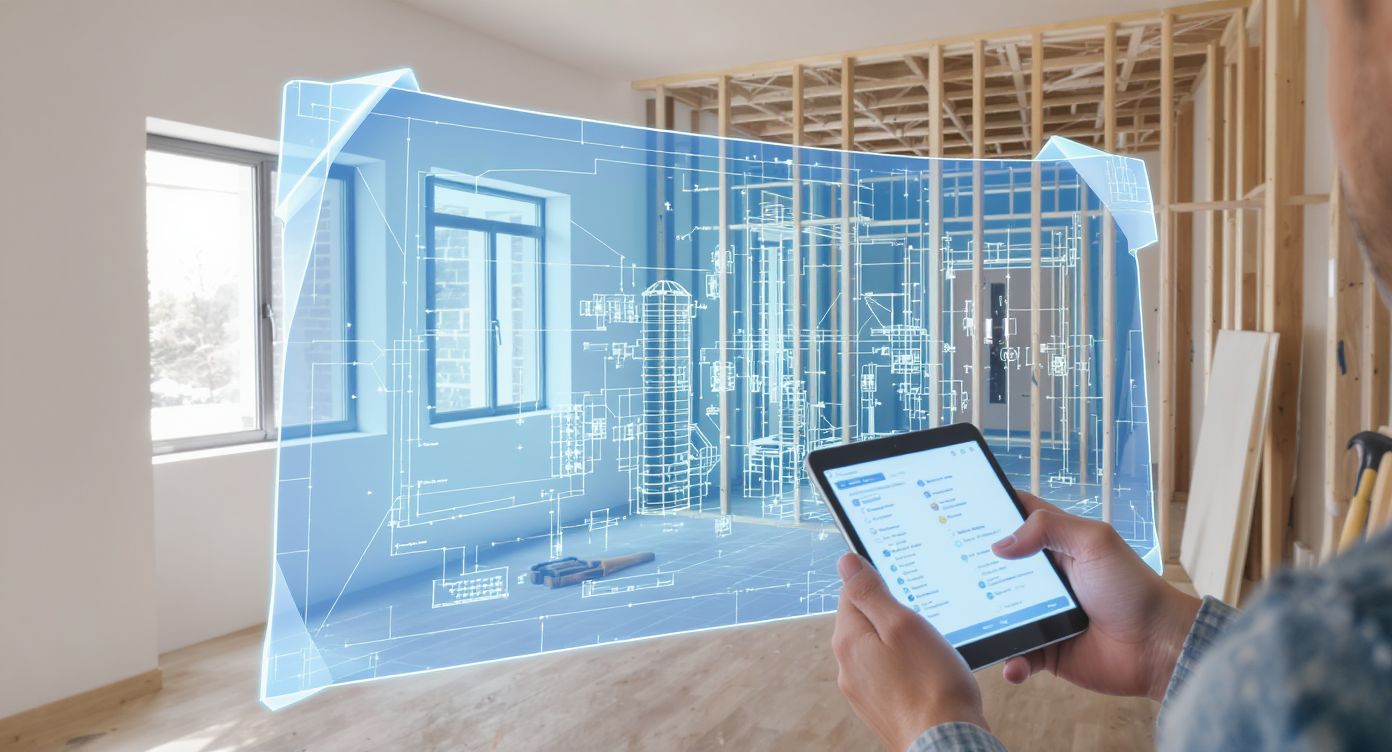
Visualizing your renovation: Merging digital planning with real-life construction for a seamless project experience.
Seeing the future of your renovated home before breaking ground is no longer a luxury—it's expected. Visualization tools empower homeowners to test color palettes, cabinet designs, lighting arrangements, and furniture layouts without a single brushstroke or nail. Apps like ReimagineHome.ai allow anyone to generate room variations based on photographs or blueprints, from simple wall color swaps to complete design overhauls.
Imagine a scenario where you upload your current living room photo and test four different accent colors, several types of flooring, and a new arrangement for sofas and tables. Within minutes, you discover that a muted sage wall paired with open shelving delivers harmony you couldn't have pictured before. This approach not only builds confidence, but can steer you away from expensive mistakes and toward a design that feels right—long before contractors arrive.
For more ambitious planning, advanced AI design platforms can offer room-by-room layouts, estimate budgets for selected finishes, and even suggest reputable local vendors or material sources. Homeowners who try these visualization tools frequently report fewer regrets and clearer vision when the real work begins.
Visualization Scenario
Picture uploading a photo of your bedroom to a design platform and instantly viewing it with different wall hues, modern wardrobes, and ambient lighting. Within an hour, you can experiment with color trends for 2026, test where to install floating shelves, or virtually stage your space with compact, multifunctional furniture options before making a single purchase.
Frequently Asked Questions About 2026 Home Renovation
- How much does a full home renovation cost in 2026?
The range for an average home renovation spans from ₹4 lakh for targeted makeovers in apartments up to ₹20–25 lakh for premium, whole-home upgrades. Costs are higher in major metros and for homes exceeding 1,500 sq.ft. - What's the most cost-effective way to update a kitchen or bathroom?
Use modular cabinets, laminates, and focus on essential upgrades like fixtures and hardware. Avoid full layout changes unless absolutely necessary, as plumbing and structural work drive up expenses. - How can I avoid going over budget during my renovation?
Create a room-by-room checklist, insist on fixed written quotes, and maintain a 10–15% buffer for surprises. Digital visualization tools can help prevent expensive mid-project design changes. - Is it better to renovate all at once or in phases?
Whole-home renovations often save time and reduce contractor costs, but phased renovations allow for financial flexibility and easier daily life adjustments. Assess your living needs and cash flow. - How does AI technology help with home renovation design?
Visualization tools powered by AI, such as ReimagineHome.ai, let homeowners preview design choices in context, estimate budgets, and avoid costly errors before real work begins.
A 2026 Renovation That Works for Your Life and Budget
Home renovation success in 2026 will hinge on careful planning, targeted spending, and openness to new design and visualization technologies. Whether you're working with a small urban flat or sprawling home, informed decisions about what to refresh, which materials to choose, and when to seek expert input make all the difference in both final quality and long-term value.
Visualization tools such as ReimagineHome.ai are giving homeowners more confidence and control than ever, from the earliest sketches to final walks through a finished space. When paired with strategic budgeting, a bit of market research, and a healthy buffer for the unexpected, your next home makeover can deliver comfort and joy for years—well beyond the trends of 2026.