7 Rules for Adding Molding and Painting Your Dining Room Ceiling—With Confidence
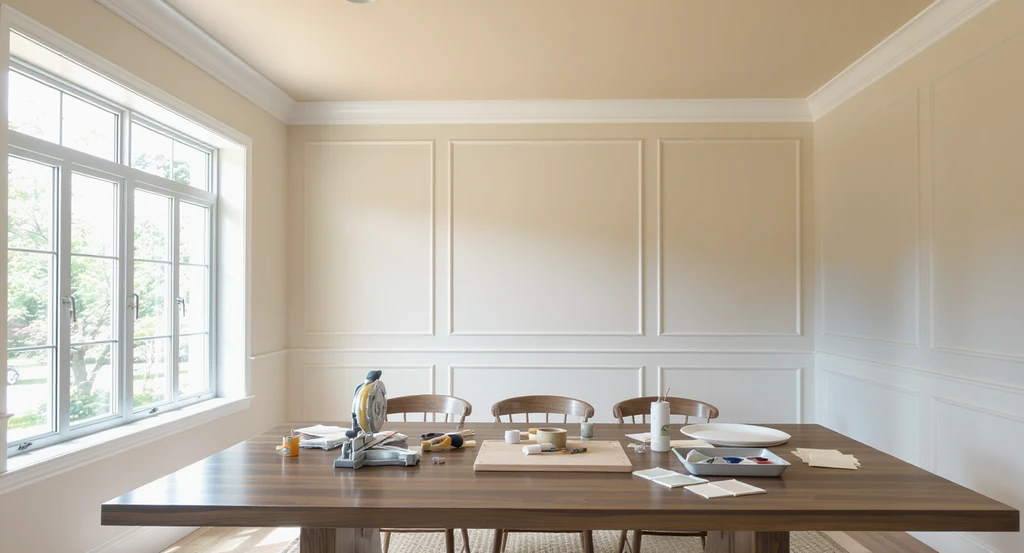
Clarity Before Commitment: What Really Happens When You Add Molding or Paint Your Ceiling
Compare the effects of adding molding and painting dining room ceiling versus leaving it plain—discover how the best ceiling paint finish for dining rooms and choosing crown molding in small spaces can shape mood and style, whether you seek a cozy vibe or want to mix modern and vintage furniture.
Ceiling molding and painted ceilings have surged in popularity as homeowners search for ways to add character, drama, or intimacy to otherwise boxy rooms. But inspiration images often disguise crucial spatial differences—the leap from a grand European dining hall to your own nine-foot space can lead to costly disappointments if not evaluated logically. This guide introduces the "Ceiling Context Framework"—a clear method for predicting visual, spatial, and psychological impacts before investing in trim, paint, or other ceiling treatments. Use these seven rules to clarify consequences, avoid common missteps, and set realistic expectations for your own dining room—so any change feels custom, not copycat.
-
1. Apply the Ceiling Context Framework Before Any Change
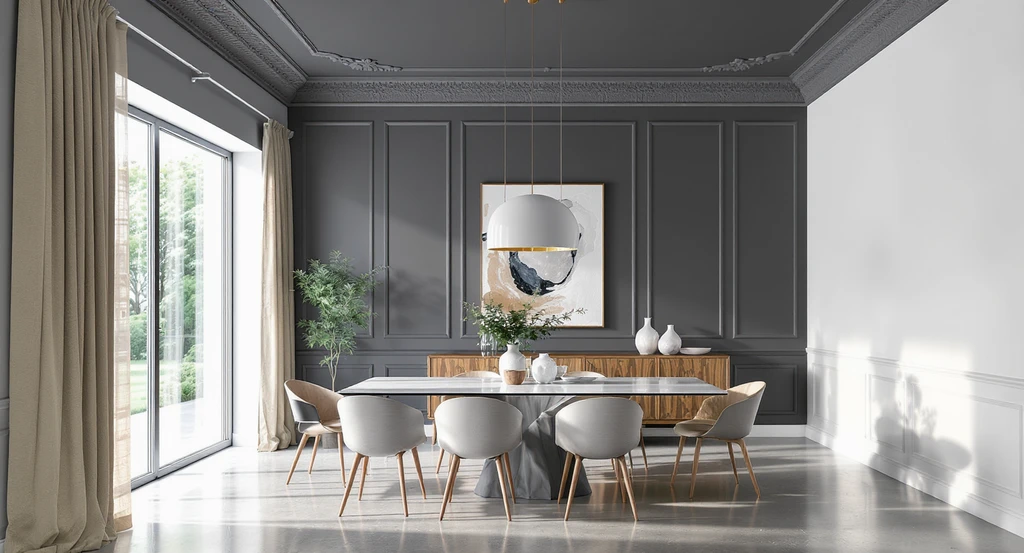
Before adding molding and painting your dining room ceiling, analyze ceiling height, wall transitions, light, and doorways for the best paint finish and style.
The Ceiling Context Framework advocates analyzing both spatial proportion and sightline exposure before adding molding or painting the ceiling. High-ceiling inspiration images often mask how strong horizontal lines and color bands can compress standard-height rooms. Before emulating period details or saturated colors, map the ceiling height (in feet), wall-to-ceiling transitions, natural light levels, and doorway placements to visualize impact. ReimagineHome can help you test these options in a virtual model before any real paint or trim is purchased—avoiding regret that stems from copy-paste design thinking.
-
2. Use Proportional Molding: Avoid Oversizing in Modest Rooms
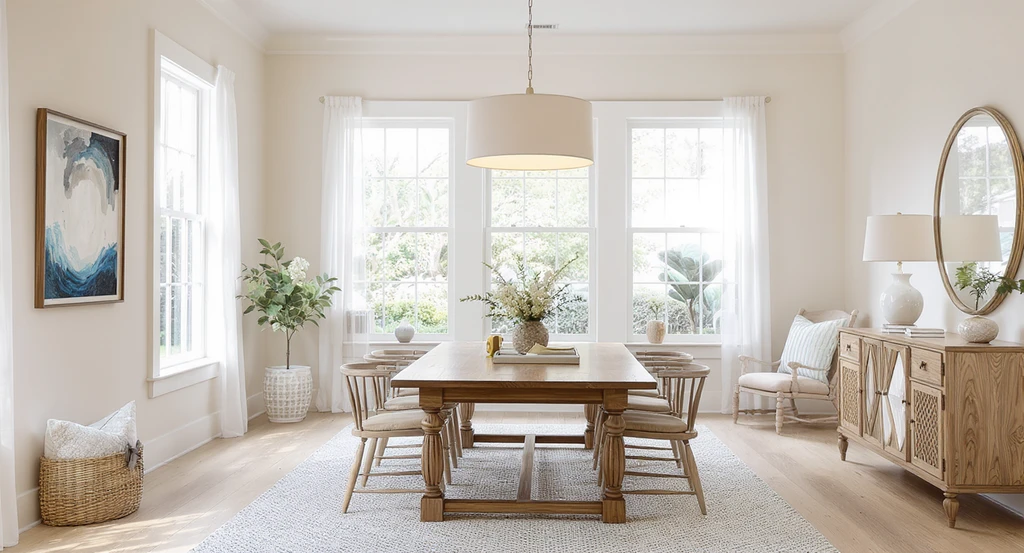
Properly sized crown molding keeps the dining room feeling spacious—adding molding and painting dining room ceiling boosts balance and style. Tips for choosing crown molding in small spaces.
Adding molding in dining spaces with standard 8- or 9-foot ceilings requires precise proportioning. Oversized crown can visually lower the ceiling, causing a boxed-in feeling—especially if paired with bold ceiling paint. The "One-Sixth Rule" offers measurable guidance: crown molding should not exceed one-sixth the vertical distance from the top of windows or doors to the ceiling. This maintains architectural balance and prevents the ceiling line from dominating the room’s composition, as emphasized in our guidance on layering dining room elements thoughtfully.
-
3. Select Ceiling Paint Color and Finish With Light Direction in Mind
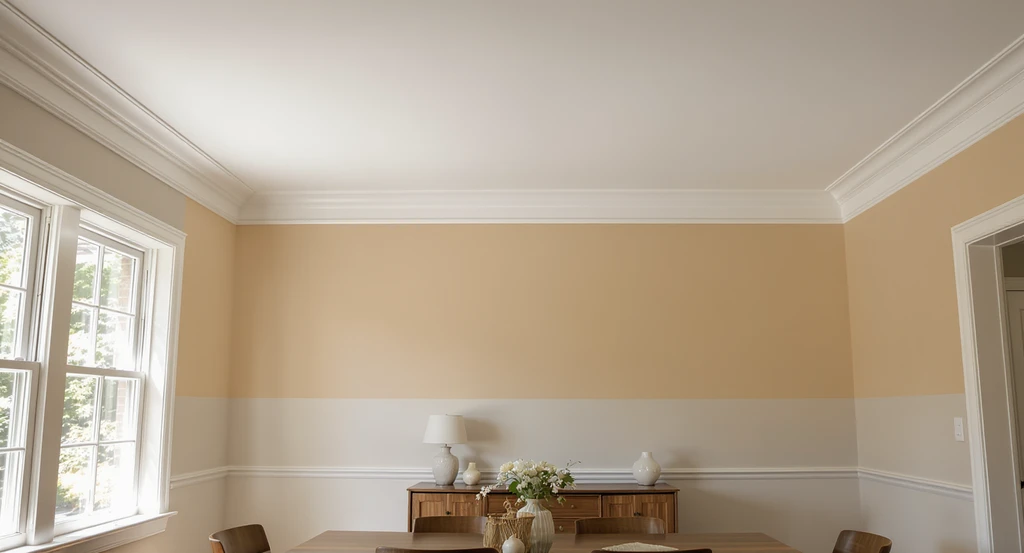
See how adding molding and painting your dining room ceiling in matte finish, with the right color and direction of light, creates a cozy vibe—plus tips for choosing crown molding and mixing modern with vintage furniture for the best result.
A flat or matte paint finish on the dining room ceiling reduces glare and surface imperfections, enabling a cozier and calmer vibe. When choosing a color, remember that darker hues visually "lower" the ceiling, intensifying intimacy but shrinking volume; lighter tones reflect daylight, opening up the space. North-facing rooms can carry mid-tone hues without feeling cold, but south-facing rooms may benefit from creamier or neutral tones to prevent harsh brightness—as we explored in our 5-step paint color system. The psychological effect: ceiling color sets either a sheltering mood or an uplifting one, depending on intensity and finish.
-
4. Demarcate Transitions Strategically Between Spaces
Treating the ceiling and molding as a continuous feature only works if adjoining rooms complement it. Unplanned transitions—where molding or paint stops abruptly at a doorway—break visual flow and can appear makeshift. Use subtle trim returns, cased openings, or paint borders to create defined thresholds. This not only clarifies spatial intent but also avoids the pastiche effect, where historical details feel stuck-on rather than integrated into the home’s architecture.
-
5. Balance Modern and Vintage: The Accumulation Principle
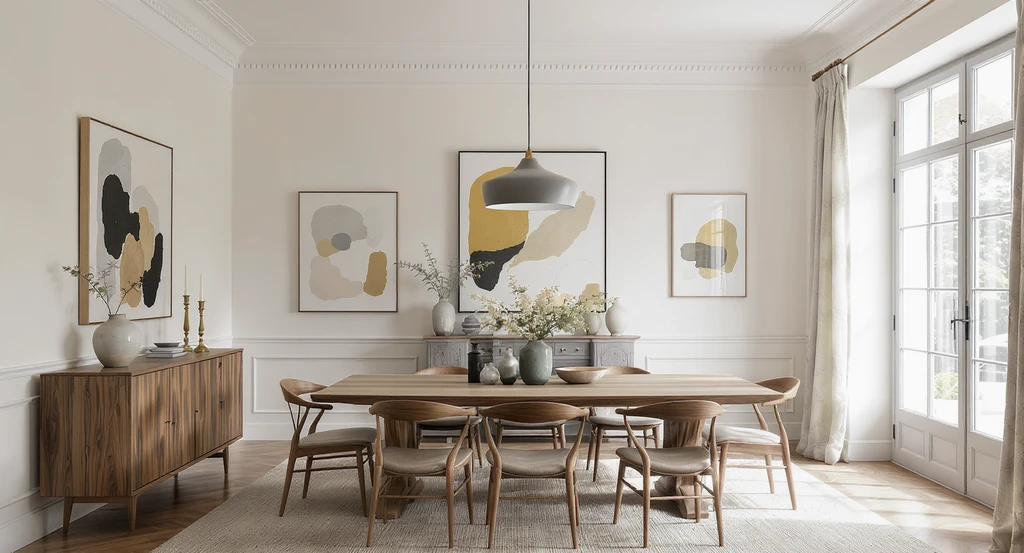
Layering modern and vintage furniture with painted ceilings and classic crown molding exemplifies how to mix modern and vintage furniture. Discover tips for adding molding and painting dining room ceiling, choosing crown molding in small spaces, and picking the best ceiling paint finish for dining rooms to achieve an inviting style.
Mixing modern and vintage furnishings in a dining room with classic molding or ceiling treatments avoids thematic overload and prevents the space from feeling like a museum set. The Accumulation Principle recommends at least one piece from each era—mid-century chairs with contemporary lighting, or modern art with traditional molding—so the room’s story feels personal rather than period-perfect. This approach has psychological value: spaces that feel collected over time invite curiosity and signal lived-in authenticity, as discussed in our advice on refreshing dated spaces while maintaining character.
-
6. Calibrate Visual Clutter: The Clarity-Contrast Test
Introducing ceiling detail and color without editing other elements often leads to perceptual clutter. Apply the Clarity-Contrast Test: before adding molding or painting the ceiling, remove one major visual element—such as an extra set of plants, busy shelf, or contrasting window treatment—then reassess. Well-edited rooms allow ceiling interventions to stand out without tipping into visual overload.
-
7. Optimize Lighting Strategies to Support New Features

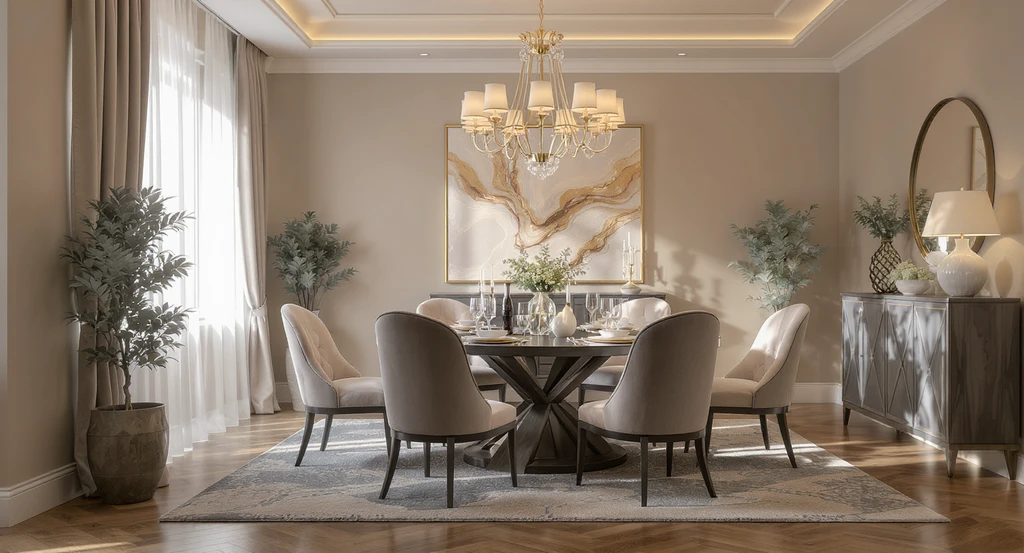
Layered dining room lighting, including pendant, wall sconces, and cove lights, highlights adding molding and painting dining room ceiling, blending modern and vintage furniture for a cozy vibe.
Upgrading ceiling or molding treatments in isolation can undermine your efforts if lighting remains basic. Use layered lighting—pendants, wall sconces, and even cove lights installed near molding—to accentuate texture, highlight paint depth, and add drama. Correct pendant height and light color temperature can reinforce the intended atmosphere, amplifying cozy or airy effects. For more on layering light and standout art, revisit our guide to elevating dining rooms with light and proportion.
Visualization Scenario
Picture your dining room rendered in ReimagineHome: the existing furniture, shelf, and plants fade in layers as you toggle on classic crown molding and a fresh, ultra-matte ceiling. Light washes gently across a calmer, decluttered room. With one click, you swap out dark chairs for wood-toned ones or test the difference between a rich blue ceiling and the softest white—instantly seeing which version harmonizes with your architecture and personal style.
Frequently Asked Questions: Ceiling Color, Molding, and Dining Room Upgrades
Painting the ceiling in rooms with standard-height ceilings can visually lower the space, creating coziness but also shrinking the sense of height. Choose lighter hues or limit color to maintain balance unless a more intimate, enclosed feel is your goal.
What is the best ceiling paint finish for dining rooms?
Flat or matte finishes are generally ideal for dining room ceilings because they mask imperfections and diffuse light, resulting in a softer, less glaring atmosphere.
How do I transition molding or ceiling paint into another room?
End ceiling paint and trim at cased openings, natural room breaks, or with a subtle molding return. Abrupt transitions can seem unplanned; clear demarcation keeps the space intentional.
Can I mix modern furniture with classic molding?
Yes, mixing modern and vintage elements is recommended. It makes the room feel accumulated and authentic rather than forced or overly formal.
Should I remove clutter before adding ceiling detail?
Yes. Reducing shelves, busy decor, or extra plants lets new ceiling treatments take visual priority and avoids a chaotic appearance.