9 Bachelor Pad Layout Mistakes That Make Small Apartments Feel Cramped (And How to Fix Them)
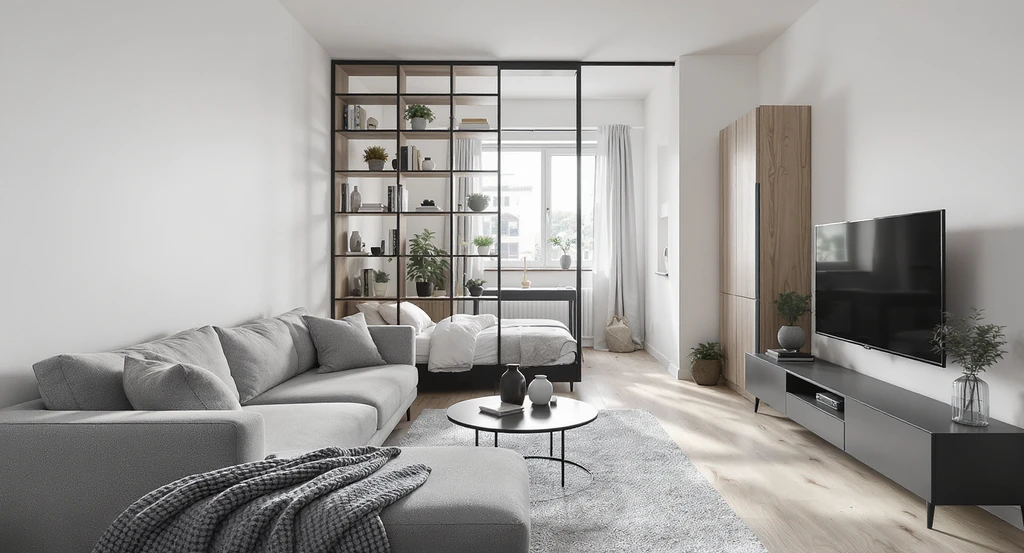
TL;DR
A sharp-looking bachelor pad often hides layout mistakes. This guide highlights common errors, like blocked pathways, poor zoning, or awkward furniture size, and shows clear, practical steps to correct them for maximum comfort and usability.
Why Layout Matters More Than Decor in Bachelor Pads
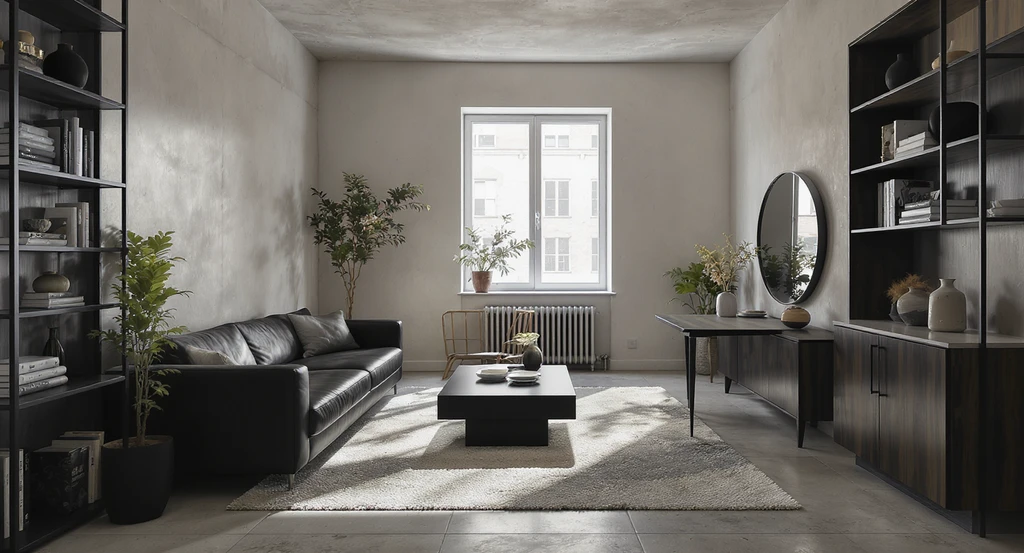
Even a visually tidy bachelor pad can feel cramped if furniture blocks entryways or zones lack clarity—ai tools for optimizing bachelor pad layout, like the best ai interior design platforms for men, can preview better room flow and zoning solutions.
Many visually tidy bachelor pads and minimalist studios look good on social media but still struggle with practical layout errors. It’s common to see sleek furnishings in male living spaces, yet key issues like blocked entryways, unclear zones, or awkward furniture placement can make living less comfortable and functional. Focusing on layout, circulation, scaling, furniture alignment, and zoning, improves both daily use and guest readiness. This guide addresses key bachelor pad layout mistakes, why they happen, and how to solve them with proven space planning rules. Where helpful, it also explains how AI tools for optimizing bachelor pad layout can preview furniture arrangements and fix scaling errors before you move anything. With a few small changes, even the simplest apartment can become comfortable, organized, and flexible.
-
01. Forgetting Entry Focal Point and Privacy
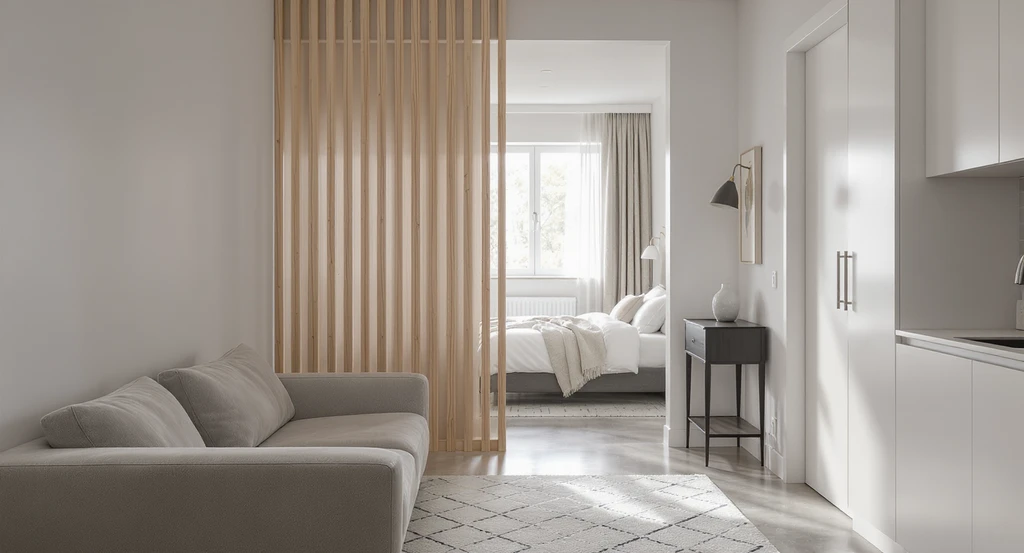
Using ai tools for optimizing bachelor pad layout and studio apartment zoning, this setup demonstrates how a sofa acts as an entry focal point to enhance privacy and intentional room flow.
The first major mistake is placing the bed directly within sight of the front door. In studios and bachelor layouts, this approach reduces privacy and makes the apartment feel unplanned and visually smaller.
This happens because the simplest placement is often to push the bed against the far wall, giving little thought to entry sightlines. To improve, establish an entry focal point: position a sofa, low shelf, or divider so visitors see a living or lounge area first, not the bed. This provides a sense of intentionality and privacy, and marks a clear transition from entry to living space. AI solutions for studio apartment zoning can help preview divider or furniture positions, simulating how sightlines affect both openness and visual comfort before committing to changes. For foundational principles, see more about studio zoning and privacy here.
-
02. Skipping Bed Size and Circulation Zones
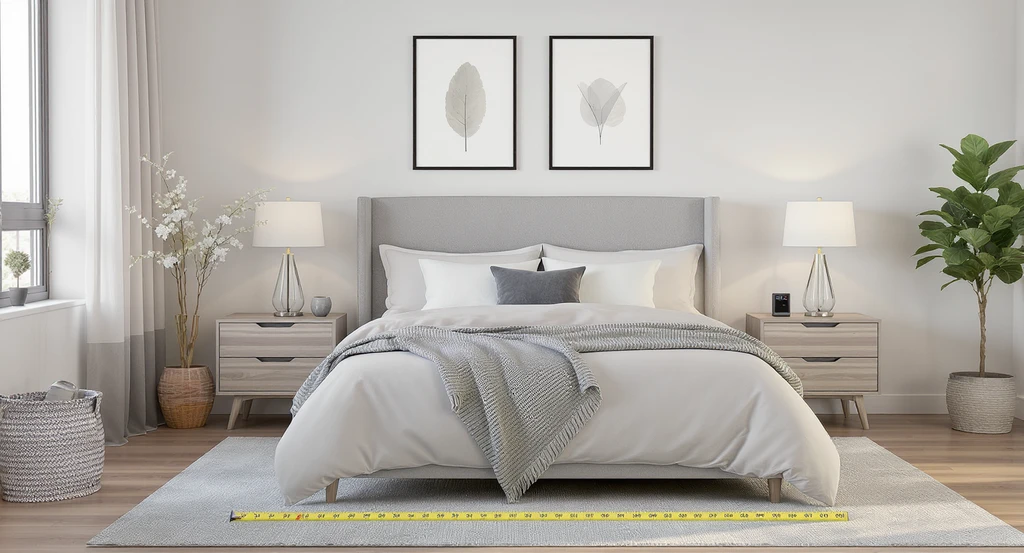
Optimal bed placement and circulation in a small bachelor pad shown with ai tools for optimizing bachelor pad layout and room flow, illustrating best practices for studio apartment zoning and maximizing comfort for men.
Many bachelor pads rely on small beds or push sleeping areas into corners, thinking it saves space. In practice, this leads to tight circulation and a temporary, unfinished feel.
This usually happens from assuming that bigger beds waste room or that single living doesn't require much clearance. However, maintaining 24–30 inches of clearance on at least two sides of the bed is a key rule for comfort and flexibility. This clearance ensures that you, and guests, can move easily and makes the room feel more considered. Use AI tools for optimizing bachelor pad layout to digitally measure or preview different bed sizes virtually, so you know what fits before rearranging. For specific measurement guidelines, our sofa and bed sizing article has more tips.
-
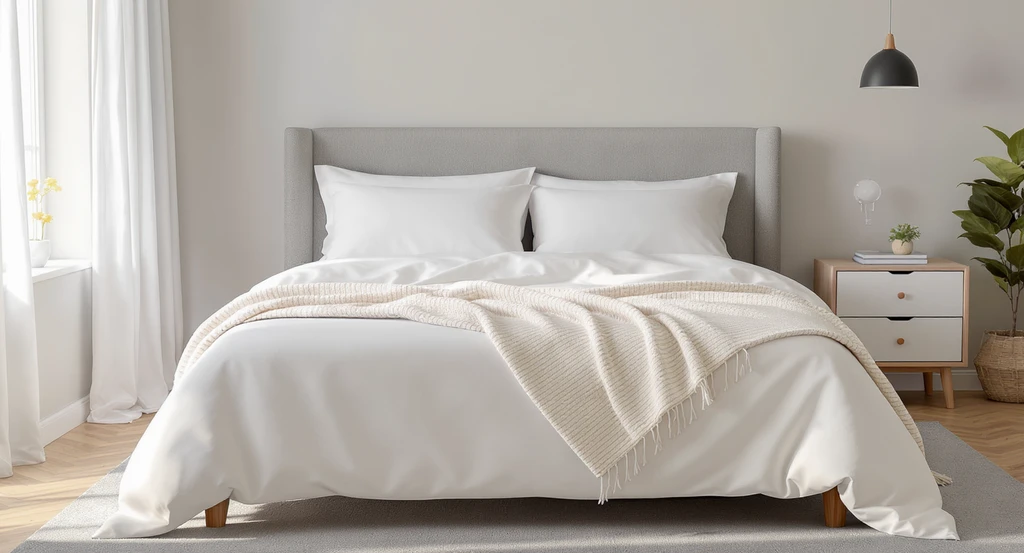
03. Minimal Bedding Layers Can Make Bedrooms Look Sparse (But Don’t Fix Layout)
03. Minimal Bedding Layers Can Make Bedrooms Look Sparse (But Don’t Fix Layout) Image
Ultra-simple bedding, just a single pillow or minimal linens, is common in bachelor apartments, aiming for a tidy look. However, while neat, this approach does little for spatial planning, circulation, or room usability.
The main issue is confusion between minimal decor and good layout. Extra pillows or simple layered bedding add comfort and visual structure, but layout quality comes from bed placement, walkway width, and zone definition. If your goal is a functional, balanced bachelor pad, focus on furniture positioning and pathway preservation before refining bedding styling. Learn more about prioritizing circulation and scale for small apartment layouts at our furniture and layout guide.
-
04. Buying the Wrong Sofa Size or Blocking Walkways
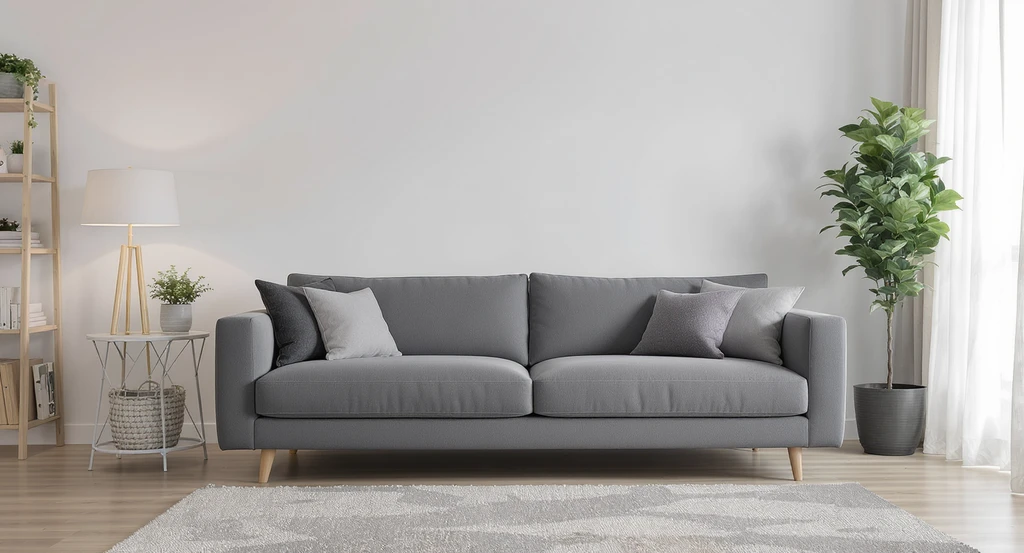
Use the best ai interior design platforms for men to optimize your bachelor pad layout. Painter’s tape shows ai solutions for room flow and studio apartment zoning, helping you choose the right sofa size and maintain wide walkways.
A frequent bachelor pad mistake is choosing a sofa that's too big for the room or placing it so it obstructs paths. This causes interrupted movement flow and can visually shrink the space.
This usually results from buying without measuring, or prioritizing how a piece looks online versus how it fits in real life. The sofa should be about 2/3 the width of the wall it faces, with at least 30–36 inches of pathway clearance. Test layouts with painter’s tape or use AI platforms to preview furniture footprints in your space before you buy. As explored in our sofa fit guide, digital previews reduce guesswork and help avoid costly, crowding mistakes.
-
05. Ignoring Visual Proportion in Furniture Scaling
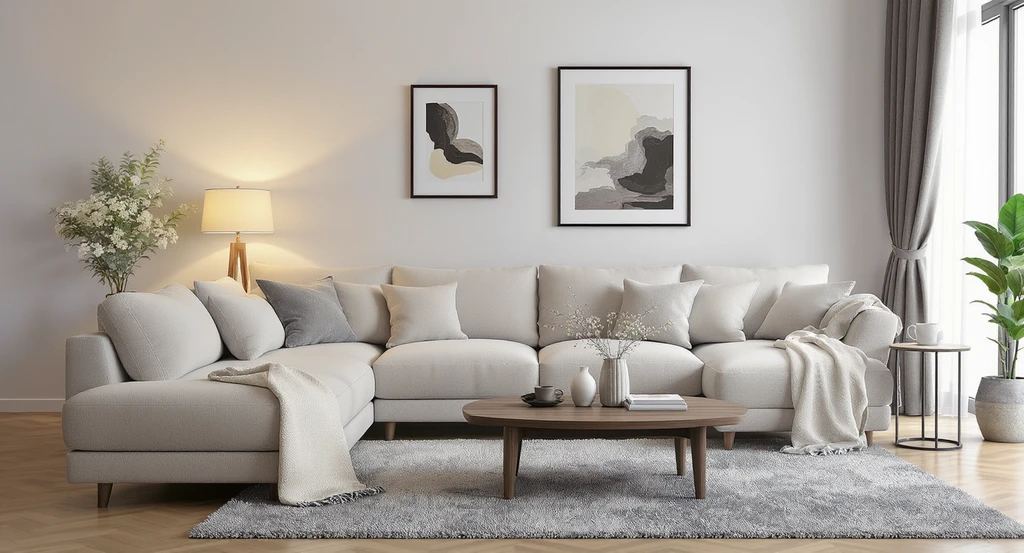
05. Ignoring Visual Proportion in Furniture Scaling Image
Mixing oversized sofas with undersized coffee tables or having every piece at a different height makes the space feel chaotic and less cohesive.
This happens when new furniture is added one piece at a time, without considering scaling principles. Always match coffee table height to within 1–2 inches of the sofa arm, use tables that don't shrink beside main seating, and keep overall heights consistent for visual continuity. According to our guide on how to use AI for room flow, visualizing several layout options with virtual staging prevents mismatched pieces and maintains balance across the room.
-
06. Light Placement That Blocks Windows or Creates Glare
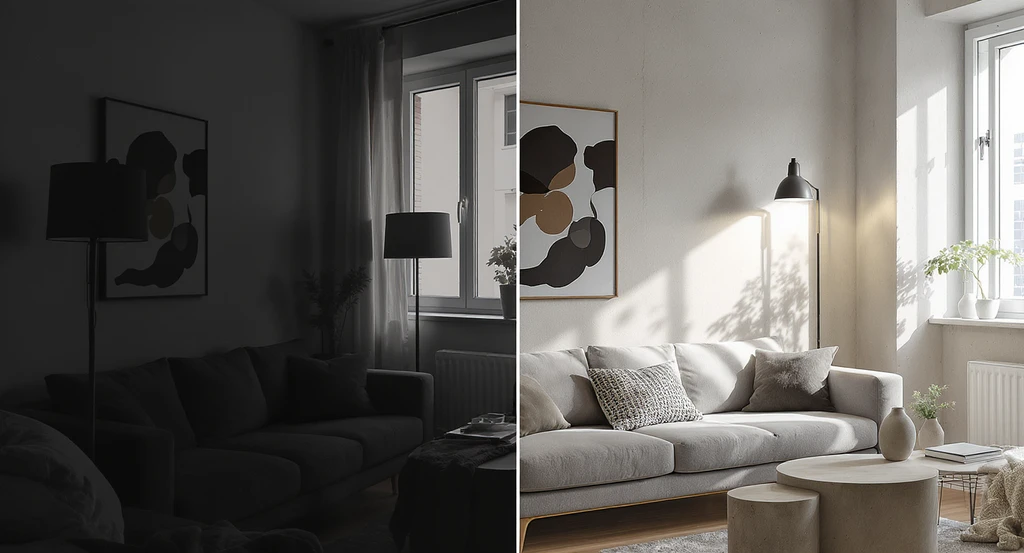
Smart light placement, demonstrated with AI interior design tools, helps optimize bachelor pad layouts for better room flow and studio apartment zoning.
Adding standing lamps or large fixtures in empty corners seems practical, but when they block windows, art, or cast awkward shadows, the room feels darker and smaller.
This usually occurs when lighting is installed for convenience, ignoring where light and sightlines matter. Instead, place standing lamps beside windows and art, not directly in front. For tight spaces, swap to wall-mounted or adjustable lighting, which delivers targeted illumination and clears up floor space. AI interior design tools let you preview light placement effects from a room photo, revealing glare, shadows, or blocked views before you install. For deeper insight, review our guide on AI tools for layout preview.
-
07. Overlooking Entry Drop Zone and Trash Placement
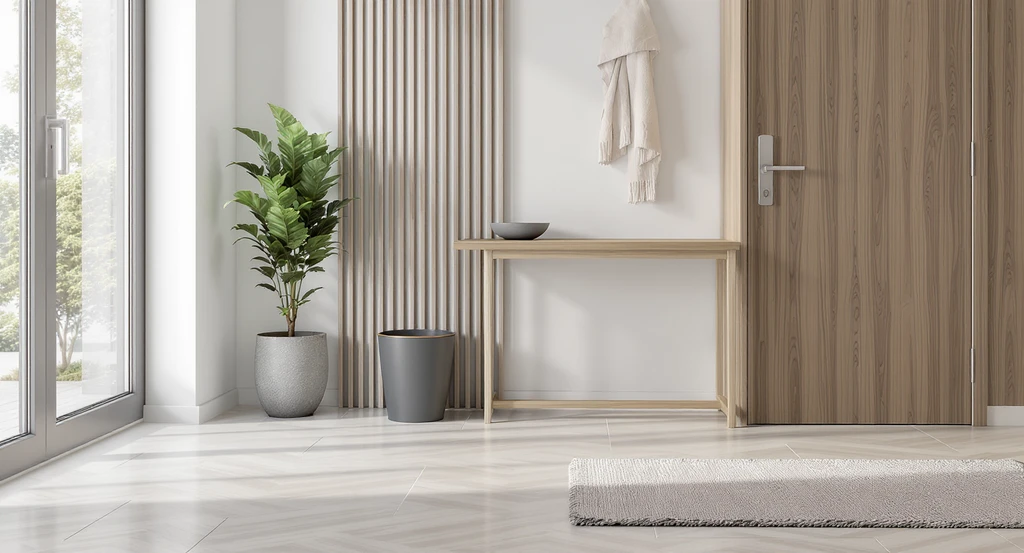
07. Overlooking Entry Drop Zone and Trash Placement Image
Bachelor pad entries often lack a drop zone for shoes, keys, or mail. Without a defined area, clutter spreads and guests don't know where to leave belongings.
This stems from daily solo living, where habits form around convenience and less on planned function. Correct this by placing a small bench, mat, or tray by the entry and ensuring a covered, accessible trash bin is positioned near key living and kitchen areas, not just hidden in a corner. Deliberate entry and waste placement maintains visual order and keeps everyday routines organized.
-
08. Failing to Zone Sleep, Work, and Social Areas
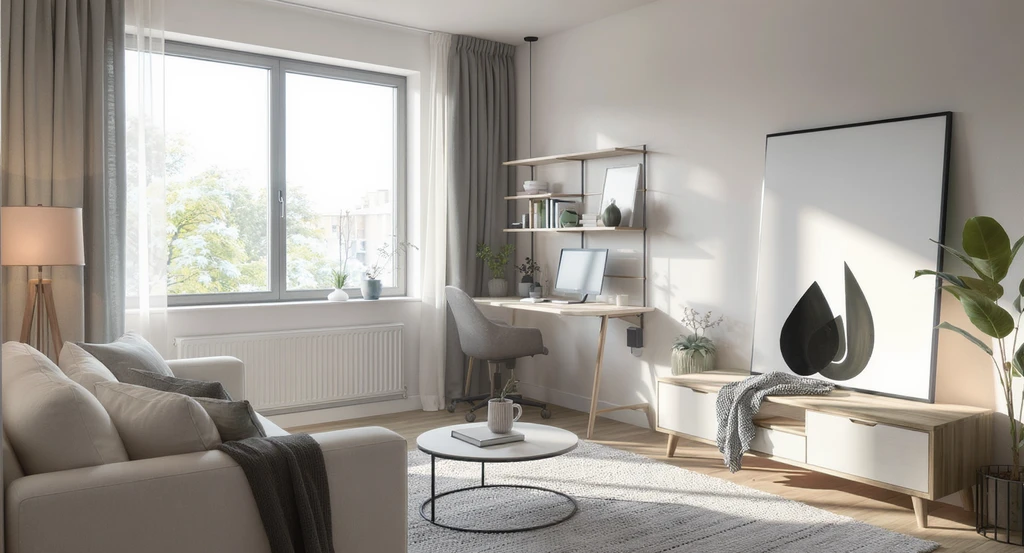
See how ai tools for optimizing bachelor pad layout create flow—sleep, work, and social areas are clearly zoned with strategic furnishings and open shelving in a small studio using the best ai interior design platforms for men.
Studios and bachelor layouts often let beds, desks, and seating run together, creating a single unfocused multipurpose space.
This occurs because dividing the room seems difficult or unnecessary. However, clear zoning makes any small apartment more livable. Use rugs, open shelving, or low benches to separate sleep, work, and social areas. Desk placement should avoid facing the main entry, which helps preserve privacy and transition between rest and productivity. For more on effective zoning, see our detailed bachelor studio solutions.
-
09. Not Planning Sightlines for Openness
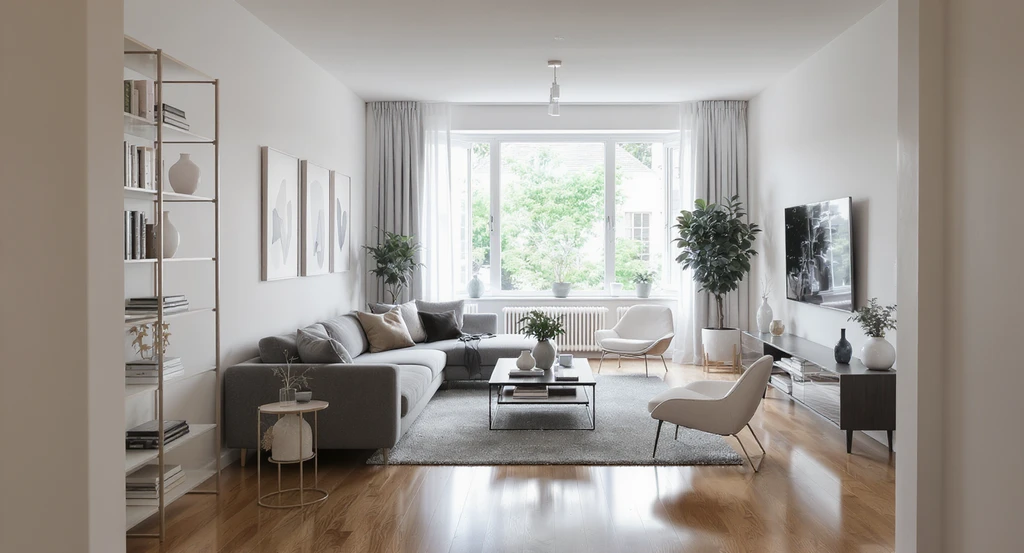
A bachelor pad optimized with ai tools for better layout and sightlines: low-profile furniture and open shelving help maximize room flow and apartment zoning.
Poor sightline planning leads to bulky furniture blocking the view from the entry to main windows, causing the apartment to feel boxed-in and visually cluttered.
This mistake comes from prioritizing furniture convenience over spatial openness. Good layout keeps the primary sightline, from entry to exterior window, as open as possible. Use low-profile sofas, open shelving, and staggered furniture height to promote depth and a sense of space. Digital visualization with REimagineHome AI or similar AI design platforms allows you to preview these arrangements and correct sightline interruptions with minimal effort, as we described in our expert layout post.
Bachelor Pad Layout FAQ
- Do I need a big bed if I have no guests?
Not always, but the right size and placement makes your room feel finished and easier to use long-term. Sizing up can also help with storage and comfort. - How do I prevent my space from looking generic?
Choose one or two anchor objects, repeat a material or finish, and ensure layout logic is sound—review our expert layout advice here. - What is the fastest layout upgrade for most bachelor pads?
Set up an entry drop zone and make sure primary walkways have 30 inches of clearance. Remove any bulky item blocking sightlines or windows. - Can I skip rugs for less maintenance?
Yes. But a single area rug can define a zone and reduce noise in studios. The key is to avoid oversized or tiny rugs. - How do AI tools help with layout?
AI tools for optimizing bachelor pad layout let you test furniture position, simulate flow, and preview scale, so you make changes confidently and avoid expensive layout mistakes.
Small Tweaks, Big Impact
Effective bachelor pad layout fixes focus on more than appearance. By planning entry focal points, measuring circulation, and using AI solutions for studio apartment zoning, you can preview, correct, and optimize any small space before making costly changes. These spatial rules and practical adjustments create a pad that’s both comfortable for solo living and welcoming to guests.