7 Bed Designs That Improve Space and Storage in Small Bedrooms
TL;DR
Choosing the right bed design is central to making the most of a small bedroom. Prioritize elevated frames, built-in storage, and visually light profiles to free up walking space and reduce clutter. This structured approach will clarify how to visualize, assess, and commit with confidence—even if traditional visualization is difficult.
Why Bed Design Choice Drives Small Bedroom Satisfaction
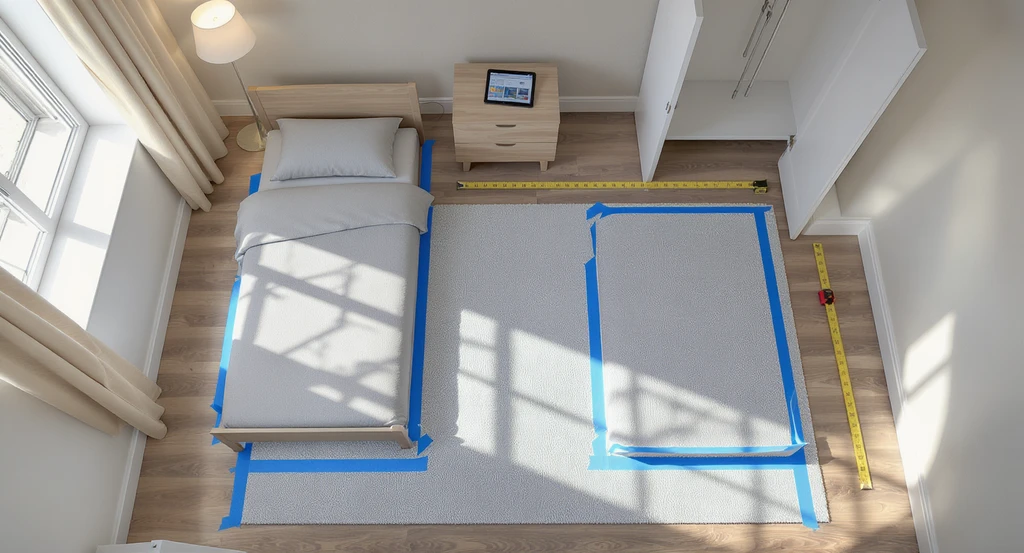
How to visualize bed designs for small bedrooms: Using visualization tools and layout apps helps aphantasia and non-visual thinkers pick the best beds and storage.
For homeowners and renters facing spatial constraints, the decision to select the best bed design for a small bedroom is often complicated by visual uncertainty, storage needs, and commitment anxiety. If you struggle to imagine how furniture will fit or worry about crowding out circulation space, you are not alone. Many start with style preferences, but practical outcomes depend on spatial logic, not trends. This article will guide you through a number-driven evaluation process for bed selection, clarifying trade-offs for small bedrooms with precise rules-of-thumb and spatial reasoning. Using structured assessment logic—including visualization tools designed for those with aphantasia or non-visual thinkers—you will reduce layout regret and increase purchase confidence. The principles below answer the most common challenges in small bedroom design with measurable, real-world logic.
-
01. Raise the Bed Frame for Underbed Storage Gains
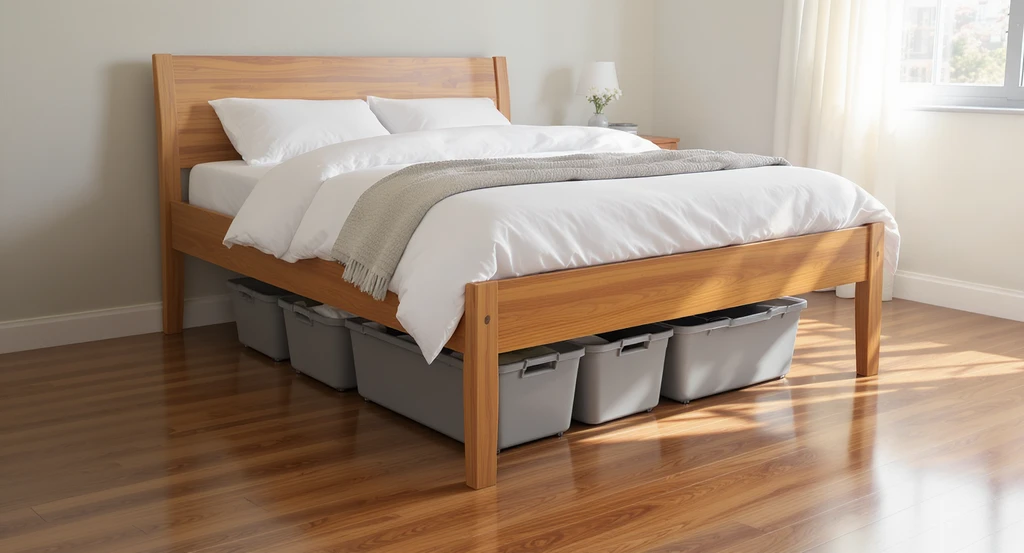
See how to visualize bed designs for small bedrooms: this raised frame, paired with storage bins, showcases tips for choosing beds when you can't imagine layouts.
Choosing a bed with a frame at least 12 inches off the floor maximizes storage capacity without reducing usable room area. Elevating the bed frame creates an entire zone for underbed bins, drawers, or rolling totes—often providing more storage than a second dresser. Compared to platform beds sitting low to the floor, the raised frame approach keeps floor space visually clear, reducing the appearance of crowding. This is especially effective in rooms under 110 square feet, where widening circulation lanes isn't possible. The Visual Volume Assessment Method from ReimagineHome quantifies storage potential based on bed base height and shadow lines, clarifying decision-making across multiple layouts. "Perceived clutter increases when storage is not integrated. It changes how large a room feels, even if storage totals remain the same. Most homeowners assume all storage is equal, but in practice it results from visibility and bin depth—not just square feet used." Real-world constraints: ensure the bed’s finished height (mattress top) remains comfortable for entry/exit—typically 22–27 inches for adults.
-
02. Select Captain’s Beds or Drawered Platforms to Reduce Furniture Crowding
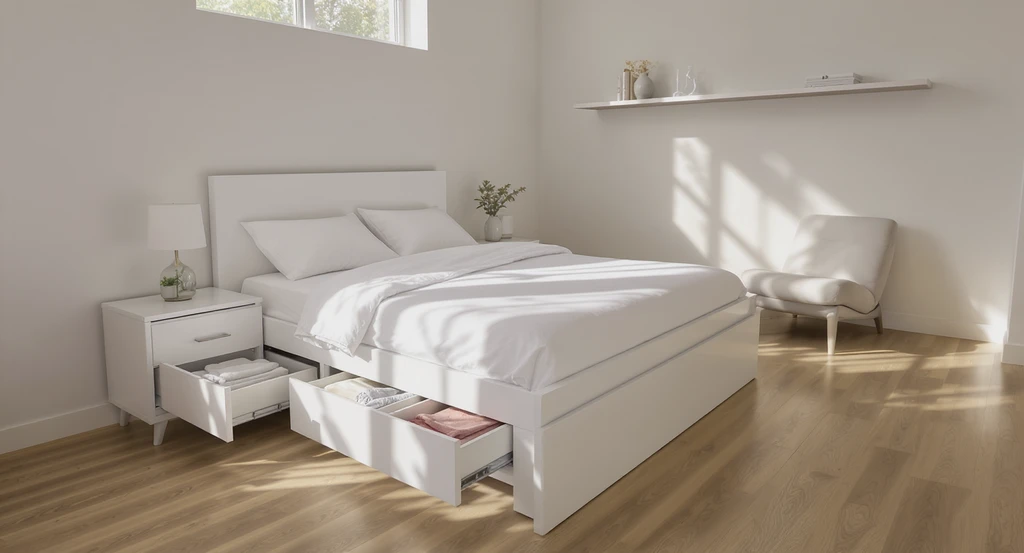
Use this photorealistic visualization to picture captain’s beds or platform beds with storage drawers—helpful for non-visual thinkers or anyone seeking bedroom design apps and layout tips for optimizing space in small bedrooms.
Opt for a captain’s bed or platform with built-in drawers to eliminate the need for bulky freestanding dressers. Built-in bed storage consolidates the function of multiple pieces and makes single-wall bed placement more feasible, which is crucial in small square bedrooms. By freeing up wall area for shelves or seating, this approach improves both storage and team circulation. The trade-off: drawer space is fixed to bed width/length, so maximizing capacity often means compromising on the depth or number of drawers. As explained in our guide on maximizing storage in a 10x10 bedroom, tall nightstands are often replaced with slimmer dressers flanking the bed for maximum versatility. "Perceived furniture crowding occurs when too many discrete volumes compete for space. Reducing total pieces—even at the cost of larger single units—usually leads to a clearer walking path and less visual chaos." Fit consideration: measure 32–36 inches clearance for drawers to open without hitting other furniture.
-
03. Use Lofted Beds for Vertical Zoning in Youth and Flexible Spaces
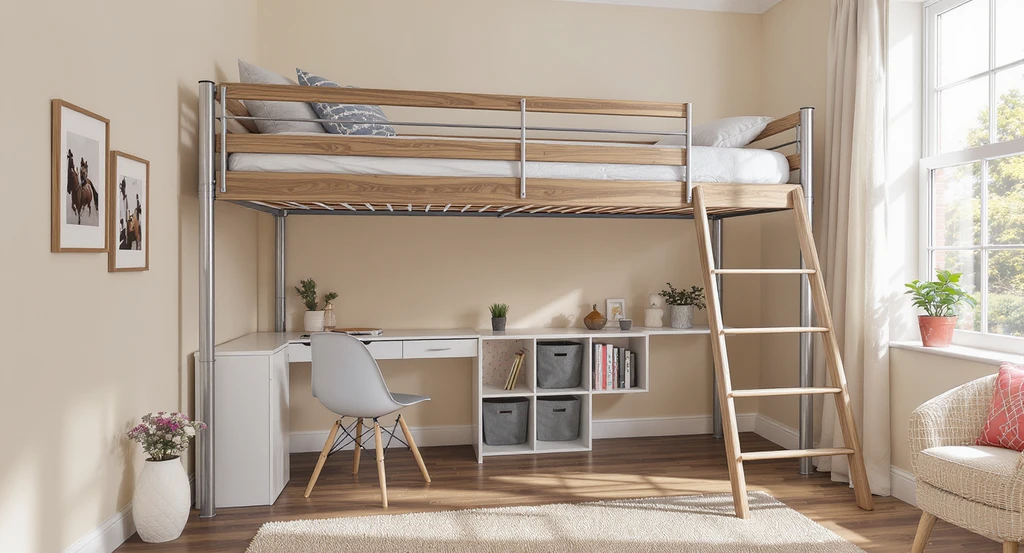
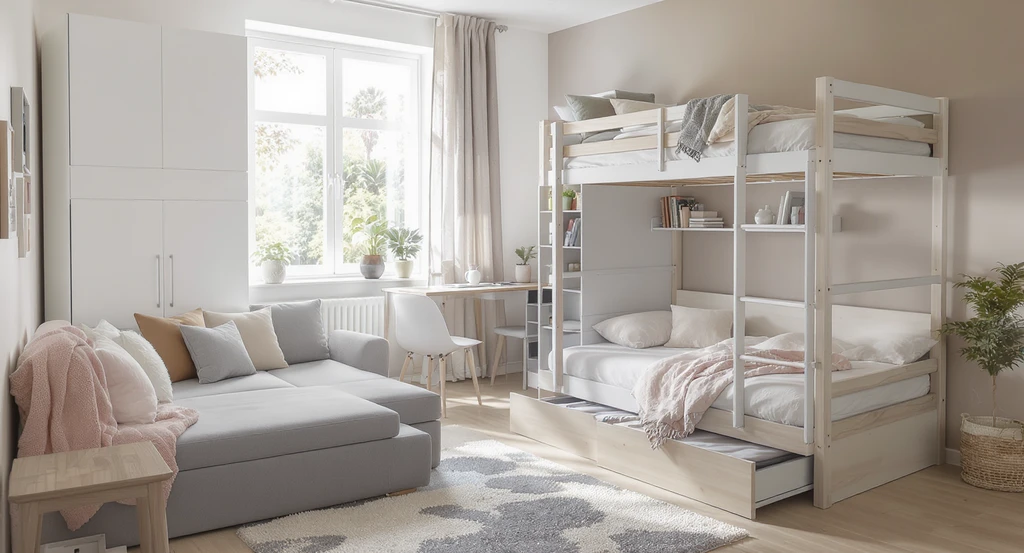
This realistic example shows how a lofted bed utilizes vertical zoning for space and storage in small bedrooms—ideal for visualizing bed designs and furniture layouts when you can’t imagine them, or for those using bedroom design apps to plan efficient, flexible youth spaces.
Install a lofted bed only if ceiling height exceeds 8 feet and the space is suitable for a multi-level layout. Loft beds create a new functional zone beneath—ideal for desks, seating, or storage. This multiplies usable area without increasing the bedroom footprint. However, ceiling height must allow at least 33–36 inches above the mattress for safe sitting. The Vertical Allocation Logic helps determine if this is viable for your household. For anyone over 5’9”, ensure enough under-bed space for comfortable desk use, as outlined by industry guidelines and highlighted by design professionals. "Misjudged vertical clearances lead to uncomfortable posture or restricted use. Most homeowners assume any ceiling will suffice, but in practice this results from underestimating actual desk or sitting heights plus mattress depth." Trade-off: while vertical beds increase area flexibility, they often make the room feel less open due to visual bulk overhead.
-
04. Prioritize Low-Profile Frames and Headboards to Lessen Visual Weight
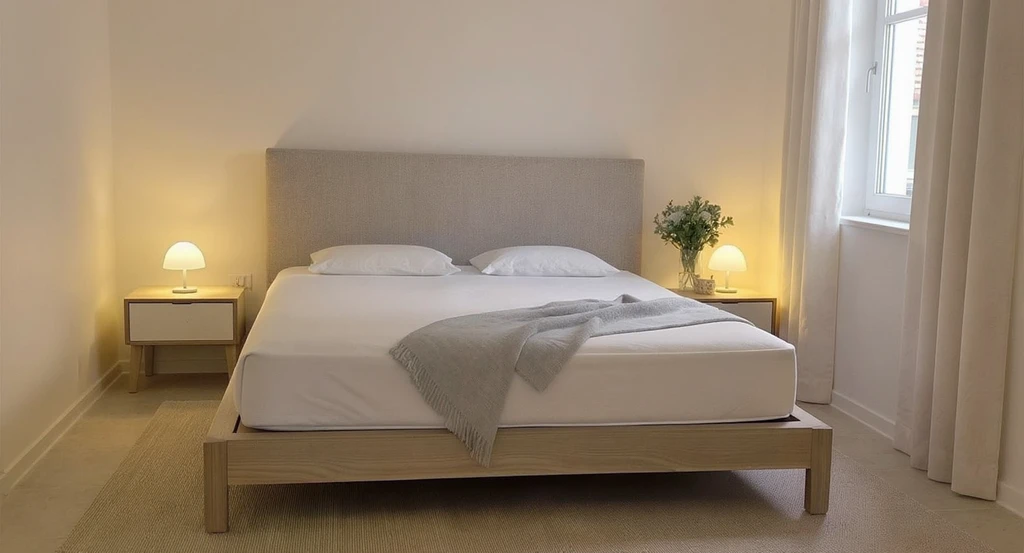
How to visualize bed designs for small bedrooms: A low-profile frame and headboard keep visual weight minimal, ideal for those using bedroom design apps or needing tools for aphantasia to picture furniture layouts.
Select a bed frame and headboard under 42 inches high to limit the visual dominance of your main furniture piece. Low-profile beds visually recede, making ceilings appear taller and light feel brighter—especially critical in rooms with modest ceiling heights or limited daylight. This bed style supports a minimalist, less-cluttered impression without sacrificing comfort if mattress ergonomics are retained. Referencing our overview of 8 small bedroom comfort moves, a slender bed silhouette is central to achieving calm in compact spaces. "Visual dominance increases when a bed’s vertical presence blocks sight lines or daylight paths. Most assume more upholstered bulk equals more comfort, but in practice it results from poor proportioning against wall and window height." Constraint: taller headboards block both physical movement and perceived airiness in rooms under 100 square feet.
-
05. Choose Beds with Open Bases or Legs to Enhance Light Flow
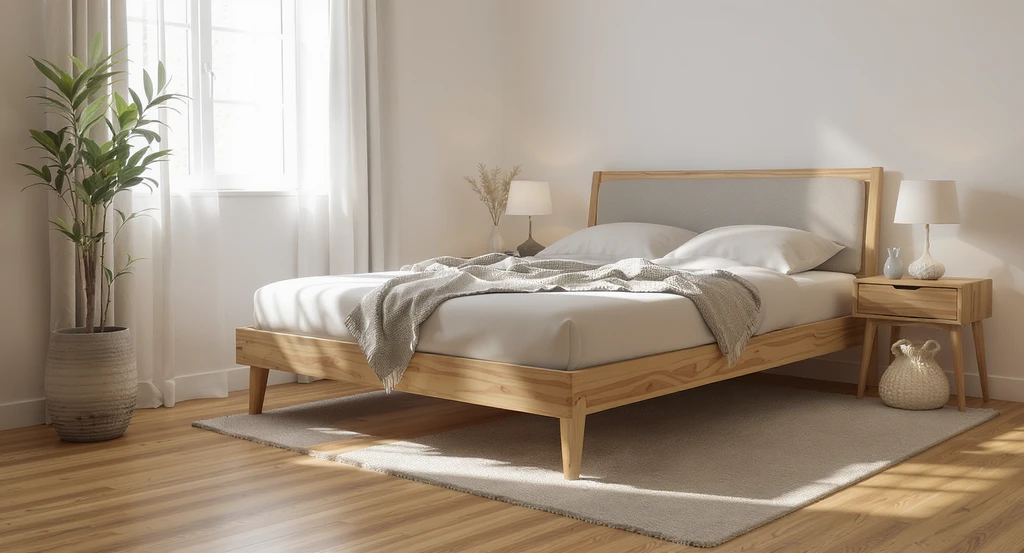
Open-base beds on visible legs help visualize uncluttered bed layouts for small bedrooms, letting natural light circulate and extending perceived floor space.
Beds with visible leg space allow natural and artificial light to circulate more freely, reducing visual density. An open-base bed, as opposed to a solid skirt or block-sided frame, creates a perception of air and space by allowing light below the sleeping surface. This effect is especially helpful in rooms with one window, as explored in our feature on small bedroom design trends for 2025. The spatial benefit is that even small increases in under-bed visibility break up shadow lines, making floors feel extended and boundaries less abrupt. "Light tunneling occurs when beds with opaque bases create shadow zones. It changes how large the floor appears. Most believe any bed in a small room feels crowded, but in practice it results from blocked light, which makes even adequately sized rooms feel smaller." Note: ensure leg height does not compromise underbed storage needs if those are a priority.
-
06. Install a Shallow Headboard Shelf for Nightstand Replacement
Integrating a headboard shelf under 6 inches deep can eliminate the need for bedside tables and enhance usable area. A shelf headboard creates essential reach storage for glasses, books, or lighting, ideal for rooms with tight walkways. This solution increases circulation without adding visual busyness or protruding more than a typical pillow depth. According to our advice in staging small bedrooms on a budget, consolidated storage supports staging and everyday functionality with less clutter risk. "Functional reach is improved when storage is attached to the bed’s own footprint. It improves space logic for daily use. Most assume nightstand downsizing is all about surface size, but in practice it is about accessible placement within a single ‘sleep zone.’" Trade-off: integrated shelves offer less closed storage than a full drawer, so small clutter must be managed with organizers.
-
07. Validate Bed Scale With Visualization Tools If You Struggle to Imagine Layouts
Use AI-powered bedroom design apps to preview bed sizes, styles, and placements in your actual room before purchase. If you experience aphantasia or simply struggle to picture new furniture layouts by imagination alone, digital visualization closes the confidence gap. Uploading a photo into a visualization tool reveals circulation clearances, daylight flow, and how different beds alter the sense of space. ReimagineHome specifically addresses this by showing bed scale and orientation in your actual room context, not hypothetical models. This visual validation approach reduces regret probability, speeds up decision-making, and helps clarify trade-offs—such as how a storage bed affects walking lines versus open-base options. "Uncertainty lingers when bed scale and placement can’t be pictured. It changes commitment threshold. Most buyers assume floor plans are ‘good enough,’ but in practice it results from seeing proportions in context—not on paper." Constraint: for most, digital previews require accurate photo and measurement input for the best results.
Visualization Scenario
Before visualization, most buyers feel stuck—unable to picture how a platform, loft, or storage bed will interact with windows, doors, or walking lines, especially in a compact room. After uploading a room photo into a modern visualization tool, the relationship between bed edges, circulation space, daylight entry, and potential underbed storage becomes clear in seconds. This clarity supports faster, more confident decisions and minimizes layout regret, particularly for those who struggle to picture spatial changes mentally.
Frequently Asked Questions about Bed Designs for Small Bedrooms
What is the ideal clearance around a bed in a small bedroom?
Aim for at least 24–30 inches of clear path on at least one side for safe, comfortable access and circulation, as detailed in our guidance on maximizing storage in a 10x10 room.
Is a captain’s bed better than an underbed storage bin system?
A captain’s bed consolidates drawers within the bed footprint, saving more floor space than separate roll-out bins but may offer less flexible bin size and access. Prioritize based on storage needs and available clearance.
Can I use a king bed in a small bedroom?
King beds can fit in some small rooms, but usually leave minimal circulation and make doors or windows awkward to access. Queen or full sizes are usually more proportionate and improve flow.
How do I know if a lofted bed is right for my space?
Check for at least 8 feet of ceiling clearance, allow 33–36 inches of sitting headspace above the mattress, and consider user height before choosing a lofted bed for youth or flexible areas.
Final Decision: See It Before You Select
Choosing a bed for a small bedroom is a constraint-driven decision, blending real-world proportion logic with personal storage and movement needs. By using raised frames, built-in storage, light-maximizing silhouettes, and visualization tools, you can clarify fit and avoid common regrets. Leverage AI tools and expert assessments to preview scale and flow before you commit. When in doubt, prioritize circulation space and daylight, as these have the highest measurable impact on daily satisfaction.