7 Bedroom Closet Organization Mistakes Couples Make, and How to Fix Each One
TL;DR
Bedroom closet chaos often stems from unclear zones, unbalanced storage, and ignored overflow, not just ‘too many clothes.’ Here are step-by-step fixes for calmer, more functional shared closets.
Why Bedroom Closet Organization Goes Wrong for Couples
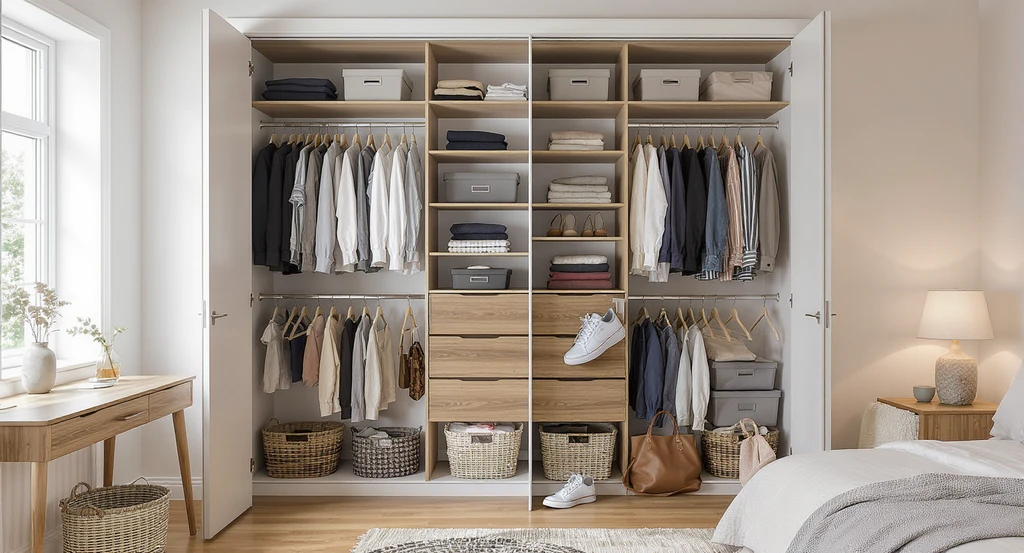
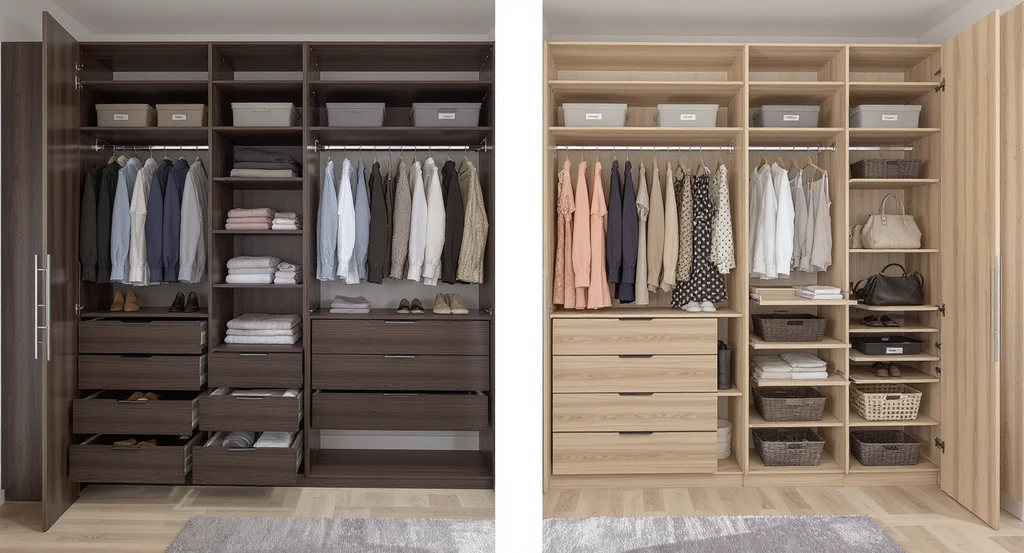
Smart bedroom closet organization ideas for couples begin with clear his and hers zones. See how mismanaged boundaries and storage choices impact small bedroom closets.
Bedroom storage is more than just where clothes go, it’s about making daily routines smooth, honoring boundaries, and avoiding unnecessary stress between partners. When one person’s closet habits spill into the shared bedroom or the organization system breaks down, the whole space can feel out of balance. Tackling these issues doesn’t require a major renovation; it starts with recognizing common layout errors and resolving them in practical, respectful ways. Below, you’ll find clear, realistic fixes for the closet problems couples face most. These practical strategies prioritize zoning, proper scaling, and storage clarity, leading to better habits and a calmer bedroom overall.
-
01. Not Defining Separate Closet Zones
01. Not Defining Separate Closet Zones Image
One of the most common layout mistakes is failing to create clear "his and hers" zones in a shared closet. Without physical boundaries, belongings get mixed, routines clash, and irritation builds quickly.
This issue usually happens because closet interiors are left as open space with a single rod or shelf. To correct this, assign specific sections by using dividers, hanging organizers, or even color-coded hangers for each partner. If you’re low on built-in options, install a vertical shelf between sides. This respects personal belongings and reduces daily friction. For detailed spatial strategies in small rooms, see our guide on maximizing storage in a 10x10 bedroom.
-
02. Storing Everything at the Same Height
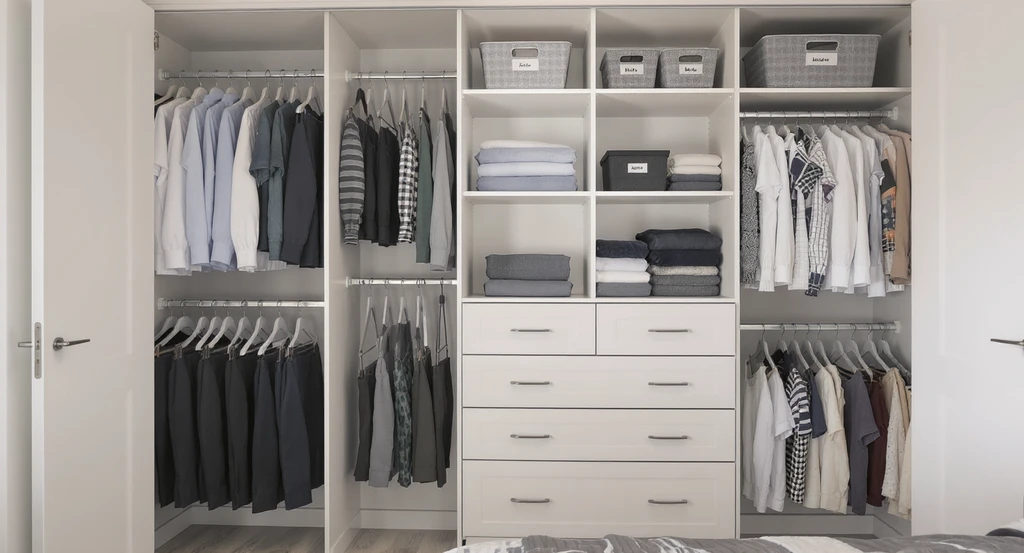
Smart bedroom closet organization for couples uses vertical zoning: double rods, high storage bins, and mid-level shelves create visually balanced storage and easy-access zones for daily essentials.
Piling every garment onto one hanging rod leads to cramped, hard-to-use space. Clothes bunch up, items get hidden, and vertical room above and below goes unused.
This usually occurs in basic closet builds with only a single rail. A more efficient structure uses vertical zoning: double rods for short items (shirts above, pants below), top shelves for out-of-season or rarely used pieces, and mid-height shelves or drawers for daily wear. Remember, eye-level space should hold only what you need every day. This simple layout change increases storage capacity and shortens your morning search for clothes.
-
03. Ignoring Daily vs. Occasional Use When Organizing
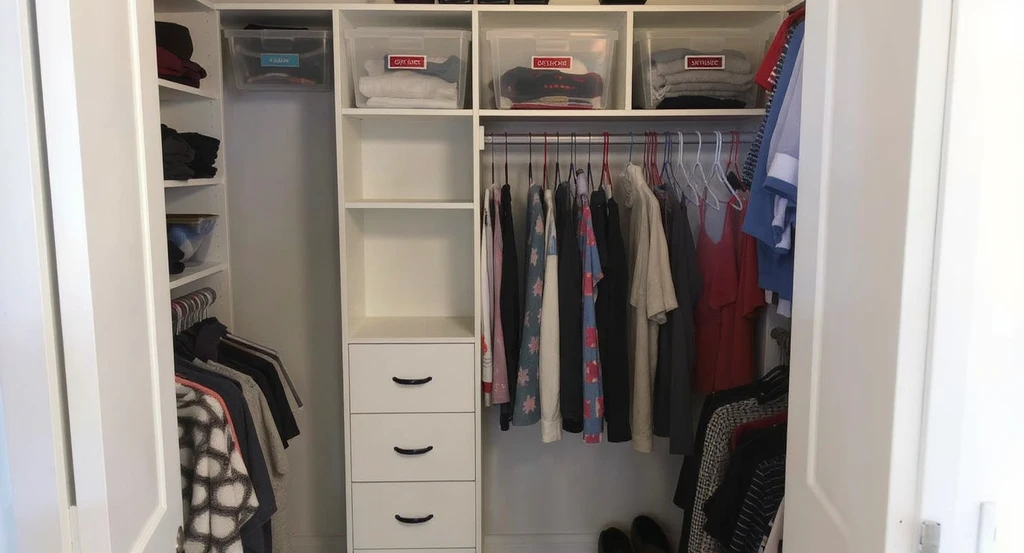
03. Ignoring Daily vs. Occasional Use When Organizing Image
When daily and rarely-used items live side by side, the closet fills up fast and becomes hard to navigate. Reaching for everyday pieces means dealing with special occasion clothes, bulky bags, or seasonal items in the way.
Correct this by setting a priority access rule: put what you use most at arm's reach, and store occasional items up high, down low, or elsewhere entirely (like under the bed or in an external wardrobe). For more strategies on prioritizing access in tight quarters, see our small bedroom comfort tips.
-
04. Underutilizing Vertical and Underbed Storage
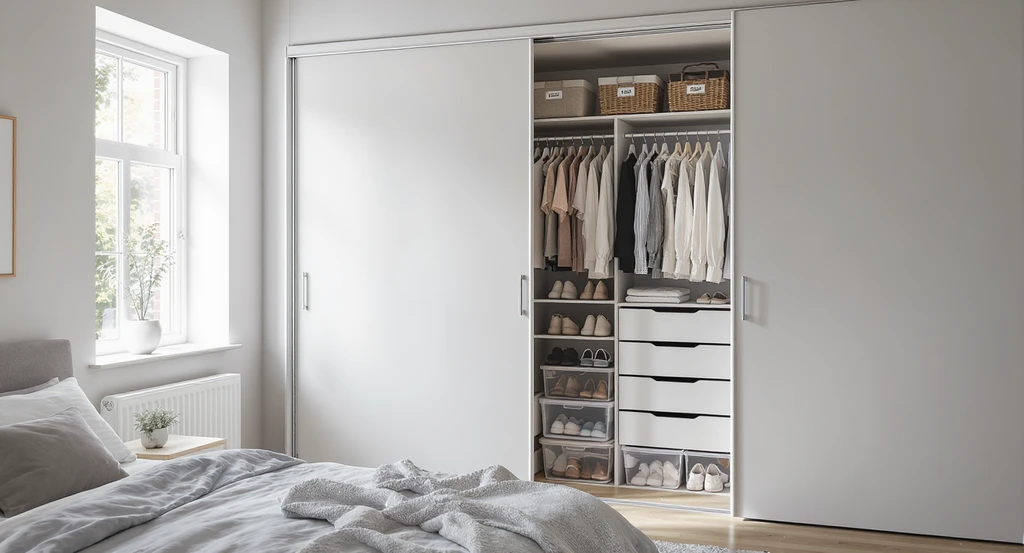
Use slim hangers, stackable bins, and under-bed storage to implement bedroom closet organization ideas for couples and create visually balanced his and hers closet zones.
Overflowing closet floors and cluttered bedroom chairs often result from ignoring available vertical and under-bed space. Piling loose items like bags or shoes wastes potential storage volume and disrupts the room’s calm.
Switch to slim hangers, stackable bins, or drawer units under the hanging section. Use the upper shelf for lightweight, seldom-used bins. For overspill, under-bed drawers or shallow bins offer extra space without visual mess. According to our insights on designing on a budget, closed storage solutions also keep clutter out of sight and the bedroom feeling intentional.
-
05. Leaving Accessories, Bags, or Shoes Uncontained
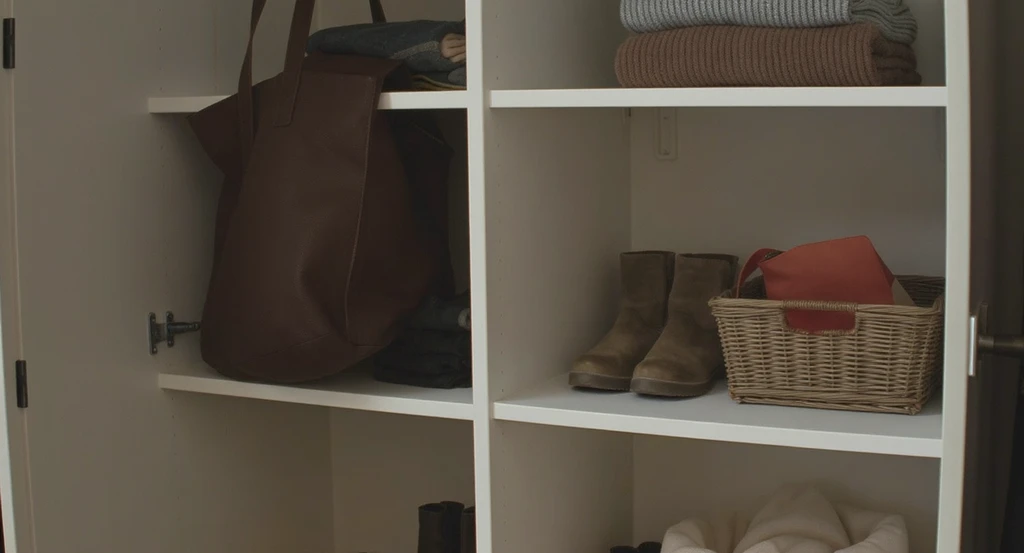
05. Leaving Accessories, Bags, or Shoes Uncontained Image
Loose handbags, belts, scarves, and shoes are visually disruptive, even in an otherwise tidy closet. When accessories don’t have assigned spots, they end up in random piles, often spreading to bedroom surfaces.
Containment improves clarity. Use dedicated boxes, hooks inside doors, or drawer dividers for small items. Shoe racks (either vertical or under shelves) and labeled baskets keep each category in place. If closet space is tight, relocate infrequently used accessories elsewhere. Matching containers create a more unified look and reduce visual noise, a key aspect of visually balanced bedroom storage.
-
06. Letting Overflow Storage Spill Into the Bedroom

06. Letting Overflow Storage Spill Into the Bedroom Image
When the closet is full, clothing and accessories often migrate onto chairs, benches, or even the floor, disturbing both the walkways and the sense of peace in the bedroom.
This happens when storage isn’t matched to actual needs, or closed storage isn’t prioritized. Instead of using furniture as temporary storage, introduce a low dresser, closed cabinet, or intentional under-bed storage. Avoid open racks unless you’re disciplined about editing. Each overflow category should have one assigned, out-of-sight zone. Limiting visible clutter frees up floor space and makes cleaning much easier.
-
07. Neglecting Visual Balance and Maintenance Rules
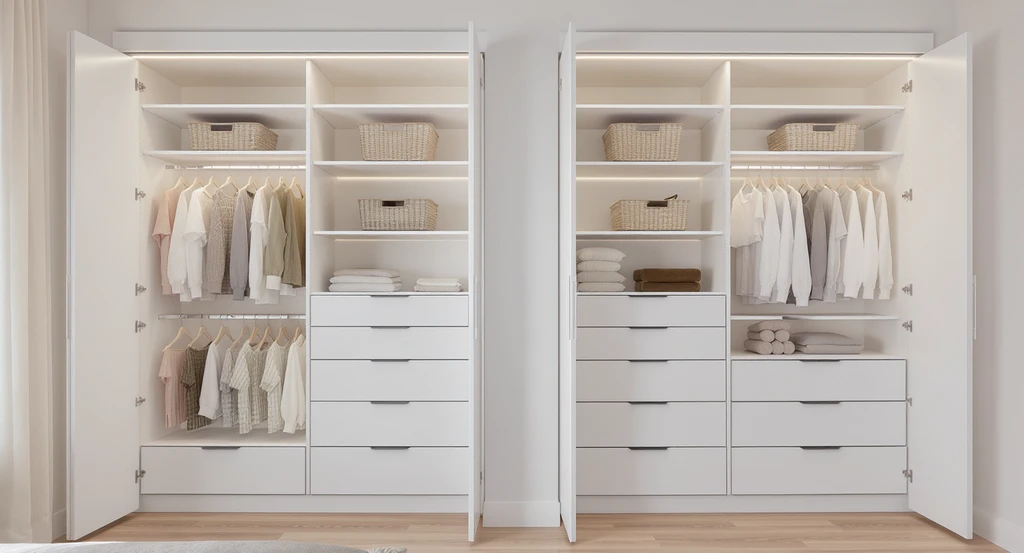
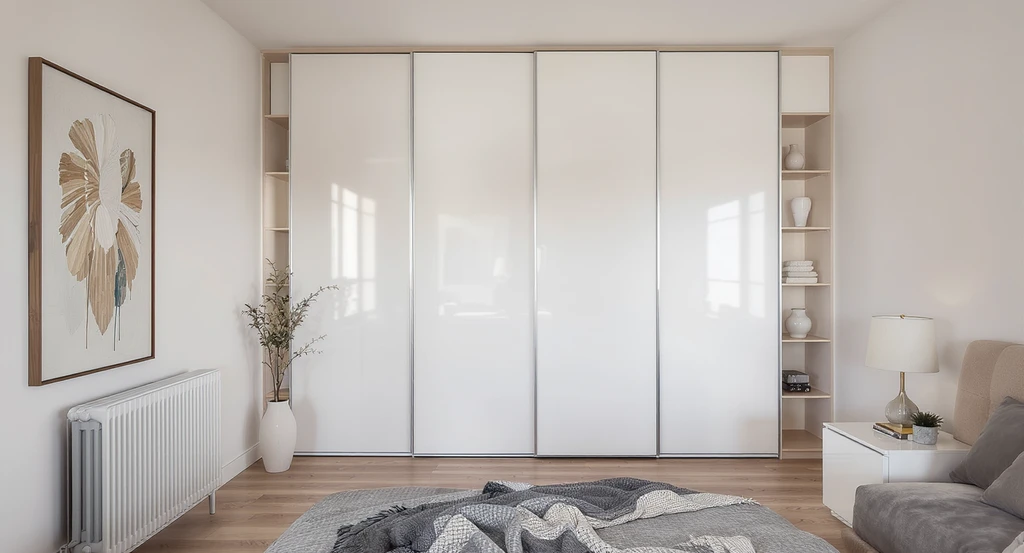
Bedroom closet organization ideas for couples: visually balanced his and hers closet zones using matching cabinetry and best storage solutions for small bedroom closets.
An unbalanced space, where one side is packed or mismatched, can leave the whole bedroom feeling restless. This is a result of neglecting layout symmetry and not setting practical maintenance rules.
Solve this by mirroring storage visually, using similar finishes, or aligning furniture heights even if storage capacity differs. Stick to one or two colors for cabinetry and baskets. Adopt a one-in, one-out rule or do a monthly 10-minute reset to keep things in check. For more on the link between lighting, color, and scale in restful bedrooms, see our expert lighting and scale tips.
- Check scale and alignment of all visible storage
- Confirm all overflow fits in one closed zone
- Resist the urge to stack mismatched items in plain sight
- Assign a “reset” time monthly, or seasonally, at minimum
FAQs: Couples’ Bedroom Closet Organization
- How do we prevent closet clutter from taking over the bedroom?
- Only allow overflow in one closed, out-of-sight zone, and use vertical/underbed storage to manage extras before they spill out.
- What’s the fastest way to increase closet storage without remodeling?
- Add a second rod, use slim hangers, introduce under-shelf bins, and relocate seldom-used items to higher or lower shelves.
- Should we always split the closet 50/50?
- Not necessarily—base sections on volume and access needs, but make the split visually clear for balance and boundaries.
- How do we organize accessories in a tight closet?
- Install hooks or slim baskets for bags and scarves. Drawer dividers and labeled bins keep accessories contained and easy to find.
- How often should maintenance rules be reviewed?
- Start with a “monthly 10-minute reset” or a seasonal edit to keep systems working smoothly and prevent buildup.
Calm Bedrooms Start With Smarter Closets
Organizing a couple’s closet is about more than making things look tidy, it’s about establishing zones, correcting daily-vs-occasional access, and sticking to sustainable rules. Start by clarifying personal boundaries and prioritizing what you each use daily. Vertical zoning, proper containment, and balanced visuals immediately reduce clutter and stress. For further guidance on making small bedrooms highly functional, review our small bedroom comfort guide.