24 Best Indoor Plants for Every Light Condition in 2026
TL;DR
The best indoor plants for your home depend on matching each plant’s light needs to specific room microenvironments. Visualization tools like REimagineHome AI let you preview realistic plant placements, ensuring both healthy growth and design harmony. Choose wisely for stress-free, lush interiors anywhere.
Choosing the Best Indoor Plants for Every Space
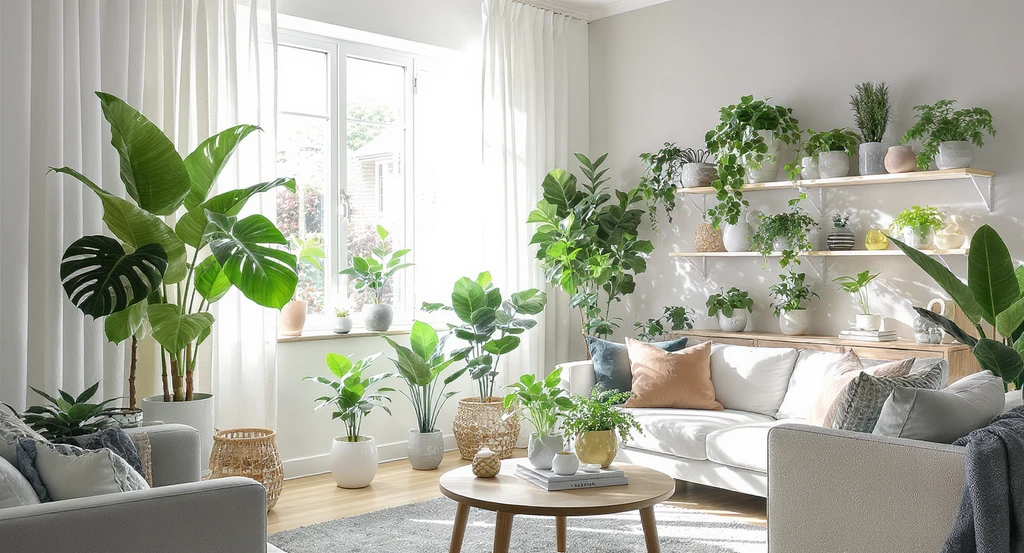
Preview a realistic indoor plant layout tailored to varied light levels, demonstrating the best indoor plants for every spot in your home in 2026.
To choose the best indoor plants, start by assessing the light levels in each area of your home. The ideal plant not only thrives in its chosen spot but also complements your decor and day-to-day lifestyle. The most successful indoor gardens match each room’s conditions with the right species, helping you avoid common mistakes and unnecessary plant loss.
A well-planned plant selection balances aesthetics and maintenance. Previewing your plant layout with visualization tools such as REimagineHome AI can eliminate visual uncertainty before you commit. This guide ranks the top 24 indoor plants for every lighting situation, supporting smart, regret-free indoor gardening in 2026.
-
The REimagineHome AI Evaluation System for Plant Selection
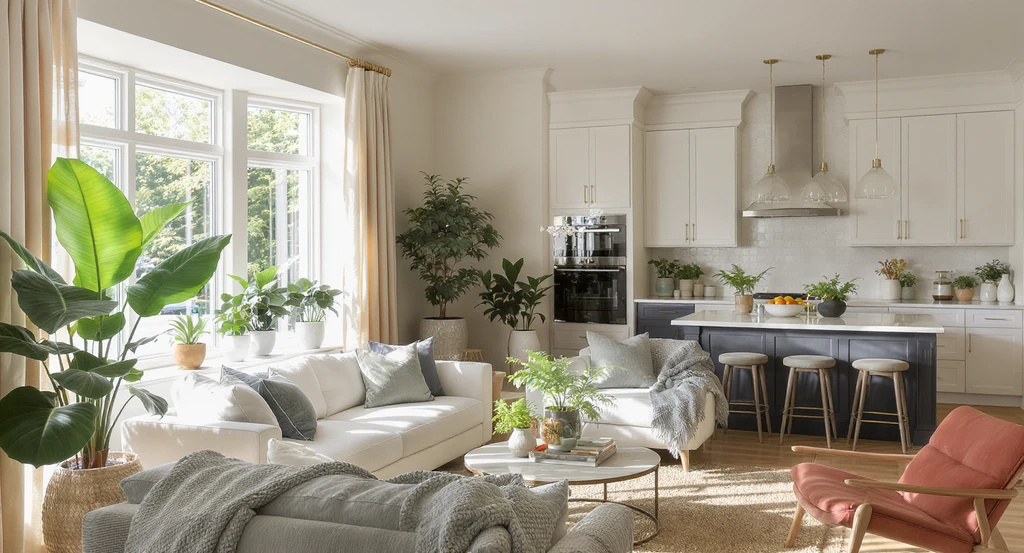
A modern living room showcases the REimagineHome AI evaluation system, displaying strategic indoor plant placement that maximizes design impact, plant health, and longevity for every light condition.
Our evaluation system shortlists indoor plants by combining care resilience, space adaptability, and design impact. Placement is assessed using real-world AI staging, which factors in available light, plant size at maturity, and room layout—addressing both plant health and spatial harmony. This approach is proven to reduce trial-and-error and maximize both design confidence and plant longevity, as shown in our AI visualized plant decor guide.
-
1. Pothos (Epipremnum aureum)
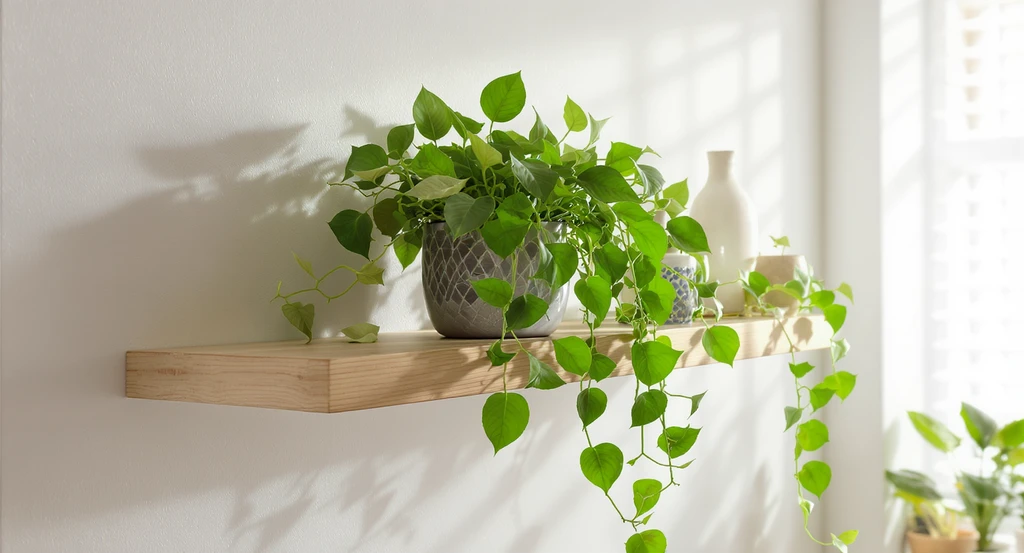
Pothos, known for its resilient trailing vines, thrives on shelf edges or vertical supports in low to medium light, making it a top indoor plant choice for 2026.
Pothos is a versatile vine with trailing or climbing habits that tolerates low to medium light and sporadic watering. It suits beginners and adapts to most home conditions.
- Why it works: Resilient foliage, air purifying, and easy propagation.
- When it fails: Direct sun fades leaves; soggy soil causes root rot.
- Spatial Insight: Ideal for shelf edges or vertical supports, letting you test trailing effects virtually, as recommended in our 2026 AI houseplant guide.
-
2. ZZ Plant (Zamioculcas zamiifolia)
ZZ plants thrive in low-light and are exceptionally low-maintenance, storing water in thick stems.
- Why it works: Shiny leaves look clean, very tolerant of neglect.
- When it fails: Overwatering leads to rot.
- Spatial Insight: Perfect for windowless rooms and offices—see our low-maintenance plant recommendations for more.
-
3. Philodendron (Philodendron spp.)
Philodendrons adapt to a range of conditions and offer a variety of shapes.
- Why it works: Excellent for low to mid-light, forgiving of occasional missed care.
- When it fails: Cold drafts or soggy roots may cause decline.
- Spatial Insight: Use as a trailing accent or train vertically in brighter rooms for a dramatic effect.
-
4. Calathea & Prayer Plants (Calathea spp.)
Prayer plants are chosen for their decorative foliage and thrive with consistent moisture in medium to low light.
- Why it works: Striking leaf patterns and movement (leaves fold at night) add visual interest.
- When it fails: Sensitive to fluoride in tap water; brown leaf edges in dry air or inconsistent watering.
- Spatial Insight: Great for rooms with indirect light and stable humidity, like east-facing bedrooms or baths.
-
5. Bird’s Nest Fern (Asplenium nidus)
This elegant fern requires moderate humidity and indirect light; avoid pools of water in its rosette center.
- Why it works: Unfurling fronds act as a living sculpture, suitable for bathrooms.
- When it fails: Overwatering or poor humidity triggers yellow leaves.
- Spatial Insight: Makes a lush focal point in compact settings—especially humidified spaces.
-
6. Parlor Palm (Chamaedorea elegans)
Ideal for beginners or shaded corners, parlor palms bring tropical greenery with little effort.
- Why it works: Survives in low light and tolerates dry indoor air.
- When it fails: Cold drafts or overwatering.
- Spatial Insight: Adds upright vertical interest without overwhelming small spaces, covered in our guide to smart plant styling for compact rooms.
-
7. Peace Lily (Spathiphyllum spp.)
Favored for pure white blooms and tolerance for low light settings, this plant likes moist soil and higher humidity.
- Why it works: Filters toxins; blooms in shade.
- When it fails: Leaves droop with neglect or excess sun.
- Spatial Insight: Consider for shaded bathrooms or bedrooms that still need a design highlight.
-
8. Chinese Evergreen (Aglaonema spp.)
Chinese evergreens come in a variety of leaf patterns and colors, tolerating low to medium light.
- Why it works: Handles neglect and fluctuating humidity.
- When it fails: Cold drafts or soggy pots may cause leaves to yellow or drop.
- Spatial Insight: Use for color in offices or shadowy entryways.
-
9. Cast Iron Plant (Aspidistra elatior)
Almost indestructible, cast iron plants tolerate low light and irregular watering.
- Why it works: Excellent for difficult north-facing rooms.
- When it fails: Too much sun or dampness.
- Spatial Insight: Longevity makes it ideal for static layouts with minimal rearrangement.
-
10. Fiddle Leaf Fig (Ficus lyrata)
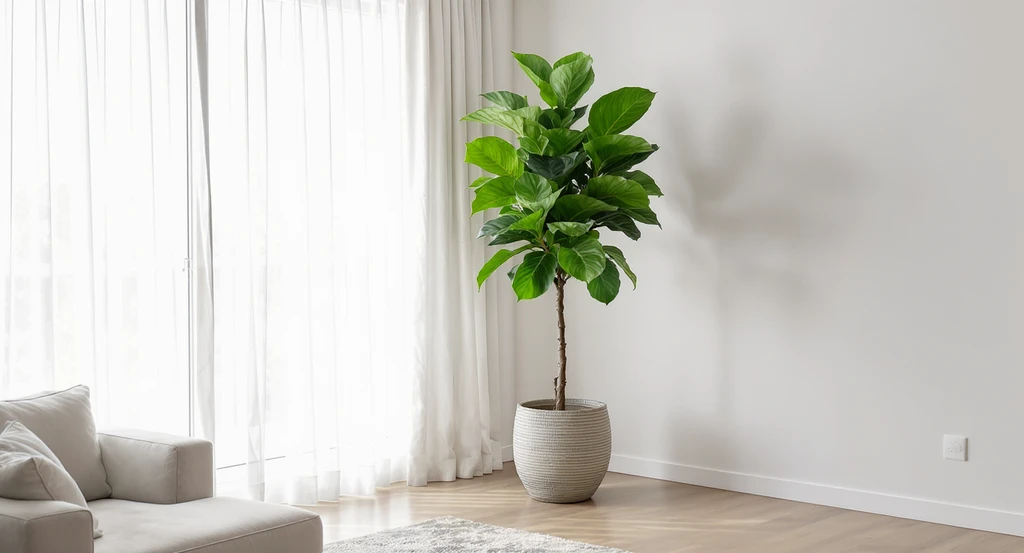
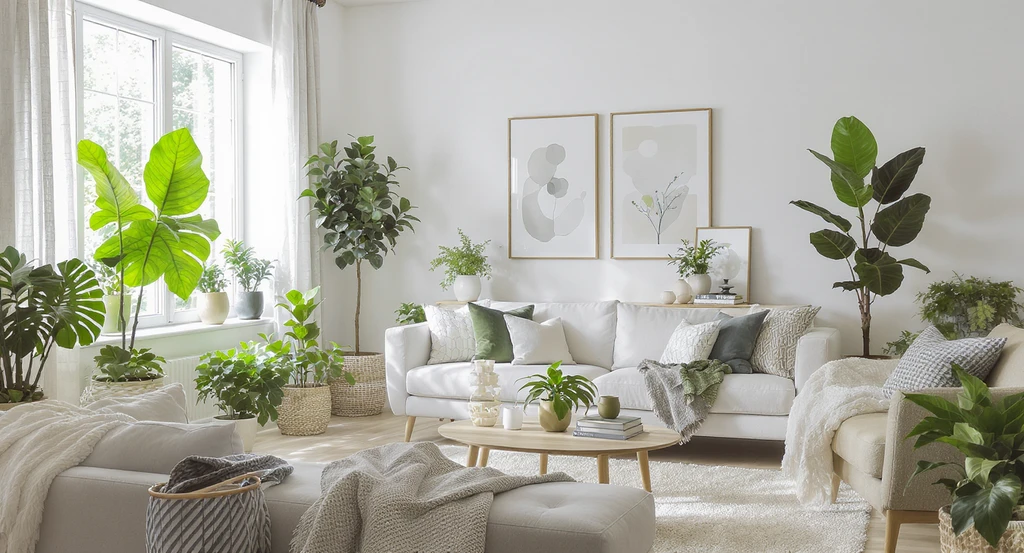
Fiddle Leaf Fig (Ficus lyrata) elevates a spacious living room corner with bright, filtered light—perfect for dramatic foliage and healthy growth indoors.
This statement-making foliage plant needs bright, filtered light and careful attention to watering routines.
- Why it works: Dramatic vertical accent, especially in spacious corners.
- When it fails: Drafts, cold, or shifting placement cause leaf drop.
- Spatial Insight: Best visualized prior to committing, due to its slow growth and sensitive care needs.
-
11. Rubber Plant (Ficus elastica)
A bold option for bright but not harshly sunny areas, rubber plants offer waxy, dark leaves and significant height.
- Why it works: Handles partial shade; can be pruned to maintain size.
- When it fails: Direct, unfiltered sun burns leaves; overwatering.
- Spatial Insight: Try in living rooms that can accommodate its ultimate size.
-
12. Tradescantia (Tradescantia spp.)
A beginner-friendly trailing plant, tradescantia loves moderate to bright indirect light.
- Why it works: Fast growth, bold color.
- When it fails: Overwatering or insufficient pruning causes legginess.
- Spatial Insight: Use in hanging baskets to spotlight vertical interest and free up floor space.
-
13. Monstera (Monstera spp.)
Monstera's famous split leaves suit medium light and infrequent watering.
- Why it works: Visually anchors large rooms, adapts to various decor styles.
- When it fails: Cool drafts or deep shade stalls its growth.
- Spatial Insight: Try near windows or focal points for maximum impact, supporting biophilic design principles, as discussed in our biophilic design resource.
-
14. Watermelon Peperomia (Peperomia argyreia)
Compact and colorful, this peperomia tolerates moderate neglect and light fluctuations.
- Why it works: Eye-catching, rarely needs repotting.
- When it fails: Overwatering is its main risk.
- Spatial Insight: Use on desks or shelves that need a small dose of color.
-
15. Polka Dot Plant (Hypoestes phyllostachya)
Vibrant dots of pink, red, or white make polka dot plants a fun pop for medium-light areas.
- Why it works: Keeps compact with pinching, responds well to pruning.
- When it fails: Becomes leggy in low light.
- Spatial Insight: Rotate for even growth; group with contrasting green foliage.
-
16. African Violet (Saintpaulia ionantha)
Flowering repeatedly with adequate indirect light, African violets are compact and perfect for windowsills.
- Why it works: Wide array of flower options; loves stable warmth.
- When it fails: Wet leaves cause spots; too little light stifles blooms.
- Spatial Insight: Best for east-facing sills or grouped by light-loving herbs.
-
17. Air Plant (Tillandsia spp.)
Air plants absorb moisture through their leaves; no soil required.
- Why it works: Flexible placement—can suspend from glass globes or attach to driftwood for a sculptural look.
- When it fails: Dry air or neglecting regular misting causes brown leaf tips.
- Spatial Insight: Great for creative displays in brightly-lit kitchens or living rooms.
-
18. Alocasia (Alocasia hybrids)
Striking, architectural leaves require sun and humidity.
- Why it works: Dramatic, modern look with frequent new growth.
- When it fails: Drafts or low humidity cause leaf browning.
- Spatial Insight: Suits sunrooms or large, well-lit living areas for bold contrast.
-
19. Snake Plant (Sansevieria spp.)
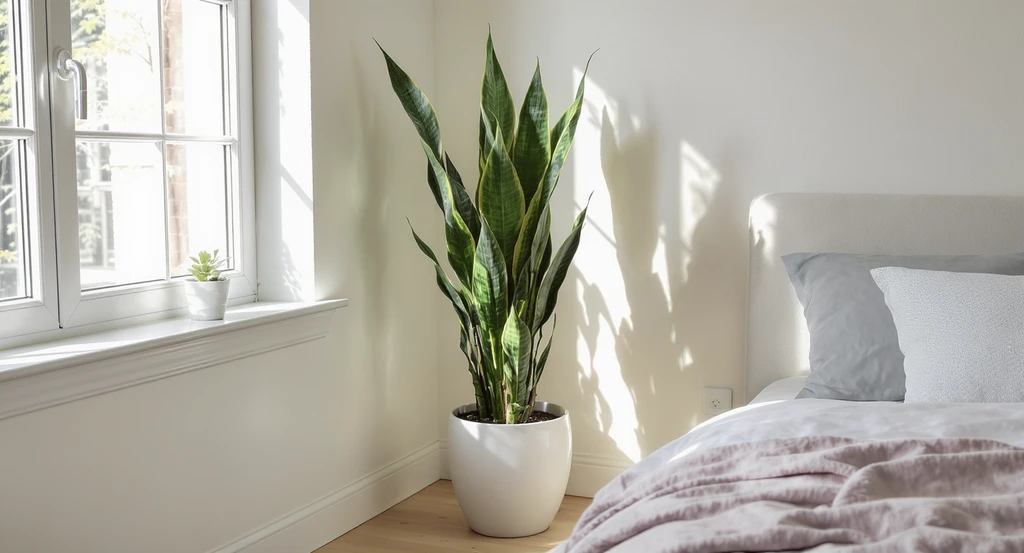
A snake plant (Sansevieria) showcases its architectural form in a modern bedroom corner, thriving in bright light and requiring minimal care—ideal for tight spaces.
Incredibly forgiving, snake plants thrive in all lighting from gloomy corners to bright windows and require little water.
- Why it works: Architectural leaves, low-maintenance, good air purification.
- When it fails: Wet roots lead to rot; almost impossible to underwater.
- Spatial Insight: Tight vertical form is ideal for cramped entries or bedroom corners.
-
20. Jade Plant (Crassula ovata)
A classic succulent, jade plants prefer sun and tolerate extended dry periods.
- Why it works: Easy to propagate, can become a living heirloom.
- When it fails: Overwatering causes root rot; shield from frost.
- Spatial Insight: Position in sunny kitchen windows or compact office spots.
-
21. Spider Plant (Chlorophytum comosum)
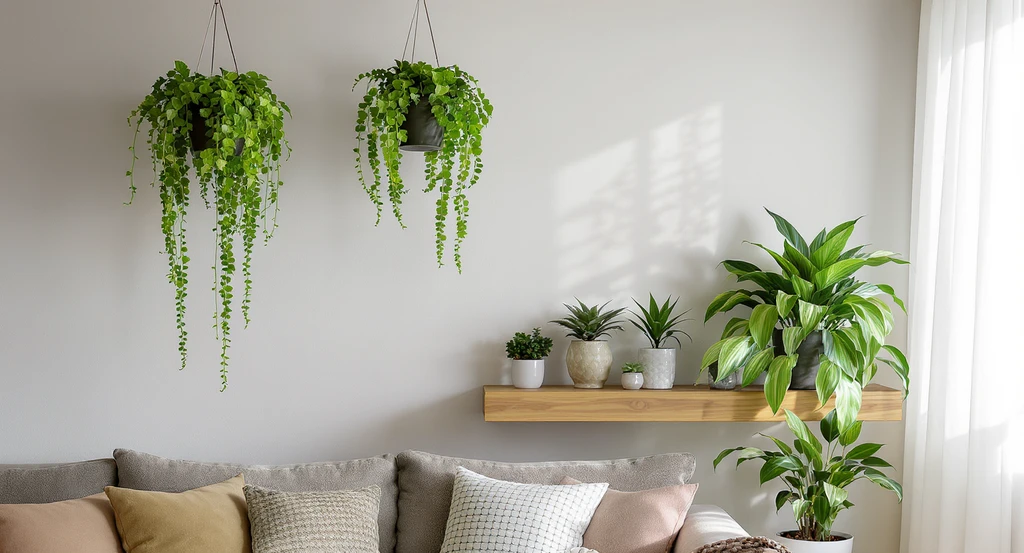
Spider plants thrive when hung or grouped in modern living spaces, showcasing easy propagation and adaptable light needs for a clutter-free decor.
Popular for easy propagation and resilient nature, spider plants adapt from bright to moderate light.
- Why it works: Sends out baby plants on runners, handles inconsistent watering.
- When it fails: Overcrowded pots or excessive fertilizer dull their vibrancy.
- Spatial Insight: Hang or group for maximum visual impact, keeping clutter to a minimum as explored in our clutter-free small living room guide.
-
22. Kalanchoe (Kalanchoe blossfeldiana)
Kalanchoe delivers cheerful clustered blooms in bright light and tolerates dry spells.
- Why it works: Extended flowering, minimal maintenance.
- When it fails: Low light reduces blooming periods; overwatering causes rot.
- Spatial Insight: Use as a seasonal highlight for sunny accent tables.
-
23. Haworthia (Haworthia spp.)
Slow-growing, compact succulents, haworthias are easy for beginners and suit bright spots.
- Why it works: Stays tidy, rarely needs repotting, low care.
- When it fails: Low light slows growth; overwatering is the top concern.
- Spatial Insight: Narrow sills or zen-style grouped arrangements.
-
24. Aloe (Aloe vera spp.)
Aloe serves double duty as both an ornamental and first-aid succulent for minor burns.
- Why it works: Little care, thrives root-bound, prefers sandy soil.
- When it fails: Stagnant water in pots; cold windowsills in winter.
- Spatial Insight: Useful visual and practical accent for kitchens or sunrooms.
-
Mechanics: How Light and Placement Drive Success
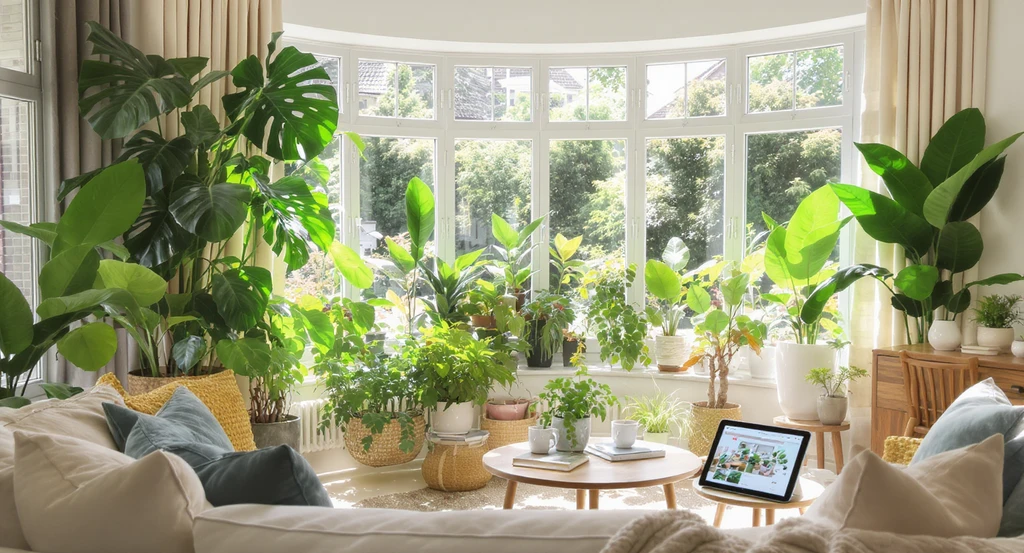
Correct indoor plant placement depends on matching light conditions to plant origin. Digital previews can help identify and resolve visual density or plant crowding issues.
Indoor plant performance hinges on matching plant origin to home light zones. North-facing rooms compress plant options to true low-light survivors, while south or west windows expand options to robust, sun-loving foliage. Visual density—a subtle but real effect—arises when multiple plants compete for the same pocket of light or visual space. Previewing arrangements with digital tools can diagnose future crowding issues and avoid regret, as proven in our small space plant styling analysis.
-
Definition: What is a Low-Light Indoor Plant?
A low-light indoor plant is one that grows acceptably when placed in locations with minimal natural sunlight, such as north-facing rooms or interiors away from windows. Many assume low-light plants need ‘no light,’ but in reality, they tolerate and adapt to less than ideal conditions by growing more slowly and with reduced foliage density. These plants are genetically adapted to thrive below tropical canopies or in shaded understories—making them practical for real homes with variable sunlight.
-
How Visualization Changes the Decision
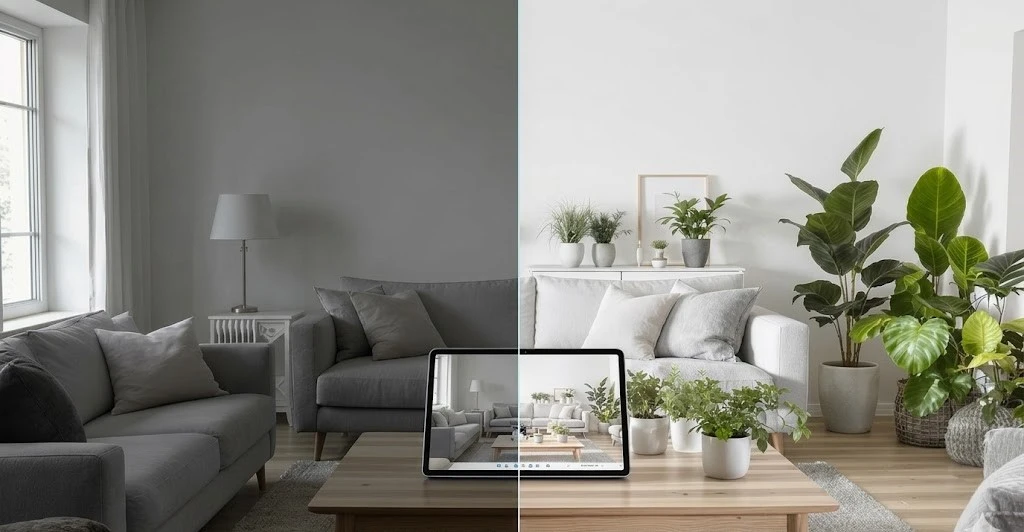
See how realistic indoor plant visualizations remove uncertainty, showing precise plant types and placements for confident room-by-room decor decisions.
Before visualization, many plant buyers feel overwhelmed by choice and uncertain about suitable placements, risking regretful purchases or stalling altogether. After realistic virtual previews, users identify exact plant types, scale, and positions that complement their space and daily routines. This transformation from second-guessing to informed, confident decisions—is central to REimagineHome AI's value in plant and home decor planning. See more realistic room-by-room examples in our 2026 plant idea gallery.
Frequently Asked Questions About Indoor Plant Selection
- What is the best indoor plant for low-light rooms?
- The ZZ plant and pothos both tolerate very low light and survive occasional neglect, making them top choices for shaded interiors.
- Which indoor plant purifies air most effectively?
- Snake plant, peace lily, and pothos are all frequently cited for their air-purifying qualities in typical home environments.
- How can I avoid clutter when using multiple houseplants?
- Use vertical space, group plants for harmony, and preview arrangements digitally. See detailed methods in our small room plant styling article.
- Are there indoor plants that are safe for pets?
- Many popular houseplants are toxic to pets. Always research toxicity, and consider non-toxic options such as spider plants or certain ferns.
Key Takeaways for Smart Indoor Plant Choices
Choosing the best indoor plants means reading your home's light, humidity, and space needs. Prioritize placement that matches both the plant’s biology and your interior layout. Using AI-powered visualization such as REimagineHome AI eliminates uncertainty, letting you design healthy, stylish plant displays with confidence. For in-depth styling methods and specific plant selection tips, consult our AI visualized plant guide and small space greenery guide.