5 Breakfast Nook Chair Mistakes to Avoid for Everyday Comfort
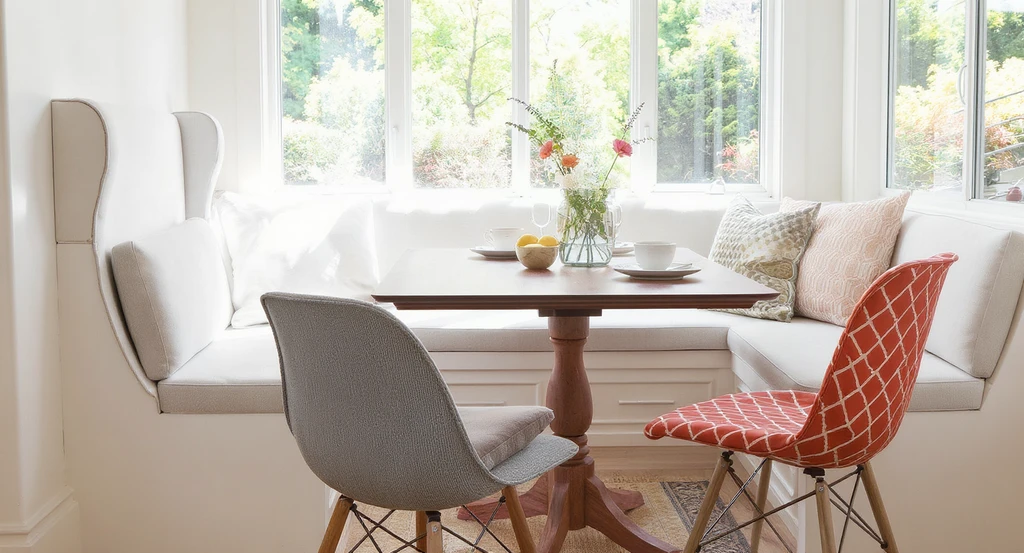
TL;DR
Choosing chairs for your breakfast nook is about more than style. Get the right size, fit, and material to ensure comfort, circulation, and a cohesive, easy-to-live-with look.
Introduction
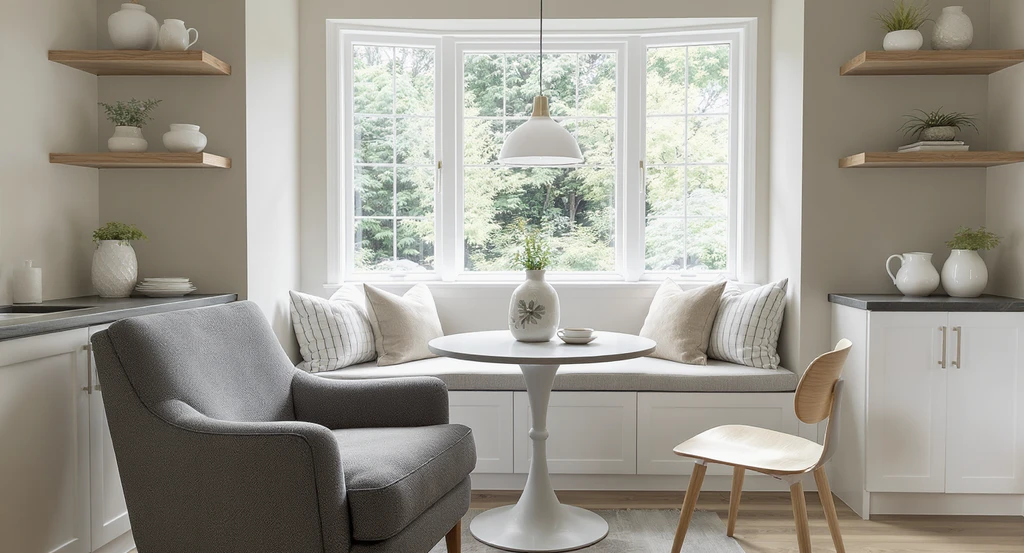
Choosing the best chair styles for a small breakfast nook requires careful consideration. Avoid common mistakes by matching chairs to your nook decor and focusing on comfort to prevent furniture regret.
A breakfast nook is one of the most used corners in many homes, serving as a casual dining spot, a cozy work area, and a place for daily conversations. But picking the wrong chairs can turn this inviting spot into an awkward, uncomfortable space you end up avoiding. Understanding how to choose chairs for breakfast nook setups helps you get both the practical use and the comfort you need, whether your nook is spacious or compact.
This article breaks down the most common seating mistakes and lays out simple corrections, so you can avoid buyer’s regret and enjoy your nook every day.
-
What makes a good breakfast nook chair?
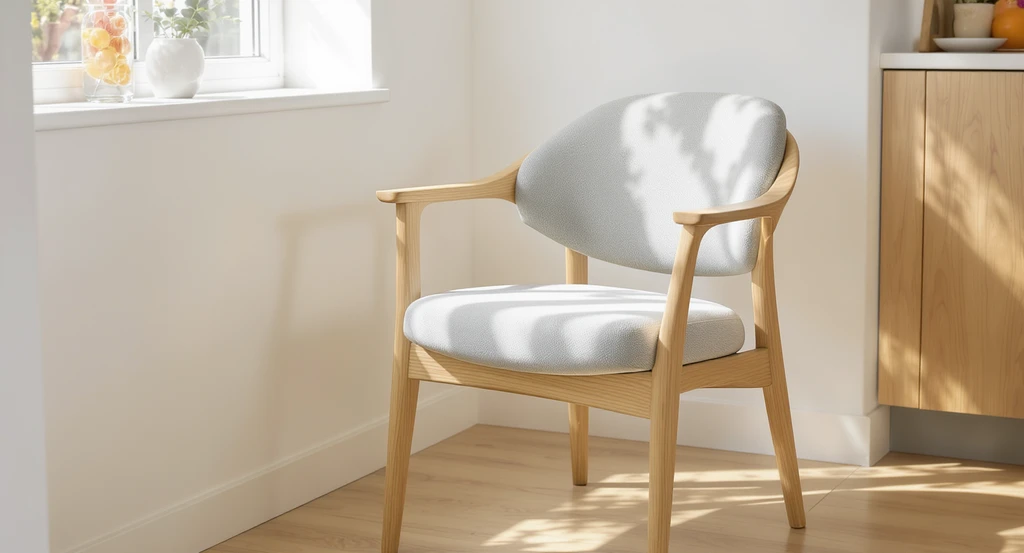
What makes a good breakfast nook chair? Image
A good breakfast nook chair balances seat height, width, and ease of movement while fitting the scale of the table and space. The best options allow at least 24 inches per seat, slide easily under the table, and use durable, easy-to-clean materials for daily use.
-
01. Ignoring Circulation and Movement
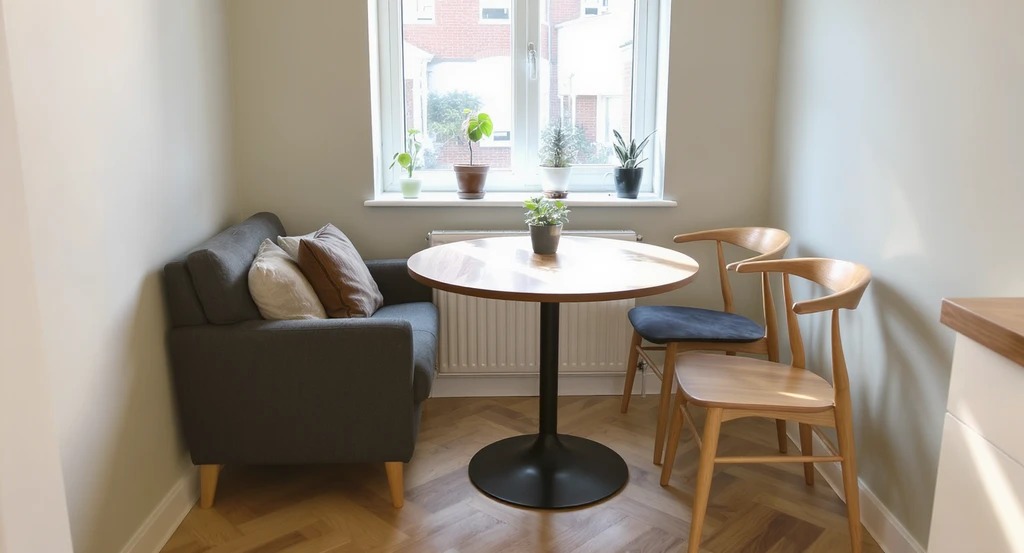
How to choose breakfast nook chairs by comparing bulky armchairs and slim armless chairs for best chair styles in small breakfast nooks, preventing future furniture regret.
Choosing chairs that restrict movement is the most common error in small breakfast nooks. Bulky armchairs or chairs with thick sides can block easy access, making it awkward for people to sit down or stand up, especially when space is tight.
This problem usually happens because the visual appeal of plush or substantial chairs overshadows the reality of daily use. The correction is straightforward: measure your available space, and allow at least 24 inches clearance from the table edge to the nearest wall or bench. For narrow spaces, opt for armless chairs and prioritize ones with slim frames. This approach provides smoother circulation and makes it easier to slide chairs under the table when not in use. Most interior designers follow a minimum clearance guideline of 24 inches per diner and 36 inches for main walkways to ensure comfortable daily movement in dining spaces. Get more spacing and layout tips in our furniture arrangement guide.
-
02. Overlooking Comfort vs. Maintenance

02. Overlooking Comfort vs. Maintenance Image
Picking the most cushioned or stylish chair may seem inviting, but comfort must be balanced with ease of care. Too much padding or pale upholstery can result in difficult-to-maintain surfaces, especially for families who use the nook for frequent meals or with children involved.
This happens often because fabric choices are made for looks in showroom lighting rather than real-life messes and spills. To correct this, consider performance fabrics or wipeable surfaces for everyday practicality. Neutral colors like warm greys or beiges help hide minor stains and brighten the area. As we explored in our guide on dining room upgrades, selecting materials for their livability, not just their style, creates a more inviting, and less stressful, dining experience.
- Test fabric swatches at home under your kitchen's lighting
- Review care instructions before buying
- For high-traffic nooks, opt for removable covers
-
Quick Chair Fit Checklist (Save This Before You Buy)
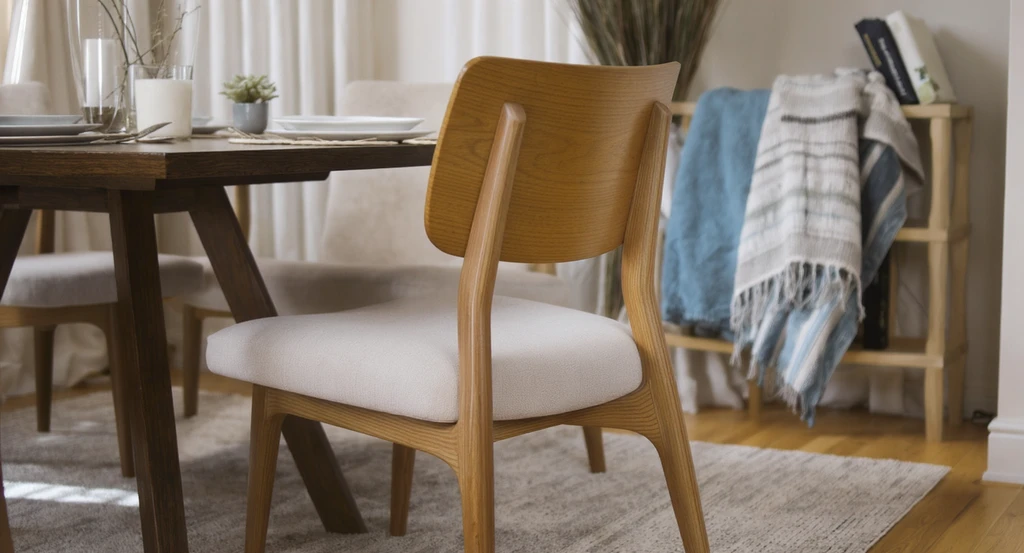
Quick Chair Fit Checklist (Save This Before You Buy) Image
- ✔ Seat height is ~10 inches lower than tabletop
- ✔ Each chair allows ~24 inches of width
- ✔ Chairs slide fully under the table
- ✔ Arms (if any) clear the table edge
- ✔ Materials are wipeable or stain-resistant
- ✔ Visual weight matches the size of the nook
-
03. Mismatching Scale and Proportion to Your Table

Choosing the right chair scale is key when selecting breakfast nook chairs. Oversized or tiny seating disrupts balance and comfort—match proportions for the best chair styles for small breakfast nook and prevent furniture regret when buying chairs.
Getting swept up by a chair’s design without checking its height and width relative to your table is a frequent source of buyer regret. Oversized chairs can dominate a nook; tiny chairs make the table look oversized or awkward.
This usually happens when scale is considered in isolation, either from online photos or showroom displays, rather than in the context of your own nook. Correction starts by measuring your table height and ensuring there is about a 10-inch difference between the seat and tabletop. Allow each diner about 24 inches of seating width for both comfort and circulation. If your table has rounded corners or a pedestal base, curves in the chair back can echo the form, bringing intentional balance, an approach detailed in our overview of kitchen alcove design strategies. For compact spaces, avoid high backs or thick legs, as these visually shrink the nook and block light.
-
04. Disrupting Visual Flow with Heavy Silhouettes
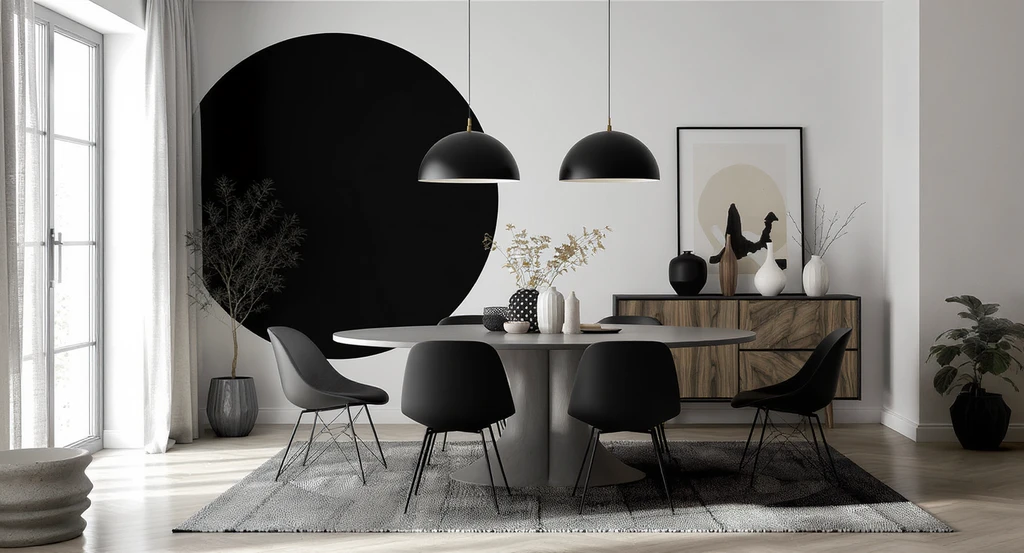
04. Disrupting Visual Flow with Heavy Silhouettes Image
Placing bulky, tall-backed, or high-armed chairs in a breakfast nook can overwhelm the space, making it feel crowded and visually unbalanced. Overly ornate or heavily padded chairs can compete with the table and lighting fixture, causing the nook to look disconnected from the rest of the room.
This mistake often occurs when homeowners focus on chair comfort without considering overall visual harmony. To correct this, select chairs with leaner profiles, open bases, or light legs that echo existing lines and curves in your table or pendant lamp. If your nook already has a built-in bench or banquette with heavy lines, contrasting it with lighter, armless chairs avoids visual overload, an approach found to be successful in many contemporary dining setups. Consistent choices create a cohesive view across adjoining spaces, this is similar to the guidance found in our post on balancing visual weight in open-plan rooms.
-
05. Neglecting to Test Chair Placement Before Buying
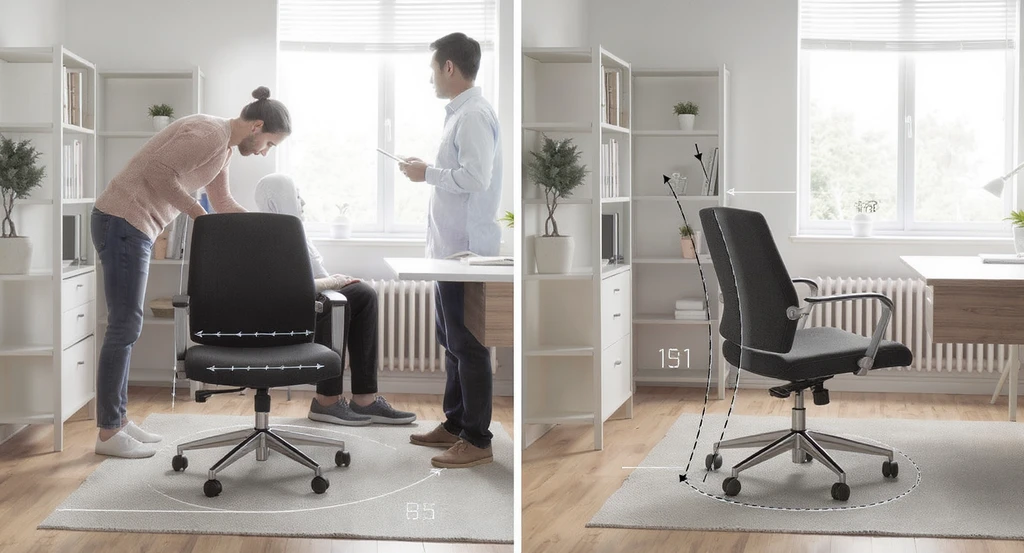
05. Neglecting to Test Chair Placement Before Buying Image
Ordering chairs based solely on photos or measurements, without checking how they’ll fit in your actual nook, often leads to disappointment. Subtle differences in chair arms, width, or leg angles can create spacing issues or uncomfortable seating arrangements.
Before you buy, use masking tape on your floor to mark out each chair’s footprint. Physically sit in a similar chair if possible, and check that arms (if present) clear the table edge by at least one inch. Review how much space remains for people to slide in and out. According to furniture trend experts for 2025, the most successful rooms are those where the function is tested before making final decisions. Learn more about testing real-world layouts here.
- Mark out chair positions with tape
- Check real-world clearance around the table
- Match sample fabric in your kitchen lighting
-
Not Sure Which Chair to Pick? Start Here:
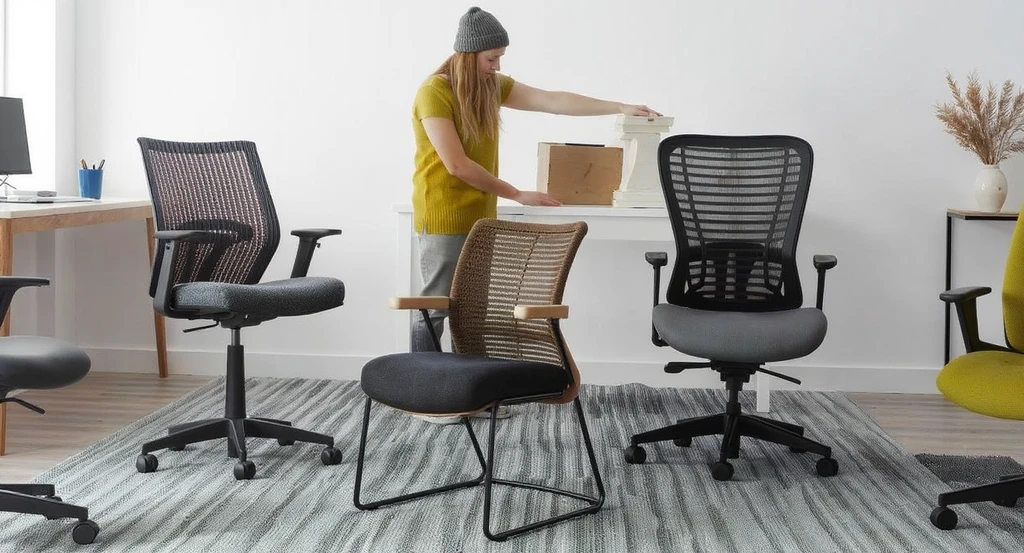
Not Sure Which Chair to Pick? Start Here: Image
- Nook under 6 ft wide? → Armless chairs with slim legs
- Round pedestal table? → Curved or rounded-back chairs
- Kids or daily use? → Performance fabric or wood seats
- Built-in bench already heavy? → Lighter visual chairs opposite
Breakfast Nook Chair Selection FAQ
- Will armchairs fit in a small breakfast nook?
- Armchairs generally require more space to slide in and out, making them a challenge for tight nooks. If you prefer arms, measure adequately to ensure clearance and opt for slim-profile designs.
- What are the best chair styles for cozy nooks?
- Leaner, armless upholstered chairs or gently curved wooden chairs are ideal. They balance easy movement, comfort, and style cohesion with most tables and built-ins.
- How can I avoid furniture regret when buying chairs for a breakfast nook?
- Always measure your space and test layouts using tape or cardboard cutouts before purchase. Try to see fabric swatches at home and consider scale, not just style.
- Should the chair finish match the table exactly?
- No. It’s often best to echo undertones, shapes, or materials, rather than replicating the finish. This method avoids a too-uniform look and adds subtle interest.
- How do I match chairs with existing nook decor?
- Pick up a color, texture, or curve from nearby elements, such as bench cushions, pendant lights, or wall art, for a cohesive look.
Conclusion
Choosing the right chairs for your breakfast nook is not just about picking a style you like. Pay attention to chair width, arm placement, materials, and how each option interacts with your table and available space. By focusing on circulation, balance, and practical fabrics, you’ll avoid common pitfalls and create a comfortable nook for any routine. Note: Rental spaces, historic homes, or fixed banquettes may require different clearance rules. Always measure around immovable elements before purchasing chairs.
The right breakfast nook chair doesn’t just look good, it determines how often the space actually gets used. When scale, circulation, and materials are chosen intentionally, the nook becomes a functional everyday zone rather than a styled corner you avoid.