Choosing the Right Ladder for Home Projects: Function, Safety, and Everyday Use
TL;DR
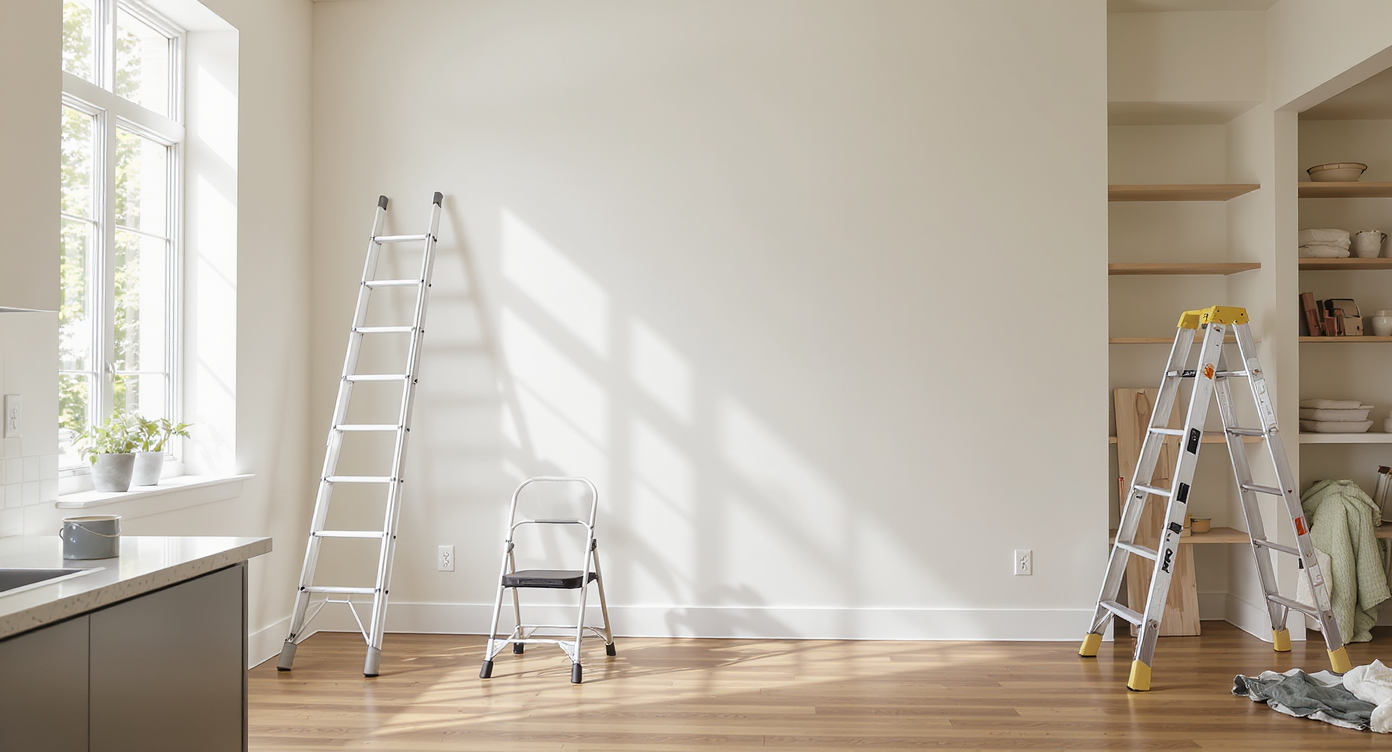
For most homeowners, a combination of ladders offers the safest and most efficient approach. Step ladders handle everyday indoor needs, extension ladders reach high exteriors like gutters and roofs, and multi-position ladders bring versatility for tricky spots and compact storage. The right selection depends on your typical projects, storage space, and who will use the ladder.
Ladder Choices: Why One Size Rarely Fits All
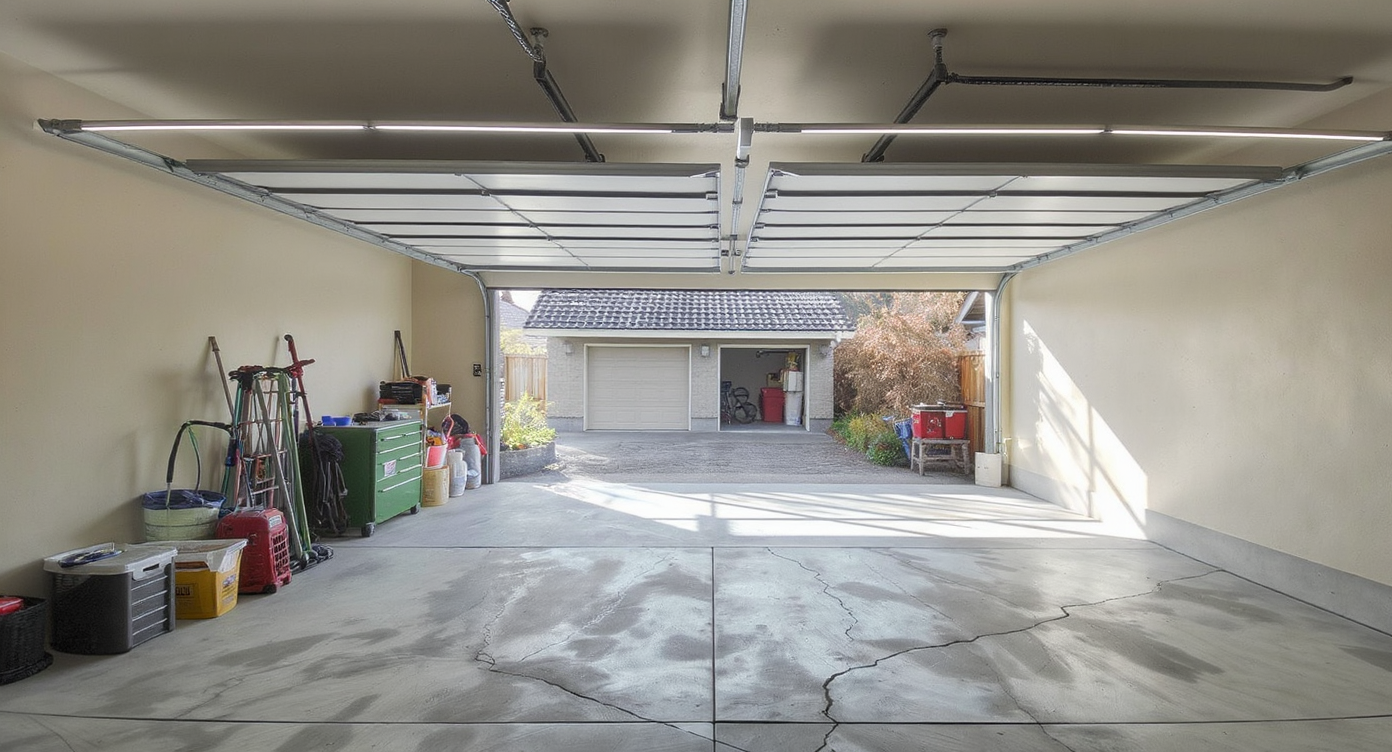
A modern homeowner's garage displaying step, extension, and multi-position ladders, illustrating real choices for household projects.
Every homeowner faces jobs that require getting above ground level—from changing ceiling lights to cleaning second-story gutters. The big question: which ladder or ladders will serve you best over years of home projects? Versatile all-in-one ladders are tempting, but opinions run strong on whether to rely on one tool or keep a few specialized options. Understanding the strengths, weaknesses, and real-life usability of step ladders, extension ladders, and multi-position designs can prevent wasted money and potential accidents.
Choosing the right ladder is as much about daily lifestyle as it is about technical specs. Most households find that a mix of ladders adapts to changing needs, DIY ambitions, and family safety. But which types pay for themselves, and which become the dusty problem in your garage? Let’s unpack the practical lessons from experienced homeowners and remodeling enthusiasts.
-
Step Ladders: The Everyday Workhorse
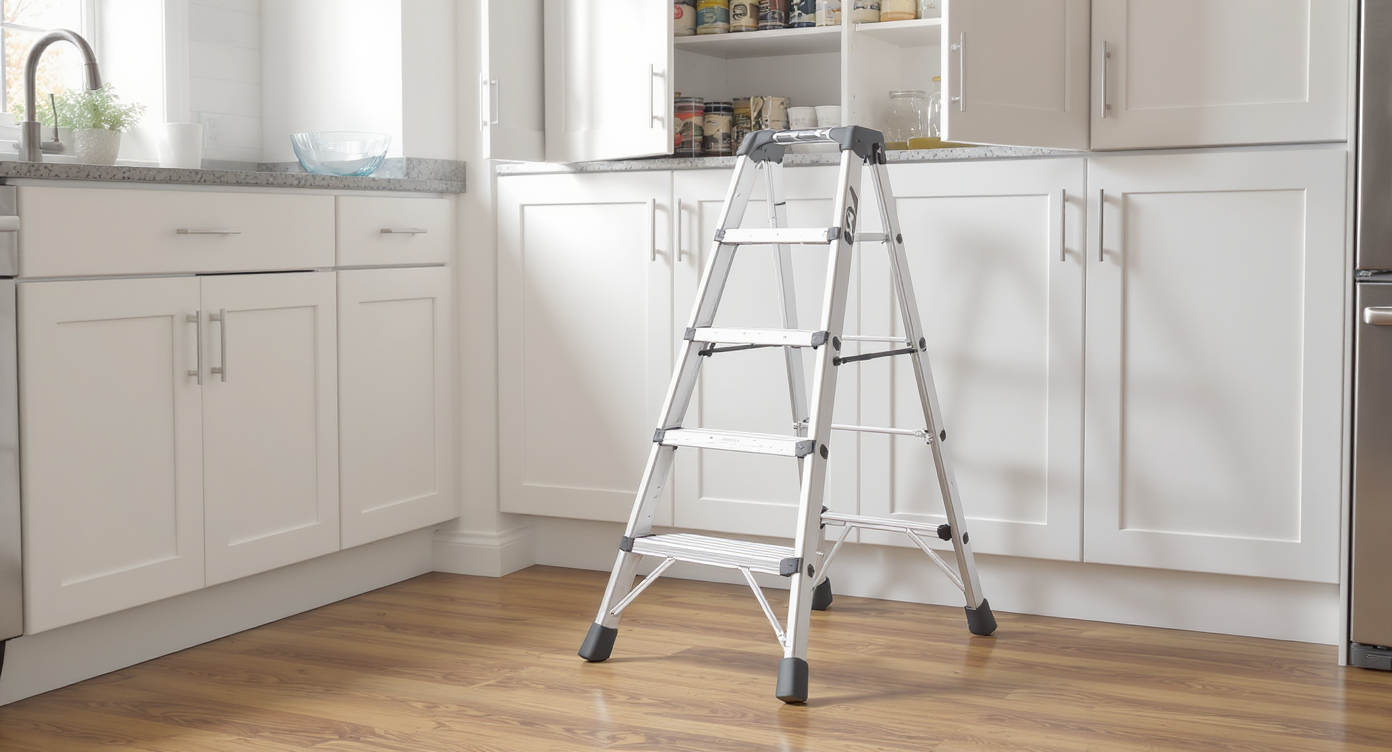
A compact step ladder placed in front of tall kitchen cabinets demonstrates safe, practical access to high shelves for daily household tasks.
Walk into almost any home and you will find a step ladder tucked in a closet or garage corner. These ladders prove their worth daily by helping people swap bulbs, reach high shelves, and handle most painting needs. Lightweight models—especially those under six feet—are easy to carry and quick to deploy; many homeowners keep models in multiple rooms for convenience. The key value is maneuverability: a small stepladder lets anyone access tricky spots indoors, even in narrow spaces or with limited strength.
One practical scenario is the kitchen, where a two- or three-step ladder makes it safe to reach pantry tops or adjust blinds. In living rooms with high ceilings, a taller six-foot fiberglass ladder is the sweet spot for changing lighting fixtures or cleaning upper shelves. As noted in our budget-friendly first home setup, measuring your vertical reach before buying helps avoid the hassle of owning a ladder that's just too short.
Expert Insight
A homeowner recounted the classic mistake: after moving into a two-story house, they bought a massive, all-in-one ladder hoping for a minimalist setup. It worked wonders on the first major project—a new chandelier hung from a vaulted ceiling. But the rest of the year, the ladder stayed in the basement, too heavy and awkward for everyday tasks. Eventually, a lightweight step ladder and collapsible extension ladder joined their tool collection, each earning regular use while the original behemoth gathered dust.
-
Extension Ladders: Outdoor Reach and Safety
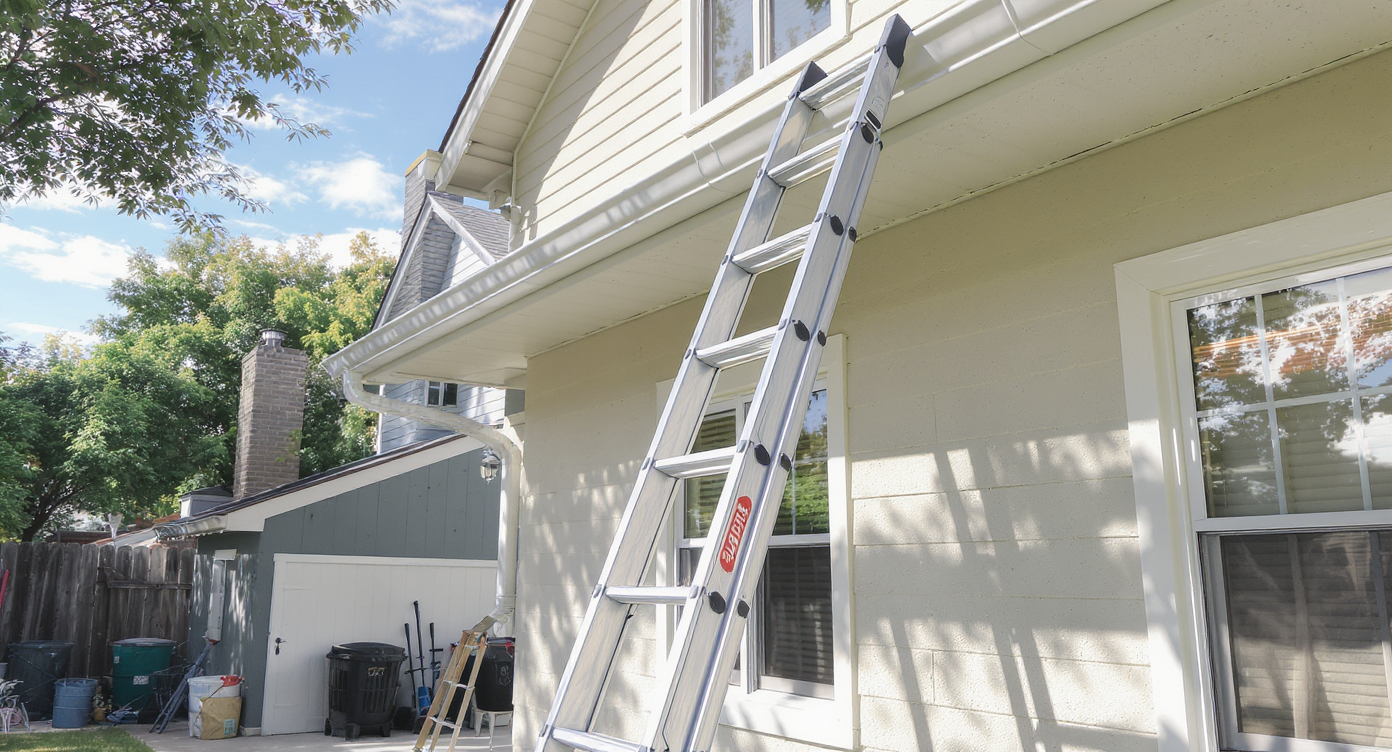
Aluminum extension ladder securely set up against a house, highlighting stabilizer bar, rubberized ends, and safety placement for exterior work.
When gutter cleaning or exterior repairs call for serious height—especially on two-story homes—extension ladders are the traditional choice. Unlike step ladders, extension ladders can safely lean against walls and extend well above rooflines. Aluminum versions are more manageable for solo users and come in lengths suited to most residential jobs. Modern extension ladders feature stabilizing feet and rubberized ends to protect siding, which is a small but much-appreciated detail.
Using an extension ladder requires some care: always place it on stable ground, never overreach, and use a stabilizer bar if working near windows or gutters. Homeowners often cite their extension ladder as an occasional but essential tool—pulled out a handful of times each year for exterior cleaning, seasonal lighting, or emergency repairs. Storing these ladders can be tricky without a garage or shed, but their role in safe high-access work remains undisputed. According to advice from DIY repair experts, always use the correct ladder for tasks that could risk major damage or injury.
-
Multi-Position Ladders: Versatility with Tradeoffs
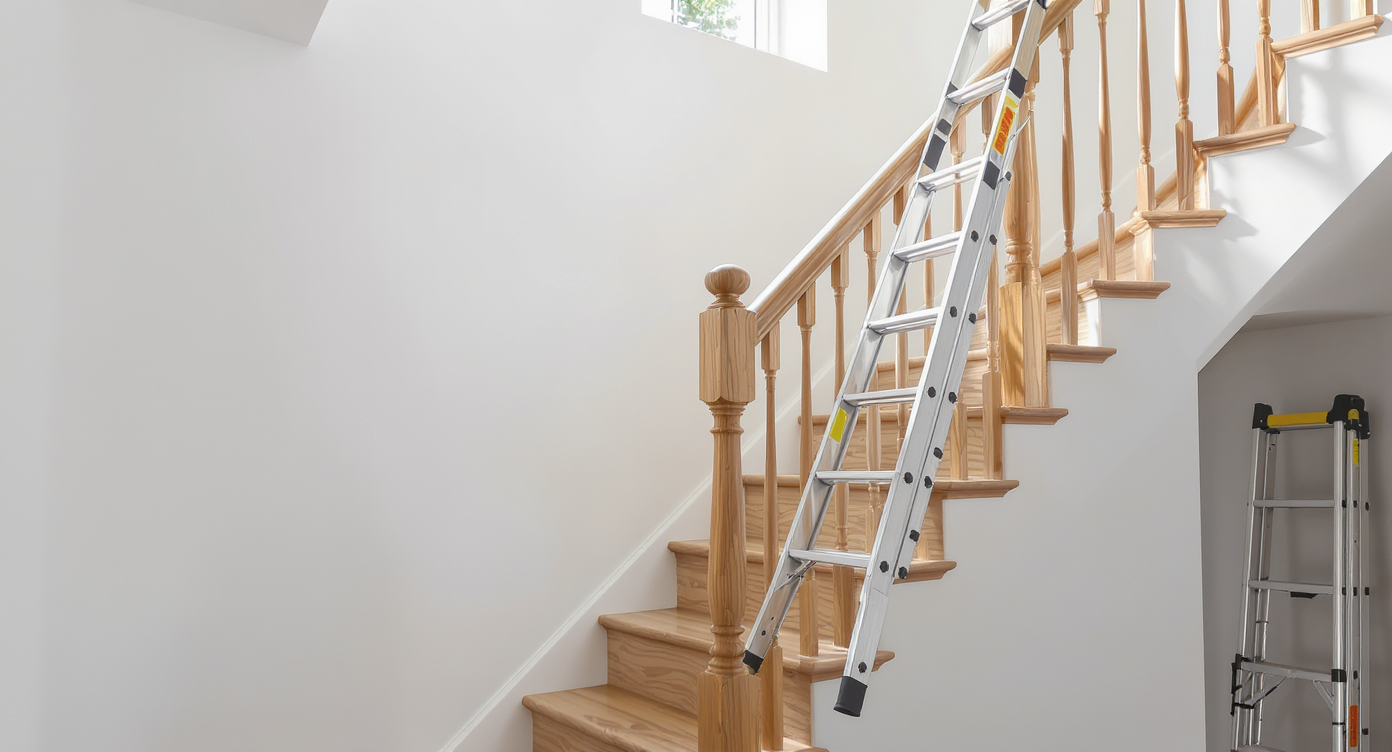
A multi-position ladder adapts to uneven stairs and high ceilings, with a collapsed unit stored nearby, illustrating its real-world versatility.
Multiposition, folding, or articulating ladders—the most famous being the Little Giant style—promise multiple configurations: A-frame, straight extension, scaffold platforms, and adaptation to stairs or uneven terrain. For homes with vaulted ceilings, stairwells, or varied projects, this flexibility is a big draw. Many models collapse into a compact size, making them easier to store in sheds, closets, or even car trunks.
However, in real-world use, homeowners are often divided. While some rely on a single multiposition ladder for almost every task, others report that their units are heavy, unwieldy, or uncomfortable standing for long periods—especially at full extension. The sheer weight can make it difficult for smaller adults to maneuver, and standing on narrower rungs can wear out your feet quickly. For projects that require moving the ladder repeatedly, lighter, task-specific models often win out. Even so, when faced with stair painting or awkward angles, the multiposition ladder’s adjustability pays off handsomely.
-
Comparing Use Cases: Matching Ladder to Project
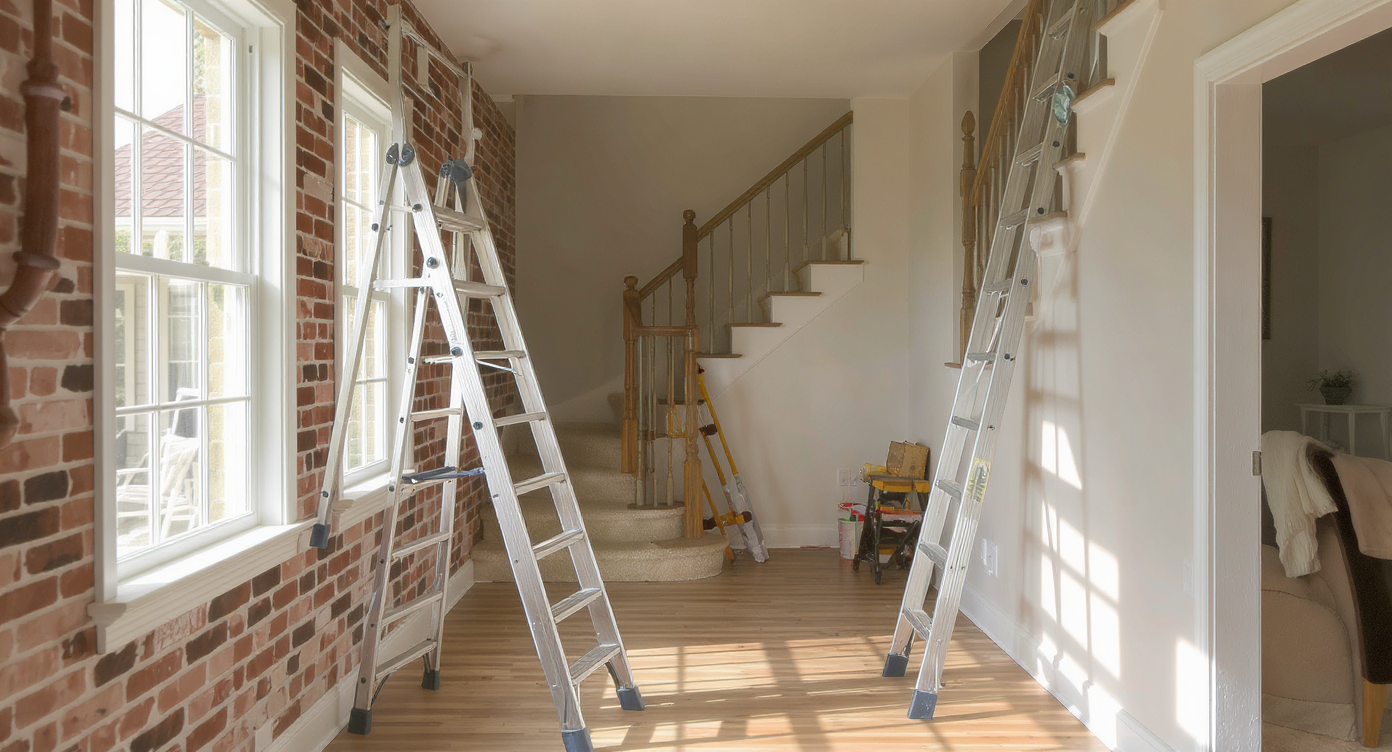
Photo-realistic scene of three ladders in practical use: extension ladder outdoors, articulating ladder over stairs, A-frame ladder inside hallway.
What ladders you should own depends on your space, strength, and typical projects. If your home is a single story with modest ceilings, a sturdy step ladder and small step stool may cover nearly everything. Owners of two-story properties find an extension ladder critical for exterior work, but often prefer a lightweight step ladder for inside. For households with limited storage but diverse project needs—such as painting high walls, fixing stairway lighting, or accessing attic spaces—a multiposition ladder can be a clever compromise if you are comfortable with its weight and complexity.
Consider, for example, a homeowner remodeling a split-level entryway. The job might require reaching skylights over stairs, where only an articulating ladder provides the necessary stability and height. For regular use such as swapping smoke detector batteries or painting, a traditional A-frame offers more comfort. Outdoor maintenance like trimming tree limbs or clearing second-story gutters is safest with an extension ladder that provides sufficient overhang and stability. Ultimately, many discover there's no true “one ladder does it all”—just the right ladder for the job at hand.
-
Anecdote: Ladders in Real Life
Consider the experience of Alex, a first-time homeowner who started with a multi-position ladder expecting it to meet every need. It did handle stairwell painting with ease, but when it came time for routine chores—like changing hallway lights or storing holiday supplies—the ladder’s bulk quickly became a deterrent. Alex’s partner, who preferred to handle smaller tasks solo, found the heavy ladder difficult to maneuver and eventually insisted on adding a lightweight step ladder to their toolkit. By the following spring, a collapsible extension ladder joined the mix for cleaning the gutters. Their garage soon reflected what most experienced homeowners attest: a mix of ladders optimizes for both convenience and safety.
-
Common Mistakes to Avoid
Choosing a ladder based solely on maximum height or versatility can backfire. Many homeowners regret buying oversized or overly heavy models, only to discover they rarely need that much reach or cannot easily move them. Likewise, underestimating the discomfort of standing on narrow rungs for extended periods leads to fatigue and potential accidents. Skimping on stability or ignoring task-specific features—like platforms, trays, or stabilizing feet—can also make jobs more difficult than necessary. Avoid the temptation to use just one ladder for every task. Instead, plan to acquire ladders that match your real, recurring needs rather than occasional ambitions.
-
Tips and Expert Insights
Designers and DIY pros recommend measuring not only ceiling heights but also factoring in safe working zones and needed reach. Ladder capacity is another often overlooked detail, as is footwear—sturdy boots can reduce foot fatigue on narrow rungs. For any ladder leaned against a home’s siding or gutters, adding rubberized end caps and using a stabilizer bar enhances both safety and surface protection. Always respect manufacturer load limits, store ladders indoors when possible to extend their lifespan, and organize your workspace before working aloft. Many also find value in visualizing projects before committing to new tools or major furniture purchases—tools like room planners or photo-based design previews help reduce expensive missteps.Previewing upgrades before buying tools or materials can save time and frustration down the line.
-
How to Use This in Your Next Designs
If your project involves remodeling, maintenance, or interior planning, start by mapping out all tasks that might require a ladder intervention. Will you need to swap light fixtures in vaulted spaces, touch up paint across a split-level stairway, or prune trees in the backyard? Review your own comfort with ladder weight and configuration—if the intended user is less experienced or prefers lighter equipment, prioritize step ladders or telescoping extension ladders. For larger-scale home improvement plans, combine project visualization tools with a thoughtful selection of ladders. Sketching out workflow scenarios clarifies which features truly matter—saving resources wasted on underused tools and maximizing project safety and efficiency.
-
Visualization: Imagine a Planned Project Flow
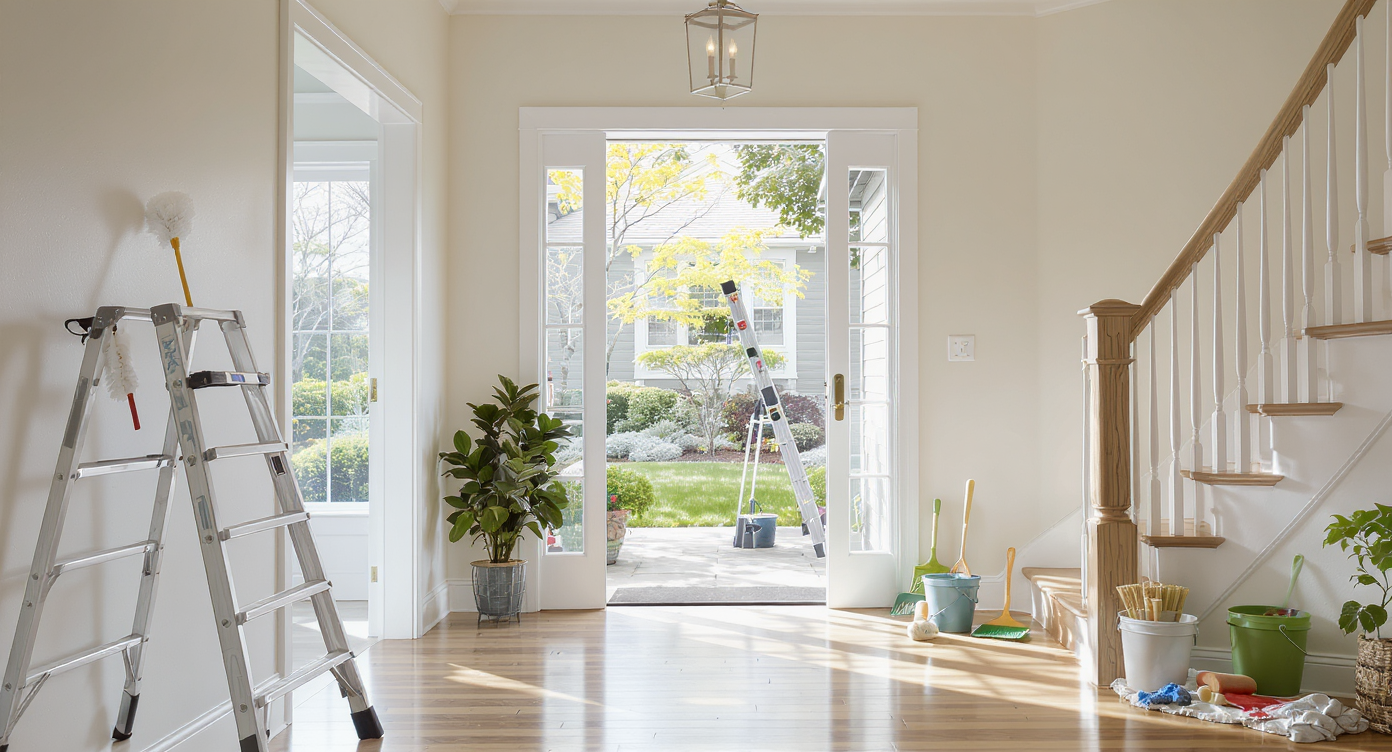
Step, extension, and multiposition ladders strategically placed for spring cleaning, gutter clearing, and foyer painting—no people, realistic detail.
Envision prepping for a full spring cleanup: you start by grabbing a compact step ladder to sweep cobwebs from interior corners and replace a hallway bulb. Next, an extension ladder comes out for gutter clearing, its stabilizer bar holding firm against the siding as you scoop out leaves above the first-floor roofline. Later, painting the tall foyer calls for a multiposition ladder, carefully set in A-frame mode and adjusted to span the staircase landing. Each task moves faster and feels safer because the right tool is at hand and you’ve visualized the experience in advance—anticipating challenges like tight corners, uneven floors, or outdoor stability needs.
Visualization Scenario
Picture you’re reorganizing your garage to prepare for the season. As you plan upcoming painting and minor repairs, you visualize which tools fit best: the small foldable step ladder slides behind the door for regular access; the compact extension ladder hangs along the wall, ready for when it’s time to change outdoor lights or clear the gutters; and a multi-position ladder stands by just in case your next project calls for something more unconventional. Seeing this lineup in your mind, you avoid last-minute frustration and work with confidence, knowing you’re prepared for any height challenge your home throws your way.
Frequently Asked Questions
- What’s the best ladder for a two-story home?
- For routine exterior maintenance, an extension ladder rated for the full height of your home is safest. Indoors, a six- or eight-foot step ladder is typically sufficient for most tasks, but always measure before purchasing.
- How important is ladder weight when choosing models for daily use?
- Weight directly impacts portability. Heavier, multi-position ladders offer flexibility but can be cumbersome. For frequent use or multiple users, lighter ladders are preferable for comfort and safety.
- Can one multi-position ladder replace both step and extension ladders?
- Multiposition ladders offer notable flexibility and work well in some spaces, but many people still invest in lighter step ladders for regular chores and in dedicated extension ladders for outdoor reach.
- What safety practices should I follow for ladder work?
- Always set ladders on stable footing, never exceed the recommended load capacity, and avoid overreaching. For tall extension ladders, consider a stabilizer for increased stability and grip. When in doubt, enlist help or consult a professional. ReimagineHome.ai can help you plan projects more safely.
- How do I decide which ladder to buy first?
- Evaluate the most common tasks in your home. If most needs are indoor and under nine feet, start with a quality step ladder. For regular exterior work above the first story, an extension ladder is essential.
Takeaways for Smarter Ladder Selection
The ladder you reach for should bring confidence, comfort, and convenience to every project around your home. No single design universally wins for every scenario, so prioritize ladders that reflect your real living spaces and daily routines. A lightweight step ladder stays in easy reach for most small jobs, while a sturdy extension ladder safely handles exterior heights. Multi-position ladders provide creative solutions for unique challenges but may not replace task-specific tools entirely. Visualizing your workflow, measuring actual clearances, and being honest about how you prefer to work will save you time, effort, and money in the long term. For complex planning, or to see how changes look before committing, ReimagineHome.ai offers additional resources for project visualization.