9 Steps to Make Your Living Space Feel Cohesive, Intentional, and Grown-Up
TL;DR
Most living spaces feel unfinished due to mismatched layout, lack of repetition, and scattered décor. Learn specific corrections, like clarifying purpose, anchoring furniture, editing choices, and intentionally repeating colors, that transform these areas into mature, cohesive, and inviting rooms.
Why Do Some Living Rooms Feel Unfinished?
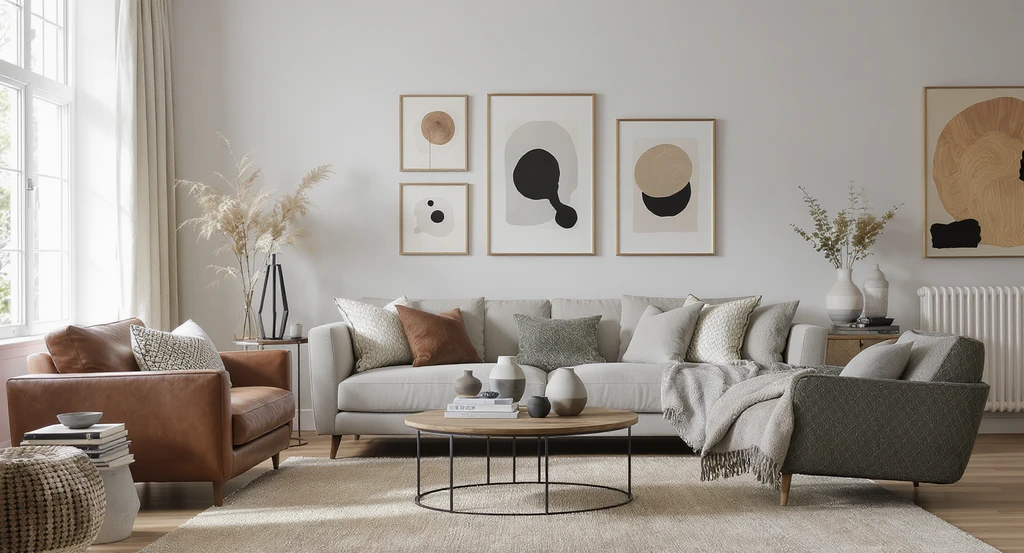
Explore ai home design for cohesive living spaces—this living room reveals how virtual staging tools and ai visualization help create intentional, grown-up decor decisions.
Many living rooms appear nearly complete, comfortable pieces, natural light, and carefully chosen colors, yet still lack a sense of cohesion or maturity. The underlying problem is rarely about the décor itself, but rather about how the space aligns with its function, layout, and visual intention. A grown-up, intentional living space feels unified, deliberate, and calm, regardless of its style or budget. This requires clear decision-making about what stays, where it goes, how it relates to the rest, and why it's there. The following nine practical corrections address the most common causes of visual chaos and disconnection in living spaces, helping you transform your room step-by-step.
-
01. Define a Clear Purpose Before Styling
01. Define a Clear Purpose Before Styling Image
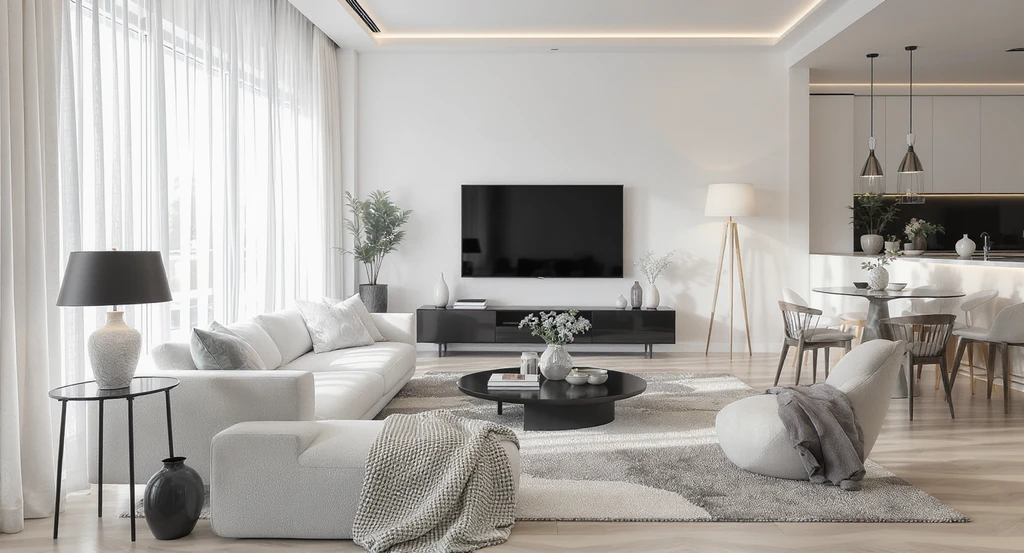
A common mistake is designing a living room without clarifying its primary function. This leads to scattered layouts and a space that tries to do everything, often resulting in a chaotic feel.
Start by deciding: is this room for conversation, TV, reading, or hosting? When every piece aligns with this decision, your space gains logic and flow. According to our guide on fixing unfinished living rooms, clarity of function helps make strong choices about both layout and styling, eliminating unnecessary pieces.
-
02. Anchor the Layout With a Single Focal Point
02. Anchor the Layout With a Single Focal Point Image
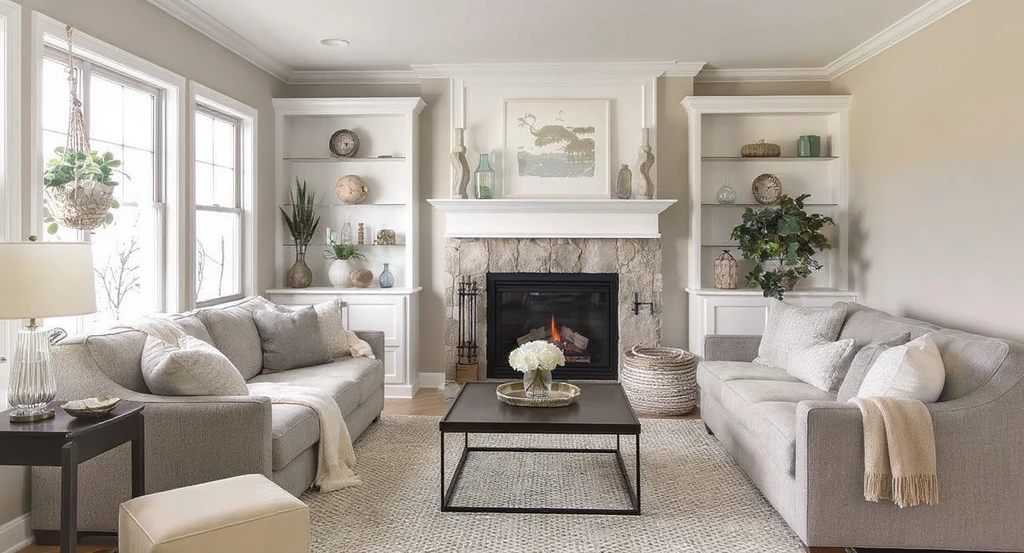
Rooms without a strong anchor point (like a fireplace, seating cluster, or significant window) feel visually restless. Trying to highlight too many features at once makes the eye wander and unsettles the layout.
Correct this by choosing one main focal area, often the largest seating arrangement, a fireplace, or a feature window. Arrange remaining furniture to support (not compete with) this anchor. This focus brings stability and quietness to the room’s composition, a principle reinforced in our post on finishing your living room with visual intent.
-
03. Use Fewer Colors and Repeat Them Deliberately
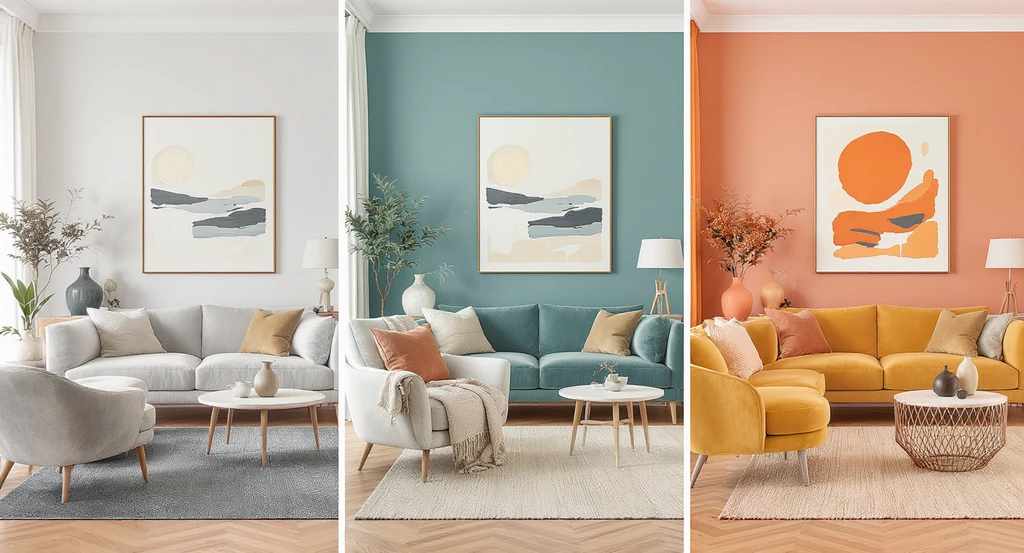
03. Use Fewer Colors and Repeat Them Deliberately Image
Introducing several unrelated colors leads to a fragmented look and undermines cohesion. Single-use accent colors in particular can feel accidental rather than curated.
Instead, build your palette around one dominant neutral (walls or large furniture), 1–2 secondary tones (wood, upholstery), and a single accent hue repeated at least three times (e.g., in pillows, art, and décor). This repetition strengthens unity, as outlined in our article on creating serene, grown-up spaces. Check for accidental singles and edit to reinforce your primary colors.
-
04. Fix Layout and Furniture Placement Before Adding Décor
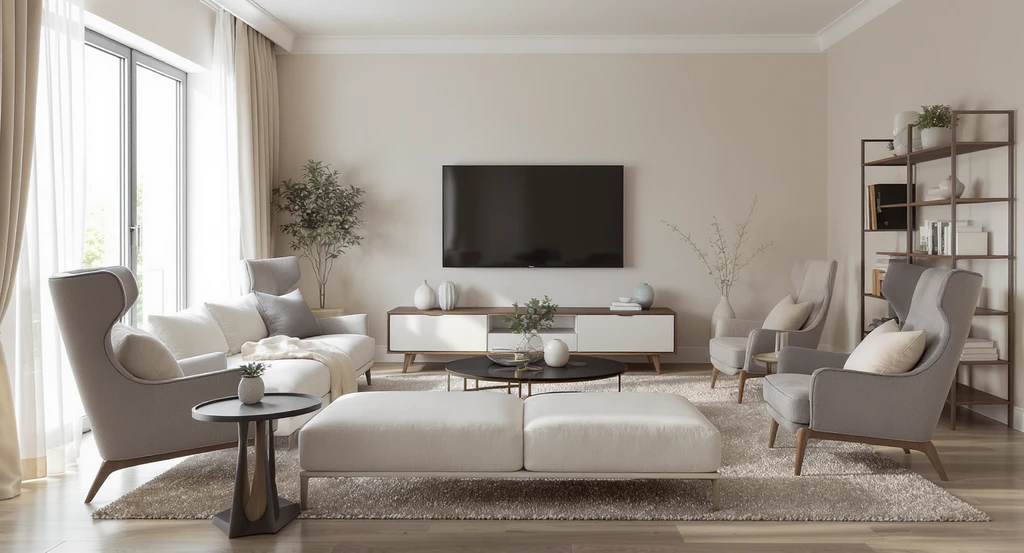
04. Fix Layout and Furniture Placement Before Adding Décor Image
Pushing all furniture against the walls, or letting chairs "float" with no connection, causes disjointed arrangements. Small rugs that don't anchor the sitting area also fragment the space.
Correction steps:
- Pull seating inward to form a clear, conversational grouping.
- Ensure at least the front legs of sofas and chairs sit on the rug.
- Check that coffee tables are proportional; typically, they should be 2/3 the sofa's length (as detailed in our living room furniture sizing guide).
- Float pieces where possible to increase connection and flow, considering door swings and window sightlines.
Logical zoning and proper scale improve function and make the space feel deliberate.
-
05. Edit Object Count: Less, but Larger, and Leave Space Empty
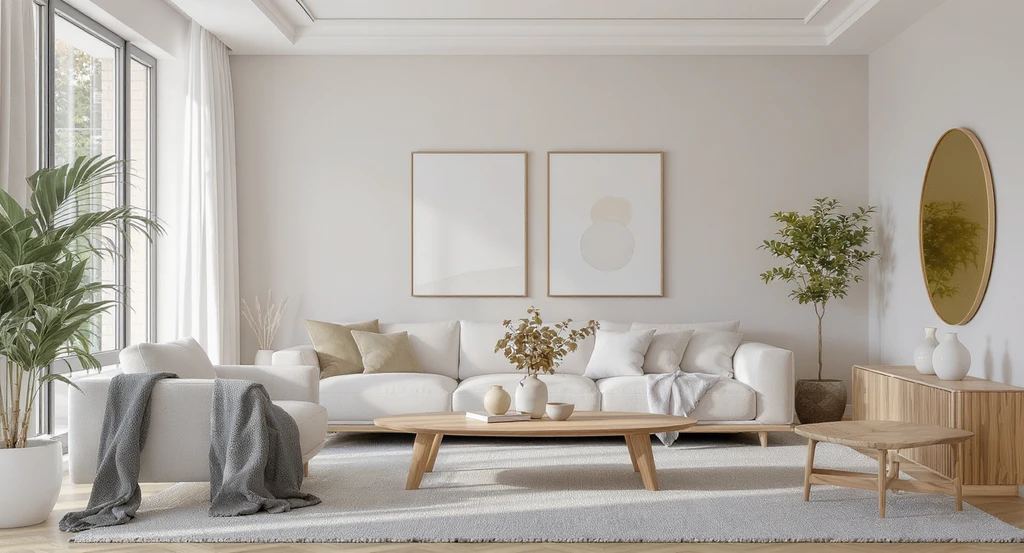
05. Edit Object Count: Less, but Larger, and Leave Space Empty Image
Over-decorating with many small items creates clutter and visual noise, while a lack of negative space overwhelms the senses.
Mature spaces are edited. Choose fewer, larger-scale pieces (e.g., a substantial vase or bold lamp rather than multiple trinkets), and intentionally leave some surfaces free. Group objects in odd numbers (like three or five) for natural balance. Editing gives each item room to "breathe" and adds calm structure to the room.
-
06. Layer Texture Rather Than Color for Warmth and Depth
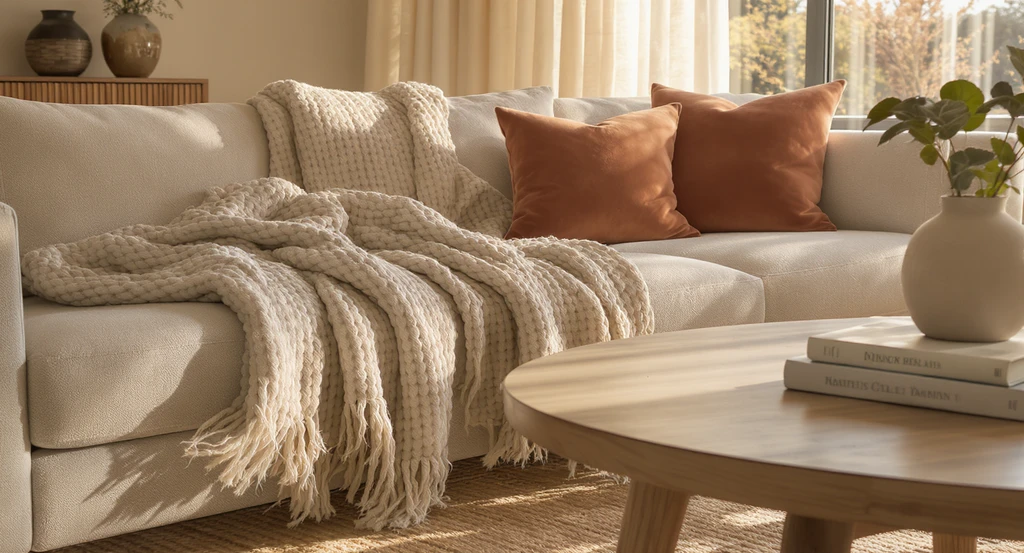
06. Layer Texture Rather Than Color for Warmth and Depth Image
Flat or chilly rooms often miss contrast in texture, not color. Relying only on color leads to a dull or two-dimensional space.
Integrate varied materials, soft textiles (throws, pillows), natural fiber rugs, linen curtains, and matte or tactile ceramics, to add subtle richness without busying the palette. Mixing gentle sheen with matte and bringing in wood or stone grounds the space without causing clutter. This approach adds mature warmth and visual interest, see a similar method in our discussion of warm minimalist living rooms.
-
07. Choose Art and Décor Intentionally, Not Just to Fill Space
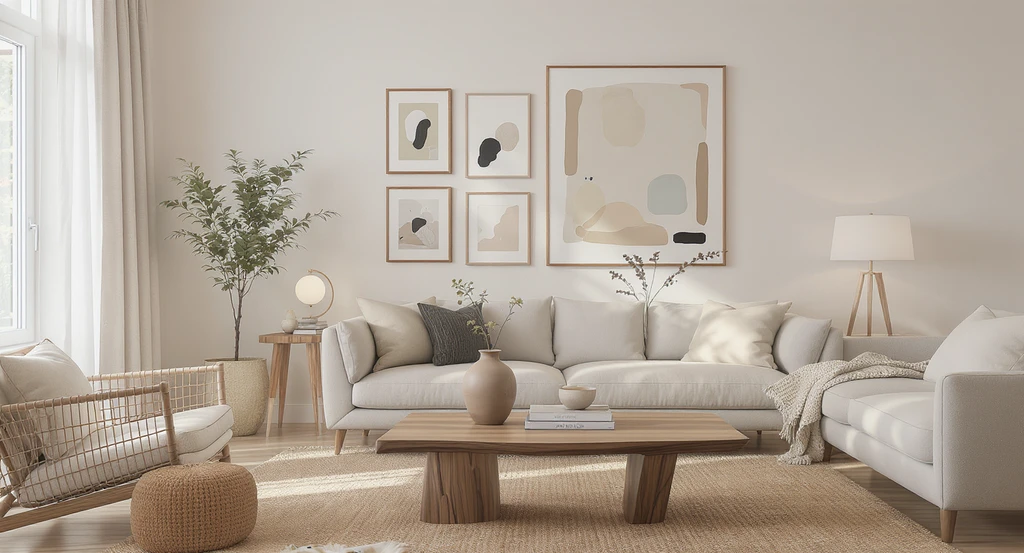
07. Choose Art and Décor Intentionally, Not Just to Fill Space Image
Filling blank walls with undersized or unrelated art makes a space look unfinished or accidental. Hanging pieces too high or without a visual connection also disrupts maturity and flow.
Correction guidelines:
- Select one large piece per primary wall instead of several small works.
- Hang art at eye level (typically 57–60 inches from the floor to the artwork center).
- Choose art that echoes your room’s palette and atmosphere, not just its emptiest spot.
Intentional choices unify the space and give meaning rather than random surface coverage.
-
08. Unify Lighting for a Cohesive and Polished Feel
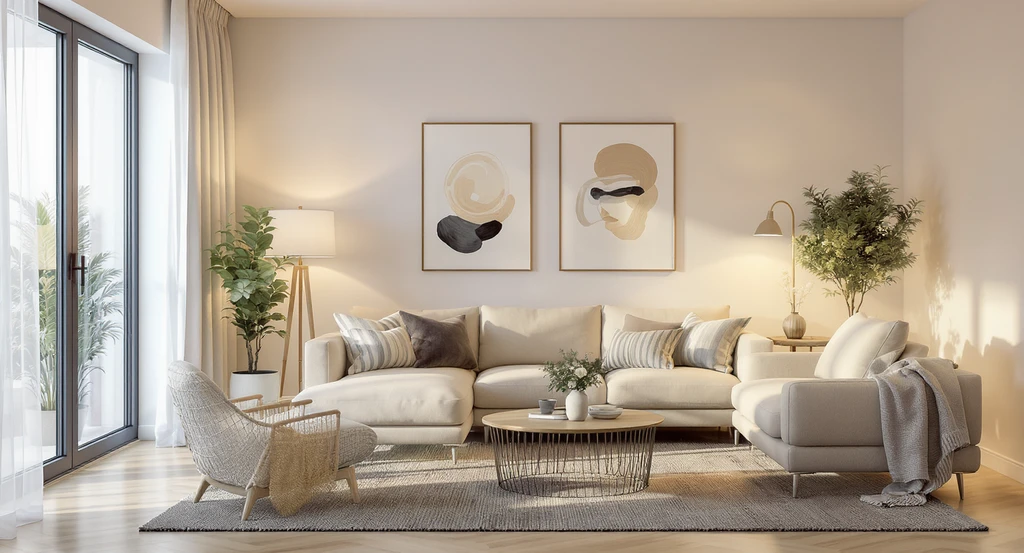
08. Unify Lighting for a Cohesive and Polished Feel Image
A mix of differing lighting styles, colors, or unlayered lights creates visual chaos and makes rooms feel amateurish. Overhead lighting alone adds harshness and flattening shadows.
To correct:
- Layer ambient (overhead), task (lamps), and accent lights for soft, flexible brightness.
- Keep finishes or shade styles subtly coordinated for visual flow rather than matching exactly.
- Use light to highlight focal zones, not just to fill darkness (see our guide on layering lighting and finishing touches).
Thoughtful lighting control adds depth, warmth, and unity.
-
09. Add Personality, But Keep It Curated and Current
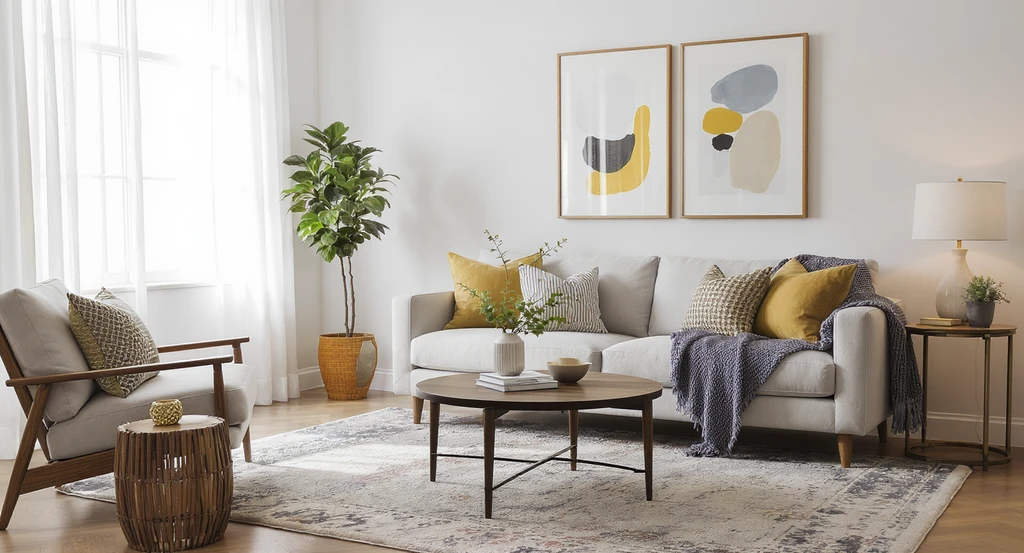
09. Add Personality, But Keep It Curated and Current Image
Packing a room with memorabilia or clashing personal mementos dilutes maturity and intention, while leaving personality out results in a sterile, uninviting look.
Choose one or two meaningful objects (books, photos, or travel finds) and make sure they reflect who you are now, not just the history you’ve accumulated. Curated, updated displays project warmth while avoiding visual clutter.
Frequently Asked Questions
- How can I tell if my living room layout needs adjustment?
- If walking paths are disrupted, furniture floats without a clear grouping, or you lack a strong anchor (like a centered rug or focal point), your layout likely needs correction. See more insight in our sofa size and room flow guide.
- What’s the fastest way to increase visual cohesion?
- Start by reducing unrelated colors and repeating your primary accent in three distinct places. Anchoring the space with a properly sized rug also helps instantly, as detailed in this article.
- How do I choose art that feels intentional?
- Opt for larger-scale pieces that relate to your room’s palette. Hang at eye level instead of too high, and avoid filling walls for the sake of it.
- What’s a practical rule for coffee table sizing?
- A coffee table should generally be about 2/3 the length of your sofa, which ensures visual balance and enough usable surface.
Summary: Cohesion Comes from Decisions, Not Décor
A mature living space feels inviting and deliberate when layout, color, personal objects, and scale all follow one clear logic. Instead of adding more decoration, focus on tightening your room’s layout, editing unnecessary items, and intentionally repeating elements for unity. These steps will make your living room feel complete, calm, and grown-up, a principle repeatedly demonstrated by designers in our linked articles above.