7 Smart Strategies for Coordinating Foyer, Stair, and Upper-Level Flooring
TL;DR
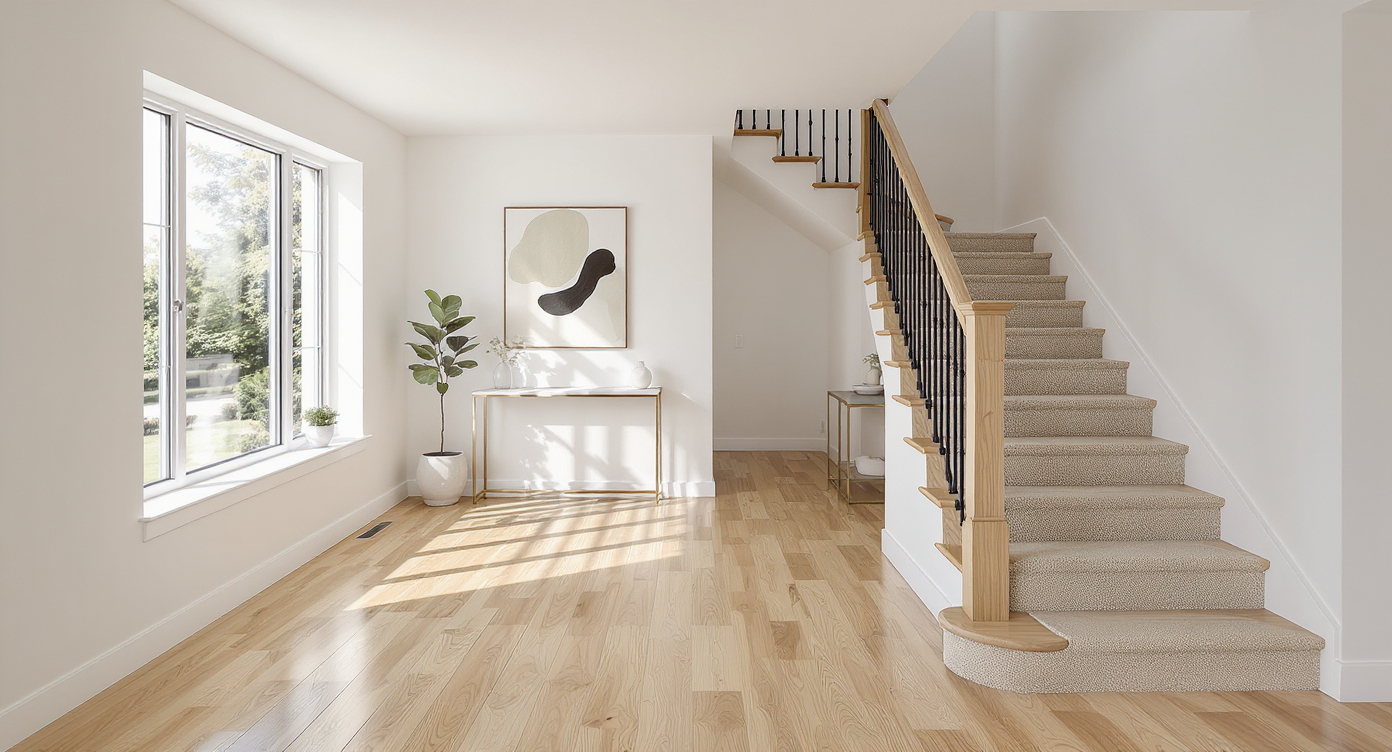
Coordinating flooring between the foyer, stairs, and upper levels can create a sense of cohesion, but selective contrasts may offer valuable definition. This guide breaks down which flooring elements to unify, what to separate, and how to tie in basement choices for a complete look.
Why Unified Flooring Matters and When to Separate Spaces
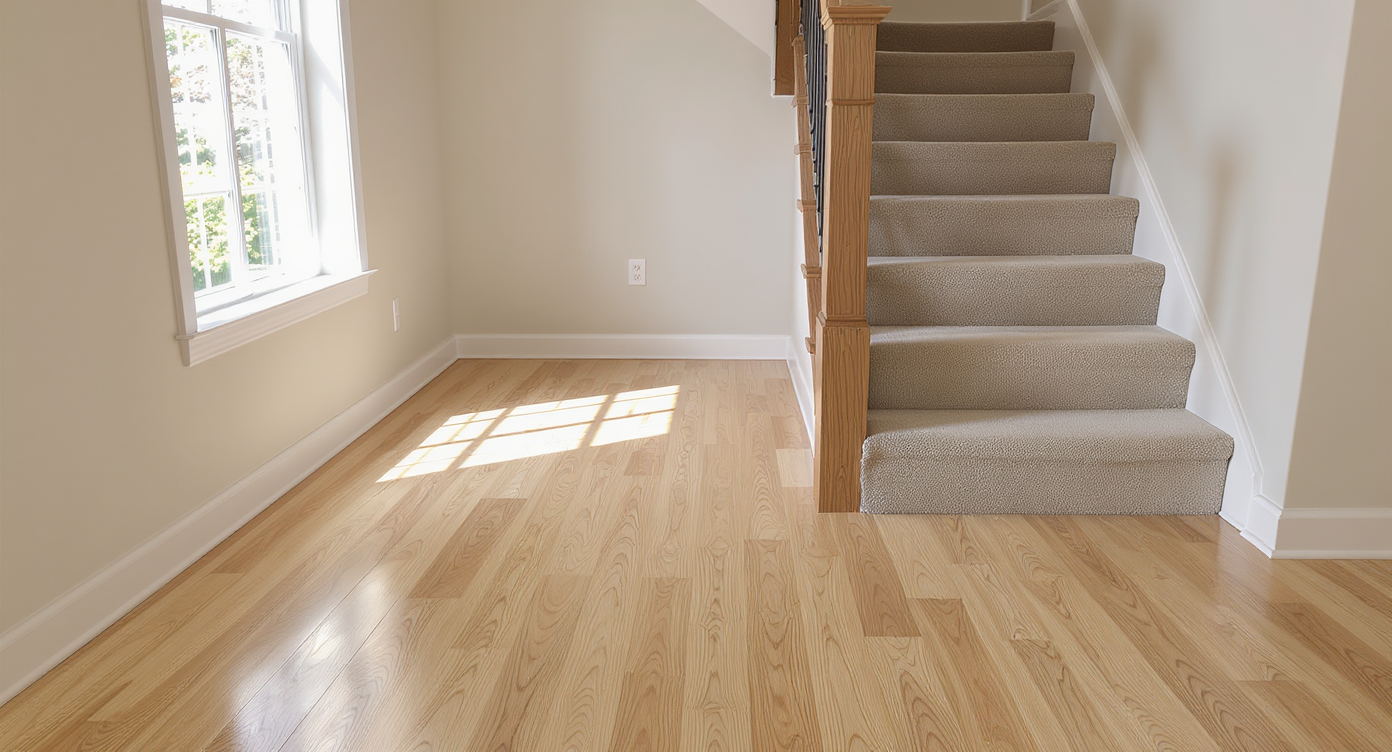
A realistic entrance view highlights how foyer hardwood, carpeted stairs, and an upper-level wood landing intersect for a cohesive transition.
Choosing flooring that flows from your foyer to the stairs and upper levels is a common dilemma for homeowners embarking on remodel projects. The objective is often a complete look that feels intentional without sacrificing visual interest. Getting this balance right is crucial because mismatched materials can make even beautifully furnished interiors seem disjointed. Deciding whether spaces should share the same surface or feature distinct materials depends on factors like home layout, foot traffic, lighting, and the style you want to achieve. For multi-level homes, this decision impacts not just aesthetics but also function and long-term maintenance. By understanding how professionals and seasoned renovators approach these choices, you can confidently plan a result that stands up to daily living and evolves with your design tastes.
-
1. Establish Visual Flow in Open Concept Designs
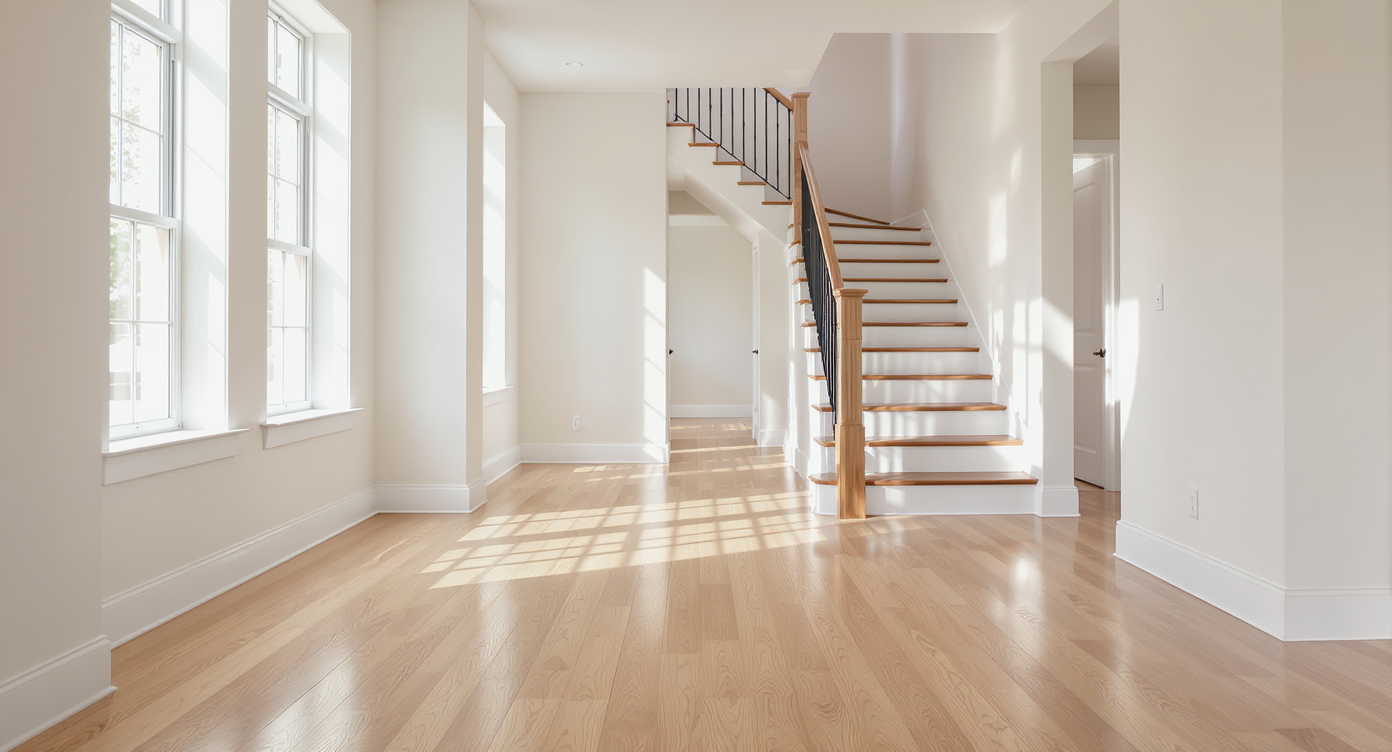
Continuous hardwood flooring visually connects the foyer, staircase, and upper hallway, reinforcing flow and unity in an open-concept entryway.
Homes with open entryways and visible staircases benefit from unified flooring between the foyer and stairs. Using identical material and color from the front entry through the steps leads the eye upward, instantly creating a sense of connection. Designers often recommend extending this consistency to upper-level halls if sightlines allow. An uninterrupted surface helps contemporary layouts feel harmonious rather than fragmented, as explored in the context of transition zones in our guide on modernizing an 80s house without losing character.
-
2. Define Spaces With Material Contrast Where Needed
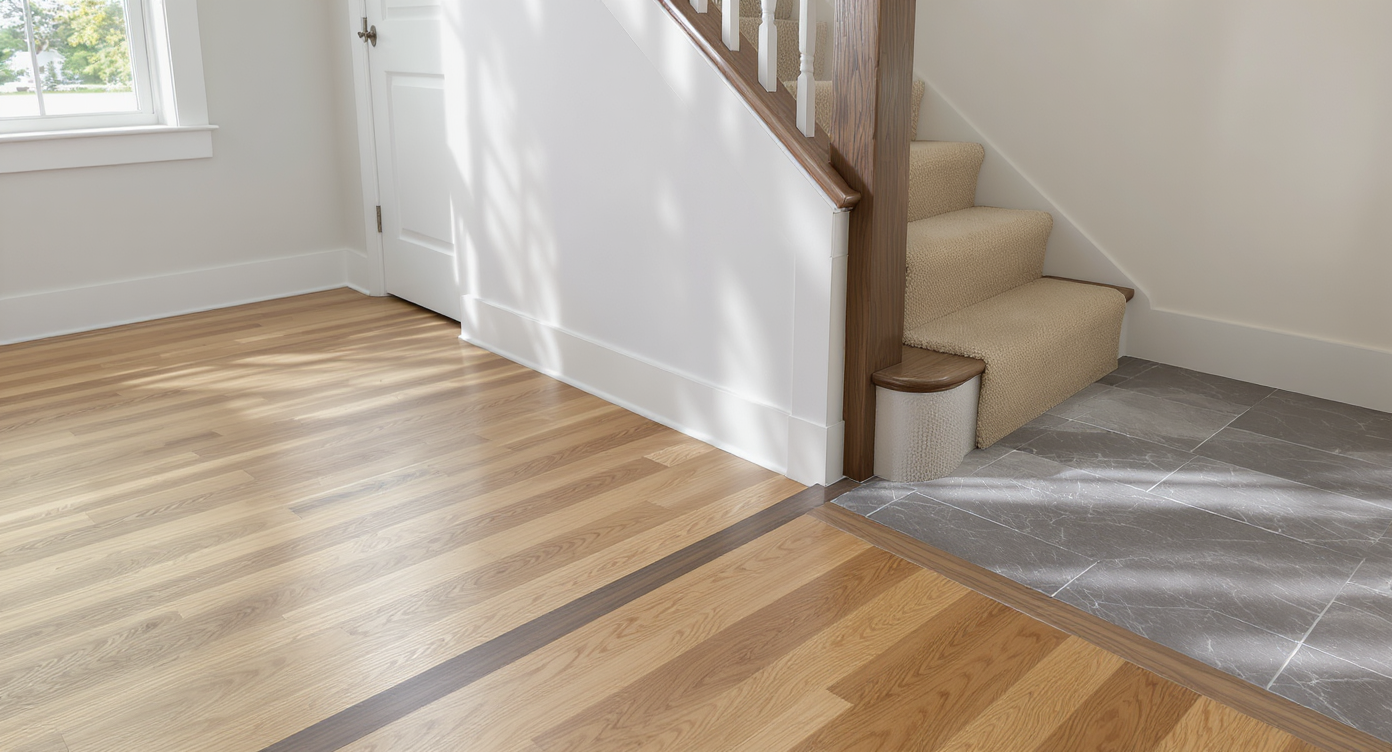
A precise space transition: hardwood foyer meeting tiled mudroom with a distinct threshold, and stairs moving to a carpet runner above.
Strategically breaking the flooring pattern can define spaces, especially where the function or scale changes dramatically. For example, many professionals suggest that a mudroom adjoining the foyer might warrant a more durable tile, while an upstairs bedroom level could shift to softer materials like carpet. Contrasts work best when transitions are deliberately designed, using elements like thresholds or stair nosings, not abrupt color or material changes. Layering such moments intentionally can add both character and usability.
-
3. Stairs as Transitional Elements
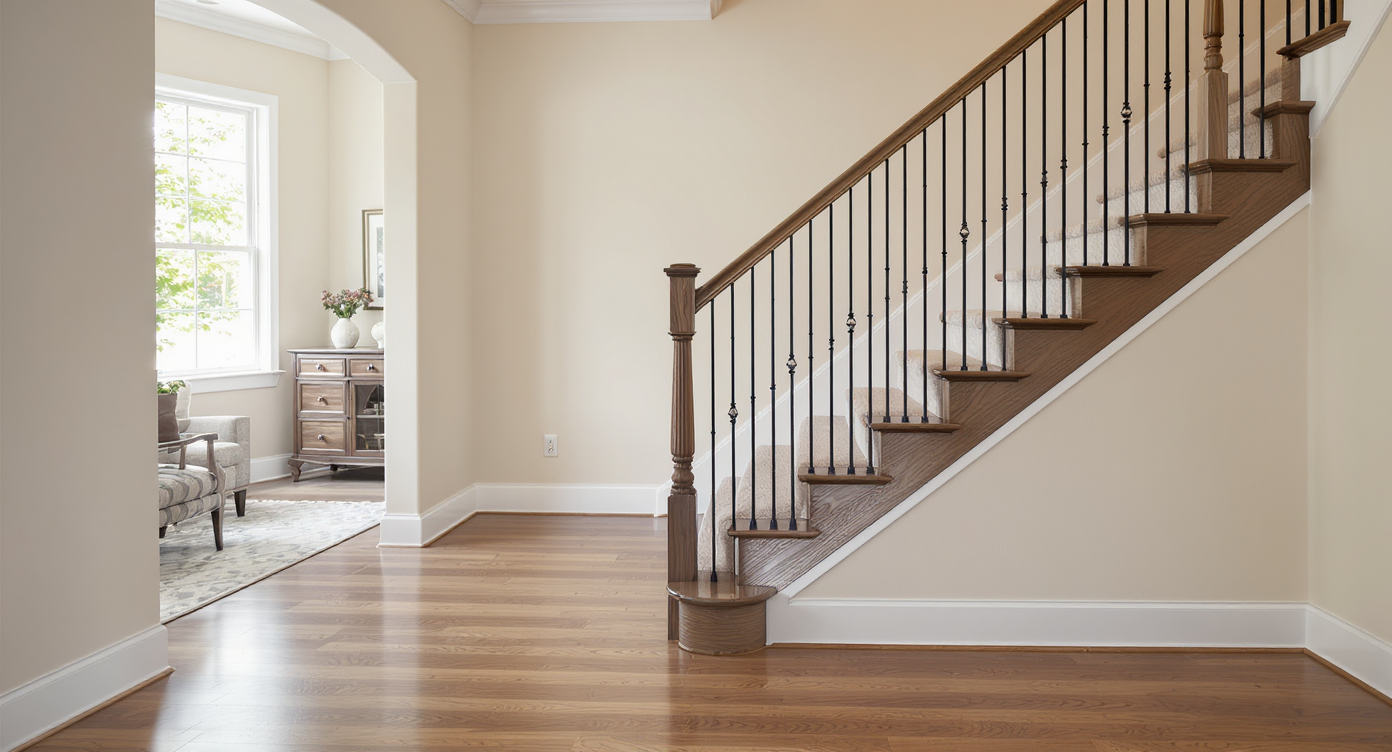
Seamless transition: hardwood stairs from a hardwood foyer, softened by a runner as they ascend, signaling the move to private spaces.
Stairs bridge levels and present an opportunity for creative transitions. While matching the stair treads to foyer flooring enhances unity, sometimes a subtle shift—such as adding a runner or selecting a complementary stair material—signals a move from public to private space. Designers might opt for hardwood stairs leading from a hardwood foyer, softening the approach with carpeting or runners as the stairs continue upward. The key is consistency in undertones and style, not necessarily identical materials.
-
4. Upper Level Flooring: To Match or Not to Match?
Whether the upper level matches the foyer depends on the architectural style and intended mood. Matching creates a larger, airier sense, particularly in homes with open landings. In contrast, using different materials for bedrooms or play areas can introduce comfort and warmth. According to seasoned renovators, the best approach weighs lifestyle needs—such as the need for sound dampening or stain resistance—against visual unity, ensuring the upper level supports both aesthetics and function.
-
5. Considering Basement Flooring in the Overall Scheme
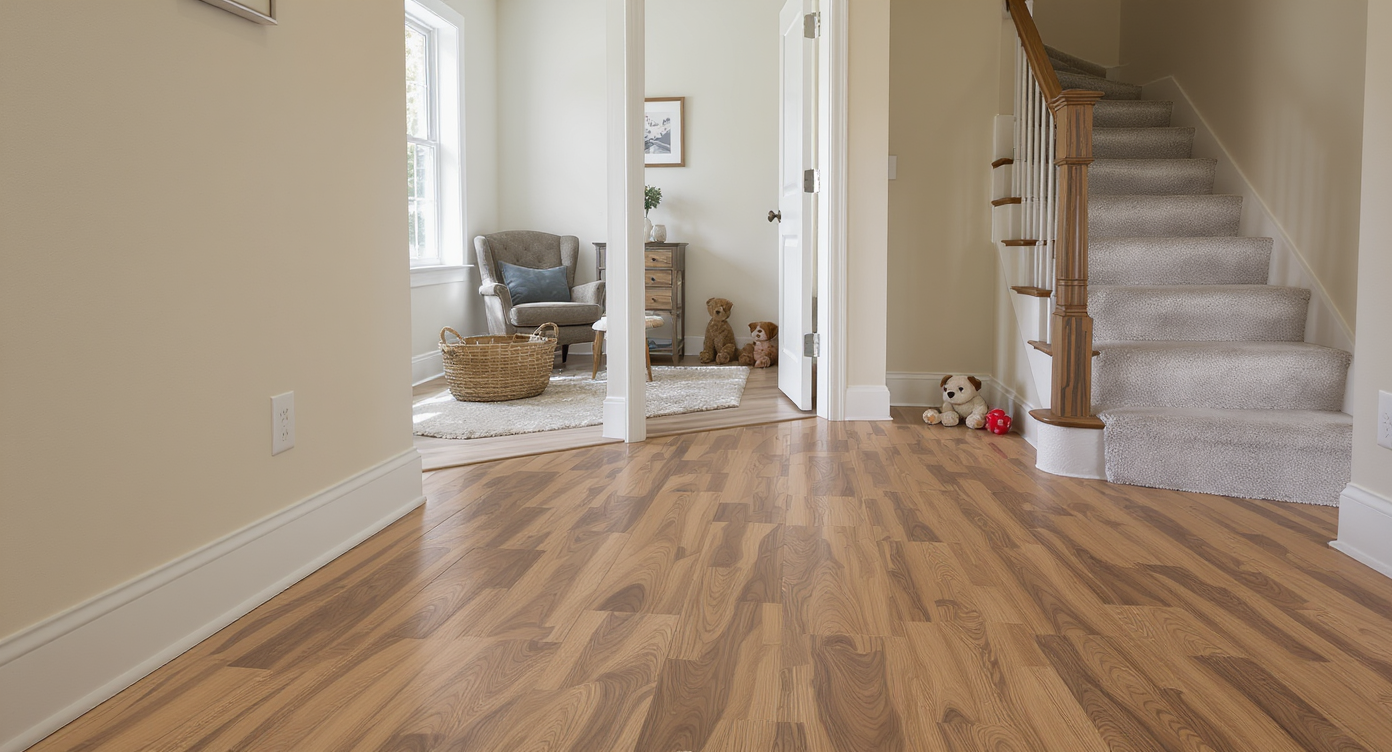
Modern basement with luxury vinyl plank flooring in a wood tone echoing upstairs areas, highlighting practical, cohesive material choices.
Basements often present unique installation and material challenges due to moisture and temperature swings. While they do not need to match upper floors, choosing a palette or finish that relates to the main areas creates an integrated look. For instance, luxury vinyl plank and engineered materials that echo foyer or stair undertones are practical and cohesive options. For families with pets or high activity, exploring pet-friendly flooring solutions like LVP and laminate can help extend longevity without disrupting flow.
-
6. Balancing Beauty and Maintenance Concerns
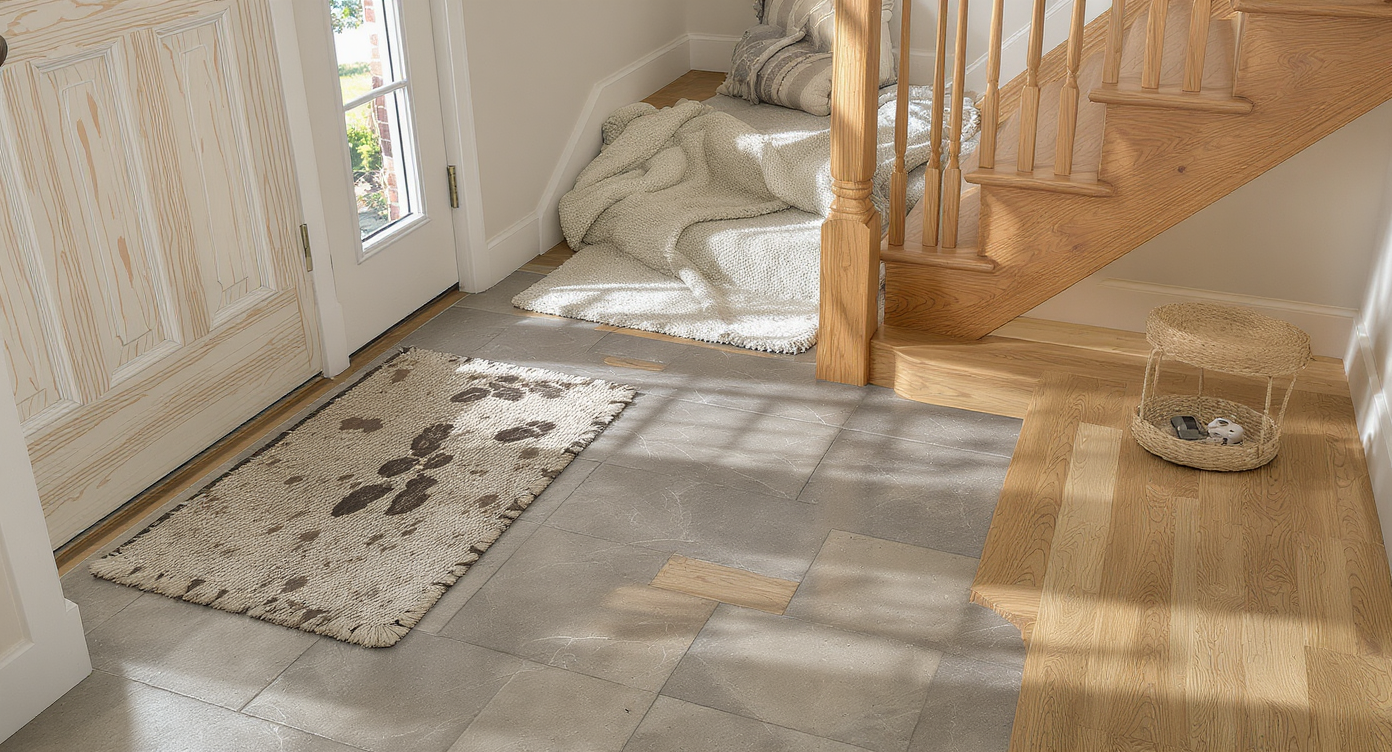
A foyer with stone tile, seamless transition to hardwood stairs, and layered rugs demonstrates practical solutions for floor durability and easy maintenance.
Flooring that extends across multiple levels endures a range of impacts, from muddy boots in the foyer to heavier furniture upstairs. Choosing materials that wear well in high-traffic areas yet provide comfort where needed can make cleaning and care easier. Many design professionals point toward finishes that disguise dirt or allow for easy spot replacement, especially at transitions. This practical mindset can be seen in advice about layering area rugs or using visual breaks to hide natural wear, as outlined in our take on breaking up wood tones without paint.
-
7. Visualizing the Complete Look Before Committing
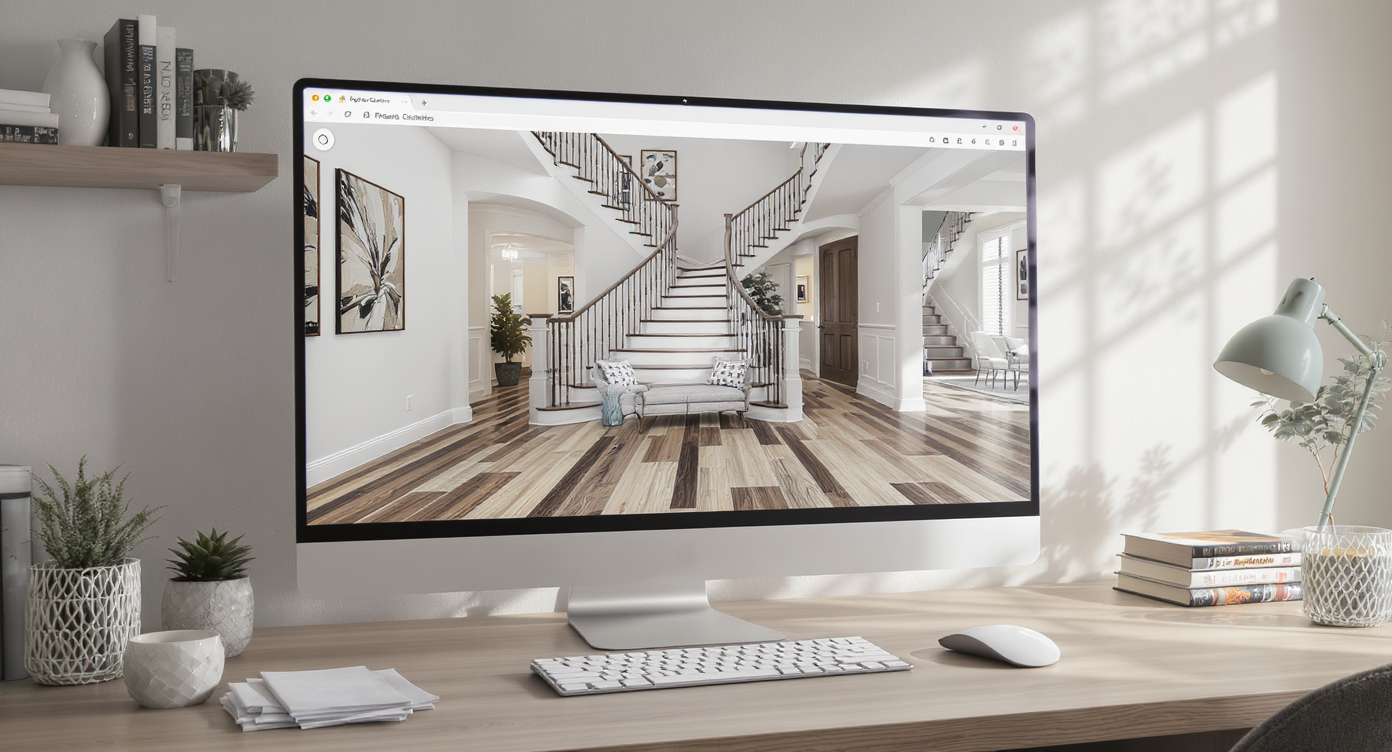
A workspace featuring a computer with virtual home flooring previews and real flooring samples, illustrating visualization before choosing materials.
Before making final flooring decisions, visualize how chosen materials interact across each level. Tools such as floor plan software, 3D mockups, or digital platforms like REimagineHome.ai allow homeowners to preview combinations, compare finishes, and see how light affects each surface. This step saves time and reduces costly mistakes, supporting a more cohesive, attractive home outcome.
FAQ: Flooring Coordination for Multi-Level Homes
Matching foyer flooring to stairs is common for visual unity, but subtle variations can still work if coordinated thoughtfully.
Is it okay to use different flooring on upper levels?
Yes, especially for bedrooms or areas where sound or warmth matter. Just tie in undertones or style for a linked effect.
What’s the best approach for basement flooring?
Basement materials should be chosen for moisture and durability first, but keeping colors or finishes complementary to the rest of the house helps maintain flow.
How do I preview flooring combinations?
REimagineHome.ai and similar tools make it easy to test visual pairings before committing.
Coordinating Flooring With Confidence
The most successful remodel projects begin with a clear vision for how flooring will enhance both aesthetics and function across entrances, stairs, and upper levels. Smart material choices, thoughtful transitions, and an eye toward regular use help create a complete look that feels both intentional and enduring. Digital visualization tools like REimagineHome.ai are valuable in seeing the big picture before investing in new surfaces.