Corner Doorway Ideas for Small Spaces: Practical Solutions and 2026 Design Tips
TL;DR
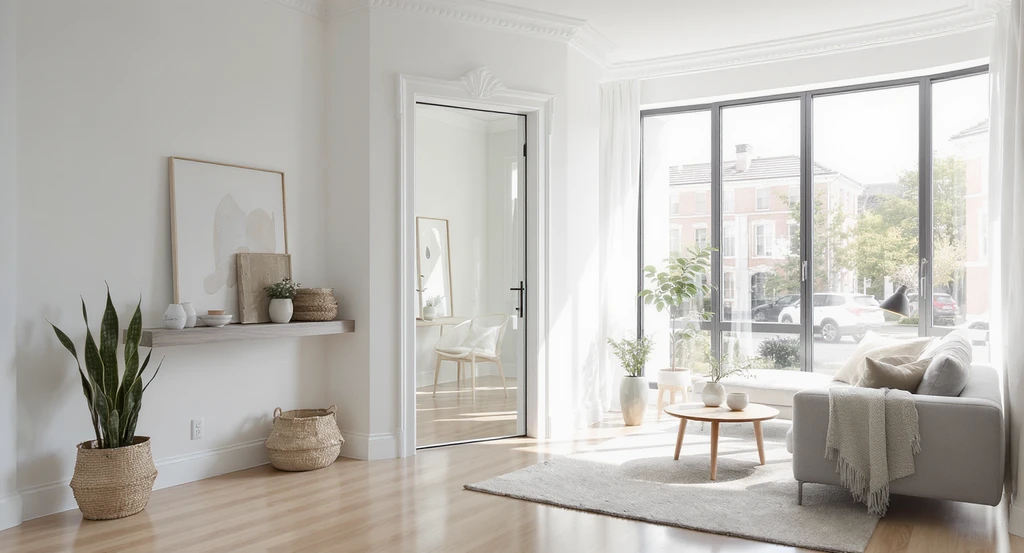
The right corner doorway solution makes a small room more functional and visually balanced. This article explains why corner doorways are so often awkward, how to choose the best door type, what trim or molding suits the architecture, and where built-in storage can make your entryway more useful. Practical, step-by-step advice for avoiding the most common layout mistakes.
Understanding Corner Doorways: What’s at Stake in a Small Space
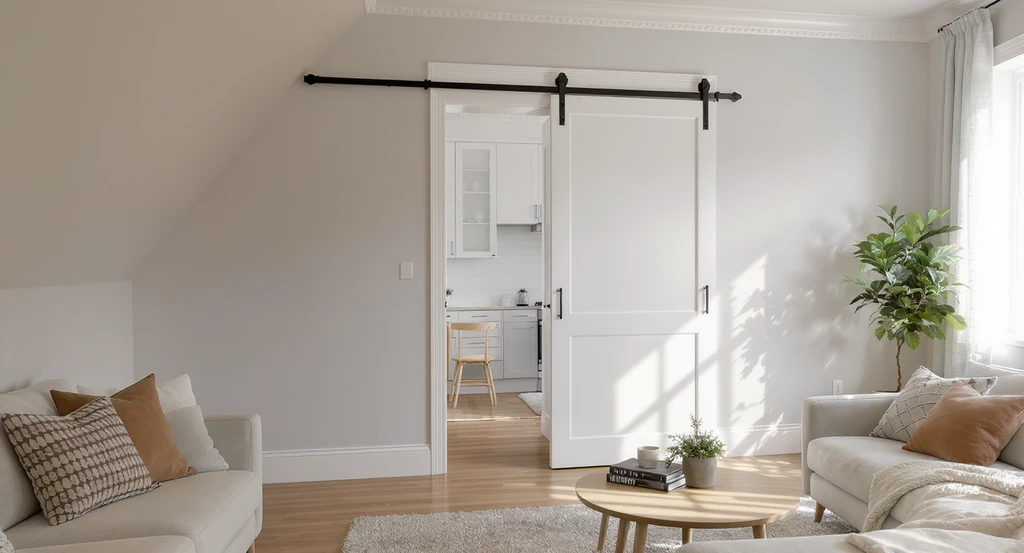
Explore corner doorway ideas for small spaces—a diagonal corner door with stylish molding, a sliding barn door, and built-in storage demonstrate the best types of layouts and decorative solutions for 2026 homes.
Corner doorways in small rooms are rarely standard. When placed well, they unlock new layout options; when done poorly, they disrupt flow, block usable walls, and feel like an afterthought. Before you pick a barn door, bi-fold, or archway, it’s worth breaking down the spatial and visual issues unique to corner openings. This guide walks through proven methods for getting corner doorways right, avoiding the classic pitfalls, and using simple upgrades, like built-in storage and decorative molding, to help your space feel intentional and finished. If you’re looking for inspiration, 2026 design trends are moving toward flexible layouts and architectural details with character. But in small spaces especially, clarity of function and proper alignment matter far more than trends. Here’s how to rethink, correct, and visually strengthen a corner doorway so it supports your everyday living.
-
Why Corner Doorways Are Tricky: The Most Common Problems
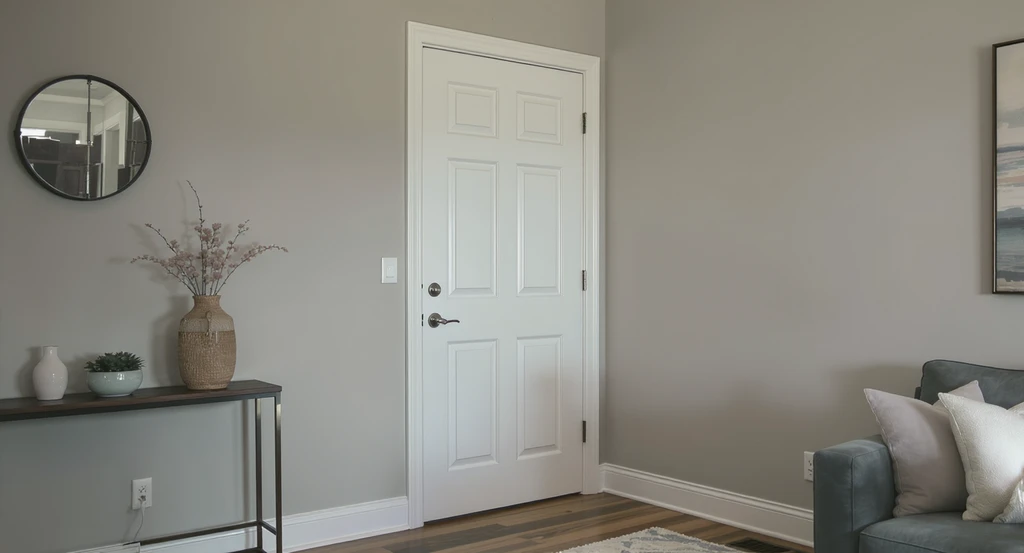
Corner doorway ideas for small spaces: This realistic scene shows how diagonal corner doors and decorative molding can create tricky layouts. Unusable wall space, blocked traffic flow, and limited corner doorway storage solutions challenge entryway design.
The greatest challenge with a corner doorway is wasted wall space and awkward traffic flow. Unlike conventional doors, a corner entry cuts across two walls, leaving both with limited furniture placement and often odd angles overhead. Too often, the result is a cramped entry, a bottleneck when doors swing open, or wall space that becomes unusable for shelving or décor. Poorly planned corner doors can also send visual lines in confusing directions, leading the eye away from focal points and breaking up an otherwise tidy layout. Corner placement requires careful evaluation of clearance, adjacent built-ins, and how light moves through the room. This is especially true if the doorway serves a home office, pantry, or small bedroom.
Expert Insight
A client once asked if a barn door was the best corner doorway solution for a tiny condo office. After previewing both barn doors and a diagonal swing option using a visualization tool, they realized the diagonal door let in more light and avoided crowding the sofa, a small but meaningful layout win.
-
Why Does This Happen? (Spatial Reasoning Explained)
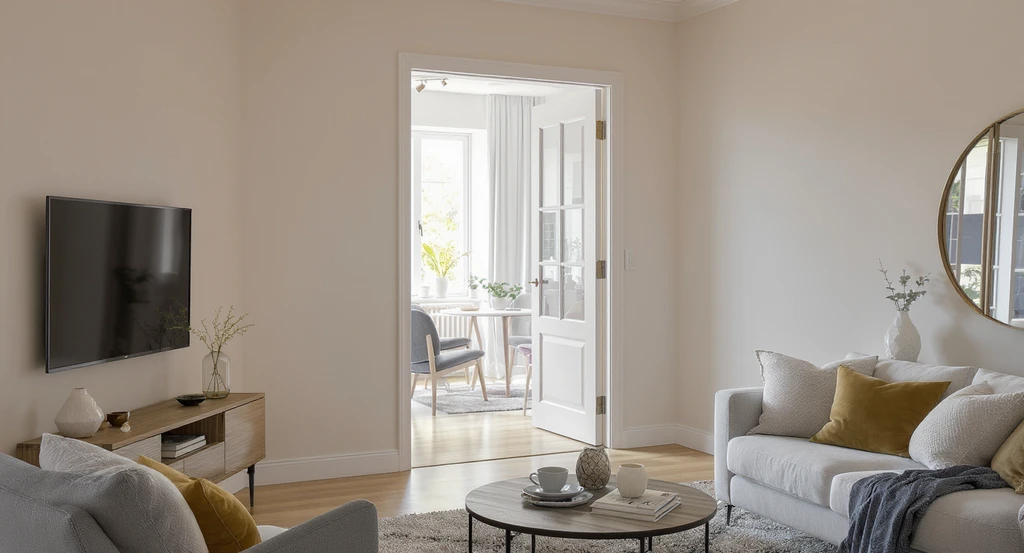
Why Does This Happen? (Spatial Reasoning Explained) Image
The root cause is almost always a mismatch between the door type, its placement, and the room’s functional needs. Small spaces exaggerate the issue: doors need flat, unobstructed areas both to open and to allow movement, not always possible with two converging walls. Light switches, windows, electrical panels, and existing built-ins (like media units) can further reduce options. Without a careful plan for door swing, scale, and wall depth, it’s easy to inadvertently block furniture, close off daylight, or leave the ceiling looking unfinished with a floating corner bulkhead. As explored in our guide to decorating empty corners, corners in small rooms are already an awkward challenge, adding a door multiplies the spatial complexity.
-
Step-by-Step Correction: The 3 Checks for a Functional Corner Doorway
Step-by-Step Correction: The 3 Checks for a Functional Corner Doorway Image
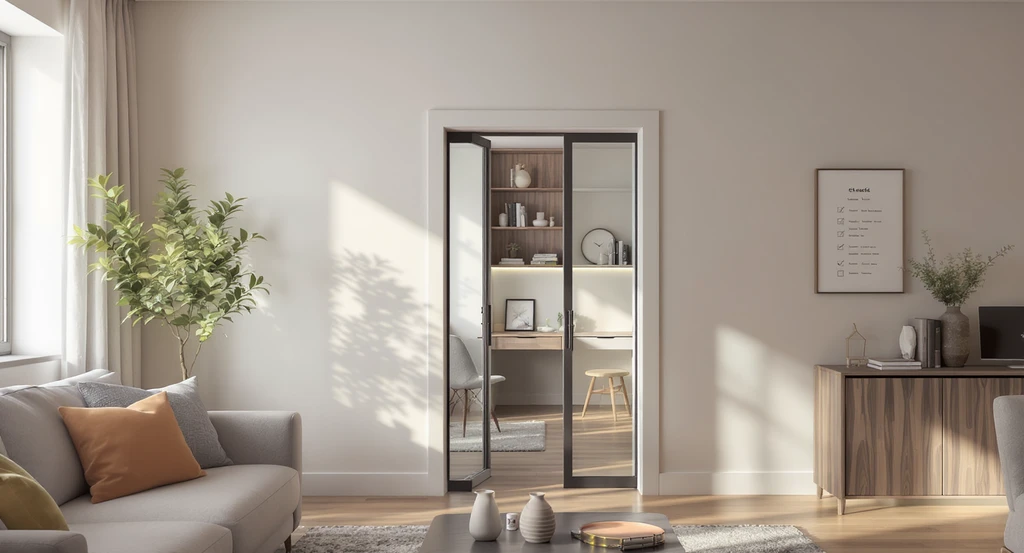
- Measure Clearances: Ensure at least 36 inches of unobstructed clearance in front of the corner and along each adjoining wall, enough for the door to swing or slide without hitting furniture.
- Plan the Door Type According to Wall Use: If you need full use of both walls, choose a sliding (barn or pocket) door system. For partial use or when one wall is less important, a diagonal swing or bi-fold door can work.
- Address Ceiling and Header Details: If your corner has a truncated (angled) header or partial ceiling drop, finish the plane with matching molding or drywall, don’t leave a “floating” V-shape above the door, which draws attention for the wrong reasons.
-
The Best Types of Diagonal Corner Doors (with Pros and Cons)
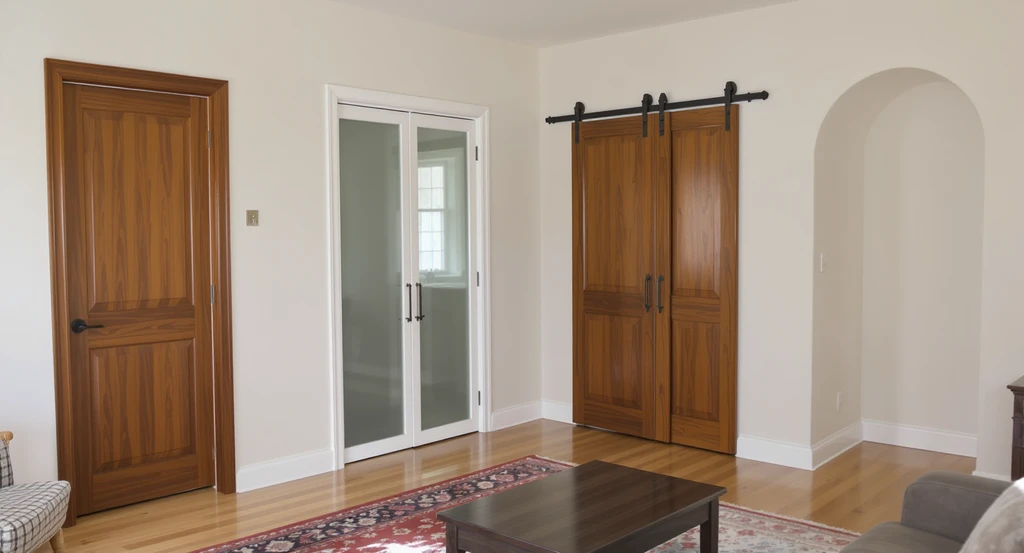
Discover the best types of diagonal corner doors for small spaces: 45-degree inset, glass bi-fold, barn doors, and arched openings with decorative corner doorway molding.
- Diagonal (45°) Inset Door: Set directly across the corner, this creates a clear entry route and neat geometric line. Best for pantries, small offices, or bathrooms. Requires precise framing and may need a custom door slab.
- Bi-Fold Corner Doors: Glass or solid, these fold neatly to open the corner wide. Space-efficient but require quality hardware and may have visible hinges. Good for integrating indoor-outdoor transitions.
- Barn Doors Meeting at 90°: Two barn-style sliders can close an alcove or entry but need clear wall space to slide open fully. They can look visually heavy if undersized or left unfinished. Modern handles and custom tracks can minimize bulk and improve function.
- Arched or Radius Openings: Reframing the corner into a soft arch or curved nook gives architectural interest. Aesthetically pleasing but more difficult (and costly) to frame, and not always practical if sound privacy is needed.
-
Decorative Molding and Finishes: Making Corner Doorways Blend In or Stand Out
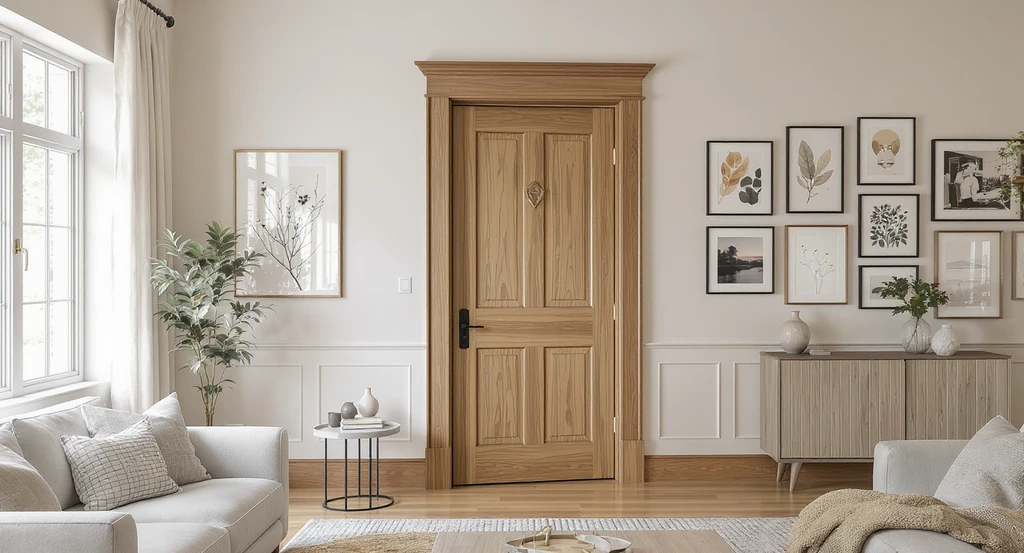
Explore top corner doorway ideas for small spaces, such as using decorative molding and custom wainscoting to make diagonal corner doors stand out or blend in. This example combines detailed Craftsman trim, integrated finishes, and a wrapped gallery wall for a finished, intentional look.
One overlooked mistake is skipping thoughtful trim work. Because corner doors break up two walls, plain casing often looks unfinished. A practical solution is using build-up or "Craftsman-style" molding, which can erratically jog to follow the diagonal or add corner blocks or medallions for definition. Simple wainscoting that wraps across the transition also helps visually anchor the door. For an original touch, try a wrapped gallery wall, placing art or photos around the door frame so the opening feels integrated, not tacked-on. As seen in many 2025 trend predictions, custom millwork is the surest way to make even an unusual opening appear intentional.
-
Corner Doorway Storage Solutions: Integrate, Don’t Cram
Corner Doorway Storage Solutions: Integrate, Don’t Cram Image
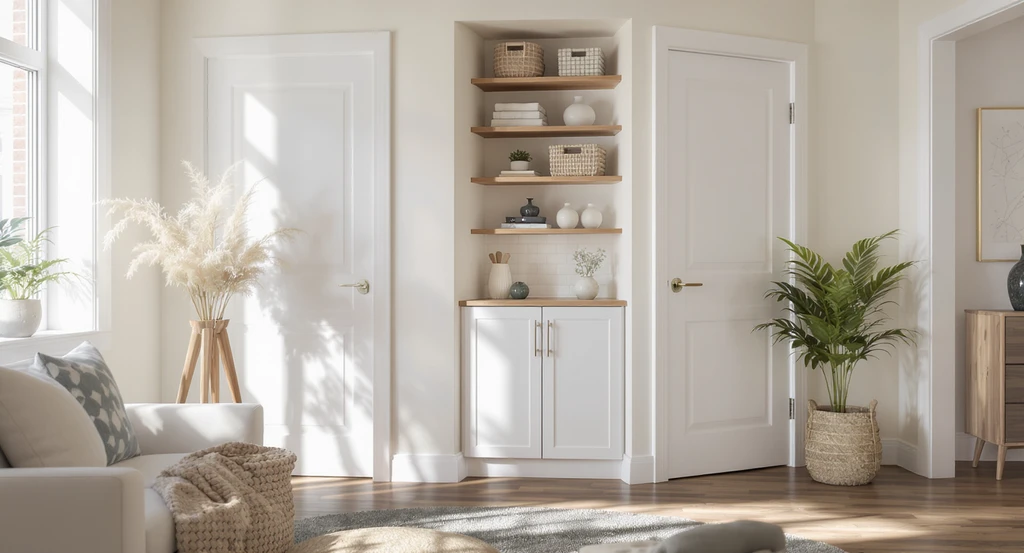
Corner entryways in small homes are prime zones for functional storage, but avoid creating visual clutter. Built-in benches, floating shelves tucked close to the threshold, or slim cabinetry flanking the doorway keep products off the floor and the entry route clear. Always maintain at least 36 inches of pass-through space to prevent bottlenecks. For home office nooks or laundry corners, use vertical storage (like wall-mounted bins or upper cabinets) instead of crowding the limited floor area. For more corner storage tactics, see our tips on small-space home office design.
-
Visualizing Before Deciding: Using AI Tools to Preview Results
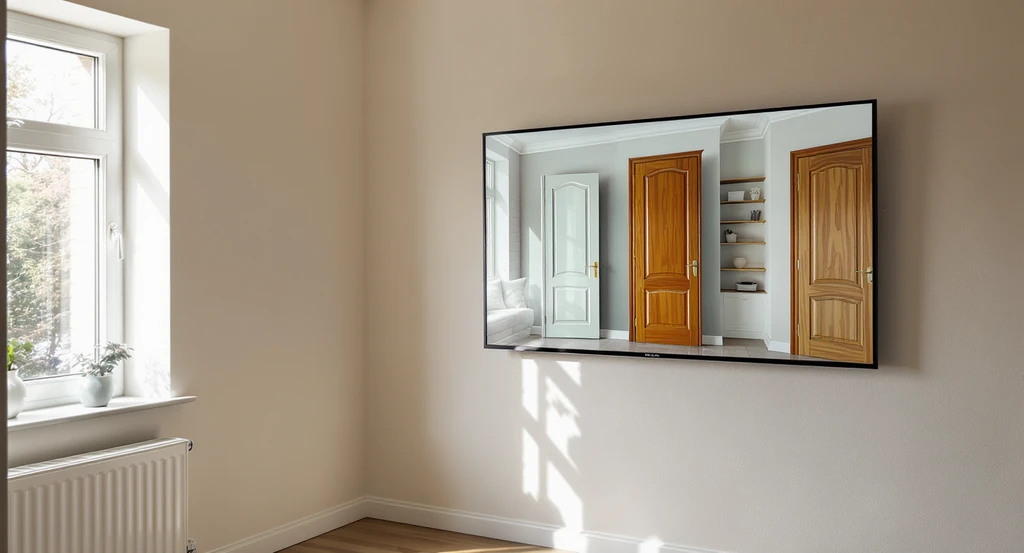
Preview corner doorway ideas for small spaces with AI, comparing the best types of diagonal corner doors, decorative molding, and custom corner doorway storage solutions for brighter, balanced entryways.
Because corner doors aren’t standard, visualizing changes before purchase or construction is critical. A tool like REimagineHome AI helps you preview how different door types, trims, and built-ins will alter light, traffic patterns, and usable space. You can catch awkward clearances, test finishes against your wall color, and ensure your new storage options don’t crowd the entry. Visual previews are especially valuable for custom solutions or if you’re combining trends and classic features for a mix that looks deliberate, not improvised.
Visualization Scenario
Picture your corner office with several doorway options: a diagonal glass door lets daylight spill into the room, while barn doors create more usable wall for shelving. Using an AI visualization, you instantly see which solution keeps your entry bright, improves flow, and balances proportions before any construction begins.
Frequently Asked Questions About Corner Doorways
- What is the best type of door for a small corner entry?
- Diagonal inset doors maximize useable wall space, while sliding or bi-fold doors suit situations where swing isn’t practical. Each has pros and cons—visualize both before choosing.
- How do I add storage near a corner doorway?
- Opt for wall-mounted shelves or a built-in bench beside the entry. Maintain at least 36 inches of pathway to avoid traffic jams and clutter.
- Can I use decorative molding with non-standard door shapes?
- Yes, but adapt the trim style to the opening. Use corner blocks or wrap casing consistently on both sides for a finished effect—even with arches or diagonals.
- Will a barn door work for a corner office entry?
- Barn doors work if you have enough clear wall space for the doors to slide open fully. Otherwise, consider bi-folds or a standard hinged door set at an angle.
- How do I see what my new corner doorway will look like?
- Visualization tools such as REimagineHome AI allow you to preview finishes, proportions, and clearances before making changes—reducing the chance of costly mistakes.
Key Takeaways: Creating a Corner Doorway That Works
A successful corner doorway keeps walkways clear, accommodates furniture, and looks intentional in its detail. Measure carefully, select the right door type for your traffic and storage needs, treat the opening with considered trim, and always plan for how the changes will affect natural light and pathways. Previewing your solution before committing, especially in small homes, averages better long-term satisfaction and fewer layout regrets.