Custom Interior Door Solutions: Navigating Unique Sizes for Home Remodels
TL;DR
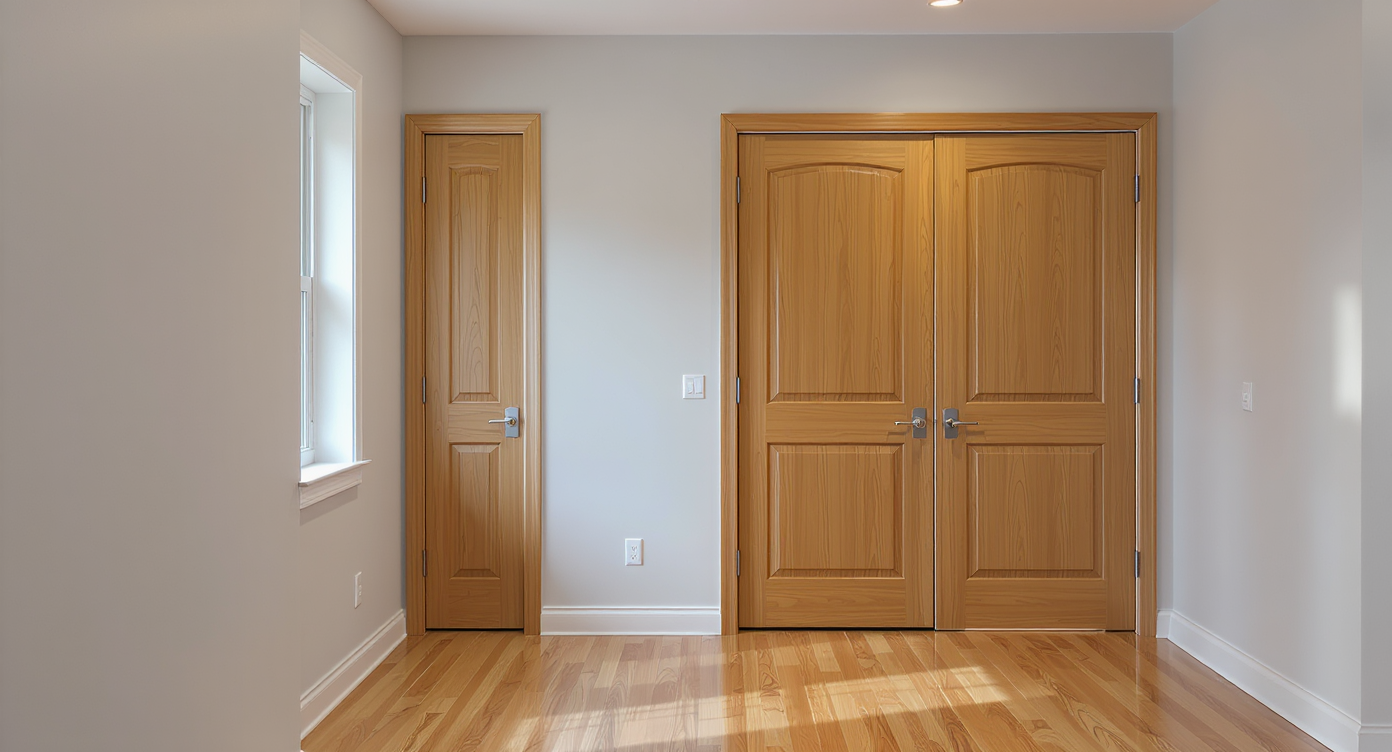
Custom-sized pre-hung interior doors are sometimes necessary in remodel projects, especially in older homes with unique or non-standard rough openings. Exploring specialty ordering from manufacturers, working with local lumber yards, and planning trim and finish details are key to achieving a polished look that blends with existing bedroom furniture and the rest of your home. Step-by-step planning and flexible sourcing can ensure the final result meets both function and design goals.
When Standard Doors Don't Fit: The Remodeler's Challenge
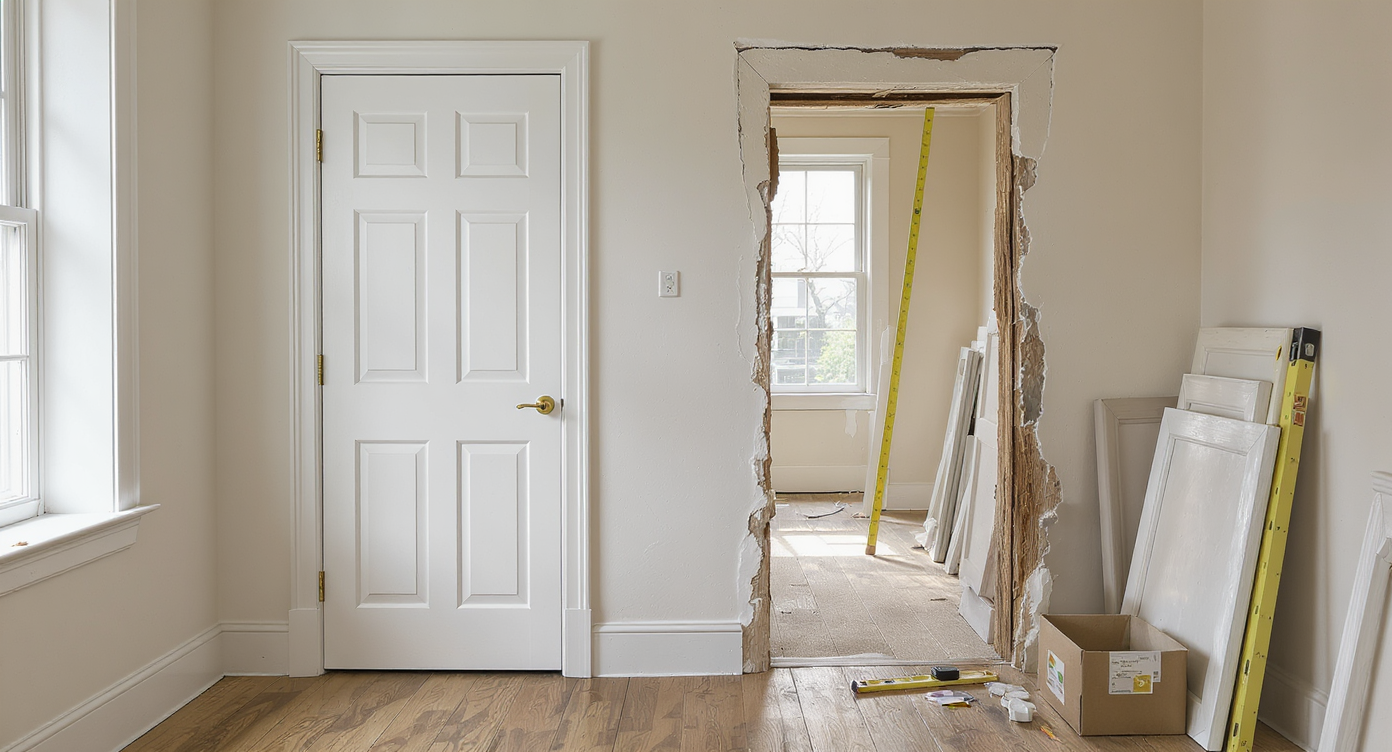
A hallway illustrates the challenge of replacing an odd-sized interior door beside a standard door, with visible tools and mismatched doors.
Few moments in a remodel project are more surprising than discovering an interior doorway refuses to play by the rules. Builders, architects, and even experienced homeowners run up against this: a closet or bedroom in a character-filled home reveals a rough opening that does not match today’s standard door sizes. Suddenly, a straightforward upgrade takes a detour requiring both creative problem-solving and a patient eye for design. Replacing interior doors may seem like a simple swap, particularly when you have found the perfect six-panel style and are keen to keep consistency throughout. Yet, when dimensions veer outside 24, 28, or 30 inches, the hunt for a matching pre-hung door becomes trickier—and, as many realize, not every hardware or big-box store stocks, or is willing to order, just what you need.
-
Why Remodels Expose Doorway Surprises
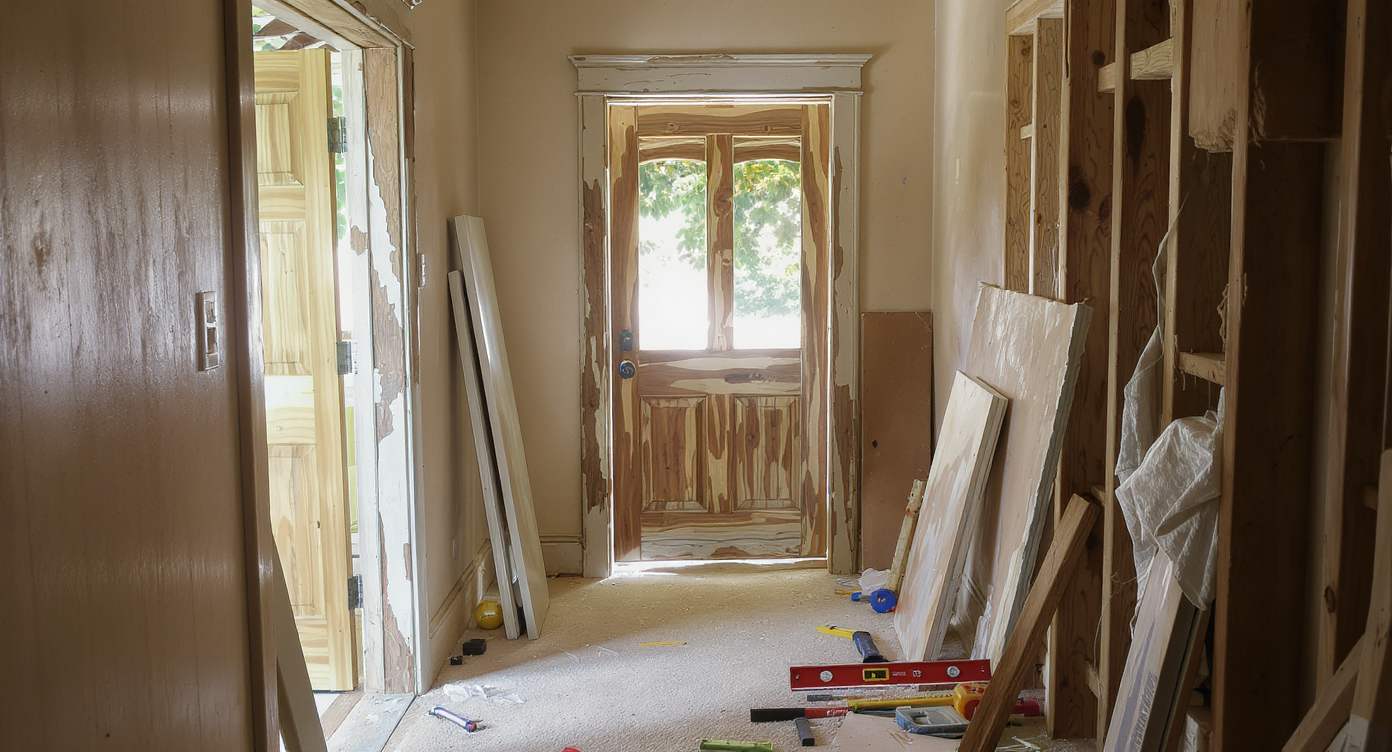
Mid-renovation scene showing a unique, non-standard doorway and a standard door that doesn’t fit, highlighting a common remodel surprise.
Modern construction favors uniformity, but homes built in decades past rarely conform to today’s sizing conventions. Sometimes, renovations from earlier eras created custom-sized openings to work around floor plans or retrofitted existing rooms, leading to rough openings that fall in between mass-market options. Even with step-by-step planning, it is easy to assume all closet or bedroom doors share the same dimensions—until, mid-project, you realize that a standard pre-hung door simply will not fit. For homeowners in the midst of a bedroom or hallway refresh, this small hiccup can become a significant decision point that affects not only project cost but also the final visual cohesion of your space.
Expert Insight
A homeowner named Sarah faced a similar dilemma during her upstairs renovation. With one doorway slightly smaller than the standard, she considered reducing the opening to fit an off-the-shelf door. After calculating the extra time and materials, she instead contacted a local supplier who offered to rush order a custom-sized pre-hung in her chosen panel design. The door arrived earlier than promised, and although it cost a little more, she felt the harmony it brought to her newly renovated space was worth every penny.
-
Sourcing Custom-Size Doors: Options and Obstacles
Contrary to what some retail associates may claim, most major door manufacturers like Jeld-Wen and Rogue Valley Door maintain the ability to produce a wide range of custom sizes. The stumbling block is often the retail channel, not the manufacturer's capabilities. Experienced remodelers suggest going beyond the big-box store’s aisle and connecting directly with their special-order desk or visiting local lumber suppliers who can access deeper catalogs. If you already have a specific profile or model in the rest of your home, requesting a special order—even if it means waiting a couple of weeks—can prevent further complications down the line. Supply times for custom-sized pre-hung doors typically range from one to four weeks. However, for those unwilling or unable to wait, other options exist: reworking the doorway framing or carefully trimming a door slab, though these methods require additional carpentry, precise measuring, and a willingness to patch or replace interior trim. In some scenarios, modest drywall repair and repainting become unavoidable but can open up your options to a wider assortment of standard sizes.
-
Design Considerations for Seamless Results
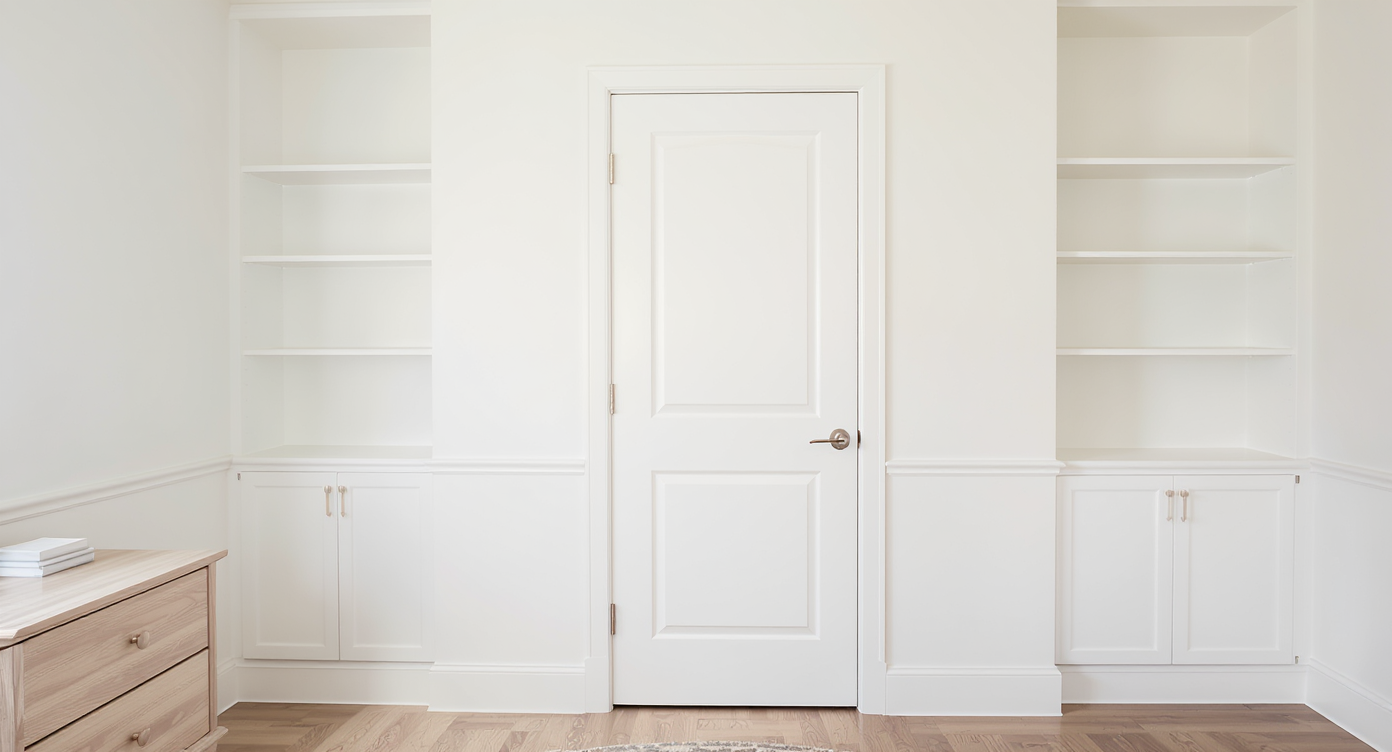
A custom-sized door blends flawlessly into a bedroom, with coordinated trim and matching hardware ensuring a seamless, balanced design.
Ensuring the new door harmonizes with the rest of your design is more than simply matching panel styles. Consistent hardware finishes, paint color, and proportional trim all play a role in the end result. If you must select a non-matching size, take cues from the rest of your bedroom furniture or built-in shelves to create visual balance. For example, choosing trims that relate in width and profile helps disguise slight size differences, while thoughtful hardware updates can refresh the entire room’s energy without drawing the eye to scale discrepancies. In some cases, shrinking an opening to fit a standard door size is the lesser of evils, provided you are prepared for additional drywall and paint work. Designers often remind clients that the door is only one piece of the puzzle—the surrounding surfaces, paint, and lighting complete the transformation.
-
Anecdote: The Homeowner’s Learning Curve
Paul, a homeowner in a 1970s split-level, discovered his daughter’s closet door was just an inch off the standard. After calling store after store, he finally visited a well-stocked local lumber yard, where a knowledgeable staff member showed him a seldom-seen catalog of customizable doors. While the lead time required some patience—and a few weeks of a makeshift curtain—the finished look was completely seamless. His experience highlights that sometimes the solution lies not online, but with the professionals quietly solving these issues daily.
-
Common Mistakes to Avoid
Skipping careful measurements before removing old doors is a classic mistake. As our earlier example illustrates, assuming each opening matches can set off a chain of setbacks—especially if you have already ordered matching doors in bulk. Another frequent slip is letting a single store’s policy dictate all your sourcing options. Many retailers’ websites show only a fraction of what is available through in-person ordering channels. Taking the extra time to visit, call, and press for special orders broadens your choices and can save you from costly workarounds. In addition, trying to force a poorly cut door or over-trimming can result in structural instability and an unfinished look, outweighing the apparent short-term savings. If you feel pressured to DIY in order to finish quickly, consider which tasks actually benefit from professional input according to our observations on the value and pitfalls of DIY projects for resale.
-
Tips and Insights from Designers and Contractors
Seasoned pros recommend mapping out your intended door style and size schedule before making a single purchase. This is especially vital if your home dates from a period when builders prioritized fit over standards. Consult supplier catalogs, and don’t hesitate to request details on custom sizing from the outset. For those working within constraints, expert carpenters can modify both door slabs and frames, though this must be balanced against your project timeline and willingness to patch drywall or update casing. Planning your budget to accommodate potential custom orders—even if only for a single door—can streamline the process, as described in budget-friendly renovation planning. Finally, leverage small upgrades in parallel, such as updating doorknobs or paint colors, for a refresh that feels intentional, not accidental.
-
How to Incorporate This in Future Design Projects
For homeowners embarking on wider remodel projects or planning bedroom furniture updates, allocating extra time for measuring and sourcing non-standard finishes is a smart investment. Begin by compiling a room-by-room layout with precise measurements for door openings and associated trim widths. If future plans may call for custom furniture or millwork, coordinate dimensions with your door supplier to avoid jammed timelines. Designers suggest pre-selecting a palette of hardware finishes and panel styles that allow subtle variations—especially in larger homes where exact uniformity is rarely possible. Whether tackling a single closet or a suite of bedrooms, step-by-step planning and a willingness to explore custom solutions yield the most cohesive results.
-
Visualization: Bringing the Solution to Life
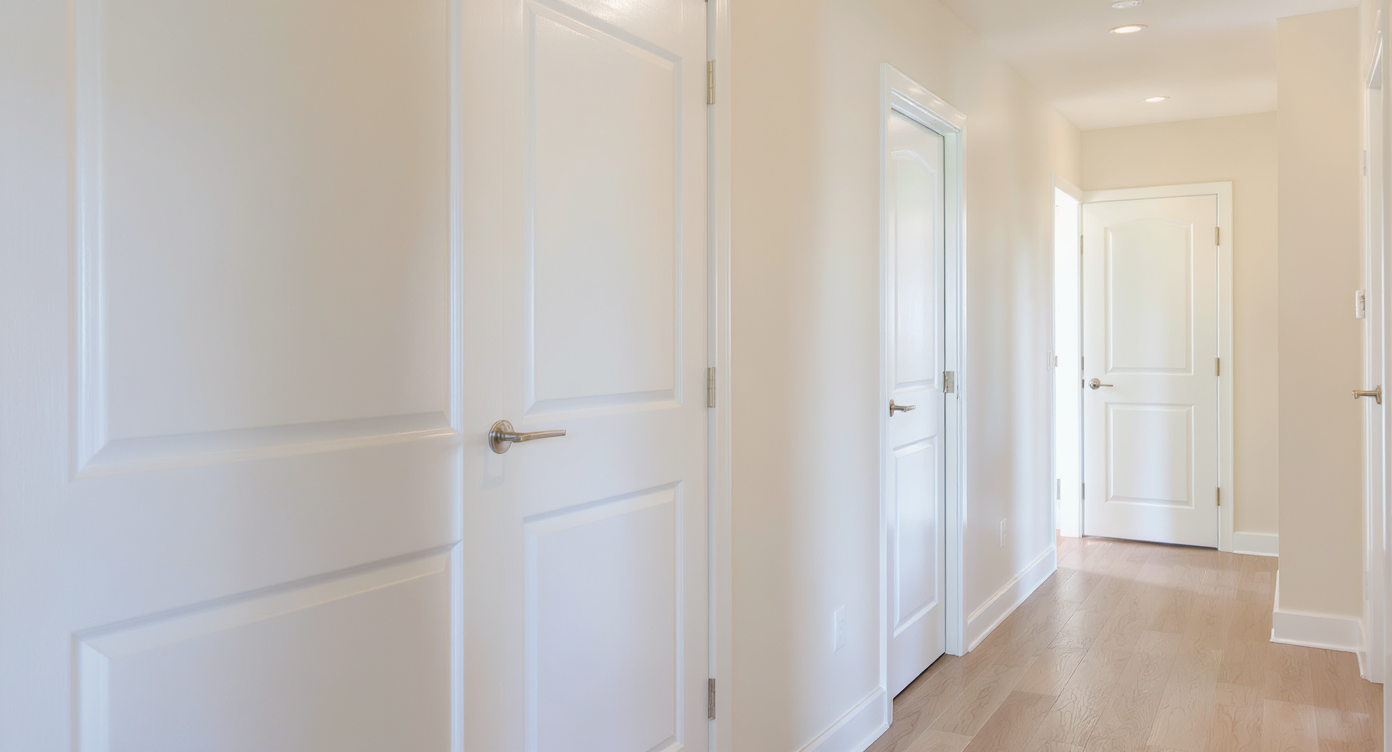
A freshly painted hallway with matching doors—one subtly narrower—demonstrates how custom planning achieves seamless, balanced design.
Picture walking down a freshly painted hallway. Each door matches in style and finish. Along the way, one doorway is ever so slightly narrower than the rest, but the consistent trim and cohesive hardware make the variance nearly impossible to spot. The eye registers a balanced rhythm of panels and lines—a testament to the behind-the-scenes effort made in sourcing, planning, and small adjustments. Even visitors attuned to details will see only a seamless design story, not a last-minute compromise.
Visualization Scenario
Imagine you are working on a child’s suite. The bedroom doors line up perfectly—classic white panels and brushed nickel levers. One closet, built during a past extension, stands just an inch narrower. You photograph the finished room and realize the custom pre-hung blends in so well that only you—and perhaps your contractor—will ever know. The result is tranquility, function, and style sightlines that please the eye and suit daily routines.
Frequently Asked Questions
While minor adjustments are possible, excessive trimming can weaken the door structure and negatively affect appearance. Always check manufacturer guidelines for safe cut limits.
How do I match new custom doors to existing ones?
Select the same model and panel style from your current set, and bring a sample of existing paint or stain to your supplier for a close match. Matching hardware finishes also help maintain consistency.
Is it better to shrink the doorway or order a custom door?
Shrinking the doorway involves more drywall and carpentry work, while custom ordering requires patience but less disruption. The right choice depends on your project timeline and which trade-offs you prefer.
How long does it typically take to receive a custom pre-hung door?
Most special orders arrive in one to four weeks, depending on manufacturer workload, transportation, and location.
Where can I get more inspiration and planning tools for remodel projects?
Visit ReimagineHome.ai for curated ideas and expert insights.
When Personalization Meets Practicality
Customizing interior doors may add a layer of complexity to your remodel project, but with attentive planning, proactive supplier engagement, and thoughtful design integration, the result feels effortless and intentional. Steering through special orders, considering minimal construction tweaks, and prioritizing consistency in hardware and finishes pave the way for a unified, beautiful outcome. For those looking to go deeper on renovation planning, ReimagineHome.ai offers resources and inspiration to guide your next steps.