How to Choose a Loft Apartment: Trade-Offs, Layouts, and Storage
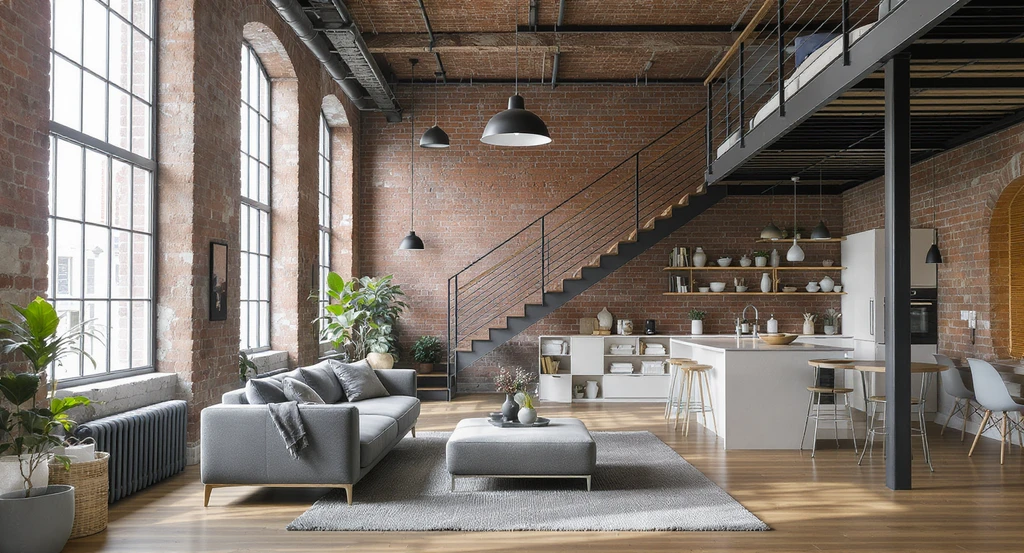
Deciding If a Loft Apartment Is Right For You
Loft apartments offer distinctive open concept layouts and industrial features—understand the pros and cons, storage solutions, and layout tips to avoid regret when choosing a loft and learn what to know before renting or buying a loft apartment.
Avoiding regret when choosing a loft apartment requires a clear understanding of how lofts differ from conventional living spaces. Loft apartments offer large, open areas and unique industrial features, which attract those seeking flexible layouts and architectural character. However, open concept living, lack of built-in storage, and challenges with privacy or climate control can affect long-term satisfaction.
This article clarifies what defines a loft, explores the core mechanisms that shape the lifestyle, and outlines what to know before renting a loft. It also evaluates the pros and cons of open concept living and provides strategies for loft apartment storage solutions for small spaces. Direct answers are provided up front to support confident decision-making and minimize future regret.
-
What Defines a Loft Apartment Lifestyle
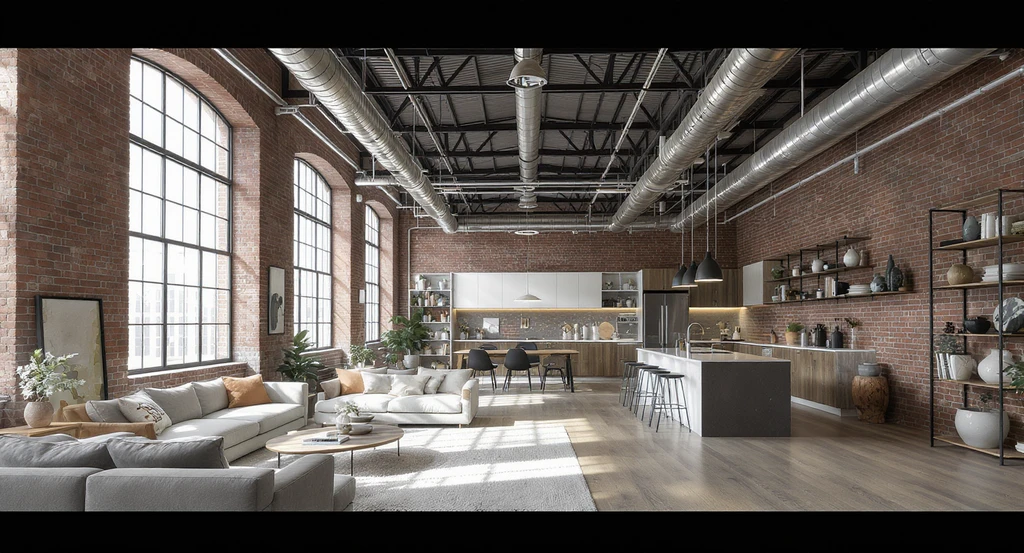
A loft apartment’s open concept, high ceilings, and industrial details create flexible living spaces. Understand how to plan loft apartment layout, avoid regret when choosing a loft apartment, and evaluate the pros and cons of open concept living for your needs.
A loft apartment is a single large living space with minimal interior walls, typically converted from a former industrial or commercial building (hard loft) or built new in an industrial style (soft loft). Key features include high ceilings, large windows, exposed materials, and an open plan.
The primary distinction of a loft is its open concept, in contrast to the compartmentalized rooms of traditional apartments. This creates notable flexibility but reduces permanent separation between living functions. In soft lofts, modern construction offers similar aesthetics without the quirks of older structures.
The mechanism behind the loft’s appeal is the combination of spatial volume and unbroken sightlines, which enhances perceived space and daylight. However, this same openness often brings spatial and functional constraints not present in conventional homes.
-
Mechanisms: Why Open Concept Living Works—and Why It Doesn’t

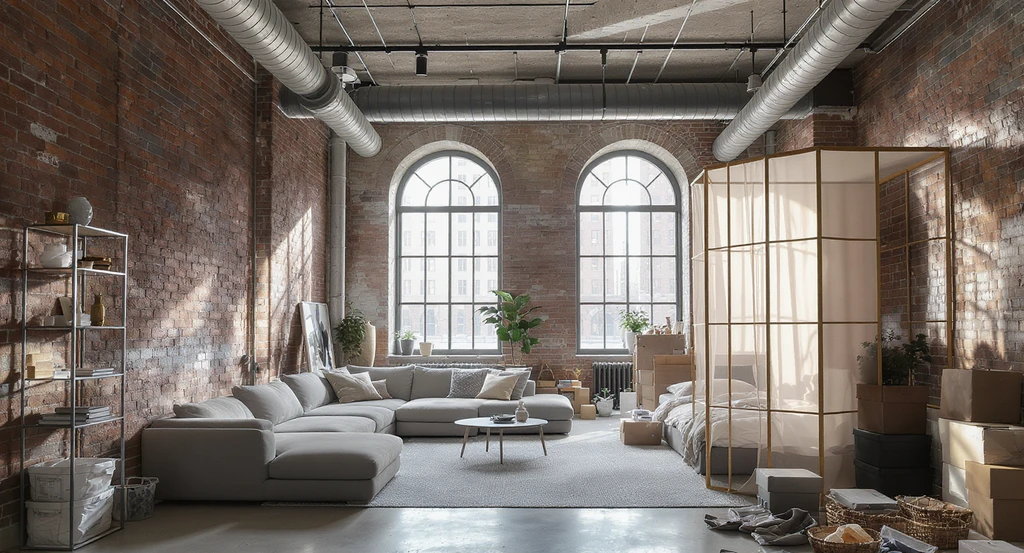
Open concept loft apartment showing high ceilings, abundant natural light, and modular storage—revealing pros and cons of open living layouts, how to plan loft apartment layout, what to know before renting a loft, and storage solutions for small spaces to avoid regret when choosing a loft apartment.
Open concept living in loft apartments works by maximizing perceived spaciousness and natural light, enabled by high ceilings and the absence of dividing walls. The space can be easily reconfigured, allowing users to adapt zones for relaxation, work, and dining as priorities change.
This flexibility supports creative arrangements, but also introduces challenges. The lack of visual and acoustic barriers means that sound travels easily and privacy is reduced. Temperature regulation may be inefficient—large windows and high ceilings can make heating and cooling more costly and uneven.
The appeal of a single, adaptable environment is strong for people who value flexibility and visual drama. Yet, for those seeking defined boundaries or quiet separation, these qualities can become sources of daily frustration.
According to our guide on first apartment loft layouts and bold kitchens, planning for circulation and multi-purpose areas is critical to making open-plan living practical, especially in smaller lofts.
-
Practical Application: How to Plan Loft Apartment Layouts
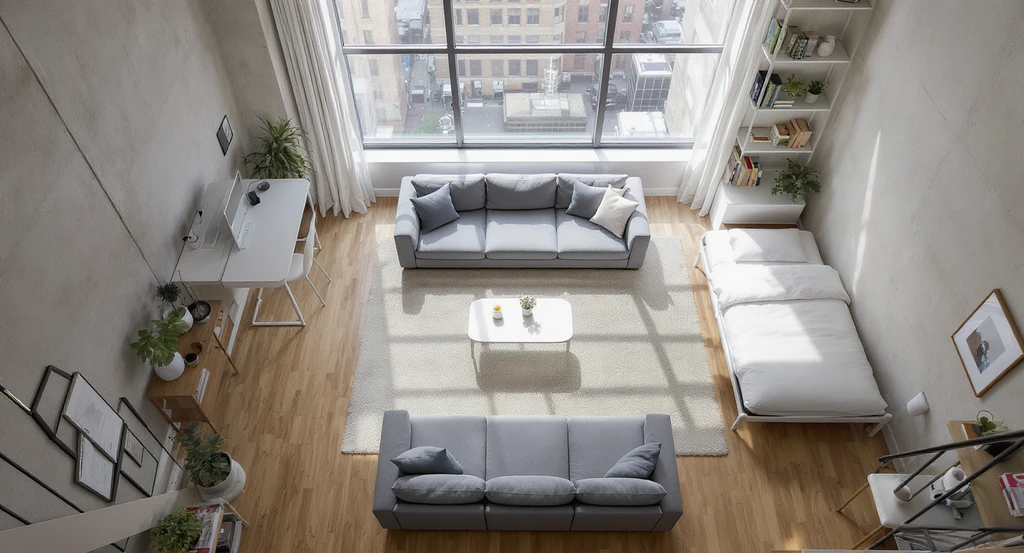
How to plan loft apartment layout: maximize usable space and storage, maintain clear walkways, and boost natural light for open concept living. Avoiding regret when choosing a loft apartment starts with spatial logic.
Effective loft apartment layout planning is rooted in spatial logic—balancing circulation, functional zones, and scale. Start by protecting 30–36 inches of clear walkways around main furniture. Use rugs, shelving, or bookcases as visual dividers to define different zones without erecting walls.
When arranging major elements, maintain sightlines to windows for maximum daylight and avoid blocking natural light sources. Modular and double-duty furnishings, like fold-out tables or convertible sofas, are particularly valuable in compact lofts. Prioritize furniture placement that minimizes awkward gaps and maximizes usable area.
The safest way to approach furniture and layout choices is to visualize different setups—using digital planning can help reduce costly mistakes and returns. As we explored in our article on furnishing your first home without overspending, starting with essential, right-sized furniture and phasing in additions with reference to actual space can prevent regret.
AI visualization tools, such as REimagineHome AI, can illustrate how different configurations interact with the loft’s specific proportions, ceiling height, and window placements before you commit.
-
Constraints: Storage Solutions and Lifestyle Trade-Offs
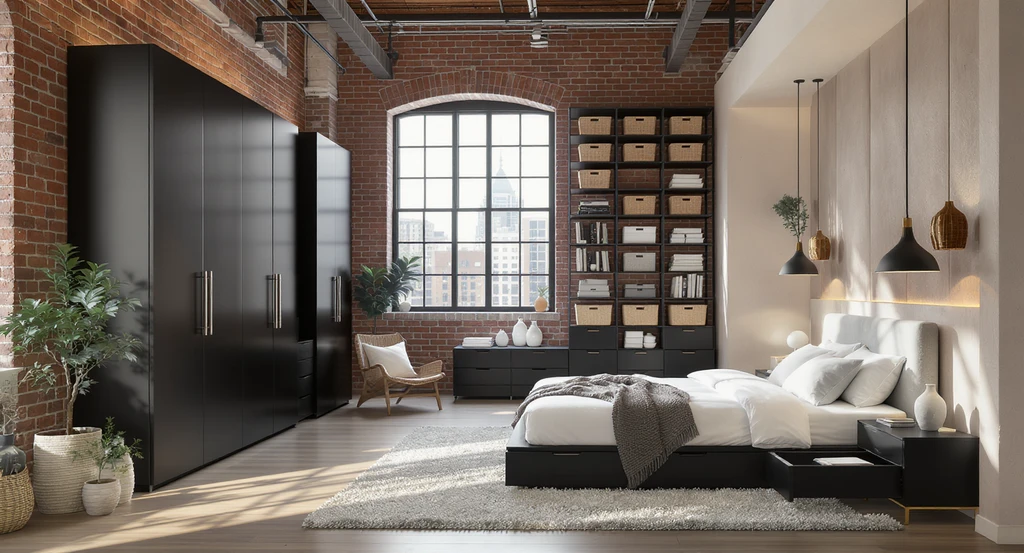
Open concept loft showing loft apartment storage solutions for small spaces like vertical shelving, under-bed drawers, and modular wardrobes. Understand the pros and cons of open concept living and what to know before renting a loft to avoid regret when choosing a loft apartment.
One constraint of loft apartments is limited built-in storage. High ceilings and open walls may look impressive yet offer few enclosed options for organizing belongings. Renters and buyers often need creative loft apartment storage solutions for small spaces—think vertical shelving, under-bed storage, freestanding wardrobes, or integrated platforms.
This emphasis on exposed storage can change the visual character of the home. Items are often on display, so clutter management becomes essential. Some residents add custom cabinetry or invest in modular closets, but these may be restricted by rental agreements in hard lofts.
The trade-off is between expressive, open living and the practical need for privacy, quiet, and order. As discussed in our coverage of small studio dilemmas, solutions such as textile partitions, sound-absorbing materials, and careful furniture planning help alleviate drawbacks—though perfect privacy is rarely achievable in lofts.
-
What to Know Before Renting a Loft Apartment
Before renting a loft, assess the building’s history and layout, HVAC efficiency, and the actual storage provided—not just the aesthetics. Consider noise transfer between floors and neighboring units, as sound insulation is often minimal. Review window orientation and natural light—south-facing windows provide maximum daylight but can intensify summer heat.
The mechanism underlying many regrets is the expectation of effortless versatility—a belief that open space solves all needs. In reality, each flexibility gain comes with a corresponding requirement for planning and ongoing adaptation. The safest approach is to anticipate your likely daily frustrations, and to visualize how you will live in the space before signing a lease or purchase agreement.
As noted in our guide to first loft apartment layouts, using virtual design previews can clarify whether your lifestyle truly matches the demands and rewards of loft living.
FAQs: Loft Apartment Living
-
Are loft apartments more expensive than regular apartments?
- Oftentimes, yes—both monthly rent and utilities may be higher due to location and the costs of heating or cooling large, open spaces with high ceilings.
- Studios and lofts both feature open plans, but lofts are typically much larger, with higher ceilings and more industrial character; studios are usually compact, single-room units.
- It is possible, but the lack of interior walls means limited privacy. Sound and personal space management are key considerations for roommates in a loft.
- Most lofts have less integrated storage than traditional apartments, requiring creative, visible solutions such as shelving or rolling closets to keep belongings organized.
- Review natural light, acoustics, HVAC efficiency, storage options, and the specific layout. Visualize your daily routines in the context of the open plan before deciding.
What is the difference between a loft and a studio apartment?
Can you live with roommates in a loft apartment?
Do lofts have enough storage?
What should I check before renting a loft?
Key Takeaways Before Choosing a Loft Apartment
Loft apartments offer strong aesthetic and lifestyle appeal but require acceptance of specific trade-offs—especially regarding privacy, sound, storage, and climate control. The best outcomes come from understanding the mechanisms and constraints of open-concept spaces, and planning your layout and storage early.
Visualizing your potential loft's setup using tools like ReimagineHome minimizes both regret and unexpected compromises. By weighing your needs against the realities of loft living, you can determine whether the benefits of flexibility and light truly match your priorities.