2026: The Year AI Became Essential in Interior Design and Real Estate

TL;DR
By 2026, AI has shifted from novelty to necessity in interior design and real estate. The winning tools no longer fuel just inspiration they drive rapid, risk-reducing decisions, enable real product selection, and uphold visual trust with clients and buyers alike. REimagineHome ai leads this transformation by focusing on practical, accountable visualization built for action-not just ideas.
AI Visualization: From Trend to Backbone
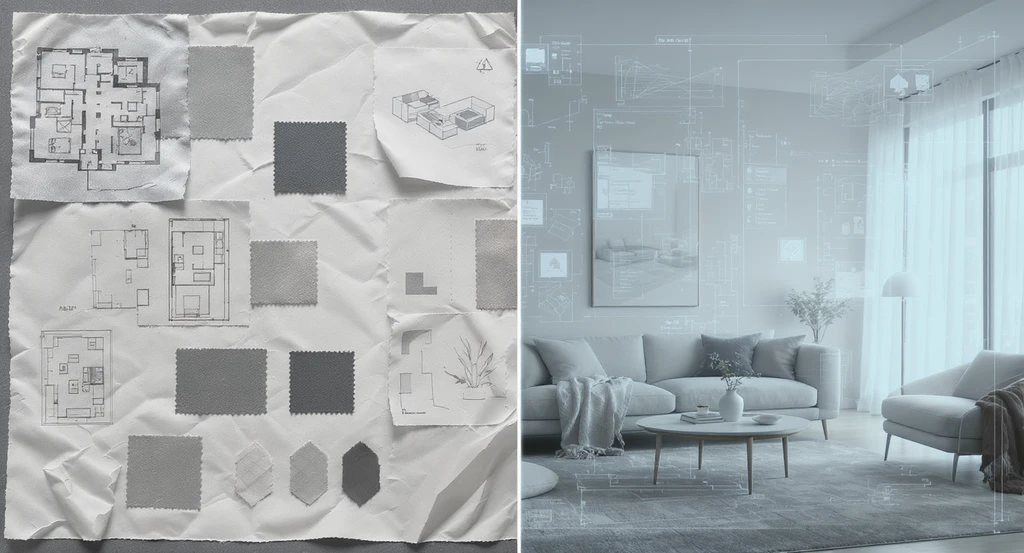
An ai-powered interior design decision platform transforms home visualization—showing how structural lock works in ai home design, real-time product sourcing for virtual staging, and ai-driven bulk photo enhancement for real estate, illustrating the benefits of ai as co-pilot in interior design decision-making.
By 2026, artificial intelligence in home design and real estate is no longer experimental—it’s essential. The days of design Wishlist's built from mood boards and endless inspiration scrolls have given way to decision-driven platforms that automate costly, time-consuming steps, improve project outcomes, and prevent expensive miscommunication.
This seismic shift is measurable: designer adoption of AI tools tripled between 2025 and 2026, with timeline reductions of 20% and over 30 million designs created on REimagineHome AI alone. But the deeper story is not about what AI can generate. It’s about how new visualization workflows transform confidence, reduce regret, and turn static images into bridges for real purchase decisions.
-
What Is Actually Happening in This Situation

A workspace setup visualizes how an ai-powered interior design decision platform enables real-time product sourcing for virtual staging, revealing the benefits of ai as co-pilot in interior design and how structural lock works in ai home design.
In 2026, AI platforms are fundamentally rebuilding the design and decision cycle. Instead of collaborative guesswork around offline samples and isolated ideas, AI delivers photorealistic room visualizations, precise object swaps, and budget-matched product lists all tailored to the real dimensions and constraints of actual spaces. Clients no longer need to imagine potential; they see it, assess trade-offs, and move from indecision to commitment without the risk of post-renovation regret or failed listings.
Expert Insight
A property investor running two simultaneous renovations explained: 'Before, my teams would lose days misinterpreting concept boards. Now I share REimagineHome visualizations tied to real fixtures and furnishings, and everyone agrees on the plan before a single wall gets painted. The savings in time—and second-guessing—are dramatic.'
-
Why Homeowners and Professionals Misjudge AI’s Role
Most decision-makers underestimate the spatial logic and real-world stakes behind visualization. Many believe AI tools are simply for generating pretty rooms for inspiration, not realizing their true power lies in detailed, dimensionally accurate previews that clarify every decision from layout to material to product sourcing. As explored in our guide on ethical virtual staging, the difference between inspiration and decisive action is the difference between generic AI renders and platform outputs that you can actually verify onsite.
-
The REimagineHome Decision Canvas: 2026’s Spatial Reasoning Model
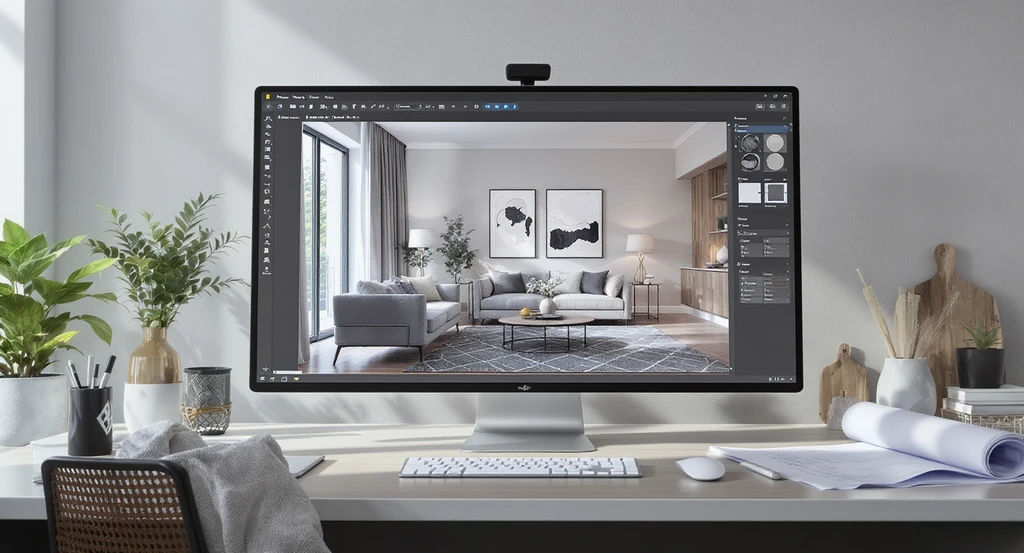
The ai-powered interior design decision platform demonstrates how structural lock works in ai home design—ensuring real-time product sourcing for virtual staging with authentic room layouts and highlighting the benefits of ai as co-pilot in interior design.
The Decision Canvas is REimagineHome’s structured approach that prioritizes visual certainty, accountability, and purchase-adjacency. At its core is "Structural Lock": the platform preserves all architectural elements walls, windows, ceiling heights so every change is an authentic preview of your actual space. This system eliminates a top pain point, as noted by REALTORS in 2026: AI-generated images that misrepresent layouts result in downstream confusion, mistrust, and lost sales. With Decision Canvas, structure is preserved, surface elements are customizable, and every design is a real-world commitment tool.
-
Trade-Offs: Instant Visualization vs. Accuracy, Ethics, and Trust
Rapid AI visualization offers dramatic speed and flexibility, but shortcuts such as altering room layouts or removing structural features undermine buyer trust and create project risk. As we explored in our analysis of AI listing photo ethics, honest representation is non-negotiable in 2026. Ethical tools like REimagineHome combine clear on-image labeling, visual side-by-sides of original and staged photos, and integrity-protecting features that ensure every rendering is as trustworthy as it is beautiful.
-
When AI Visualization Works Best
AI visualization is most effective when it supports decision sequences that are irreversible, high-budget, or loaded with visual uncertainty like pre-renovation planning, home staging for resale, and new product selection. When platforms integrate real products, accurate lighting simulation, and true-to-scale furnishings, users can validate budget-fit, trial options visually, and commit to purchases with confidence. This streamlined decision process was aspirational even a few years ago; in 2026, it is an industry standard.
-
Where AI Visualization Still Backfires
Visualization can fail when it creates a gap between what’s shown and what’s possible. Unethical or careless uses such as editing out structural flaws, misrepresenting space, or using generic, unpurchasable products lead to buyer disappointment and, as we detail in our deep dive on virtual staging boundaries, even legal repercussions. The trust cost of misleading edits is now widely understood, which is why leading platforms require strict disclosure and authenticity standards in every output.
-
Definition: What Makes AI Visualization 'Decision-Grade'
Decision-grade AI visualization occurs when a generated preview is accurate to real dimensions, lighting, and product options and is clearly labeled as either improved or staged. Most users assume that great images guarantee project success, but in reality, spatial accuracy and clear disclosure are what drive downstream satisfaction and prevent renovation or resale regret.
-
The Visualization Impact: Before and After
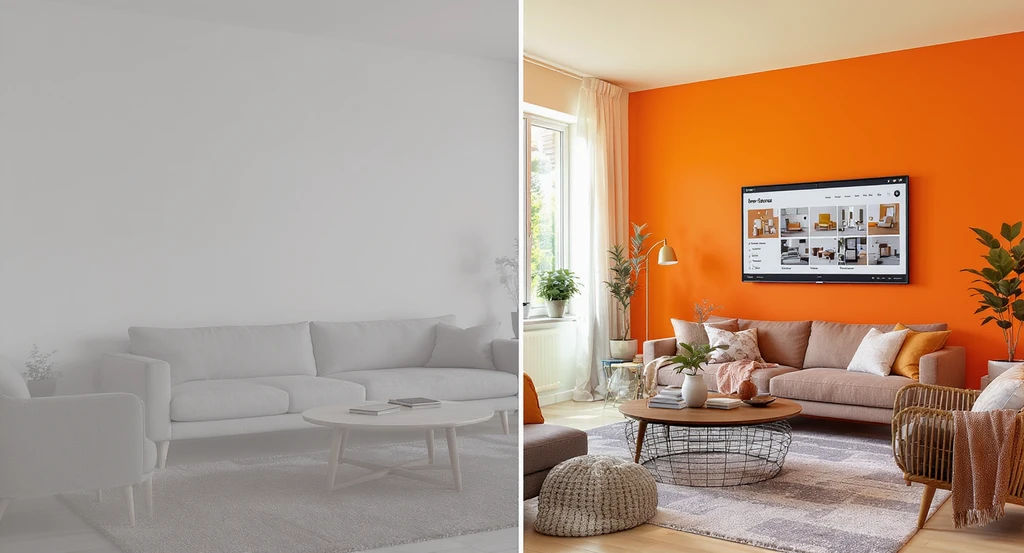
Using an ai-powered interior design decision platform with real-time product sourcing for virtual staging reduces uncertainty and shows the benefits of ai as a co-pilot in interior design, transforming basic floor plans into fully-realized, photorealistic rooms for real estate visualization.
Before high-fidelity visualization, homeowners and real estate agents typically relied on static floor plans, swatches, and vague mental models, creating anxiety and regret risk. After visualization, clients preview changes paint, furniture, or layout in photorealistic context, seeing true light effect, room scale, and available products. This process instantly reduces decision cycles, as detailed in our comparison of leading staging tools, and accelerates both project initiation and purchase confidence across the industry.
-
Non-Obvious Insight: Structural Lock vs. Generic Renders
One commonly overlooked difference in 2026’s AI tools is the risk of "visual drift"-the tendency for generic renders to subtly change window size, wall placement, or ceiling height, resulting in beautiful but impossible designs. REimagineHome’s structural lock directly prevents this by constraining all changes to fit your real spatial envelope. This principle is fundamental to output reliability and is now a baseline expectation for any serious design or listing visualization.
-
Resale & Buyer Psychology in the AI Visualization Era
Buyers and sellers now expect visualization that closely matches real walkthroughs. The psychology has shifted: trust builds conversion, and undisclosed or fantastical edits damage it. Fast, accurate previews tailored to budget and location reduce walkaway rates and boost offer velocity. This buyer trust dynamic, pre-visualized in the search phase, is central to higher conversion rates throughout 2026’s market.
-
Small vs. Large Spaces: The Visualization Multiplier
Visualization impact varies by scale. In small or urban apartments, light reflection, ceiling height, and furniture clearance are make-or-break factors, best assessed visually before commitment. In larger spaces, accurate color rendering and material simulation help avoid errors that multiply in cost over hundreds of square feet. High-fidelity previews shrink uncertainty and maximize resale potential across all property sizes.
-
Budget Sensitivity and Visualization
Visualization tools tied to real products allow homeowners to align their designs with exact budgets, swap pieces easily, and avoid regrets tied to overspending or mis-sizing. Decision cycles speed up as buyers and renovators see clear price impacts in context, reducing the need for laborious manual sourcing or post-purchase adjustments.
-
Step-Based Evaluation: How to Choose and Use Visualization Tools in 2026
- Check for Structural Integrity: Ensure the tool preserves all permanent spatial features and does not introduce physically impossible edits.
- Validate Real Product Support: Prefer platforms that source from recognizable retailers with live pricing.
- Insist on Clear Labeling & Disclosure: Every staged or improved image should include side-by-side comparisons with originals, as described in our ethical staging guide.
- Leverage Batch Capabilities: For agents and high-volume users, batch processing of multiple rooms speeds project timelines significantly.
- Favor Dimensional Accuracy & Lighting Simulation: Realistic previews should show true scale and light play, matching real-world conditions.
-
How Visualization Changes the Decision for Homeowners & Professionals
Visualization, especially when grounded in real, purchasable products and structural integrity, moves design from a subjective hope to an actionable certainty. For homeowners, the anxiety of 'Will it really look right?' is replaced by validated previews; for agents, offers become more credible as buyers trust what they see. Every step of the cycle, from planning to marketing, becomes faster, more transparent, and less prone to expensive error.
Visualization Scenario
Imagine uploading fifty listing photos at once: within minutes, you receive a gallery of compliant, room-sorted, and photorealistic visualizations that highlight real, available products and respect every wall and window as built. You and your clients can review, annotate, and share—all before the for-sale sign goes into the yard. Regret risk is out; actionable clarity is in.
Frequently Asked Questions: AI in Design & Real Estate 2026
- How does REimagineHome prevent misleading visualizations?
- REimagineHome applies 'Structural Lock'—all visualizations preserve the real layout and permanent architectural features, preventing misleading edits that could erode trust or cause confusion during listing walkthroughs. Learn more about this standard.
- Is AI visualization now an industry standard for listings?
- Yes, real estate agents, designers, and even homeowners rely on AI-driven visualization as a must-have step in staging, planning, and marketing. Confidence and speed have become crucial competitive advantages.
- Do buyers trust virtually staged photos?
- Only if they’re accurately labeled and maintain structural realities. As covered in our ethics guide, trust erodes when edits go undisclosed or cross into fantasy.
- What’s the difference between inspiration AI tools and decision-grade visualization?
- Inspiration tools generate ideas without considering your true space, budget, or structure. Decision-grade tools like REimagineHome produce previews that match your room, show real products, and drive action, not just dreaming.
Conclusion: Integrate Now or Lag Behind
By 2026, the debate is over: AI visualization is a strategic necessity for anyone serious about real estate or design. The best tools deliver trustworthy previews, ground every change in reality, and bring decision-makers to action with confidence. Those still using inspiration-only solutions are already losing time, satisfaction, and resale value. Integrate real, decision-grade visualization—powered by REimagineHome AI—to avoid regret, move faster, and turn every choice into a confident one.