8 Common Decor Choices and Better Alternatives for Every One
-
01. Wall Quotes and Word Signs
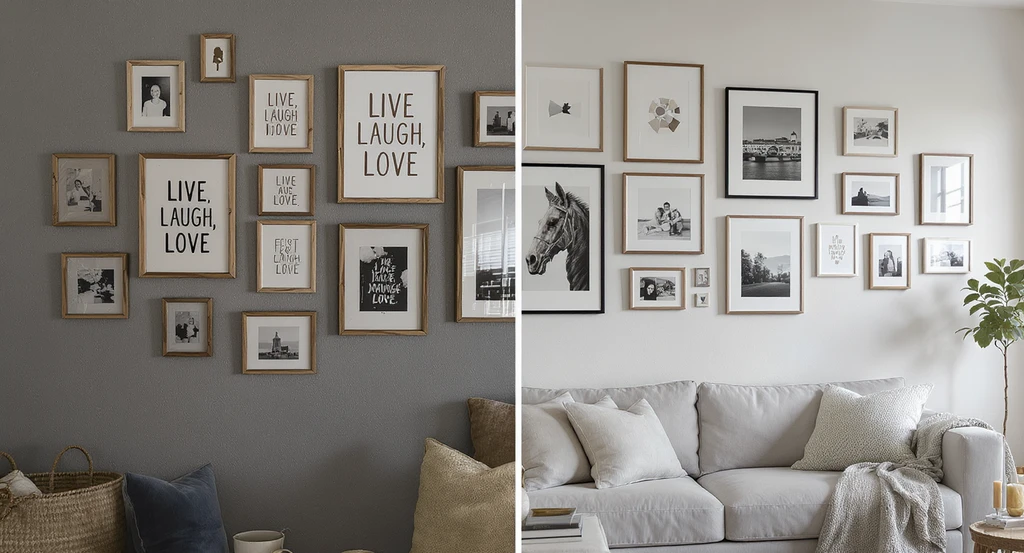
A modern living room contrasts cluttered mass-produced word art signs with a thoughtfully curated gallery of original prints and personal photos, demonstrating how ai interior design for decluttering spaces and virtual staging alternatives to generic decorations enhance authentic style.
Generic phrase signs (like “Live, Laugh, Love”) are common, but they rarely add real personality to a room. Instead, they contribute to visual noise, especially when placed with unrelated styles of art.
This happens because word art is easy to buy and promises instant character, but when stacked with other mass-market decor, it lacks individuality. A more effective approach: frame original prints, hang meaningful photographs, or choose art that reflects your interests and style. According to our guide on why unique decor truly feels good, opting for singular, memorable pieces makes your home more authentic and comfortable.
-
02. Cheap Fake Plants
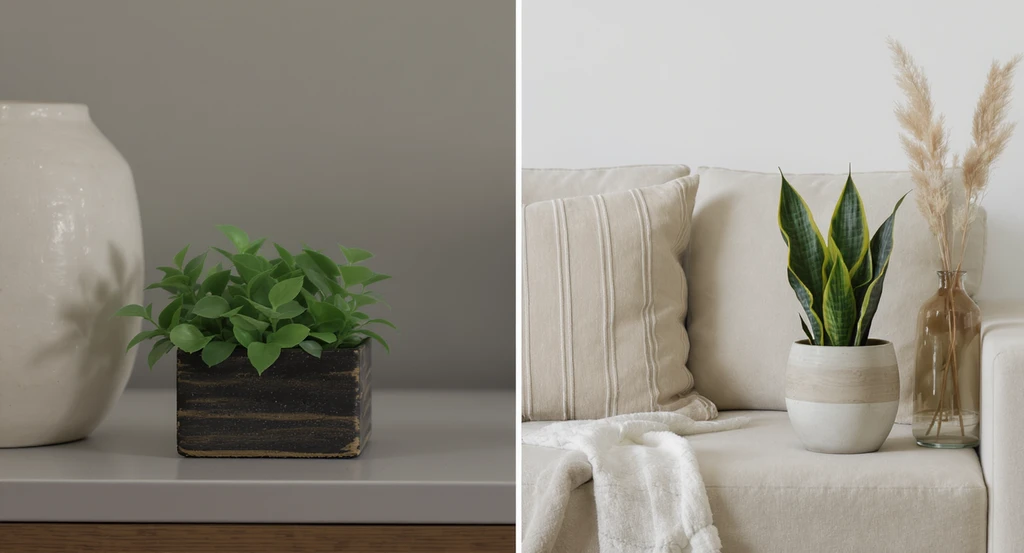
A comparison of synthetic faux plants and dust-free live greenery, highlighting how ai interior design for decluttering spaces and sustainable home design with ai visualization can guide better home decor decisions.
Cheap fake plants often look shiny and unrealistic. They can collect dust over time and make a room feel less natural instead of adding warmth.
These are bought for convenience but tend to age quickly and look out of place. Instead, use easy-care live plants (such as snake plant or photos) or dried natural branches for real texture. If you want to avoid clutter and keep things realistic, see the placement ideas in our article on styling indoor plants in small spaces.
-
03. Generic Wall Art
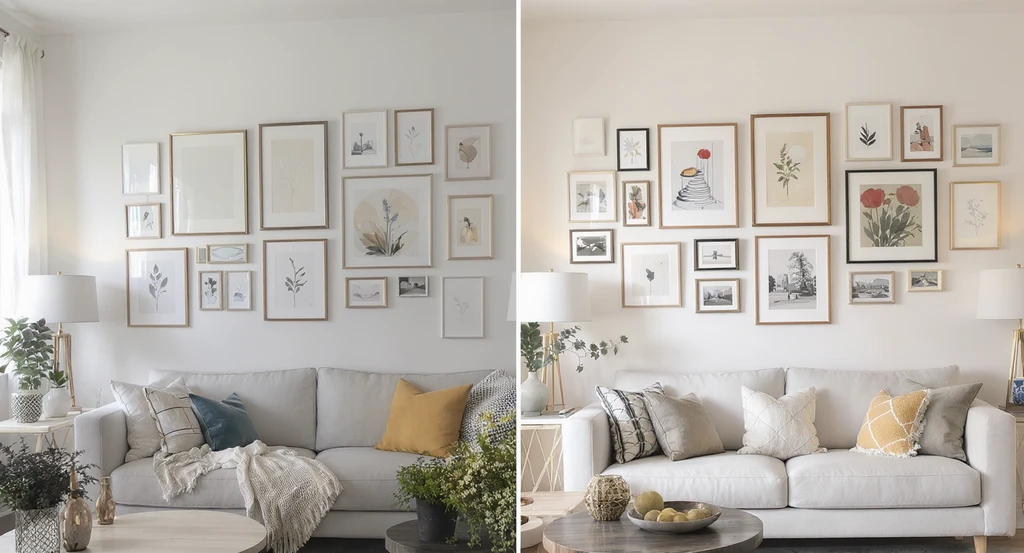
Using ai interior design for decluttering spaces, the image contrasts mass-produced posters with curated, framed artwork, illustrating how to use ai for home decor decisions and virtual staging alternatives to generic decorations.
Frameless posters and generic prints from big-box stores create an anonymous, “showroom” effect and often clash with other decor choices due to size or color mismatches.
This mistake occurs because art is treated as wall filler rather than a focal point. Correction: Invest in a few original or vintage prints, even framed postcards or DIY photographs. This follows the logic seen in secondhand design success stories, where unique, carefully-chosen pieces anchor the room.
-
04. Buying All Matching Furniture
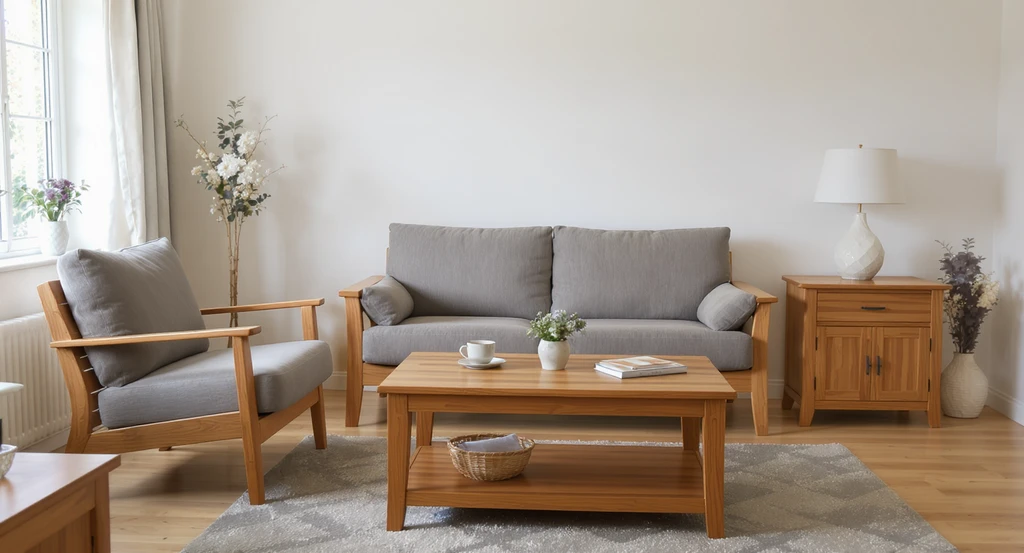
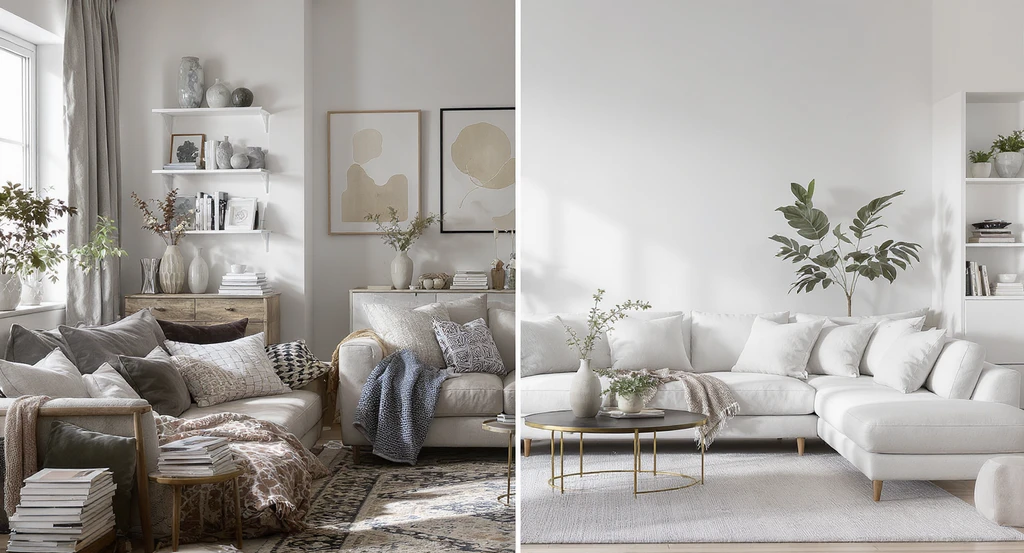
A matching furniture set in a living room demonstrates how ai interior design for decluttering spaces and personalized style avoids generic, uniform decor choices.
Buying a sofa, coffee table, and cabinets from a single set might seem cohesive, but it actually makes rooms feel staged and uninspired.
This choice is made for perceived safety, but it erases the layered look real homes develop over time. Correction: Mix wood tones, textures, or eras. Borrow the principle from our Brooklyn apartment story: build your space through carefully sourced or inherited pieces with meaning, not by matching catalogs.
-
05. Too Many Small Decor Items
Filling shelves and tables with small knickknacks, without spacing rules, creates a cluttered appearance and makes cleaning harder.
This usually happens when homeowners try to fill every empty spot. Instead, follow the Rule of Breathing Room: group a few objects together and allow empty space around them. This provides rest for the eyes and highlights what you do display.
-
06. The Wrong Rug Size
Rugs that are much too small or too large for the furniture layout disrupt balance and make a room feel disjointed. Small rugs rarely connect the main seating or dining zone, causing the space to feel unfinished.
This occurs when rug purchases are driven by deal or pattern, not measurement. Correction: Use the anchor rule: ensure at least the front legs of all major furniture touch the rug for a unified look. For visual clarification, previewing layouts virtually, before you buy, helps avoid expensive size mistakes.
-
07. Too Much Seasonal Decor
Year-round seasonal trinkets (like holiday figurines or location-stamped photo frames) crowd surfaces quickly and usually don’t transition well into daily living spaces.
This happens when “filling the void” seems easier than honest editing. To correct, store most seasonal pieces and rotate them thoughtfully, keeping everyday decor minimal. This reduces visual clutter and makes each season feel renewed, not messy. For plant lovers, realistic plant decor can be added or removed by season without overwhelming the layout.
-
08. Decor That Has No Purpose
Items like fake books, toy-like furniture, or objects placed only to fill a shelf rarely add long-term value and often collect dust.
Rooms feel “off” when everything is decorative and nothing is purposeful. To correct: prioritize items with both function and beauty, a handcrafted vase that actually holds flowers, an ambient lamp that improves lighting, or a memorable photograph. As discussed in our analysis of unique decor wins, every piece should either work or matter to you.
Frequently Asked Questions
- What is the simplest way to prevent decor clutter?
- Limit small decorative objects, avoid matching everything, and ensure every new item either serves a purpose or has deep personal value.
- How do I create a more personal, less generic home?
- Source from vintage stores, display artwork you love, and include objects such as real plants or travel photos that carry your own story.
- Is it possible to mix styles and still look cohesive?
- Yes, cohesion comes from editing and repeating colors, materials, or scales throughout the room—not from matching furniture or decor sets.
- What should I focus on before buying decor?
- Start by fixing layout and lighting issues. Decor should be the finishing touch, not a solution to larger design problems.
- Are live plants always better than faux?
- Real plants add texture and a natural feel to a room, but in spaces where maintenance is difficult, high-quality faux plants or dried branches can work well.
What Actually Makes a Home Look Good?
Thoughtful restraint, editing rather than just adding, improves every room. Before making your next decor purchase, step back and consider the purpose, scale, and meaning of what you display. Curate for balance, not for trend or quantity. Most importantly, leave space for your home to change with you over time. Personal and intentional choices always elevate a space above mass-produced clutter.