10 Methods for Styling Indoor Plants in Small Living Rooms Without Clutter
TL;DR
Styling indoor plants in small living rooms requires restraint, smart use of vertical space, and scale awareness. Prioritizing fewer, larger plants and careful placement help maintain openness and visual balance while preventing clutter. Visualizing your layout before adding greenery can ensure every plant enhances the room instead of crowding it.
Why Plant Styling in Small Spaces Demands a Structured Approach
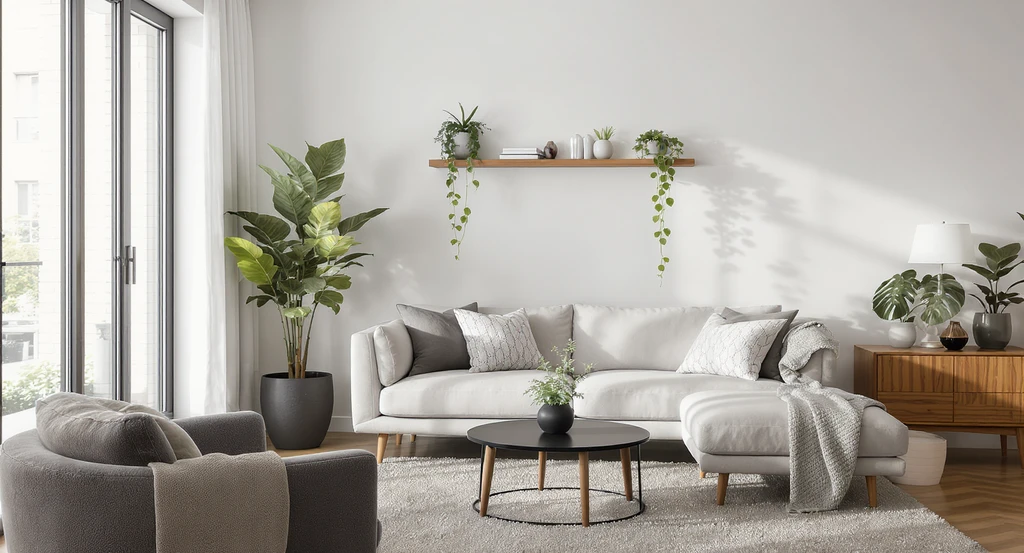
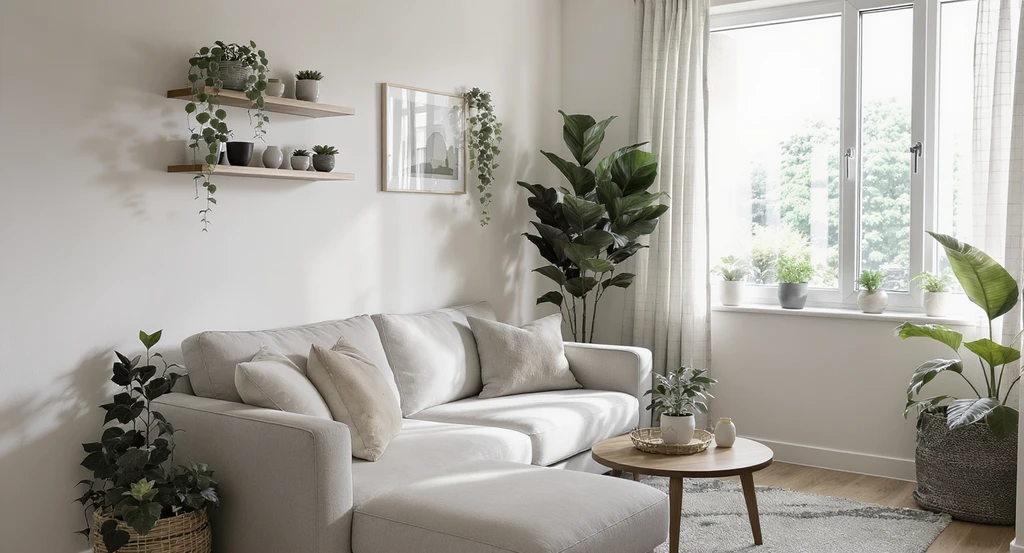
How to style indoor plants in small living rooms: Use greenery in awkward corners and on floating shelves for the best indoor plant arrangement without clutter.
Deciding how to style indoor plants in small living rooms challenges even experienced homeowners. While greenery is known to add vibrancy and softness, poorly planned arrangements often crowd the space, interrupt flow, or create visual chaos. When small square footage is involved, every plant and planter choice directly influences room function and perceived spaciousness. This article uses the Spatial Greenery Assessment Logic to guide your decisions. By applying this decision structure, you'll learn how to evaluate scale, placement, and the psychological weight of plants—so each one supports both your design intent and daily living comfort. The strategies below address common anxieties about overcrowding, wasted floor space, and layout imbalance when decorating with plants.
-
01. Limit the Number of Plant Types for Cohesion
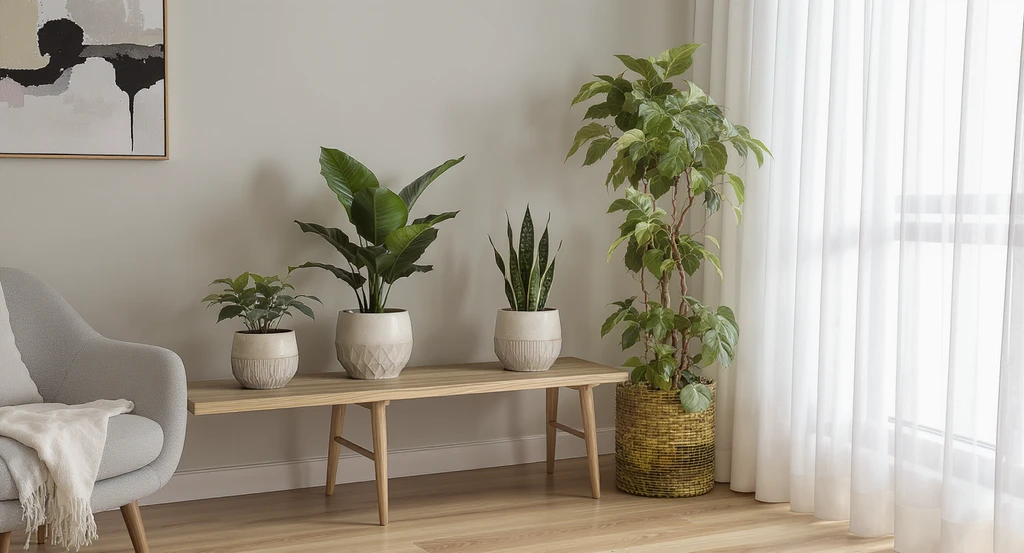
Learn how to style indoor plants in small living rooms by limiting plant types for a minimalist, clutter-free look. Using the best indoor plants for empty living room spaces, place greenery in strategic corners or along open sightlines to furnish a small apartment with intentional calm.
Style indoor plants in small living rooms by restricting variety to 2–3 main plant species. This prevents visual clutter and allows for stronger, intentional placement. When a space contains too many kinds of plants, the eye jumps between shapes and textures, making the room feel unsettled. Consistency streamlines sightlines and supports a sense of calm—critical in compact settings. According to our guide on how to make a minimalist living room feel warm and serene, a controlled palette (in plants and objects) adds warmth without chaos. "Cluttered plant arrangements occur when too many species compete for attention in a small area. It changes the room’s visual tempo, increasing anxiety. Most homeowners assume adding variety boosts interest, but too much results from misjudging the balance between diversity and unity."
Expert Insight
A homeowner once tried to fill every available surface in her 200-square-foot living room with small pots, only to find the space felt oddly busy and unpredictable. After removing half and repositioning two larger plants into corners, the room finally felt balanced—and noticeably larger.
-
02. Prioritize Tall, Slim Plants in Corners
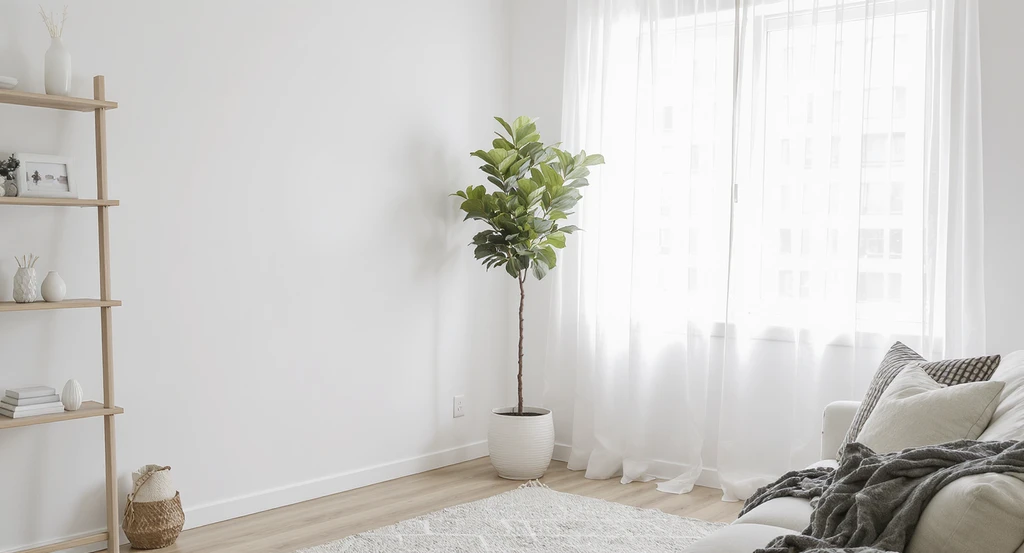
How to style indoor plants in small living rooms by placing a tall, slim plant in an awkward living room corner to add greenery without clutter or blocking pathways.
Place one tall, narrow plant in a living room corner rather than multiple small pots along walls. This uses the vertical plane to anchor the space without sacrificing walkways. Corners are often underused, yet perfect for a vertical accent that softens harsh architectural angles. Choosing slim species ensures circulation is not obstructed—maintain at least 24 inches clearance for passage. For awkward spots, refer to our solutions for decorating empty living room corners. This method actively manages spatial compression; a tall plant in a tight corner draws the eye upward, subtly increasing perceived ceiling height.
-
03. Keep Horizontal Surfaces Mostly Plant-Free
Ensure at least 50% of tabletops and counters stay unoccupied by plants. Reserve greenery for shelves, corners, or specifically allocated nooks—avoid cramming plants on every available surface. Open surfaces allow light to bounce and maintain breathing space, which helps avoid a crowded effect. This approach supports the visual "pause" necessary to appreciate both your greenery and furnishings. Attempting to fill every empty flat area with a plant only accelerates clutter.
-
04. Use Floating Shelves and Wall Planters for Vertical Styling
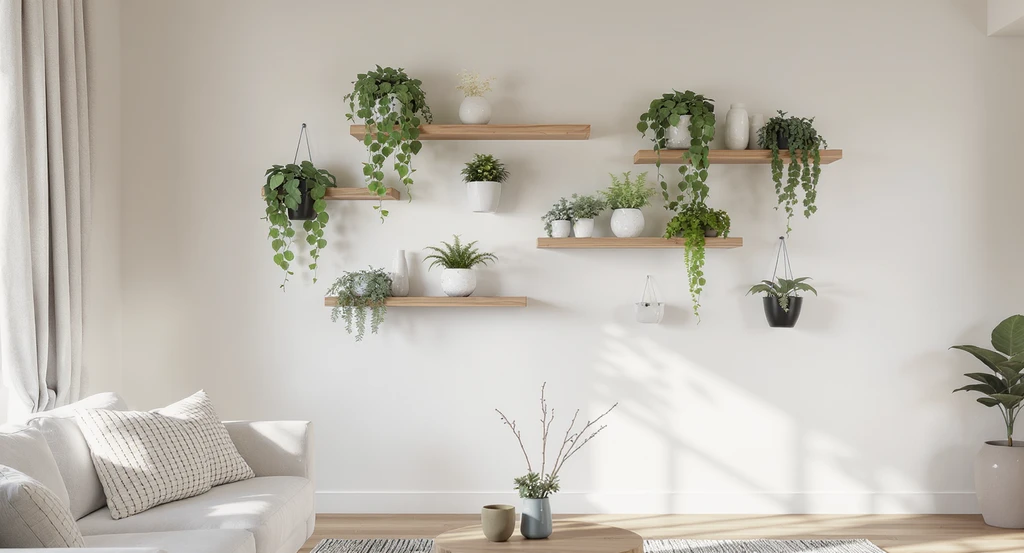
Showcasing how to style indoor plants in small living rooms—vertical floating shelves and wall planters maximize greenery without clutter. A perfect vertical plant styling idea for open-plan homes, ideal for decorating awkward living room corners and empty spaces.
Utilize wall-mounted planters or floating shelves at staggered heights for trailing or compact plants. This brings greenery upward, preserving floor area and keeping circulation clear. Vertical styling leverages wall real estate often ignored in small living rooms. By choosing the right mounting height—generally at or slightly above eye level—you boost biophilic presence while improving flow. Remember, light direction and wall color can impact how vibrant the greenery appears on these shelves.
-
05. Align Planter Styles With the Room’s Palette and Mood
Select planter colors and finishes that echo your living room’s dominant hues and material warmth. In compact rooms, cohesive planters reduce chaos and tie plant displays into the broader decor scheme. Matte, light-colored ceramics or neutral woven baskets diminish visual heaviness compared to oversized, dark, or glossy pots. Reflective or high-contrast planters can visually contract a space—especially when light levels are low. For a unified effect, repeat two to three similar finishes throughout, as advised in our post about creating a cozy and cohesive space.
-
06. Position Plants Close to Natural Light
Arrange indoor plants near windows or balcony doors to ensure healthy growth and optimal visual integration. Avoid dark corners unless using low-light-tolerant varieties. Strategically placed plants benefit from boosted leaf vibrancy and naturally become focal points, reducing the urge to over-decorate with secondary objects. Blocking light pathways with broad planters, however, risks lowering both plant vitality and perceived room openness.
-
07. Balance Plant Height With Furniture Scale
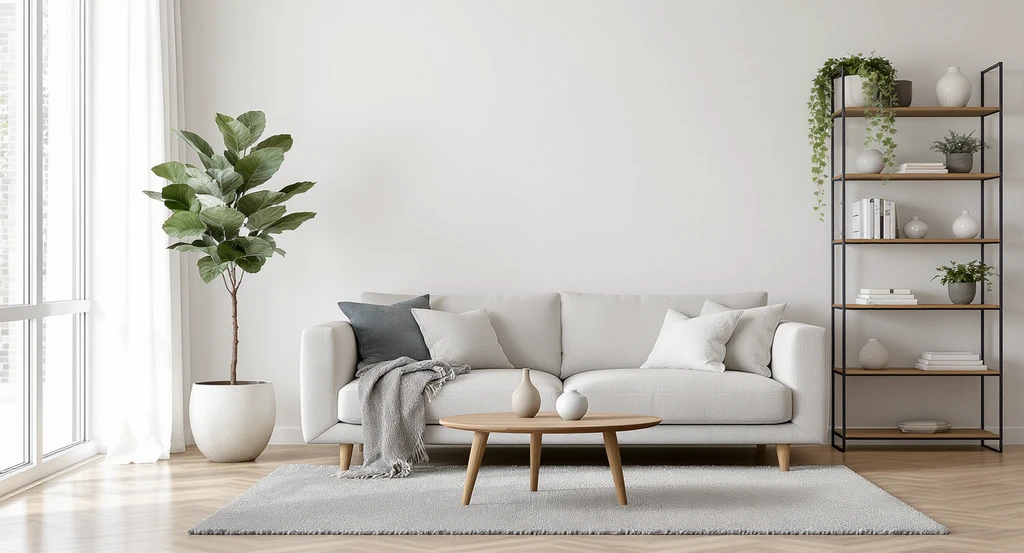
Learn how to style indoor plants in small living rooms by balancing tall greenery beside low furniture and trailing species on vertical shelves—ideal methods for decorating awkward living room corners and furnishing a small apartment with greenery.
When adding plants, gauge their mature height against the height of major furniture pieces. Pairing low sofas with taller plants or tall shelves with trailing species creates a balanced silhouette. If plants match furniture height too closely, the eye reads an unbroken line—making the layout appear flat. Contrasting levels, on the other hand, establish movement and prevent monotony. The Spatial Greenery Assessment Logic verifies this relationship before purchase, lowering regret probability.
-
08. Incorporate Mirrors to Reflect Greenery
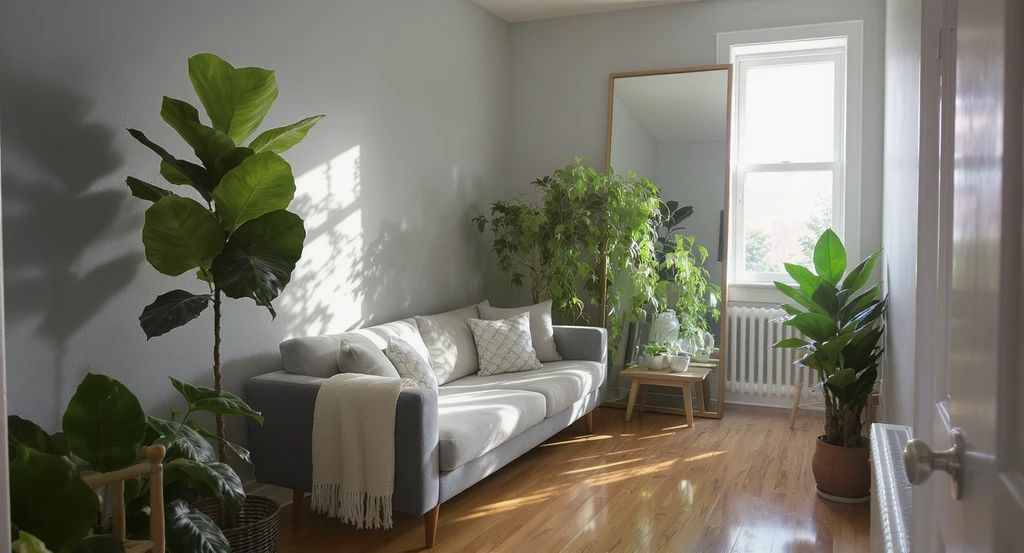
Maximize light and space by styling indoor plants in small living rooms—placing a mirror opposite a window doubles greenery and brightens awkward corners.
Install a mirror near plant groupings to double the visual impact of your greenery. Reflected plants amplify brightness and the sense of spaciousness; placement opposite a window enhances the effect. This approach is especially valuable in rooms with limited daylight or narrow layouts. However, poorly positioned mirrors can create glare or unwanted duplications, so test reflective angles before committing. Visualization tools like ReimagineHome are helpful when previewing these layered effects.
-
09. Select Plants With an Upright Growth Habit
Choose slim, vertical-growing species like snake plants, ZZ plants, or kentia palms to keep floor and shelf space open. Avoid spreading or low, bushy plants in small settings. Plants that grow upward minimize crowding and make the most of underutilized vertical zones, contributing to a less congested feel. On the other hand, wide species risk encroaching on walkways and furniture edges, reducing usable space. This choice directly impacts both daily circulation and the visual impression of openness.
-
10. Visualize Plant Placement Before Purchase
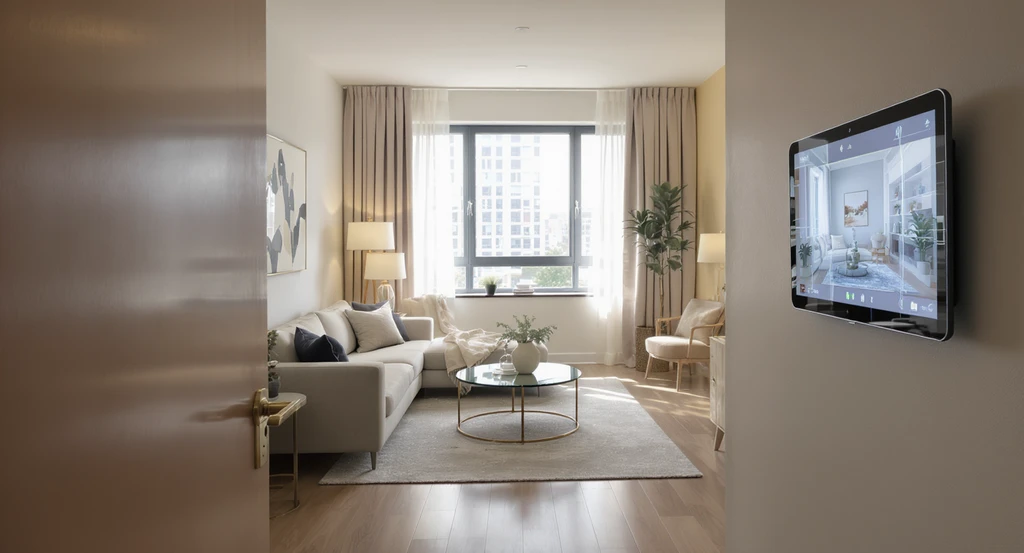
Preview how to style indoor plants in small living rooms using digital tools—compare arrangements to decorate empty corners and find the best indoor plants for small spaces before buying.
Use preview tools (like those from ReimagineHome) to simulate layout changes with plants before buying. This lets you assess congestion risk, light access, and flow on your actual room photo. Uncertainty before visualization often appears as doubt about how many plants are "too many," and where each should go. After previewing, the balance between negative space and greenery becomes clear. The result: faster, more confident decisions, less post-purchase regret, and interiors that remain both lively and practical. For a visual preview of different scale dynamics, compare the effect of bookcase heights in our guide to tall vs short bookcases for small living rooms.
FAQ: Small Living Room Plant Placement and Selection
- How many plants should I use in a small living room?
- Generally, one tall plant and one to two supporting plants are optimal for most small living rooms. This maintains spaciousness while adding natural visual interest.
- Where should I position plants in a small living room?
- Place plants near sources of natural light, in empty corners, or on floating shelves to integrate greenery without sacrificing circulation or function.
- Can too many plants overwhelm a small space?
- Yes, excess plants can reduce openness and cause visual clutter. Visualizing plant placement in advance helps prevent overcrowding and regrets.
- What are the best low-maintenance plants for small living rooms?
- Snake plants, ZZ plants, pothos, and compact palms thrive with minimal care and fit neatly into small-scale decorating plans.
- How can I make plant displays feel cohesive with my decor?
- Repeat planter materials, use a unified color palette, and limit plant species variety to create a harmonious display that complements the room’s style.
Key Takeaways for Small Space Plant Styling
The most effective way to style indoor plants in a small living room is not to increase their number, but to fine-tune their placement, scale, and type. Visualization methods dramatically reduce uncertainty and improve outcome confidence. By editing aggressively and balancing negative space, you can enjoy greenery that complements both your lifestyle and your living room’s limitations. Remember, restraint is an asset—one or two well-placed plants often have greater impact than an abundance.