Making Space Work for Everyone: Designing with Comfort, Size, and Accessibility in Mind
TL;DR
Size and Space for Approach and Use ensures that environments provide enough room for people of all body sizes, postures, and mobility levels to comfortably approach, reach, and interact with spaces. From wide pathways to thoughtful furniture placement, this principle improves accessibility, usability, and overall spatial comfort for everyone.
Making Space Work for Everyone
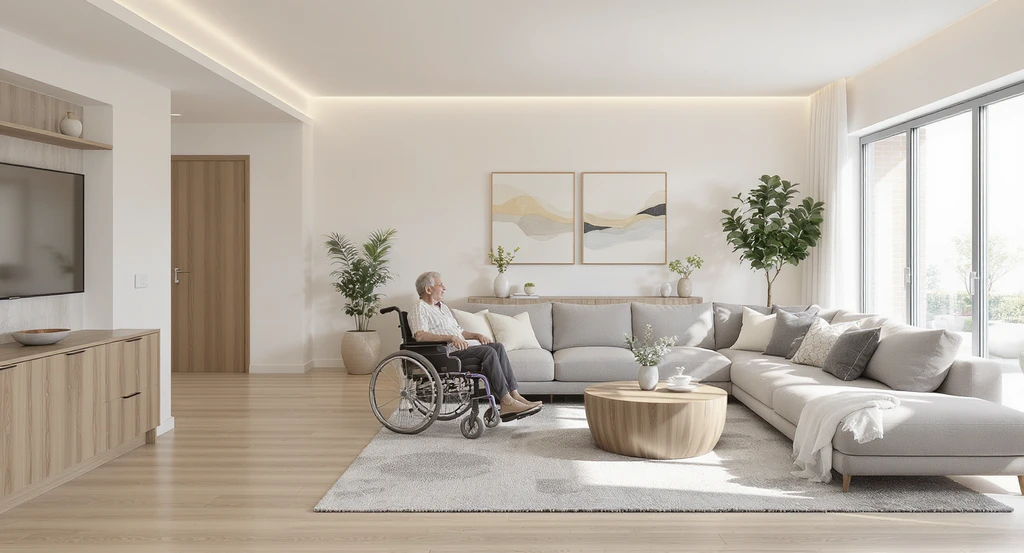
A thoughtfully arranged living space demonstrates accessible design, featuring ample room for all body types and mobility levels. Prioritizing comfort, size, and easy approach, this environment exemplifies inclusive, real-world interior design strategies.
Design is not just about what we see — it’s about how we move. A beautifully designed space can quickly become frustrating if it feels cramped, restrictive, or difficult to navigate. This is where Size and Space for Approach and Use becomes essential. This principle focuses on clearances, reach ranges, and circulation space so that people can move freely, whether they are walking, using a wheelchair, carrying items, or simply needing more personal space. At its core, this principle asks: Can everyone comfortably access and use this space without strain or restriction?
-
The Meaning of Size and Space for Approach and Use
At its core, this principle is about making sure everyone—whether walking, using a wheelchair, or carrying a heavy load—can access and enjoy the space with ease. It asks designers to build environments where approach and interaction are intuitive, movement is unhindered, and spatial barriers are virtually invisible. This is not simply retrofitting for accessibility; it’s about designing inclusivity into the blueprint from the very start
Expert Insight
A couple, faced with limited mobility following a temporary injury, decided to adapt their small apartment—widening pathways, swapping swing for sliding doors, and rethinking furniture placement. The result was so livable and relaxing that even after healing, they kept the new arrangement. Both found life in their redesigned home noticeably easier and more enjoyable.
-
Translating the Principle: Everyday Spaces That Work
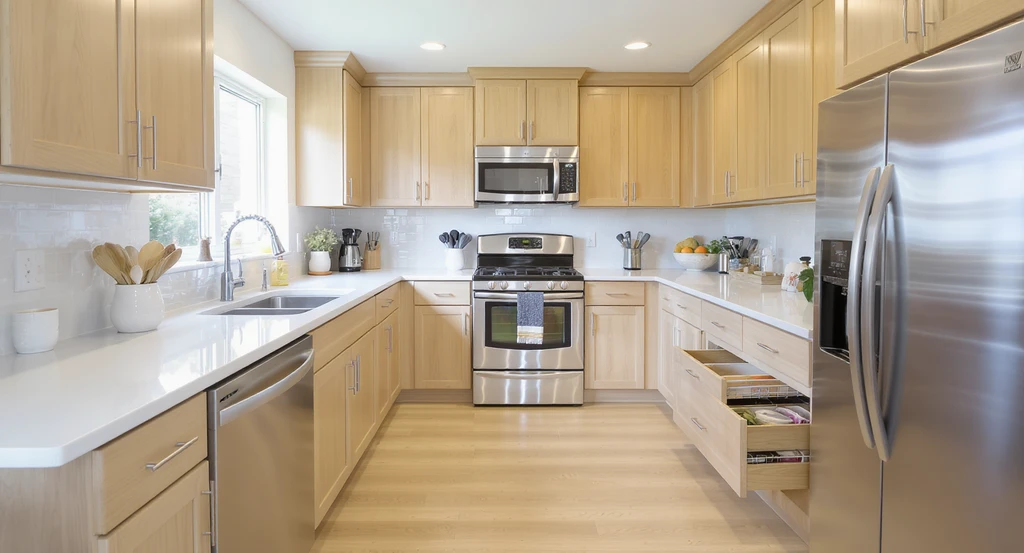
A modern accessible kitchen design features dual-height countertops and easy-to-reach storage, illustrating how everyday spaces can work harmoniously for comfort, size, and accessibility.
Consider a kitchen where two people can move side by side, where countertop heights suit both seated and standing users, and where storage is always within comfortable reach. Such a kitchen isn't just accessible—it's harmonious, allowing children, adults, and those using mobility aids to share the space seamlessly. The same approach can transform bathrooms, hallways, and living areas into realms of ease, not obstacles.
-
Key Features of Truly Comfortable Spaces
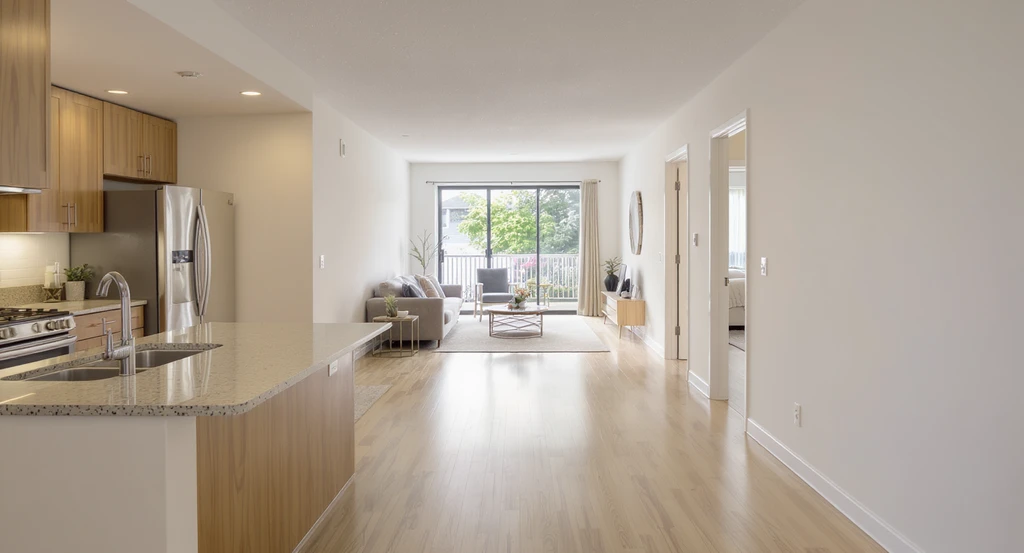
This open-plan space features wide walkways, accessible surfaces, and flexible layouts, exemplifying size, comfort, and accessibility in design.
Environments that exemplify Size and Space for Approach and Use show some common characteristics:
- Adequate Clearances: Wide walkways and spacious entry zones that end the frustration of tight squeezes.
- Reach Accessibility: Counters, switches, and shelves within easy reach, whether seated or standing.
- Flexible Interaction: Spaces usable from any position—sitting, standing, or moving freely.
- Unobstructed Circulation: Layouts that reflect the organic flow of human movement, not arbitrary divisions.
-
Common Pitfalls and Practical Fixes
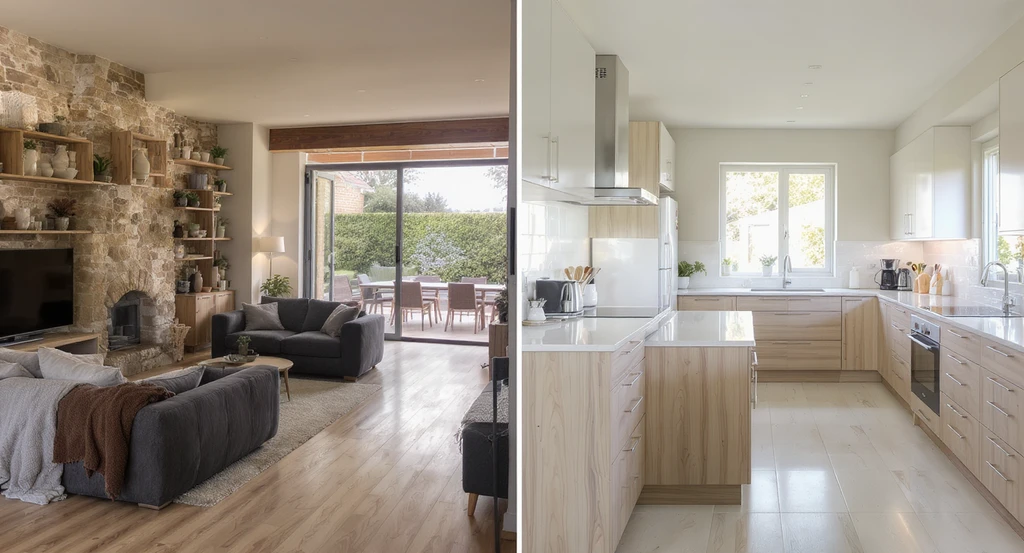
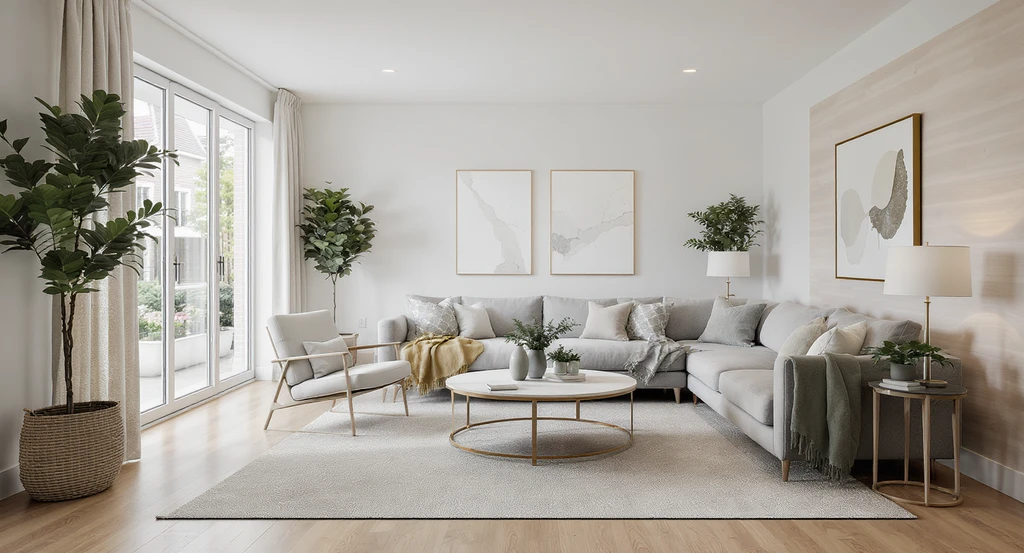
Common accessibility pitfalls in open-plan interiors—such as narrow walkways and high shelves—can be solved with wide corridors, accessible counters, and multi-height surfaces, supporting inclusive interior design best practices.
Designers sometimes fall into traps that undercut comfort and accessibility. Filling an open-plan room with oversized furniture, for example, can choke circulation. Placing shelves or controls out of reach overlooks the needs of children, older adults, and those with limited mobility. True inclusivity means moving past assumptions of a “standard” user and considering the full spectrum of human bodies and needs. Small but mighty changes—maintaining corridors at least 900–1200 mm wide, providing knee-space beneath counters, choosing multi-height surfaces—make a powerful difference in daily life. For digital designers, this translates to interfaces with well-spaced buttons and layouts that scale easily, ensuring clarity and usability.
-
Why Inclusive Layouts Make Life Easier (and Happier)
Thoughtful space planning empowers users, fostering independence and reducing stress for people of all ages and abilities. When accessibility is an organizing principle, everyday routines become smoother and more enjoyable. Ultimately, this approach results in environments that feel calmer, more efficient, and truly inclusive.
Visualization Scenario
Imagine stepping into an office where every walkway feels breezy and unconfined, desks welcome you at both sitting and standing heights, and not a single essential is out of arms’ reach. As you move, you don’t have to stop and think about where to turn or whether you’ll fit. The environment works so naturally, you hardly notice it—that’s the subtle genius of truly accessible design.
Frequently Asked Questions
- Does this principle only benefit people with physical disabilities?
No. Designing for movement, approach, and usability benefits everyone—children, elderly users, parents with strollers, and anyone carrying objects. - Do larger spaces always mean better accessibility?
Not exactly. Efficient, smart use of available square footage matters more than sheer size. It’s about how well the space supports movement and function. - Are small homes able to apply these principles?
Absolutely. With clever layouts, sliding doors, and multifunctional furniture, even compact spaces can be surprisingly comfortable and user-friendly. - What are common mistakes to avoid?
Overcrowding rooms, ignoring mobility device clearance, and assuming all users are the same height or ability level are pitfalls to watch for.
Creating Spaces That Liberate, Not Limit
Size and Space for Approach and Use is about designing with movement, comfort, and accessibility in mind. It ensures that spaces don’t just look good — they work effortlessly for everyone. When designers prioritize space as an inclusive tool, environments become more than functional — they become liberating.