Evaluating Hidden-Control Dishwashers: Design, Usability, and Daily Realities
TL;DR
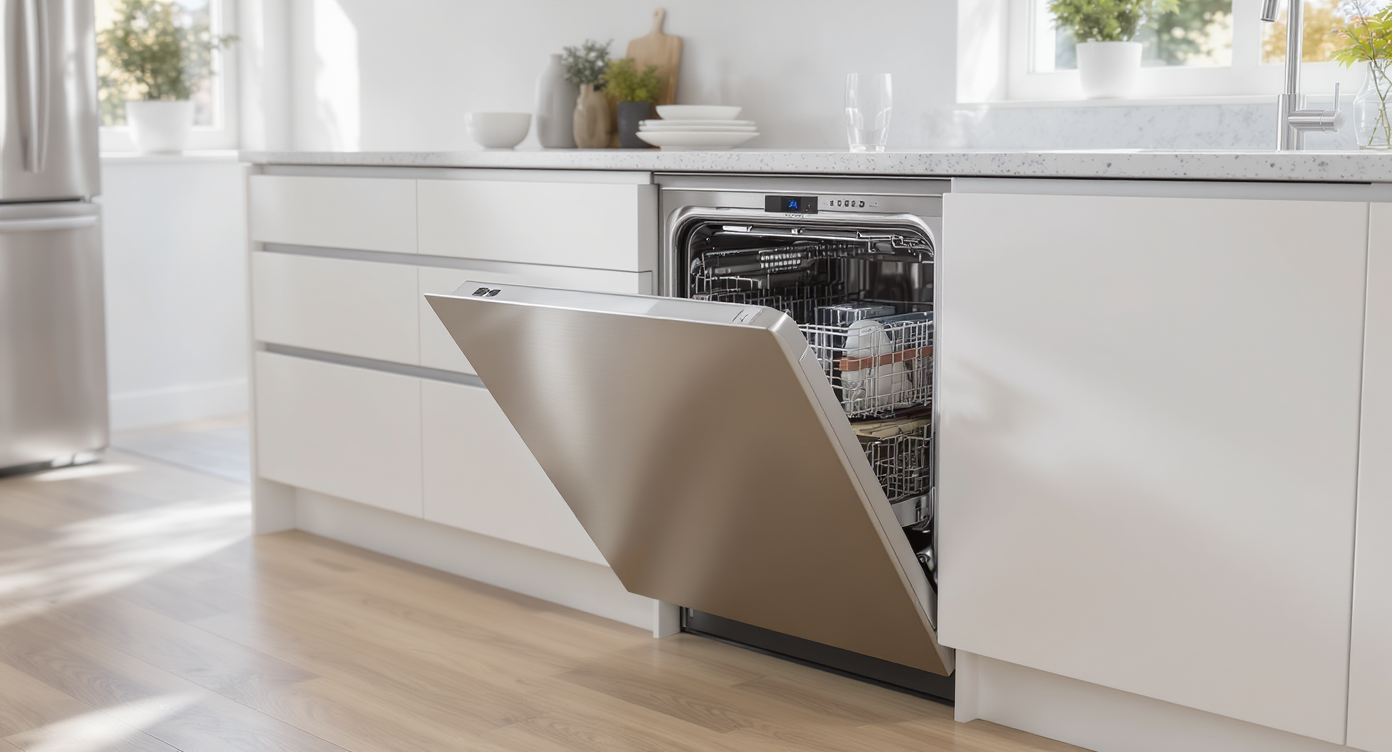
Hidden-control dishwashers have generated strong opinions from homeowners and experts alike. While the seamless appearance appeals to many, others find usability frustrations and accessibility concerns. The placement of controls—whether visible on the front or concealed on top—fundamentally influences how a kitchen works in real-life scenarios. Balancing aesthetics, daily routine, and long-term durability is key to avoiding general design regrets and post-renovation usability issues.
Why Hidden Controls Became a Flashpoint in Kitchen Design
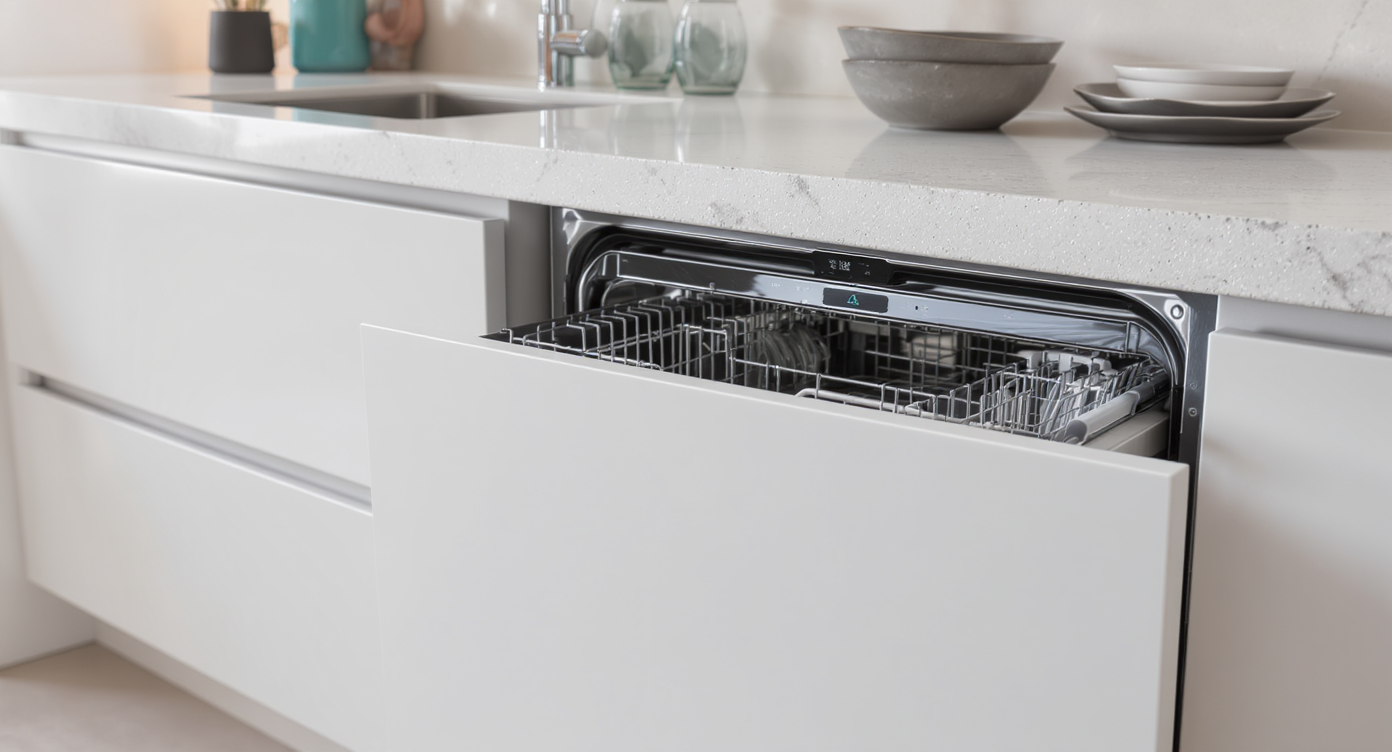
A modern kitchen with a hidden-control dishwasher seamlessly integrated into handleless cabinetry, highlighting usability and design tradeoffs.
The conversation around hidden-control dishwashers highlights a classic tension in interior design: where does style end and ease of use begin? In kitchens, few details spark as much debate as the decision to conceal or display appliance controls. As manufacturers shift toward minimalist, uninterrupted cabinetry lines, top-mounted controls have become nearly ubiquitous—and, for some, a source of post-renovation regret. While streamlined appliances read as modern and high-end, their day-to-day operation often tells another story. This small design detail often creates a ripple effect on the overall kitchen experience. From accidental cycle starts to the absence of clear status feedback, homeowners and designers face a new set of practical tradeoffs. The story of hidden controls isn’t simply about looks—it is woven into everyday rituals, family routines, and the broader trend cycle shaping our homes.
-
The Promise and Reality of Seamless Kitchen Aesthetics
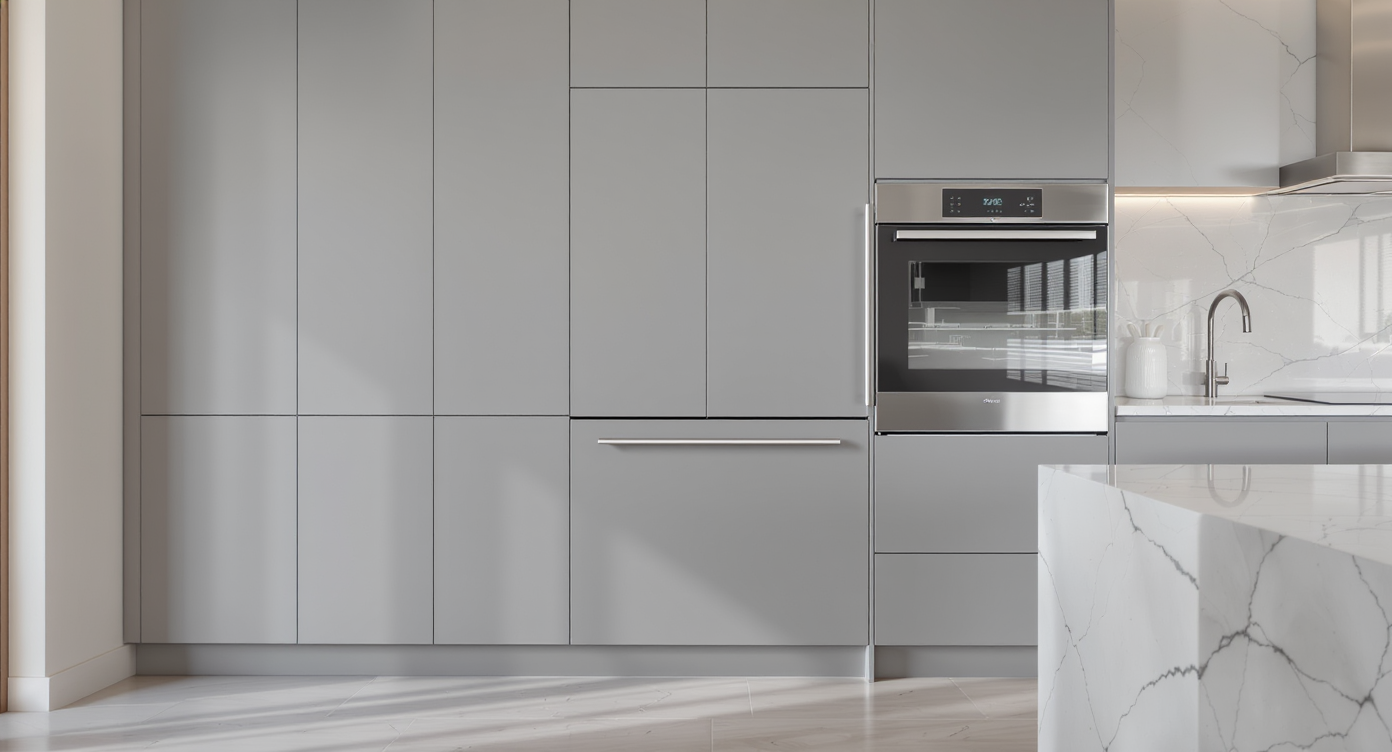
A modern kitchen with slab-front cabinetry and a concealed-control dishwasher demonstrates the allure of uninterrupted, seamless aesthetic design.
Hidden controls rose in popularity alongside other visually quiet trends like slab-front cabinetry and integrated appliances. The appeal is undeniable: uninterrupted panel fronts evoke tailored luxury, and dishwashers with concealed controls enable a cleaner, less cluttered kitchen line. For those planning high-end renovations, the absence of visible control panels can mean a more cohesive look, especially when coordinating with matching cabinetry overlays or a minimalist design scheme. However, what appears timeless to one homeowner may frustrate another. Subtle daily habits—such as checking time remaining or verifying if a cycle has ended—are complicated when the display is invisible during operation. This echoes insights from recent discussions of trends "most likely to read very 2020s," where form can sometimes eclipse long-term functionality (interior trends most likely to date quickly).
Expert Insight
During a recent kitchen redesign consultation, a couple debated heatedly over dishwasher controls. With three small children, one partner insisted on hidden buttons for peace of mind, recalling several loads unexpectedly interrupted by tiny fingers. The other, a culinary enthusiast who hosted weekly dinners, lamented the lack of a visible countdown timer during meal prep marathons. After lively discussion and a visit to a showroom, they settled on a model with hidden controls but supplemented it with a bright floor indicator and a magnetic "clean/dirty" slider. Six months later, both agreed they’d made the best possible compromise for their family’s stage of life and entertaining rhythm.
-
Usability in Real Life: Feedback from Households
Actual user experiences reveal a spectrum of outcomes—many surprisingly nuanced. In homes with young children, hidden controls are credited with preventing accidental starts or the kind of repeated button-pressing toddlers love. One parent described the relief in moving to concealed controls after countless interruptions caused by little hands on front-facing panels. This use-case has made hidden controls almost a rite of passage for families with kids, turning a potential aesthetic-driven decision into a practical safeguard. Conversely, those who routinely load or unload dishes in stages often express frustration. Since top-mounted controls are only accessible with the door open, users can’t quickly check program status without breaking their flow. In some models, the lack of an exterior display leads to confusion over cycle completion—a scenario echoed in similar critiques of over-stylized, less functional kitchens (design trends to skip in 2025). A family member might open the dishwasher, unsure whether the process is done, then need to physically peer over the door or rely on subtle floor lights to interpret its state.
-
Durability, Maintenance, and the Technology Tangle
Beyond daily practicality, concerns linger about the longevity of electronics tucked into the upper door of a hot, humid appliance. Some users speculate that frequent activation or exposure to heat may hasten the demise of hidden control panels, though evidence is largely anecdotal. Meanwhile, discussions about app-connected controls and Wi-Fi integration highlight another, more modern worry: rising complexity and the risk of digital obsolescence. While a handful of tech-savvy owners enjoy remote notifications or monitoring energy and water usage via a smartphone, many long for straightforward buttons—and dread the prospect of appliance maintenance entangled with software updates or smart home networks. This theme is not new, reflecting a steady undercurrent in design forums about when smart features cross the line from helpful to hassling.
-
Personal Routines, Accessibility, and the Issue of Choice
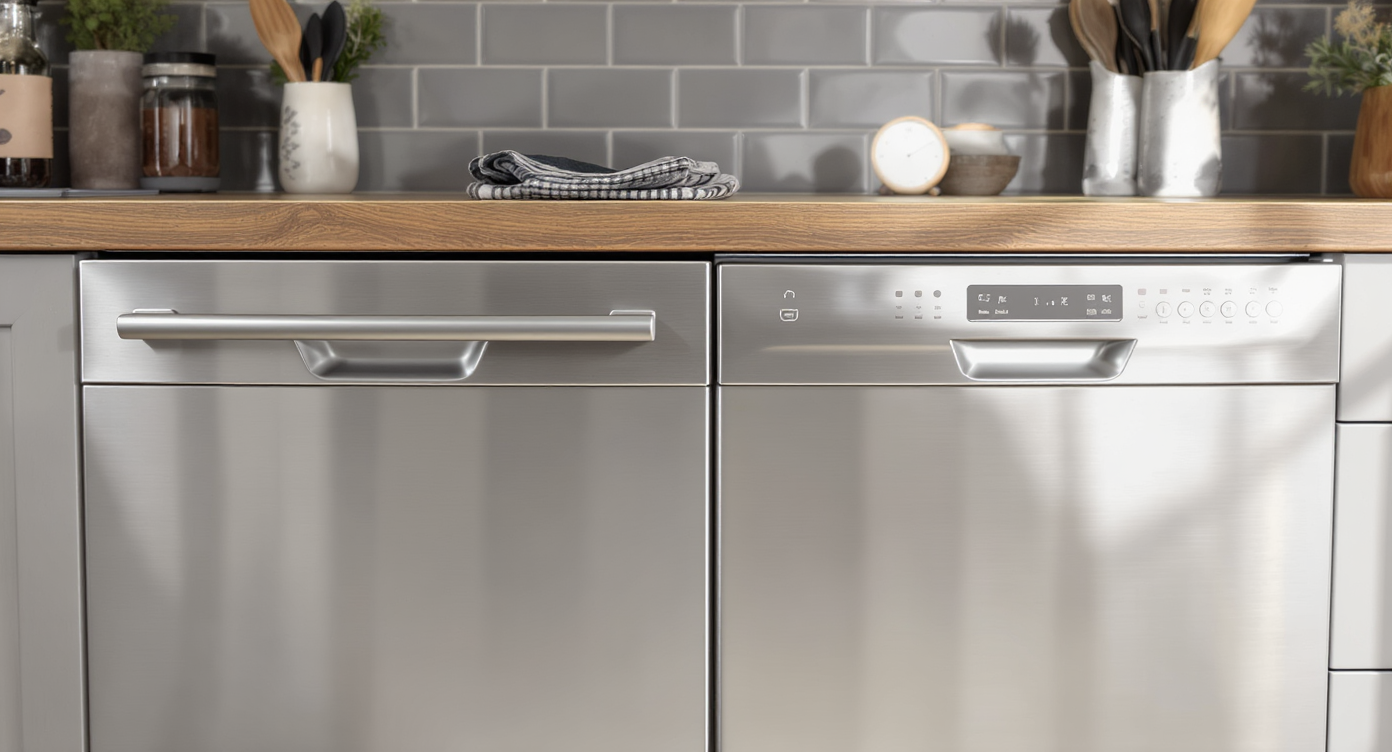
A realistic kitchen scene compares a dishwasher with hidden controls and another with tactile, front-facing buttons, highlighting accessibility options.
Modern appliance design often fails to accommodate the spectrum of user needs and habits. For some, placing the control panel out of sight also means it is out of reach or hard to read—particularly for anyone with physical limitations or declining eyesight. Elders and those preferring tactile, clearly labeled interfaces can find themselves at odds with the default minimalist direction. At the same time, buyers hunting for traditional front-controlled models now report limited options, often relegated to entry-level appliances or models without advanced wash cycles. This trend echoes a broader conversation in design: whose routines shape what becomes standard, and whose are left as afterthoughts? Kitchens, long the most utilized room in a home, are especially vulnerable to general design regrets when decision-makers overlook practical needs in favor of fleeting visual trends (tacky or timeless interior design trends). While many appreciate a visually “quiet” kitchen, comfort and control should remain at the center of the planning process.
-
Anecdote: The Hidden Button Dilemma at Family Dinners

A bustling family kitchen shows the hidden-control dishwasher dilemma—open door, concealed buttons, red floor light, and scattered family items.
Imagine preparing a weeknight dinner with rushed kids, a dog underfoot, and family traffic moving in and out of the kitchen. You go to add a plate to the dishwasher—only to discover the controls can only be activated from the top of the door, which now requires crouching, reaching, or tilting your head to verify if you hit “Start.” Later, your partner leans against the counter, missing the old days of physical dials, while your toddler remains blissfully unaware new buttons even exist. By the end of the evening, the debate over function versus form spills onto the dinner table, as everyone has an opinion—all while trying to decipher whether the faint red glow on the floor means “still running” or “ready to unload.”
-
Common Mistakes to Avoid
A frequent regret among renovators is selecting the aesthetic trend of the moment without testing it against actual household routines. Overvaluing visual coherence or the "latest look" can result in post-renovation disappointment when an appliance doesn’t support familiar daily habits. Another misstep is failing to consider the range of user abilities and heights in the home; what feels seamless for some may add frustration for others. Overlooking the trend cycle itself is risky: a design championed in one decade can swiftly become a liability the next, especially as personal preferences shift (trends at risk of feeling dated quickly). And, particularly for those resistant to tech reliance, blindly embracing app-based controls without a strong need can introduce avoidable complexity.
-
Tips or Expert Insights
Designers often suggest observing your kitchen routine closely before committing to a control style. If you value visual simplicity above all and rarely need to monitor cycle status, hidden controls may serve you well—especially with models that include floor-projected timers or external indicator lights. For large households or those with accessibility priorities, front controls or at least clearly visible feedback may prevent everyday irritation. Whichever you choose, prioritize durable, easy-to-clean models and verify how controls behave in demonstration models before buying. Seek balance: opt for appliances that honor both aesthetic goals and pragmatic needs, as outlined for timeless kitchen renovations (practical design rules for a timeless kitchen).
-
How to Use This in Your Next Designs
In upcoming projects, treat appliance control placement as more than a minor hardware decision. Start with your daily protocols in the kitchen: Do you multitask at the sink? Is the kitchen a communal workspace after school? Would you, your partner, or children benefit from easy confirmation that a cycle is finished? Picture three scenarios: A family with preschoolers chooses hidden controls to outsmart button-loving little ones, adding a magnetic "clean/dirty" status slider to enhance clarity. An empty-nest couple, hosting frequent dinners, gravitates toward front-panel models for quick visual scans while entertaining guests. A client with limited hand mobility asks for clear, tactile buttons at a reachable height, leading to a tailored appliance search despite limited offerings. In each case, the right solution emerges from lived needs rather than trend directives. As design continues to evolve, kitchens that prioritize the habits and senses of their users will naturally endure longer—both visually and functionally.
-
Visualization Scenario: The Side-by-Side Kitchen Test
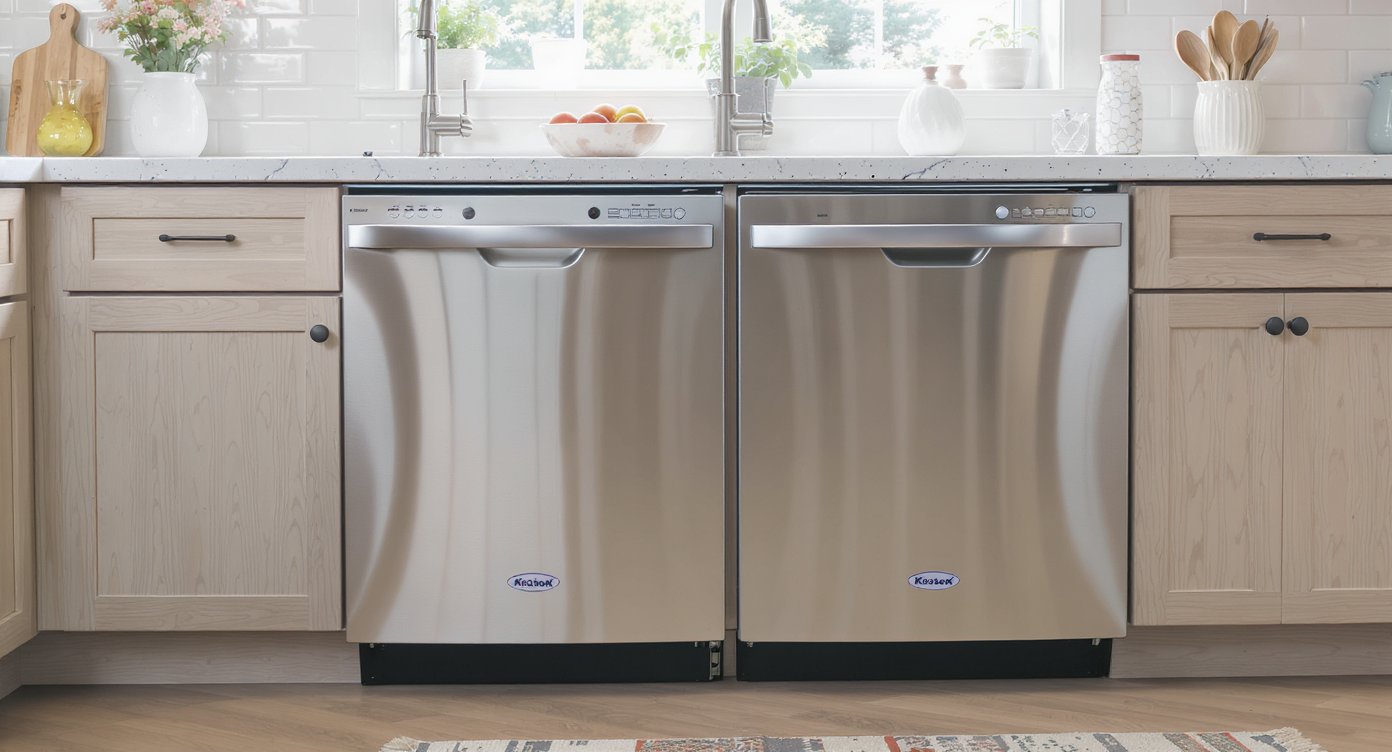
Modern kitchen with twin dishwashers: one with hidden controls and subtle floor lighting, one with visible front-facing buttons and slight smudges.
Picture a newly remodeled kitchen with twin dishwashers—one with hidden top-mount controls and the other with traditional front-facing buttons. Throughout the day, a variety of family members interact with both models. The hidden-control dishwasher boasts a pristine facade, interrupted only by subtle floor lighting. The front-control appliance offers quick cycle checks, but shows fingerprints and attracts the occasional accidental press. As everyone moves about, each user instinctively favors the machine that fits their rhythm—parents preferring minimized kid-interference, teens opting for quick reads, and the grandparents thankful for the easy-to-see panel. This simple contrast highlights how a single detail can alter the kitchen’s usability for years to come.
Visualization Scenario
Envision a kitchen renovation where you lay out side-by-side mockups of two dishwashers: one flaunting a bare, seamless front with a single illuminated dot projected onto the hardwood floor, the other showing an orderly row of labeled buttons and a digital countdown. In the model kitchen, you invite friends of varying ages and abilities to interact with both. You quickly observe that for some, a quick glance is all they need for peace of mind, while others relish the uninterrupted panels that fade into the backdrop. The experiment neatly underscores how the smallest of design details echo through days and years of use.
FAQs on Dishwasher Controls and Kitchen Usability
- Are hidden-control dishwashers harder to operate?
Not inherently. Most models require deliberate button presses to start and don’t power on accidentally. However, those who frequently check status or prefer visible controls may find them less intuitive. - Do hidden controls impact dishwasher durability?
There is little firm evidence that control placement alone affects lifespan, though concerns exist about electronics placed near heat. Choose high-quality brands and confirm warranty coverage regardless of control style. - How can I tell if my hidden-control dishwasher is running?
Many models use subtle indicators like floor-projected lights, chimes, or app alerts. Consider adding a clean/dirty magnet for extra clarity. - Is there an accessibility difference between front and hidden controls?
Yes. Visible, front-facing controls may be easier for those with vision or mobility needs. Evaluate your household and long-term requirements before deciding. - How can I explore both aesthetic and functional kitchen layouts before renovating?
Use virtual staging tools such as ReimagineHome.ai to preview different appliance choices and ensure your space meets all visual and practical needs.
Key Takeaways for Future-Proof Kitchen Design
Hidden-control dishwashers are emblematic of the broader push toward seamless, visually calm kitchens, but every aesthetic decision carries practical consequences. Models with concealed controls deliver a clean look and help defend against accidental kid (or party guest) activations, but can create usability issues for those who crave direct tactile feedback or rely on visual status cues. For anyone planning a kitchen update, interrogate the ways your own routines interact with these design details. Prioritizing honest self-assessment over a one-size-fits-all approach leads to kitchens that work beautifully every day. For inspiration and visualization tools that bridge the gap between design aspiration and liveable results, consider exploring ReimagineHome.ai as you plan your next renovation.