Preventing Dishwasher Installation Errors: What Homeowners Need to Know
TL;DR
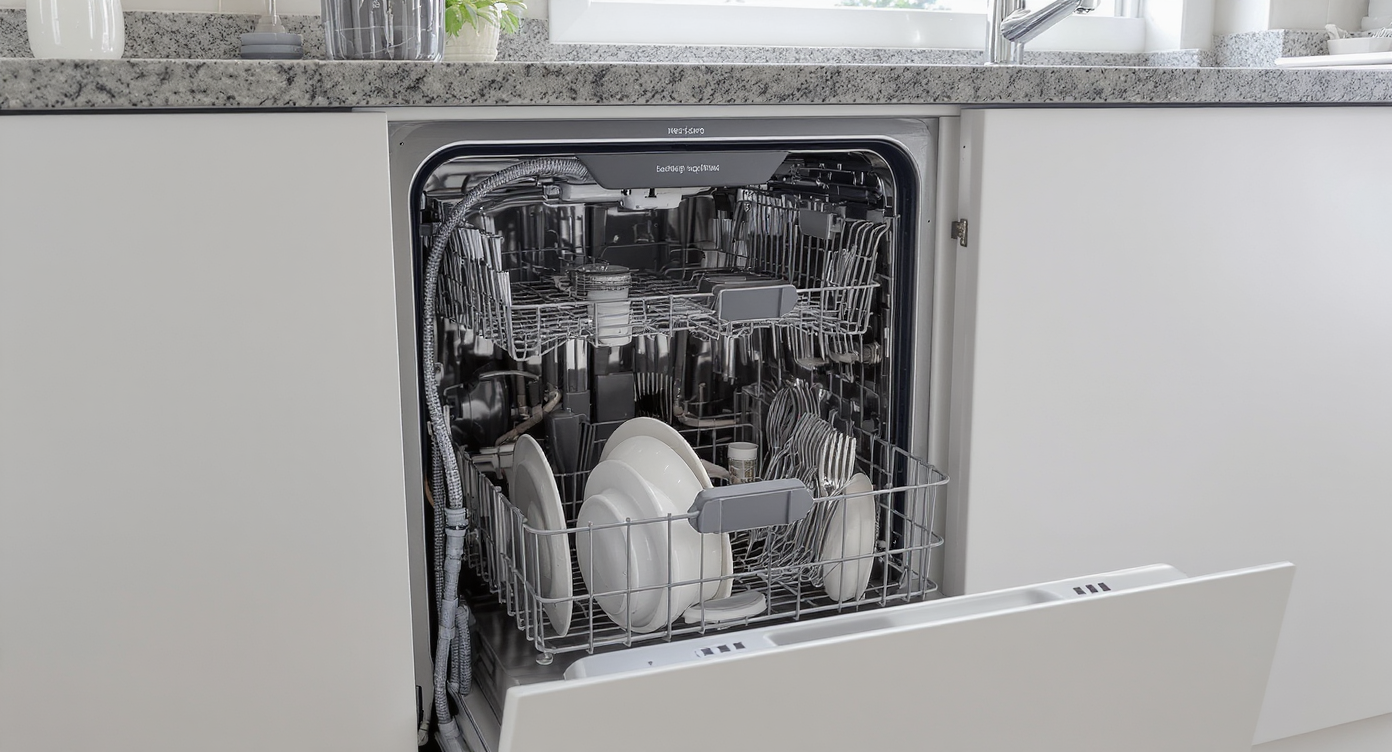
Dishwasher installations often go wrong due to overlooked electrical code, poor wiring choices, and lack of planning for future replacements. Ensuring your dishwasher is connected with a proper outlet or hardwired per modern standards protects safety, simplifies maintenance, and helps you avoid mistakes that many homeowners regret. Here’s how to get it right and what to avoid.
Why Proper Dishwasher Installation Matters
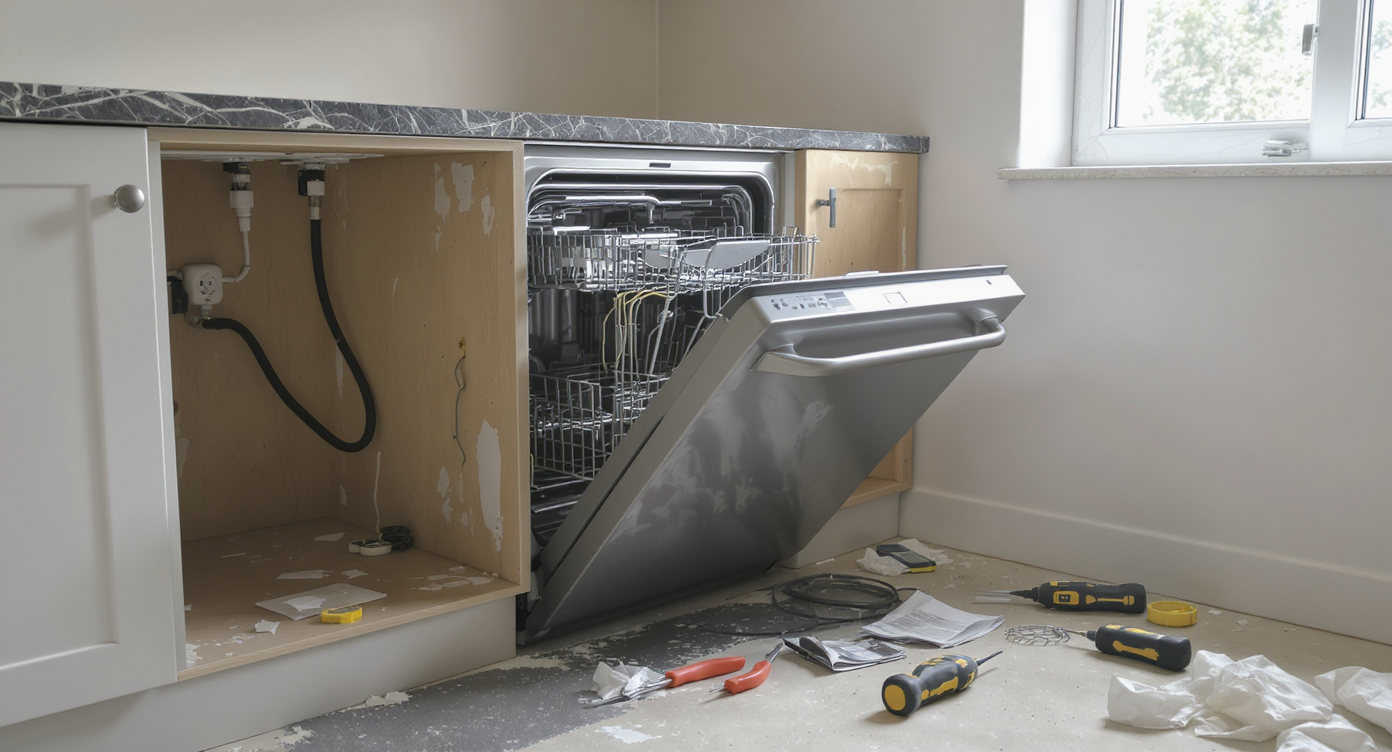
A lifelike kitchen renovation scene reveals a half-installed dishwasher with exposed wiring and a difficult-to-access outlet behind it.
Few home improvements seem as straightforward as replacing a dishwasher, especially when a renovation conveniently coincides with the need for a new appliance. Yet in practice, DIY home improvement mistakes homeowners regret most often include missteps made during what should be simple remodel projects. One of the most common issues? Electrical connections that miss the mark for both code and common sense, leading to headaches, hazards, and costly fixes down the road. A poorly installed appliance doesn’t just risk efficient operation. It can place homes and people at risk. From nicked wires behind drywall to outlets that are impossible to reach, the repercussions of small errors quickly snowball. Understanding the pitfalls and the right approaches is essential for homeowners—whether you’re hiring help or tackling the work yourself.
-
The Shift from Hardwiring to Plug-In Convenience
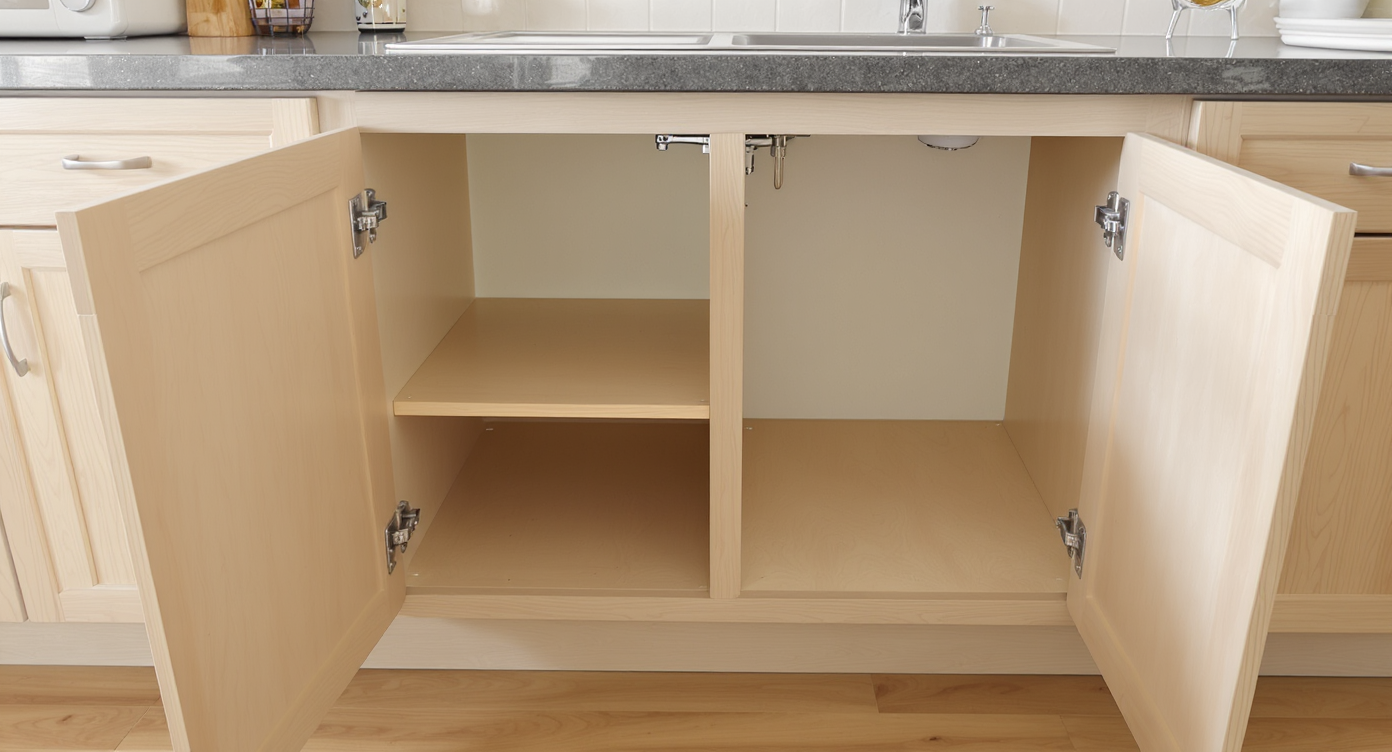
A dishwasher's power cord plugged into a dedicated GFCI outlet in a kitchen cabinet, showing updated, code-compliant installation.
Decades ago, dishwashers were typically hardwired directly into a home’s circuit, with installers running electrical lines into the appliance’s built-in junction box. This method left little room for error but even less flexibility for future appliance swaps. Homeowners who inherited this setup have often encountered short wires, inconvenient connections, or, worse, quick fixes involving extension cords and tape that are neither safe nor up to code. Today, most major manufacturers provide dishwashers with the option to connect via a standard power cord. This evolution aligns with updates in electrical codes and the growing expectation that kitchen projects support both functionality and maintainability. Designers increasingly recommend placing a GFCI-protected outlet in a nearby cabinet—often under the sink—so appliances can easily be unplugged or replaced without invasive electrical work. The benefits are clear: increased safety, future-proofing for new models, and straightforward troubleshooting if repairs are needed.
Expert Insight
While helping a neighbor replace an outmoded dishwasher, a homeowner was surprised to find not only loose wiring but also mold and hidden water damage—direct results of a hasty installation years prior. Though the repair took longer than expected, correcting the wiring, replacing damaged wood, and finally connecting the dishwasher with a proper power cord and GFCI outlet left the kitchen both safer and easier to maintain. It was a lesson in the hidden costs of shortcuts and the value of getting the details right.
-
Common Wiring Errors (and Why They Matter)
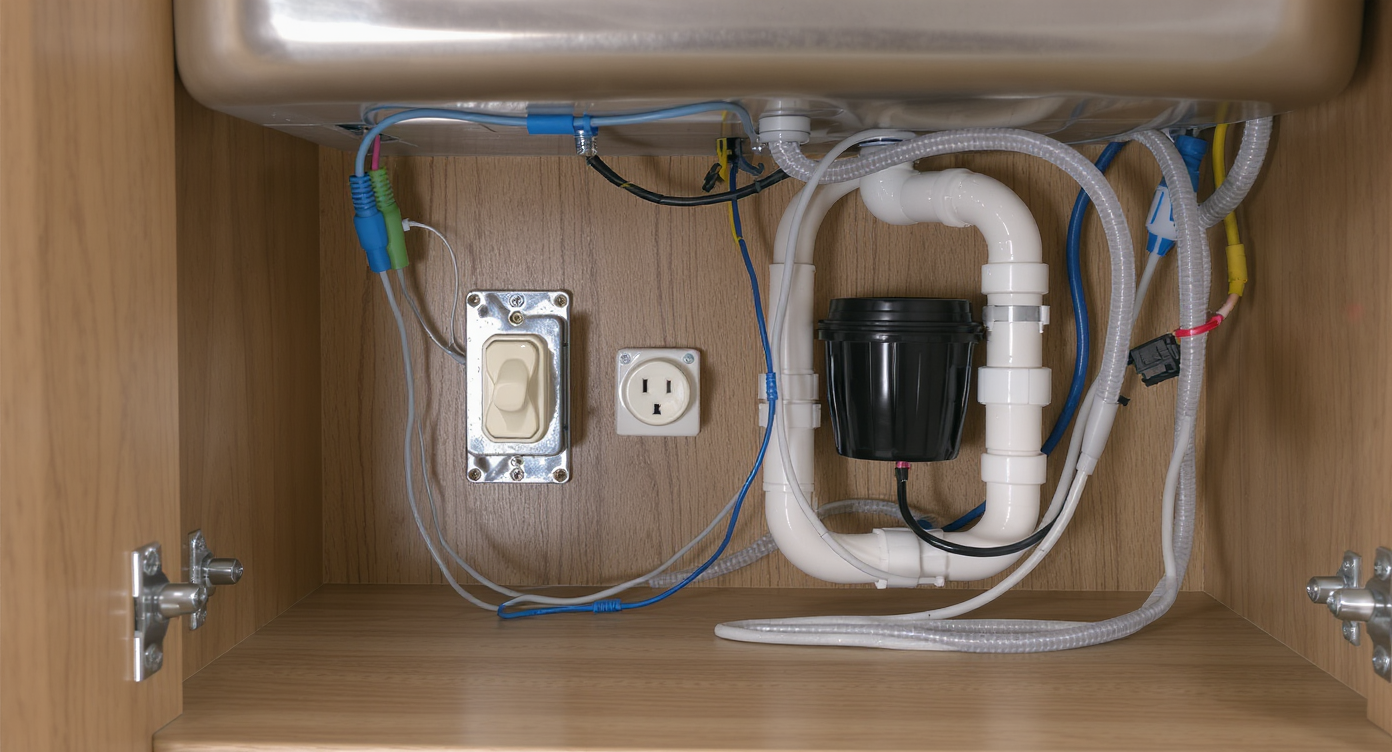
Safe, code-compliant wiring: outlets for a dishwasher and garbage disposal housed securely inside a covered electrical box under the sink.
Despite accessible options, many installations still go wrong at the wiring stage. Perhaps the original wire is just a bit short, encouraging a shortcut with an inexpensive extension cord. Or wire nuts are fastened together outside a protective box, then covered with little more than a layer of tape—hidden hazards that linger until someone uncovers the issue during a routine replacement. Designers and experienced homeowners caution that every wire connection needs to be contained within a proper electrical box with a secure cover and strain relief. Not only does this satisfy code, it serves to prevent shorts, moisture intrusion, or accidental shocks. In newer homes, you’ll often find dedicated outlets, carefully placed to accommodate both the dishwasher and the garbage disposal in a single cabinet cavity. This is intentional: outlets must remain accessible for servicing or emergency shutoff. If you’re renovating or troubleshooting a recent install, check for GFCI outlets—an increasing requirement as water and electricity share space below your countertop.
-
Code Compliance and Planning for the Future
Modern codes reflect the importance of convenience, safety, and liability. National guidelines in the US shifted in 2014 to allow (and in some areas, require) dishwashers to be equipped with cord and plug connections instead of permanent wiring. This makes it possible to swap out old appliances with minimal disruption, provided the installation meets other code requirements. For example, the outlet must be GFCI-protected, and any exposed wiring or connections need to be concealed within rated electrical boxes. If your kitchen wasn’t designed for this, it may mean opening a wall, adding an outlet, or running new wiring. While these extra steps might seem unnecessary in the short term, they save significant frustration the next time you or a future homeowner must upgrade appliances or address faults. As design professionals often remind clients, a remodel that anticipates future needs—whether it’s energy codes, larger appliance cutouts, or safe electrical access—is money well spent.
-
Anecdote: The Cost of a Shortcut
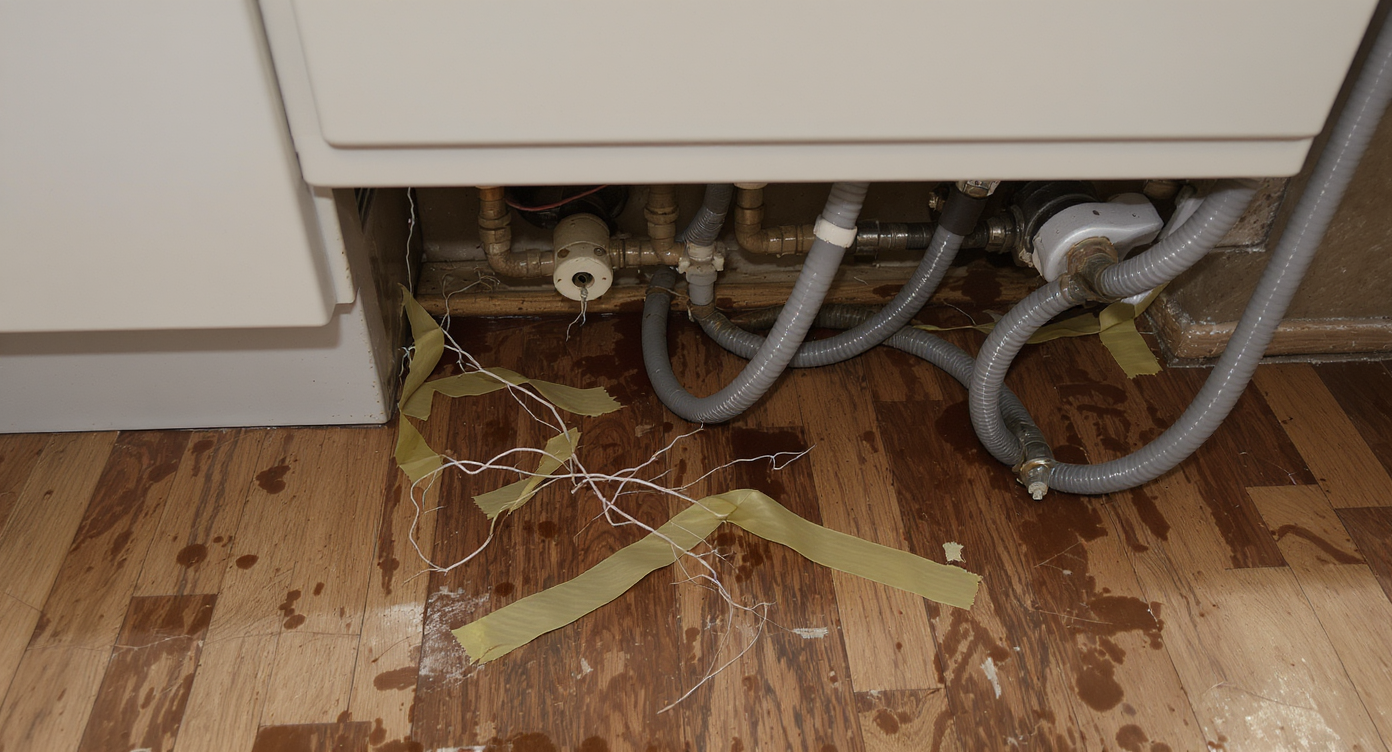
Unprotected wiring sealed only with tape lies on warped, water-stained flooring behind a dishwasher, illustrating costly shortcut repairs.
Consider the experience of a homeowner who discovered, during a routine appliance swap, that their previous installer had joined two wires with nothing more than electrical tape behind the dishwasher. At first glance, the setup appeared functional, but years of minor leaks from both the dishwasher and its plumbing had introduced moisture to the very spot where makeshift wiring sat unprotected. The ultimate cost? Not only the hassle of replacing melted insulation and tracing hidden wiring, but repair bills for a floor warped by years of undetected water exposure—a series of small shortcuts, culminating in an expensive lesson.
-
Common Mistakes to Avoid
Many remodel projects, especially those involving major appliances, fall into the same preventable traps. Using an ordinary extension cord for a permanent installation, making unsheltered wire-splice connections, or failing to include a GFCI outlet can all compromise both safety and code compliance. Avoiding these errors means treating each step—from electrical run to securing wires in protective boxes—as foundational to your kitchen’s operation and your family’s peace of mind. As one maintenance supervisor from a large property management company noted, professionally managed apartments always feature a half-hot receptacle beneath the sink: one side controlled for the garbage disposal, the other always live for the dishwasher. This approach allows for swift, safe appliance change-outs but also encapsulates the logic behind decades of evolving best practices.
-
Tips and Expert Insights
Experienced electricians and designers recommend these practical steps: Start by inspecting the layout behind and under your dishwasher. If you see an old Romex cable poking through a rough-cut hole, invest the time to install a proper junction box. Plan for outlet placement where it will remain accessible yet unobtrusive—usually in the adjoining cabinet. Use an appliance-rated power cord of suitable gauge (at least 14/3) and never surpass code-mandated lengths, which generally limit corded connections to six feet. Finally, always test for GFCI protection yourself or confirm it with a qualified professional. Real-world scenarios often present a twist: a homeowner pulls out a dishwasher only to discover the machine must be hardwired, but the new appliance expects a plug. In such a case, the simple addition of a GFCI outlet and a compatible appliance cord brings both compliance and convenience. For unique kitchens—tight corners, multiple close appliances, or historic wiring—consult an electrician before improvising. Investing in a precise, up-to-code solution rarely disappoints.
-
How to Use This in Your Next Designs
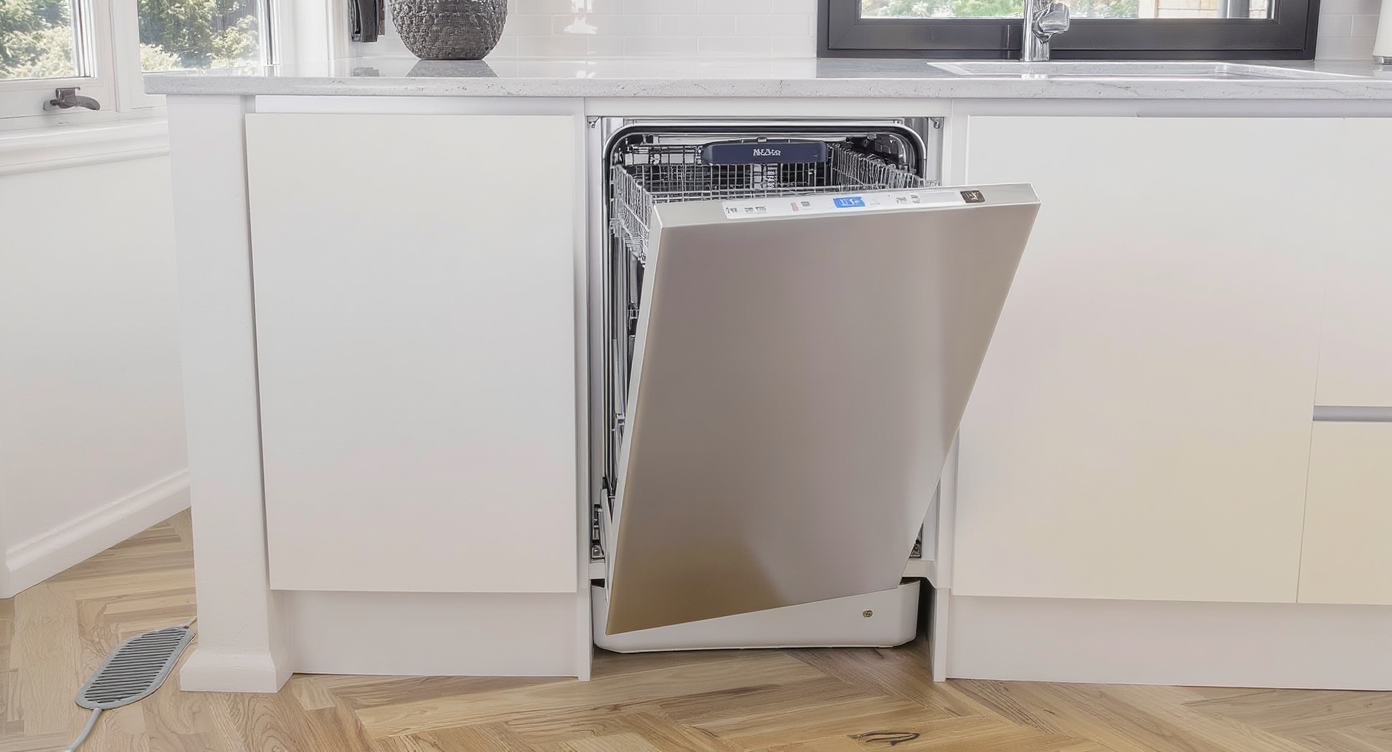
Future-proofed kitchen design with accessible dishwasher hookup, protected wiring, and enough working space for safe installations.
Whether you’re planning a full kitchen remodel or just updating appliances, use this opportunity to future-proof your space. Think about not just the new dishwasher but the likelihood you’ll replace it again in five or ten years. Design with accessible outlets, enough working space for appliance maneuvering, and protected wiring. For DIYers: never rush a shortcut, especially when working around water and electricity—these remodel projects are only as good as the planning and care behind them. When in doubt, reach out to a local electrician familiar with current codes and best practices.
-
Visualization: A Thoughtful Kitchen Retrofit
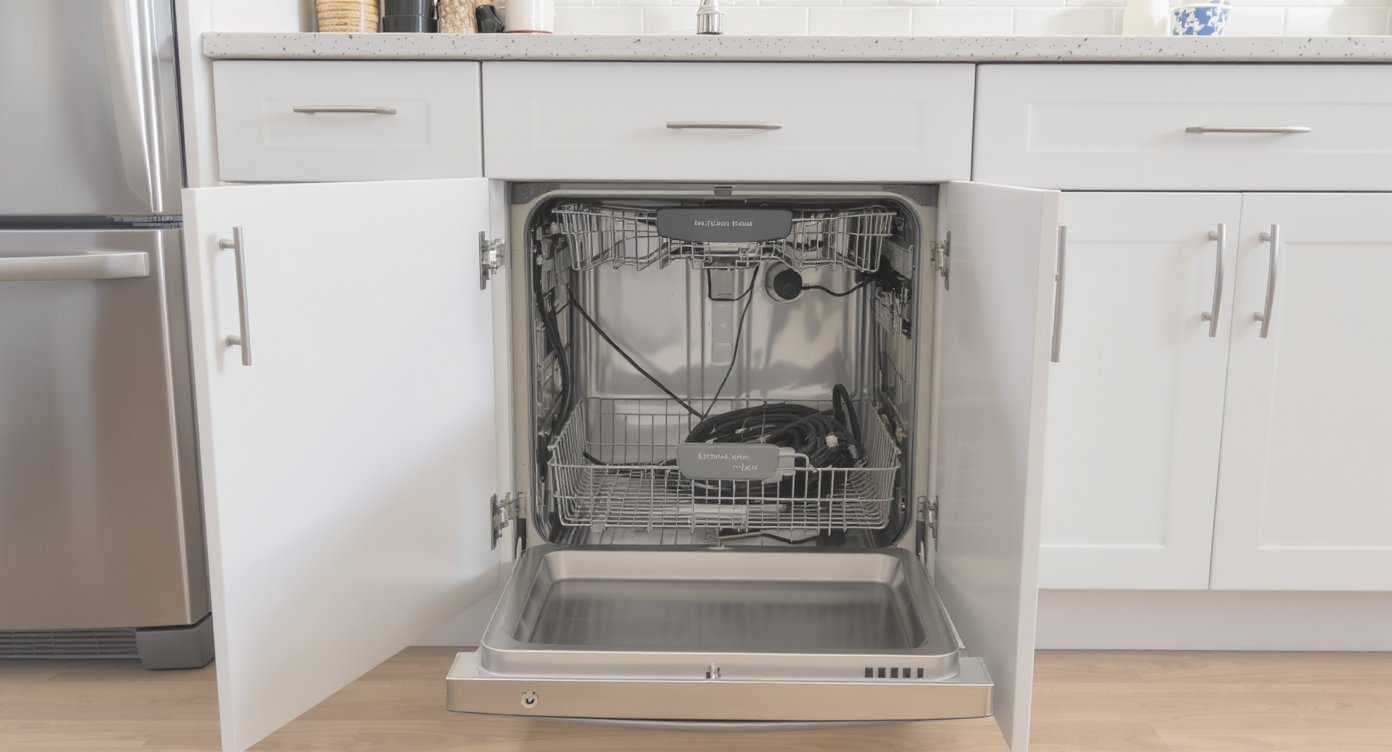
A thoughtful retrofit: new sink-area GFCI outlet and concealed wiring enable safe, future-proof dishwasher installations in refreshed cabinetry.
Picture a modest kitchen, its cabinetry recently refreshed but appliances showing their age. When the time comes to slide out the tired old dishwasher, the homeowner discovers a tangle of too-short wire and improvised connectors. After some research and a consult with a licensed electrician, an accessible GFCI outlet is added beneath the sink, along with a sturdy appliance cord matched to the new unit. The replacement slips easily into place, wires are safely hidden from moisture, and the homeowner enjoys the peace of mind that their investment will make future updates—and everyday use—far simpler and safer for years to come.
Visualization Scenario
Imagine completing a light-filled kitchen update, everything pristine and orderly, right until you reach the dishwasher install. Instead of the chaos of found extension cords and guesswork, there’s a clearly marked outlet within reach inside the cabinet, a proper appliance cord neatly looped, and all electrical boxes closed tight. The dishwasher glides into place, with no need to force, reroute, or cross fingers—a future-ready solution that simply works.
FAQ: Dishwasher Installation Best Practices
For most kitchens, the safest and easiest option is to install a GFCI-protected outlet in a nearby cabinet (often under the sink), and connect the dishwasher using an appliance-rated power cord.
Can I use an extension cord to make my dishwasher reach the outlet?
No, never use a standard extension cord for a permanent appliance hook-up. Use only appliance-rated cords in the correct gauge and keep all connections within proper electrical boxes.
Where should the outlet for a dishwasher be placed?
The best location is in an adjacent cabinet with easy access for servicing—most commonly under the kitchen sink, away from sources of potential leaks.
How do I know if my installation is up to code?
Check that all connections and splices are inside approved junction boxes, outlets are GFCI-protected, and the power cord is the proper type and length. Local codes may vary, so consulting with a licensed electrician is wise.
Where can I find ideas for a safer, smarter kitchen renovation?
Explore ReimagineHome.ai for planning strategies, visualizations, and expert advice.
Investing in Safe, Future-Proof Kitchen Upgrades
Mistakes with appliance installations can easily undo even the most beautiful kitchen upgrades. The best remodel projects avoid errors by embracing thoughtful planning and code-compliant connections, particularly when dealing with water and electricity in close quarters. Whether you’re handling the work yourself or relying on professional installers, clear expectations, a focus on long-term accessibility, and adherence to today’s safety standards ensure your efforts withstand both wear and future innovation. For smart design ideas and more DIY support, visit ReimagineHome.ai.