10 Decisions for Styling an Empty Bedroom Corner That Balance Layout and Visual Flow
TL;DR
An empty bedroom corner creates uncertainty for many homeowners but filling it blindly increases layout regrets. This guide uses measurable decision rules, proportion logic, and visualization methods so you can select the right solution for your specific bedroom size and needs, not just fill space arbitrarily. Learn when to add, what to avoid, and why sometimes the smartest move is restraint.
-
01. Assess Whether the Corner Should Remain Empty
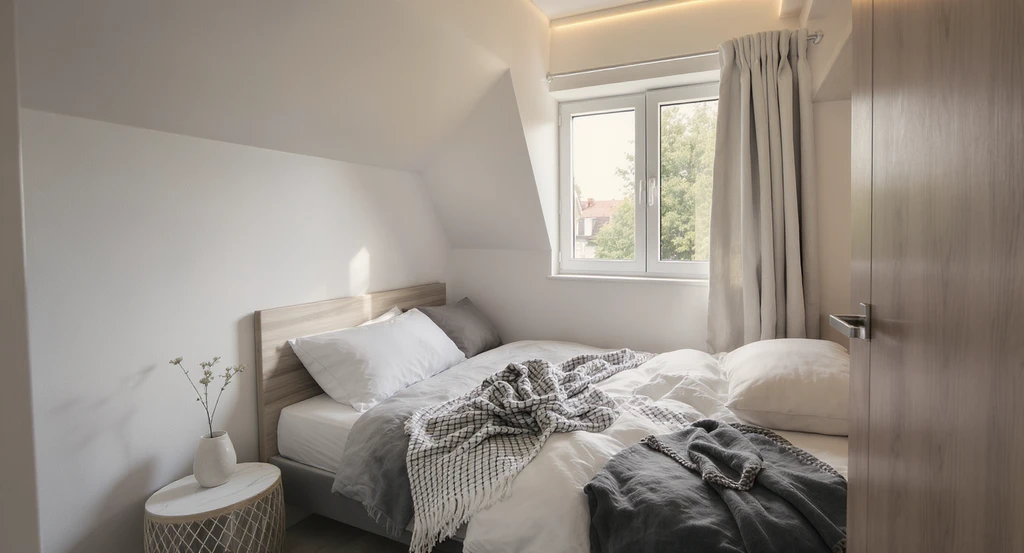
01. Assess Whether the Corner Should Remain Empty Image
Leaving a bedroom corner intentionally empty can enhance perceived spaciousness and clarify circulation paths, especially in rooms under 10x10 feet. This approach works because visual relief—open areas with no furniture—prevents a crowded look and reduces cognitive overload. Before making a decision, apply the "Corner Function Evaluation Structure": assess walking clearances, visual balance, and whether an empty space improves the layout’s flow. In compact bedrooms, as explored in our guide on small bedroom layout, open floor areas are not wasted—they are a strategic choice for psychological comfort and easy movement. The trade-off: leaving a corner empty reduces usable storage or seating but boosts calm and flow.
-
02. Use a Vertical Storage Solution for Tight Spaces
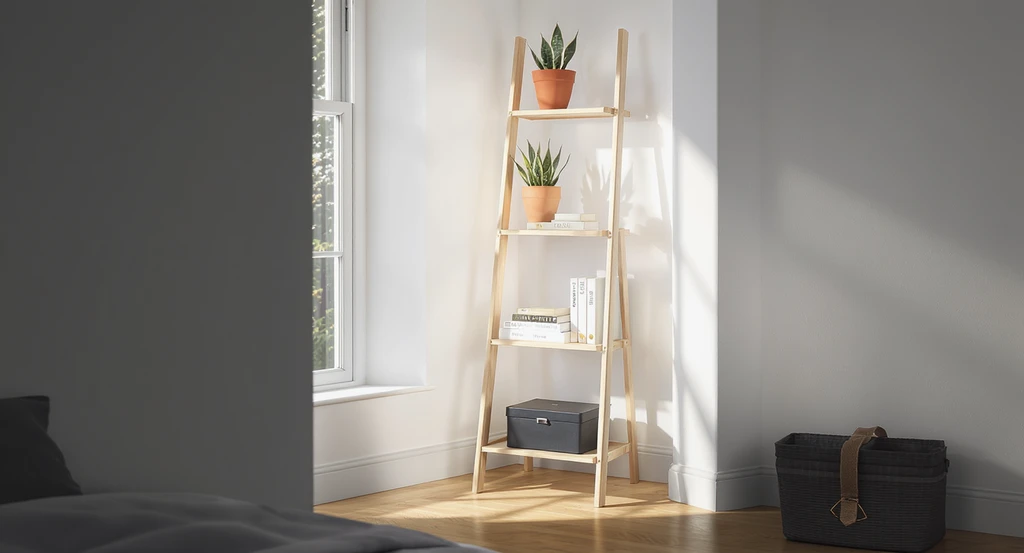
Vertical storage solutions like this slim ladder shelf show how to style an empty bedroom corner, balancing layout and visual flow in small spaces.
A tall narrow bookshelf, cabinet, or ladder shelf provides functional storage without claiming valuable floor space. This leverages verticality a spatial reasoning method that maximizes utility in rooms where width is scarce and minimizes visual weight at eye level. A measurable rule-of-thumb: furniture for corners in small bedrooms should not exceed 16 inches in depth. Vertical storage maintains openness at the base, avoids blocking natural light, and supports organizing needs in minimal square footage—see the vertical storage logic applied in our 2025 small bedroom ideas. The main trade-off: while you gain storage, tall items draw the eye upward and may compete with low ceilings, so adjust proportion to room height.
-
03. Install Floating Corner Shelves for Subtle Function
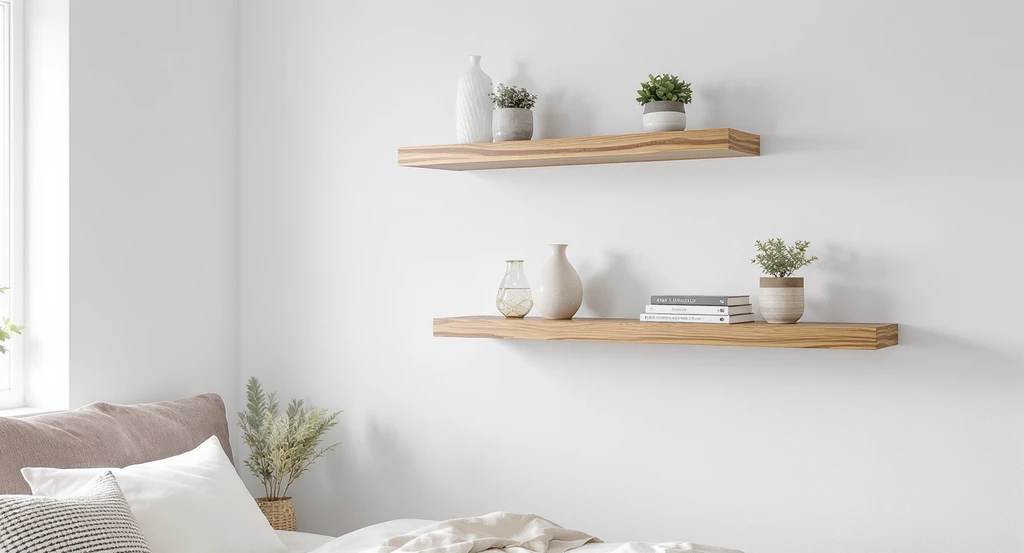
Floating corner shelves installed at staggered heights demonstrate how to style an empty bedroom corner—one of the best ideas for awkward bedroom corners. This vertical storage solution balances layout in bedroom design by keeping floor space open while adding functional display.
Floating shelves in a bedroom corner supply storage and display space without crowding or interrupting floor circulation. Installation keeps sightlines clear, making even narrow bedrooms feel more open. Spatially, floating shelves break up hard edges and provide a sense of layering, which visually softens sharp corners—while maintaining accessibility for smaller items or décor. A non-obvious insight: shelves at staggered heights distribute visual weight and avoid "stacked box" syndrome. The trade-off: floating shelves require careful height placement (typically 36–52 inches off the floor) so they don't interfere with bedside access or create head bump risk.
-
04. Add a Statement Indoor Plant for Soft Vertical Balance
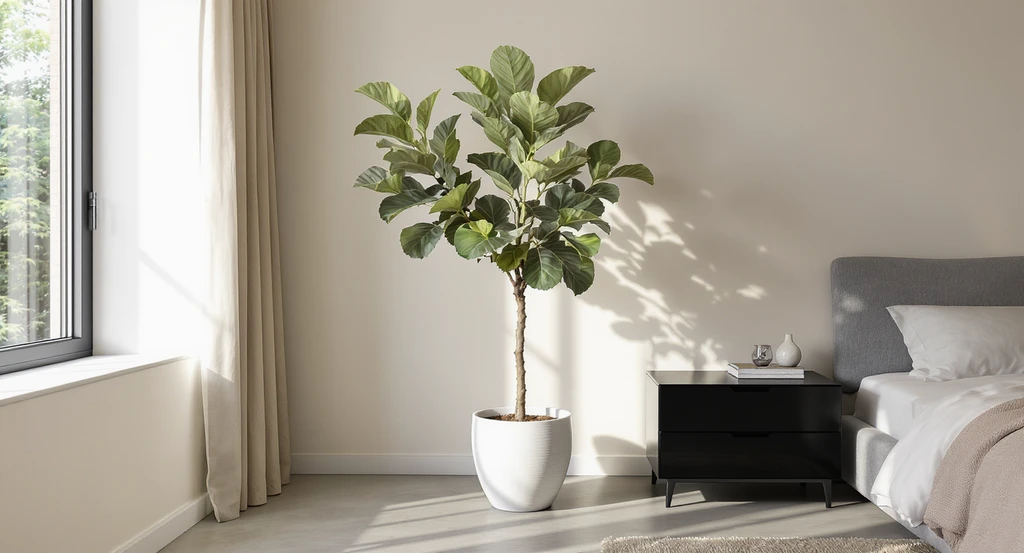
Styling an empty bedroom corner with a vertical indoor plant—like a fiddle leaf fig—softens harsh edges and offers a smart solution for balancing bedroom layout in awkward or small rooms.
Placing a tall indoor plant in a bedroom corner introduces movement and organic form, softening otherwise stark architectural edges. Plants such as fiddle leaf fig or snake plant anchor the space vertically and add a restorative psychological effect, especially in rooms with limited natural views. According to our guide on small bedroom comfort, greenery also works as a soft visual boundary between furniture and walls. However, be mindful—plants need sufficient ambient light and can block windows if poorly sited. As a measurable rule, ensure at least 12 inches clearance between plant base and adjacent furniture for optimal growth and air flow.
-
05. Place a Floor Mirror to Increase Light and Perceived Size
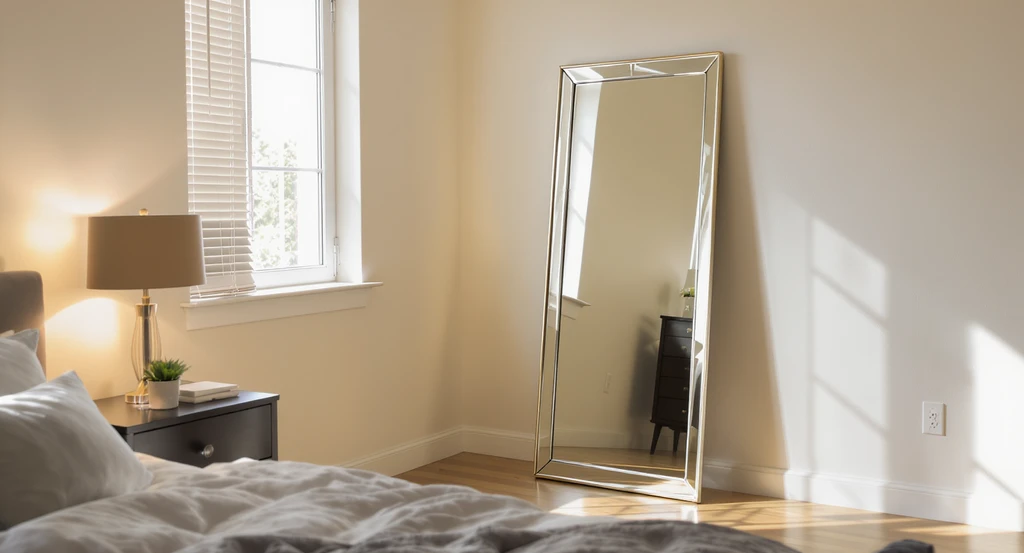
A tall floor mirror leaning in an empty bedroom corner is one of the best ideas for awkward bedroom corners, boosting light and balancing layout effortlessly.
A tall leaning or wall-mounted mirror in a corner reflects both natural and artificial light, making the room feel larger and more balanced. Mirrors maximize brightness with no floor footprint and distribute visual weight upward. Scale matters: a mirror’s vertical edge should be at least 70% of the wall height for maximum elongation effect. Common belief suggests mirrors only aid vanity function, but their primary spatial role is in amplifying and redirecting light while balancing heavy furniture on the opposite side. The limitation: in very small rooms, mirrors facing clutter create a "doubled mess" effect keep reflected zones clear.
-
06. Design a Reading Nook Only If Floor Plan Allows
You should add a reading chair and lamp only if there’s at least 24–30 inches of clear circulation around the bed and entryways. This preserves movement and prevents furniture gridlock, particularly in rooms above 120 square feet. Reading nooks provide psychological comfort, especially if placed near windows for natural task lighting. However, in compact rooms, chairs often reduce ability to open closet doors or drawers so check proportions using the "Minimum Clearance System" before committing. A corner reading nook adds function but may look forced or feel cramped if circulation is ignored. Visual previews can show immediately if a nook feels inviting or awkward within your actual layout.
-
07. Install a Corner Vanity for Multi-Use Bedrooms
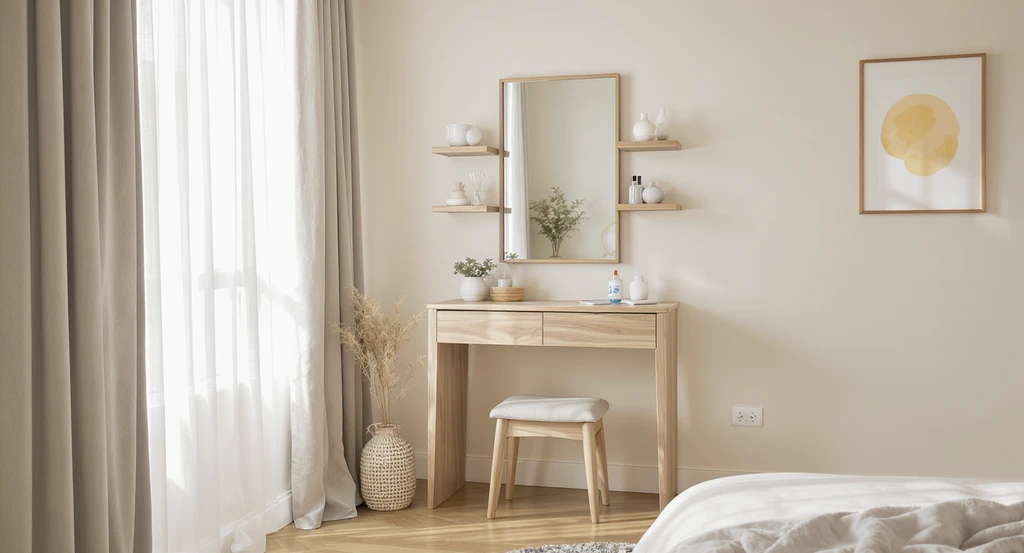
A small corner vanity with vertical shelves and a wall-mounted mirror maximizes storage while keeping the corner open—showing the best ideas for awkward bedroom corners, how to style an empty bedroom corner, and balance layout in bedroom design.
A compact corner vanity with a wall-mounted mirror and slim stool offers practical function without disrupting room balance ideal for bedrooms with limited dressing/storage zones. Effective vanities are typically 18–24 inches deep, allowing use even in modest corners. The psychological benefit: defined personal zones reduce morning routine friction. However, the trade-off is potential visual clutter avoid heavy drawer units and rely instead on wall storage, as in the alcove adaptation methods explained in this smart alcove guide. Visualizing the setup before buying ensures the stool and vanity don’t block access or look shoehorned.
-
08. Allocate the Corner to Lighting -Not Furniture-If the Room Feels Flat
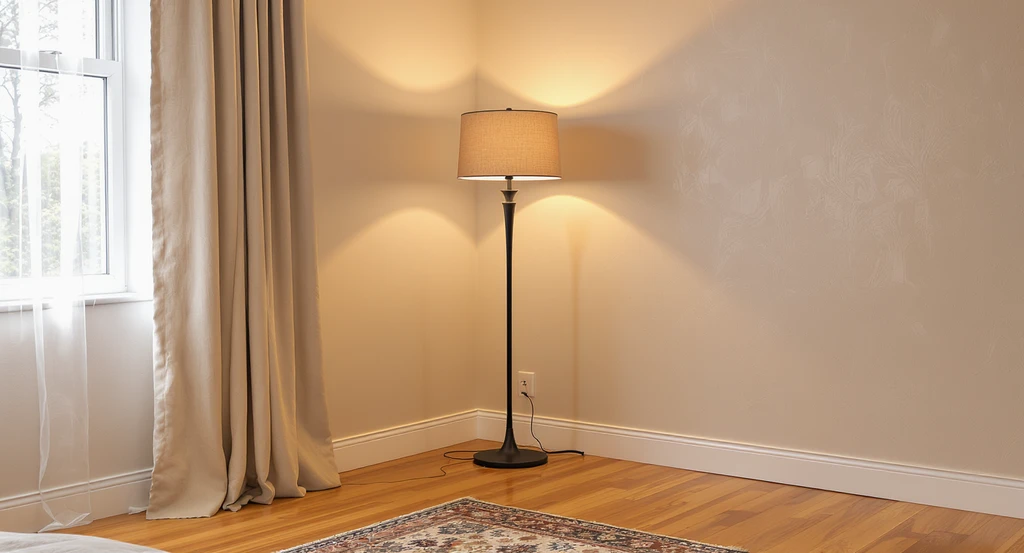
One of the best ideas for awkward bedroom corners is leaving the corner intentionally empty and using warm lighting to balance layout and cozy up the design.
Opt for a floor lamp, corner pendant, or LED uplight in a bedroom corner when the space lacks depth or feels visually cold. Strategic corner lighting addresses both mood and perceived room dimensions, making it easier to create cozy, layered zones without adding new furniture. As established in our guide to lighting, color, and scale, warm light (2700K) adds the most inviting atmosphere. The trade-off: lighting alone won’t solve function gaps (storage, seating), but it enhances comfort and visual finish.
-
09. Use a Storage Bench or Ottoman for Flexible Seating in Large Bedrooms
Only introduce a storage bench or ottoman if the room offers ample space (typically at least 36–40 inches of corner width) and predictable circulation. These pieces combine hidden storage with seating best placed near a closet or window. The downside: in too-small rooms, benches often block drawer or closet access and add unnecessary mass. Choose upholstered, low-profile benches to avoid overpowering the corner and maintain proportional depth. Use preview tools to visualize bulk before purchase, supporting action-ready decision-making with confidence.
-
10. Use Visualization Tools to Reduce Regret Before Any Corner Change
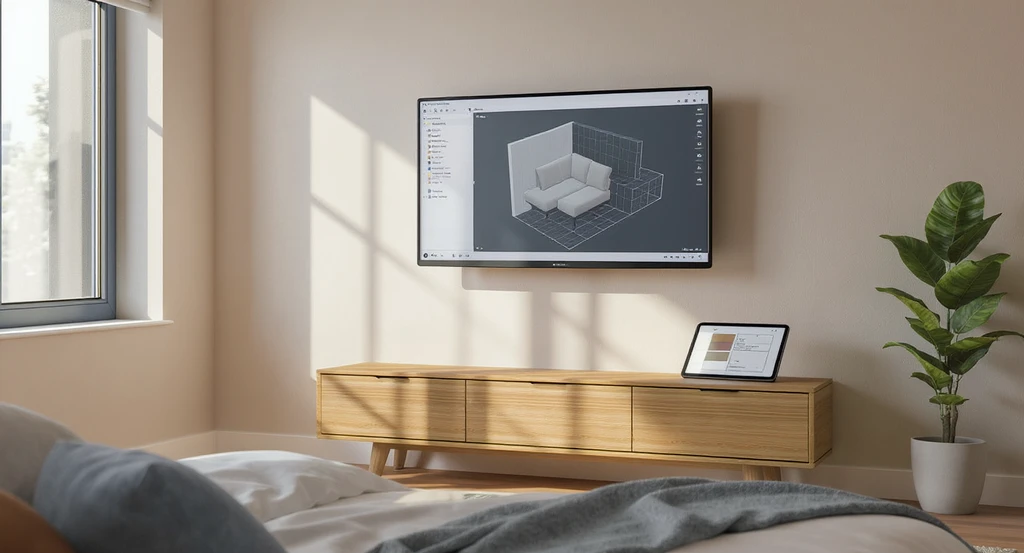
Preview how to style an empty bedroom corner and explore the best ideas for awkward bedroom corners using visualization tools before making changes, ensuring balance, light flow, and functional fit in bedroom design.
Before committing time or budget, use a realistic visualization-REimagineHome AI , approach to preview how any corner element (or empty space) alters balance, light flow, and circulation. Uncertainty about sizing, color impact, and functional fit is highest when corners are left to guesswork. Visual previews—like those offered by ReimagineHome—transform uncertainty into clarity, making it easier to commit to purchases without fear. Most homeowners assume regret arises from poor product quality, but in practice it results from layout and scale mismatches. Realistic visualization reduces second-guessing by making decision consequences visible before finalizing design moves.
Quick FAQ: Bedroom Corner Solutions
- What is the best way to style an empty bedroom corner? The optimal solution depends on room size and flow; use vertical storage, corner lighting, or keep it empty for visual relief in small rooms.
- Should I leave my bedroom corner empty? Many bedrooms benefit from intentionally empty corners, especially if extra furniture would compromise circulation or crowd the space.
- How can I avoid making a corner feel cluttered? Limit any corner to a single, purposeful element and ensure at least 24 inches of surrounding clearance to maintain openness.
- Can visualization apps help avoid bedroom design regrets? Yes, visualization apps preview how new additions or blank space affect overall layout, light, and balance, supporting better decision-making.