8 Practical Ways to Fill Space in a Kids’ Bedroom Without Creating Clutter
TL;DR
Empty space in a kids’ bedroom is an opportunity for smarter planning, not more décor. The right layout, zoning, and balance between storage, play, and furniture will help the room feel purposeful and cozy while keeping the area open for growth and change.
Why Kids’ Bedrooms Feel Empty, and Why That's Not Always a Problem
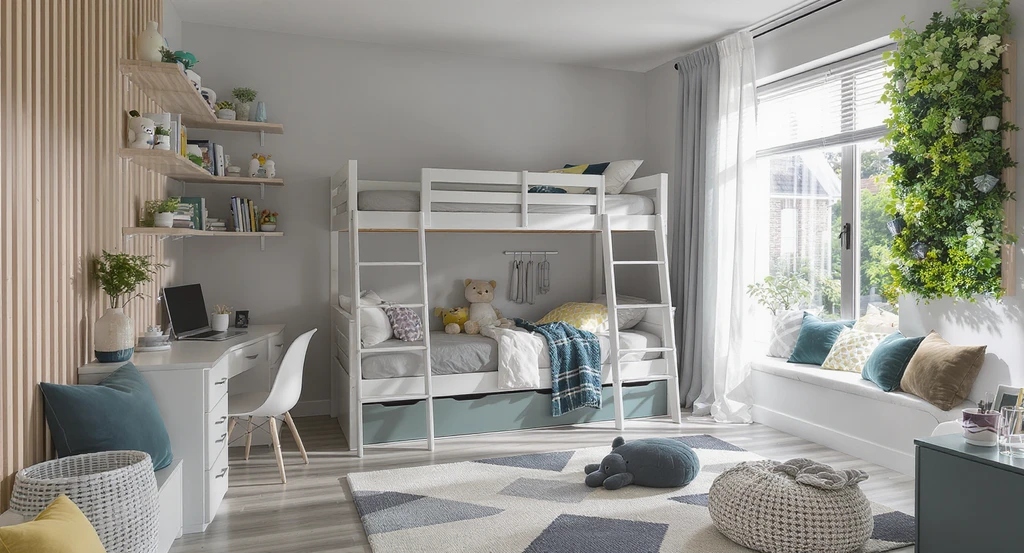
Discover how ai home design ideas for kids bedrooms and virtual staging ai for play zones can help you structure a child’s room without creating clutter. See how ai powered room visualization for children, best ai tools for kids room decor planning, and how to use ai for kids bedroom layout can transform empty spaces into purposeful zones.
Many parents notice empty stretches in their kids’ bedrooms and worry the room feels unfinished. But simply adding more furniture or decoration often leads to clutter instead of comfort. The real key is filling space with function and flexibility, never just filling it for the sake of it. Effective space planning starts by thinking about how the room is used. Dividing the area into clear zones (for sleep, play, and study), using vertical storage, and reserving space for growing needs turns a seemingly empty room into a genuinely useful one. As highlighted in our guide on how to maximize storage in a 10x10 kids' bedroom, every inch can be put to use with the right strategy. Here’s how to do it without creating visual chaos.
-
01. Start With Clear Zones Instead of Random Furniture
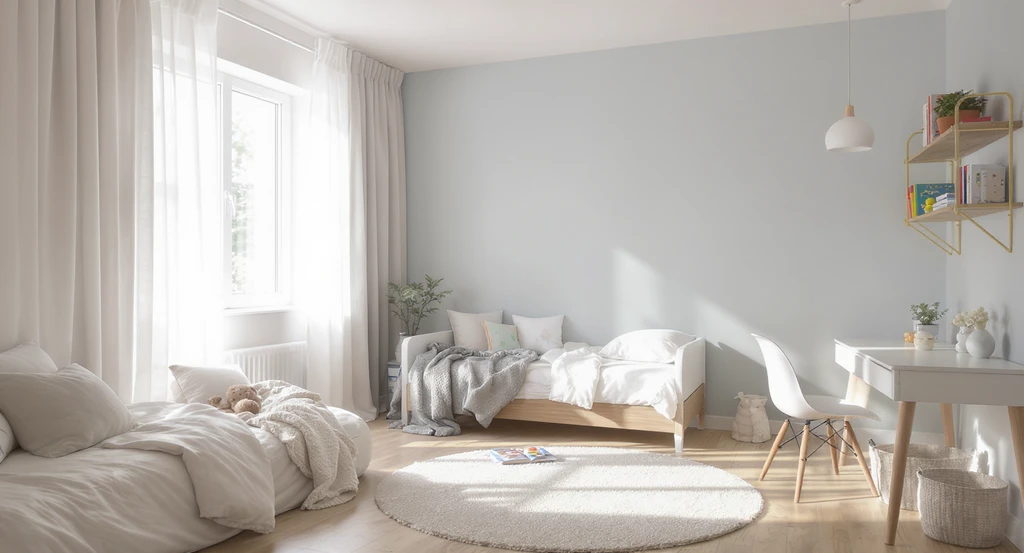
Smart zone planning using ai home design ideas for kids bedrooms: ai powered room visualization for children clearly shows how to use ai for kids bedroom layout, with virtual staging ai for play zones and the best ai tools for kids room decor planning in action.
The most common mistake parents make is pushing all furniture against the walls, which leaves a large, empty center and undefined function. This often happens because it’s assumed that less in the middle means more play space, but it usually just makes the room feel unfinished.
Correct this by clearly defining zones for sleeping, play, study, and storage. Assign space for each activity, even in a small room. Area rugs are an effective way to visually "draw" these zones without more furniture. This approach provides structure and fills space intentionally, helping kids understand where everything belongs, see more zoning ideas in our roundup of small bedroom comfort solutions.
-
02. Fill Space Vertically, Not Just Horizontally
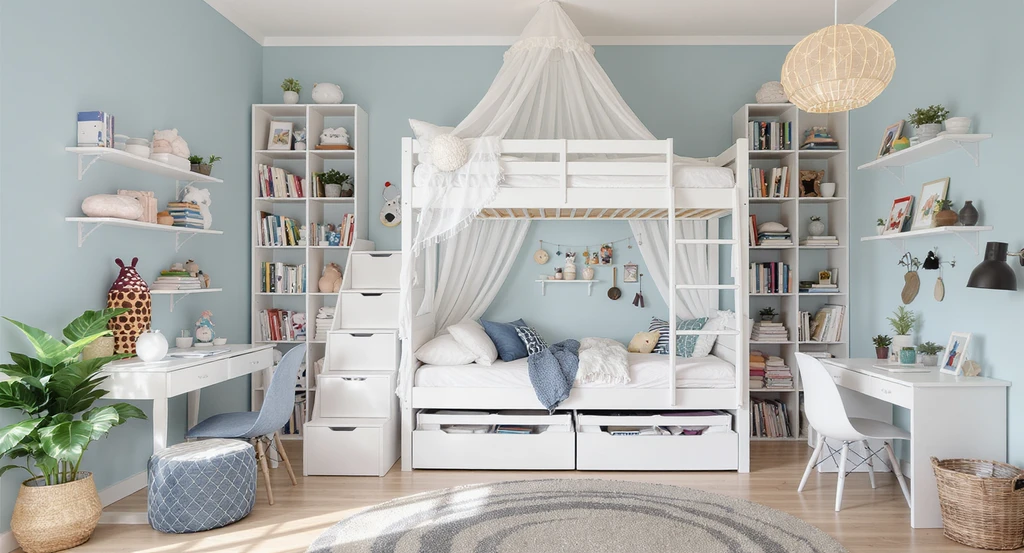
02. Fill Space Vertically, Not Just Horizontally Image
Empty wall space above beds and storage units is one of the most frequent missed opportunities in kids’ rooms. This typically occurs due to a fear of clutter or worry that it will look busy.
Instead, use wall-mounted shelves, shallow book ledges, pegboards for bags and art supplies, and low storage that children can reach. This frees up floor area and draws the eye upward, adding visual height and capacity without eating into play space. As we explored in our small bedroom layout guide, vertical solutions are essential in compact rooms.
-
03. Avoid Leaving the Center Empty, Use Central Elements
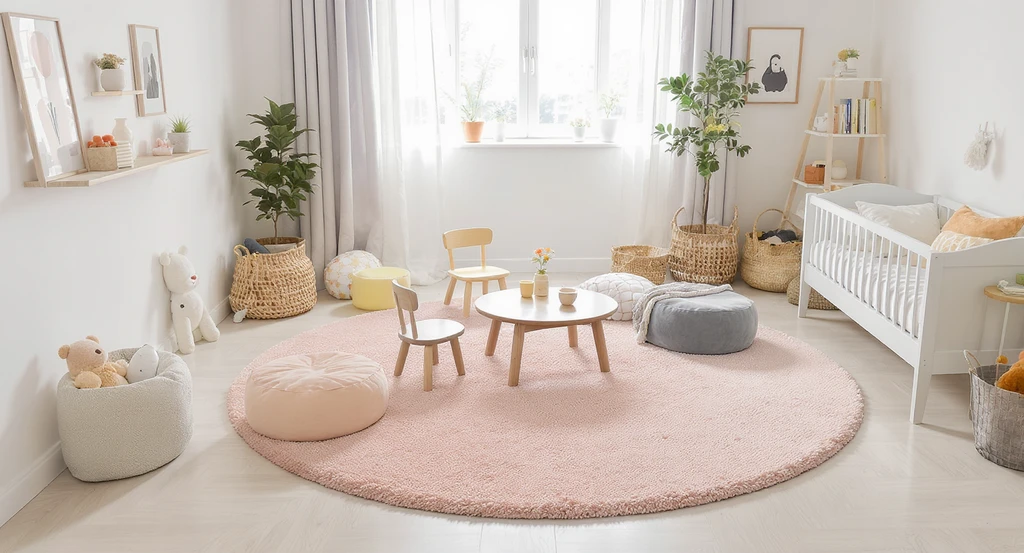
This photorealistic kids’ bedroom uses ai powered room visualization for children to demonstrate how a round rug, play table, and cushions in the center create a more finished space. Discover how to use ai for kids bedroom layout and the best ai tools for kids room decor planning to avoid empty, unfinished areas.
Leaving the middle of the room empty by default is common but can make a space feel unfinished or temporary. Often, this happens when parents are worried about crowding or tripping hazards.
Correct it by anchoring the center with an intentional element: a round rug, a small play table, or a soft floor cushion cluster. These not only provide practical play surfaces but also create a more "finished" and inviting feeling. Pro tip: In larger kids’ bedrooms, central seating or a table can help kids use the space for crafts, reading, or games.
-
04. Turn Awkward Corners and Nooks into Functional Storage
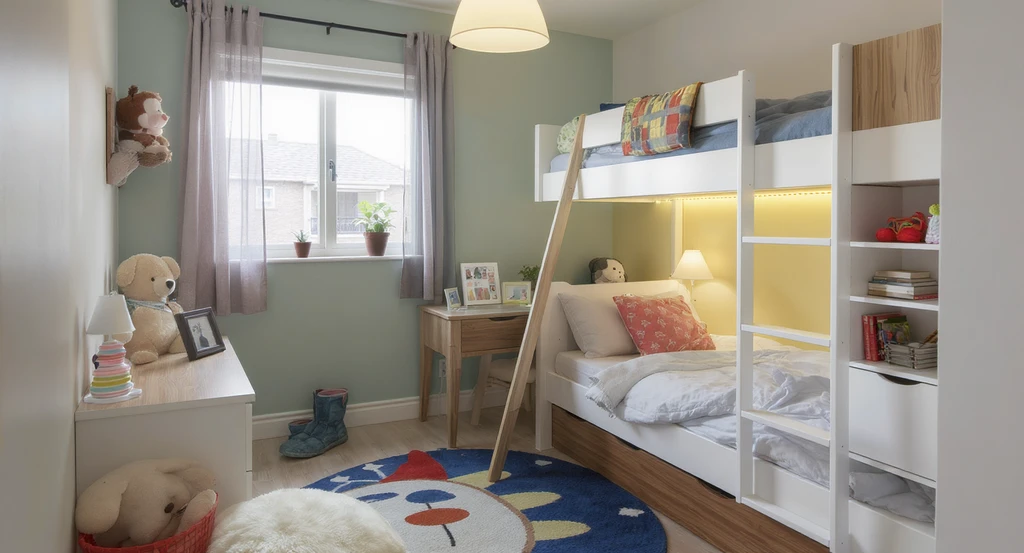
04. Turn Awkward Corners and Nooks into Functional Storage Image
Underused corners, like spots beside wardrobes, under windowsills, or behind doors, frequently go unused because their size or shape seems awkward.
Look for these "dead" spots and give each a clear role. Consider under-bed drawers, slim shelving units fitted behind a door, or a cushioned window bench with hidden storage beneath. Giving every alcove a function increases storage and fills the room visually, as shared in our advice on using bedroom alcoves.
-
05. Use Walls for Practical Features, Not Just Decoration
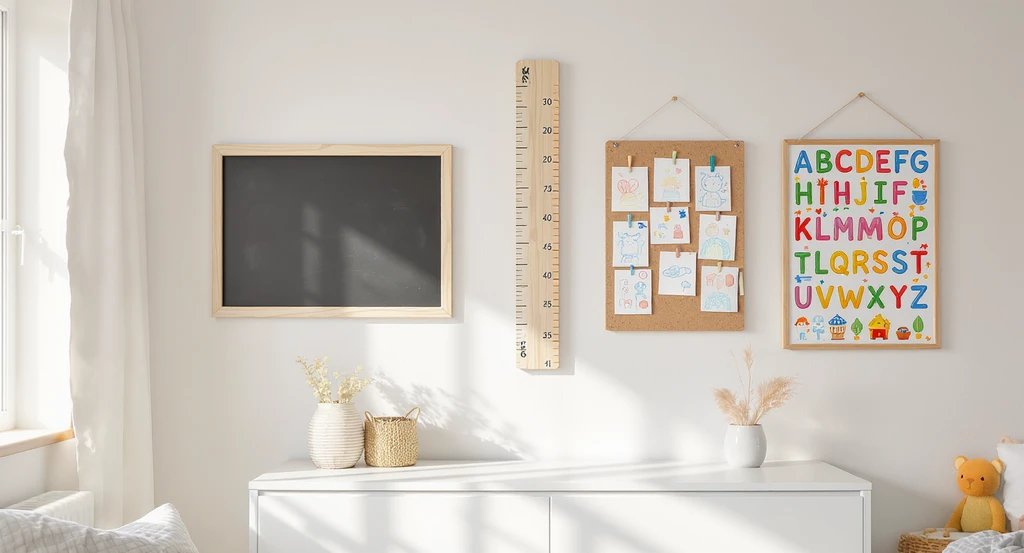
Create practical, clutter-free kids’ bedrooms using ai home design ideas and virtual staging ai for play zones. This setup shows how to use ai for kids bedroom layout, maximizing wall space with useful features like a growth chart, chalkboard, and pinboard.
Blank walls are often left empty to "avoid clutter," but this creates missed opportunities for engagement and storage. On the other hand, covering every surface with art or stickers overloads the senses.
Strike a balance by using walls for growth charts, chalkboards, pinboards for rotating artwork, or alphabet boards. These offer scale and usefulness while keeping visual order. If you need more wall ideas, our guide to 2025 small bedroom comfort explores functional wall strategies that don’t add clutter.
-
06. Pay Attention to Scale, Not Just Quantity
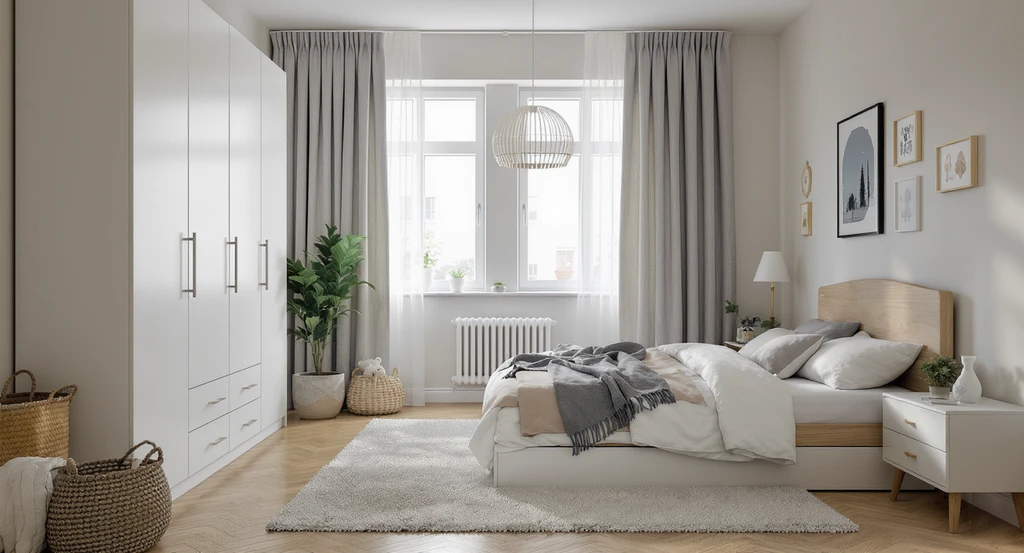
Smart ai home design ideas for kids bedrooms use thoughtfully scaled furnishings—like tall storage, large rugs, and full-height curtains—with ai powered room visualization for children to create practical, visually grounded layouts without clutter.
Rooms can feel empty even when filled with furniture, if those pieces are too few or too small for the space. This often happens when parents buy children’s-sized items without considering the room’s overall scale.
Choose a few well-scaled (taller or longer) items instead of lots of tiny ones. Layer curtains high above windows, select larger rugs that reach under/around beds and seating, and use at least one full-height storage piece. This grounds the room visually and reduces the temptation to add too many small, scattered objects. Reference the floor plan approach in our storage maximization guide for more on scale.
-
07. Use Layered Lighting to Fill Visual Gaps
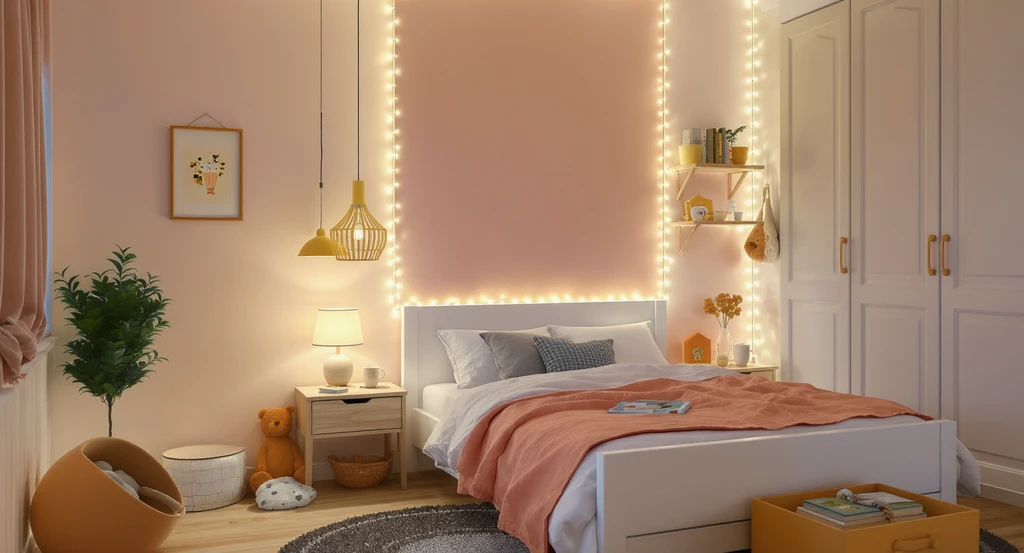
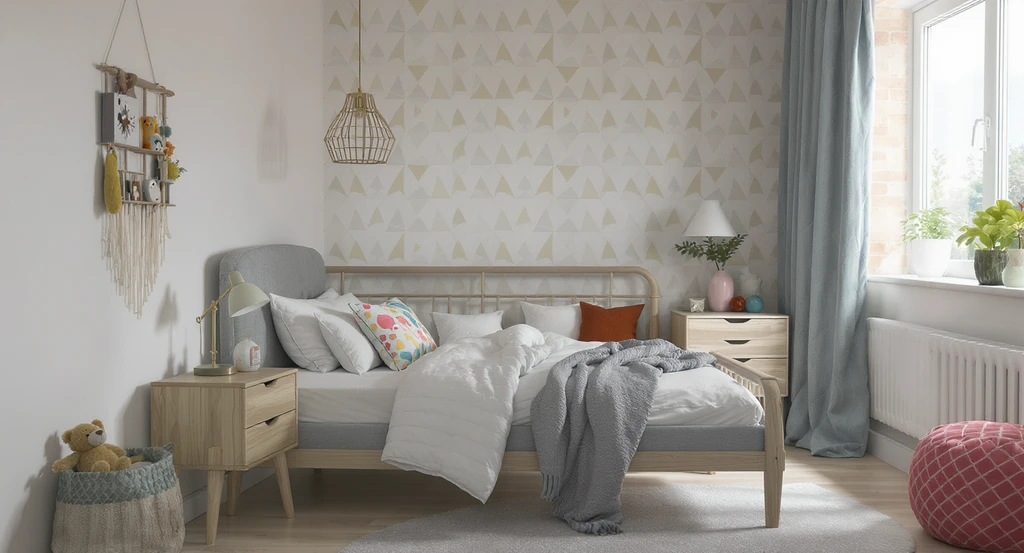
07. Use Layered Lighting to Fill Visual Gaps Image
When lighting relies only on a single overhead fixture, large rooms still feel cold and incomplete, especially at night. It happens when supplementary lighting isn’t considered part of the layout.
Layer lighting: combine a ceiling light, wall sconces or bedside lamps, and softer accent lighting like fairy lights or a reading lamp. Spreading light sources around the room visually fills corners and warms up unused space, making the room more inviting for different activities. In shared rooms, this also allows one child to play or read while another sleeps.
-
08. Leave Flexible Space for Growth
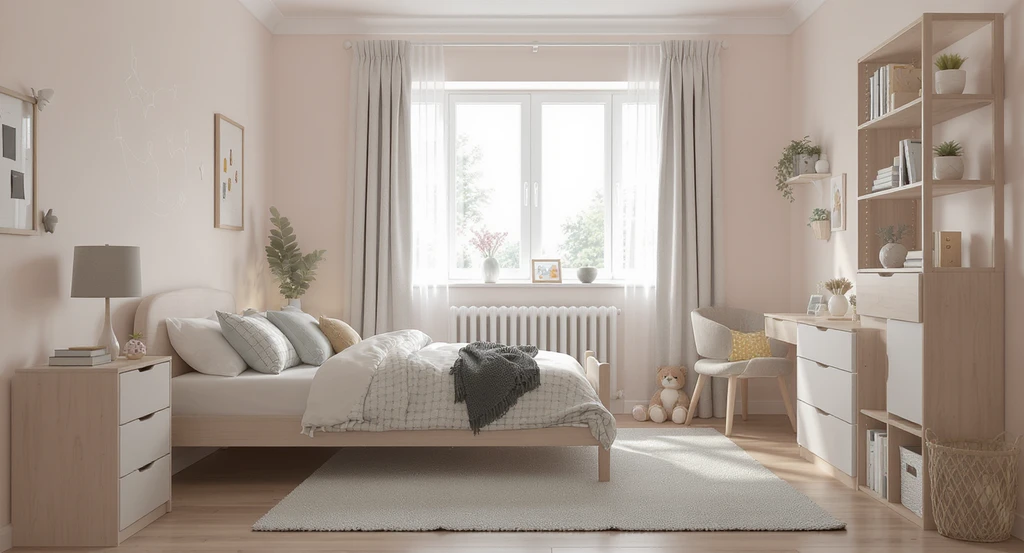
08. Leave Flexible Space for Growth Image
A common pitfall is overfilling a kids’ bedroom simply to eliminate blank areas. This restricts movement and quickly leads to clutter as children acquire more belongings.
Prioritize modular or adaptable furniture (loft beds, benches, open shelves) and keep zones flexible so they can adjust as needs change. For example, leave floor areas open for future study desks or larger beds, as suggested in our feature on room re-use strategies. It’s important to let rooms evolve naturally with the child’s age and interests.
FAQ: Kids' Bedroom Space Planning
- Should a kids’ room be full or minimal?
Aim for balance: enough furniture and storage to feel cozy and purposeful, but leave open areas for play and movement. - What if a large room feels empty but I don’t want more furniture?
Use rugs, layered lighting, or wall features (like shelves and chalkboards) to fill visual space without crowding the floor. - How do I avoid clutter when adding storage?
Mix open shelving (for display) with closed bins or drawers (to stow toys and supplies out of sight). - How often should the layout change as kids grow?
Plan for change: keep key items like beds and desks modular so zones and furniture can adapt as needs evolve.
Key Checklist: Filling Kids’ Bedroom Space Effectively
- ✅ Divide the room into clear activity zones
- ✅ Use vertical storage and wall features above floor level
- ✅ Add at least one central element (rug, play table, cushion cluster)
- ✅ Focus on useful wall functions, not random décor
- ✅ Layer lighting for warmth and flexibility
- ✅ Leave flexible room to grow and adapt
Remember, emptiness isn’t a problem, it’s a starting point for intelligent, functional design. With organized zoning, practical storage, and attention to scale, every part of the room feels like it belongs.