Tackling a Siding Remodel With No Experience: Lessons From a DIY Journey
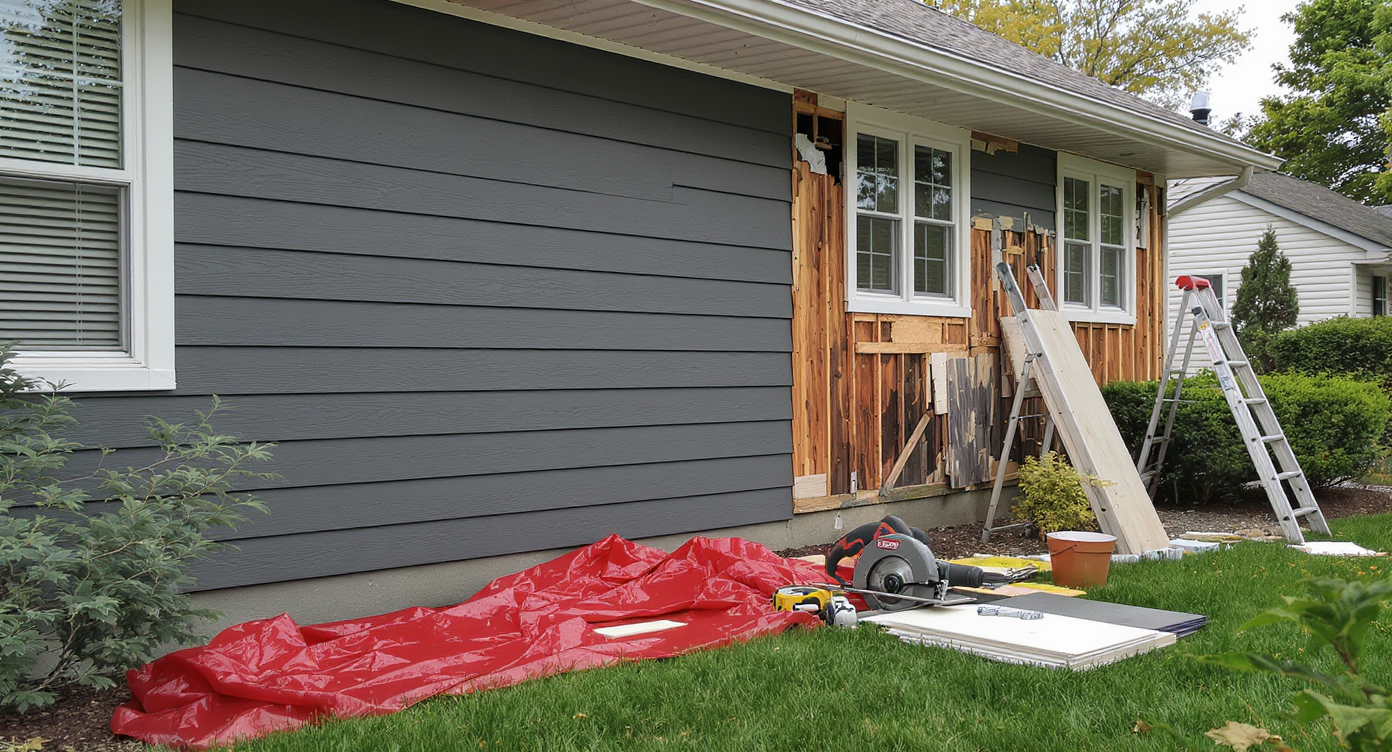
TL;DR
Starting a siding remodel with zero experience can be daunting, but good planning, the right materials, and willingness to learn can transform an intimidating project into a source of pride. Many homeowners discover unexpected structural issues, material decisions, and budget concerns along the way. Even if the result is not perfect, the cost savings and personal satisfaction often balance the challenges—provided you approach it with realistic expectations.
The Rise of DIY Siding Renovations
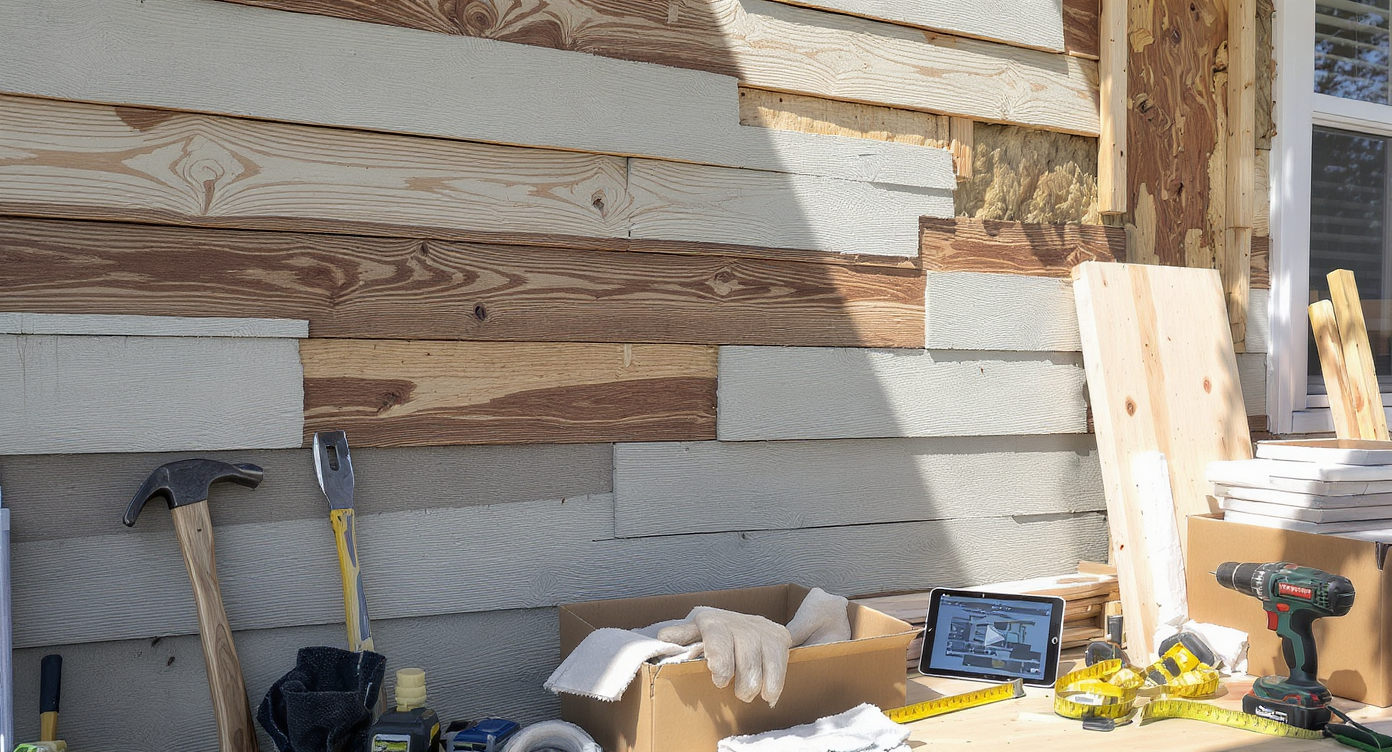
A suburban home's exterior mid-remodel, with old siding removed, tools ready, new siding stacked, and a DIY tutorial tablet on site.
With the growth of online communities and easy access to step-by-step tutorials, more homeowners are considering tackling extensive remodel projects themselves—including siding replacement. The motivation is clear: professional quotes for siding can soar past twenty thousand dollars, sending proficient DIYers searching for ways to save. But as many discover, the true cost of a remodeling project stretches far beyond the sticker price on materials or hours spent watching how-to videos. For those finding themselves at the threshold of a major exterior overhaul, questions naturally arise. How do you choose the right materials? Can an ambitious homeowner match the level of quality offered by pros? And what happens when unforeseen complications—like hidden structural damage—surface midway through the effort? These questions are not just theoretical. They shape every aspect of the project, from the first crowbar swing to the final bead of caulk.
-
Lessons From a First-Time Siding Replacement
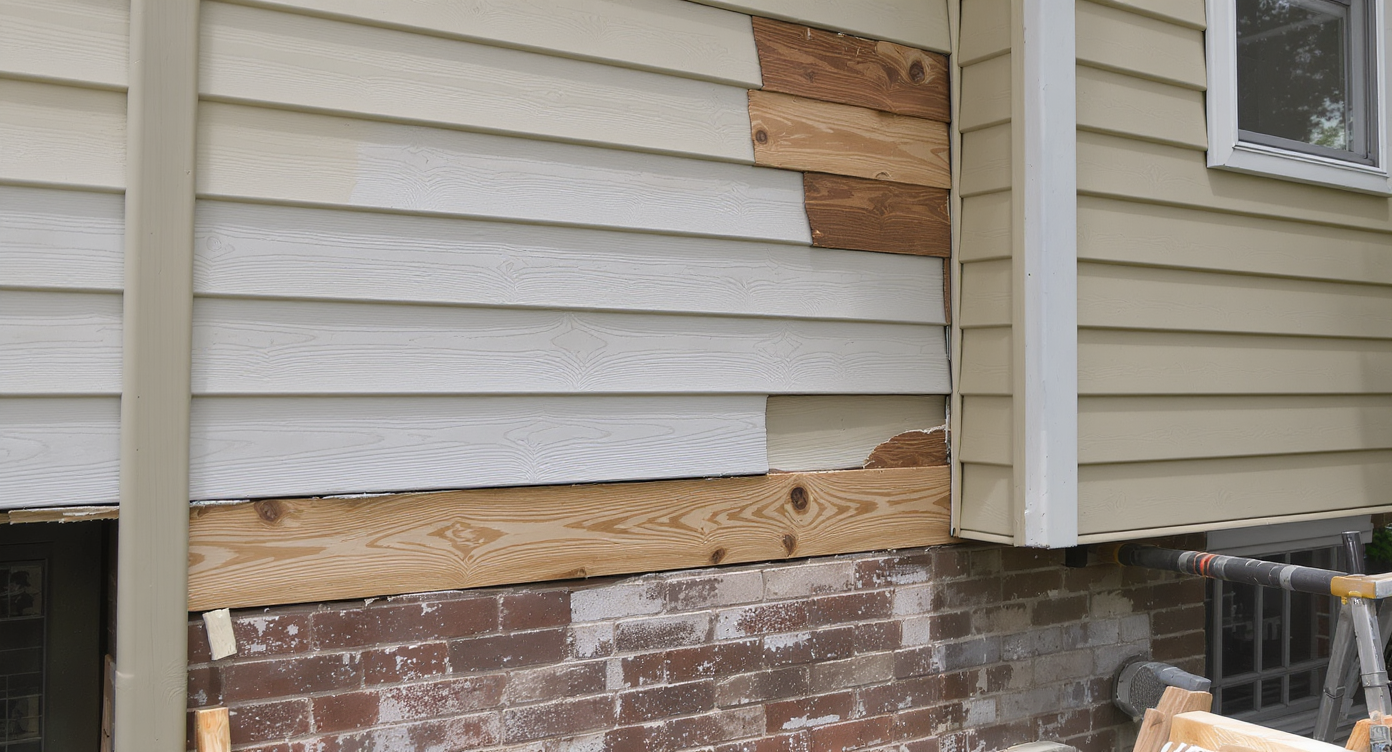
Section of a house during siding replacement: uneven wall surfaces, patched plywood, extended studs, LP SmartSide installation, and essential tools.
The experience of completely residing a house with no prior expertise can be equal parts daunting and inspiring. Take the example of one determined homeowner who, faced with urgent insurance demands and sky-high contractor quotes, chose to act instead of waiting. Pulling away two layers of old siding unveiled not just the passage of time, but also multiple underlying issues. Unplanned discoveries are almost inevitable in projects of this scale, especially in older homes. In this case, the property’s addition was built flush with the first layer of siding, not the original sheathing. Once everything was stripped away, the new section protruded a full inch further than the rest of the house. Problem-solving became an exercise in both construction and patience: extending wall studs, adding insulation foam, and making sure all surfaces aligned. Where rotted plywood appeared, each soft spot demanded surgical removal and careful patchwork. Working without a professional background meant every decision required research. The homeowner selected LP SmartSide partly for its ease of handling—“easier to cut” was an influential factor—and for positive reports from fellow remodelers. Unlike fiber cement options, it allowed for smoother installation with common tools, provided you strictly followed precautions for sealing and moisture control. Manufacturers may tout durability, but real-world results hinge on careful installation. The homeowner’s strategy mirrors what many design advisors suggest: invest extra time up front identifying issues before applying new materials, a practice that extends longevity and reduces risk of water intrusion.
Expert Insight
One fall, a couple started their siding replacement on what they expected to be a straightforward weekend. The project suddenly grew when the old siding came off, uncovering hidden water damage, sagging additions, and outdated insulation. Rather than panic, they paused, researched solutions, and took time to address each issue thoroughly. The result was a home that not only looked better but was truly ready for another generation of storms and seasons.
-
DIY vs Pro: Value, Savings, and Quality Tradeoffs
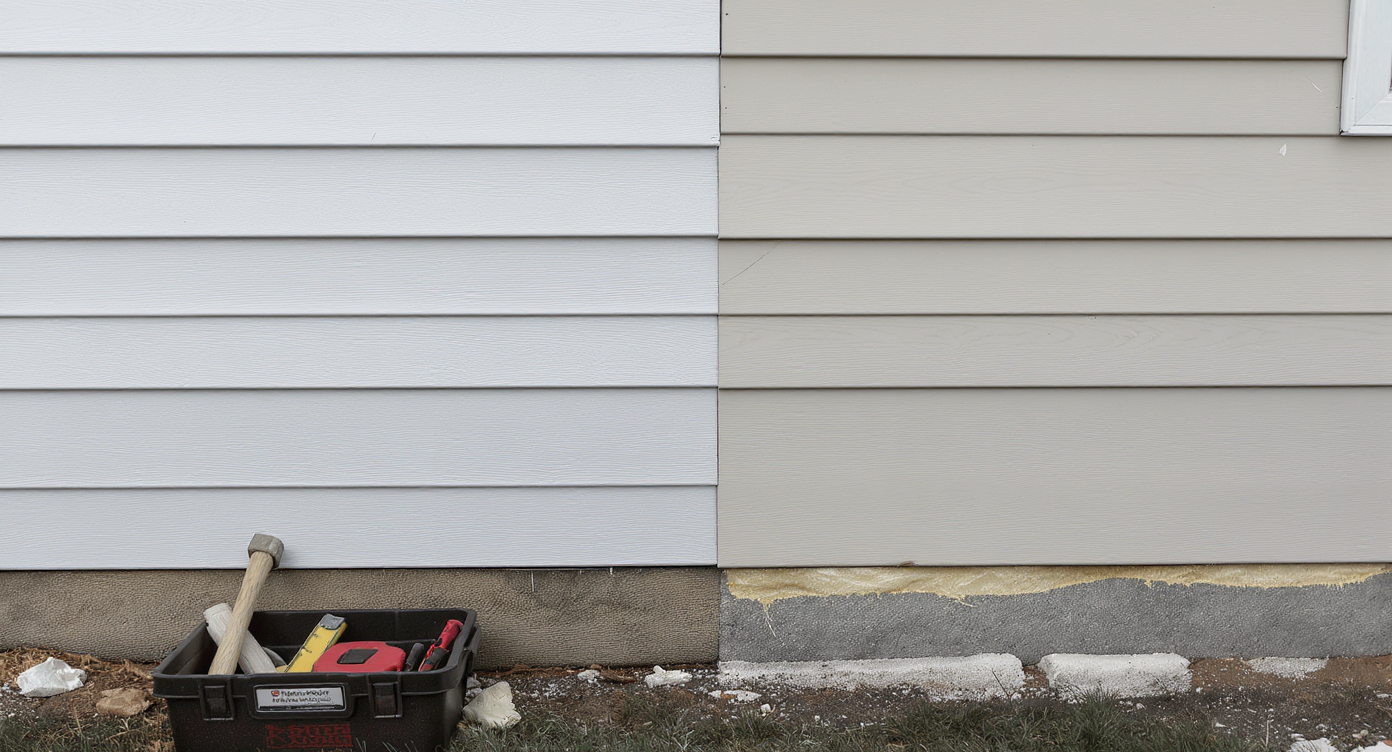
Professionally installed siding next to DIY siding, highlighting subtle quality differences and the setup of tools used during a home remodel.
The appeal of DIY is understandable. In this example, the homeowner trimmed ten thousand dollars from their expected budget by handling demolition, structural repairs, and installation with family or friends. However, this savings comes bundled with accountability. For some, the stress of learning on the fly and living with imperfections is the price of admission. Cosmetic flaws and minor missteps are almost inevitable the first time around. But the owner’s experience highlights an important tradeoff: doing it yourself allows for attentive detail work unlikely in a rapid professional installation constrained by bid limits. As we noted in a recent deep dive on are DIY renovations worth it for resale, some upgrades deliver more value than others—especially when completed thoughtfully and with resale in mind. Many homeowners report higher satisfaction when they can take their time, address adjacent issues like rot or insulation gaps, and mull over design details at their own pace. The potential for significant cost savings is real, but so are the risks of hidden problems and added stress.
-
Choosing Materials and Estimating Costs

Siding samples and cost estimates arranged in a DIY workspace illustrate the process of comparing siding materials and budgeting for a remodel.
Choosing between siding options—vinyl, fiber cement, engineered wood, or real cedar—requires balancing cost, durability, and design goals. Our featured DIYer opted for LP SmartSide, finding it manageable for a novice installer and confident enough to handle moisture challenges with correct sealing. This is consistent with broader recommendations to match material selection to both skillset and climate: vinyl excels in affordability, fiber cement is praised for endurance, and traditional wood delivers timeless curb appeal. Estimating costs can be challenging, especially when surprises like structural repairs or accessory trim are required. Guidance from budgeting for an exterior renovation stresses the importance of detailed line items, contingency reserves, and labor calculations—even when you are the labor. DIYers should be aware that up to 40 percent of project cost may go to labor when hiring out, but material overages, tool rental, and rework can erode savings when going solo. Good research and a willingness to rethink plans on the fly will be your greatest assets.
-
Anecdote: When the Demo Unveils More Than Expected
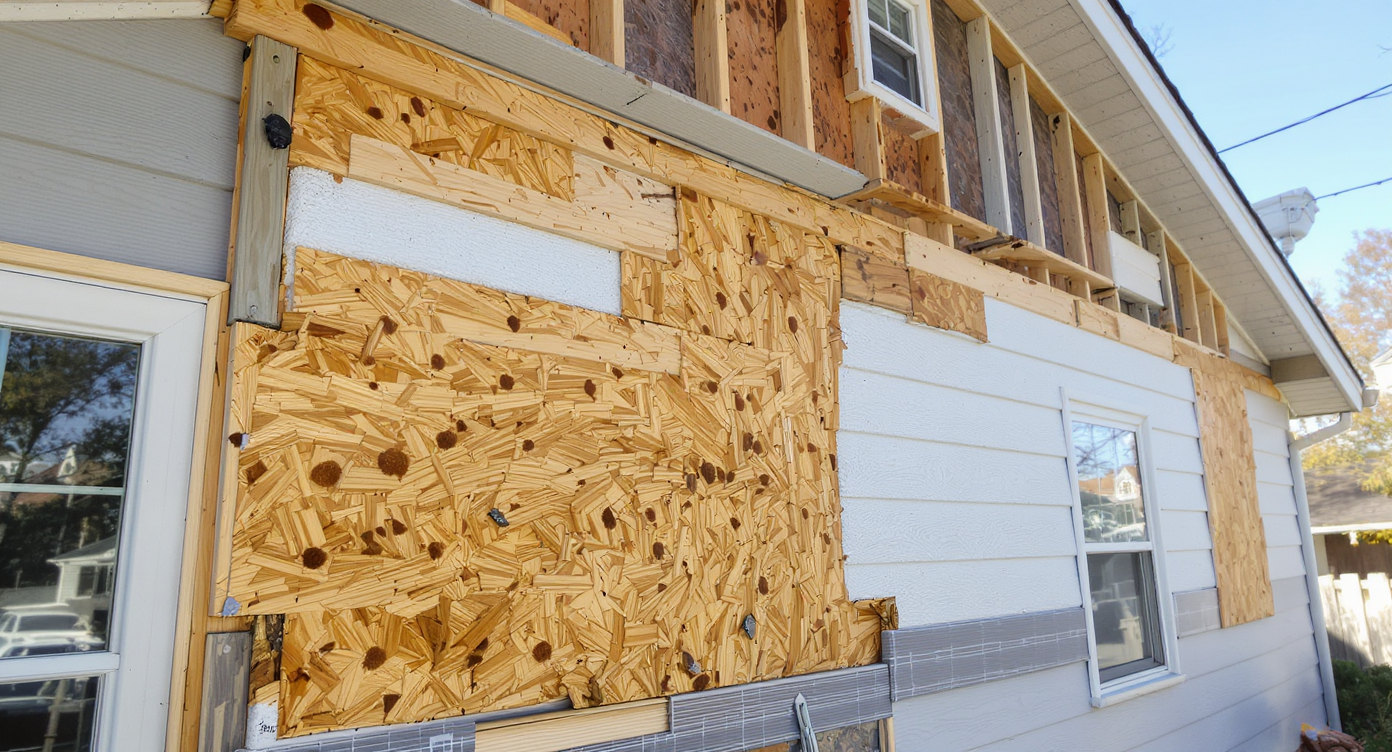
During siding removal, damaged sheathing and uneven framing are revealed, with repairs using new OSB and foam panels improving efficiency.
A quiet Saturday morning quickly turned intense for one homeowner as the removal of old siding exposed a jigsaw of repairs, uneven surfaces, and unexpected water damage. Without a background in carpentry, each new patch of rotted sheathing or awkward framing was a lesson in problem-solving. By the week’s end, foam insulation panels and fresh OSB sheets had banished the draft for the first time in years. While it added days to the project, confronting these hidden issues head-on meant the final result would last far longer and offer even better efficiency than the home had seen in decades.
-
Common Mistakes to Avoid
Several recurring pitfalls trip up even the most resourceful DIYers. Overlooking proper moisture barriers is a frequent error, as is underestimating the importance of perfectly level first courses and trim alignment. The tendency to layer new siding over existing materials—often proposed as a cost-saving shortcut—can lead to long-term problems with water intrusion or uneven walls. Addressing underlying rot, ensuring robust flashing around openings, and taking time with each caulked joint are small details that pay off exponentially in durability and energy performance. Learning from stories like this DIY remodel reinforces what many pros emphasize: preparation, patience, and meticulous attention to detail are non-negotiable.
-
Tips and Expert Insights for Successful DIY Siding
Design professionals and experienced remodelers often stress the value of comprehensive planning. Map out each elevation, confirm your measurements twice, and test-fit pieces before permanent attachment. Simple tools, such as siding gauges or story poles, streamline the process and keep rows consistent. Choosing the right material for your climate and maintenance expectations remains vital. Drawing from themes in best siding material for a home, preview your siding color and profile as much as possible before committing. Even if you do not have access to digital visualization tools, a painted mock-up or physical samples held against your exterior can help avoid regrets down the line.
-
How to Use This Experience in Your Next Designs
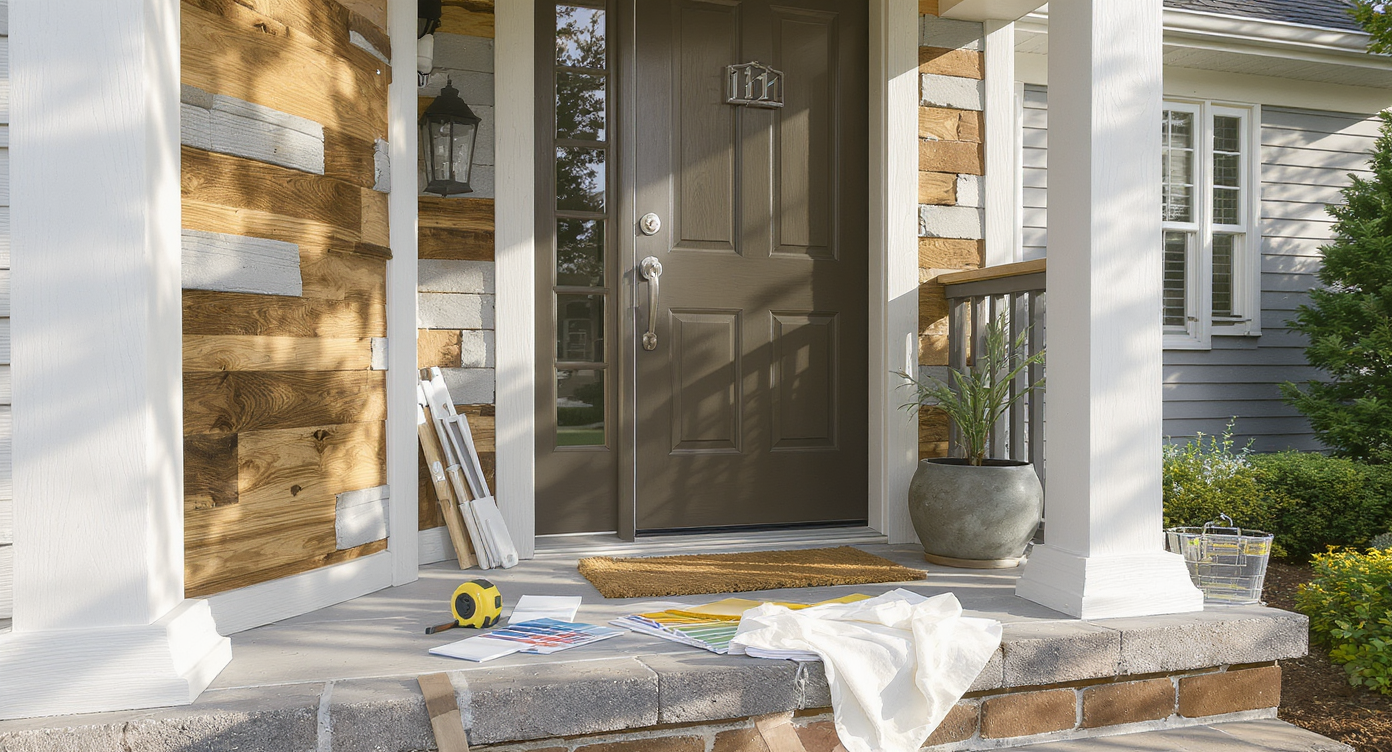
Real-world siding remodel in progress, highlighting custom wood accents, careful planning tools, and impactful curb appeal upgrades.
Whether your next project is a full reskin or a modest refresh, the lessons from this homeowner’s journey apply universally. Prioritize a clear understanding of your home’s structure before buying a single board. If budget is the defining constraint, plan for contingencies and look for high-impact upgrades that blend curb appeal with long-term value. Small custom touches, such as natural wood accents or bespoke trim, can personalize even simple siding. If evaluating which improvements add measurable value, examine recommendations for affordable renovation tips that prioritize high-visibility, low-cost changes. Every thoughtful adjustment, from careful caulking to color selection, inches your home closer to lasting satisfaction and resale success.
-
Visualization Scenario: Imagining the Finish Line
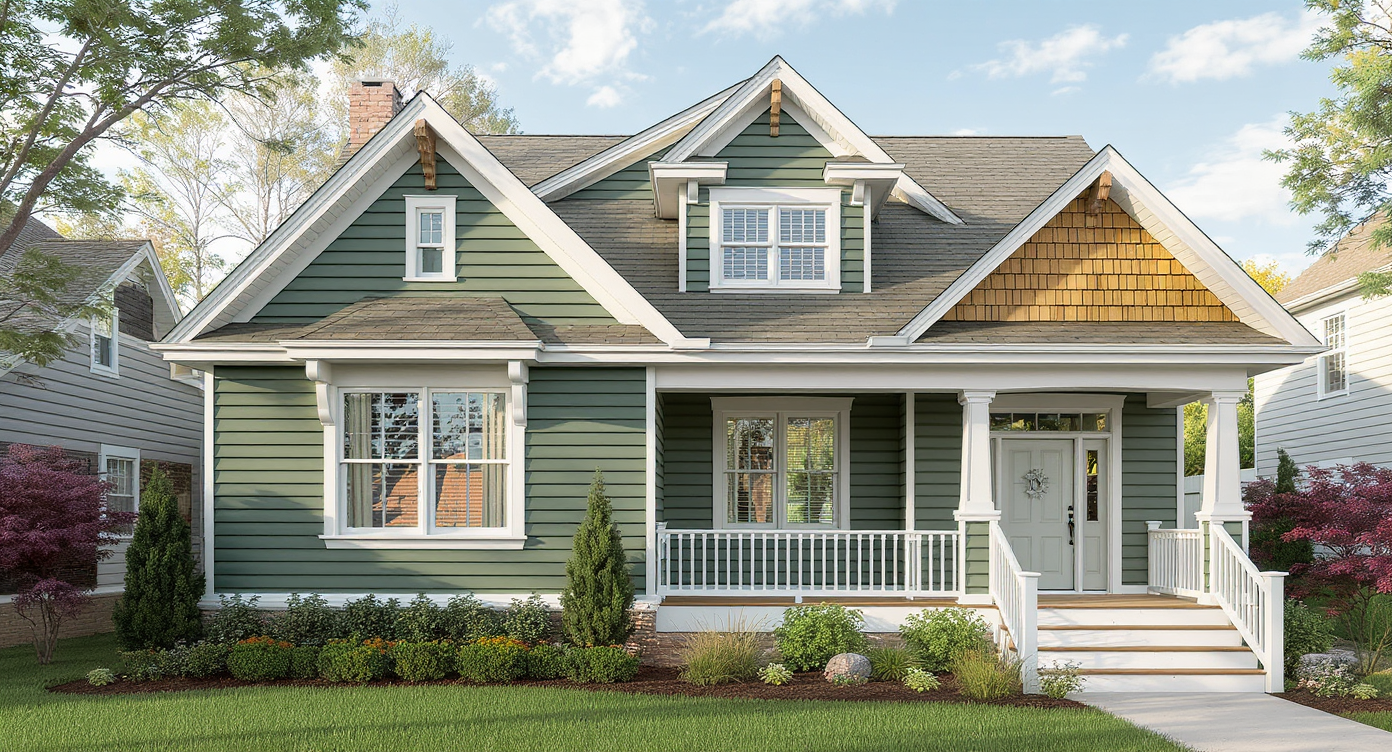
New moss green siding, crisp white trim, and cedar gables highlight a revitalized home—subtle flaws reveal a rewarding DIY transformation.
Picture your home with faded siding finally stripped away, the crisp lines of fresh panels in a deep moss green stretching across an evenly-insulated facade. White trim punctuates windows and rooflines, while natural cedar gables present an inviting warmth that nods to the integrity of the original build. Even if one or two small imperfections remain—an off-kilter seam or a caulk bead a shade too visible—the effect is of renewal and pride. Family and neighbors take notice, asking about your process, and with the finish line in sight, you realize the house looks better than it has in decades.
Visualization Scenario
Visualize your street: as the scaffolding comes down, your house stands out with its refreshed cladding. Neighbors slow their walk to admire the deep green, crisp white trim, and handcrafted wood accents. Each evening, your new exterior glows beneath porch lights, leaving the stresses of the renovation behind in favor of lasting pride.
DIY Siding Remodel FAQ
Expect surprises—especially structural issues and time extensions. Strong research, patience, and flexibility are crucial.
How much money might I save by doing siding myself?
Typical savings range from 25 to 50 percent compared to contractor bids, but always budget for unplanned repairs and extra materials.
What siding is best for DIY installation?
Engineered wood, such as LP SmartSide, and vinyl are known for user-friendly installation. Fiber cement and natural wood require more skill and tools.
How do I know if DIY is right for my home?
If you are comfortable with hands-on projects, can dedicate ample time, and have a strong plan, DIY may be a good fit. Use digital previews on ReimagineHome.ai to experiment first.
What are the key pitfalls to watch for?
Skipping prep work, covering over rotten materials, and ignoring moisture management are common mistakes. Focus on preparation, detailed planning, and double-checking each installation step.
Weighing DIY Pride Against Practical Realities
Remodeling your home’s exterior siding without prior experience is a formidable challenge, requiring as much humility as ambition. Still, the right attitude, diligent research, and attention to the fundamentals—proper prep, material choice, and patient installation—can lead to a transformation both personal and architectural. For those weighing this journey, the case for doing it yourself remains open-ended but filled with rewards, inside and out. Experiment with digital previews and careful planning at ReimagineHome.ai before you commit to the next big upgrade.