9 Realities About Hardwood Flooring That Homeowners Need to Know
TL;DR
Choosing hardwood flooring is an investment that brings timeless style, high maintenance, and unique challenges. It can increase home value, yet demands careful installation, ongoing upkeep, and climate consideration. Weighing hardwood against options like LVP, laminate, or bamboo is essential for the right fit.
What This List Covers and Why It Matters
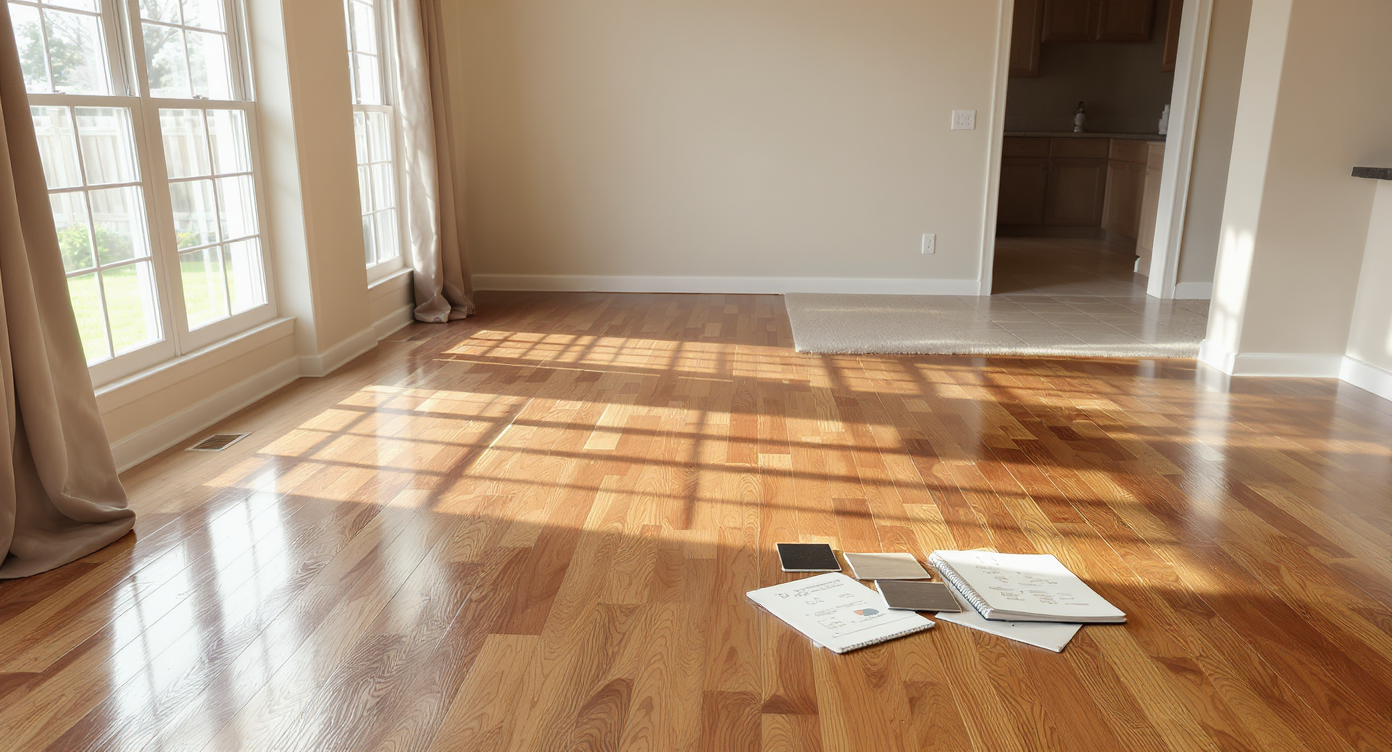
A realistic living room depicts worn hardwood flooring, material transitions, and flooring samples—setting the stage for homeowner decisions.
Homeowners frequently debate whether hardwood flooring lives up to its legendary reputation. While it generally commands admiration for aesthetics and resale appeal, experiences on comfort, cost, and practicality diverge sharply. This list unpacks what you will not hear from glossy marketing brochures: concrete realities from long-term users and the professional flooring world. Whether you are contemplating a full-home renovation or deciding on flooring for specific rooms, understanding these nine key issues will arm you with practical insights. With so many persuasive voices touting “endless value” or “timeless beauty,” it is time to move beyond the hype and weigh what actually lasts, what wears out, and what truly fits your lifestyle.
-
1. The Visual Allure and Timelessness of Hardwood
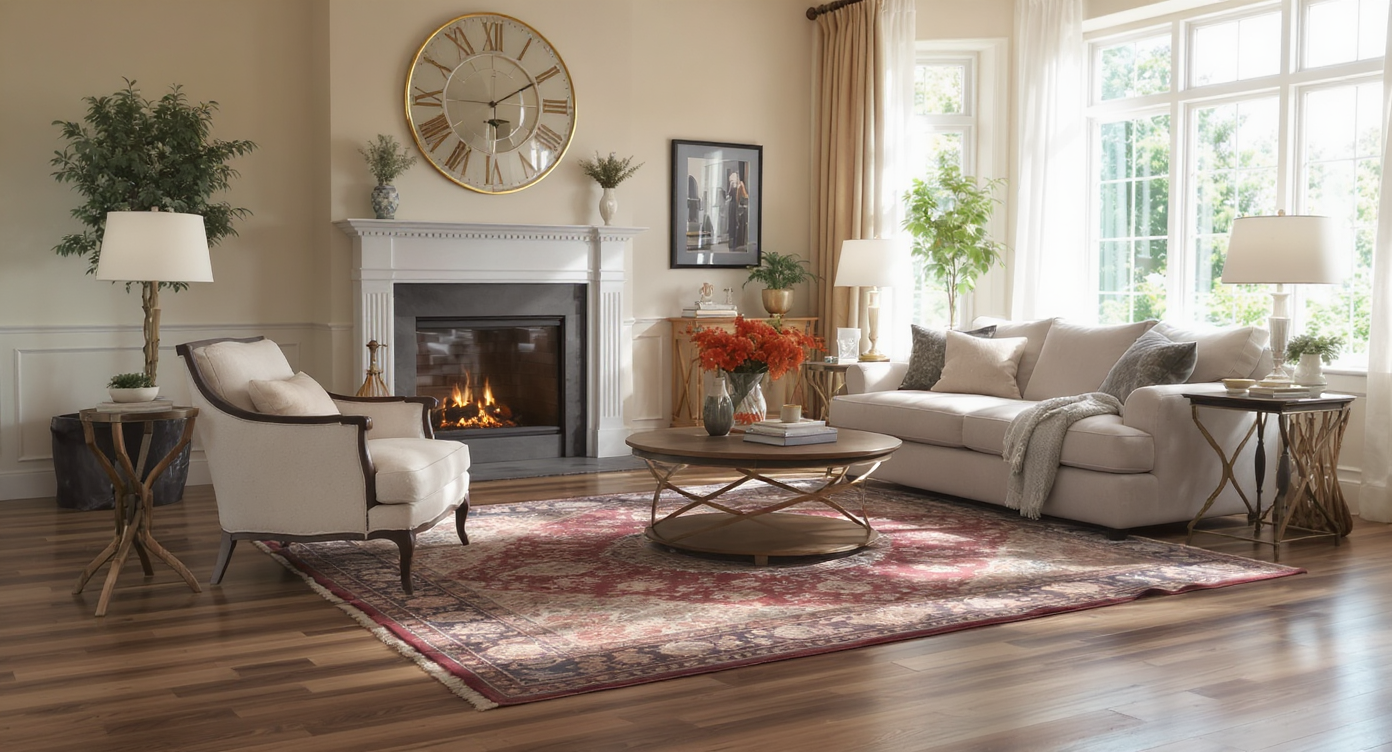
A spacious living room with real oak, walnut, and maple hardwood floors, styled with modern and classic furniture for enduring, versatile appeal.
Hardwood flooring’s popularity remains steady because of its warm, organic look and the knack for fitting both historic homes and modern interiors. Rarely does another flooring material offer the same visual ‘neutrality’—meaning you can switch up area rugs and furniture styles without clashing with the floors. Designers often point out that real wood, especially oak, walnut, or maple, sits at the core of interior trends, yet feels appropriate decades later. Its visual adaptability is one explanation for why hardwood seldom goes out of style among homeowners and homebuyers alike.
-
2. Durability: Long Life, But Not Invincible
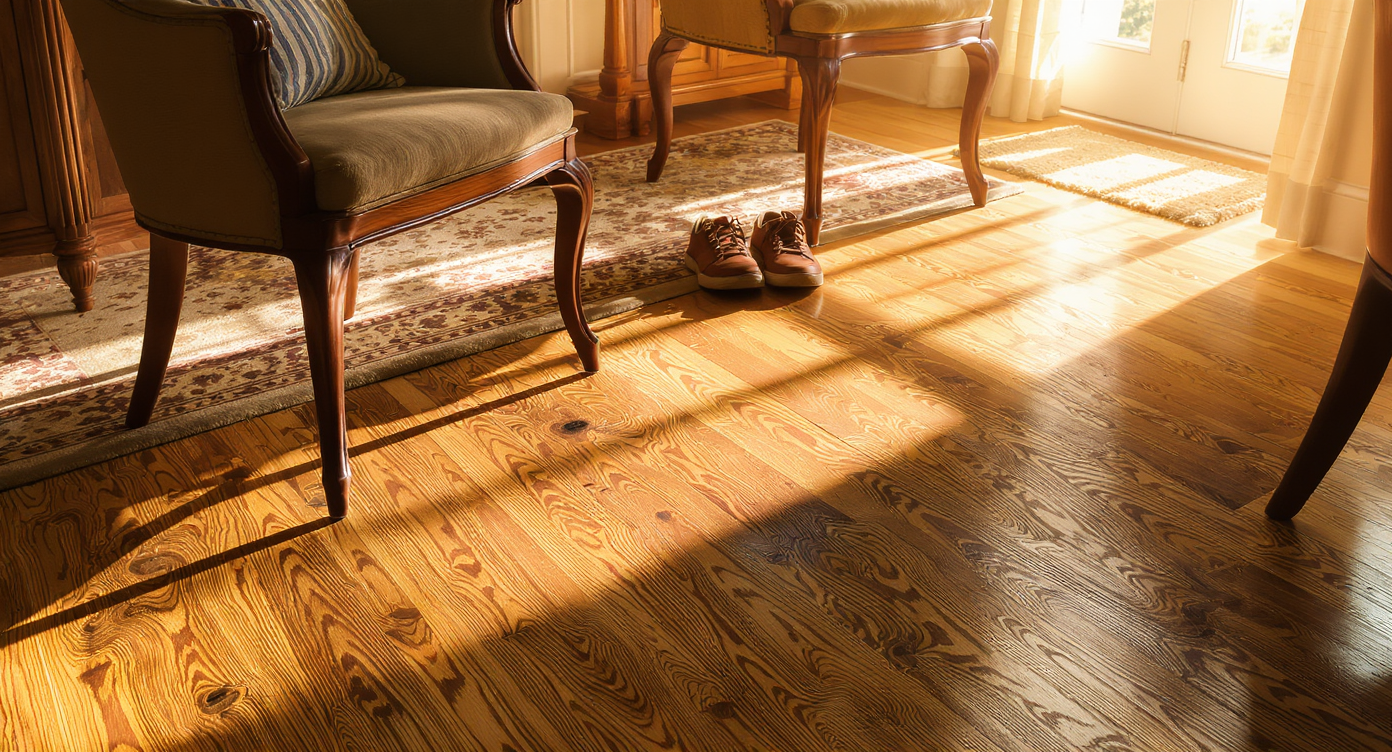
Hardwood floor in a busy entryway displays a mix of pristine and worn areas, scratches, and an area rug, illustrating practical durability.
One of hardwood’s greatest selling points is its lifespan, but durability is subject to daily habits, traffic patterns, and the species of wood. An oak or hickory floor, well-maintained, can outlast many types of homeowners; there are 100-year-old floors in older homes that still look impressive. However, even the hardest domestic woods will scratch or dent when hit with furniture, pet claws, or dropped objects. Many owners use area rugs for protection, especially in entryways and under desks, though even so-called durable woods accumulate character marks. Deep gouges or moisture damage can require extensive repairs, illustrating that longevity does not equal indestructibility.
-
3. Upkeep and Refinishing: The Real Work Involved
Maintenance of hardwood flooring goes well beyond the occasional sweep. Water is both a daily threat and long-term risk: minor spills can be wiped up, but leaks from kitchens or bathrooms can quickly warp boards or cause stains. Even with proper cleaning and the "no shoes indoors" rule, the finish eventually dulls, and refinishing must be considered. This can range from a simple re-coating to a time-consuming sanding and staining job—sometimes nearly as disruptive as a new install. The cost of refinishing might approach alternative flooring replacement, as outlined in our discussion of the tradeoffs between refinishing and total replacement. To preview what refinishing versus replacement might look like in your space, consider testing scenarios with REimagineHome.ai.
-
4. Regional Climate and Installation Quality Cannot Be Ignored
Humid summers or snowy winters? Both can stress hardwood floors through cycles of swelling, shrinking, and potential warping. Professional installers insist that climate and installation are equally important as material quality—a point explored in detail in advice for pet-friendly, DIY, and hardwood-over-hardwood projects. Living in an area with wide temperature swings or high humidity means extra vigilance: acclimating wood, maintaining steady home humidity, and choosing species suited for your region. Engineered hardwood, with its layered structure, handles expansion and contraction better than solid planks, but the importance of expert installation cannot be overstated.
-
5. Value at Resale: Proven, But Not Absolute
The belief that hardwood automatically increases a home’s value is part reality, part myth. In neighborhoods where wood flooring is expected, homes with well-kept hardwood often sell faster and, occasionally, at slightly higher prices. However, flooring does not guarantee a return on investment if the material is dated, damaged, or inconsistent with the rest of the house. Five to seven-year ownership windows may not allow full payoff for the initial spend, especially if you expect to refinish floors just before selling. True value emerges when aesthetic appeal, functional durability, and market expectations converge—otherwise, buyers may prefer to remodel to their tastes regardless of what is installed.
-
6. Sound, Comfort, and Daily Living
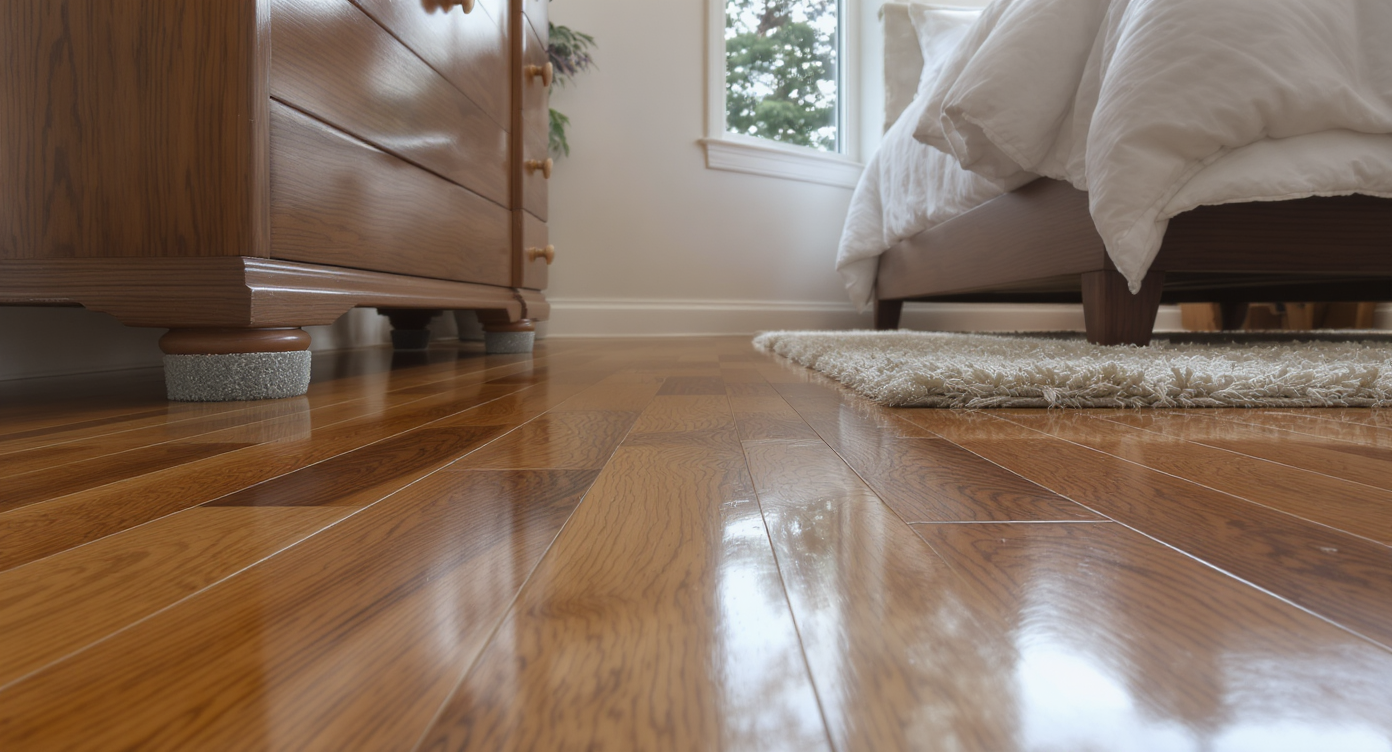
Hardwood bedroom floor with area rug and felt pads, showing practical methods for comfort and sound reduction in daily living.
Hardwood delivers a unique feel underfoot. Unlike floating floors, it provides a solid, reassuring step and a characteristic "sound" that some owners prize. However, it amplifies footfalls and lacks the insulation of carpet, which can matter in bedrooms or upper floors. To address noise or comfort, many households turn to area rugs and felt pads under furniture. But for those sensitive to sound or seeking a softer touch, especially with children or elders at home, hardwood will not replicate the warmth or cushioning of carpet. Ultimately, lifestyle considerations—such as pets, children, or frequent entertaining—heavily influence satisfaction with daily living on wood floors.
-
7. Alternatives: LVP, Laminate, and Bamboo
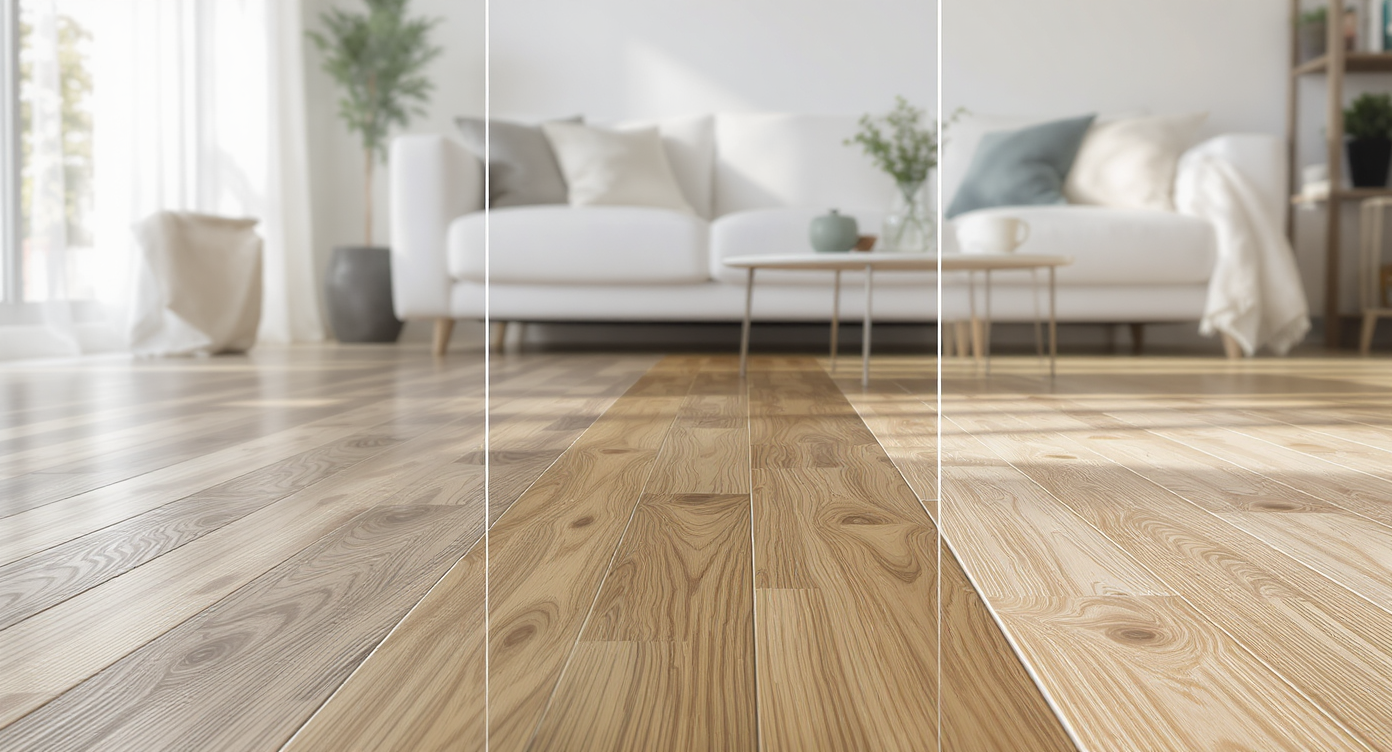
Side-by-side view of realistic LVP, laminate, and bamboo flooring samples within a bright living room, emphasizing their unique looks and qualities.
Luxury vinyl plank (LVP), laminate, and bamboo are popular alternatives that directly address some hardwood pain points. LVP is prized for its durability and near-waterproof qualities in kitchens or basements, as we examined in our guide to DIY flooring for pet-friendly homes. High-quality laminate can be cost-effective and surprisingly realistic in look, although it does not age or refinish like wood. Bamboo offers a sustainable narrative and impressive hardness, but refinishing or regional suitability may be less certain. While hardwood remains the gold standard for resale in some markets, many households ultimately land on LVP or engineered wood for balancing appearance with resilience and reduced upkeep.
-
8. Water and Wet Areas: Proceed With Caution
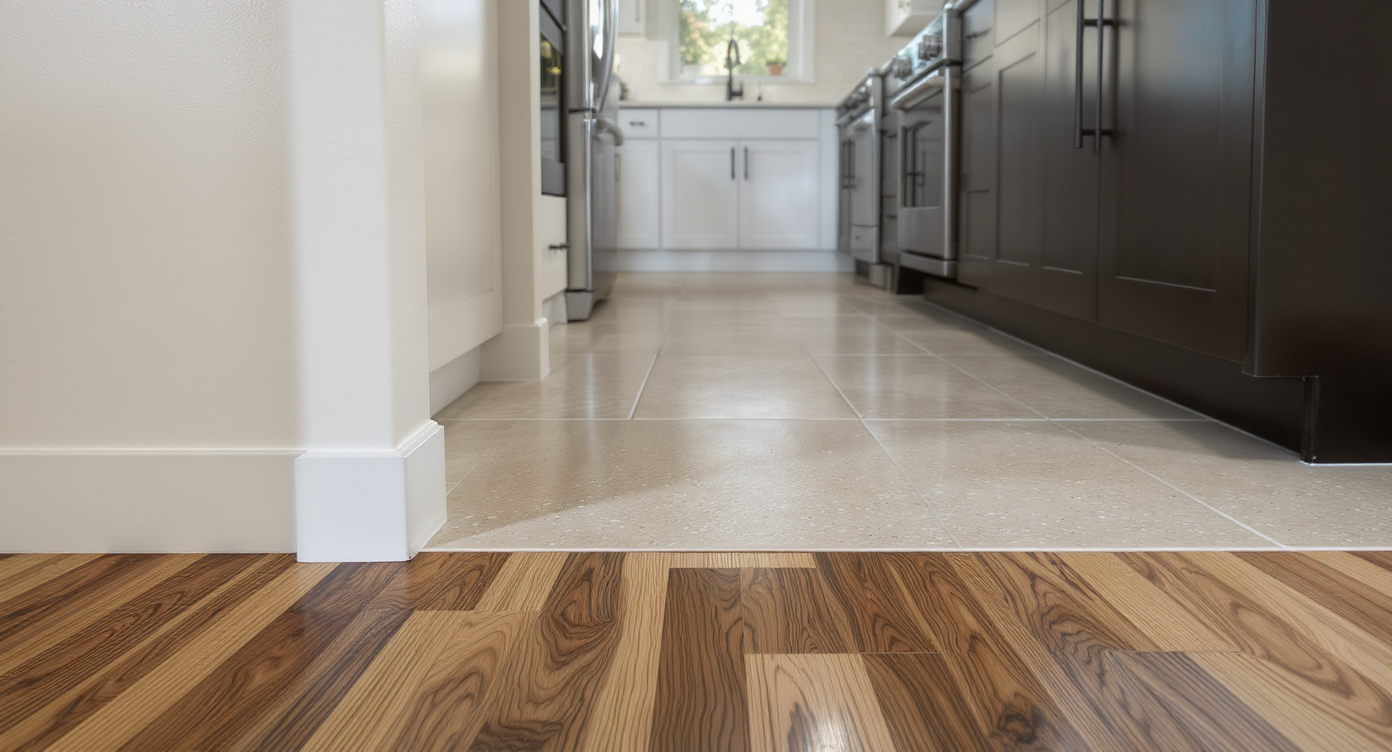
Wood-look tile in a kitchen meets real hardwood in the living area, illustrating practical flooring choices for wet and dry zones.
Installing hardwood in kitchens, bathrooms, or mudrooms is extremely divisive. While some families use wood throughout their homes with careful routines, most professionals recommend tile, LVP, or other waterproof options in any place with the potential for spills, leaks, or standing water. Even modern finishes cannot make traditional hardwood truly waterproof, leading to regret stories after undetected leaks. If you crave visual harmony between spaces, consider wood-look tile or premium LVP for wet zones, then coordinate with actual hardwood in living areas. As highlighted in our insights on installing LVP over existing floors, these options help solve the moisture issue where hardwood falls short.
-
9. Cost and Decision-Making: Be Honest About Your Needs
Budget influences every flooring decision, but so should honesty about intended use and priorities. While engineered hardwood and high-end LVP can rival solid wood in price, the latter’s install and refinishing costs often push it to the top of the range. If your household values low maintenance, waterproofing, or DIY installation, alternatives might offer greater satisfaction and savings. Using visual tools like REimagineHome.ai can help preview not just hardwood, but side-by-side options with your own home’s design, making it easier to balance budget, style, and daily demands before a major investment.
Frequently Asked Questions About Hardwood and Its Alternatives
Not always. Well-installed hardwood can be refinished multiple times, but if boards are badly damaged or the subfloor is compromised, replacement or a floating alternative might make more sense. See our guide comparing refinishing versus replacement for details.
How do I minimize scratches and dents?
Regular use of area rugs in high-traffic areas, felt pads under furniture, and immediate cleaning of debris all help. Keeping nails trimmed for pets and using rolling mats under office chairs further reduce visible wear.
Can I install hardwood in kitchens or bathrooms?
It is possible but generally not recommended. Water or humidity from appliances and plumbing raises risk for warping or staining. LVP or tile are often smarter choices for these zones.
Does hardwood really raise home value?
Quality hardwood can enhance appeal and sometimes helps at resale, but taste and regional trends matter. Damaged or outdated floors can deter buyers as much as attract them.
How can I preview different flooring options before committing?
Use technology like REimagineHome.ai to visualize how hardwood, LVP, and other finishes will look in your actual rooms, streamlining both design and selection.
Key Takeaways Before You Choose
Hardwood flooring endures as a symbol of quality and timeless design, yet living with it brings both satisfaction and maintenance realities. Assessing your climate, day-to-day routines, and resale expectations will reveal if it is the right fit. For high-traffic areas, pet-heavy households, or moisture-prone zones, hardwood’s alternatives—when chosen well—may offer richer value per dollar and fewer regrets. Lean on design preview tools like REimagineHome.ai and trusted contractor advice to inform your final decision.