What Homeowners Overlook: HVAC Gaps, Mistakes, and the True Cost of Comfort
TL;DR
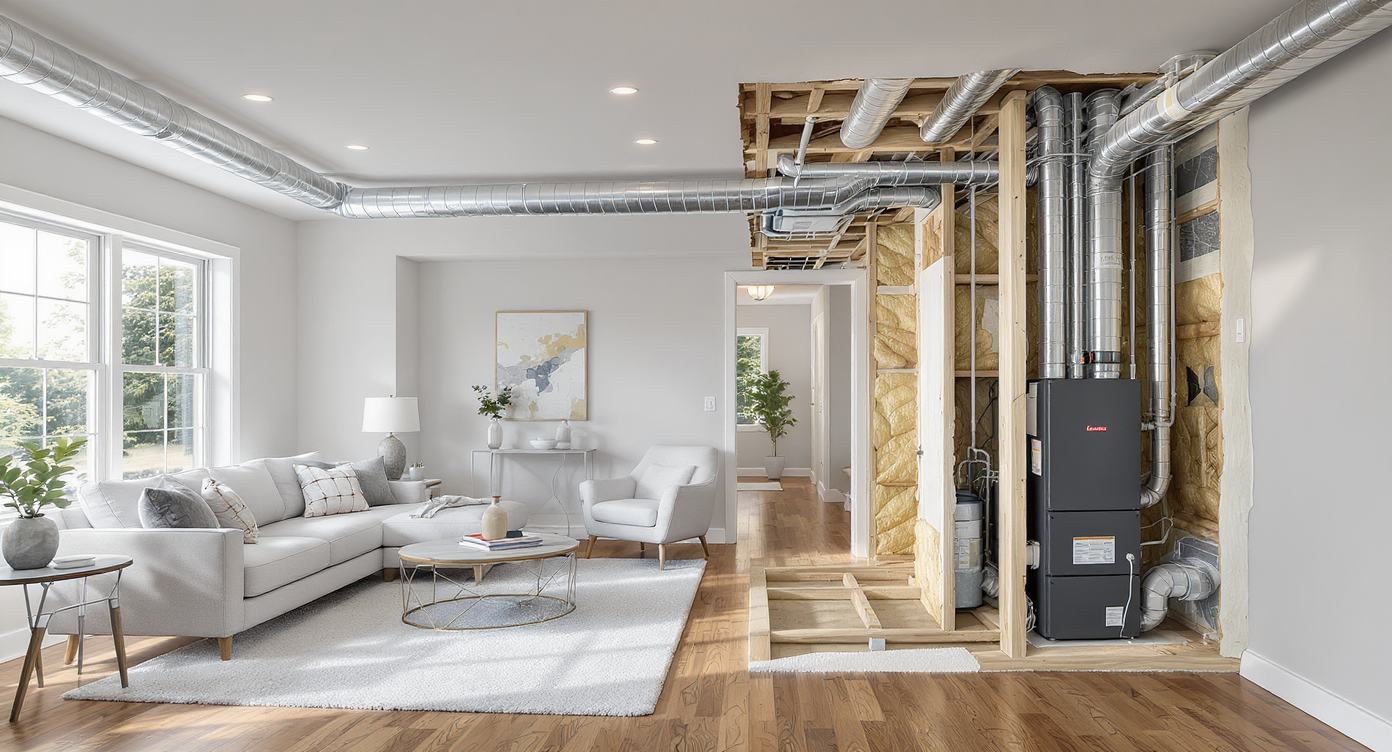
Many homeowners unknowingly live with hidden HVAC issues that waste energy, inflate bills, and disrupt comfort. Unsealed ducts, missing returns, and improperly installed registers are common interior design mistakes that become costly to fix and can dramatically impact air quality and energy efficiency. Proactive inspection, detailed planning, and understanding how heat and airflow function in your home prevent these DIY home improvement mistakes.
When Climate Control Goes Unnoticed
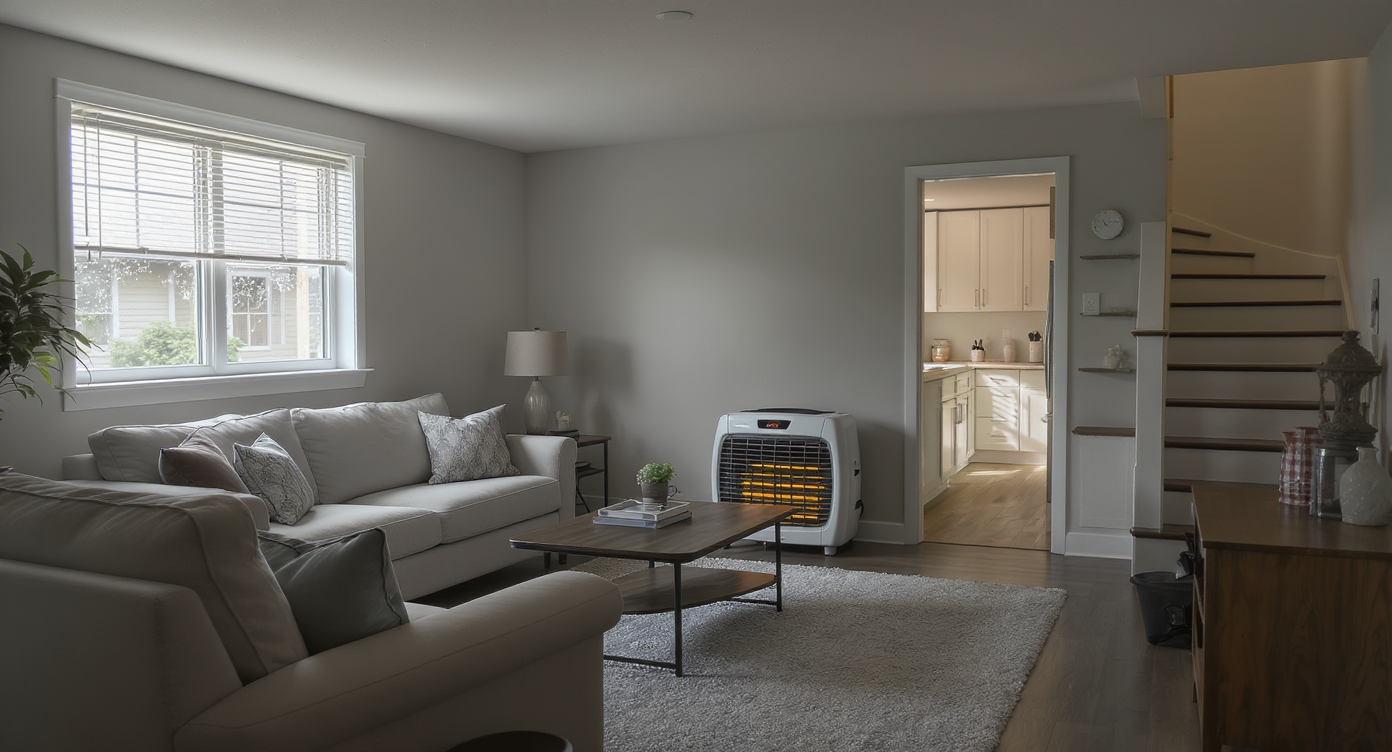
Chilly finished basement with space heater, bright upstairs room, and subtle HVAC clues revealing hidden home comfort problems.
Picture moving into a house that seems perfect at first—until the first season changes and odd temperature shifts begin to surface. Chill in a finished basement, stuffiness upstairs, or an unexpected spike in energy bills often reveal more about your home’s hidden mechanical life than you’d expect. Many homeowners assume their heating and cooling systems are quietly performing as intended, but lurking within walls, above ceilings, or under floors, small errors in planning or workmanship can lead to years of discomfort and incremental expense. It’s tempting to see HVAC as an invisible utility best left to professionals or forgotten altogether. The reality is that heat and airflow are as fundamental to daily comfort as furniture placement or natural light. Yet, these systems are rarely inspected by owners after move-in, opening the door for the most expensive and disruptive mistakes to remain undiscovered far too long.
-
The Hidden Risks in HVAC Design and Installation
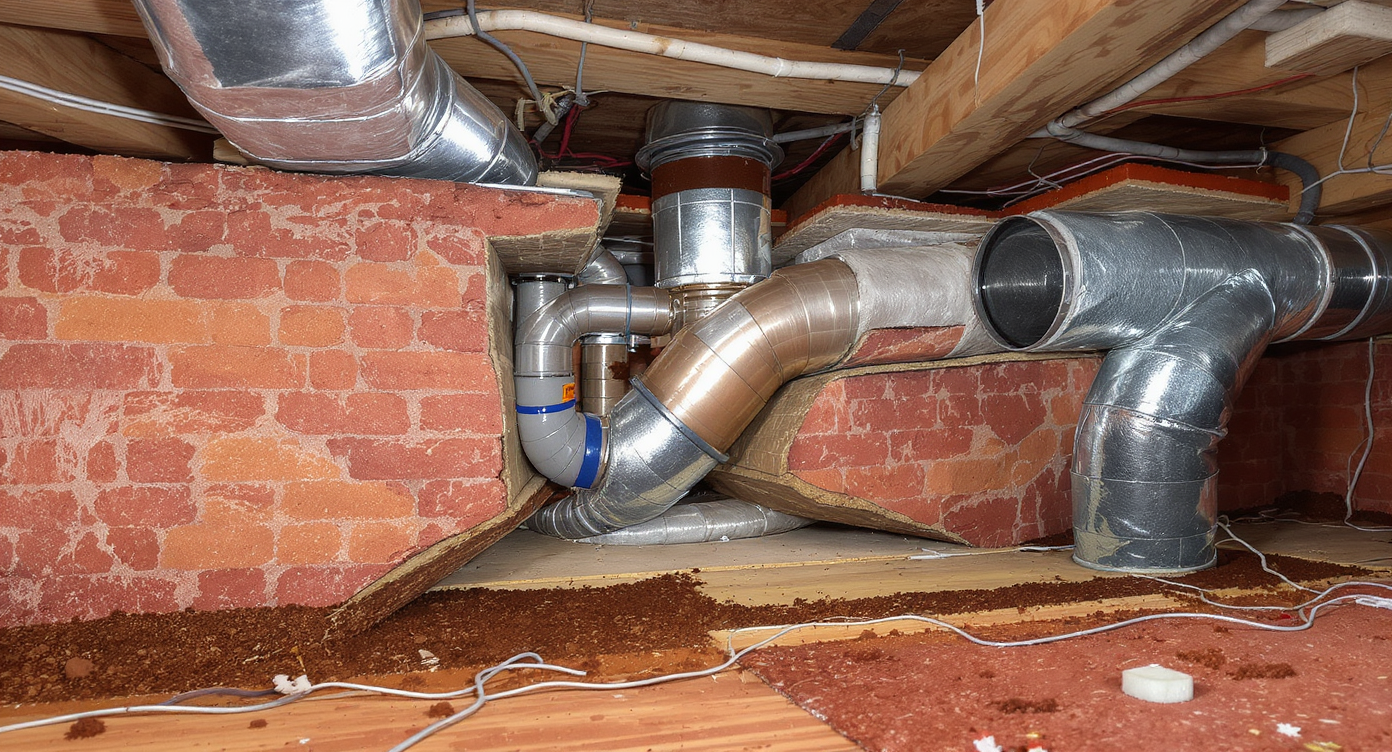
A cutaway view inside a home's HVAC system exposes hidden installation errors, like duct gaps and poorly routed returns, that impact comfort and efficiency.
A growing number of buyers are moving into homes where HVAC work—from out-of-sight ductwork runs to complex zoning systems—has been tinkered with by well-meaning past owners or hurried contractors. Common interior design mistakes in these areas don’t always appear on inspection reports, especially when related to inaccessible areas such as attics or crawl spaces. Even new homes aren't immune: misplaced air returns, unsealed connections, or poor duct routing can sap efficiency from state-of-the-art equipment. The reality is that big comfort and energy consequences stem from even small unseen errors. For instance, an upstairs return not pulling air may signal gaps in the returns or open cavities, while a cold basement might betray missing return air pathways entirely. If a register is simply pushing conditioned air into a void—not a room—energy bills soar as the system works overtime and comfort lags behind. According to our guide on are DIY renovations worth it for resale, even well-intended DIY work can harm value if HVAC elements are not well planned or executed.
Expert Insight
A couple moved into a newly finished home and relished its modern style—until the first cool season left their basement uncomfortably cold. Despite best efforts with the thermostat, comfort eluded them. Curious, the homeowner finally opened a wall only to discover the register blowing into an empty cavity. The realization sparked a deep dive into their home's hidden mechanics, turning what once seemed like a simple adjustment into a revelatory remodeling journey.
-
Everyday Oversights: Why Problems Persist
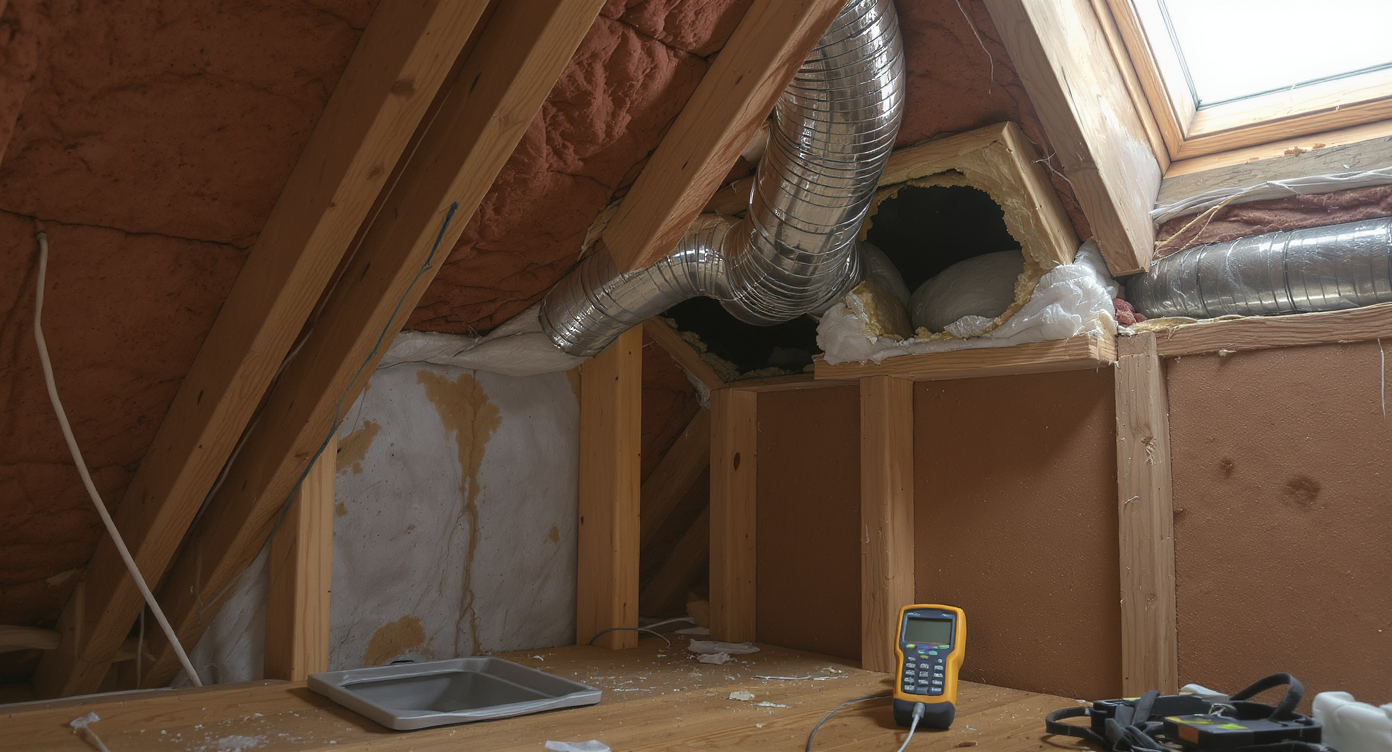
A neglected attic corner exposes an HVAC duct gap at a wall cavity, highlighting how unnoticed issues can persist and inflate energy costs.
A recurring scenario: a homeowner senses something off with the air in certain rooms, but chalks it up to quirks of an older house or ignores it entirely until forced to act. The reluctance to peek into an attic or open up a wall is understandable—many live in homes for years without ever inspecting these spaces. Yet, the cost of inaction can add up to hundreds or thousands on energy bills, to say nothing of comfort lost. Often, regular maintenance is skipped and energy audits are never considered. Professional inspectors may also miss these hidden issues, especially if only visible surfaces are checked or attic and crawl spaces are not entered. When, eventually, a problem is uncovered—like a return pulling air from inside a wall cavity rather than the living space—owners realize that small oversights can have big hidden impacts. When possible, periodic checks on visible connections and simple airflow tests can be revealing, preventing prolonged discomfort or expense.
-
Heat, Airflow, and the Design Dynamics of a Home
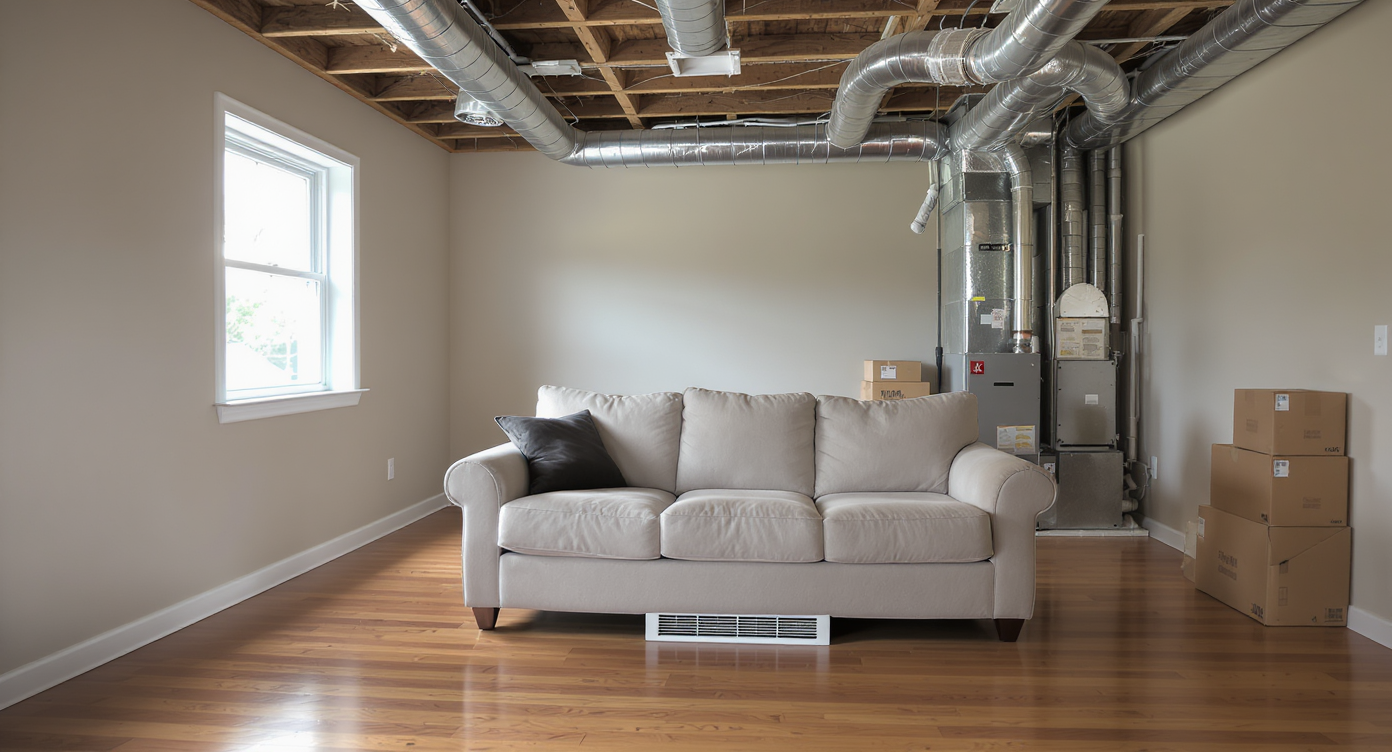
Blocked vents, disconnected ductwork, and crowded HVAC spaces illustrate how overlooked design choices hurt home airflow and comfort.
Understanding heat and airflow within a home is as critical as choosing a paint color or a sofa. Poor airflow design can mean one room chills while another overheats, or that expensive, conditioned air is dumped into crawl spaces or wall cavities. These DIY home improvement mistakes homeowners regret tend to originate from a lack of planning and from making changes without considering the entire interconnected system. Imagine the frustration of realizing, midsummer, that your attic feels oddly cool because ductwork was never connected to a register, or that a once-comfortable room is now persistently chilly because a supply duct is missing altogether. Placing furniture over vents, storing boxes near units in attics or utility rooms, or sealing off rooms without adjusting airflow compounds the issue. Good design requires not only attention to visible aesthetics but ongoing vigilance over how air moves and escapes inside the home.
Visualization Scenario
It's a rainy afternoon and you're arranging a cozy reading nook in a favorite room. You notice that despite plush rugs and heavy curtains, the air still feels drafty. Deciding to troubleshoot, you grab a hand mirror and a stick of incense, holding it by the vent. The smoke dances horizontally, betraying a leak in ductwork buried behind a bookshelf. Fixing this minor issue, you soon rediscover the satisfaction of evenly distributed warmth and an energy bill in line with your expectations.
FAQ: Avoiding Hidden HVAC Headaches
Overlooking leaks in ductwork, skipping necessary returns, and covering or blocking vents are among the most common—often because these elements are hidden or difficult to reach.
How can I tell if my HVAC system is wasting energy?
Signs include uneven temperatures, persistent drafts, unexpectedly high utility bills, and rooms that never feel comfortable. Scheduling a professional energy audit or using airflow and temperature measurements can uncover inefficiencies.
Are old units always less efficient?
Not necessarily. A well-maintained older unit may still perform well, but efficiency declines over time due to leaks, outdated insulation, or design issues. Sometimes, updating ductwork and sealing gaps provides as much benefit as replacing equipment.
Should I try to DIY HVAC improvements?
Basic maintenance like changing filters or checking visible ducts is manageable for many, but designing new returns, rerouting ducts, or diagnosing failures usually requires a professional. As seen in advice on first-time home buyer mistakes, consulting skilled technicians is prudent for complex or critical systems.
Where can I find more ideas that blend smart HVAC and good design?
Browse design inspiration and practical strategies at ReimagineHome.ai for ideas on integrating efficiency with style.
Creating a Comfortable, Efficient Home
Reliable comfort starts with more than a well-chosen thermostat or gleaming new HVAC unit. It depends on understanding the paths air takes through your home and the unseen connections behind registers and vents. Addressing leaks, gaps, and missing runs isn’t a matter of preference but of necessity for energy efficiency and year-round satisfaction. Whether you are renovating, buying, or simply maintaining, inspecting your home’s HVAC layout pays dividends for comfort, cost, and resale. If you’re not ready to tackle these details yourself, consider scheduling an energy audit or consulting with trusted professionals. Investing in this hidden infrastructure pays off long after the work is done. For visual inspiration and more insight into integrating comfort with beautiful design, visit ReimagineHome.ai.